
By Randy Malmstrom
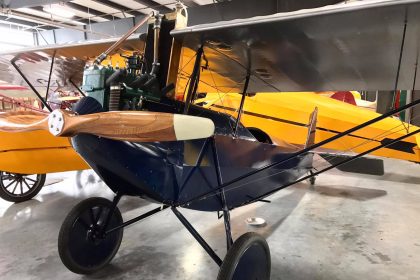
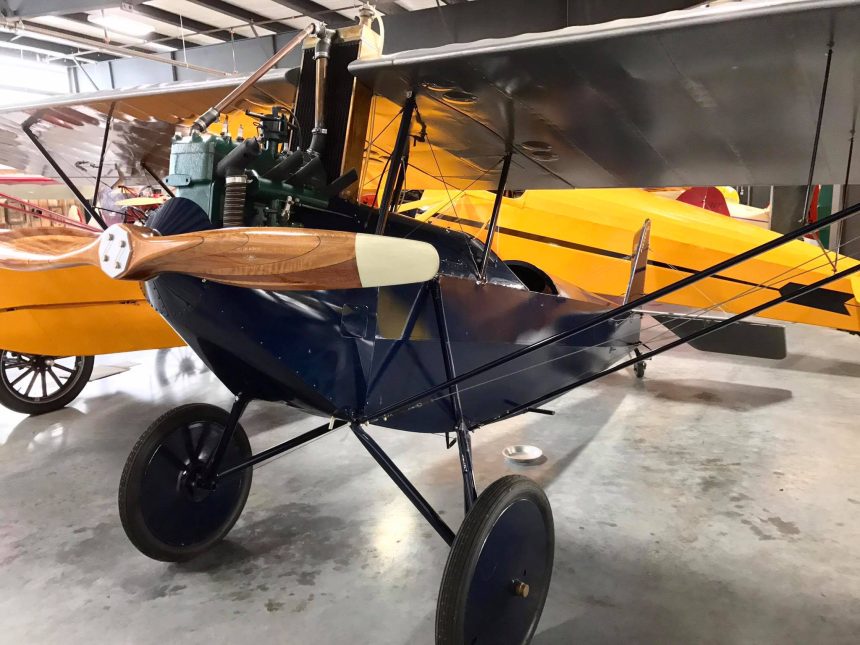
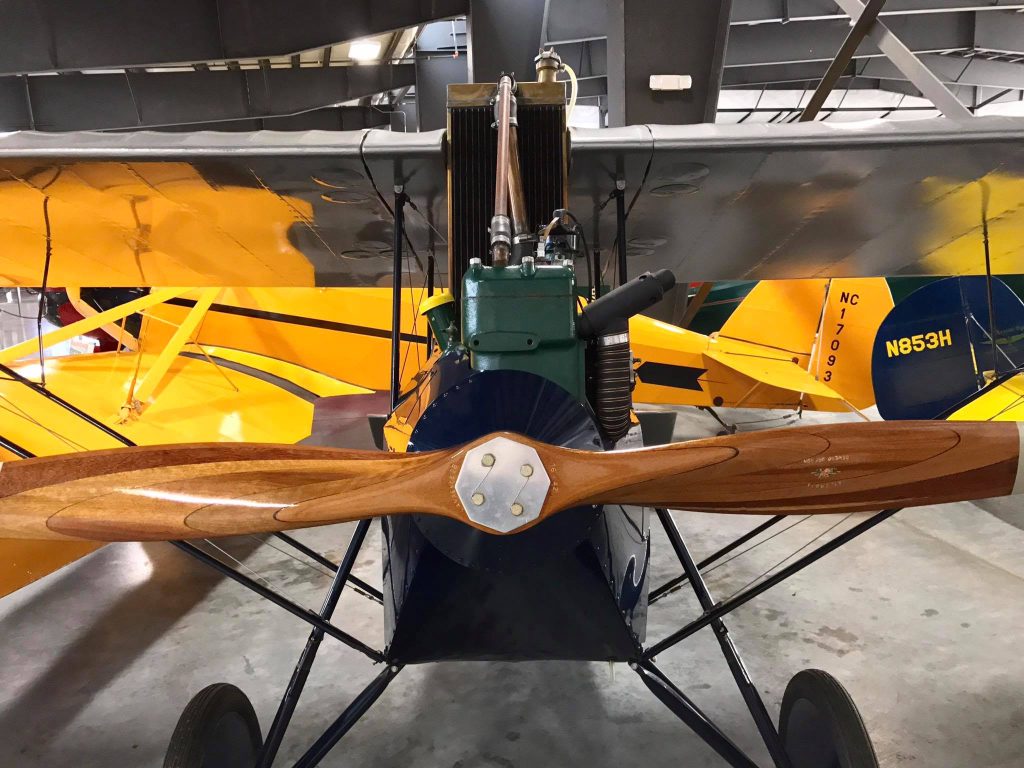
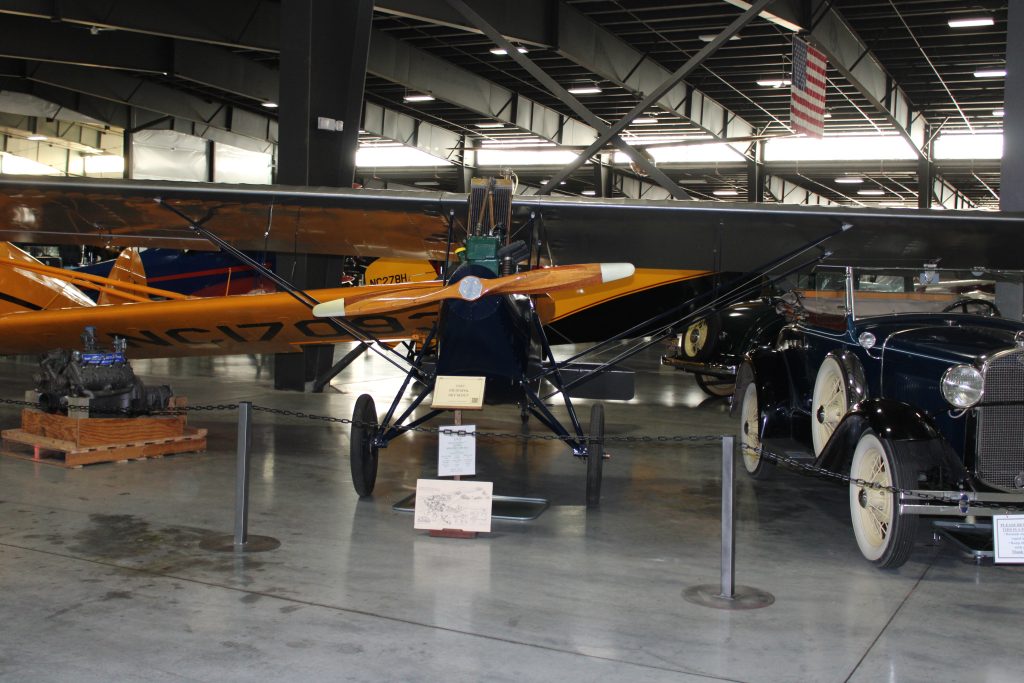
Pietenpol Sky Scout, Serial Number 7, N1933A. The Sky Scout was designed by Bernard H. Pietenpol for his Pietenpol Aircraft Company in Cherry Grove, Minnesota – initially in an abandoned Lutheran church and then what became known as “Pietenpol Field.” The company was known for designing low-cost, home-built aircraft, the most well-known being the Air Camper, a tandem 2-seat aircraft. Pietenpol was born in 1901 (and died in 1984) and, with an 8th-grade education, became a self-taught pilot and mechanic, building powered lawn mowers, tractors, wheelchairs, a gas-powered electric generator, and motorcycles and automobiles. He took an interest in aircraft but found that after the developmental flight years of World War I, buying and maintaining an aircraft and learning to fly was expensive. In 1920, and with the help of his father-in-law and two friends, he had built and tested a biplane to which he had bolted a readily available Ford Model T engine that only produced 20 hp. That attempt was unsuccessful. As Pietenpol stated, “It would have flown if I’d had known how to fly it. Luckily I didn’t.” But, after further experimentation and development, it came to be that in the 1920s, Pietenpol, Henri Mignet in France, Edward Heath (with his Parasol), and O.C. Corben (with his Baby Ace) were designing and selling both finished aircraft and kits by their respective companies, and plans were being sold to those confident in their abilities as craftsmen. But some of the designs called for some complex construction skills and equipment that were beyond the scope of the average builder.
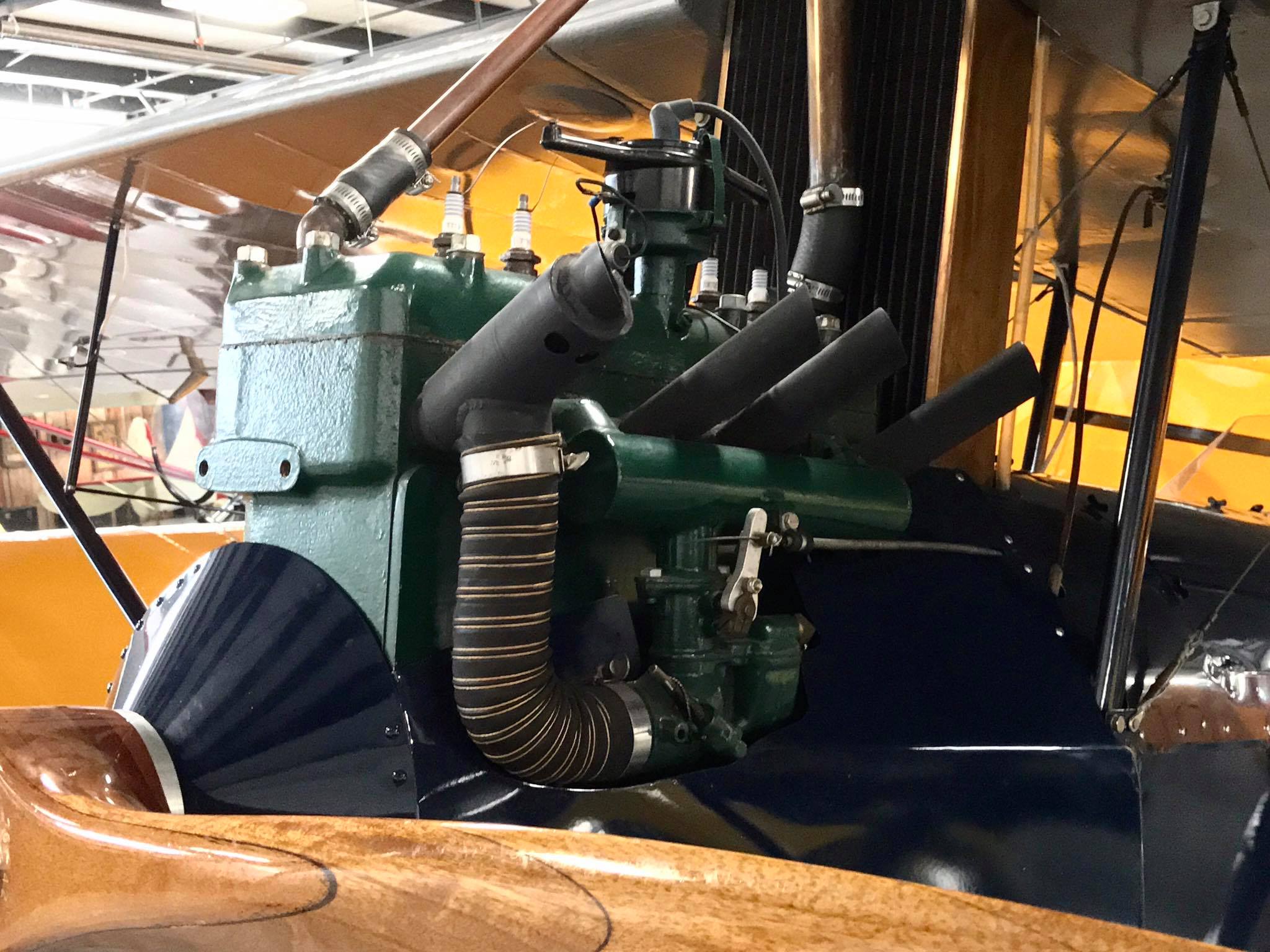
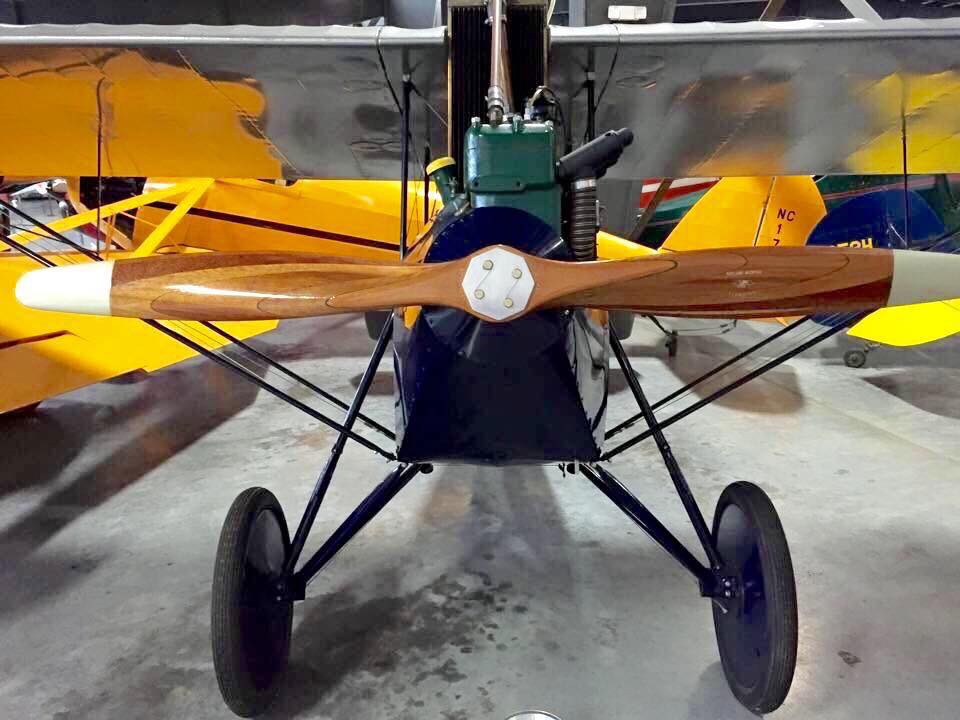
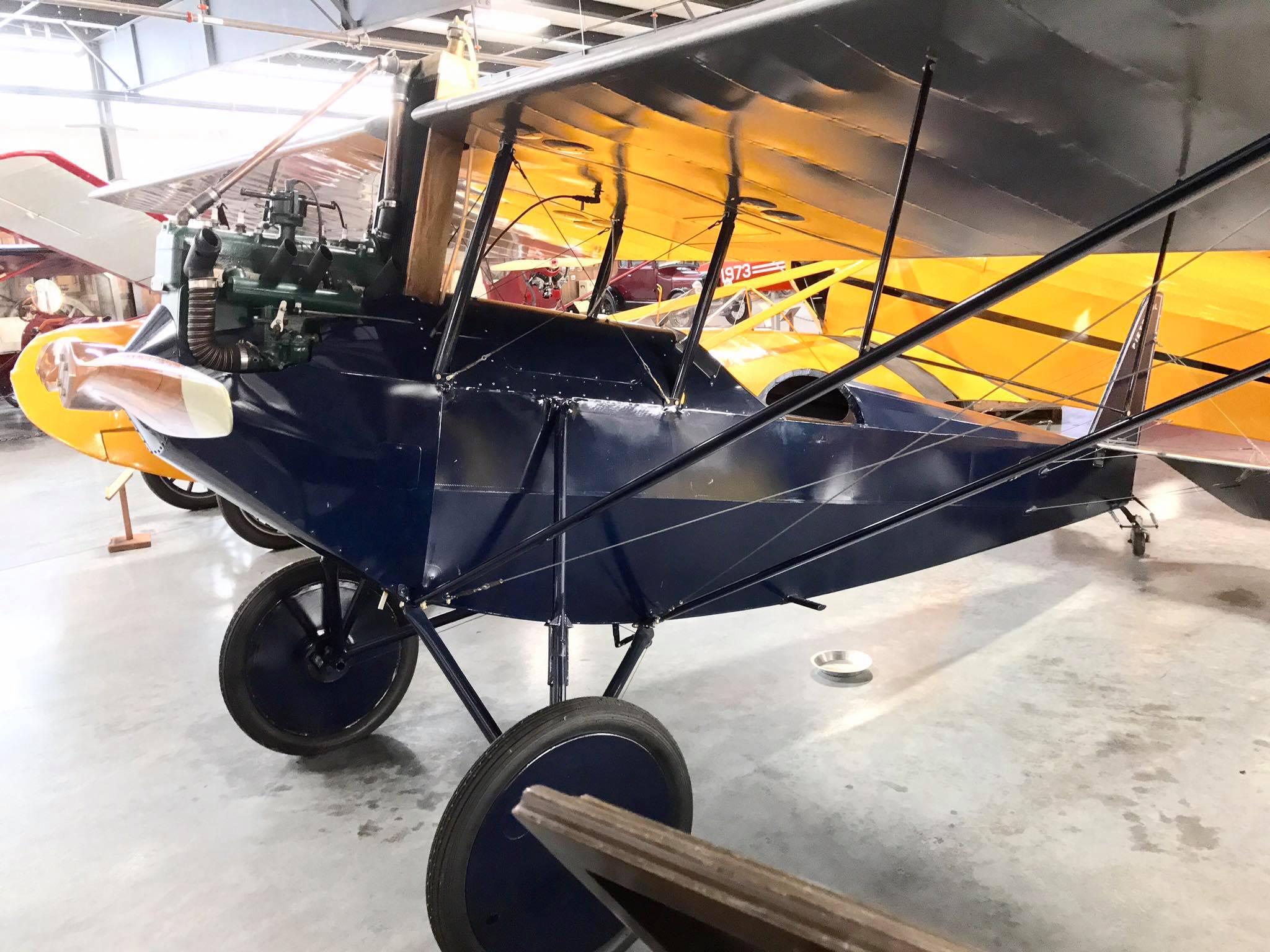
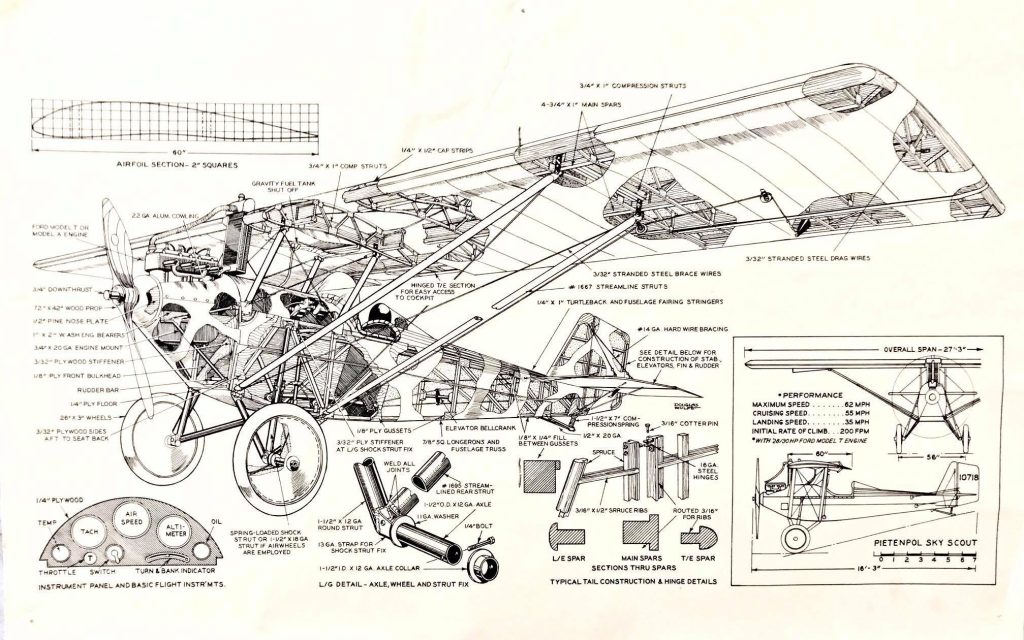
The Pietenpol aircraft were designed for ease of home construction using purchased design plans and readily available materials like wood and fabric; he told his customers to avoid “using a lot of nails; the strength lies in the gusset plate and gluing.” Advertisements for Sky Scout plans were first published in the 1933 edition of Modern Mechanics (whose editor, in 1932, had made a statement that aircraft couldn’t fly with an automobile engine) and Inventions Flying Manual and sold for $7.50. During the 1930’s, Pietenpol did advertise and sell hundreds of complete kits, and even a “ready-to-fly” Ford Model A-powered Air Camper for $750. By the beginning of WWII, over six thousand sets of plans had been sold; but reportedly, only 23 aircraft were actually built at the company workshop. The Air Camper and Sky Scout drew enthusiastic crowds at fly-ins, and for 60 years, Pietenpol would offer free rides on Pietenpol Field on Sunday afternoons, insisting that all his pilots wear white shirts and ties. He is quoted as saying, “I built the Sky Scout to prove to myself that I could build a ship powered with a motor which would be practical and also prove that the Model A engine was not the only automobile motor that would fly successfully.”
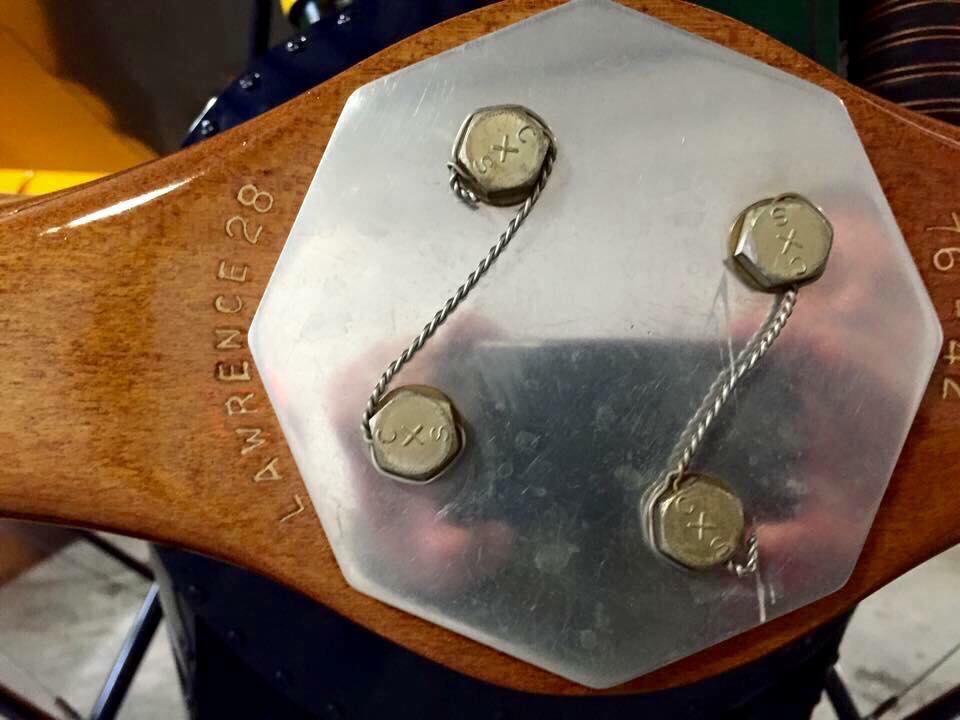
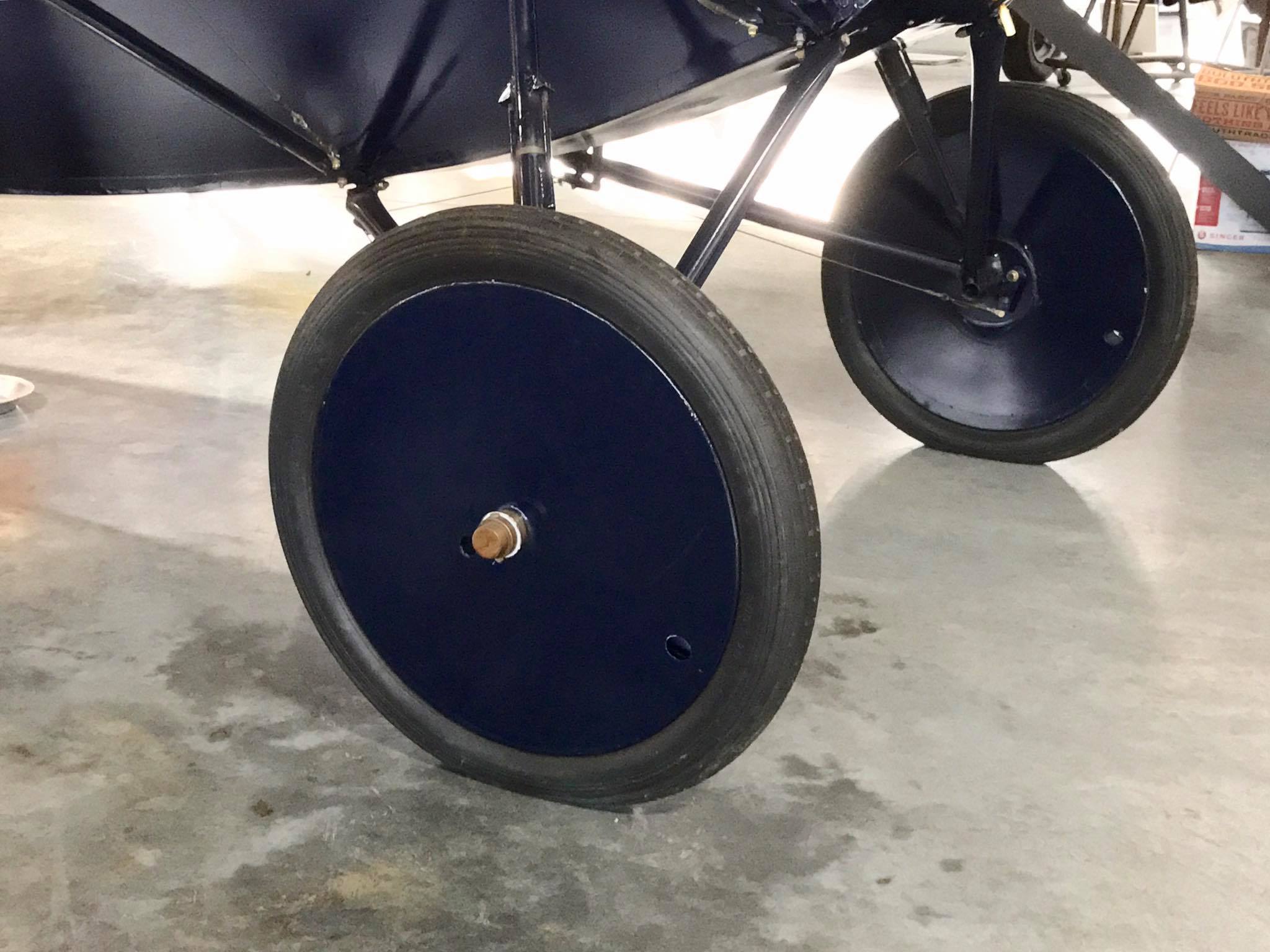
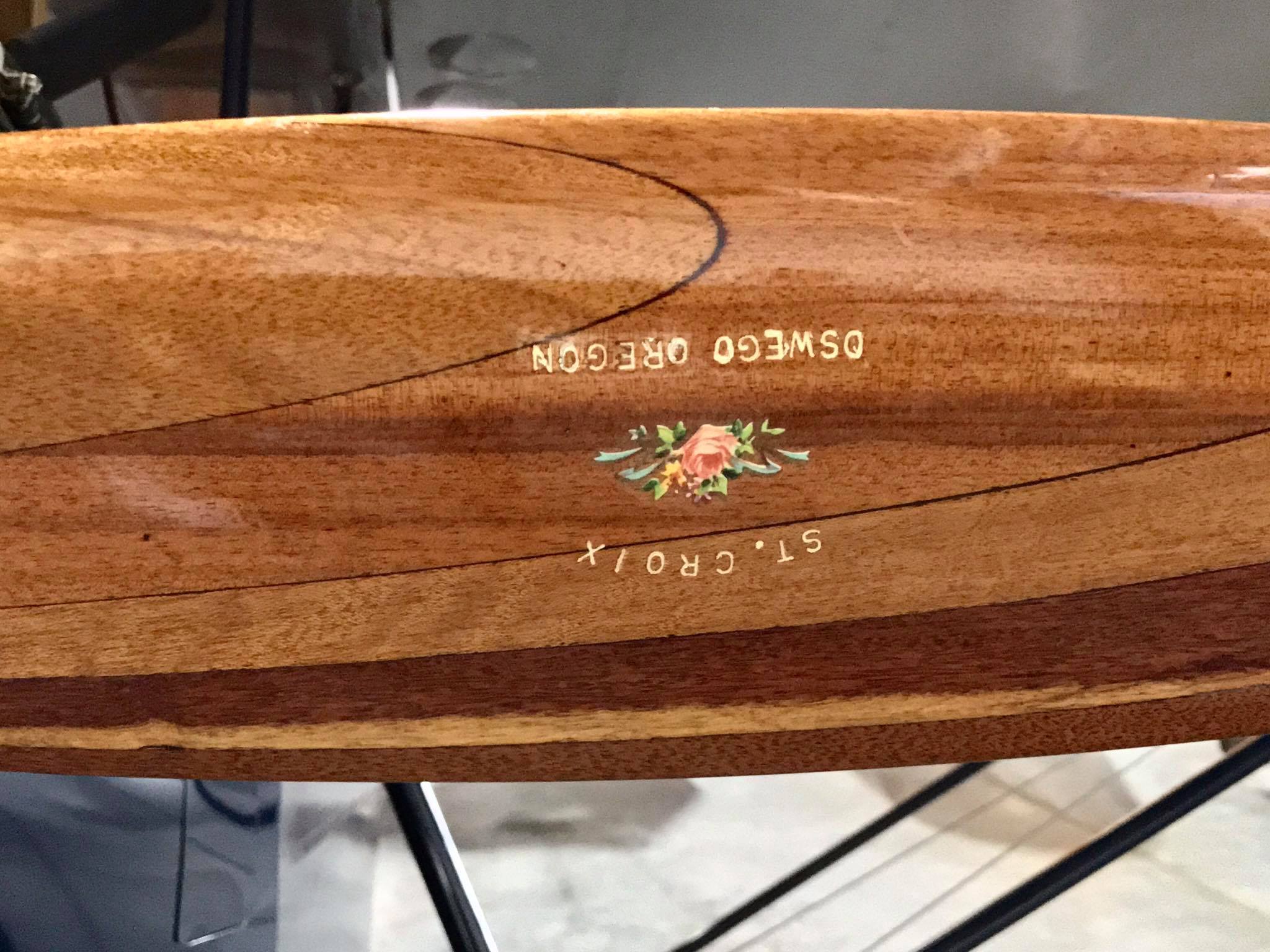
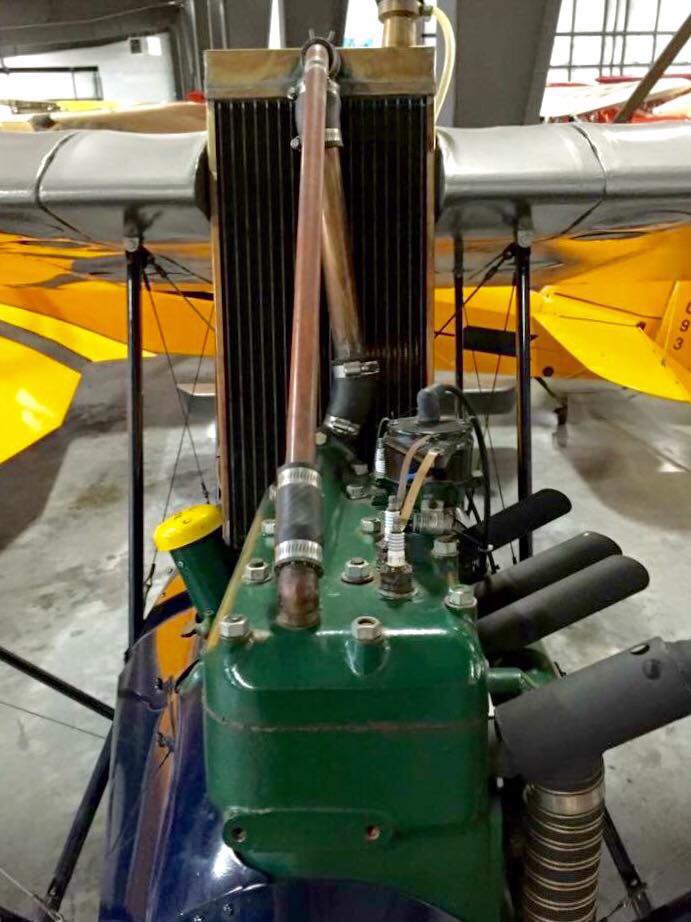
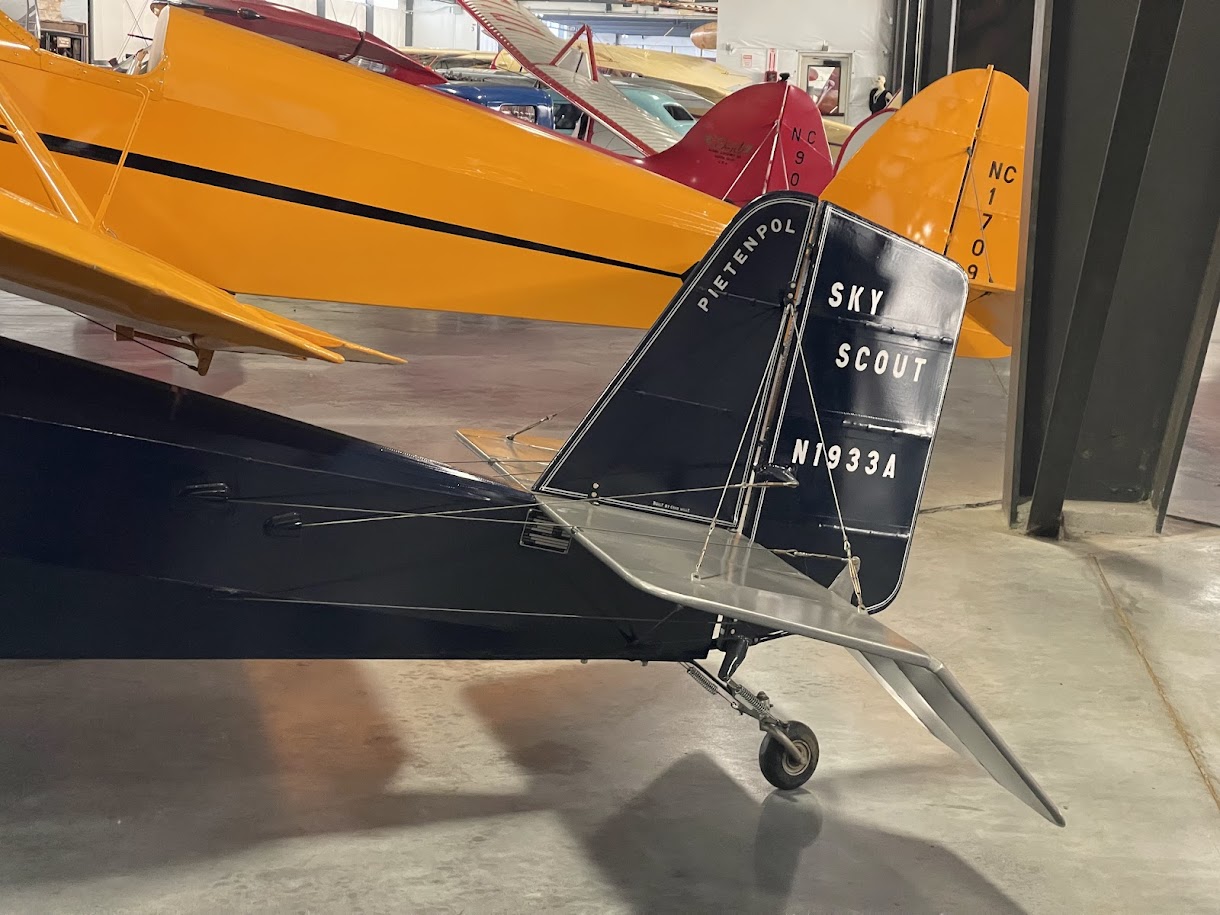
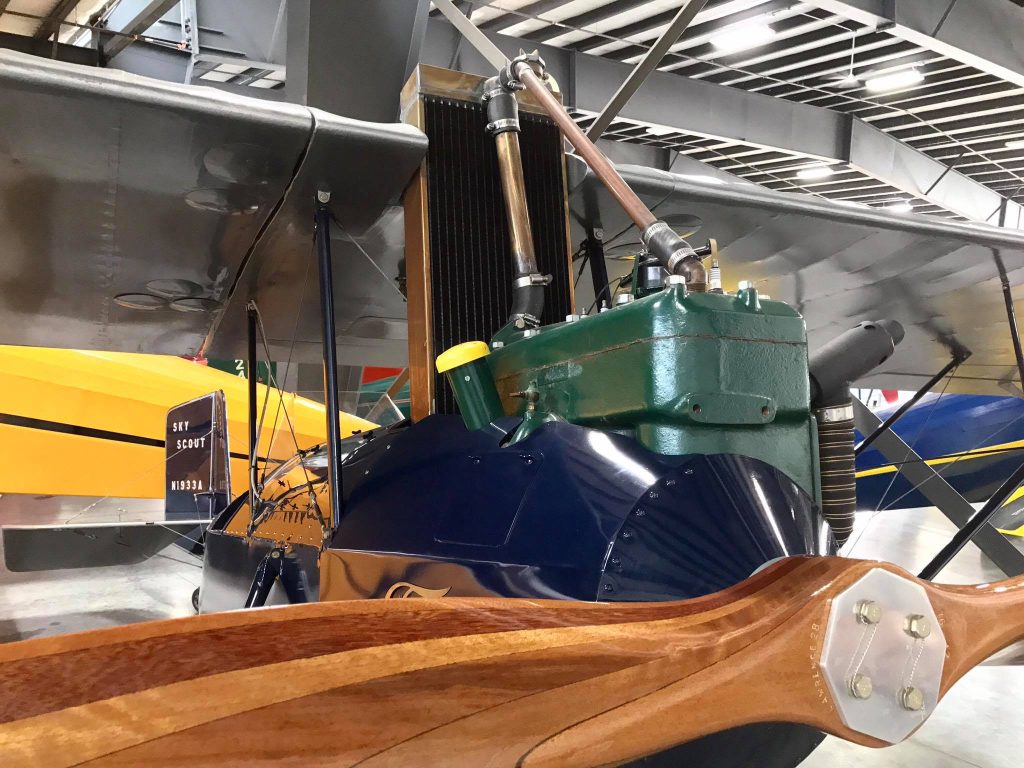
During WWII, Bernard Pietenpol worked for the Civilian Pilot Training Program (CPTP), giving future pilots basic flight lessons and teaching skills in aircraft maintenance. The Sky Scout was generally fitted with a 63-hp Ford Model B engine, as was installed in the 1915 Ford Model T automobile. With an empty weight of 610 lbs., and a load limit of 267 lbs. (including pilot and fuel), it had a top speed of 62 mph., a cruising speed of 55 mph. and a landing speed of 35 mph. It required only 150 ft. of real estate to take off and 250 ft. to land. The “Pietenpol Workshops and Garages” were disassembled and moved. To my knowledge, one hangar was relocated to Pioneer Airport in Oshkosh, Wisconsin, in 1981 to become a display at the EAA (Experimental Aircraft Association)—which also has an Air Camper from 1975 and awarded it the best auto-powered aircraft—and this became part of the U.S. National Register of Historic Places. Another hangar went to the Fillmore County Historical Center in Fountain, Minnesota. In 1991, Pietenpol was posthumously inducted into the Minnesota Aviation Hall of Fame and is, perhaps, nationally recognized as “The Father of the Homebuilt Aircraft.” My photos at Western Antique Aeroplane and Automobile Museum (WAAAM) in Hood River, east of Portland, are registered with the FAA under Terry Brandt, founder/pilot of WAAAM.
About the author 
Randy Malmstrom grew up in a family steeped in aviation culture. His father, Bob, was still a cadet in training with the USAAF at the end of WWII but did serve in Germany during the U.S. occupation in the immediate post-war period, where he had the opportunity to fly in a wide variety of types that flew in WWII. After returning to the States, Bob became a multi-engine aircraft sales manager and, as such, flew a wide variety of aircraft; Randy frequently accompanied him on these flights. Furthermore, Randy’s cousin, Einar Axel Malmstrom, flew P-47 Thunderbolts with the 356th FG from RAF Martlesham Heath. He was commanding this unit at the time he was shot down over France on April 24th, 1944, spending the rest of the war as a prisoner of war. Following his repatriation at war’s end, Einar continued his military service, attaining the rank of Colonel. He was serving as Deputy Wing Commander of the 407th Strategic Fighter Wing at Great Falls AFB, MT, at the time of his death in a T-33 training accident on August 21, 1954. The base was renamed in his honor in October 1955 and continues to serve in the present USAF as home to the 341st Missile Wing. Randy’s innate interest in history in general, and aviation history in particular, plus his educational background and passion for WWII warbirds, led him down his current path of capturing detailed aircraft walk-around photos and in-depth airframe histories, recording a precise description of a particular aircraft in all aspects.