
By Randy Malmstrom
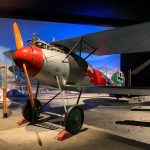
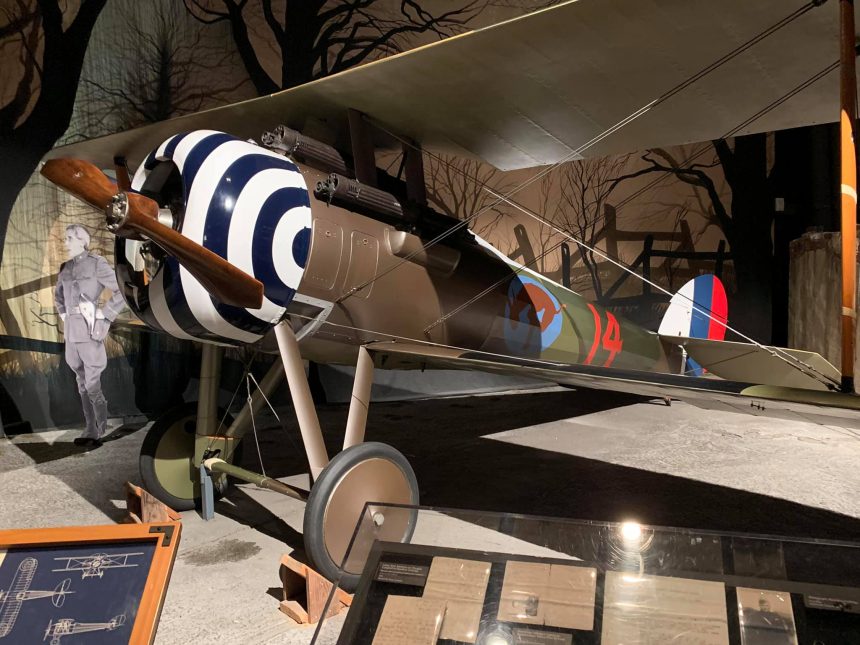
Since his childhood, Randy Malmstrom has had a passion for aviation history and historic military aircraft in particular. He has a particular penchant for documenting specific airframes with a highly detailed series of walk-around images and an in-depth exploration of their history, which have proved to be popular with many of those who have seen them, and we thought our readers would be equally fascinated too. This installment of Randy’s Warbird Profiles takes a look at the Museum of Flight‘s Nieuport 28 C-1.
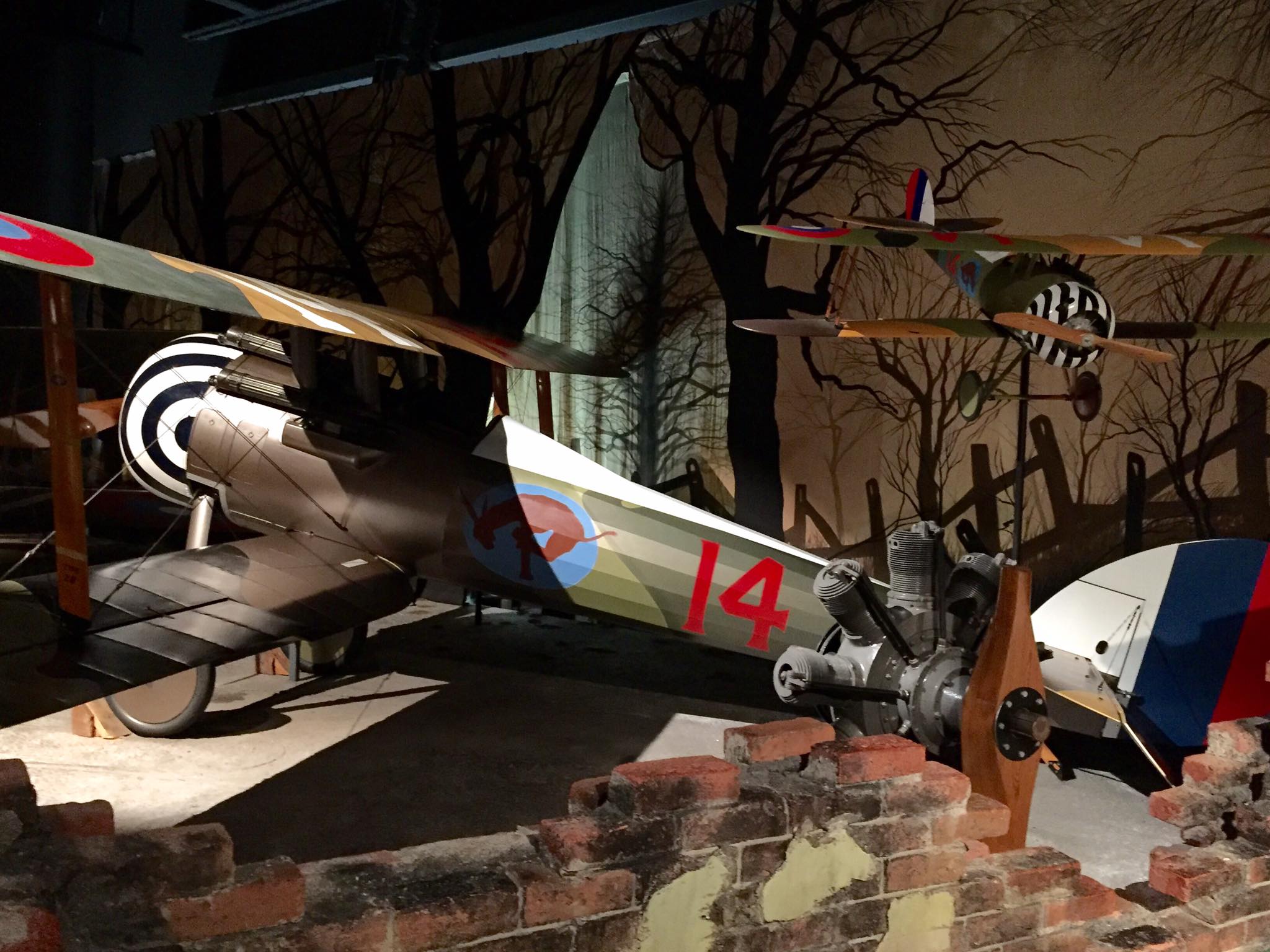
I have not determined any specific military history of this particular aircraft on display at the Museum of Flight (MOF) in Seattle, Washington where it is listed as “an original” but leave this album as is for now. It was restored by Robert Rust, James Appleby and finished in 1999 by Roger Freeman of Marlin, Texas. It is painted in the markings of Lt. Quentin Roosevelt, son of President Theodore Roosevelt.
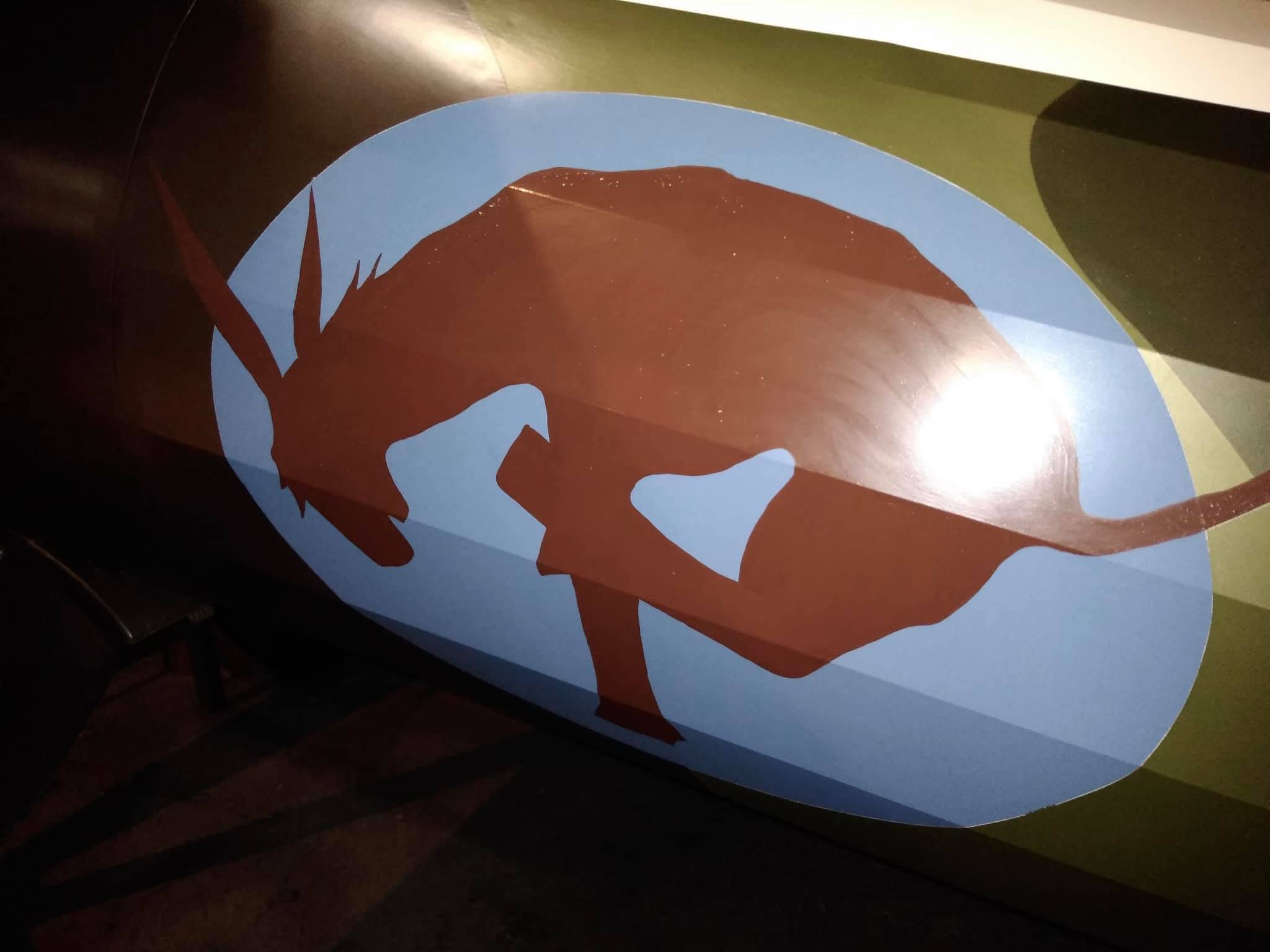
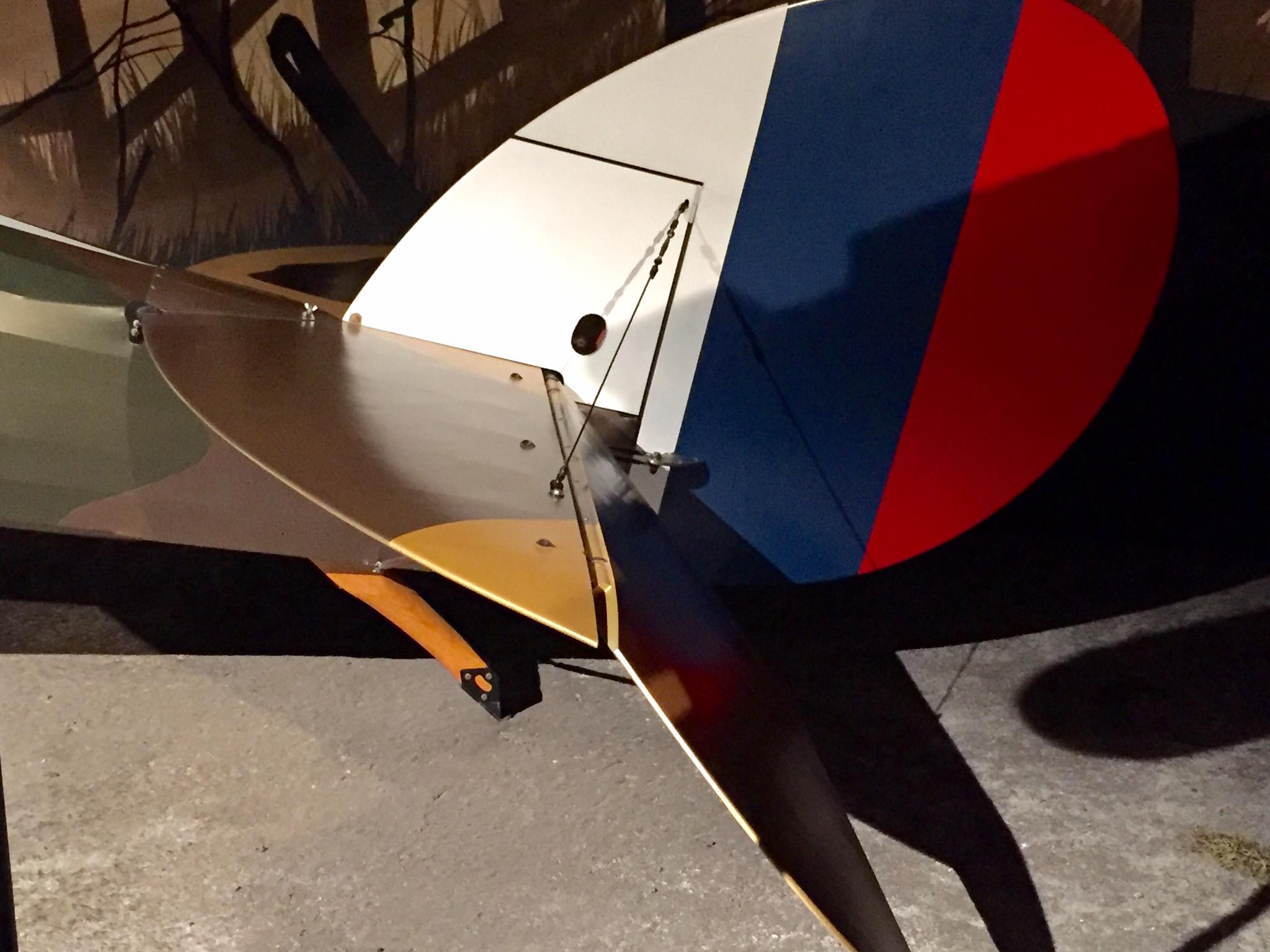
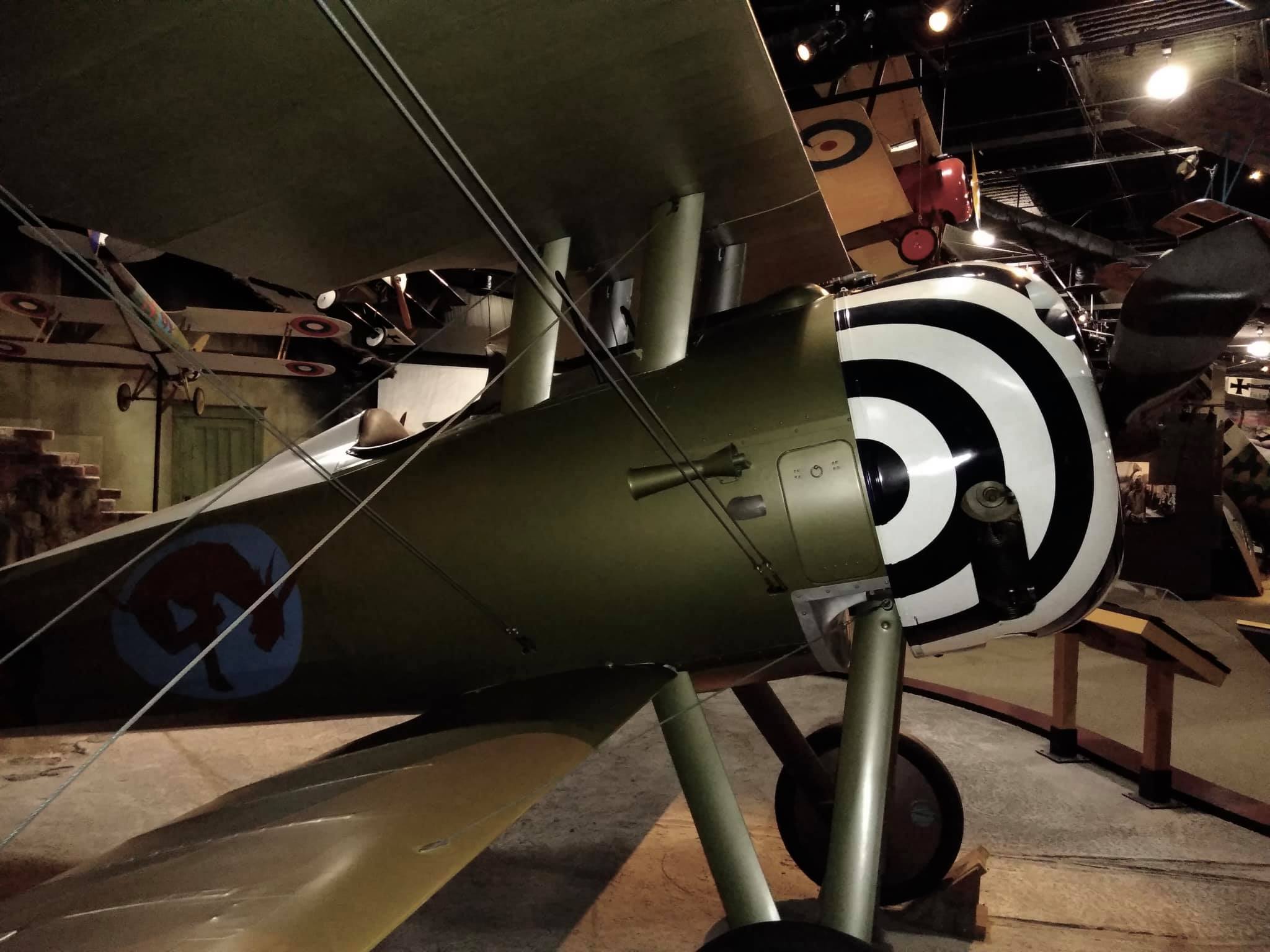
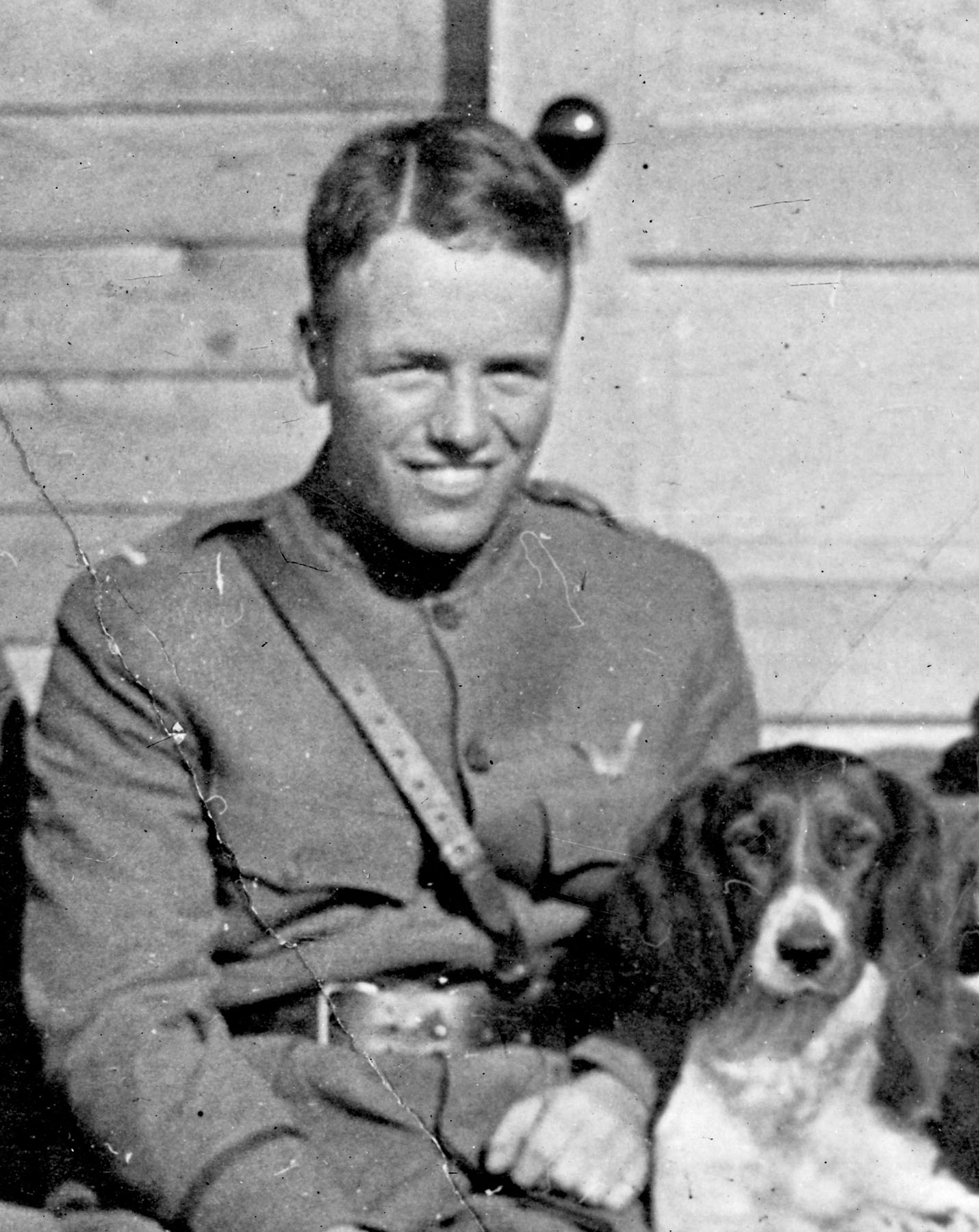
Lt. Roosevelt arrived in France during World War I and flew a Nieuport 28 with the 95th Aero Squadron. He was killed on July 14, 1918, when his aircraft was shot down over German lines by Sgt. Karl Thom*, a German ace credited with 24 victories. The German government printed postcards of the wreckage and his body to be used as propaganda telling how easy the task is to bring down the best American aviator.
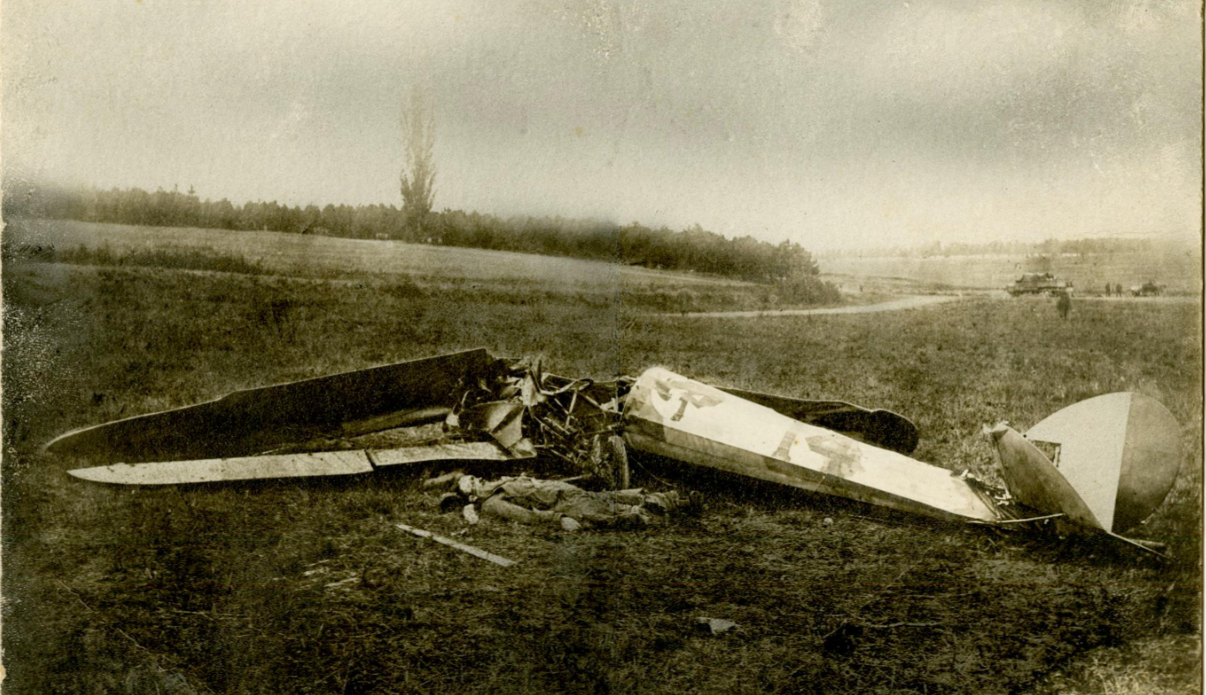
The Nieuport 28 was designed by Société Anonyme des Établissements Nieuport designer Gustave Delage and had its first flight on June 14, 1917. When they were first delivered to French World War I pilots in 1918, they shunned it in favor of the more rugged, advanced SPAD XIII. The U.S. Army Air Service of the American Expeditionary Force was short on aircraft and received a total of 297 Nieuport 28 aircraft beginning in February 1918, and first deliveries – initially without armament – went to the 94th and 95th Aero Squadrons and were consequently flown as trainers.
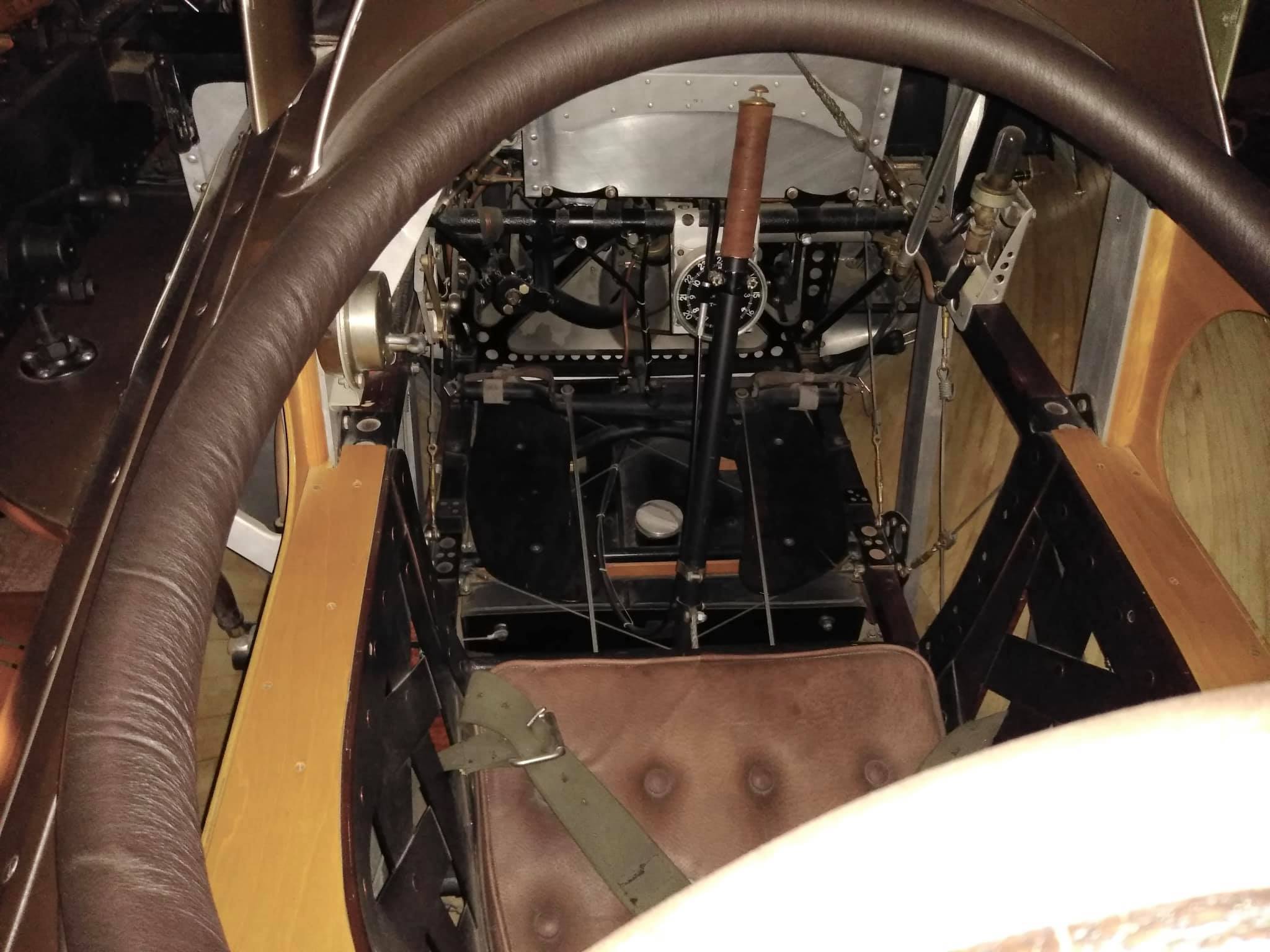
By March of 1918, Vickers machine guns arrived in quantities only sufficient for some aircraft, while others patrolled with a single gun. Capt. Eddie Rickenbacker and Lt. Quentin Roosevelt are two of the U.S. pilots to begin their combat careers in the Nieuport 28. The Air Service continued to operate them into the 1920’s. Following WWI, the U.S. Navy acquired twelve for shipboard launch trials between 1919-21. Powerplant: one Gnome Monosoupape 9N 160 hp., 9-cylinder rotary engine. Armament: two .303 Vickers machine guns.
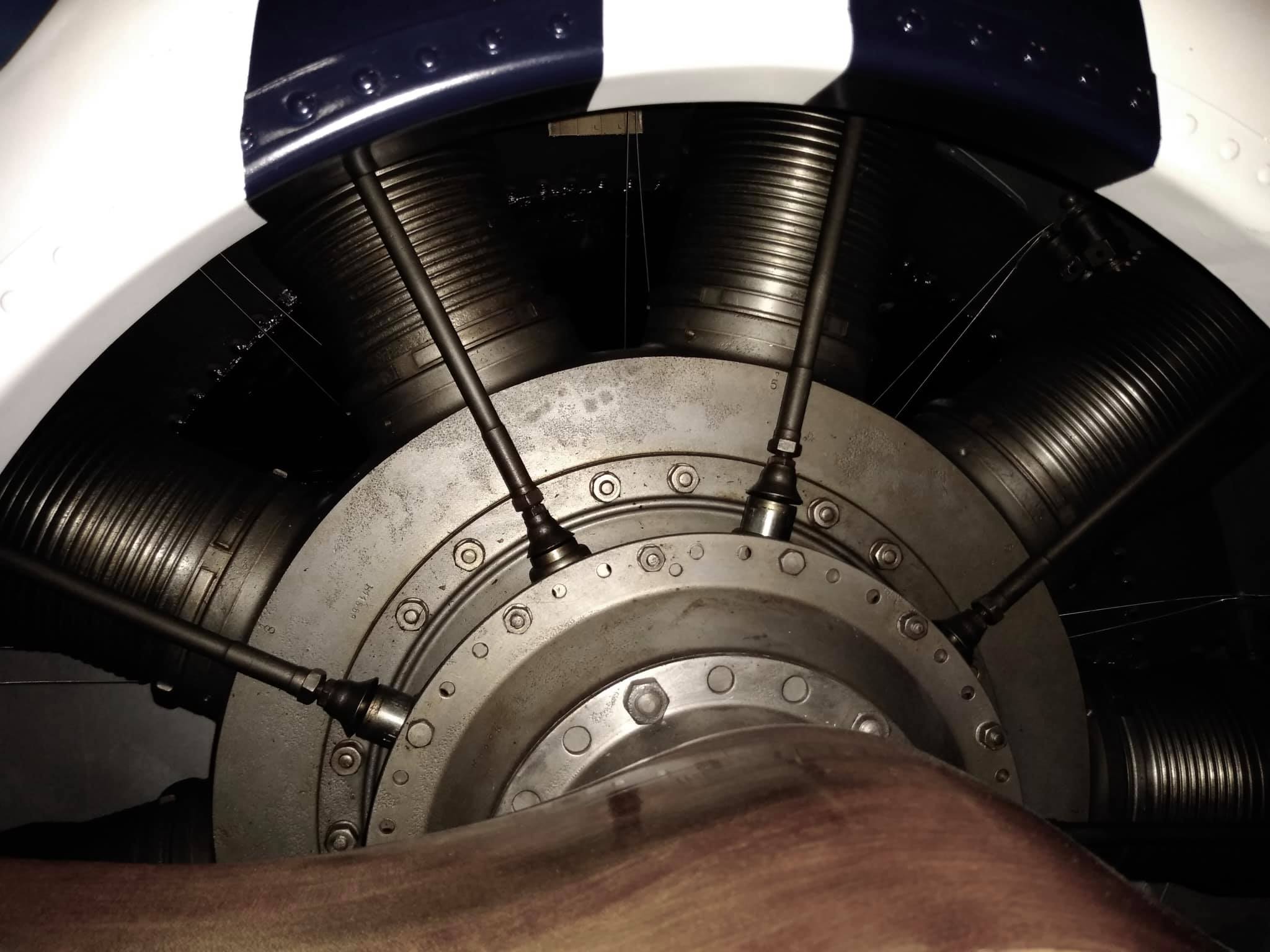
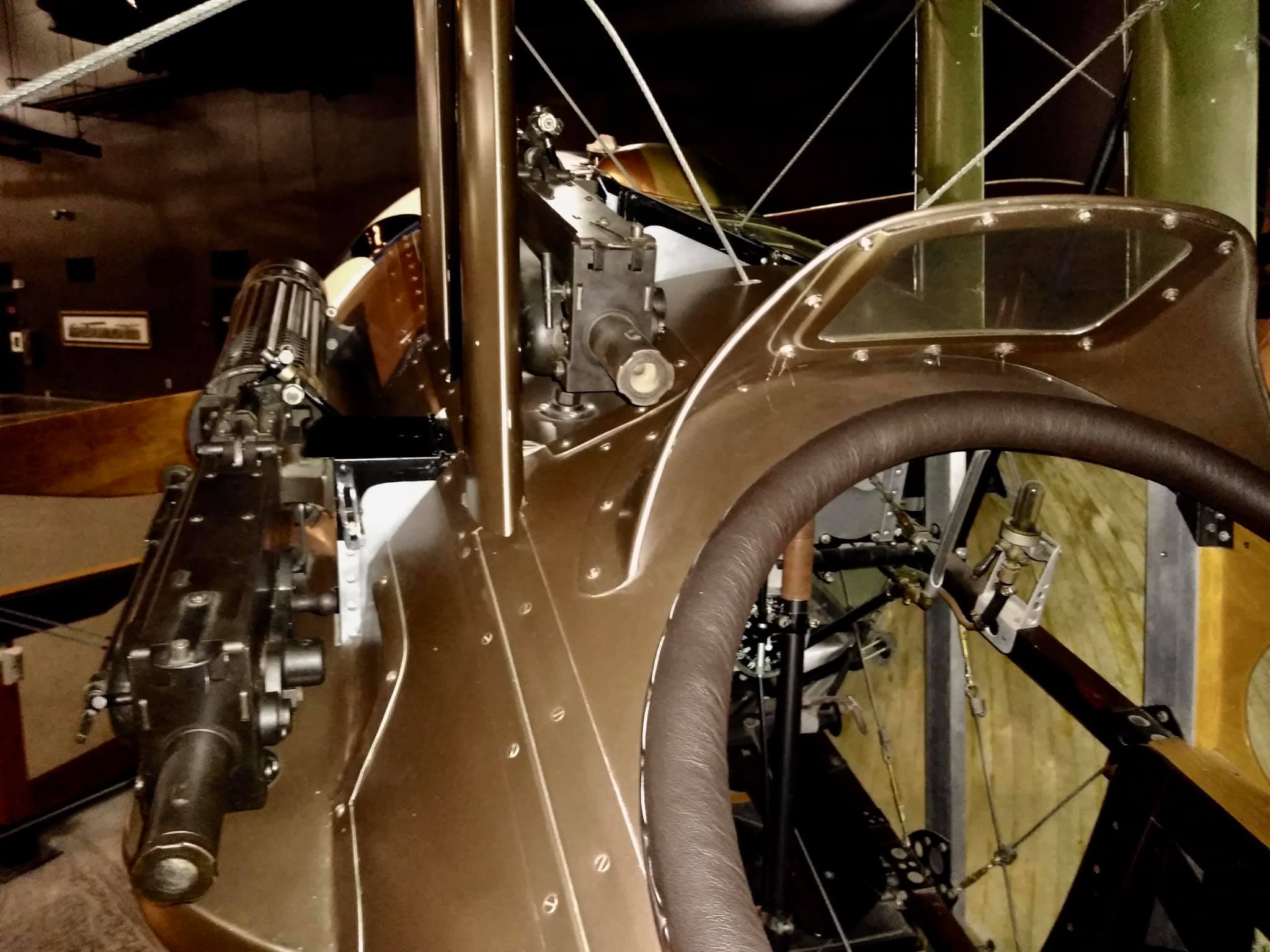
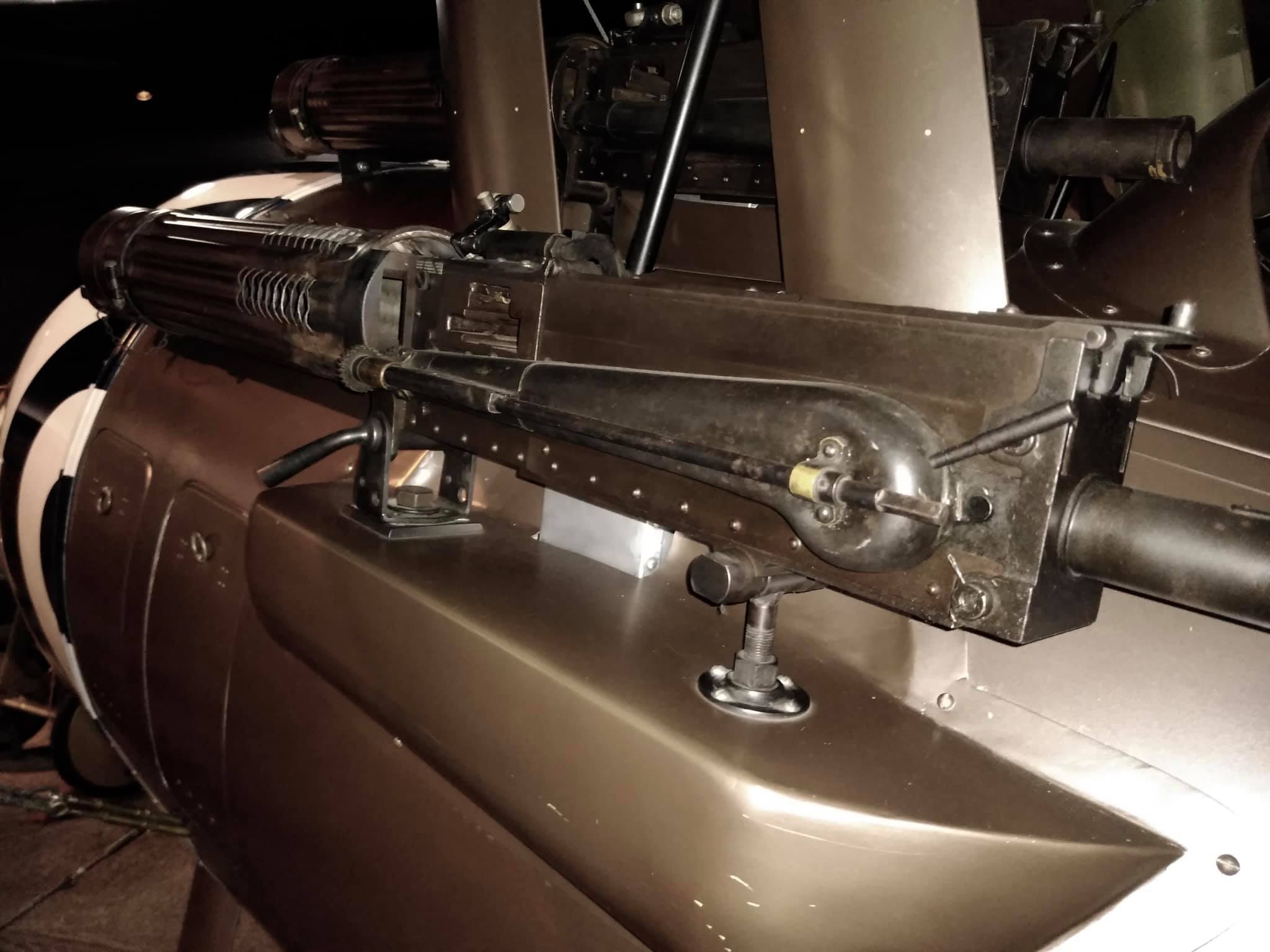
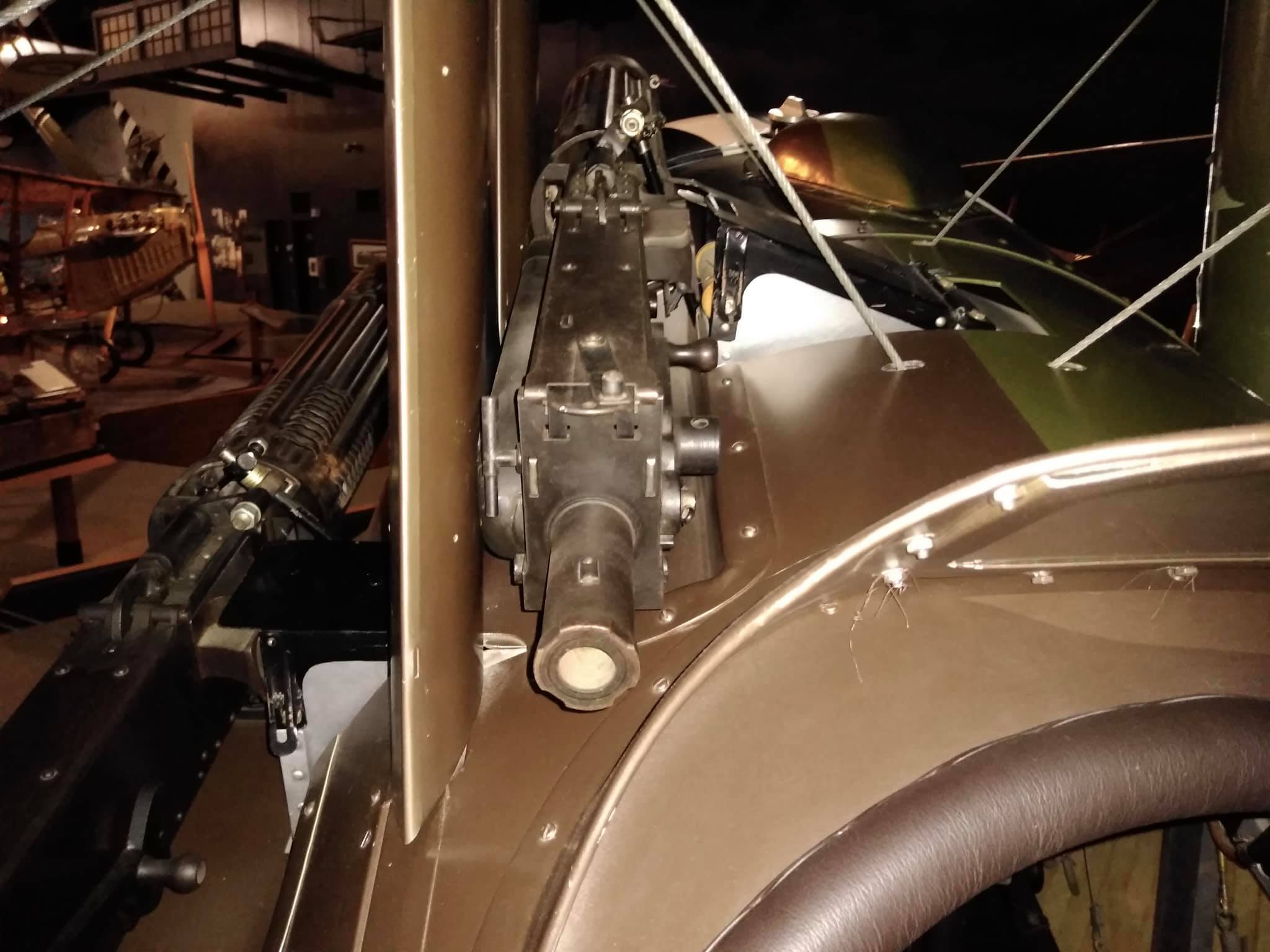
These photos are by me and courtesy of Don England, formerly of MOF – thanks very much.
Editor’s note: According to the Museum of Flight, this aircraft was among 12 Nieuport 28s ordered by the US Navy for postwar shipborne trials. Later purchased by collector George B. Jarrett, this Nieuport passed through the hands of movie pilot Frank Tallman and was restored for Doug Champlin of the Champlin Fighter Museum (CFM) in Mesa, Arizona, by restorers Robert Rust in Georgia, Jim and Zona Appleby in California, and Roger Freeman, founder of the Pioneer Flying Museum in Kingsbury, Texas. When the CFM closed in 2003, the Nieuport 28 was transferred to the Museum of Flight in Seattle.
*Besides Sgt. Karl Thom, who was later commissioned as a Leutnant in August 1918, two other German pilots claimed to have shot down Quentin Roosevelt. These were Leutnant Christian Donhauser and Sgt. Carl Graeper. All three German pilots praised Roosevelt for his courage in their after-action statements.
About the author
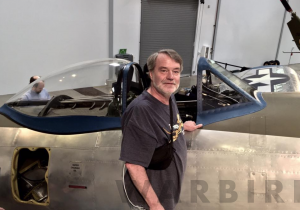 Randy Malmstrom grew up in a family steeped in aviation culture. His father, Bob, was still a cadet in training with the USAAF at the end of WWII, but did serve in Germany during the U.S. occupation in the immediate post-war period, where he had the opportunity to fly in a wide variety of types which flew in WWII. After returning to the States, Bob became a multi-engine aircraft sales manager and as such flew a wide variety of aircraft; Randy frequently accompanied him on these flights. Furthermore, Randy’s cousin, Einar Axel Malmstrom flew P-47 Thunderbolts with the 356th FG from RAF Martlesham Heath. He was commanding this unit at the time he was shot down over France on April 24th, 1944, spending the rest of the war as a prisoner of war. Following his repatriation at war’s end, Einar continued his military service, attaining the rank of Colonel. He was serving as Deputy Wing Commander of the 407th Strategic Fighter Wing at Great Falls AFB, MT at the time of his death in a T-33 training accident on August 21, 1954. The base was renamed in his honor in October 1955 and continues to serve in the present USAF as home to the 341st Missile Wing. Randy’s innate interest in history in general, and aviation history in particular, plus his educational background and passion for WWII warbirds, led him down his current path of capturing detailed aircraft walk-around photos and in-depth airframe histories, recording a precise description of a particular aircraft in all aspects.