
By Randy Malmstrom
Since his childhood, Randy Malmstrom has had a passion for aviation history and historic military aircraft in particular. He has a particular penchant for documenting specific airframes with a highly detailed series of walk-around images and an in-depth exploration of their history, which have proved to be popular with many of those who have seen them, and we thought our readers would be equally fascinated too. This installment of Randy’s Warbird Profiles takes a look at the Olympic Flight Museum’s Mitsubishi A6M2 Zero replica, a modified North American Harvard Mk.IV (AT-6 Texan) trainer built under license in Canada by Canadian Car and Foundry, Limited.
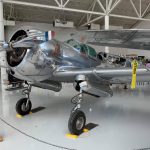
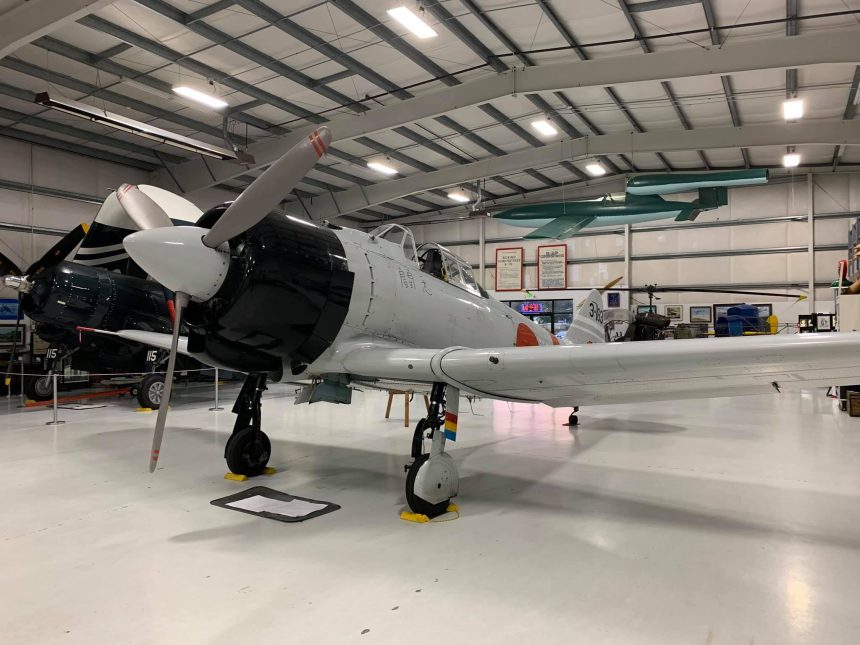
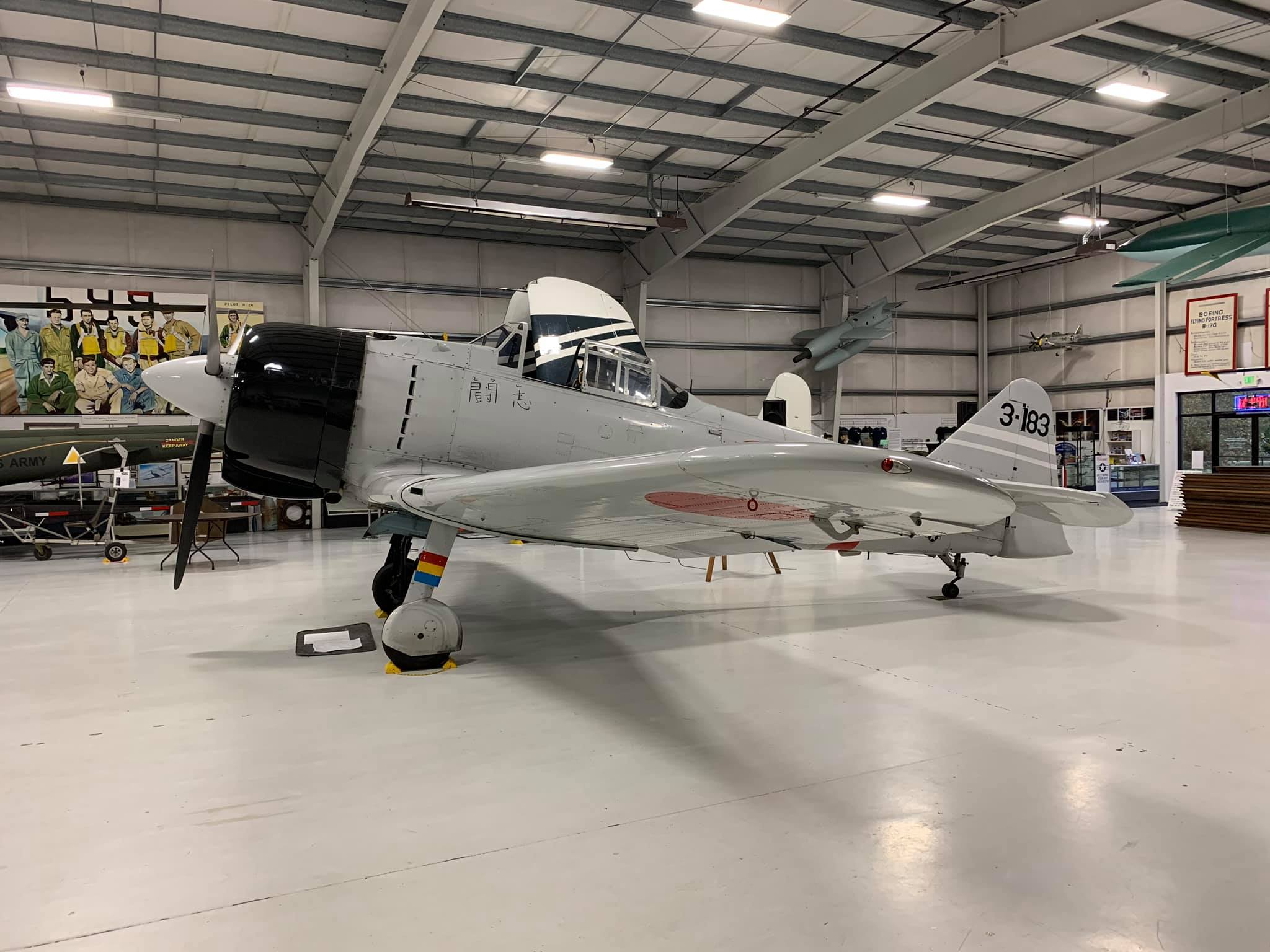
Mitsubishi A6M2 Rei-shiki Kanjo Sentoki (Type 0 Carrier Fighter, shortened to “Reisen”) (零式艦上戦闘機) replica, s/n 20225. I took these photos of this particular aircraft at Olympic Flight Museum in Olympia, Washington. It portrayed an A6M “Zeke” or “Zero” in the films “Tora! Tora! Tora!” and “Midway” and the TV mini-series “War and Remembrance.” It is a North American Harvard Mk.IV, the export variant of the T-6 Texan built under license in Canada.
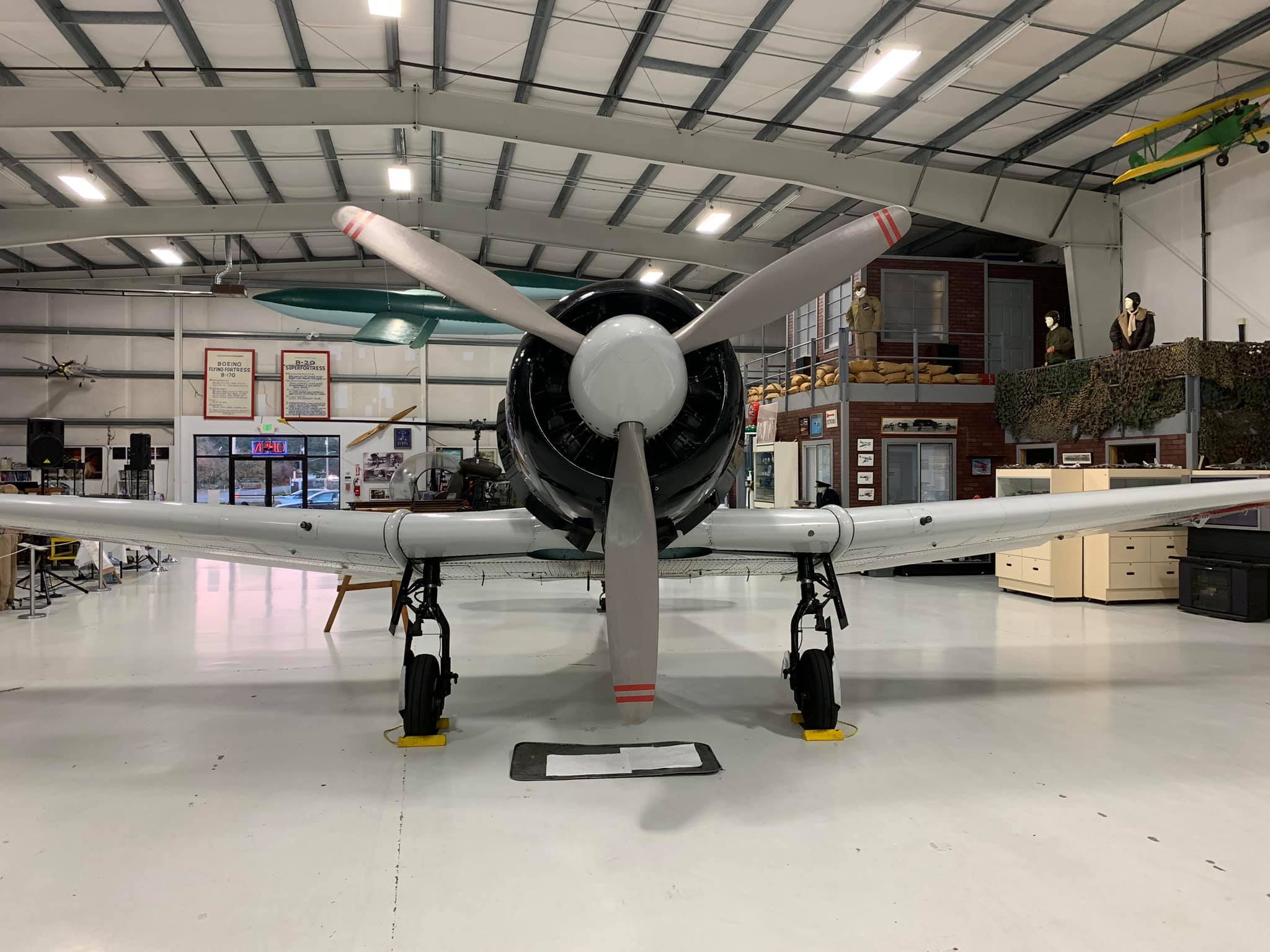
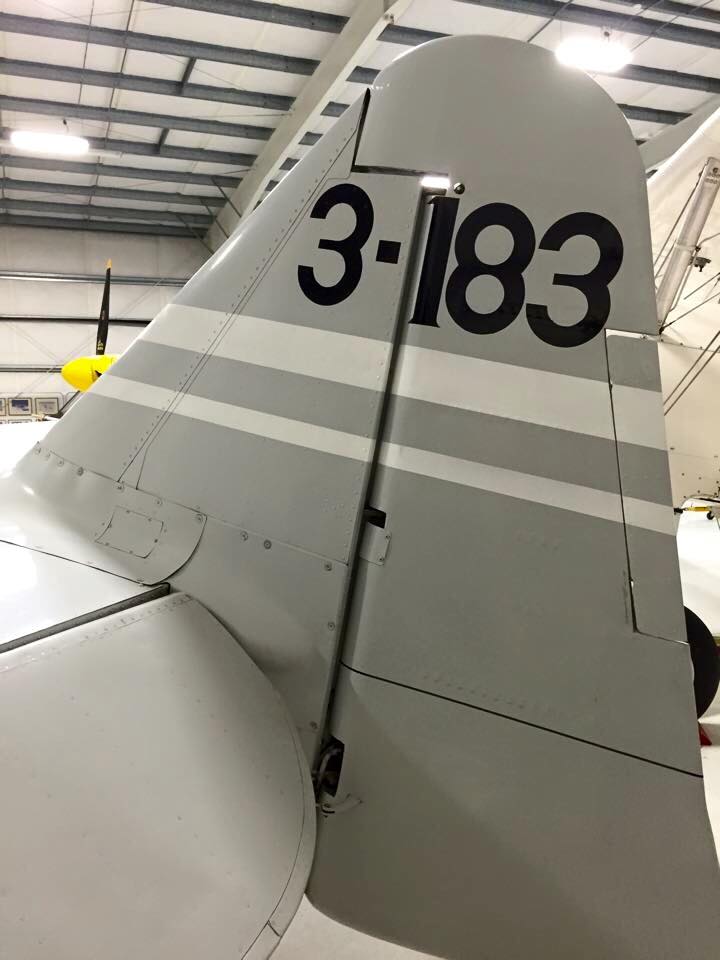
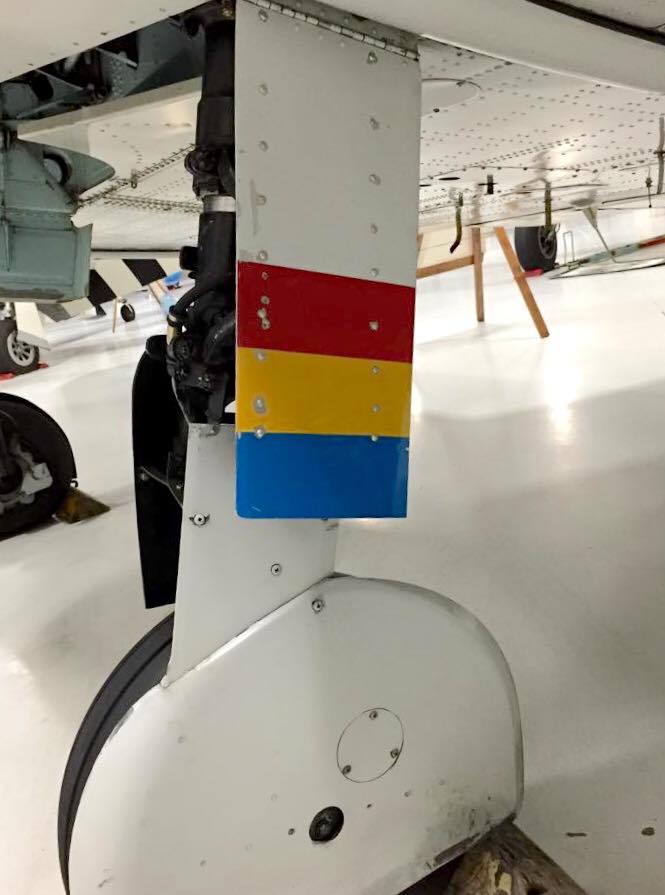
From what I can tell, this aircraft was built in 1952 by Canadian Car and Foundry and was assigned to the Royal Canadian Air Force and was stricken from the record as of March 25, 1968. It was sold to 20th Century Fox in 1969 at which time it underwent conversion to the A6M2 replica, tail code 3-183. In 1971 it was sold to Northwest Helicopters Inc. and then Olympic Jet Inc. in 2001. It is fitted a Pratt & Whitney R-1830 engine and landing gear indicators atop the wings (as seen on the T-6/SNJ/Harvard). It does have the strut load stripes on the main undercarriage covers (that measure compression) as seen on the Zero.
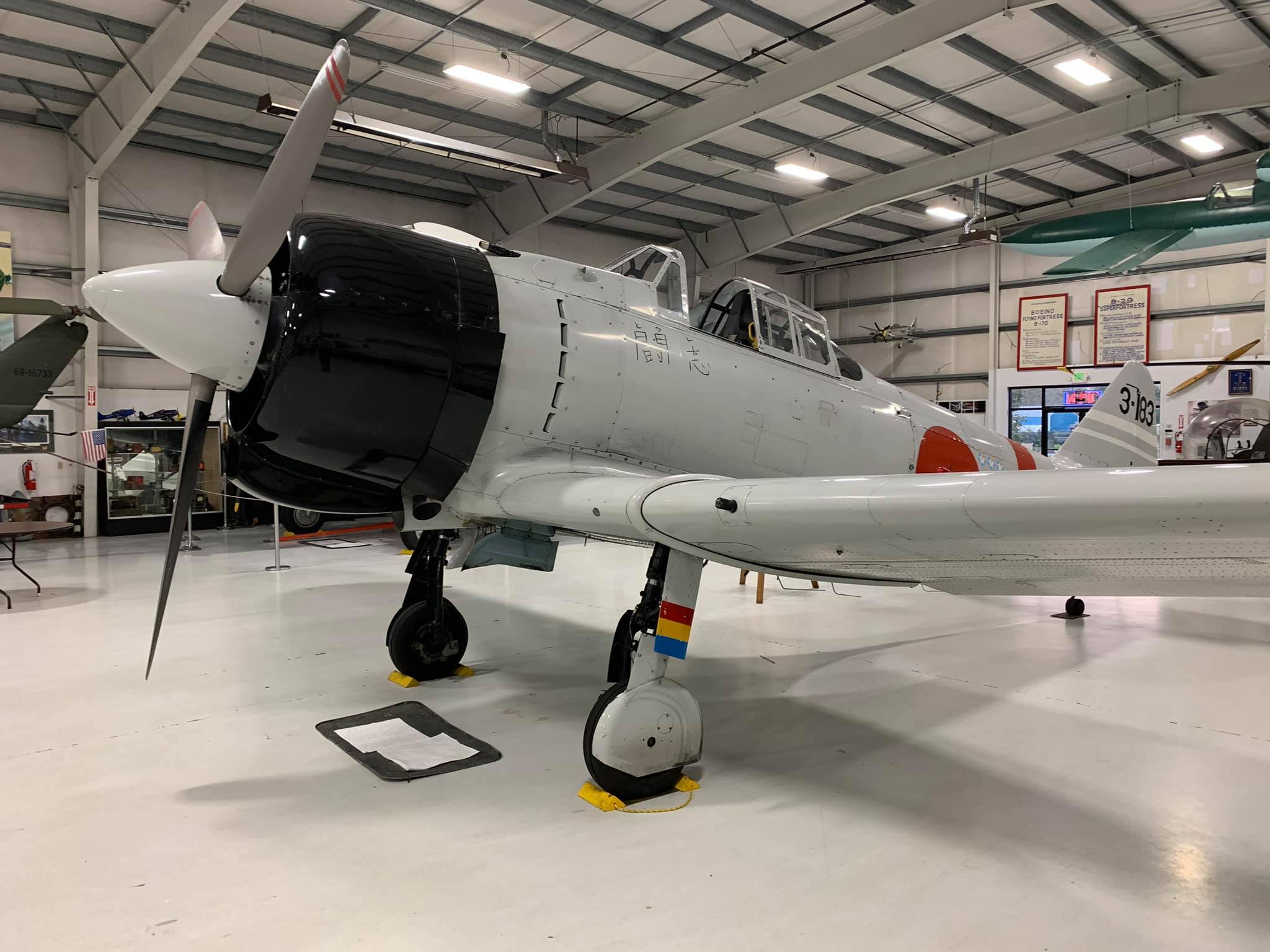
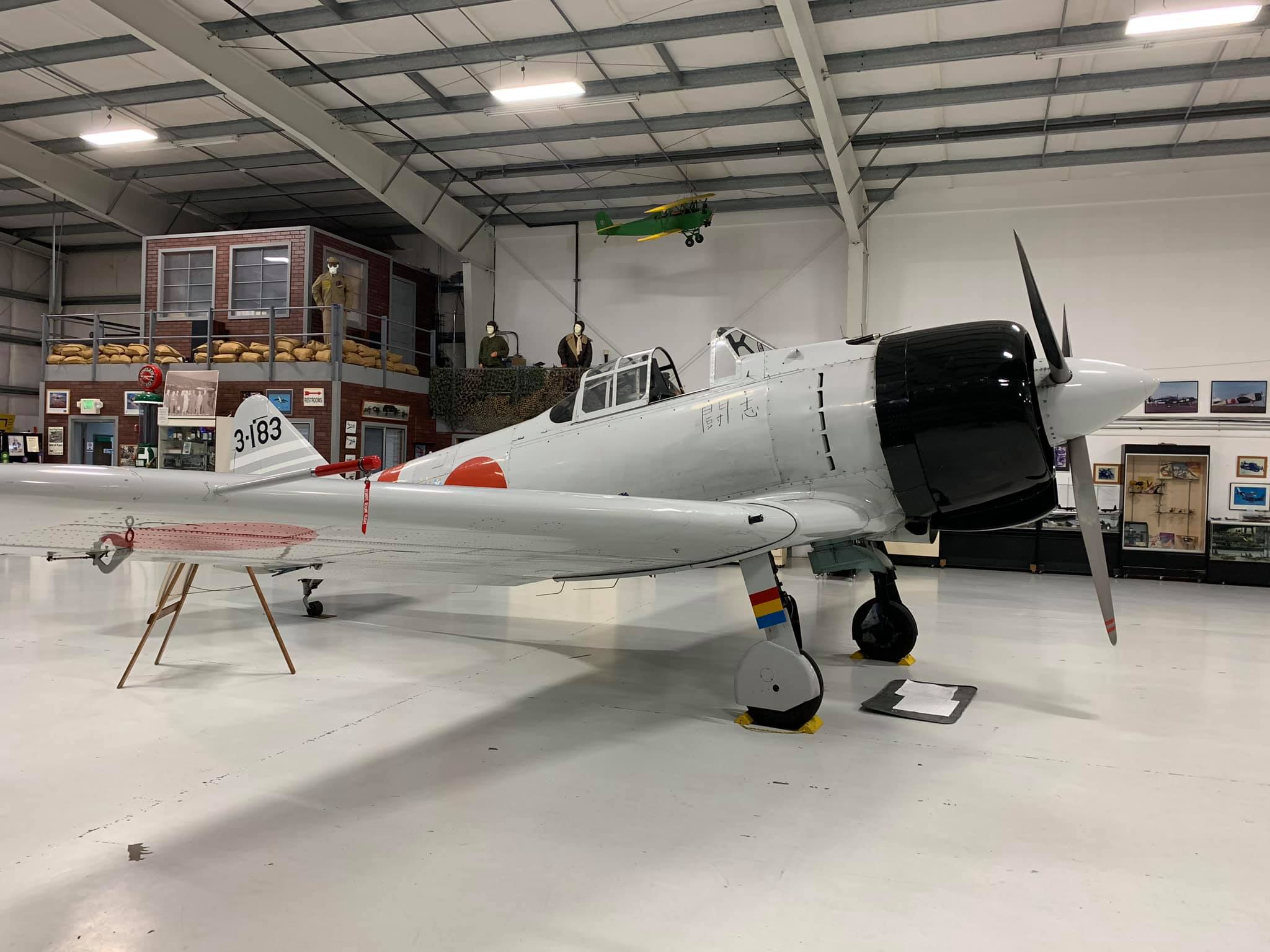
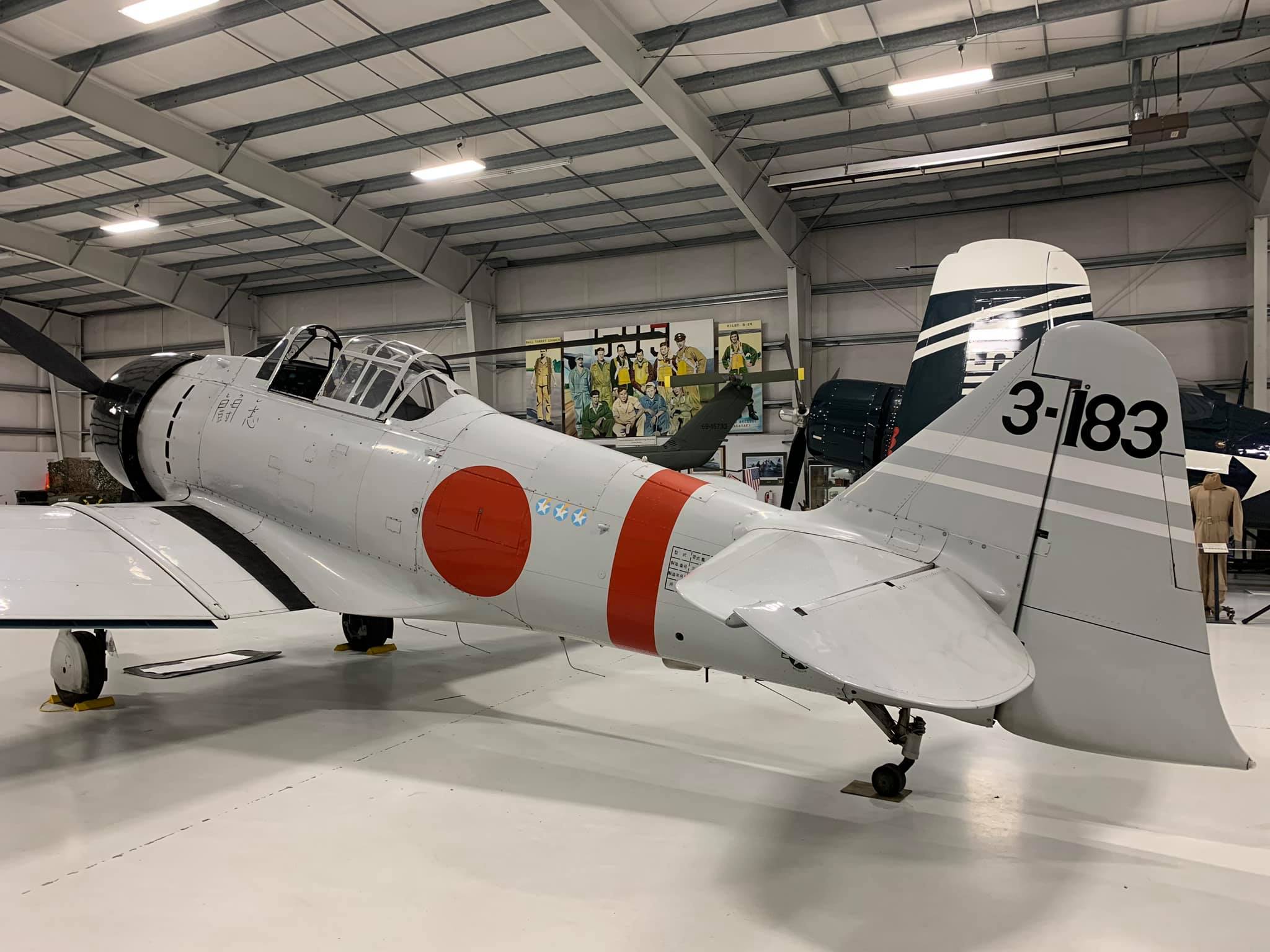
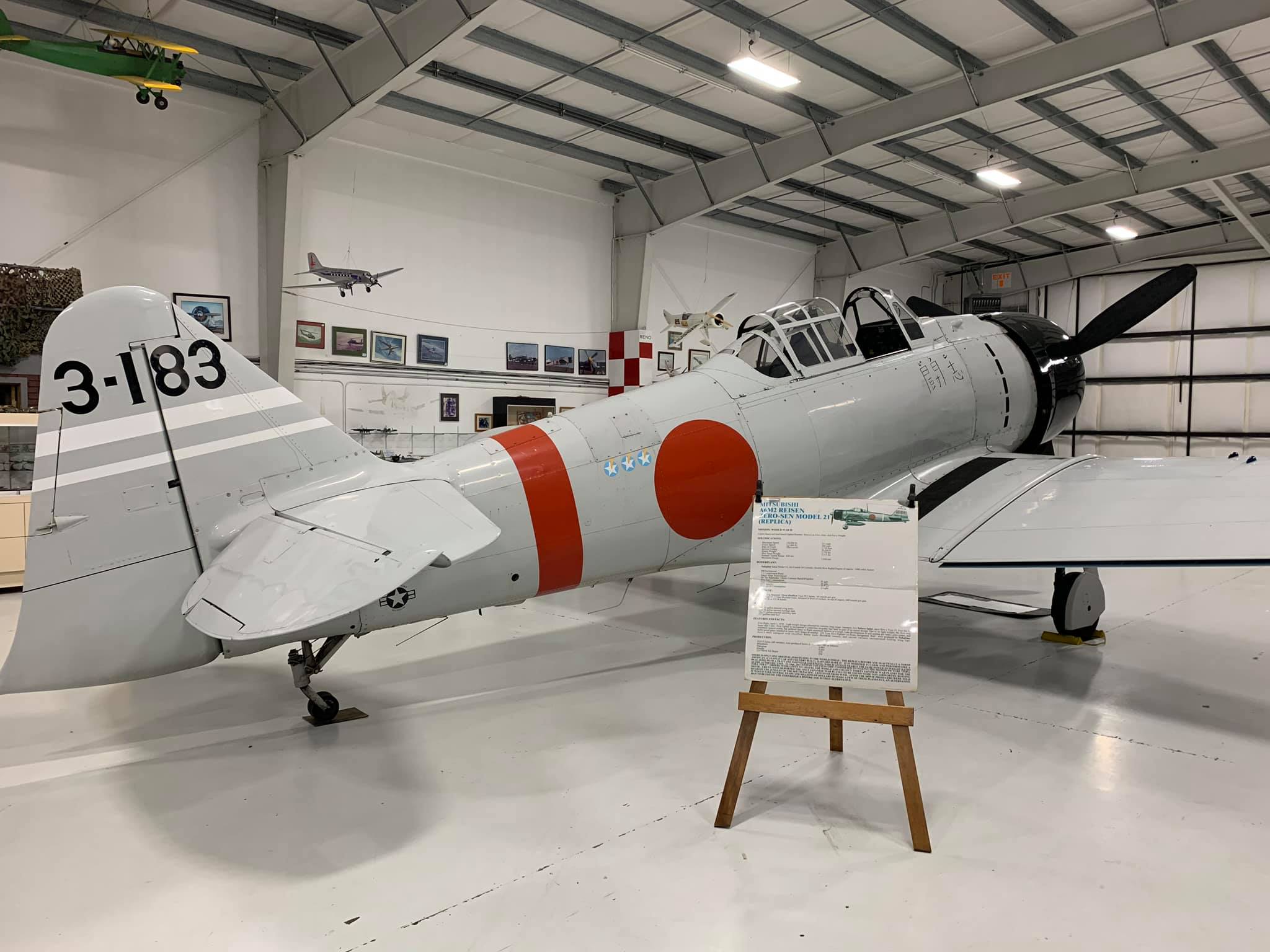
It has replica 7.7 mm Type 97 machine guns in the cowling and replica 20 mm Type 99 Mark 1 cannons in the wings – A6M2 armament. The Reisen, the number “0” referring to the last digit of the Japanese Imperial year 2600 (1940), the year the aircraft type was introduced. The official Allied reporting name was “Zeke” but “Zero” became the well-known and commonly used name (and Allied pilots were known to mistakenly refer to other Japanese aircraft as “Zero”). The type was introduced into the Japanese Imperial Navy in 1940 for carrier-based operations, but the Imperial Japanese Navy Air Service also flew them from land-based operations.
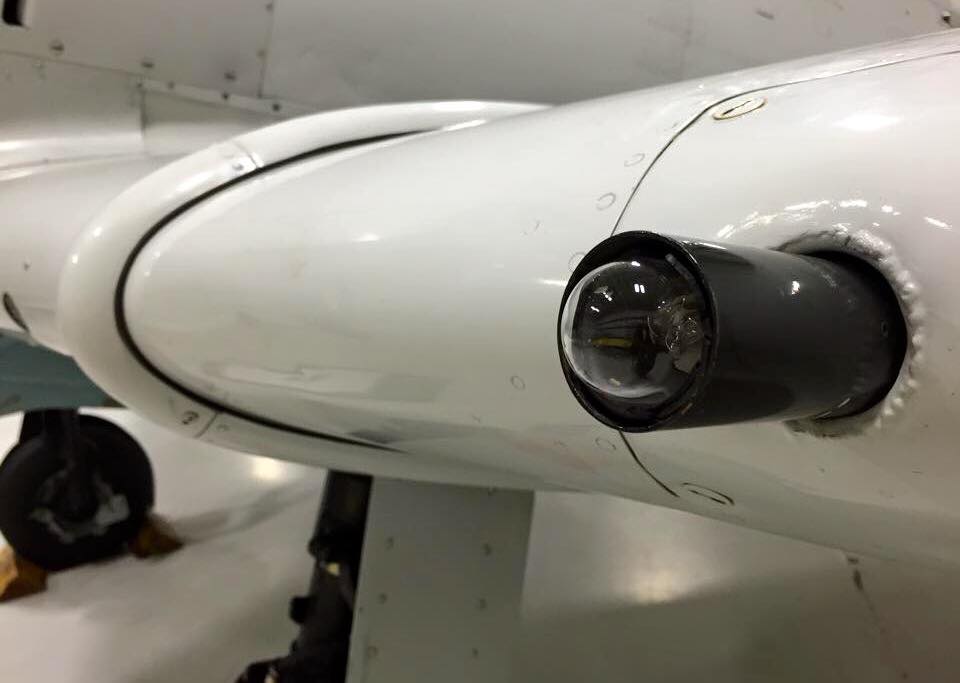
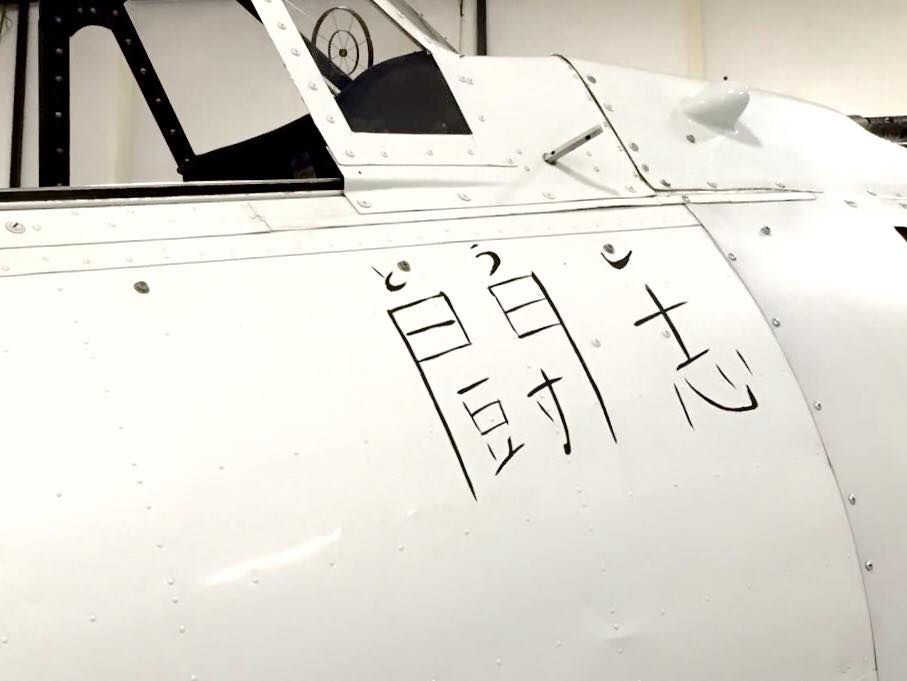
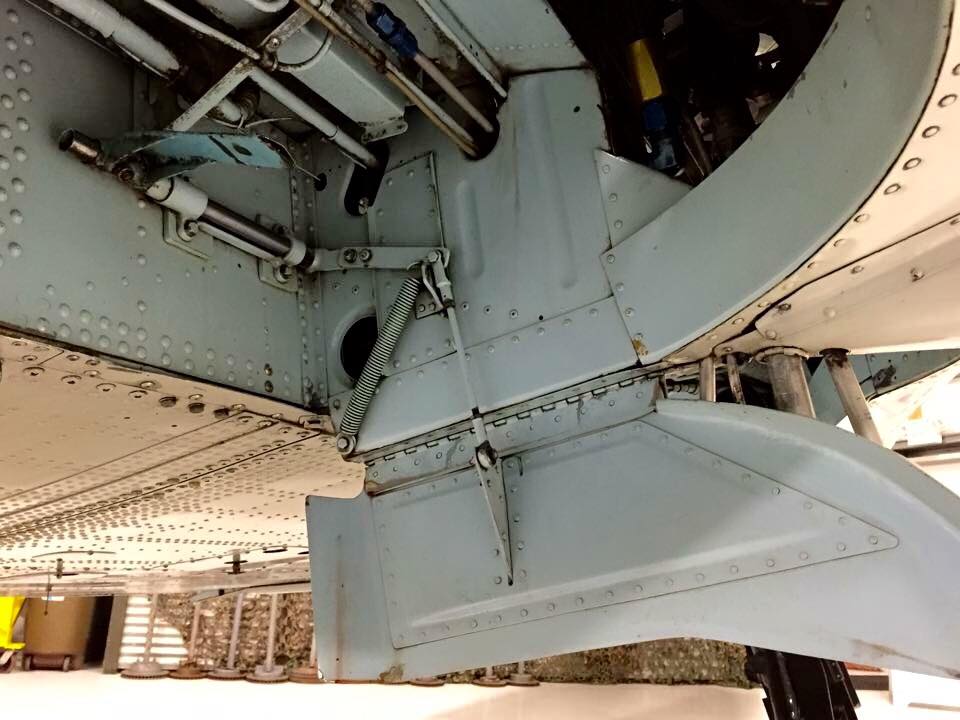
The aircraft was designed by Mitsubishi but other manufacturers such as Nakajima were contracted to build them, and there were a number of variants. Fitted with Type 99 20 mm. cannons in the wings (in later versions), two Type 97 7.7 mm. machine guns firing through the propeller, and it could carry two 132 kg. bombs. They were powered by Nakajima Sakae 12 or Sakae 21 engines. The A6M had mechanical landing gear indicator rods (or bayonets) attached to the landing gear struts and protruded above the wings when the gear was down (such as was used on the Fw-190 and quite a few other aircraft); however, a green light on the gear selector box also indicated when the gear was down. A6M’s also had a landing gear safety cable attached to the right strut – when the aircraft was on the ground and the oleo strut was partially retracted, the cable pulled a pin out blocking the pilot from moving the selector valve handle to the retracted position; and on takeoff and the strut expanded and the cable released the pressure on the pin so it could retract and allow the pilot to safely pull the retractor handle. The main undercarriage and brakes are hydraulically operated.
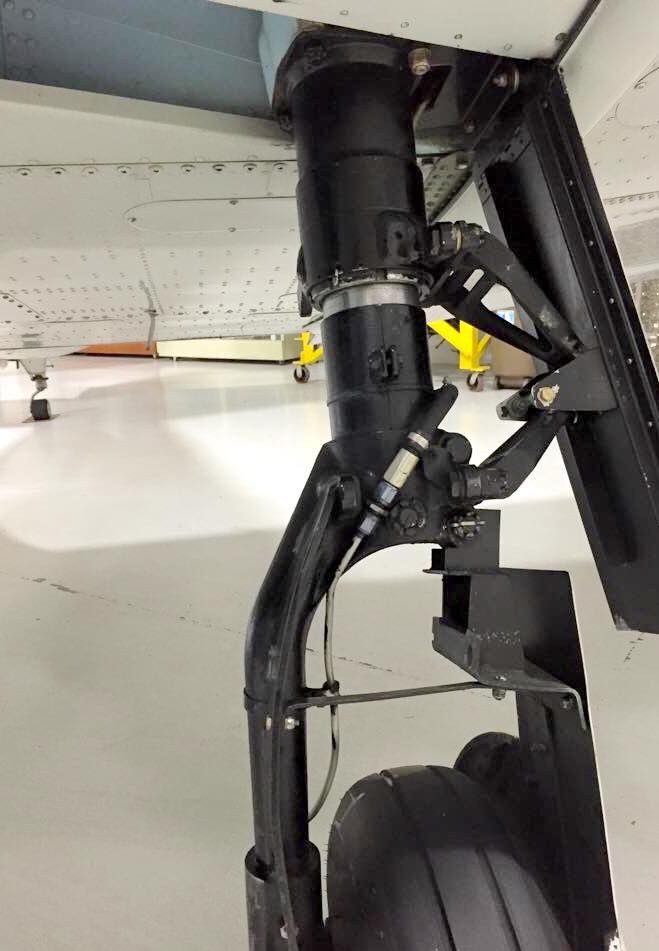
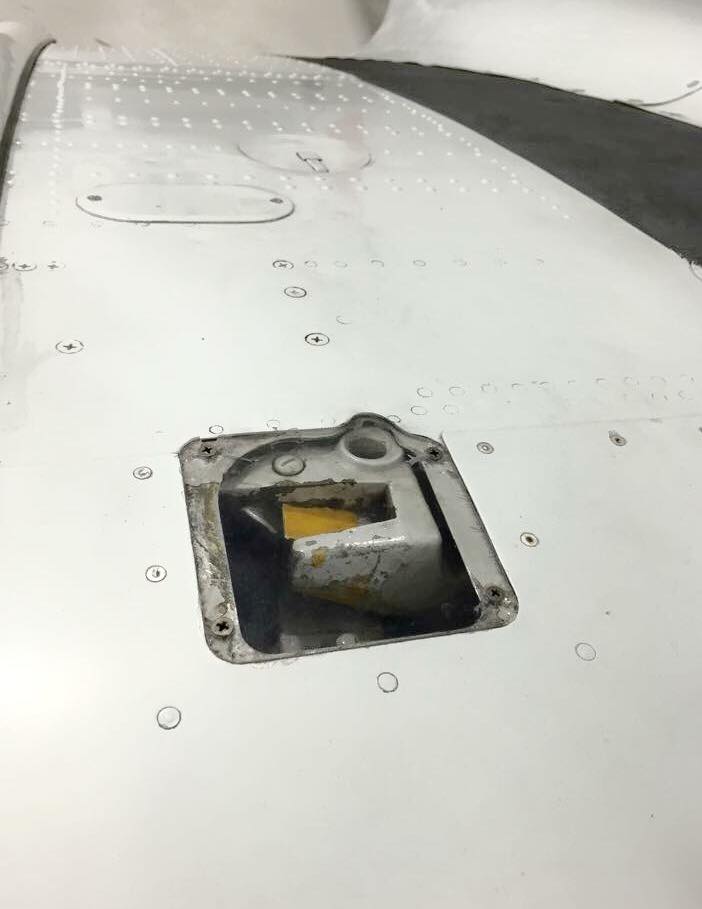
The tail wheel is a combination retracting ram and air-oil shock unit. Japan used Aotake (meaning generally, “green bamboo”) as an anti-corrosion primer on the inner surfaces of their aircraft – similar to the U.S. use of Zinc Chromate and, following tests in the U.S., was considered superior to Zinc Chromate. And, like Zinc Chromate, the color of Aotake varied by manufacturer and the various aircraft component subcontractors but was generally a bright color to make it obvious for uniformity of application. The 4-foot folding wingtips allowed the aircraft to fit in the elevators of the carriers yet keep the aircraft light and simple (without a lot of reinforcement or hydraulics).
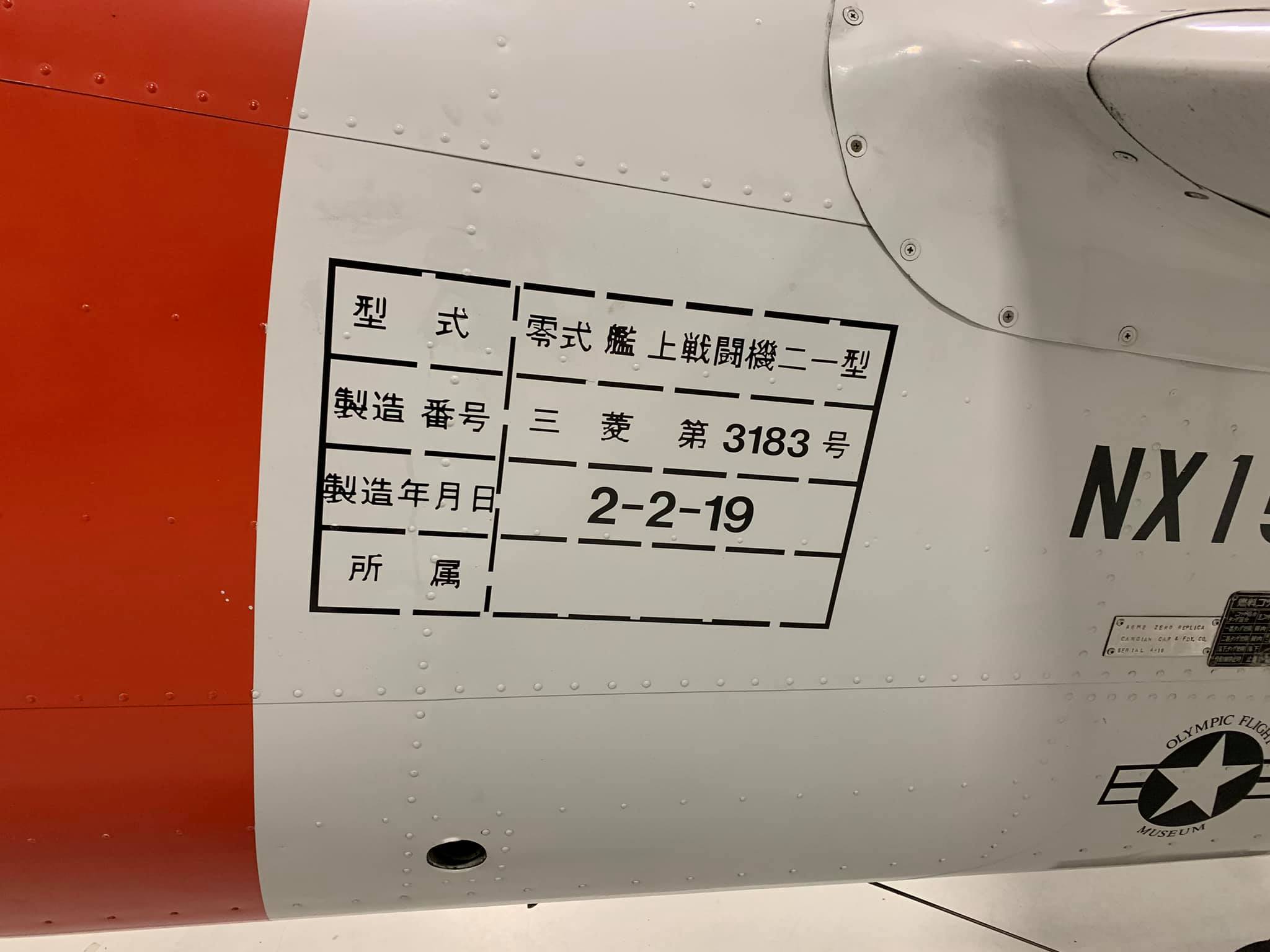
*Editor’s note: According to the Canadian Aircraft Serials Personnel Information Resource (CASPIR), this Harvard Zero replica (FAA registration N15796) was accepted into the RCAF on January 24, 1952, and was stricken from the RCAF on March 25, 1968, and sold to the Crown Assets Disposal Corporation. It was later sold to 20th Century Fox Film Corp. through Rays Flying Service in Saskatoon.
About the author
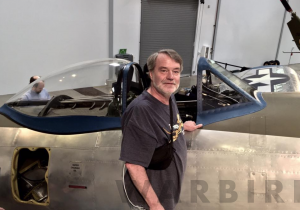 Randy Malmstrom grew up in a family steeped in aviation culture. His father, Bob, was still a cadet in training with the USAAF at the end of WWII, but did serve in Germany during the U.S. occupation in the immediate post-war period, where he had the opportunity to fly in a wide variety of types which flew in WWII. After returning to the States, Bob became a multi-engine aircraft sales manager and as such flew a wide variety of aircraft; Randy frequently accompanied him on these flights. Furthermore, Randy’s cousin, Einar Axel Malmstrom flew P-47 Thunderbolts with the 356th FG from RAF Martlesham Heath. He was commanding this unit at the time he was shot down over France on April 24th, 1944, spending the rest of the war as a prisoner of war. Following his repatriation at war’s end, Einar continued his military service, attaining the rank of Colonel. He was serving as Deputy Wing Commander of the 407th Strategic Fighter Wing at Great Falls AFB, MT at the time of his death in a T-33 training accident on August 21, 1954. The base was renamed in his honor in October 1955 and continues to serve in the present USAF as home to the 341st Missile Wing. Randy’s innate interest in history in general, and aviation history in particular, plus his educational background and passion for WWII warbirds, led him down his current path of capturing detailed aircraft walk-around photos and in-depth airframe histories, recording a precise description of a particular aircraft in all aspects.