
By Randy Malmstrom
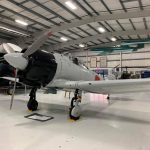
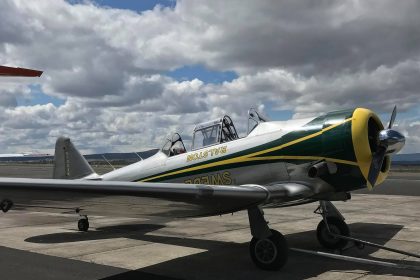
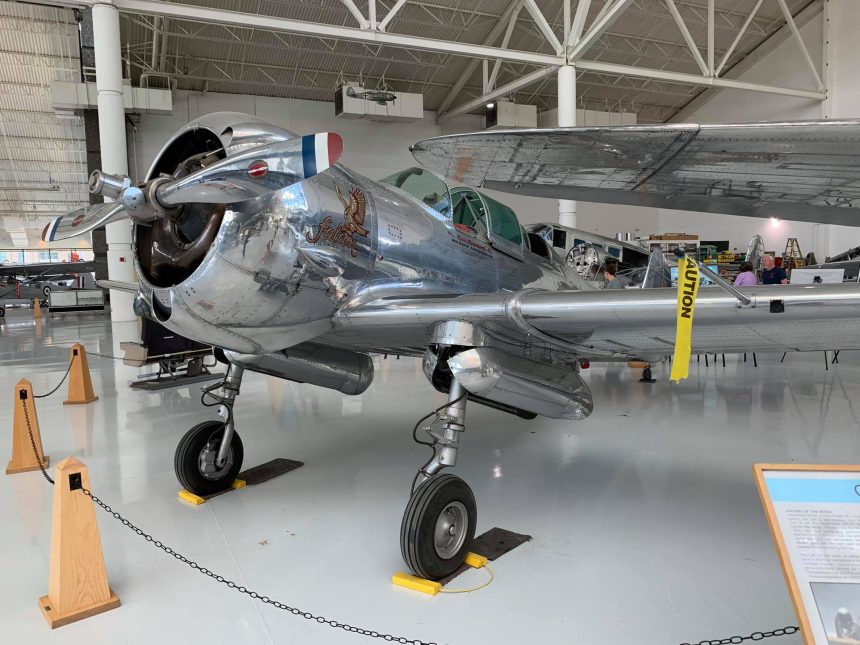
Since his childhood, Randy Malmstrom has had a passion for aviation history and historic military aircraft in particular. He has a particular penchant for documenting specific airframes with a highly detailed series of walk-around images and an in-depth exploration of their history, which have proved to be popular with many of those who have seen them, and we thought our readers would be equally fascinated too. This installment of Randy’s Warbird Profiles takes a look at Curtiss-Wright CW-A22 s/n A22-1, N500G.
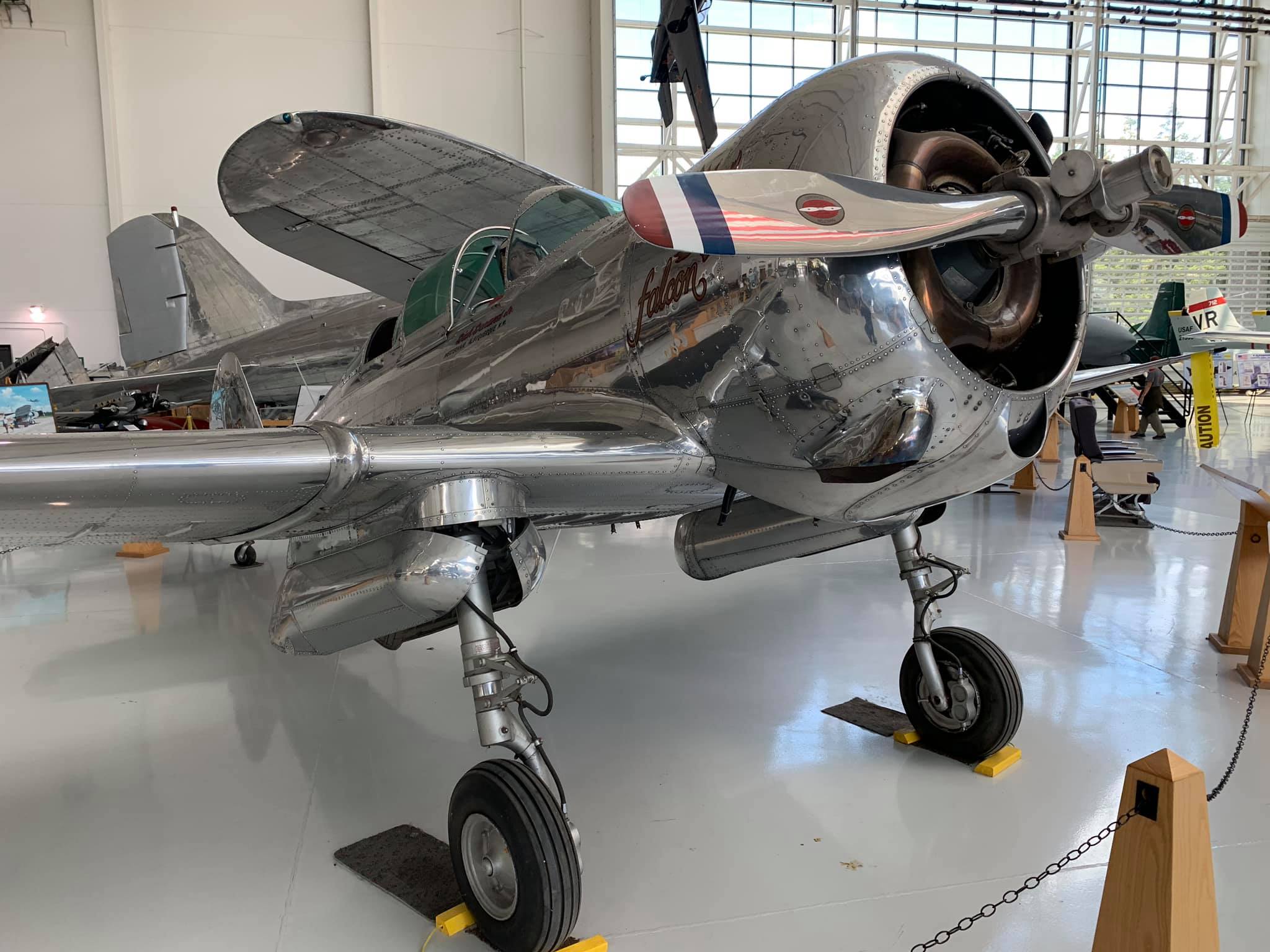
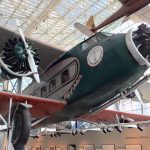
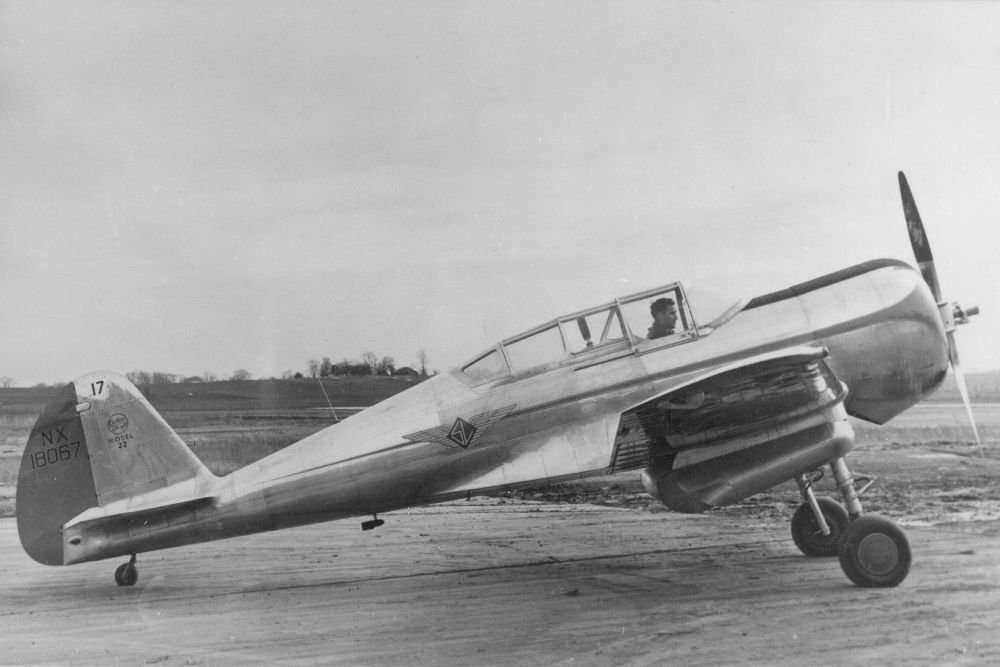
This particular aircraft still has a valid FAA airworthy certification (as of this writing) and was built in 1938 as a tandem-seat trainer prototype of the CW-22 series. Under Civil Aeronautics Authority Memo Approval 2-549, it was designated “A22” with s/n X18067. As a one-of-a-kind, it exchanged civilian hands several times, the initial private owner being Stafford “Casey” Lambert in St. Louis, Missouri, who paid $52,000 for the aircraft without engine or propeller in 1938. Lambert, an aviator and former President of the Lambert Engineering Company of Listerine fame; he flew airplane stunts with Charles Lindbergh, dated actress Elizabeth Taylor, and went skeet shooting with President Dwight Eisenhower; two of his uncles helped to finance Charles Lindbergh’s “Spirit of St. Louis” plane and the subsequent transcontinental non-stop flight from St. Louis to Paris in 1927).
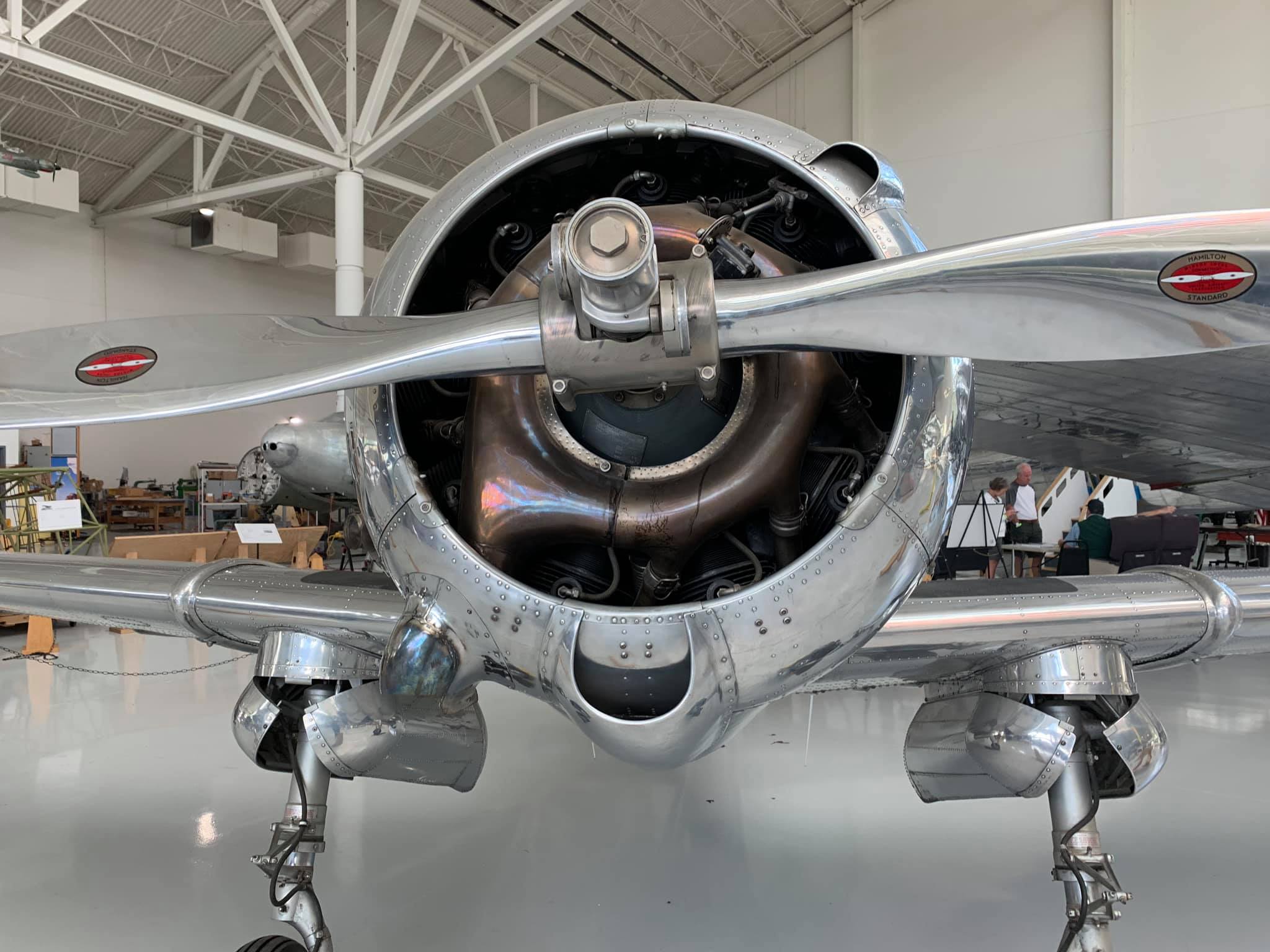
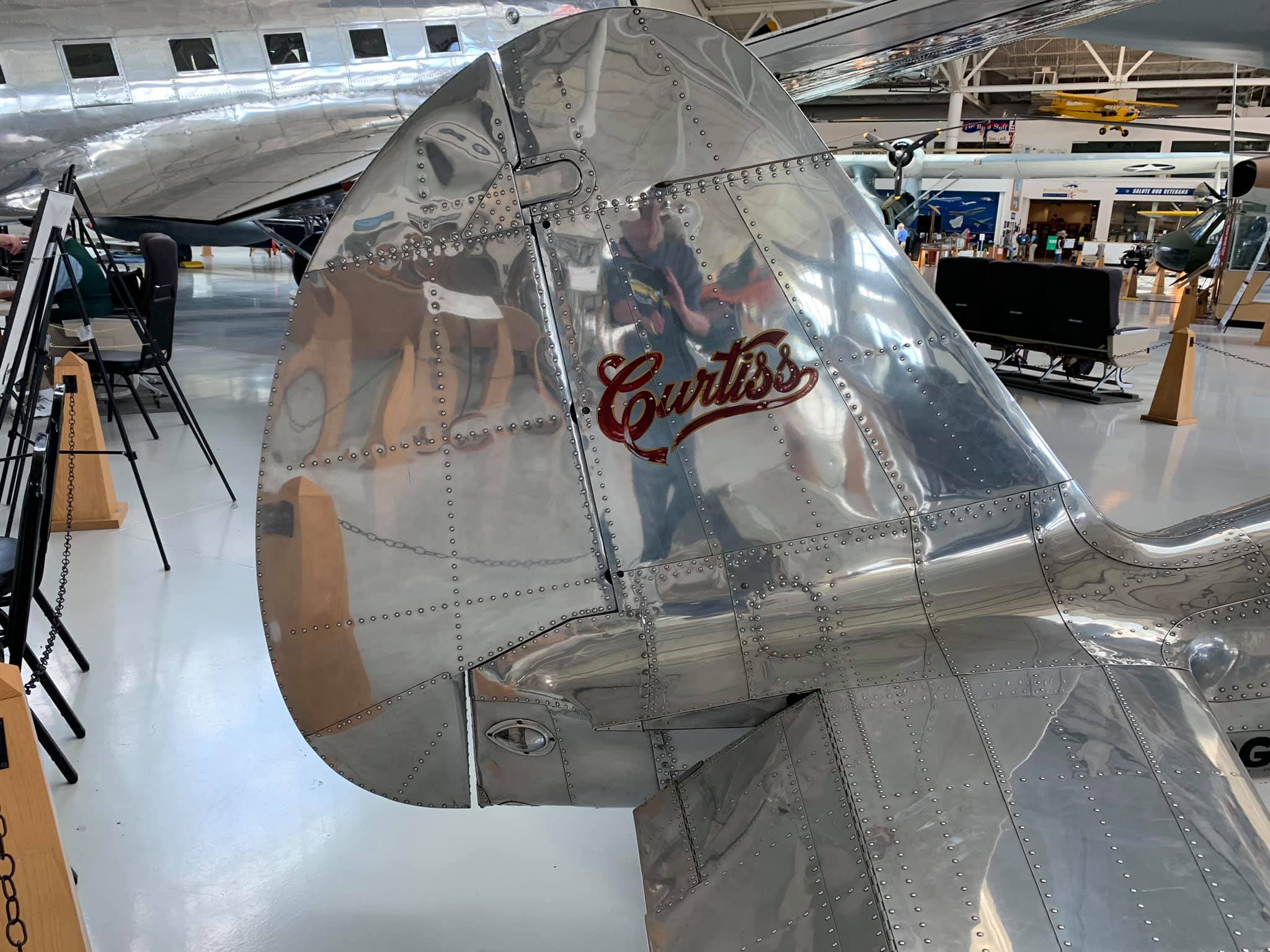
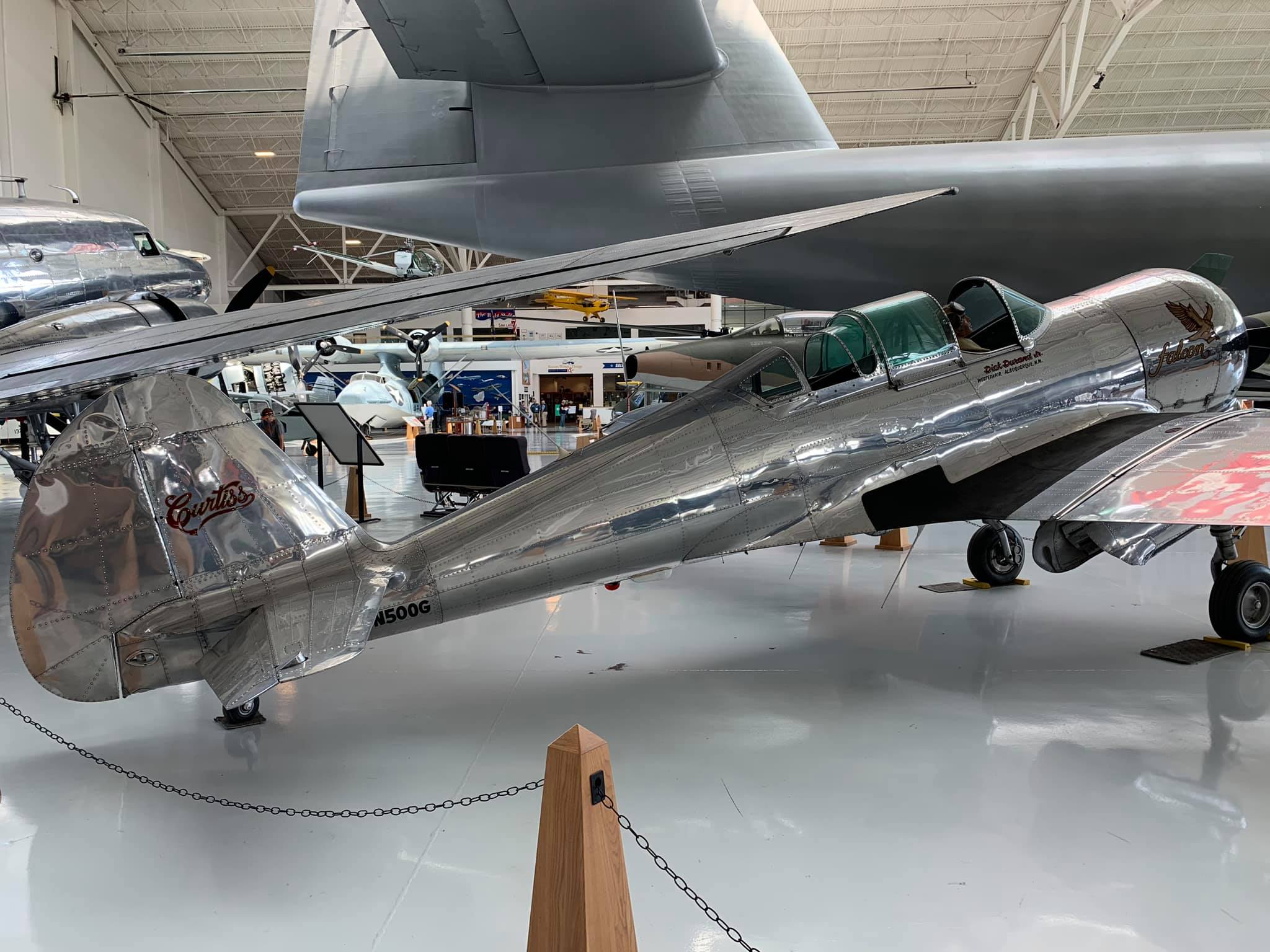
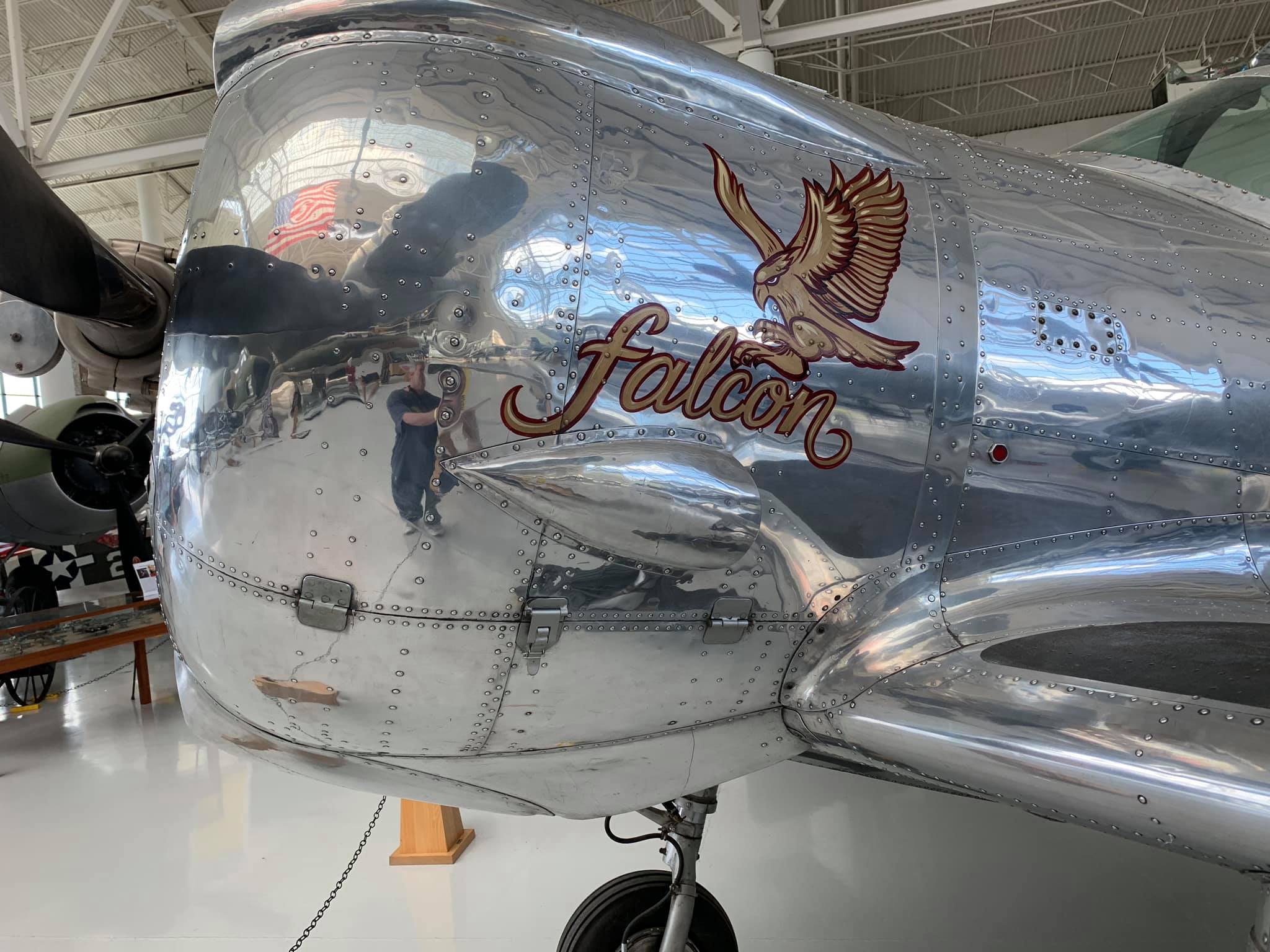
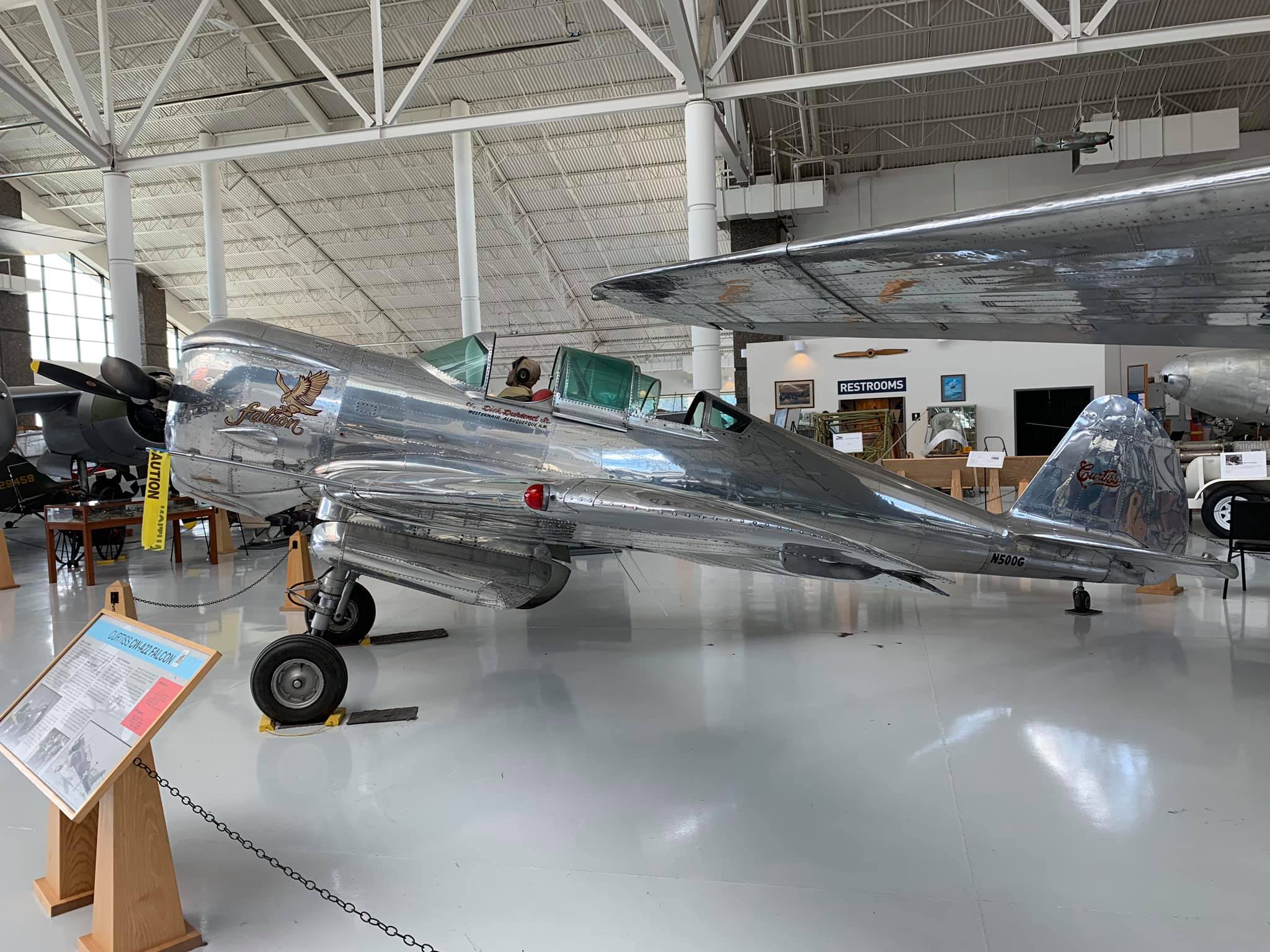
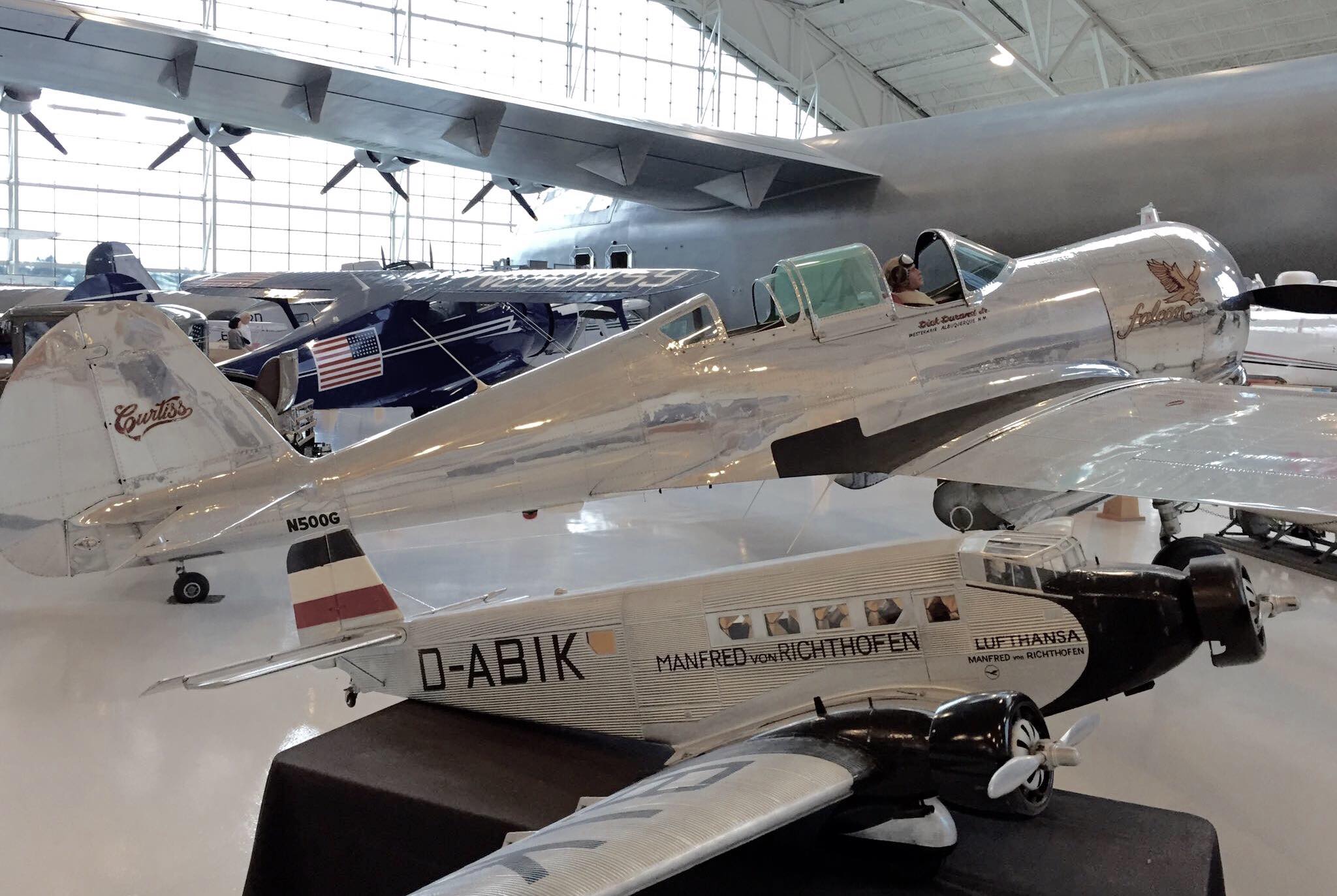
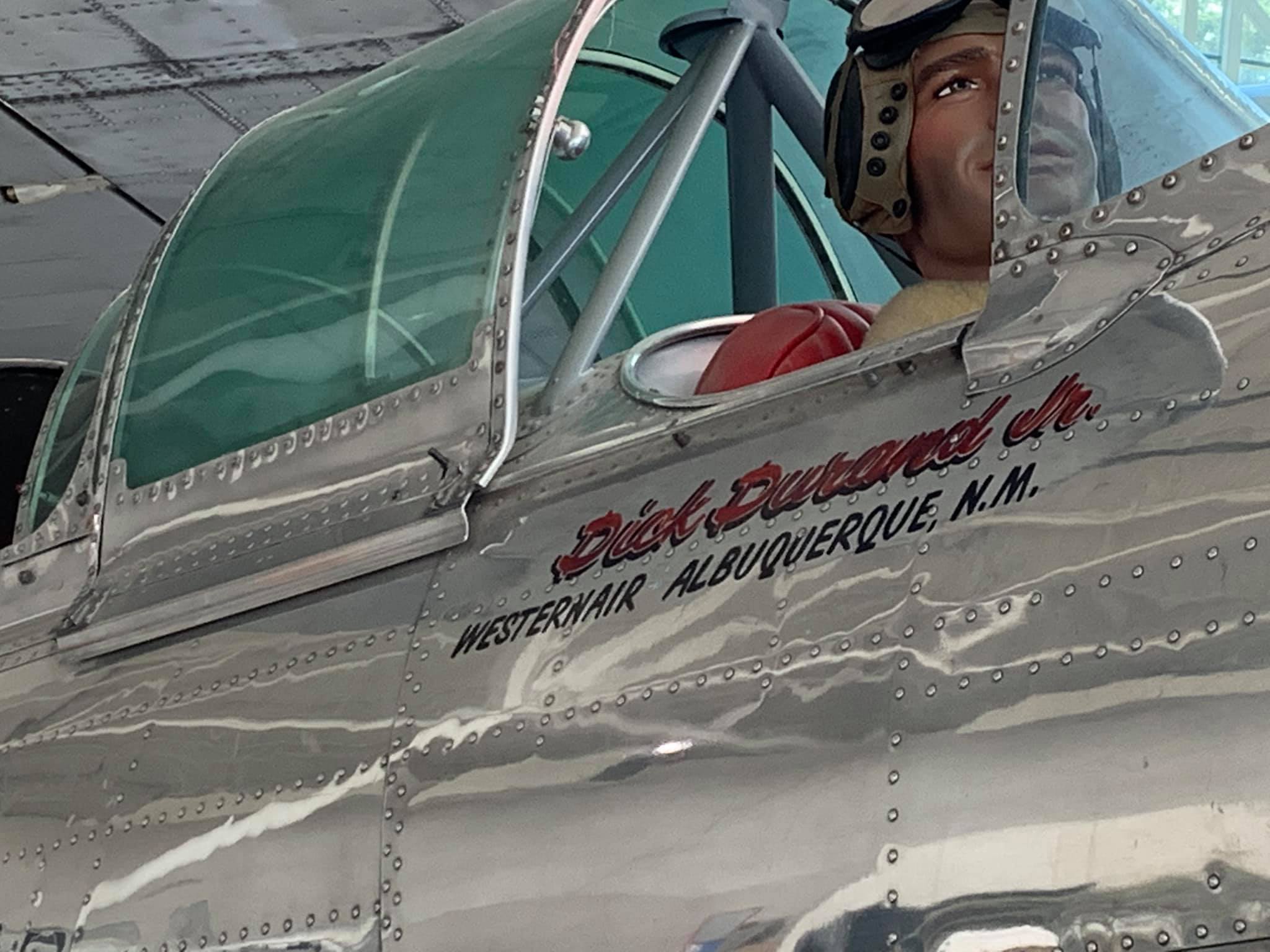
It was later flown extensively as a company demonstrator/business plane by Lawrence Zygmunt (President of General Aircraft Supply Corporation in Detroit), and by Richard (Dick) Durand, Jr., (of WesternAir Inc., Albuquerque, New Mexico), an aircraft restorer and seller, who for the 1979 convention at Oshkosh, flew it from Albuquerque in just 6.5 hours flying time. I understand the plane was used in “The Adventures of Smilin’ Jack” comic strip because of its futuristic lines, although I have not found a specific reference. As far as I can tell, it was flown until the 1980s before being put on display at Evergreen Aviation & Space Museum in McMinnville, Oregon. Its FAA-registered owner is now Affordable Mid Coast Housing LLC of Auburn, Maine*. As you can see, it is painted for Dick Durand.
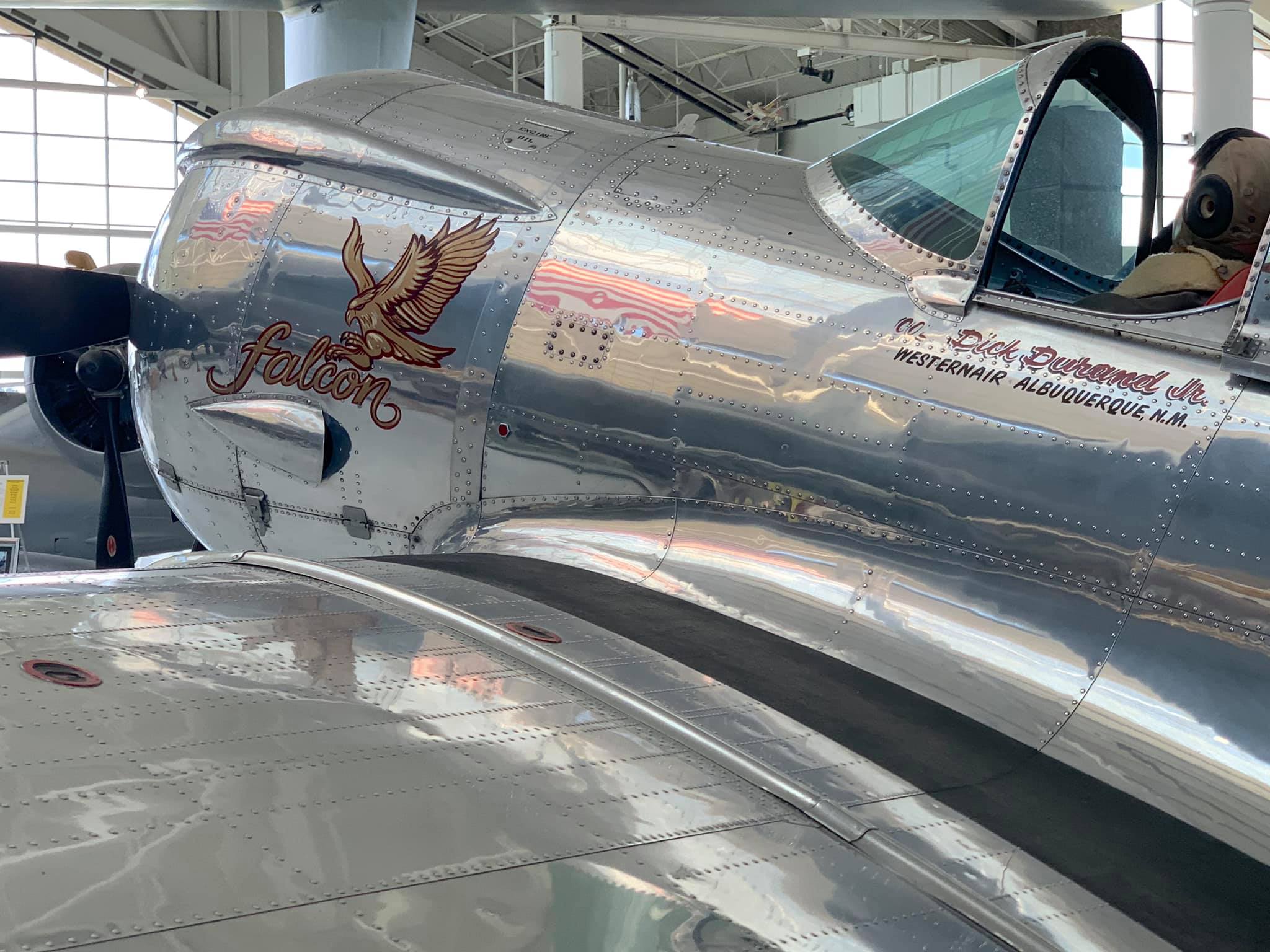
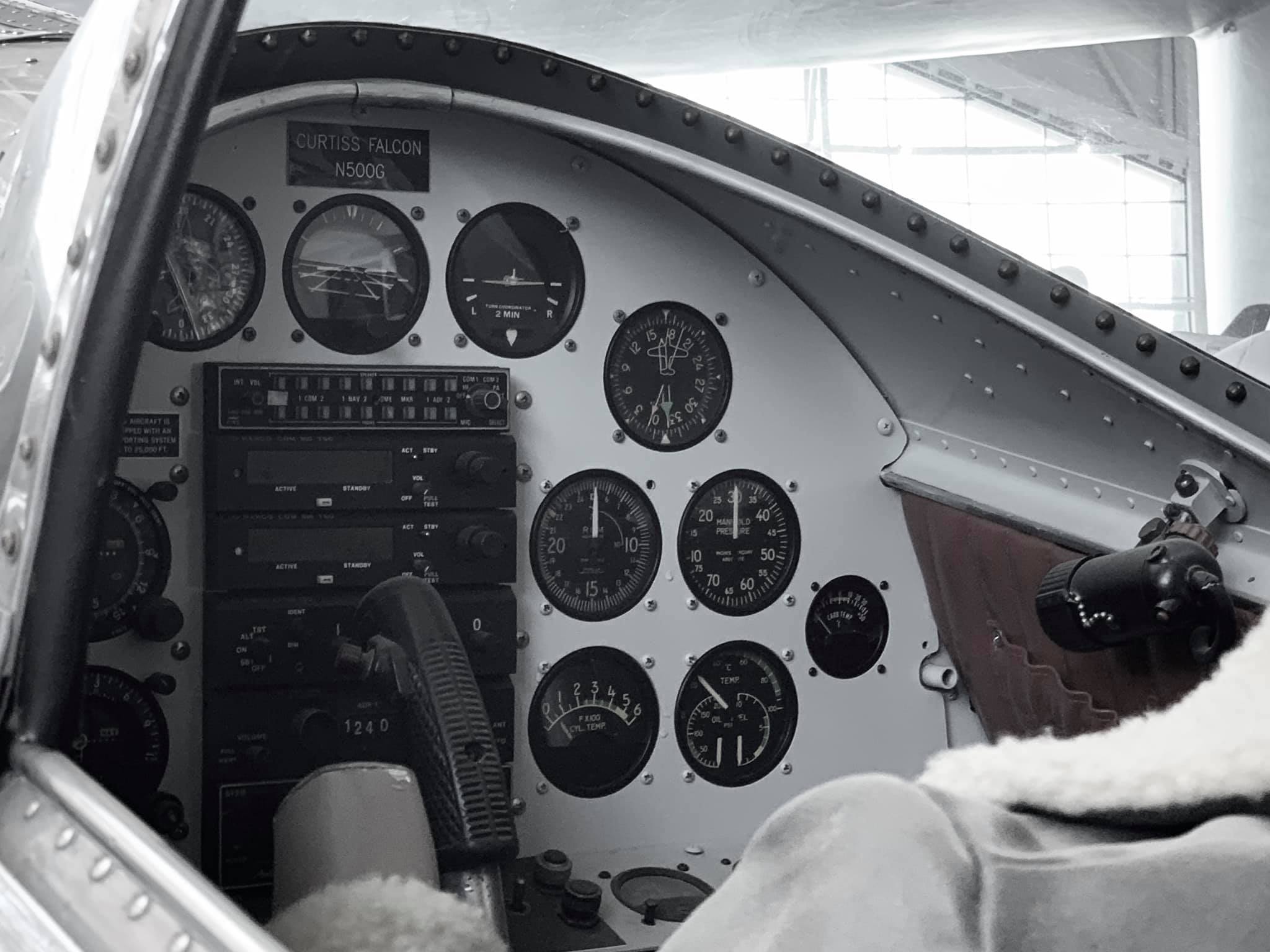
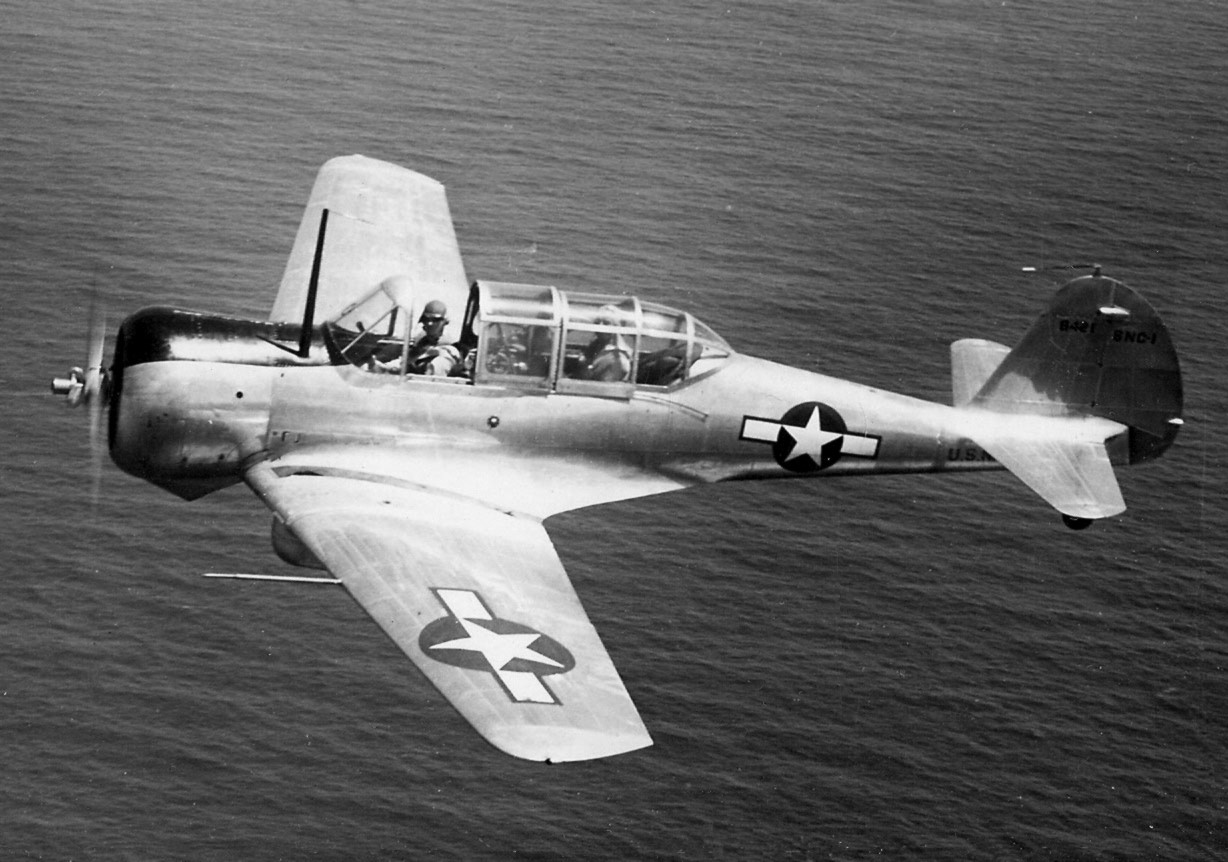
The Curtiss-Wright CW-22 was developed and built by the Curtiss-Wright Corporation in St. Louis, Missouri, as a general-purpose advanced training monoplane. It was a low-wing, all-metal design with the main undercarriage retracting rearward into underwing fairings and enclosed by clamshell wheel covers, and a retractable tailwheel. It had its roots in the CW-19 civil utility airplane of the mid-1930s and the CW-21 Interceptor (which could be fitted with a pair of .30 caliber or .50 caliber machine guns). In 1940, Curtiss-Wright demonstrated a prototype light military advanced trainer/scout version to the U.S. Navy with the designation CW-22N, and in November 1940, the Navy placed an initial order for 150 aircraft, and in total, bought 305 aircraft designated SNC-1 Falcon.
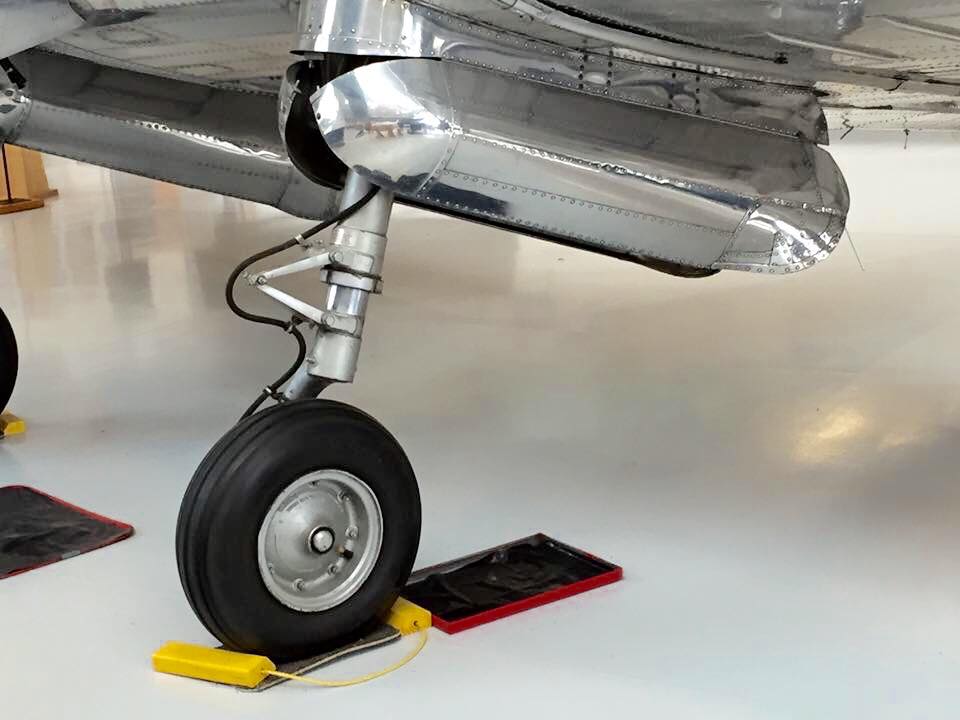
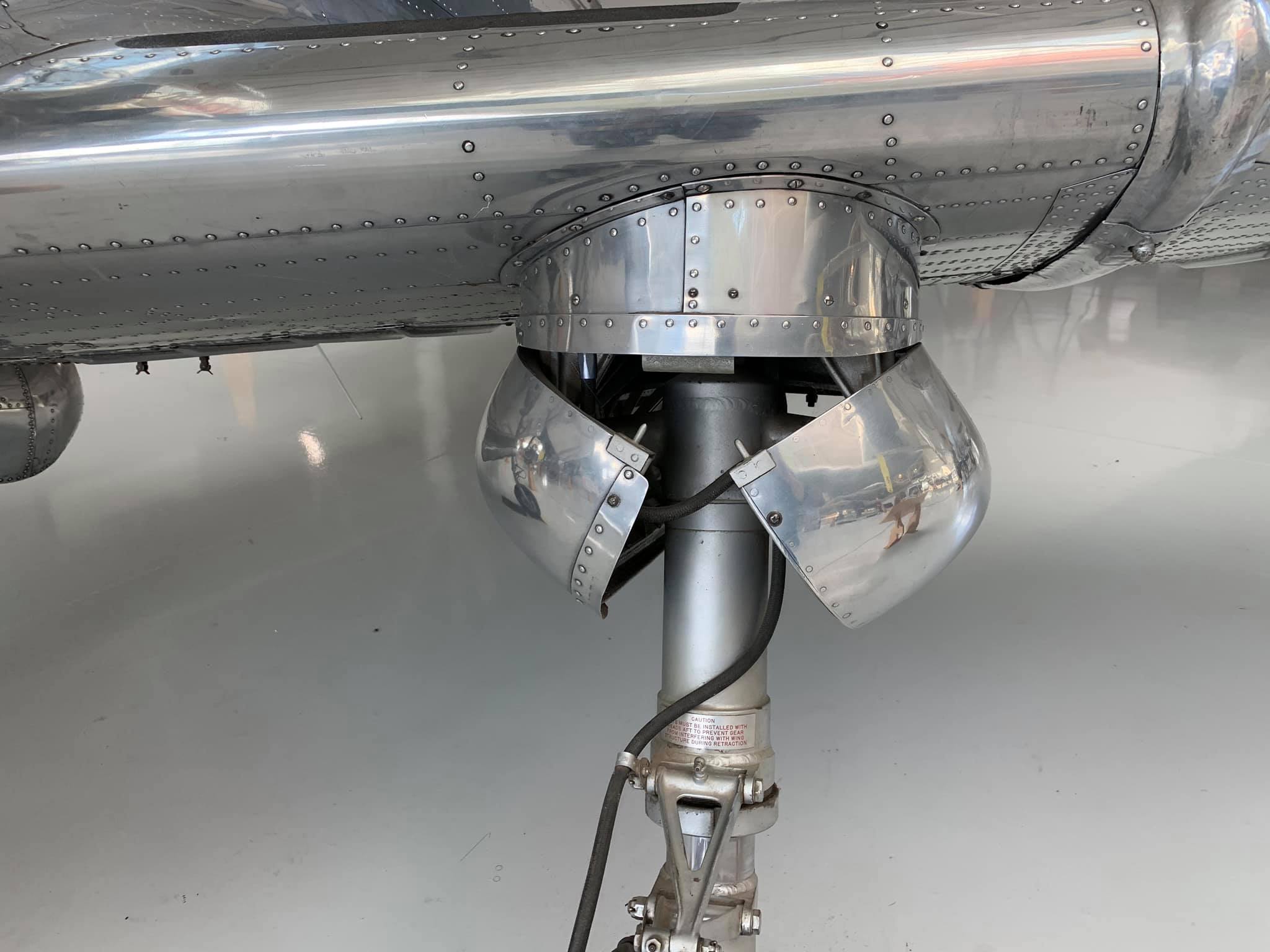
Powered by a Wright R-975-28 Whirlwind engine running a 2-bladed variable-pitch Hamilton Standard propeller. Armament for the military version included one fixed cowling-mounted forward-firing .30 cal. Synchronized through the propeller and one rear-facing flexible mount, .30 cal. Machine gun in the aft cockpit. 36 aircraft type were sent to the Royal Netherlands East Indies Army Air Force, the main customer for the R-975-powered aircraft; and which had to be sent to the Dutch in Australia due to advancing Japanese forces in the Pacific, and some of the aircraft were captured and operated by the Imperial Japanese Army Air Service.
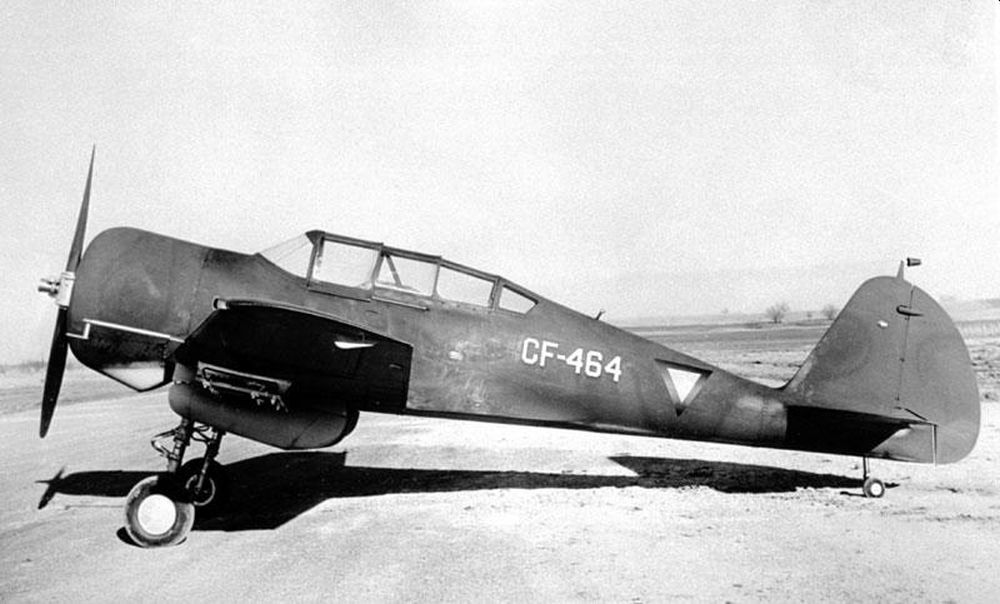
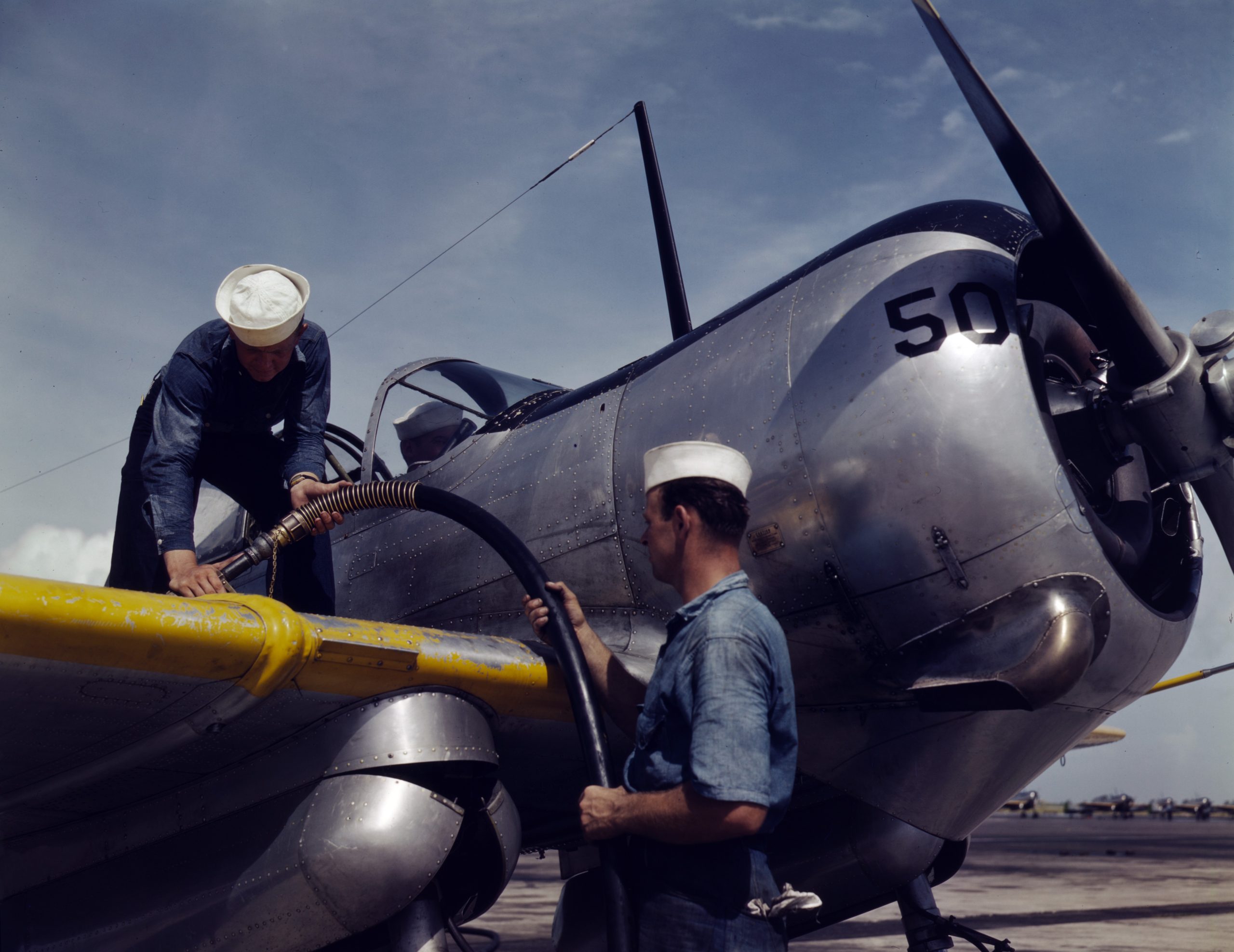
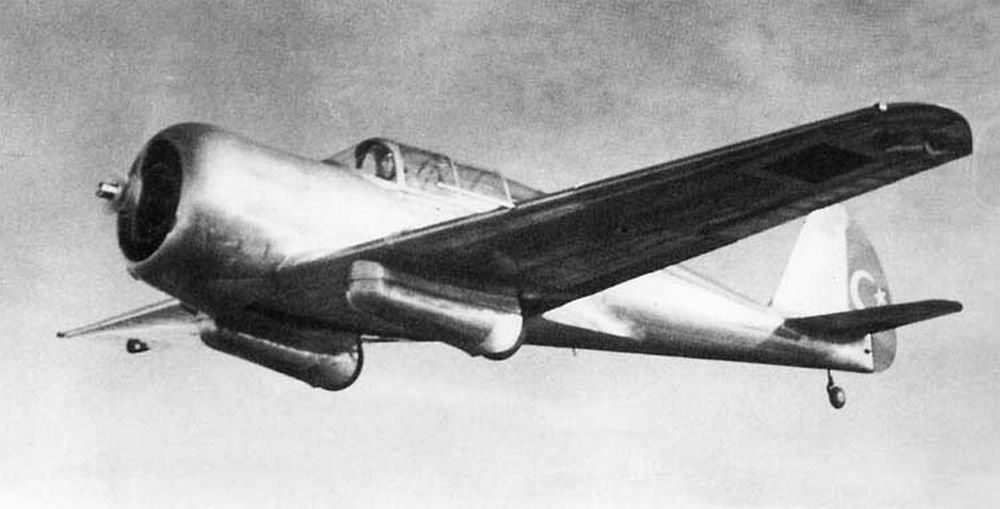
Over time, the aircraft type was sent to (at least) Turkey (CW-22B variant), Bolivia, the Burma Volunteer Air Force and later used by the Royal Air Force in India (efforts were made to sell at least one to the Chinese Air Force – which contracted to receive CW-21 aircraft, all of which crashed during ferrying or were destroyed by Japanese aircraft). Following World War II, many of the aircraft type entered the civilian market.
*Editor’s note: Curtiss-Wright CW-A22 N500G is now part of the collection of Walter Bowe of northern California.
About the author
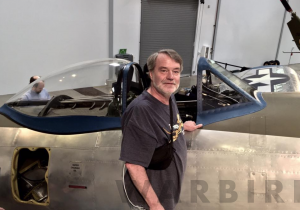 Randy Malmstrom grew up in a family steeped in aviation culture. His father, Bob, was still a cadet in training with the USAAF at the end of WWII, but did serve in Germany during the U.S. occupation in the immediate post-war period, where he had the opportunity to fly in a wide variety of types that flew in WWII. After returning to the States, Bob became a multi-engine aircraft sales manager and, as such, flew a wide variety of aircraft; Randy frequently accompanied him on these flights. Furthermore, Randy’s cousin, Einar Axel Malmstrom, flew P-47 Thunderbolts with the 356th FG from RAF Martlesham Heath. He was commanding this unit at the time he was shot down over France on April 24th, 1944, spending the rest of the war as a prisoner of war. Following his repatriation at war’s end, Einar continued his military service, attaining the rank of Colonel. He was serving as Deputy Wing Commander of the 407th Strategic Fighter Wing at Great Falls AFB, MT at the time of his death in a T-33 training accident on August 21, 1954. The base was renamed in his honor in October 1955 and continues to serve in the present USAF as home to the 341st Missile Wing. Randy’s innate interest in history in general, and aviation history in particular, plus his educational background and passion for WWII warbirds, led him down his current path of capturing detailed aircraft walk-around photos and in-depth airframe histories, recording a precise description of a particular aircraft in all aspects.