






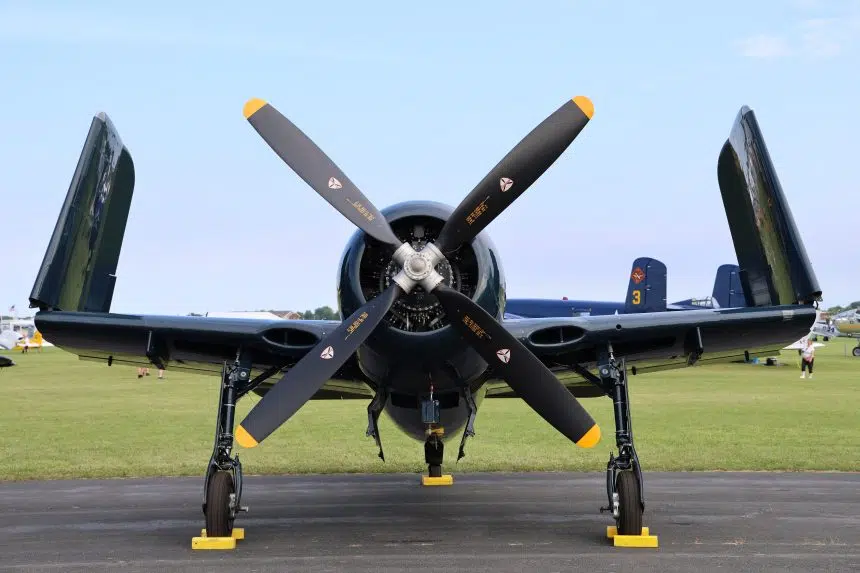

The third part of the series (click HERE to read more) covered Hamilton Standard’s invention of the Hydromatic propeller. The 1930s were a revolutionary decade for aviation. At the beginning of the decade, most aircraft were little more than incremental improvements on aircraft of the previous generation. By the end of the decade, stressed-skin aluminum semimonocoque structures, monoplane configurations with cantilevered wings, retractable landing gear, blind-flying instrumentation, more powerful engines, and controllable-pitch and constant-speed propellers had revolutionized aviation from a technical perspective. In some ways, aviation in the 1930s was like the Internet in the 1990s or artificial intelligence today, all rapidly advancing technologies that captured the public imagination. Yet unlike the Internet or artificial intelligence, aviation in the 1930s was still a niche industry. At least in the United States, the military in general and military aviation in particular were small and underfunded. The DC-3, with its Hamilton Standard propellers, had finally made passenger air transportation profitable, but airline travel remained far too expensive for most people. However, all that was about to change.
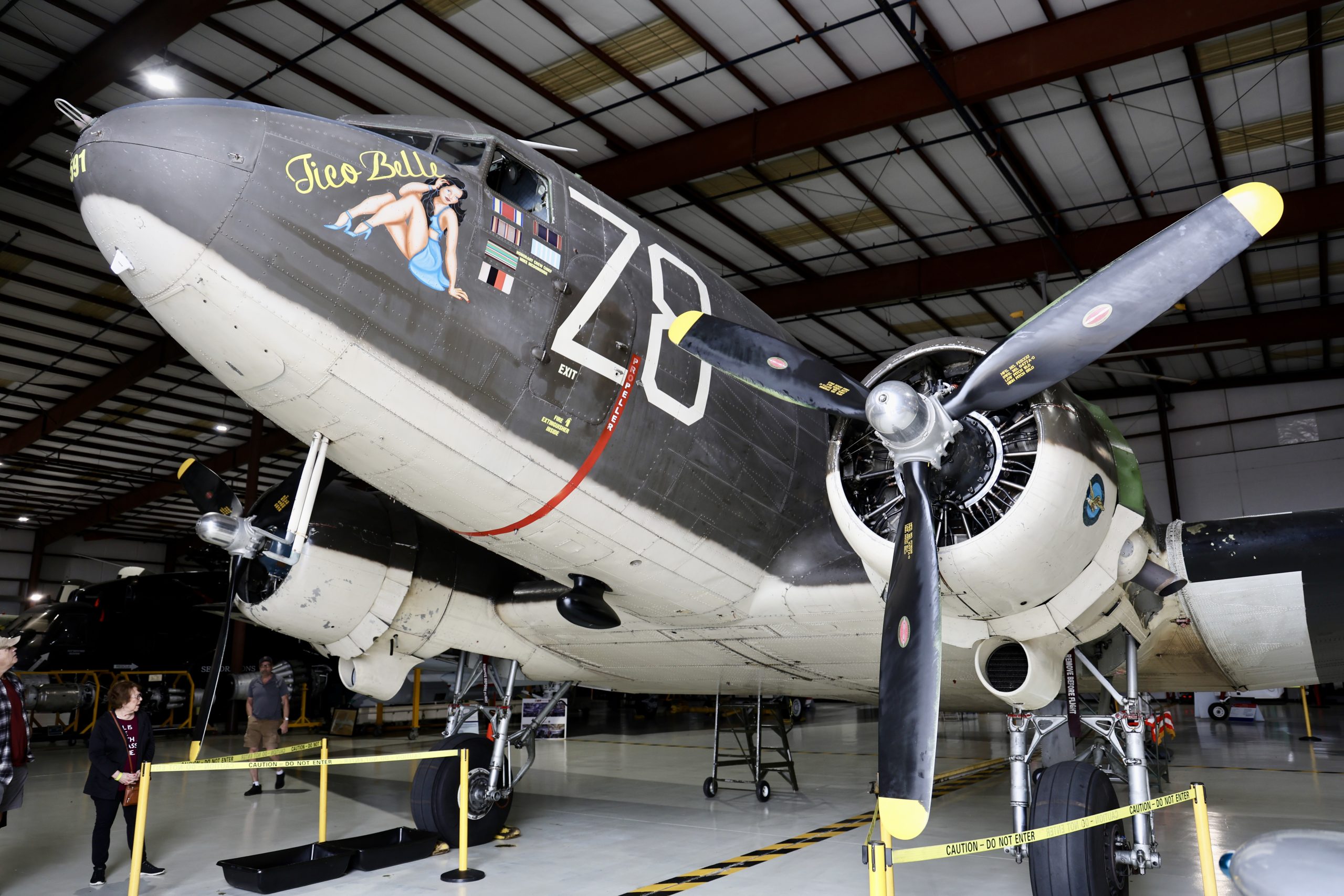
In Europe, the rise of the totalitarian powers, first the Soviet Union, then Fascist Italy, and finally Nazi Germany, increased tensions, which exploded in the Italian conquest of Ethiopia and the Spanish Civil War. France and Great Britain also began to rearm. In Asia, an aggressive and militaristic Japan went to war with China in 1937. Whereas aviation previously had been a minor, if romantic and exciting, component of military and naval power, the combination of the technological developments of the 1930s and the theories of airpower advocates thrust aviation to the forefront of rearmament.
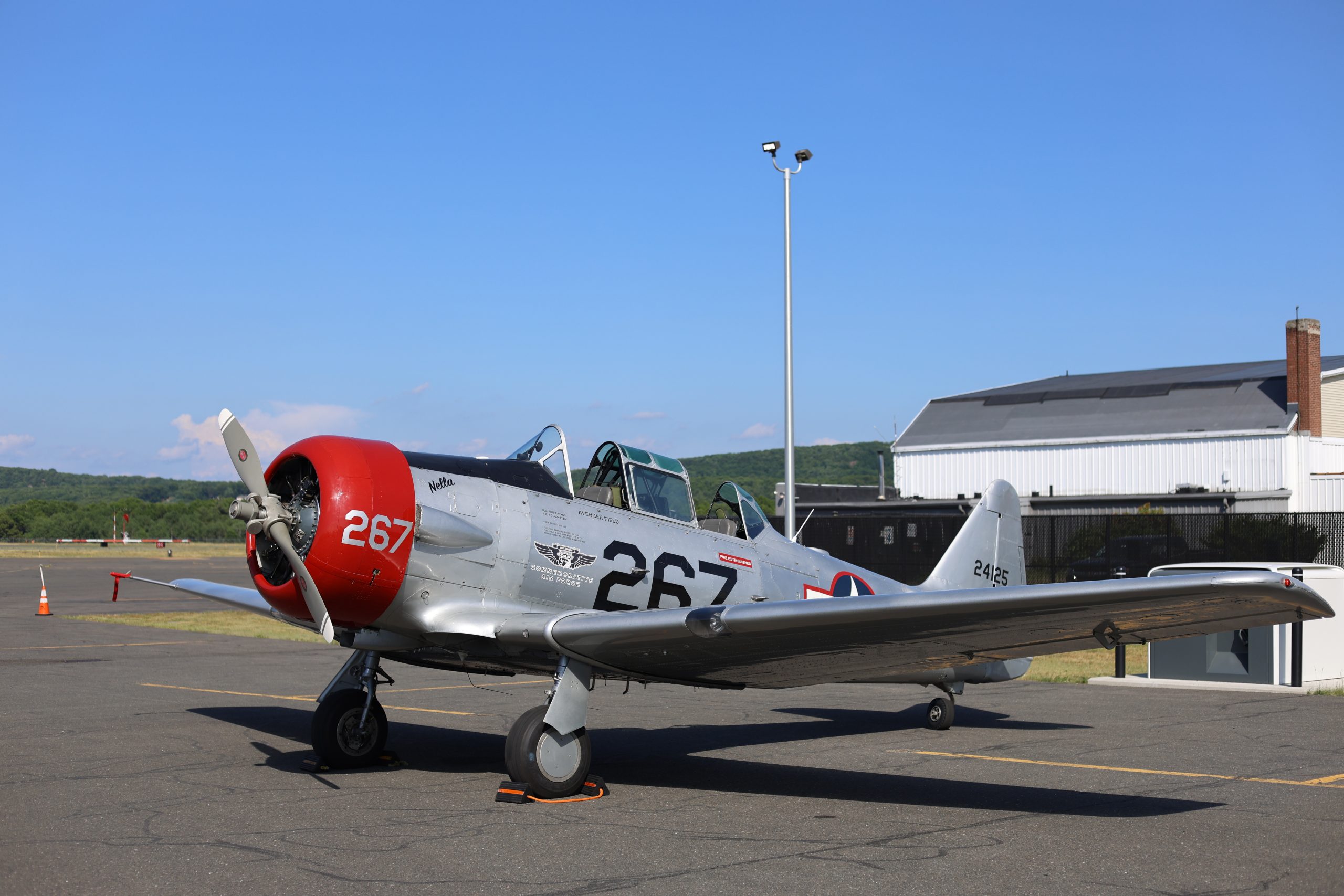
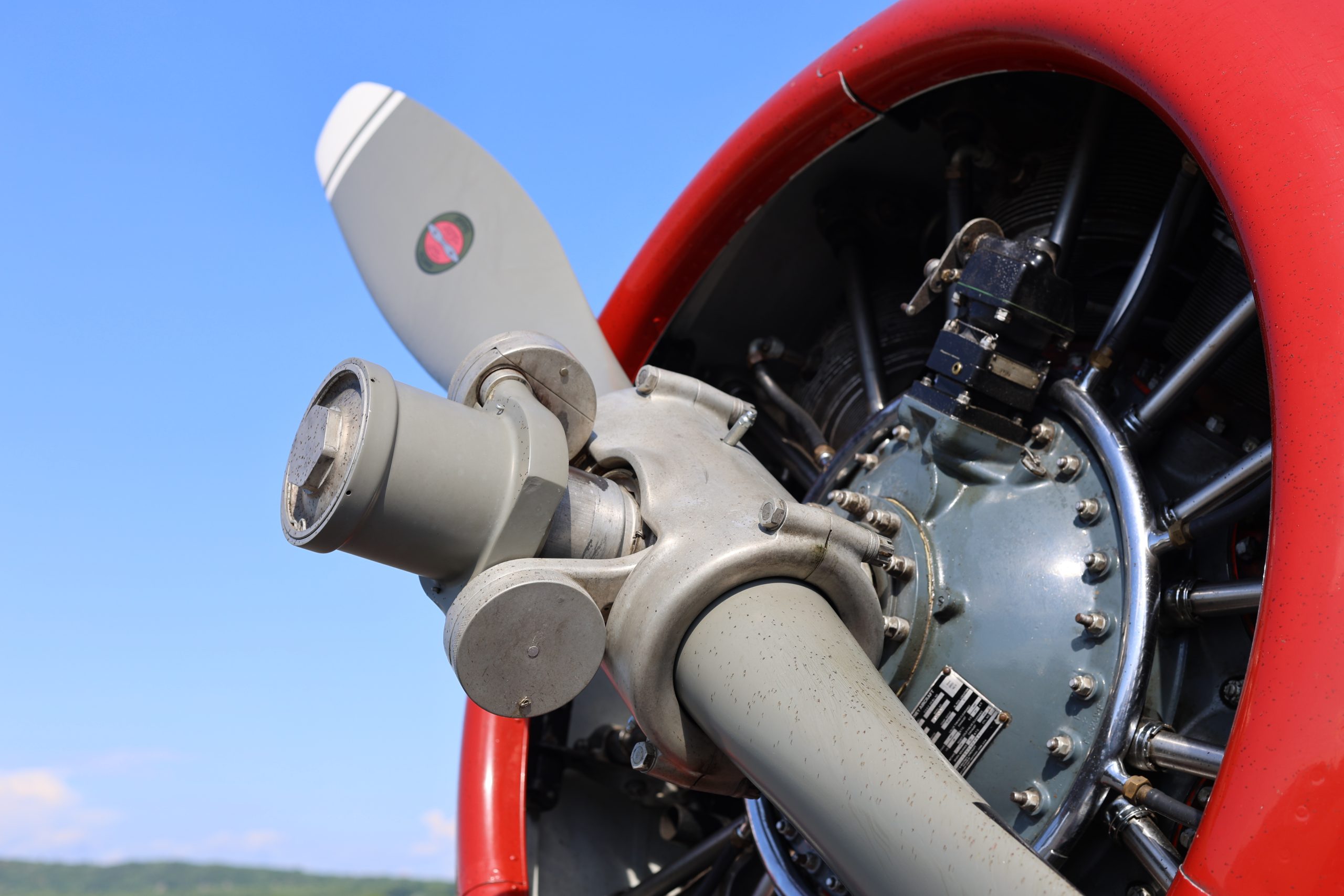
In hindsight, WWII appears inevitable with its two rival alliances, the Axis and the Allies. From the perspectives of the Americans in the 1930s, the world looked very different. The country struggled to emerge from the Great Depression, and there was a broad consensus to keep America out of distant wars. Some Americans watched the Soviet Union, Germany, Italy, and Japan with concern and unease, but they were countries with which the United States had normal diplomatic and commercial relations. In this environment, United Aircraft Corporation (UAC) and its subsidiaries, including the Hamilton Standard Propeller Company, aggressively sought foreign customers. Thomas F. Hamilton, the founder of Hamilton Aero Manufacturing, one of the predecessors of Hamilton Standard, had been forced out of the company shortly after its merger with Standard Steel Propeller, but remained with UAC and headed its sales effort in Europe.
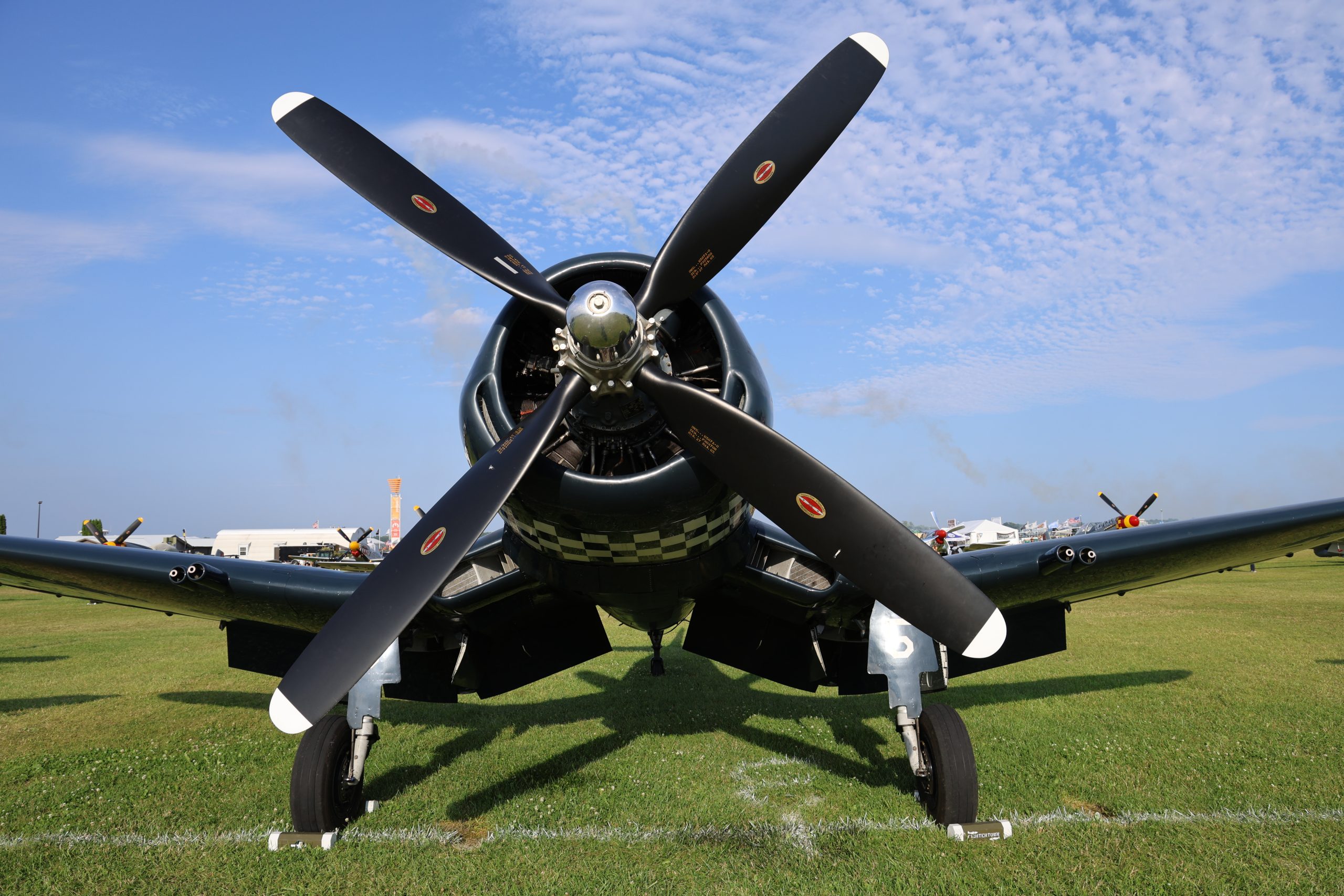
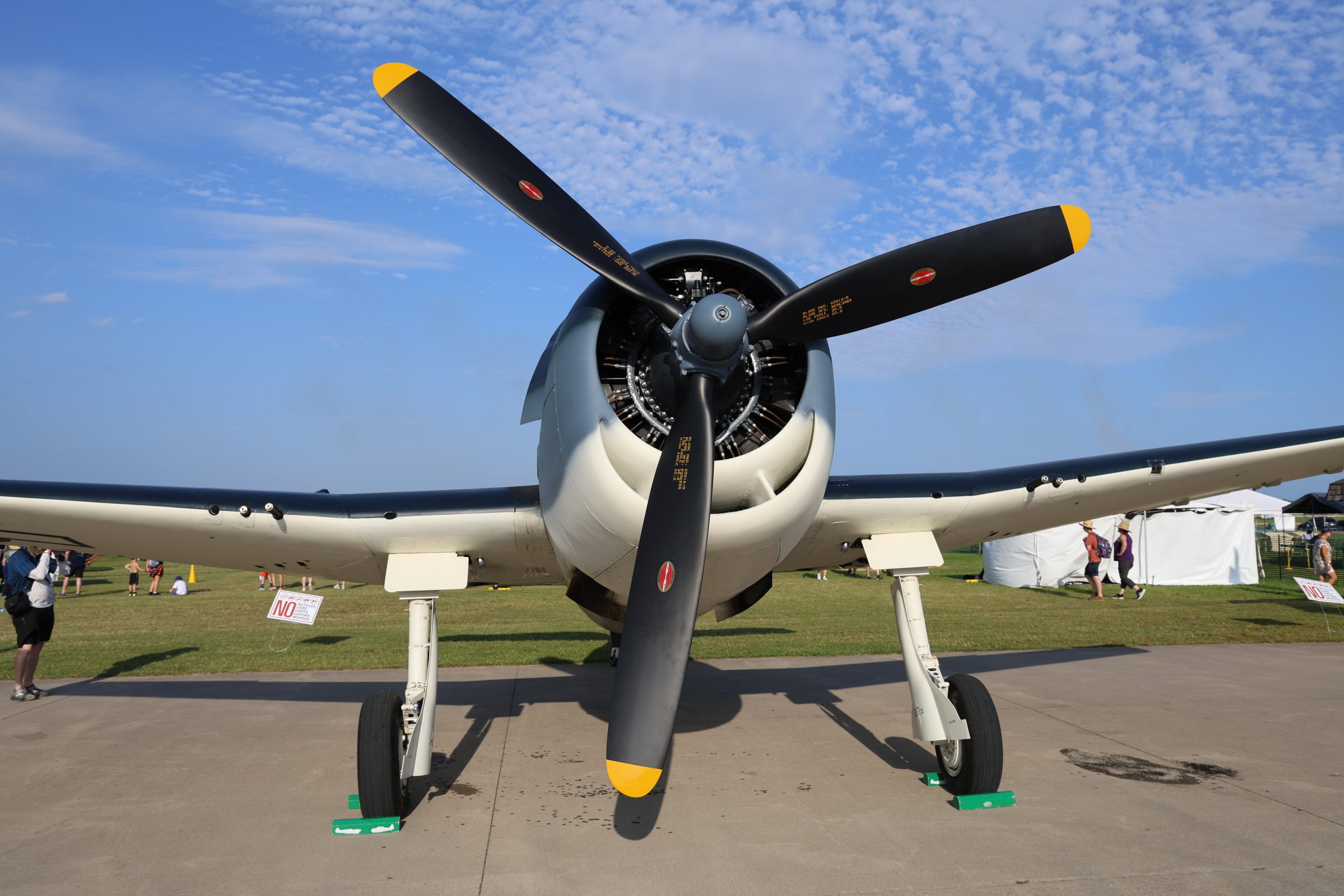
In 1934, de Havilland Aircraft Company in Great Britain obtained a license and began to manufacture controllable-pitch propellers using the Hamilton Standard design. Other Hamilton Standard licensees included Hispano-Suiza in France, Junkers in Germany, Fiat in Italy, Sumitomo in Japan, and a state-owned company in the Soviet Union. There were also direct sales of propellers to foreign customers. Thus, on the brink of WWII, propellers designed by Hamilton Standard could be found on both sides of the conflict.
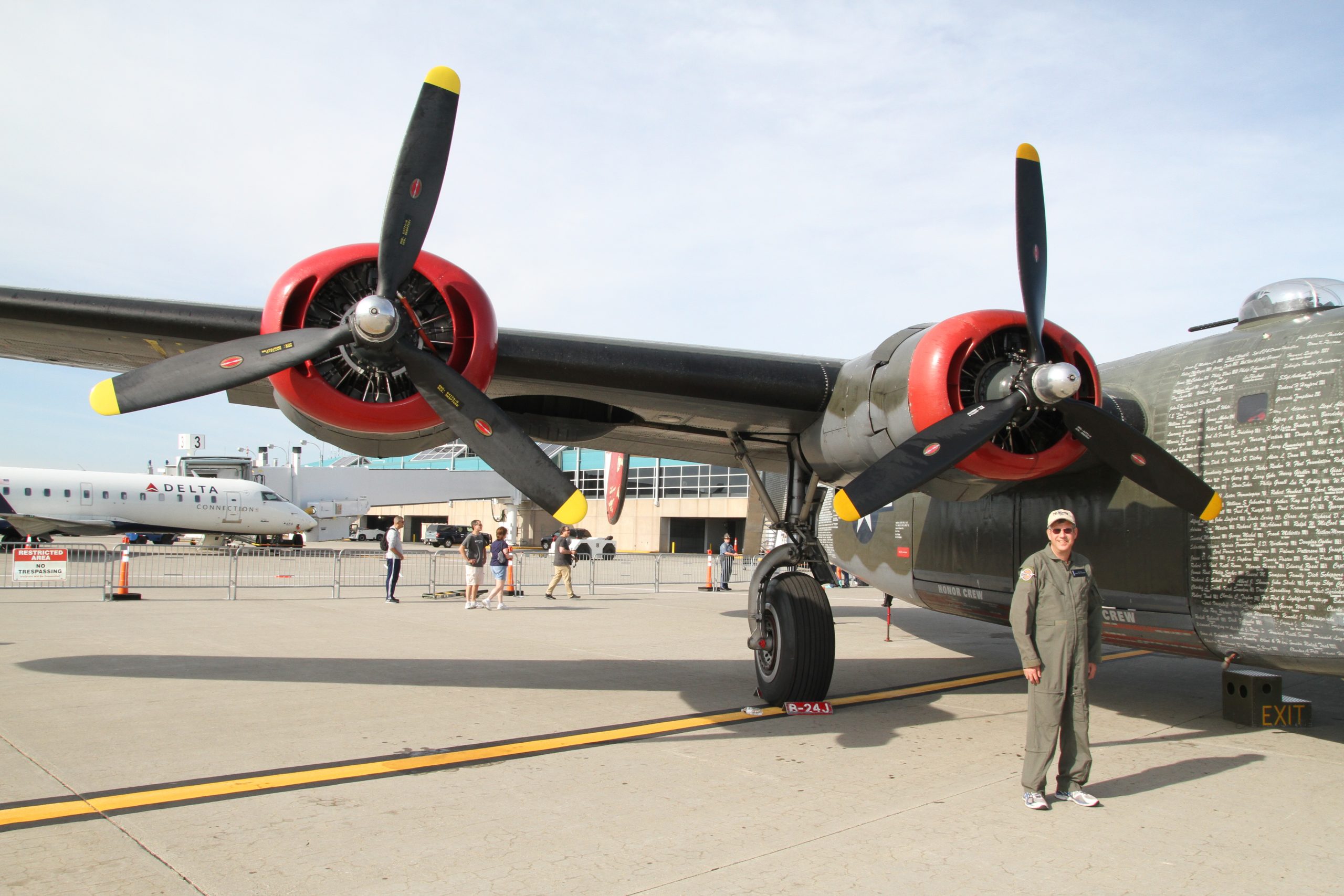
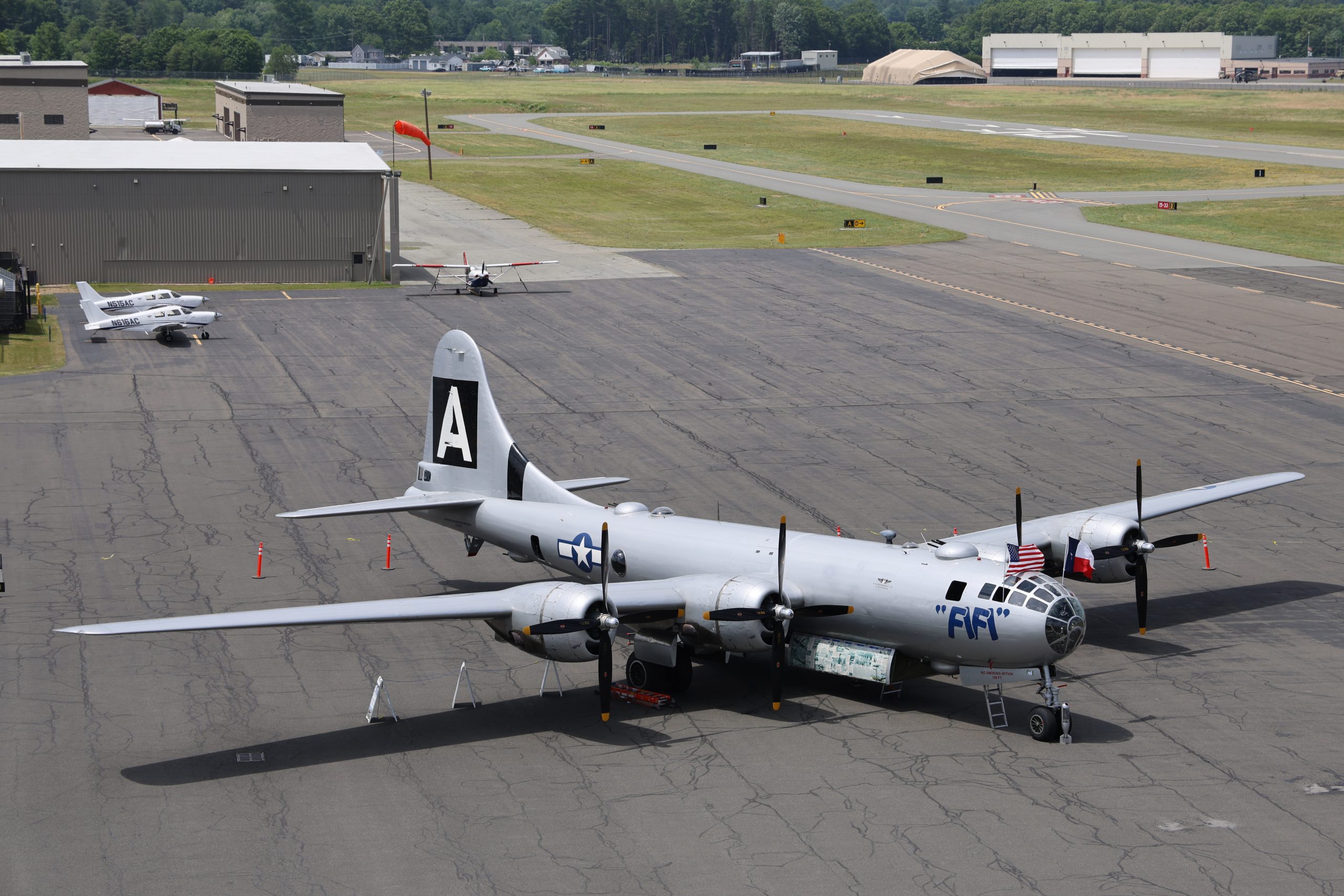
In the late 1930s, Hamilton Standard, while a technology leader, was a relatively small manufacturer building a few hundred propellers a month at its factory in East Hartford, Connecticut. The total wartime mobilization of the American economy during WWII required a dramatic expansion of propeller production. Hamilton Standard opened three satellite factories in Norwich, Connecticut; Westerly, Rhode Island; and Darlington (Pawtucket), Rhode Island. Canadian Propellers Ltd., a component of UAC’s Pratt & Whitney Canada division, also produced Hamilton Standard propellers. Even this growth was insufficient to meet demand. Hamilton Standard licensed Frigidaire, Nash-Kelvinator and Remington-Rand to manufacture propellers. Before the war, both Frigidaire and Nash-Kelvinator had manufactured refrigerators, and Remington-Rand made typewriters. These companies had no background in aviation, but they could fabricate and assemble large quantities of precision metal parts, which they did using Hamilton Standard’s blueprints. The Hamilton Standard Propeller Company was the leading American manufacturer of propellers during WWII, with its own factories and licensees accounting for approximately 75% of U.S. propeller production. Total Hamilton Standard propeller production during the war exceeded 500,000, and the large majority of propellers were of the Hydromatic type. The Propeller Division of Curtiss-Wright and the Aeroproducts Division of General Motors also produced propellers for the American war effort.

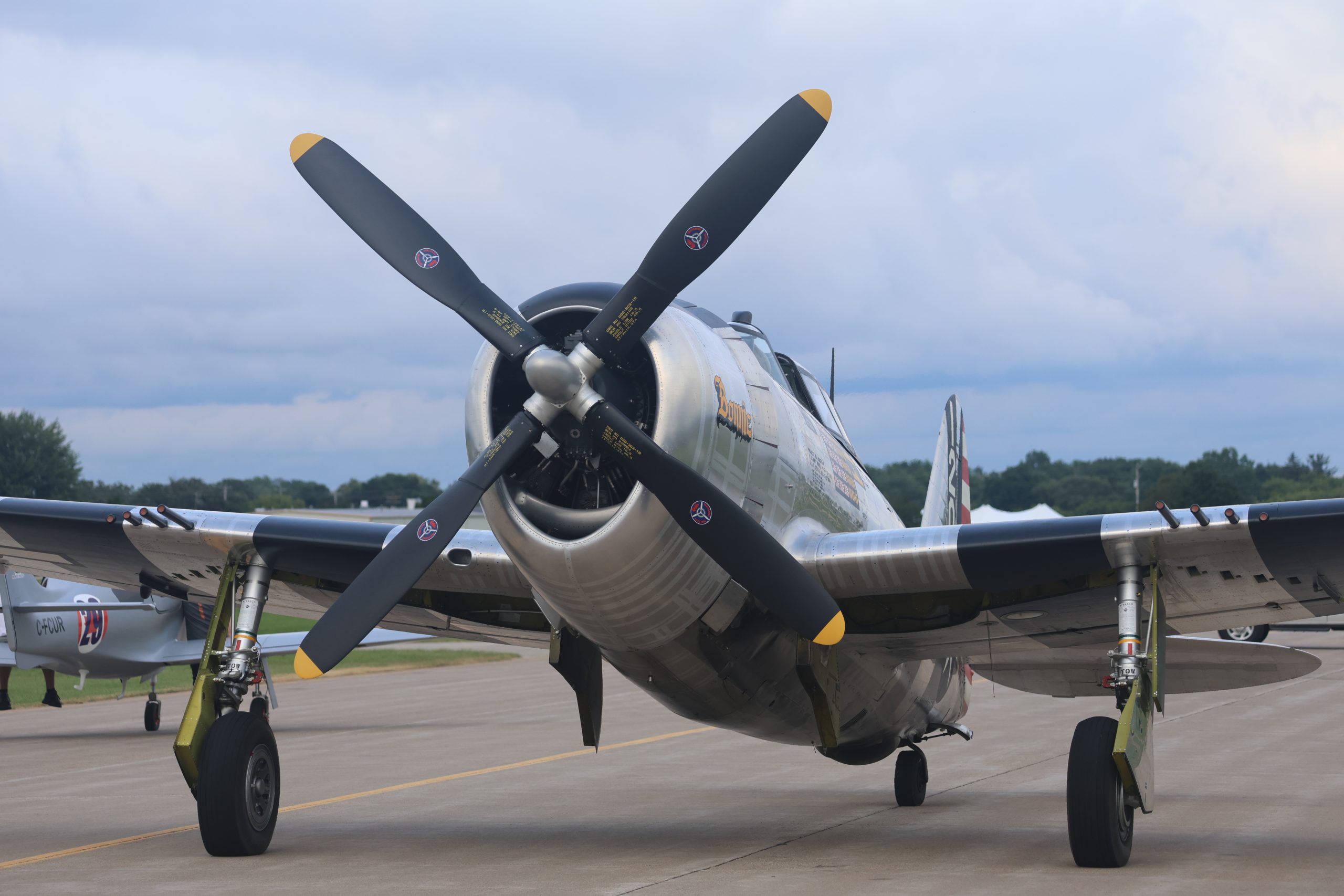
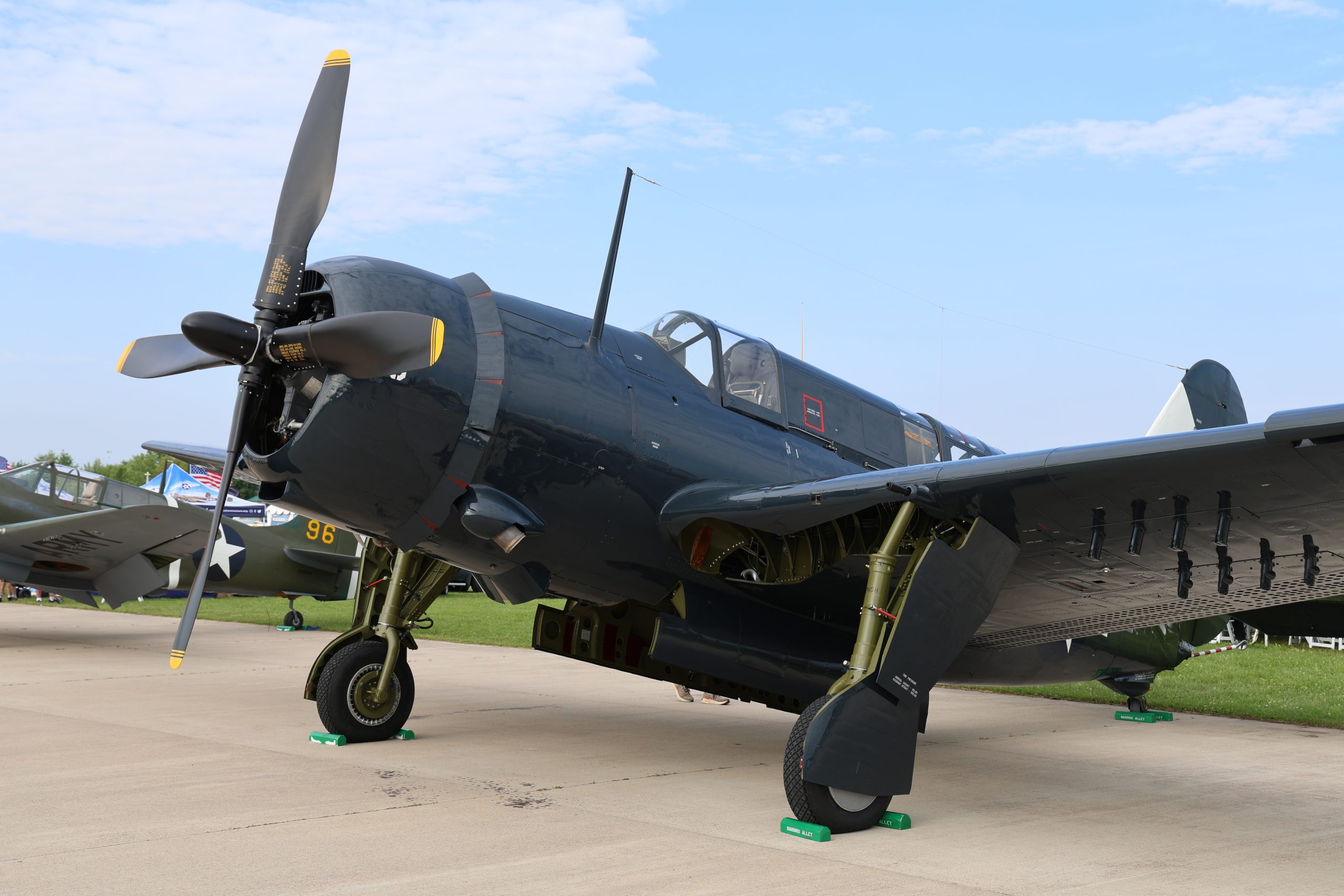
Hamilton Standard propellers were so ubiquitous in American aircraft of WWII that it is easier to list what aircraft did not use them. Curtiss naturally preferred to use its own propellers in its aircraft, notably the P-40 Warhawk, C-46 Commando, and SB2C Helldiver. The P-38 Lightning, P-39 Airacobra (some models), and the P-47 Thunderbolt also used Curtiss Electric propellers. Aeroproducts propellers were found on some models of the P-39 Airacobra and P-63 King Cobra, as well as the P-51K variant of the Mustang. Had the war continued into 1946, the Grumman F8F Bearcat and Douglas AD Skyraider would have entered service with Aeroproducts propellers. It would be only a slight exaggeration to say that the Allies won WWII behind Hamilton Standard propellers..

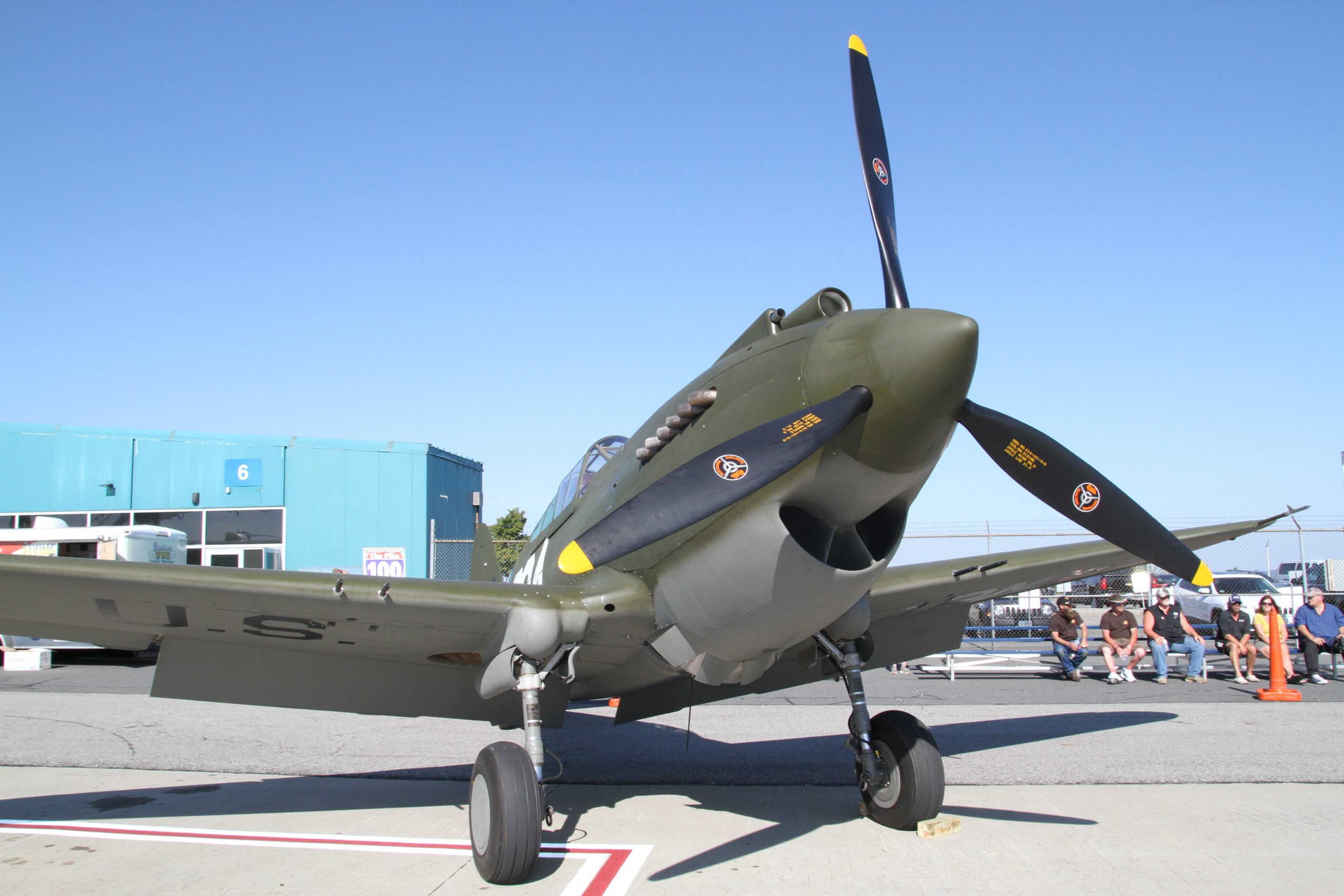










I’m sorry but the P-51K was not fitted with a Curtiss Electric prop, instead it has an Aerproducts prop fitted. Only the Allison engined Mustang models had the Curtiss Electric prop fitted.
A reader has pointed out that the P-51K used an Aeroproducts propeller, not a Curtiss Electric propeller. Thank you for your close attention to my writing. I will work on getting a corrected version of the article uploaded to the website.