





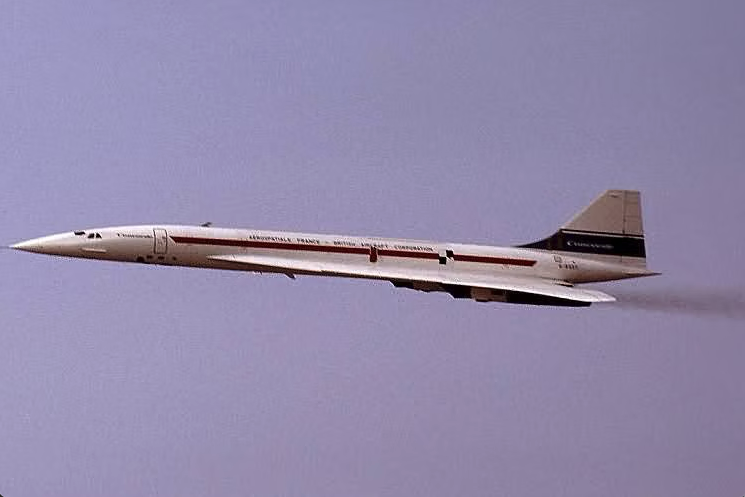

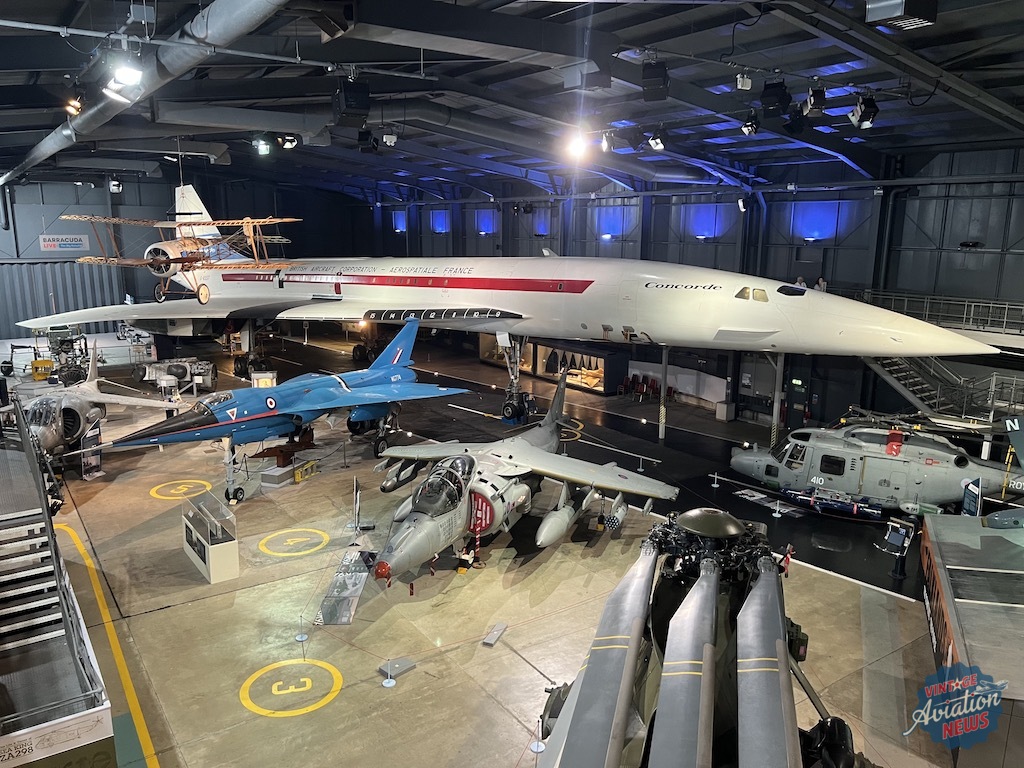
On this day in aviation history, 53 years ago (September 26, 1973), Concorde made its first non-stop crossing of the Atlantic Ocean. The French pre-production aircraft Concorde 02, F-WTSA, flew from Washington Dulles International Airport to Paris Orly in just three hours and 33 minutes, demonstrating the supersonic transport’s ability to dramatically reduce transatlantic travel times. Concorde was first flown in 1969 as the product of a joint British-French effort to develop a commercial supersonic airliner. F-WTSA was the second pre-production aircraft and incorporated features more representative of the eventual production Concorde. In September 1973, the aircraft embarked on a promotional tour of the Americas, visiting Caracas, Dallas, and Washington before beginning its historic return flight to France.
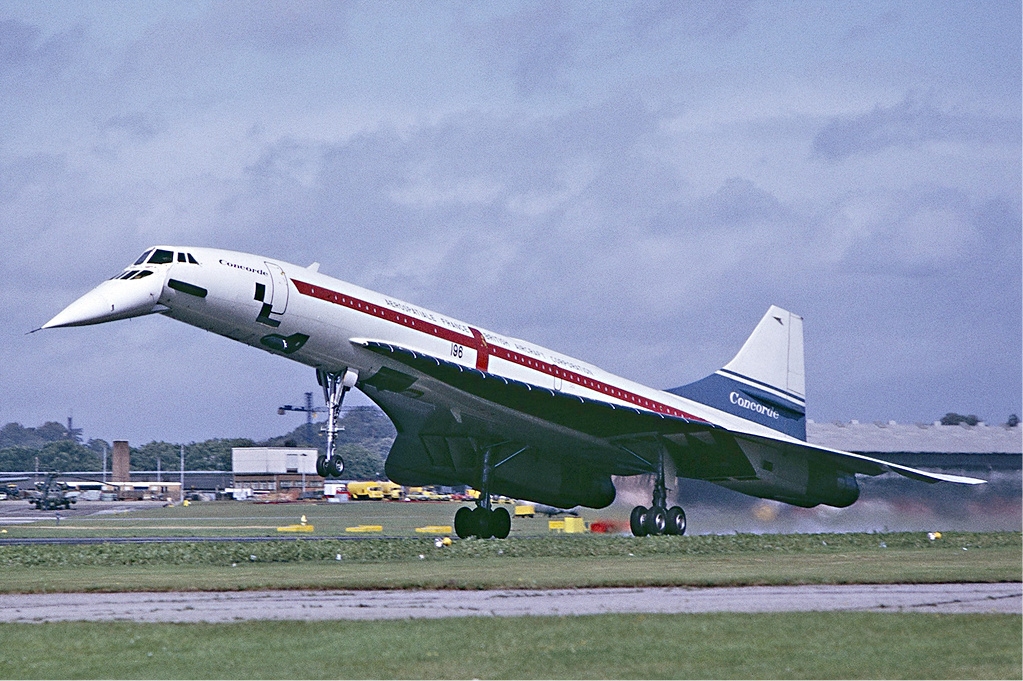
Commanded by Jean Franchi, Concorde departed Washington carrying 32 invited passengers along with its flight and test crew. The aircraft spent approximately two hours and 42 minutes flying supersonically and reached 58,000 feet near the end of its cruise. Its three-hour, 33-minute flight time was roughly half that of contemporary subsonic airliners and provided an important demonstration of the aircraft’s intended role more than two years before Concorde entered commercial service. The production Concorde measured 202 feet 4 inches in length with a wingspan of 84 feet and was powered by four Rolls-Royce/Snecma Olympus 593 Mk 610 turbojets producing 38,050 pounds of thrust each with afterburner. It could cruise at approximately Mach 2.02, or around 1,350 mph, at altitudes approaching 60,000 feet. Concorde had a range of approximately 4,500 miles and typically carried between 92 and 128 passengers, depending on configuration.









Shortly after that I flew from Dulles to Heathrow, I was rich bachelor You take off at mid day fly 4+.hours add time difference land in London at 10.30,. At work 8am NO JETLAG I think it cost me 400 pounds then. Still have the tickets and menus.