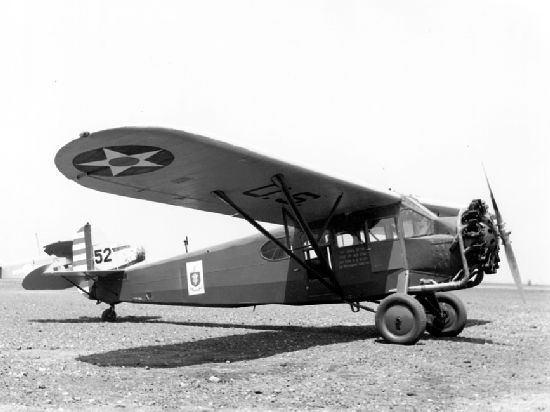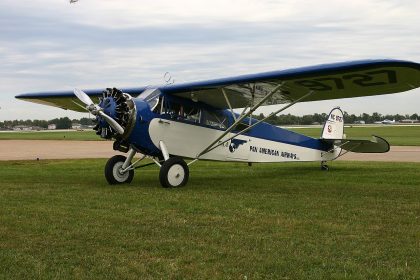
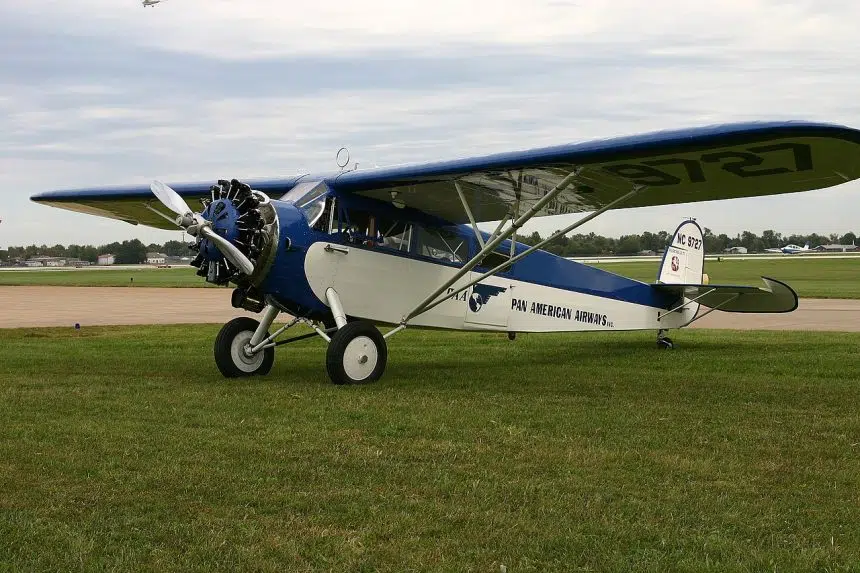

On this day in aviation history, 92 years ago (October 31, 1934), the Fairchild 71 took flight for the first time. Developed by Fairchild Aircraft, the high-wing monoplane was designed as a passenger and cargo transport and would become particularly well known as a rugged bush plane. Its combination of useful payload, reliability, and ability to operate in remote areas made the Fairchild 71 a familiar sight across North America. The Model 71 evolved from Fairchild’s FC-2 family of light transports. The aircraft used a fabric-covered welded steel-tube fuselage and empennage with strut-braced, fabric-covered wooden wings. The FC-2W incorporated provisions for aerial photography, including a camera bay for vertical photography and low-cut rear windows for oblique photography. This development was subsequently known as the Model 71, with American production running from 1928 through 1930.

The Fairchild 71 found considerable success in both civil and military service. The U.S. Army acquired the aircraft for evaluation and photographic work, while the Royal Canadian Air Force eventually operated 34 examples for photographic survey, transport, anti-smuggling, and immigration patrol duties. Civil operators found the aircraft particularly valuable in remote areas, and Fairchild established a Canadian subsidiary that also manufactured the Model 71. One aircraft, named Virginia, even accompanied Richard E. Byrd’s 1928–29 Antarctic expedition. The Canadian-built Model 71C measured 35 feet 10 inches in length with a wingspan of 50 feet and was powered by a 420-horsepower Pratt & Whitney Wasp radial engine. It could reach approximately 132 mph, cruise at 106 mph, and had a range of 817 miles. The aircraft had a service ceiling of 11,000 feet and could accommodate one pilot and up to eight passengers.