
(Image credit: VAN)
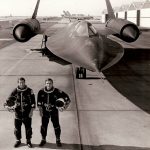
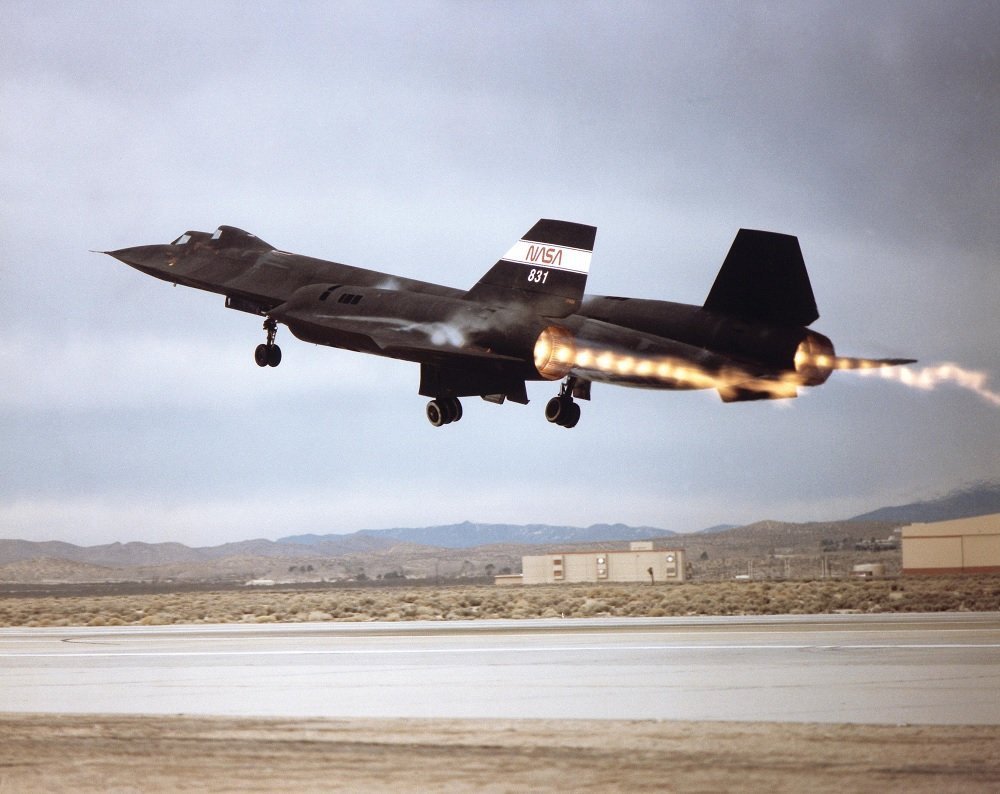
On this day in aviation history, October 9, 1999, the Lockheed SR-71 Blackbird made its final flight. The occasion was an airshow at Edwards Air Force Base, which provided the setting for the aircraft’s retirement. The SR-71 was scheduled to fly both days of the show, but a fuel leak grounded the Blackbird on Sunday, making the Saturday, October 9 flight the last time this legendary aircraft took to the skies. The final airframe flown was Lockheed SR-71A-LO 61-7980, piloted by NASA Research Pilot Rogers Smith and Flight Test Engineer Robert Meyer Jr.
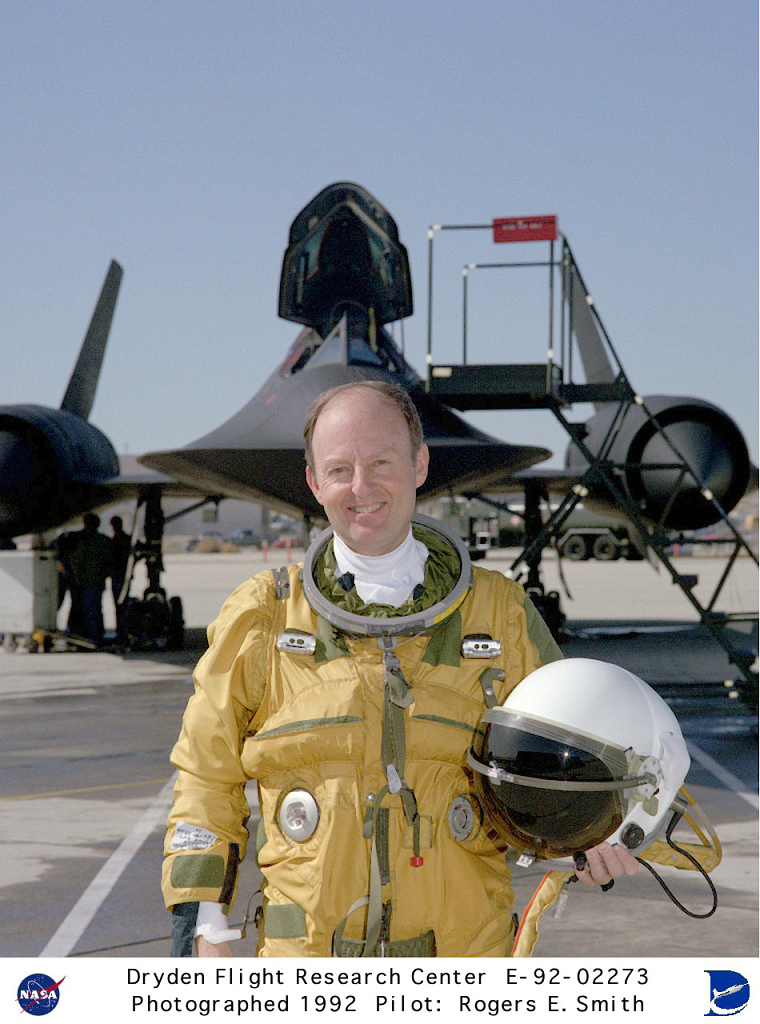
This aircraft, also the last SR-71 ever built (Lockheed serial number 2031), was subsequently retired and placed in flyable storage. In 2002, it was moved to a permanent static display at the Dryden Flight Research Center, now known as the Neil A. Armstrong Flight Research Center, located at Edwards AFB, California.
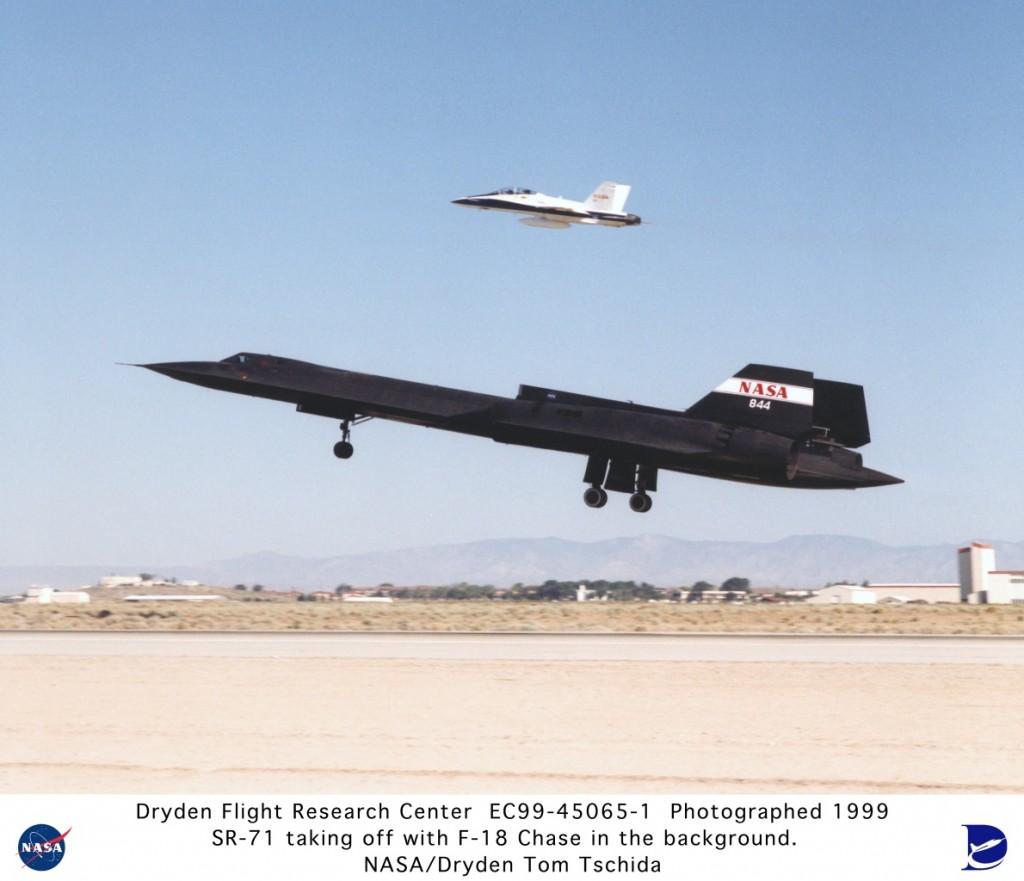
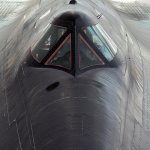
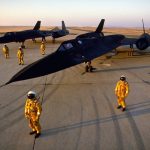
The SR-71 Blackbird was a long-range strategic reconnaissance aircraft capable of cruising at 85,000 feet, well above most threats. Powered by two Pratt & Whitney J58 engines producing 25,000–34,000 pounds of thrust each, it could reach speeds of Mach 3.3, or over 2,200 miles per hour. Unarmed, the Blackbird carried an Itek KA-102A camera and a suite of signals and electronic intelligence equipment. Its crew consisted of a pilot and a reconnaissance systems officer (RSO).
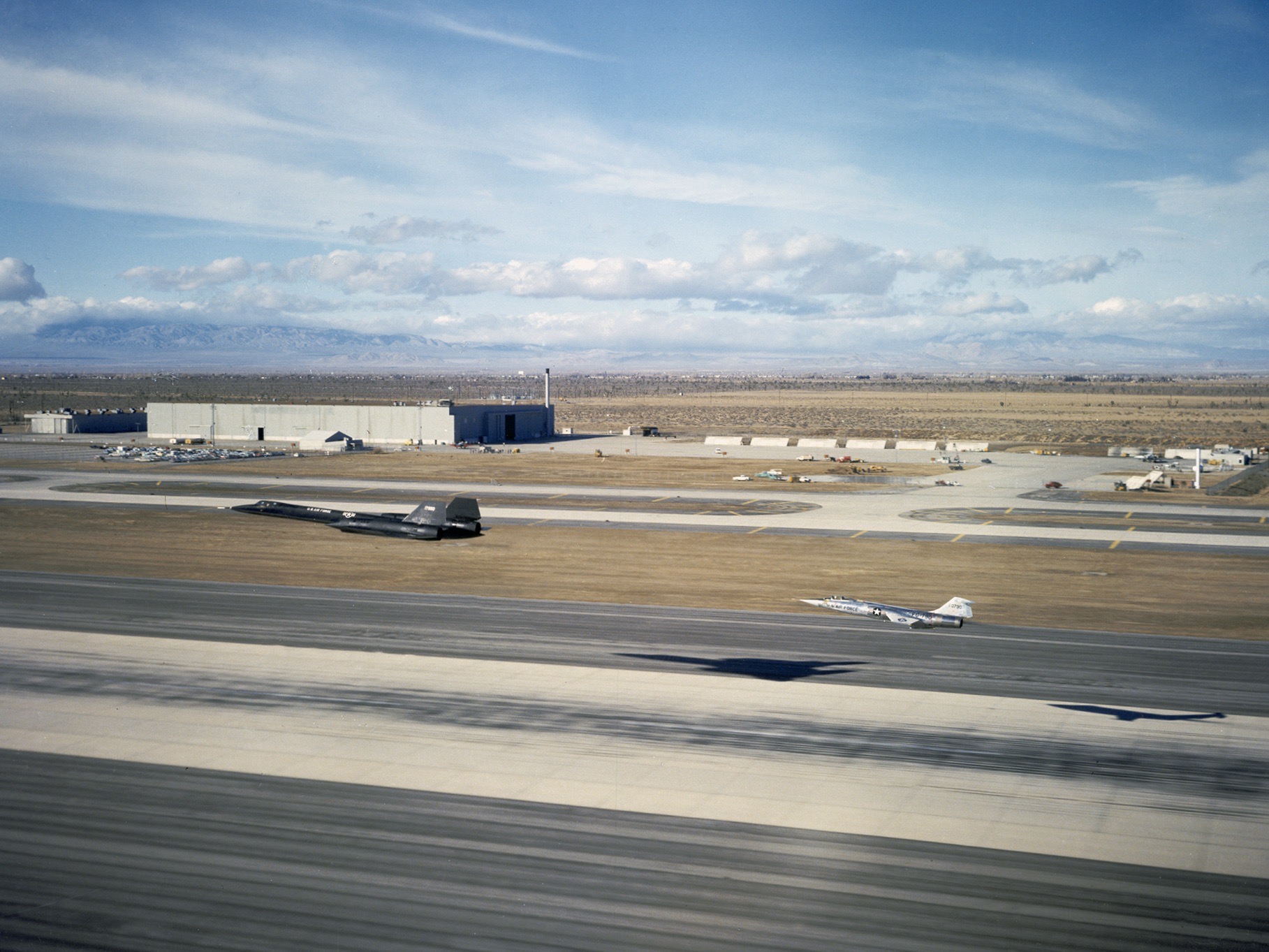
(Lockheed Martin Photo)
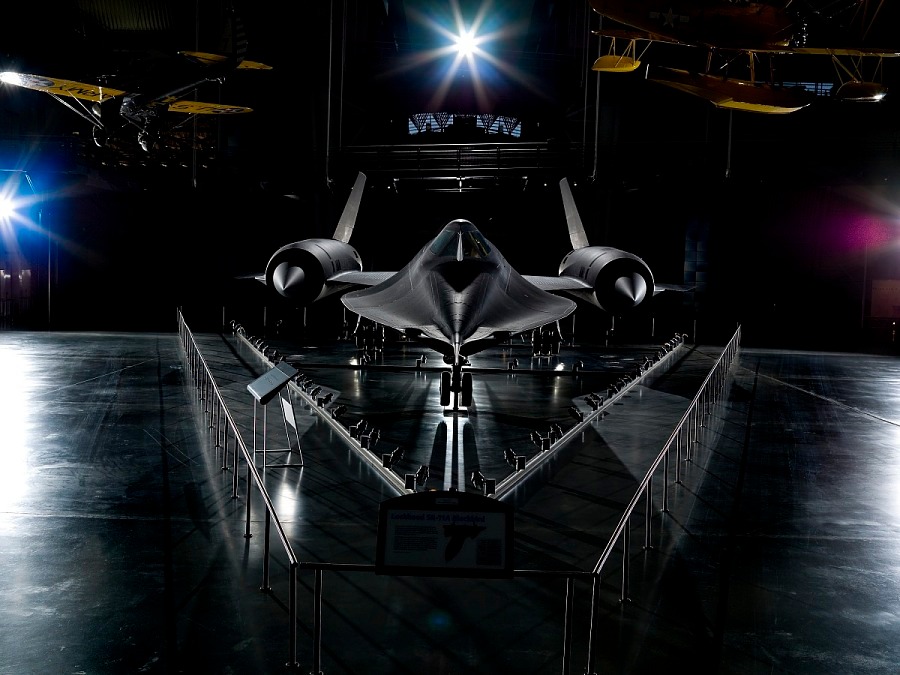
Developed secretly by Lockheed’s Skunk Works division, the SR-71 evolved from the A-12, leveraging its stealth technology and reduced radar cross-section. The SR-71 was longer and heavier than the A-12, allowing for additional fuel and a second crew member. Publicly revealed in July 1964, it entered service in January 1966 with the United States Air Force, becoming a cornerstone of Cold War reconnaissance operations and providing vital intelligence on Soviet activities. Lockheed built a total of 32 Blackbirds, many of which are now preserved in museums. Notable examples include SR-71A 61-7972 at the Steven F. Udvar-Hazy Center of the National Air & Space Museum in Chantilly, Virginia. The SR-71 remains an enduring symbol of aerospace innovation and the limits of high-speed flight.