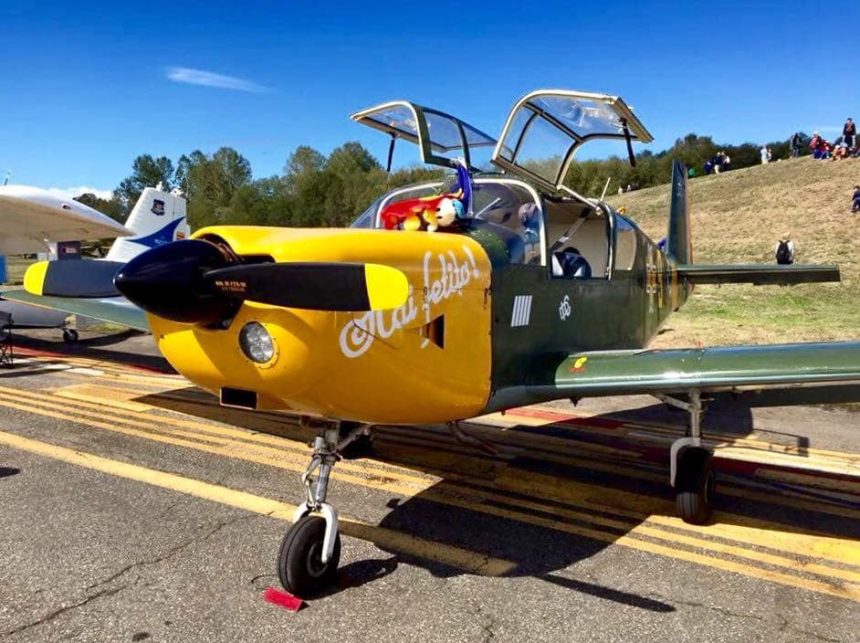

Since his childhood, Randy Malmstrom has had a passion for aviation history and historic military aircraft in particular. He has a particular penchant for documenting specific airframes with a highly detailed series of walk-around images and an in-depth exploration of their history, which have proved to be popular with many of those who have seen them, and we thought our readers would be equally fascinated too. This installment of Randy’s Warbird Profiles takes a look at the Industria Aeronautică Română IAR-823 N823DJ.
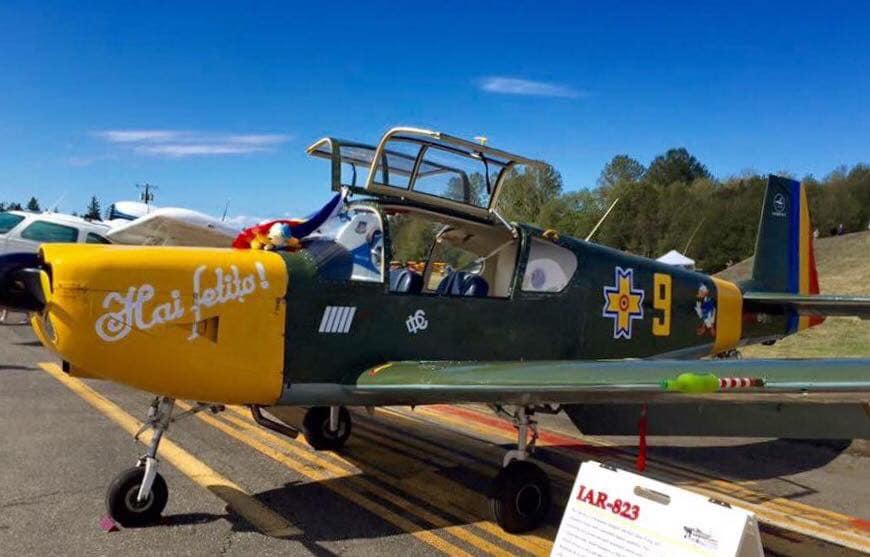
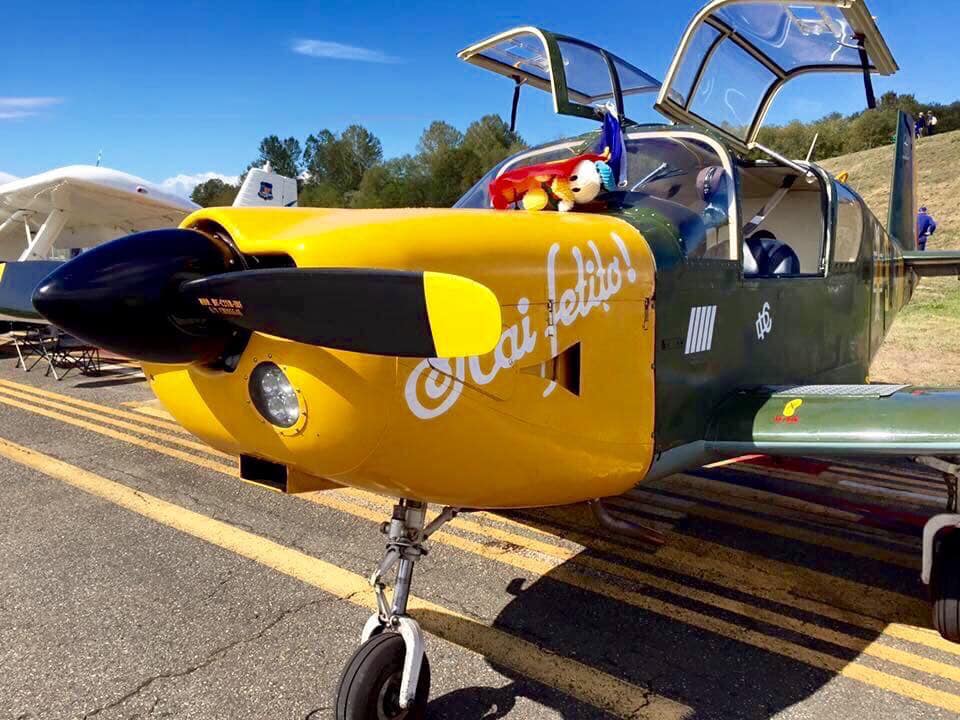
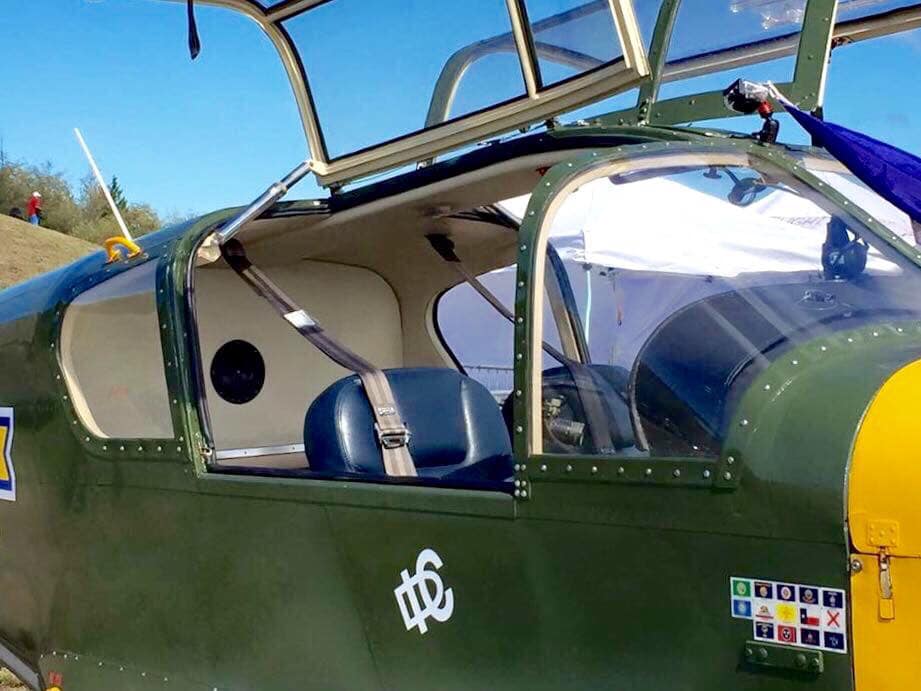
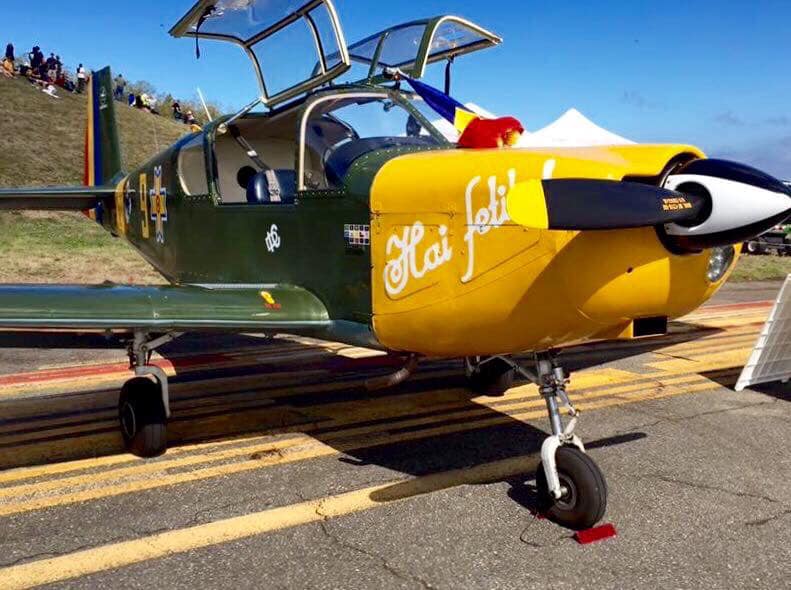
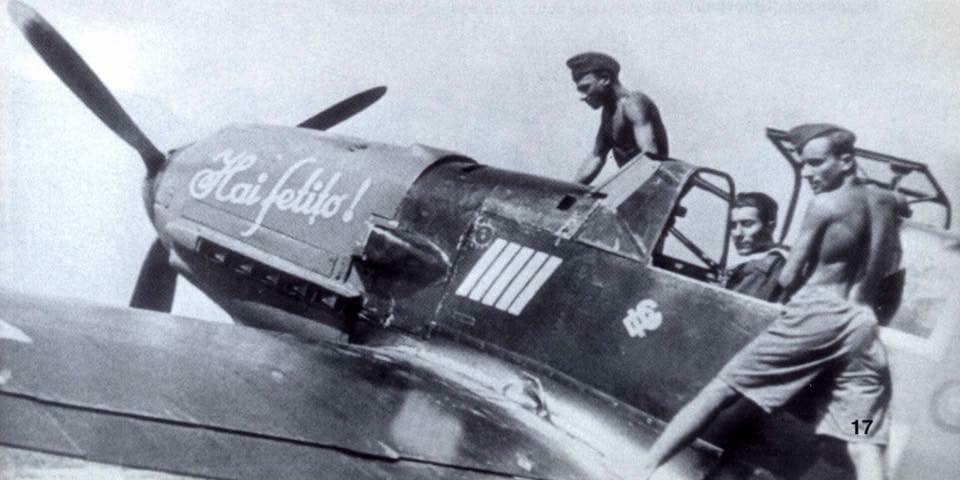
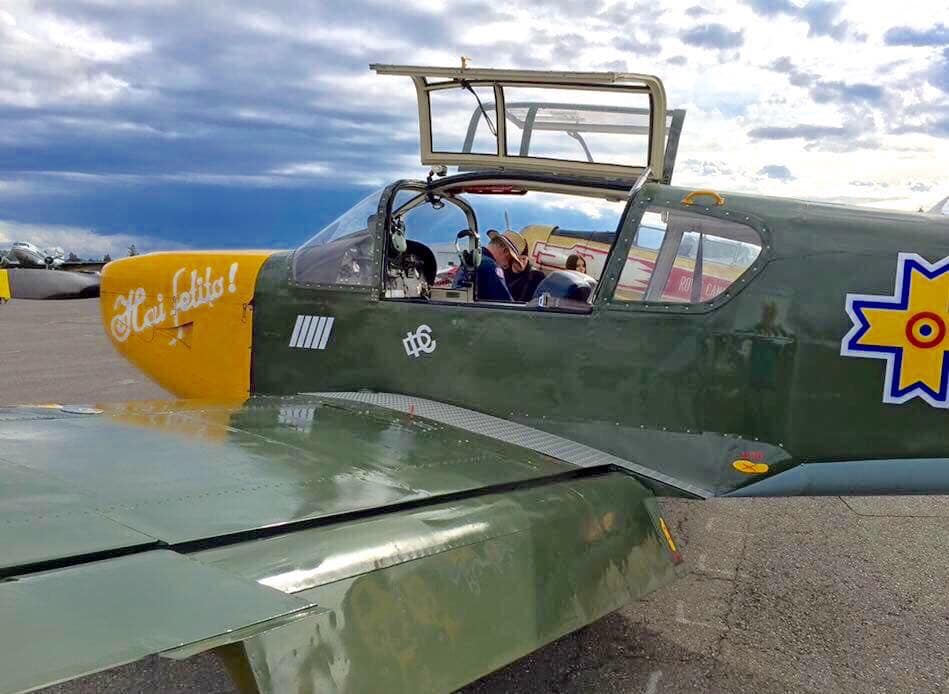
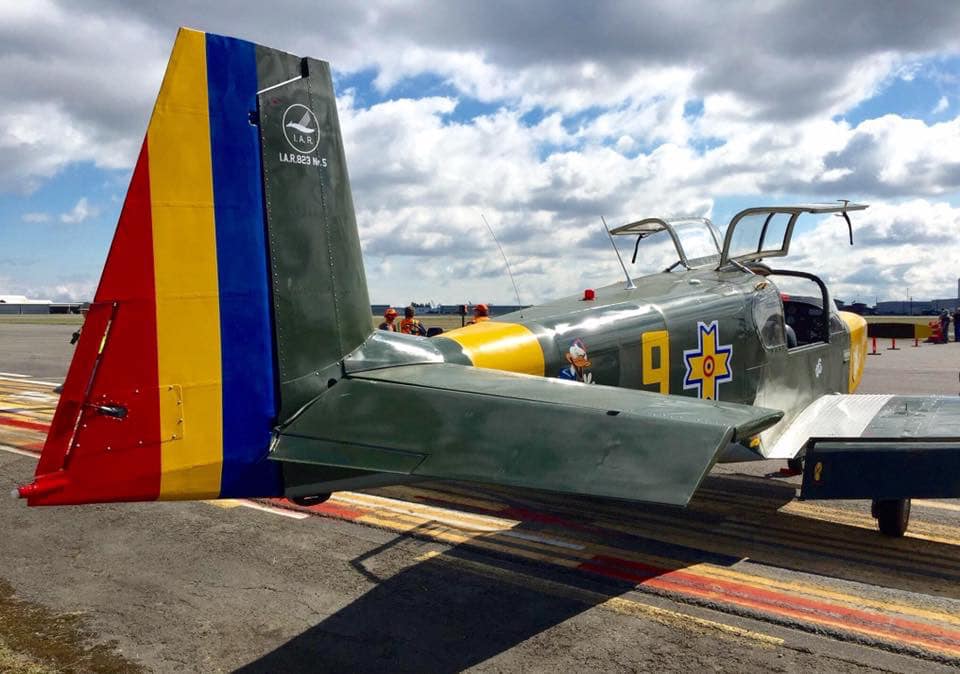
Industria Aeronautică Română IAR-823, s/n 5 “Hai Fetito.” This particular aircraft was built in Brașov, Romania and has been painted in honor of air ace 2nd Lt. Ion Di Cesare (Dicezare) who is best known for flying Romanian Messerschmitt Bf-109 aircraft for the Grupul 7 Vânătoare of Forţele Aeriene Regale ale României (Royal Romanian Air Force, FARR) and is credited with 16 confirmed victories (3 more probable). Specifically, it is painted in honor of his Bf-109 “Hai Fetito” (“Come on Fetito”), referring to “Fetito” which was the name of Di Cesare’s favorite racehorse (see historic photo). “Donald Duck” was the group’s unit badge. The pilot’s initials “IDC” and five white stripes symbolizing Di Cesare’s ground victories during Operation Barbarossa are also painted on the fuselage. In one instance, on July 18, 1941, his aircraft was damaged in an air battle and he crash-landed near Huși, Romania (he said his landing gear would not come down so he had to belly-land). He died in 2012 at the age of 96. As of this writing, this aircraft is registered to Robert Hill of Kenmore, Washington. My photos and video clip (using older camera equipment) while it was at Historic Flight Foundation when it was at Paine Field in Everett/Mukilteo, Washington. https://youtu.be/9m63v15LjqA

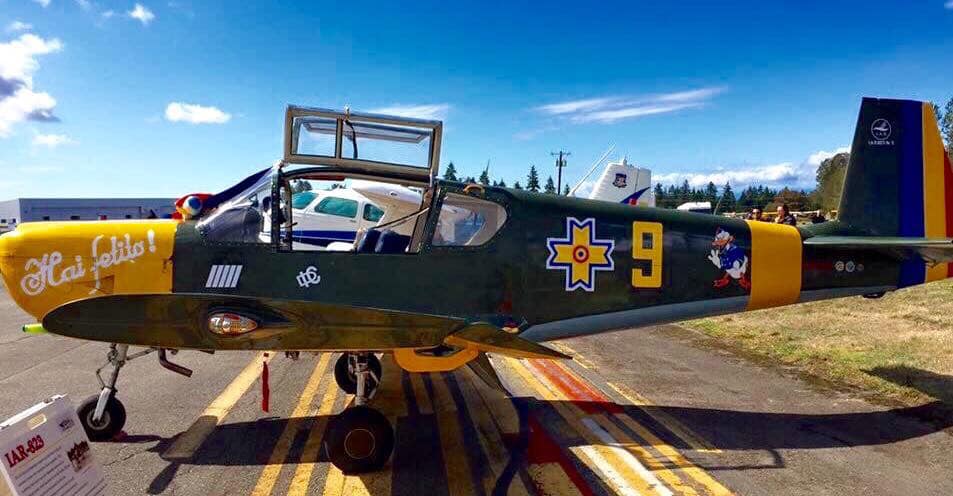
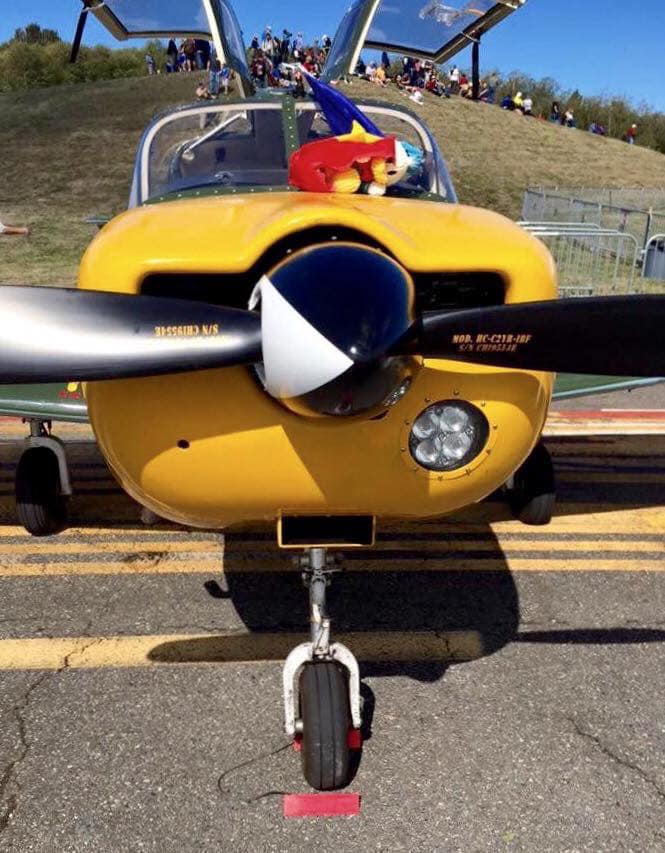
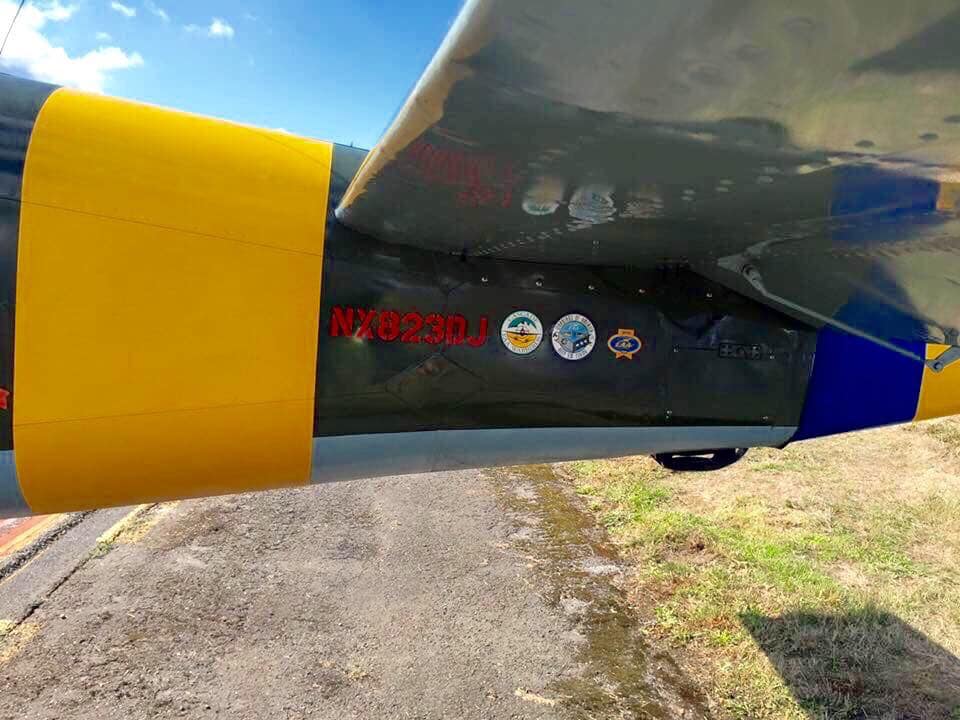
By 1939, Industria Aeronautică Română at Brașov, Romania (IAR) had designed many military and civilian aircraft, yet no combat aircraft had been put into production. For example, in 1937, IAR began a licensed production of the Polish gull-winged PZL P.24 (Państwowe Zakłady Lotnicze – State Aviation Works) fighter. The “E” variant of that aircraft was configured to Romanian Air Force specifications that included the IAR-built model of Gnome-Rhône 14K Mistral Major engine and armament and flight characteristics. It was the knowledge and experience of the licensed manufacture of that aircraft that led to the development of the IAR-80 which went into service in 1942. During World War II, IAR built about 250 variants of the IAR-80 fighters including the IAR-81 (which replaced the 80), and while relatively little known to Allies in WWII, they were a tough and reliable machine and about have of the aircraft type survived WWII to remain in Romanian service under the Soviet Union umbrella until being retired in 1949.
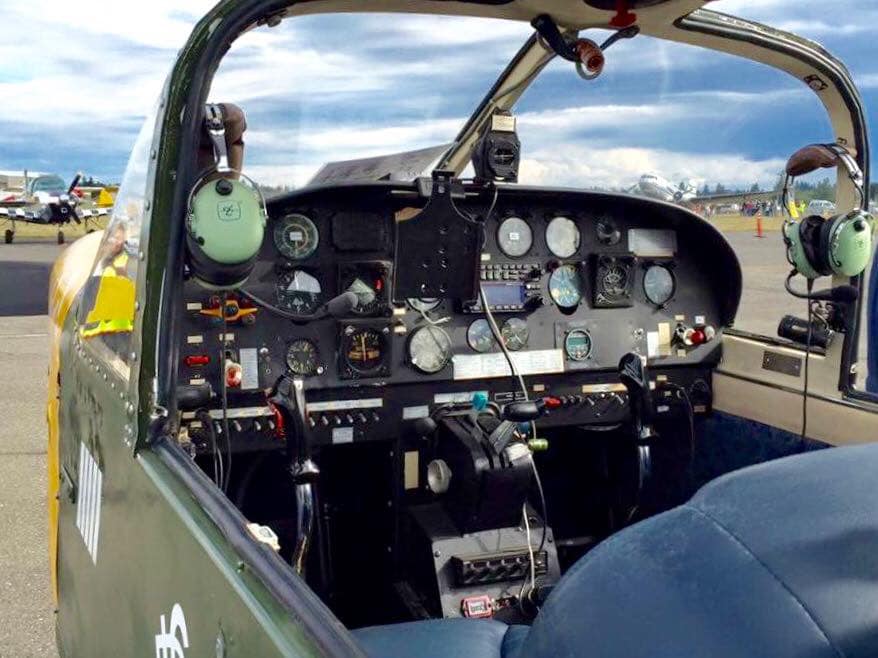
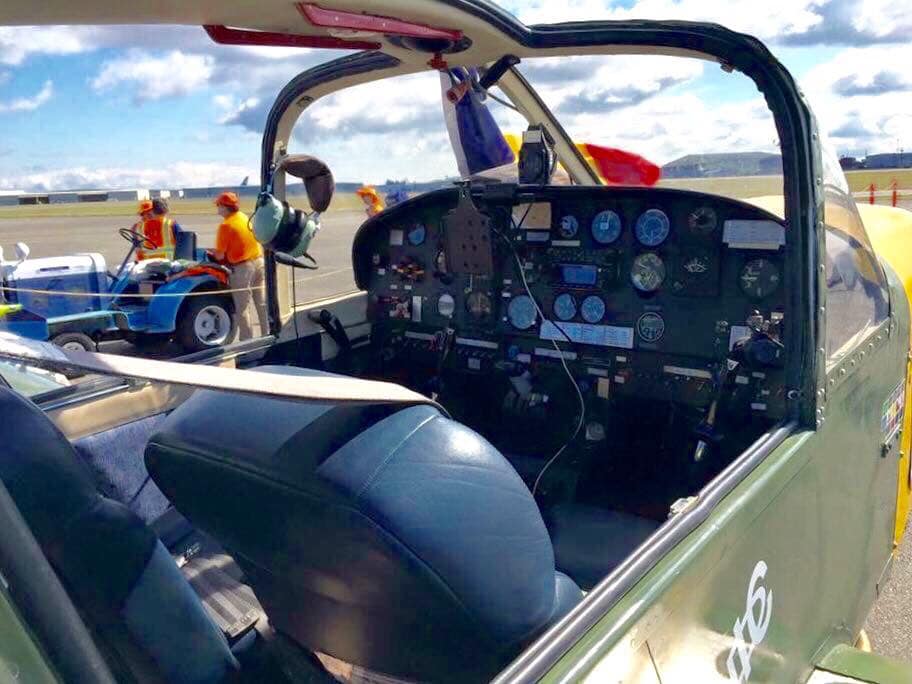
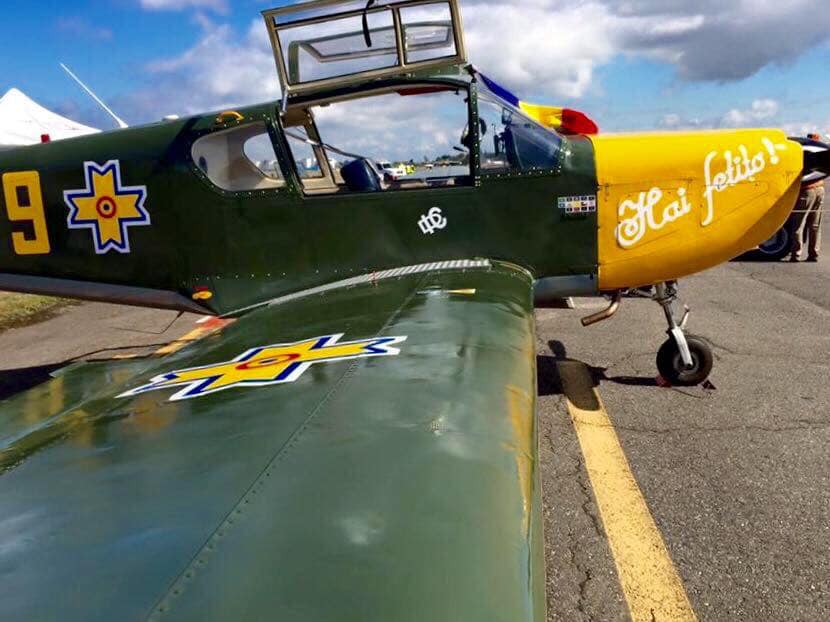
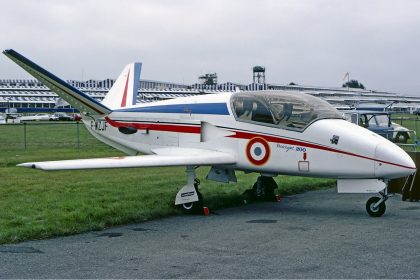
The IAR-823 was designed by Radu Manicatide, one of Romania’s most highly regarded post-World War II Romanian aircraft engineers, and the design was completed in 1970 at the Institutul de Mecanica Fluidelor si Cercetari Aerospatiale (Institute of Fluid Mechanics and Aerospace Research, or IMFCA in Bucharest). Construction of the prototype was started by the autumn of 1971 at IAR Brașov, and first flew by June of 1973. The IAR-823 was a Romanian civilian and military flight and armament trainer/liaison aircraft built by IAR and was adopted by the Romanian Air Force as a primary trainer. In February 1981, twelve were deployed to Angola and were flown by the National Military Flight School. Seventy-eight IAR-823’s were built between 1974 and 1983, and the aircraft type was retired by 1996. Powered by a Textron Lycoming IO-540-G1D5 flat-six piston engine. While not originally envisioned as armed, the aircraft were fitted with two under-wing hard points for 7.62 mm gun pods, rocket launchers or bombs.
About the author  Randy Malmstrom grew up in a family steeped in aviation culture. His father, Bob, was still a cadet in training with the USAAF at the end of WWII, but did serve in Germany during the U.S. occupation in the immediate post-war period, where he had the opportunity to fly in a wide variety of types which flew in WWII. After returning to the States, Bob became a multi-engine aircraft sales manager and as such flew a wide variety of aircraft; Randy frequently accompanied him on these flights. Furthermore, Randy’s cousin, Einar Axel Malmstrom flew P-47 Thunderbolts with the 356th FG from RAF Martlesham Heath. He was commanding this unit at the time he was shot down over France on April 24th, 1944, spending the rest of the war as a prisoner of war. Following his repatriation at war’s end, Einar continued his military service, attaining the rank of Colonel. He was serving as Deputy Wing Commander of the 407th Strategic Fighter Wing at Great Falls AFB, MT at the time of his death in a T-33 training accident on August 21, 1954. The base was renamed in his honor in October 1955 and continues to serve in the present USAF as home to the 341st Missile Wing. Randy’s innate interest in history in general, and aviation history in particular, plus his educational background and passion for WWII warbirds, led him down his current path of capturing detailed aircraft walk-around photos and in-depth airframe histories, recording a precise description of a particular aircraft in all aspects.