
(Image credit: VAN)
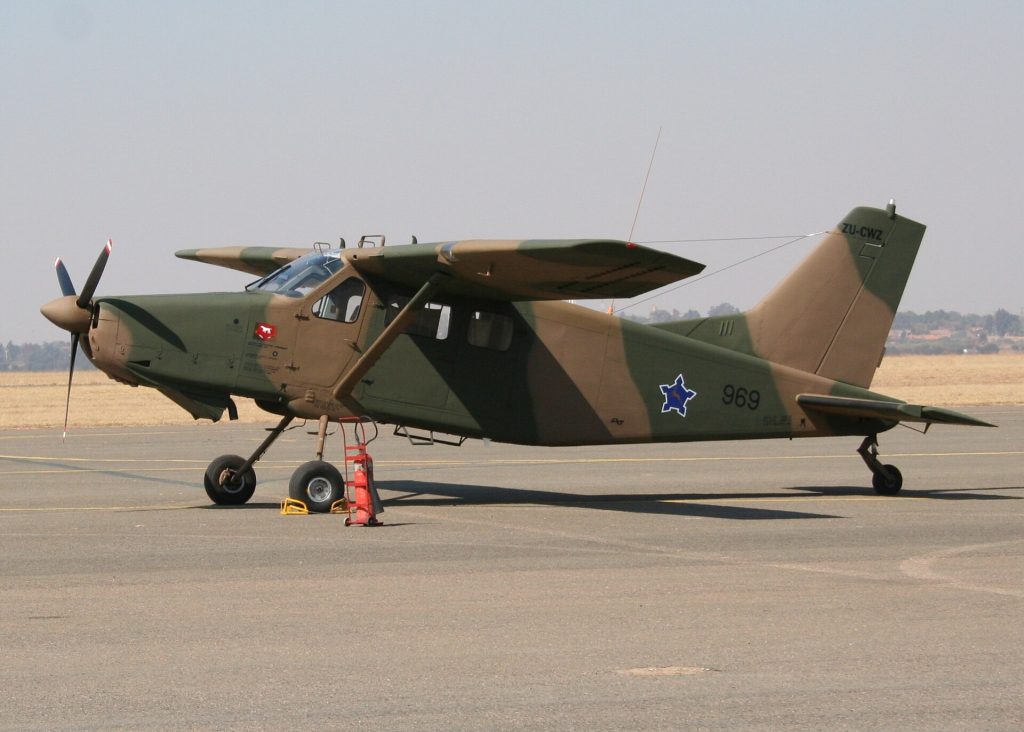
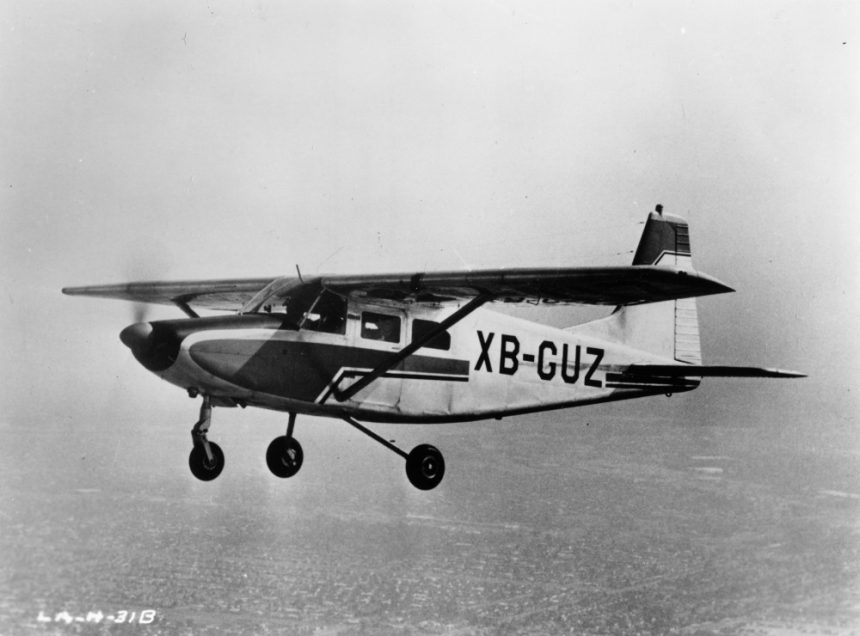
On this day in aviation history, 67 years ago (February 15, 1959), the first flight of the Aermacchi AL-60 took place. The AL-60 is a light civilian utility aircraft, which was initially designed by noted aviation entrepreneur Al Mooney. Al, a co-founder of Mooney Aircraft, was working for Lockheed at the time of the AL-60’s design. After Mooney’s proposal, Lockheed elected not to build the aircraft in the United States. The AL-60 was instead manufactured in limited numbers in Mexico, while some were assembled in Argentina. Italian aircraft manufacturer Aermacchi also built the AL-60, under contract, in larger numbers, as did Atlas Aircraft Corporation in South Africa. During development, the AL-60 was known as the Lockheed CL-402. The aircraft was to be a utility aircraft, with a plan to primarily market the CL-402 to underdeveloped countries. As the CL-402’s development progressed, it was found that the aircraft could not be designed and built at an economic price within the United States. Building the CL-402 under license in other nations, where labor costs were lower, provided the CL-402 with a path towards flight. The CL-402 production variant began to come together in Mexico, under a joint venture with Lockheed-Azcarate SA (LASA). This license-built variant was named the LASA-60, and the aircraft received type certification from the FAA on April 5, 1960.
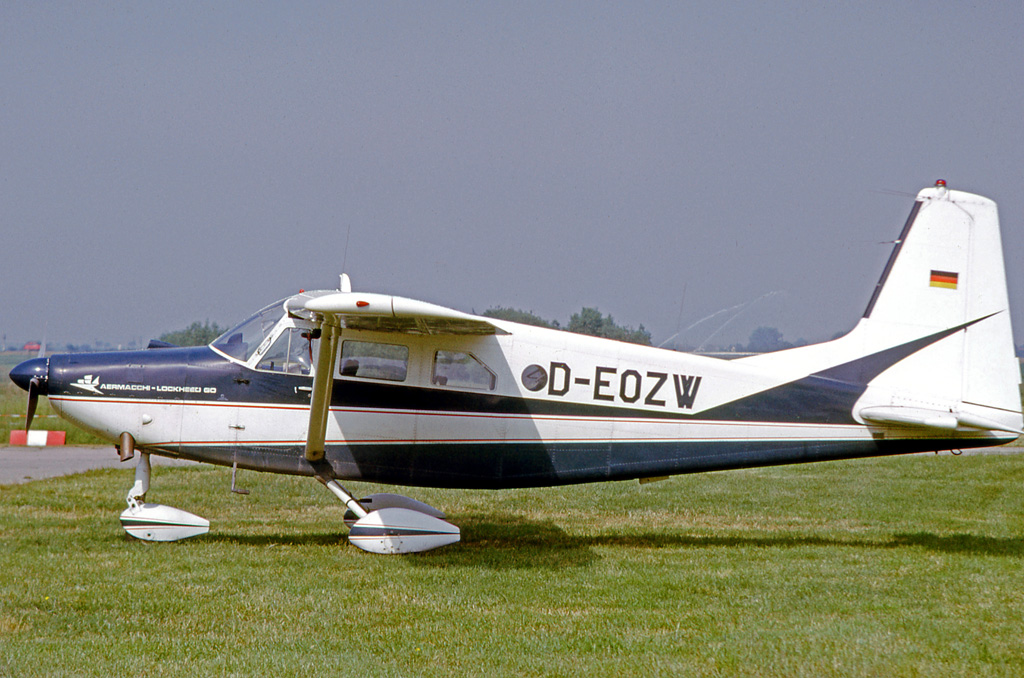
The initial plan for Lockheed-Azcarate to build 240 aircraft shifted, as demand was found to be weaker than expected. Ultimately, only 41 LASA-60s were built, 18 of them being purchased by the Mexican Air Force. In 1961, Lockheed and Industrias Kaiser Argentina teamed up, under the name Aviones Lockheed-Kaiser, and began building a batch of 16 aircraft. Only 11 were built. Aermacchi saw potential in the design and purchased a license to build the AL-60B. They also built a modified AL-60C taildragger variant, which was sold to African customers. Atlas Aircraft Corporation also licensed-built the AL-60C, but called it the Atlas C4M Kudu. Between 1974 and 1991, over 40 AL-60Cs were built, and they served with the South African Air Force. The Aermacchi AL-60B2 was powered by a 260-horsepower Continental TSIO-470-B-A1A 6-cylinder horizontally-opposed engine. At sea level, the AL-60B2 had a maximum airspeed of 148 mph, but would cruise between 128 mph and 140 mph. With maximum fuel, the AL-60 had a range of 478 nautical miles. This utility aircraft could take off and land within just over 600 feet, perfect for back-country flying in Africa.