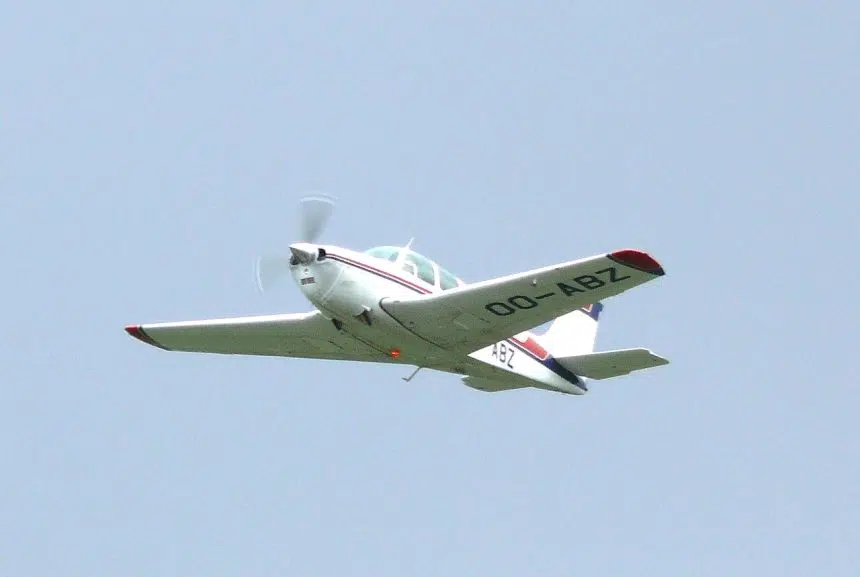


On this day in aviation history, 67 years ago (September 14, 1959), the Beechcraft Model 35-33 Debonair took flight for the first time. Registered N831R, the prototype introduced a conventional-tail alternative to Beechcraft’s successful V-tailed Model 35 Bonanza. The Debonair was designed as a more affordable entry into the growing high-performance, four-seat aircraft market. Beechcraft developed the Model 33 in response to competition from aircraft such as the Cessna 182 and Piper Comanche. Although closely related to the Bonanza, the Debonair replaced its distinctive V-tail with a conventional swept vertical stabilizer and horizontal tail. Beechcraft also kept the interior and exterior trim deliberately basic in an effort to reduce the aircraft’s purchase price.

The Model 35-33 went on sale in November 1959, powered by a 225-horsepower Continental IO-470-J engine. Initial sales were strong, with 233 examples produced, but customers soon criticized the aircraft’s sparse interior and simple appearance. Beech responded with the improved 35-A33 in 1961, followed by a succession of increasingly refined Model 33s. The Debonair name was eventually dropped, but the conventional-tail design continued as part of the Bonanza family for decades. The Model 35-33 Debonair was powered by a 225-horsepower Continental IO-470-J six-cylinder engine driving a constant-speed propeller. It accommodated one pilot and three passengers and combined Bonanza-derived performance with conventional-tail handling and a simplified interior. Later Model 33 developments received larger engines, increased gross weights, and improved accommodations, eventually evolving into the long-running F33A Bonanza.