






(Image credit: VAN)
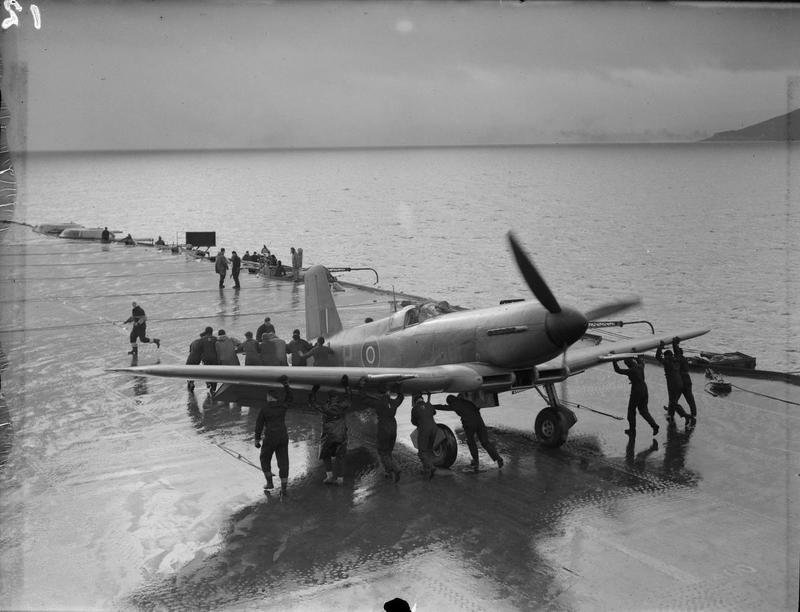
On this day in aviation history, 84 years ago (February 27, 1942), the Blackburn Firebrand flew for the first time. The Firebrand was a strike-fighter developed during the Second World War for the Fleet Air Arm of the Royal Navy. British aviation manufacturer Blackburn Aircraft Limited had initially proposed the Firebrand as a pure fighter. However, the aircraft’s lack of overall performance, coupled with the allocation of the Hawker Typhoon’s Napier Sabre engine to the fighter role, meant that the Firebrand would instead be better suited for the strike-fighter role.
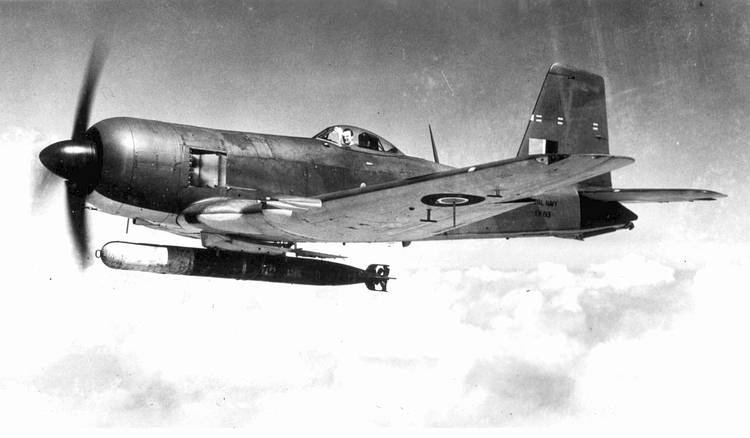
Blackburn began developing the Firebrand in the early 1940s, under the company name B-37. Early results from the Royal Navy’s FAA in World War II showed that there was a need for a carrier-based high-performance fighter. Air Ministry Specification N.11/40 laid out the specifications required for such a fighter from potential producers, which included a minimum top speed of 400 miles per hour. In January 1941, the Royal Navy ordered three B-37 prototypes. On July 11, 1941, the B-37 officially received the name Firebrand. This new fighter prototype was of all-metal construction, in a low-wing configuration. Increased lift capabilities, necessary for carrier operations, were provided to the Firebrand via Fairey-Youngman flaps. These flaps extended to the edges of the Frise ailerons, which provided enhanced roll performance with better yaw control.
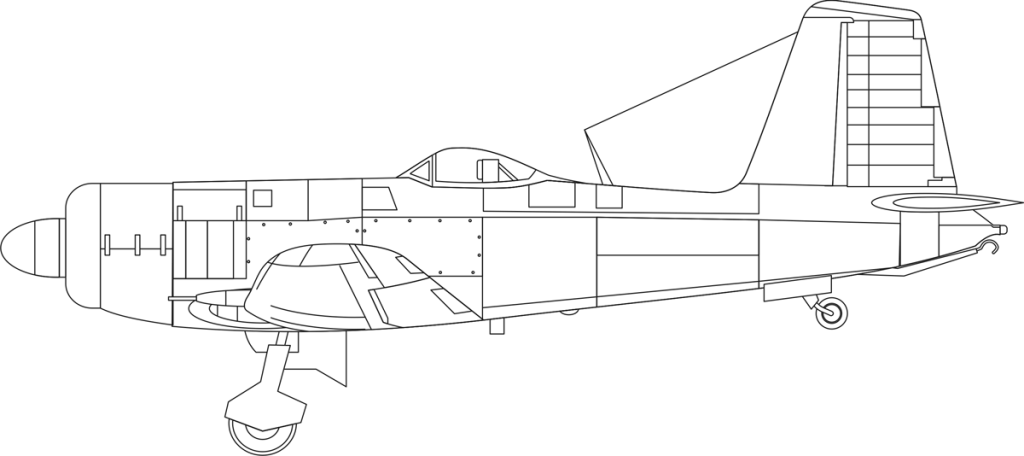
Flight testing of the Firebrand exposed the proposed fighter’s poor performance. The aircraft flew 32 mph short of its estimated top speed. Upgrading the Napier Sabre II to the III improved overall speed and performance. The need for the Sabre engine in the Typhoon made the Firebrand less attractive as an option for a pure fighter. The Ministry of Air Production (MAP) opted to give the Typhoon priority, while altering the role of the Firebrand to that of a torpedo bomber, carrying bombs, rockets and being able to fight in air-to-air combat. The Firebrand would not see any action in the Second World War, but would serve in the Royal Navy’s Fleet Air Arm from the late 1940s into the early 1950s.
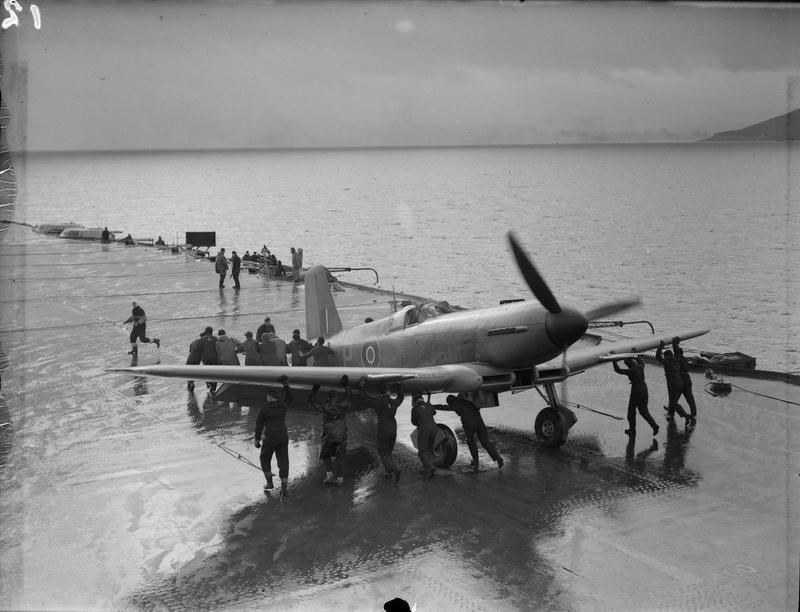
Blackburn’s Firebrand T.F. Mk IV was powered by a 2,520-horsepower Bristol Centaurus IX 18-cylinder radial engine. The aircraft could cruise at 256 mph and attain a maximum airspeed of 342 mph. The Firebrand had a range of 647 nautical miles and a 2,600-foot-per-minute rate of climb. Blackburn armed the Firebrand with four 20 millimeter Hispano autocannons, plus the ability to carry sixteen RP-3 rockets and either one 1,850 pound torpedo or two 2,000 pound bombs. In addition to the three prototypes, 220 additional Firebrands were manufactured by Blackburn Aircraft. No examples of the aircraft are known to survive today.
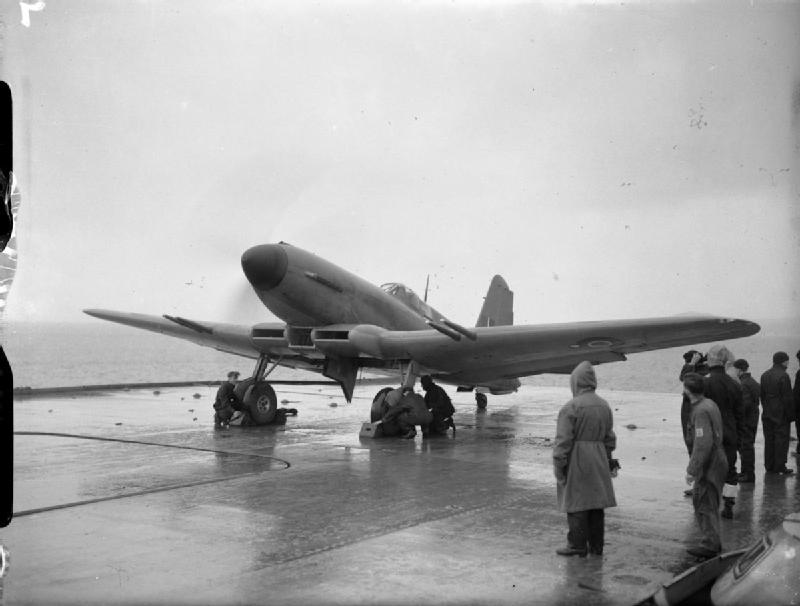





I spoke with an ATA pilot at White Waltham who remembers flying the firebrand and recalls it wasn’t very impressive in performance but big and heavy.