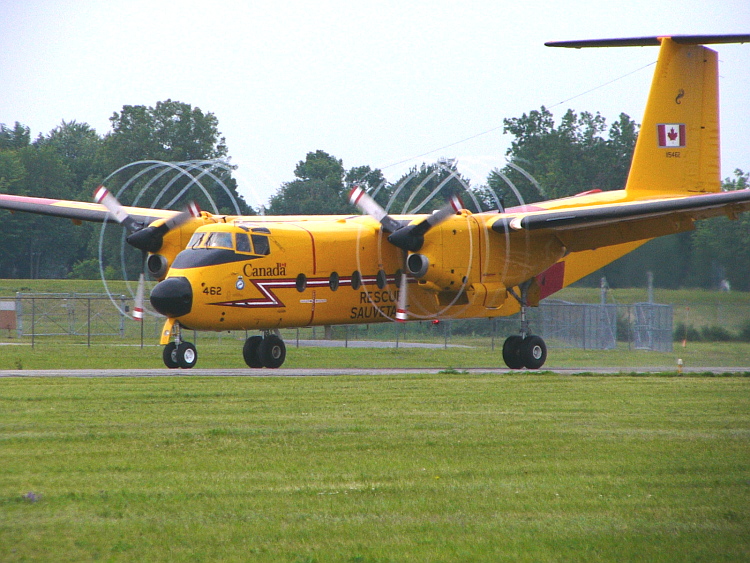
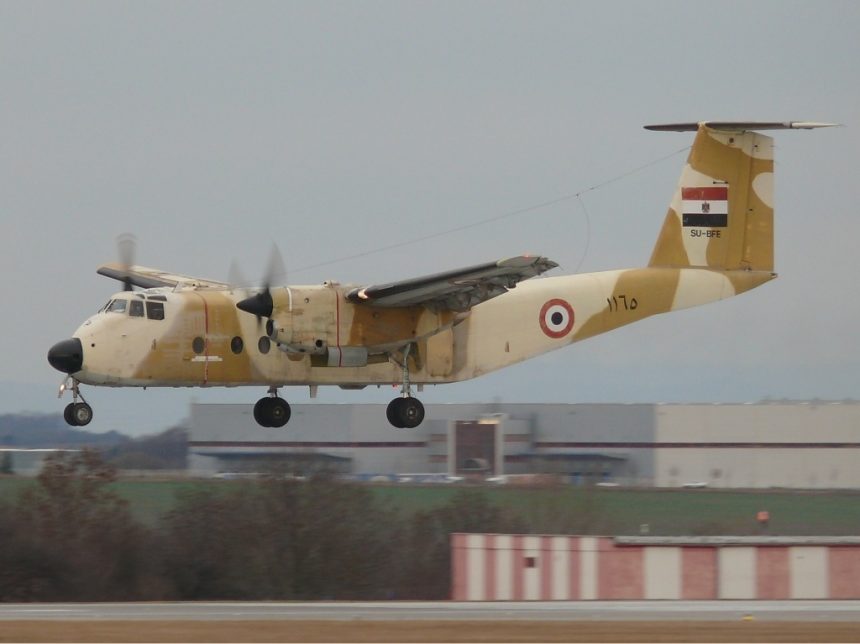


On this day in aviation history, 62 years ago (April 9, 1964), the de Havilland Canada DHC-5 Buffalo flew for the first time. The DHC-5 is a utility transport aircraft designed and built by de Havilland Canada. The Buffalo was developed around short takeoff and landing (STOL) capability. De Havilland used their previous DHC-4 Caribou as a template for the Buffalo. The aircraft’s remarkable performance on short airfields outclasses what many light aircraft can handle.
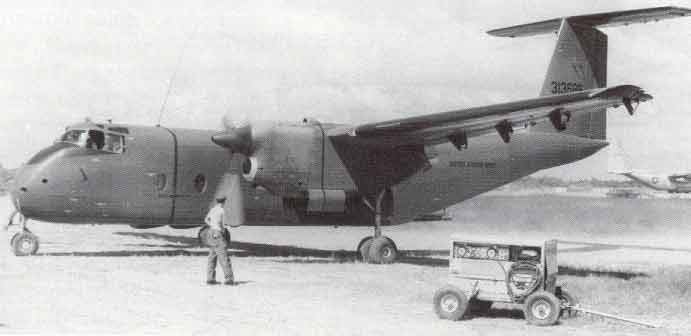
The DHC-5’s development began after a 1962 United States Army requirement for a STOL transport, one that could carry the same payload as the CH-47A Chinook. Having already seen success with their Caribou in the armed forces, de Havilland opted to create an enlarged version of the DHC-4 to appease the US Army, rather than trying to reinvent the wheel. The Buffalo would be powered by General Electric T64 turboprop engines, an upgrade over the Pratt & Whitney R-2000 radial engines of the Caribou.
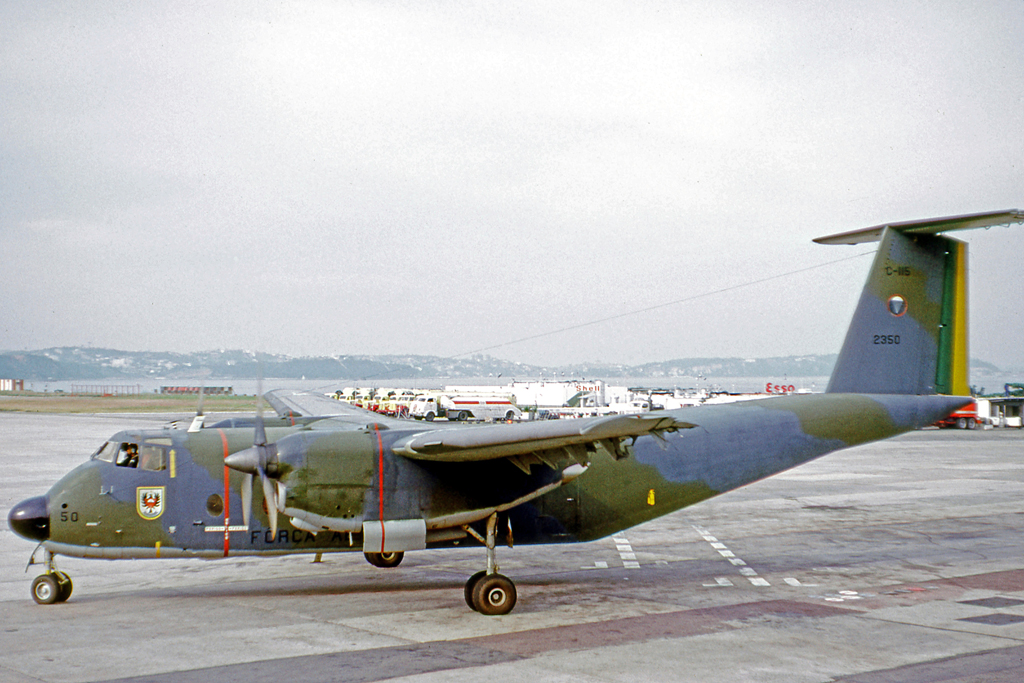
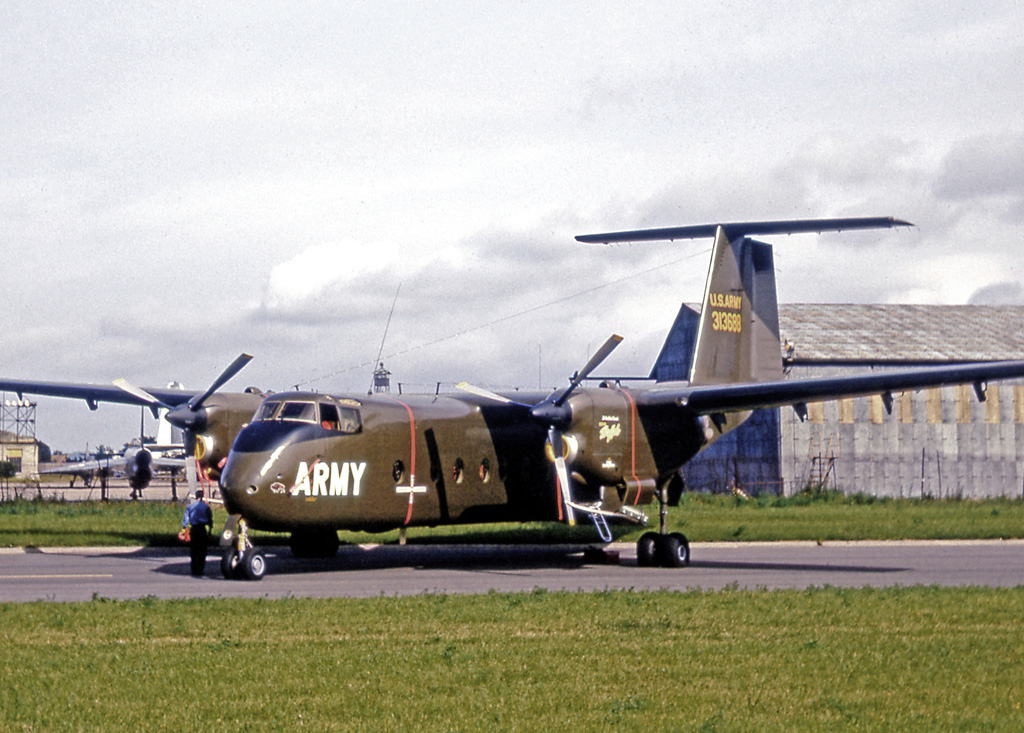
In early 1963, De Havilland’s DHC-5 Buffalo was selected as the winner of the United States Army competition. Four DHC-5s, designated YAC-2 (later CV-7A and C-8A), were ordered. Each of these aircraft was delivered in 1965. The Buffalo proved its capability, carrying almost double the payload as the Caribou while also owning better STOL performance. The US Army order stopped at four airframes, as inter-service political agreements led to transport aircraft being transferred to the USAF. The Air Force felt well-equipped with the Fairchild C-123 Provider, so there was no need for the CV-7A/C-8A.
The Buffalo would go on to see service with the Royal Canadian Air Force, flying as transport command and tactical support aircraft. Other air forces of the world would operate the DHC-5 as well, including Egypt, Mexico, and many African nations. In 2006, Viking Air of Victoria, British Columbia, purchased the type certificates from Bombardier Aerospace for all versions of the DHC-1 through DHC-7 series aircraft. In 2008, Viking proposed building new DHC-5s for commercial use and to replace the RCAF’s aging DHC-5A fleet. Although not selected by the RCAF, as of 2014, several letters of intent have been received by Victoria for the DHC-5NG.
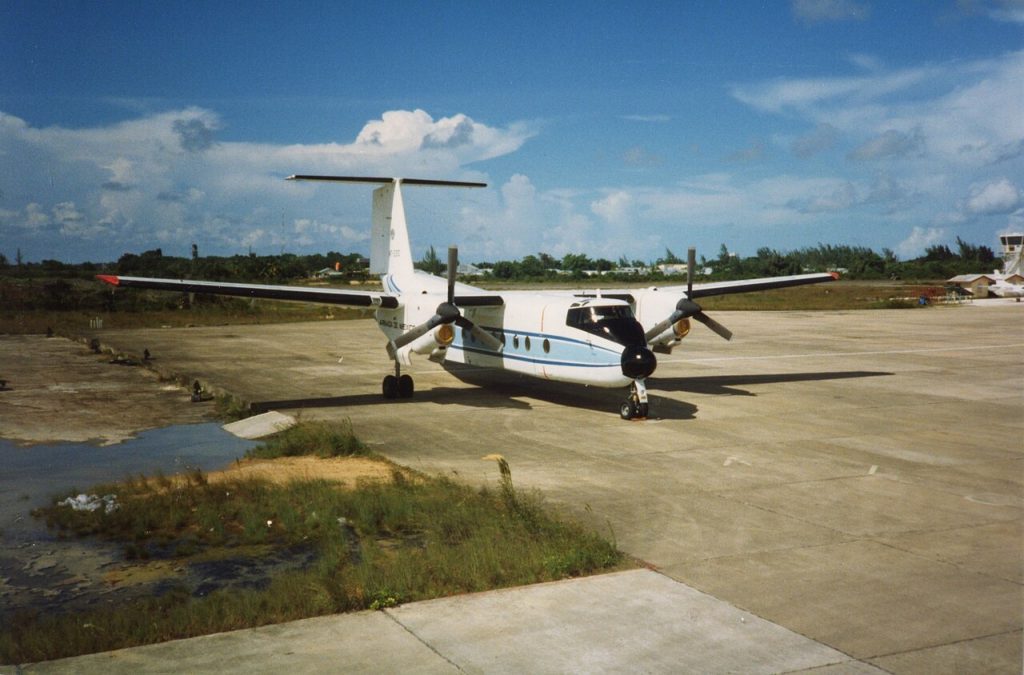
The DHC-5D has a crew of 3 and a capacity for 41 troops (or 24 stretchers, or 18,000 pounds of payload). Two 3,133 shaft horsepower General Electric CT64-820-4 turboprop engines power the Buffalo to a cruise speed of 261 miles per hour. The DHC-5D has a range of 600 nautical miles and a service ceiling of 31,000 feet. The Buffalo can take off in 2,300 feet and land by 850 (assuming no obstacles on the departure and approach paths).