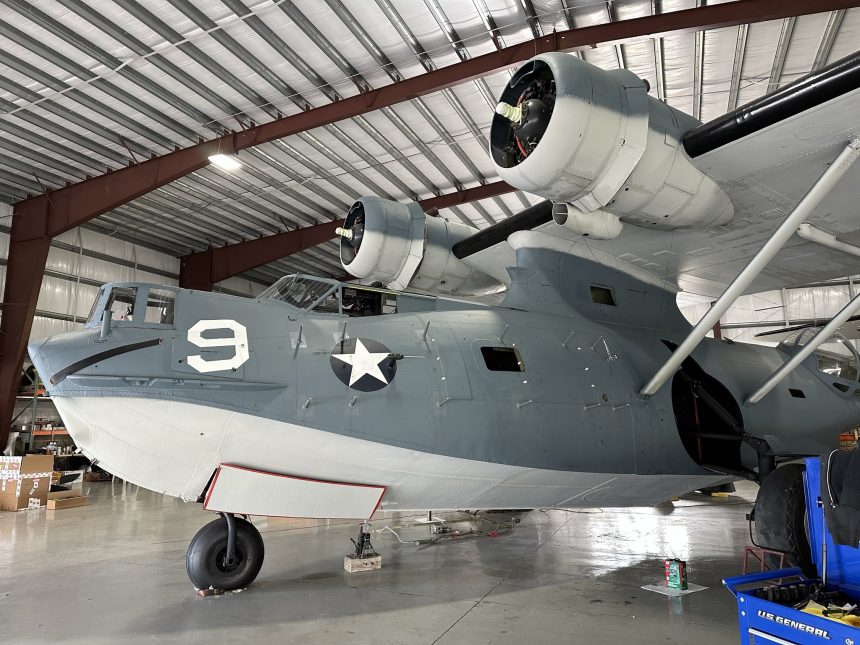

The American Heritage Museum’s painstaking restoration of its Consolidated PBY-5A Catalina (BuNo 2459) has entered its final and most exacting phase, with the team now working toward a highly anticipated debut at EAA AirVenture Oshkosh in 2026. Building on the progress outlined in the December 2025 project update, recent remarks from museum founder Rob Collings reveal just how far the aircraft has come—and how much precision is going into its final details.

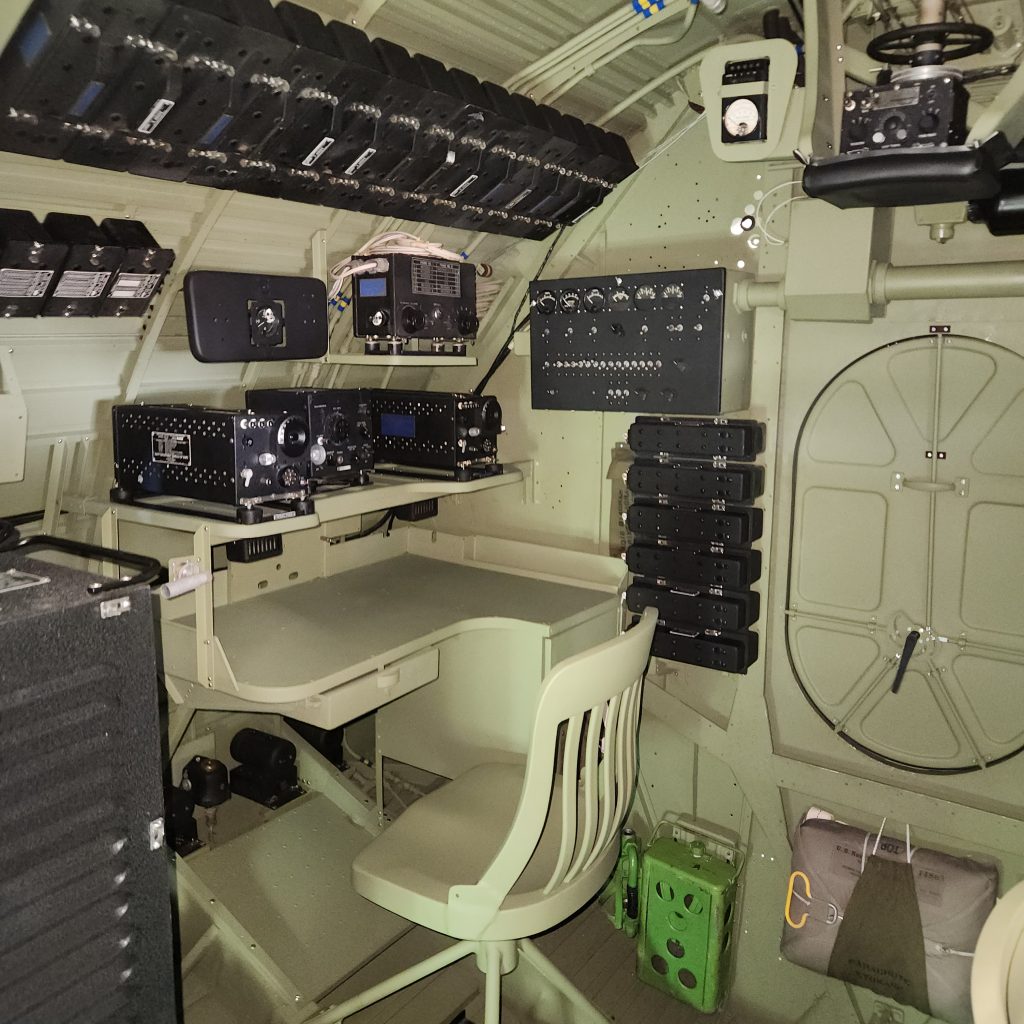
At the time of the December update, restoration efforts were still centered on major structural work and the installation of complex internal systems. Much of the aircraft’s interior had required extensive rebuilding, with original components either missing or beyond repair, forcing the team to rely on a combination of recovered parts and painstaking fabrication. Since then, the project has transitioned decisively into its finishing stage. Collings notes that most of the cockpit and radio compartments are now complete, with the remaining work concentrated in the waist and blister gunner section—one of the Catalina’s most distinctive and challenging areas.
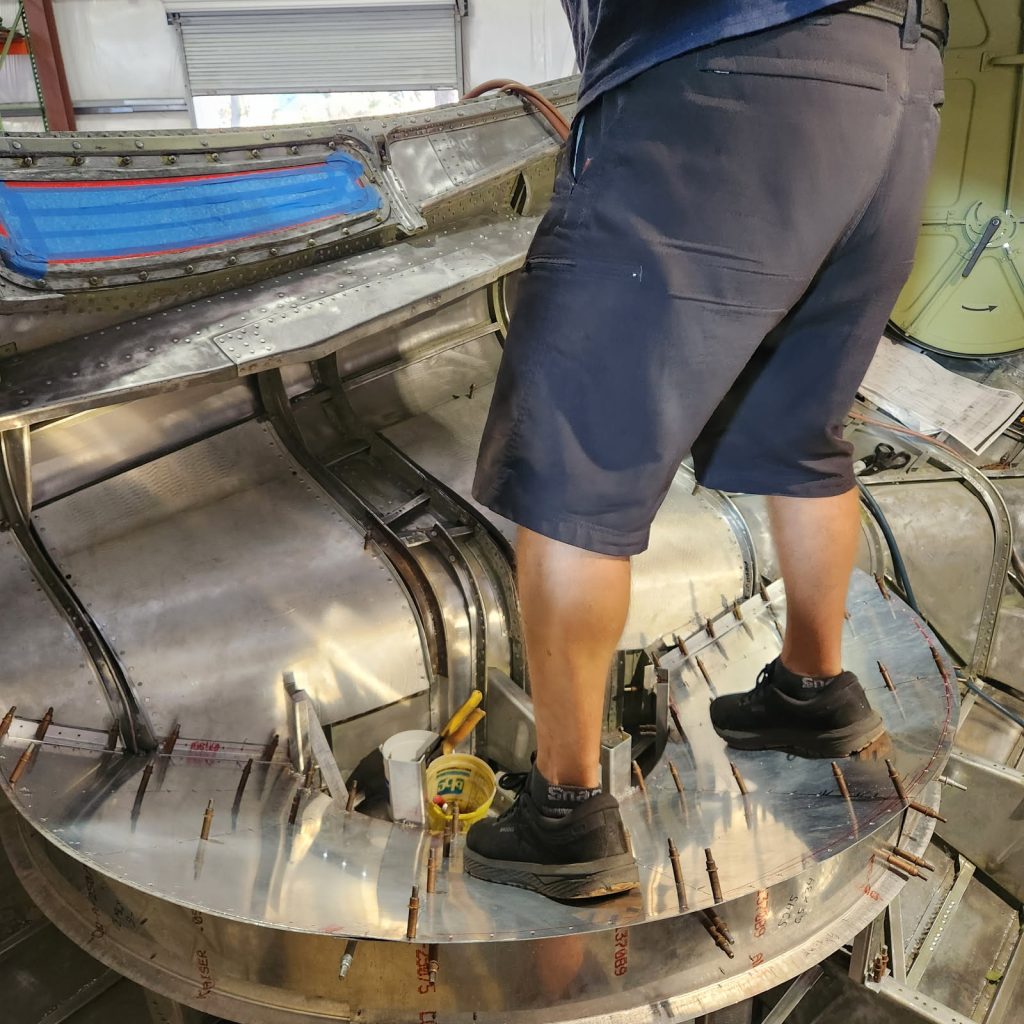
That compartment, he explains, has required entirely new fabrication in places where original structure no longer exists. Crews are currently constructing specialized flooring, including the curved platform—often described as an “orange slice”—that supported the gunner’s position. This phase highlights the broader reality of the project: the Catalina is unlike more commonly restored aircraft such as the B-17 or B-25, and its uniqueness has introduced persistent challenges throughout the process. Much of its equipment is specific to pre-war U.S. Navy configurations, while some components, particularly radar systems, trace their origins to British designs. As a result, even seemingly routine tasks such as installing radios or wiring systems have demanded extensive research and custom solutions to ensure historical accuracy.
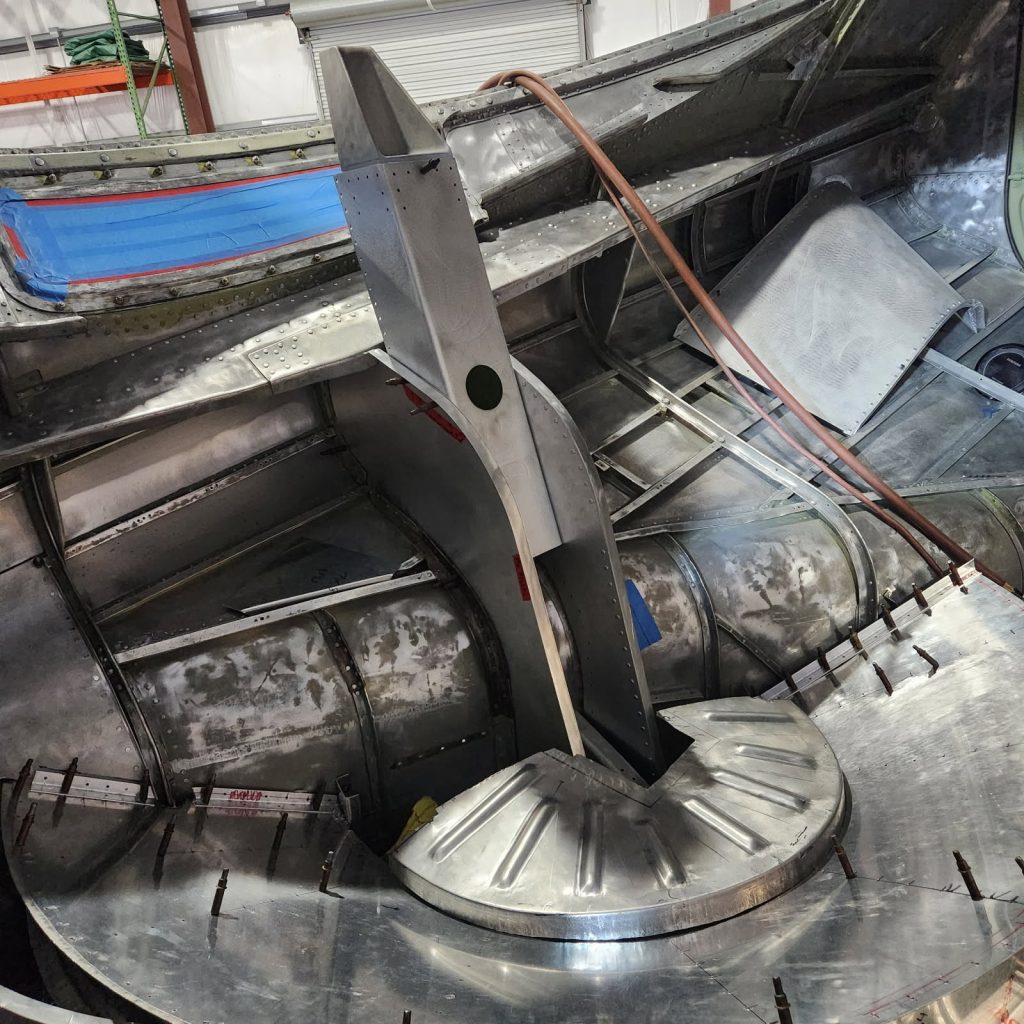
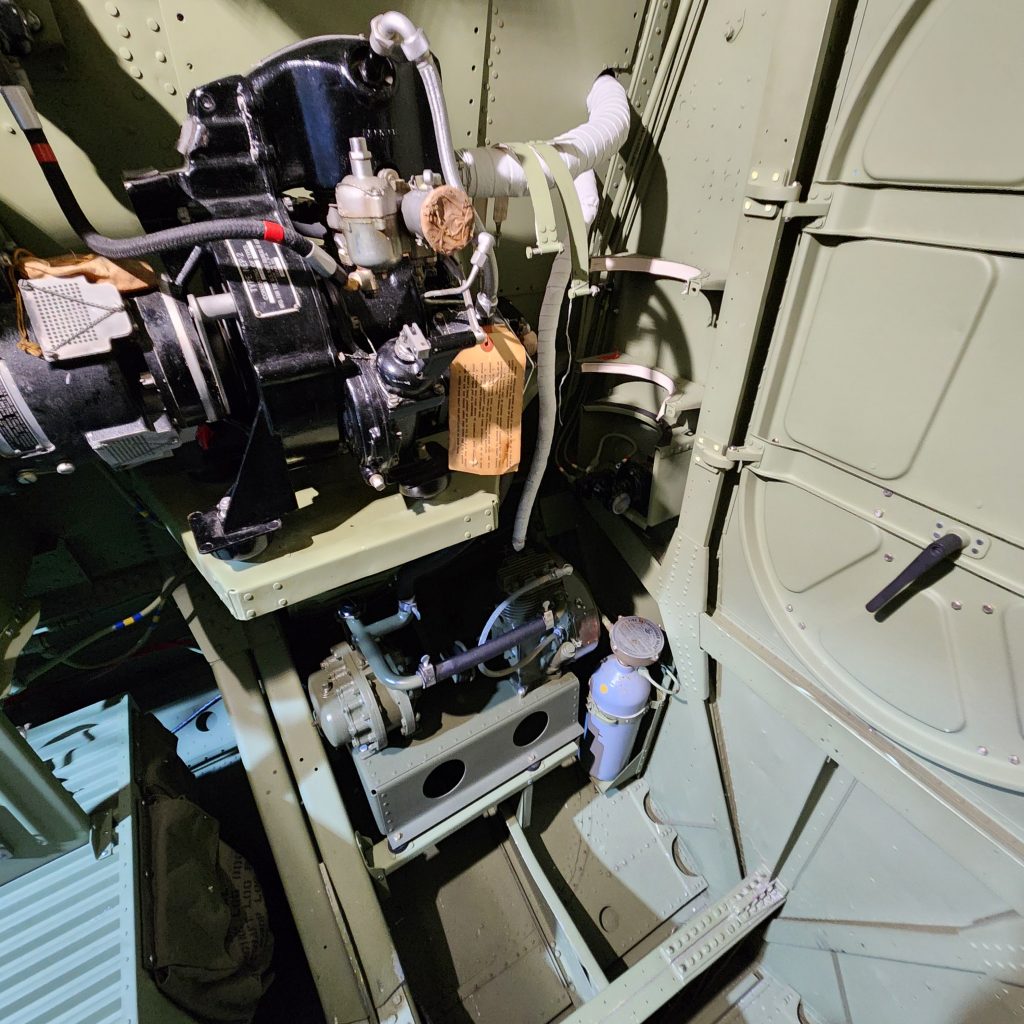
With most of the major systems now installed, the focus has shifted to final integration and detailing. Wiring is being completed throughout the aircraft, and the team has begun applying the small but critical finishing touches that bring the restoration to life. Period-correct water-transfer decals are being carefully placed, and surfaces are being finished to match their wartime appearance. Even the propellers have become part of this push for authenticity. The aircraft had previously been fitted with more modern paddle-blade propellers, but these are now being replaced with the narrower “toothpick” blades that would have been used during its early wartime service. In keeping with that configuration, the propellers are being returned to their original anodized metal finish rather than being painted.
This level of attention to detail, Collings suggests, may set the aircraft apart from nearly any other large warbird restoration. While other projects, such as ongoing B-17 restorations, aim for similar fidelity, few have reached this stage of completion, and fewer still have attempted to replicate such a wide range of original equipment and finishes so precisely. The immediate goal is to have the Catalina ready to fly to Oshkosh in 2026, where it will make its public debut. If achieved, the flight will mark a significant milestone not only for the museum but also for the broader restoration community, demonstrating what is possible when historical research and craftsmanship are pushed to their limits.
Following Oshkosh, the aircraft is expected to return to the American Heritage Museum, although it will not immediately be housed on-site. Due to current space limitations, the Catalina will remain offsite until the museum completes its planned aviation expansion, a new 100,000-square-foot facility dedicated to World War I and World War II aircraft. Taken together, the December 2025 update and Collings’ latest comments illustrate a project that has moved beyond reconstruction and into refinement. The Catalina is no longer being rebuilt—it is being perfected. When it finally appears at Oshkosh, it will represent not just the revival of a historic aircraft, but the culmination of one of the most detailed and ambitious restorations of a large combat aircraft undertaken in recent years. For more information about the American Heritage Museum, visit www.americanheritagemuseum.org.