






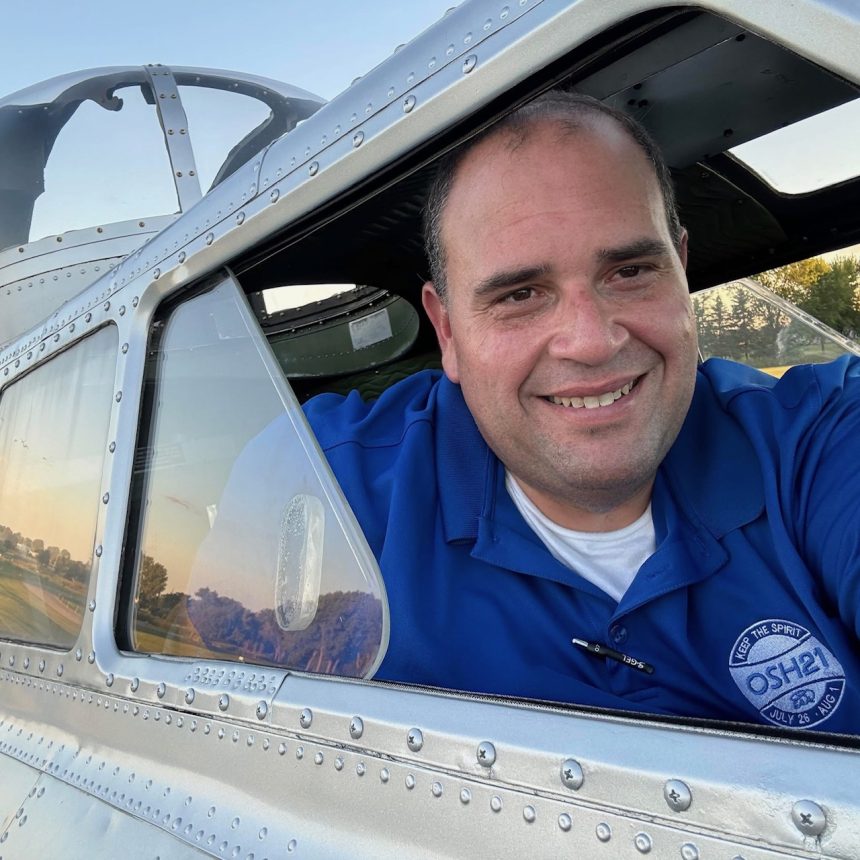

Recently appointed as Director of the EAA Aviation Museum in Oshkosh, Wisconsin, Chris Henry brings a deeply personal and lifelong connection to aviation history. Having previously served as the museum’s program manager and spent years as a volunteer, Henry has built a reputation as a passionate aviation storyteller dedicated to preserving history while making it accessible to new generations. In this interview conducted by Vintage Aviation News publisher Moreno Aguiari, Henry reflects on his journey into aviation, the evolving role of museums, and how the EAA balances its experimental roots with a broader historical mission.
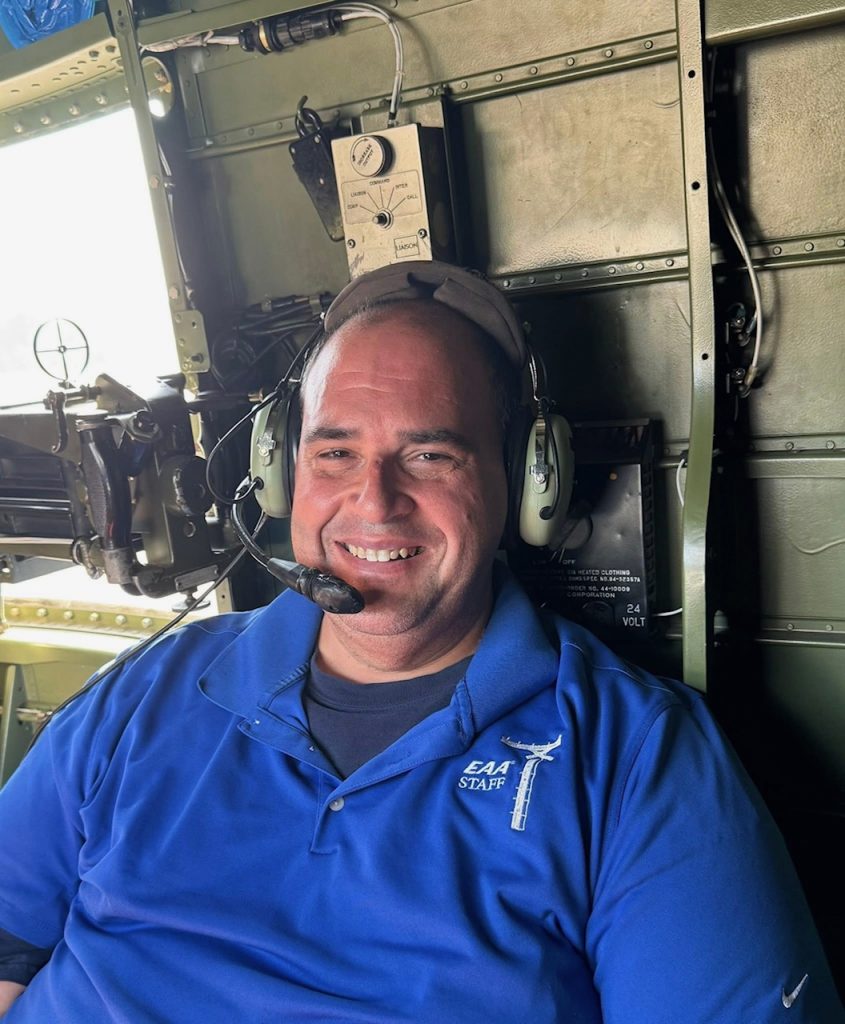
Q&A with Chris Henry
Q: Do you remember the moment when aviation first captured your imagination, and what drew you in?
Chris Henry: I do. I actually grew up in a family that was all construction, and I really wanted to be a construction worker when I was a little kid. I remember my grandparents, who were Italian immigrants, were going to go back to Italy to visit, and my mom and dad drove them to the airport. I got to go with them. I was born and raised in Pittsburgh, and as we were going up over the hill to the airport, I remember seeing the vertical tails of the 747s—TWA and Pan Am. Those were the tails you could see sticking up. There was also a helicopter flying overhead, and I was just absolutely enthralled by it. I still vividly remember that moment of seeing those big tails moving around—they almost looked like sharks, because you couldn’t see the rest of the airplane. From that day forward, I had an interest in airplanes. Just going to the airport, sitting there with my grandfather, watching airplanes take off while they were getting ready to go to Italy—it was incredible. Back then, you could still go right up to the gate. It was just enthralling. And I still do that today. I tell people that just sitting and watching airplanes take off and land is still such a gateway to getting people interested in aviation.
Q: Were you always interested in historic aircraft, or did that appreciation develop later in life?
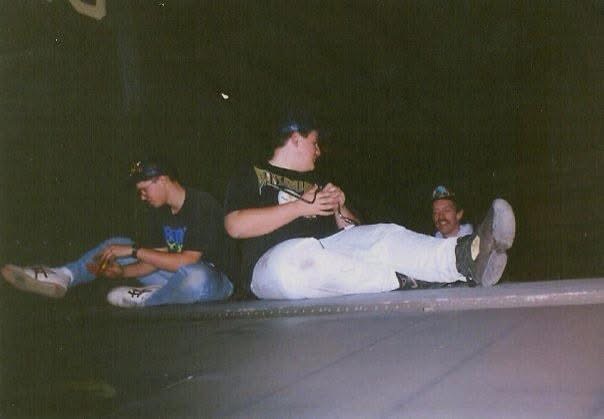
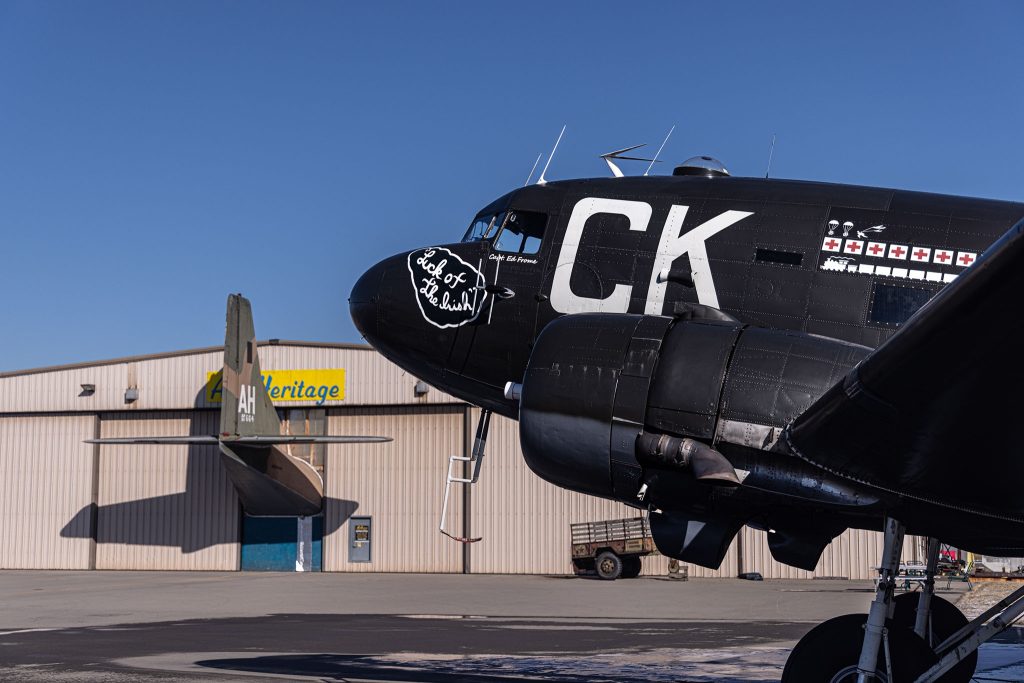
Chris Henry: That really came from my uncle, Fernando. I was already interested in airplanes as a kid, but I was still pretty young—more into Legos than model airplanes at that point. Then my uncle took me to see Memphis Belle, the 1989 movie, when I was nine years old, and that’s when everything shifted. Before that, I had seen Top Gun, and that was cool—it was modern jets, and it made sense to me. But Memphis Belle was different. That really lit the fire for historic warbirds. Shortly after that, my uncle bought me the original William Wyler documentary, and then my family took me out to see a B-17 that was being restored at Air Heritage—909. Seeing that airplane in person after watching the movie was like seeing a rock star. It was life-changing. That’s when I went from just liking airplanes to being completely hooked on historic aircraft.
Q: Before leading the EAA Museum, what experiences most shaped your understanding of aviation history and preservation?
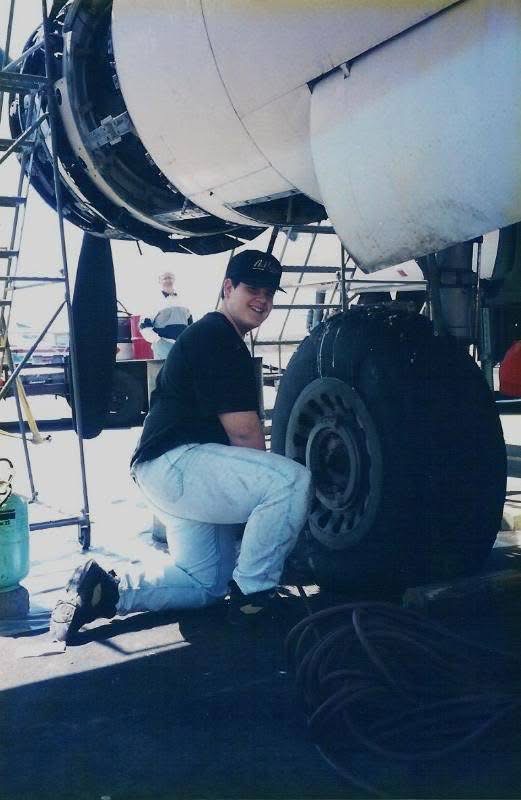
Chris Henry: Walking into Air Heritage really shaped who I am, not just as a museum professional, but hopefully as a person and a leader. I went there as a kid, thinking I didn’t really have a place. I wanted to volunteer, but I was only 10 or 11, and my parents said I was too young. Thankfully, a gentleman named Claire Pasey, who was a mechanic and a volunteer there, overheard that and said, “We can use all the help we can get. If you want to help, I’ll take you under my wing.” I’m so thankful for that moment. He and others welcomed me in instead of turning me away. That experience stuck with me. It showed me how important it is to give people a place in aviation. That’s something I try to carry forward everywhere I go, and it’s one of the things that really drew me to EAA, because that’s part of its mission—to be that gateway for people.
Q: The EAA Museum occupies a unique position in aviation. How would you define its core identity?
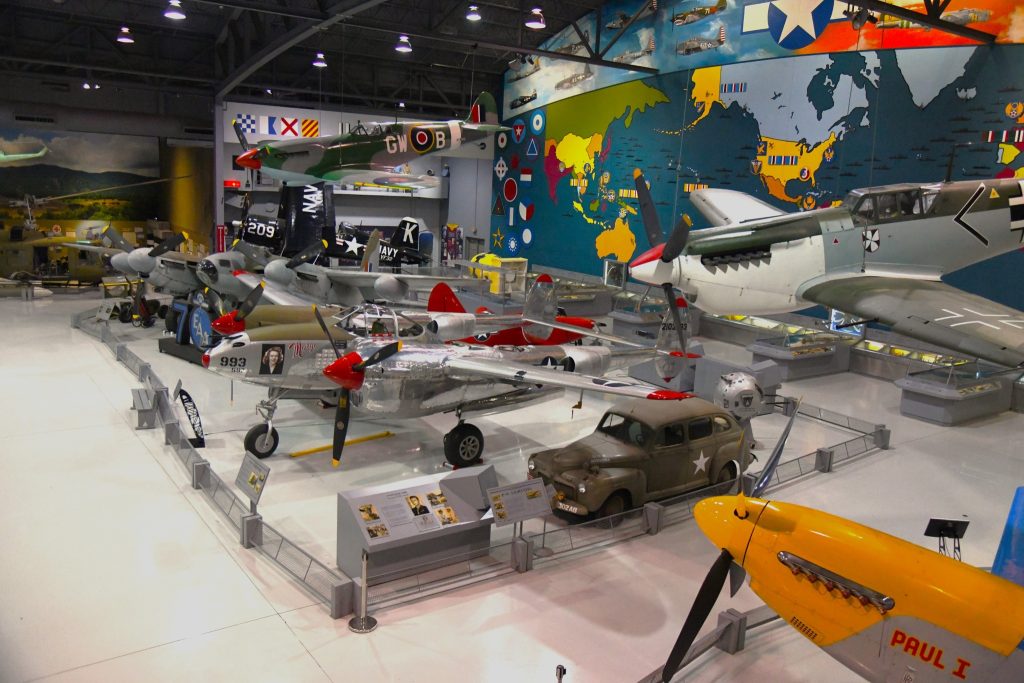
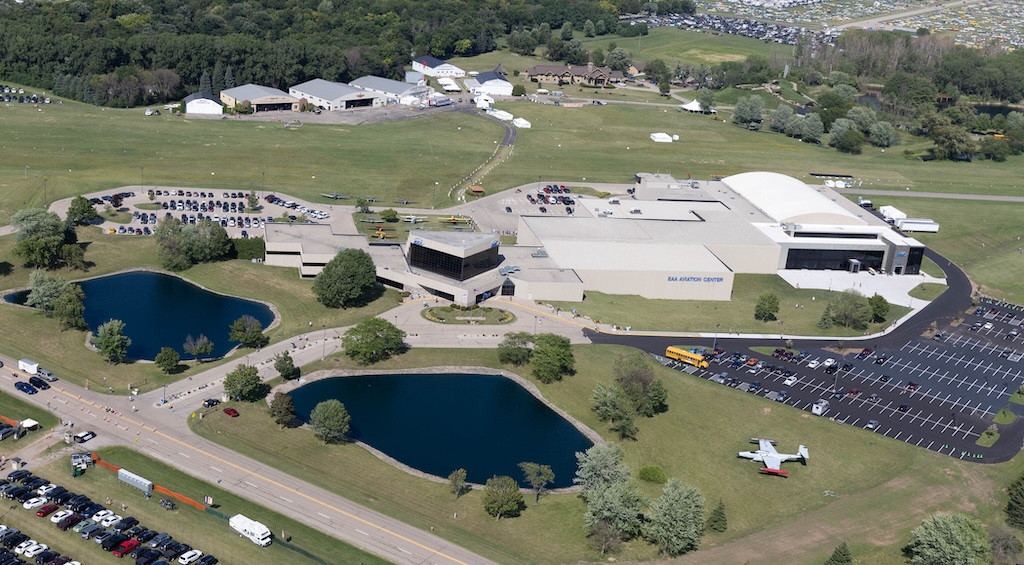
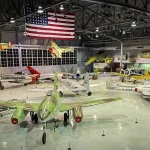
Chris Henry: During AirVenture, we’re a hub for programming and historic aircraft that you wouldn’t necessarily want outside, but outside of that week, we’re really the area’s air and space museum. If you look at a map, there isn’t another museum of this caliber anywhere close—you’re talking about driving six to eight hours to get to Dayton or Kalamazoo. So for people in the Fox Valley, from Milwaukee up through Green Bay, we’re their museum. We’re the place where people can come in, get hands-on with aircraft, with aerospace, with history—even with artifacts that have gone to the moon. And it shows in our attendance. The airshow week is huge, but it’s still only about a third of our yearly visitors. The rest of the year, we’re hosting school groups, education programs, and local visitors. That one week is our big dinner party, but the rest of the year is a series of smaller ones.
Q: How does the museum balance EAA’s experimental roots with its broader historic collections?
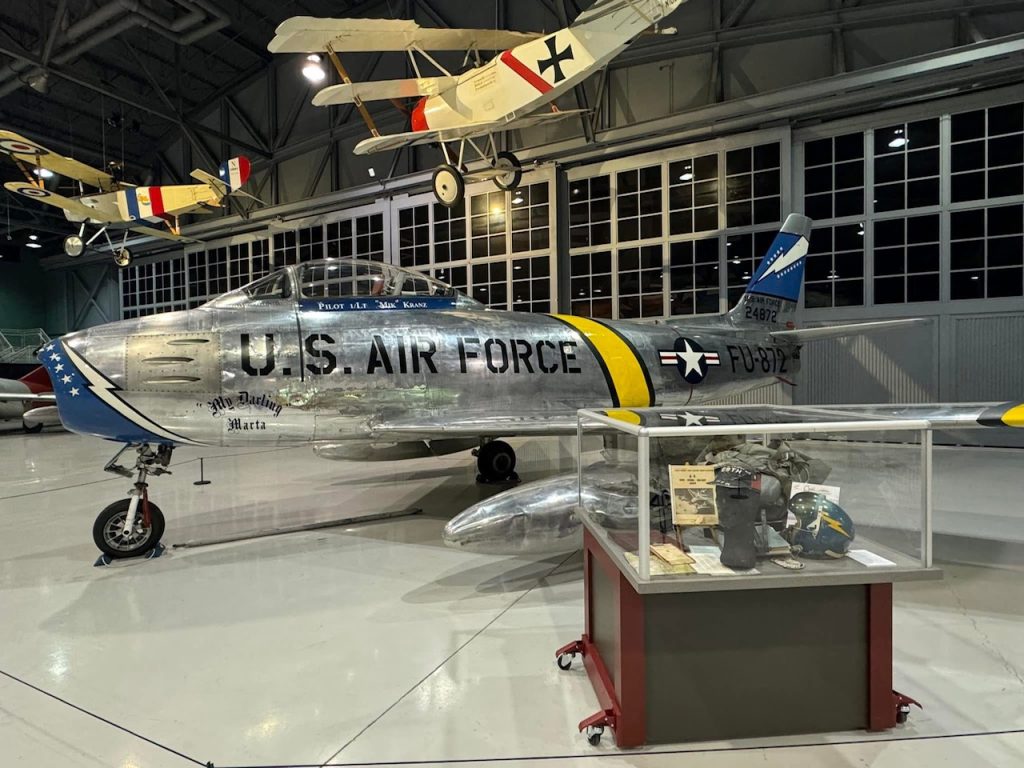
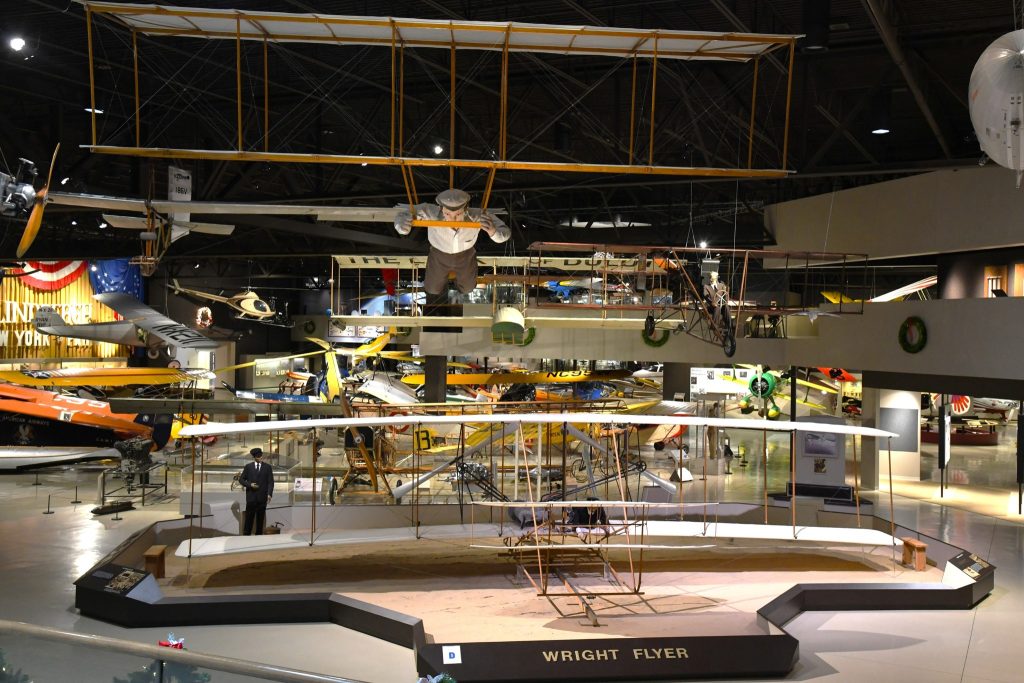
Chris Henry: We try to tell the full timeline of aviation history. There was a beginning before experimental aviation, and there’s a lot that happens alongside it. We start with the Wright Flyer, which was experimental in itself, and move through the pioneers, airmail, and into later developments. We also highlight people—because many of the individuals involved in experimental aviation also have roots in warbirds or other areas. We think of the museum as a series of “neighborhoods”—air racing, warbirds, experimental aircraft, and so on. Different visitors connect with different areas, and that’s okay. The goal is to represent all of it and let people find what inspires them.
Q: How do you decide which aircraft or artifacts to acquire?
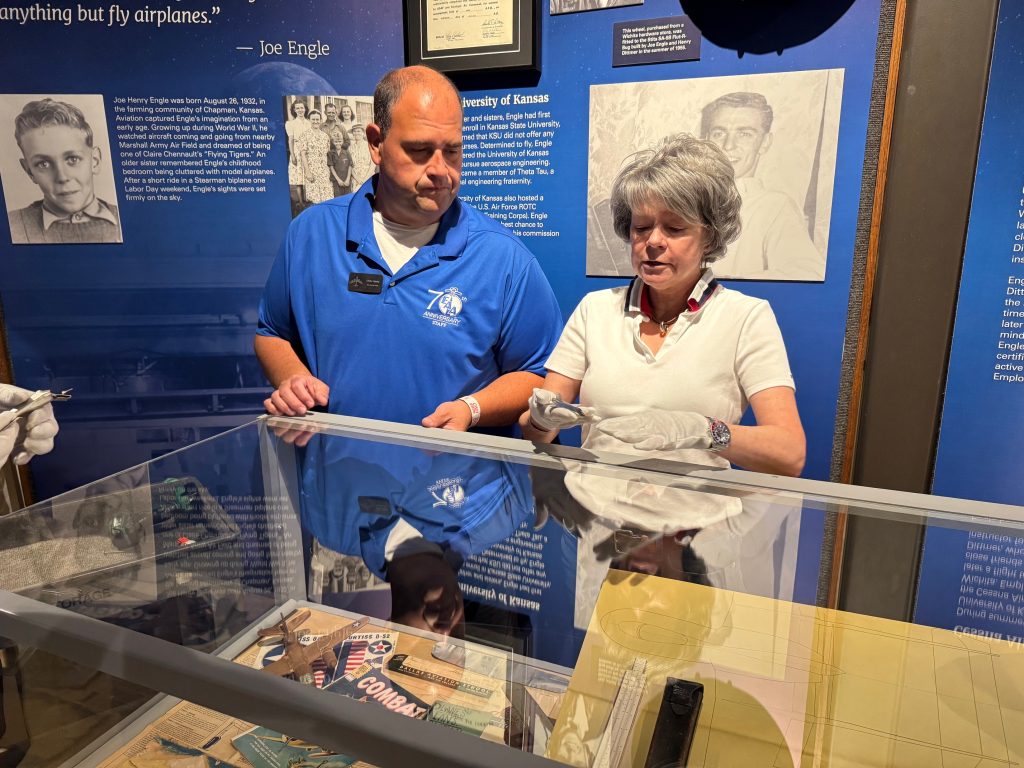
Chris Henry: Every aircraft gets a fair evaluation. We look at whether it fits the museum’s mission, whether we can properly care for it, and what story it helps us tell. Once something enters the collection, it’s a long-term responsibility. We also consider the people behind the aircraft—who flew it, who restored it, and what it represents. That human element is just as important as the machine itself. Artifacts follow a similar process. We assess their history, their condition, and whether we can preserve them properly. But most importantly, we look at the story. A simple object becomes much more meaningful when it’s connected to a person or an event.
Q: Do static and flying aircraft tell history differently?
Chris Henry: They absolutely do, but they’re both equally important. A static aircraft can be restored to a level of detail that you might not want to risk on a flying airplane. But there’s nothing like experiencing a flying aircraft—hearing it, feeling it. For me, it’s not an either-or situation. It’s an “and.” When static and flying aircraft work together, that’s when you get the best storytelling.
Q: What are the biggest challenges facing aviation museums today?
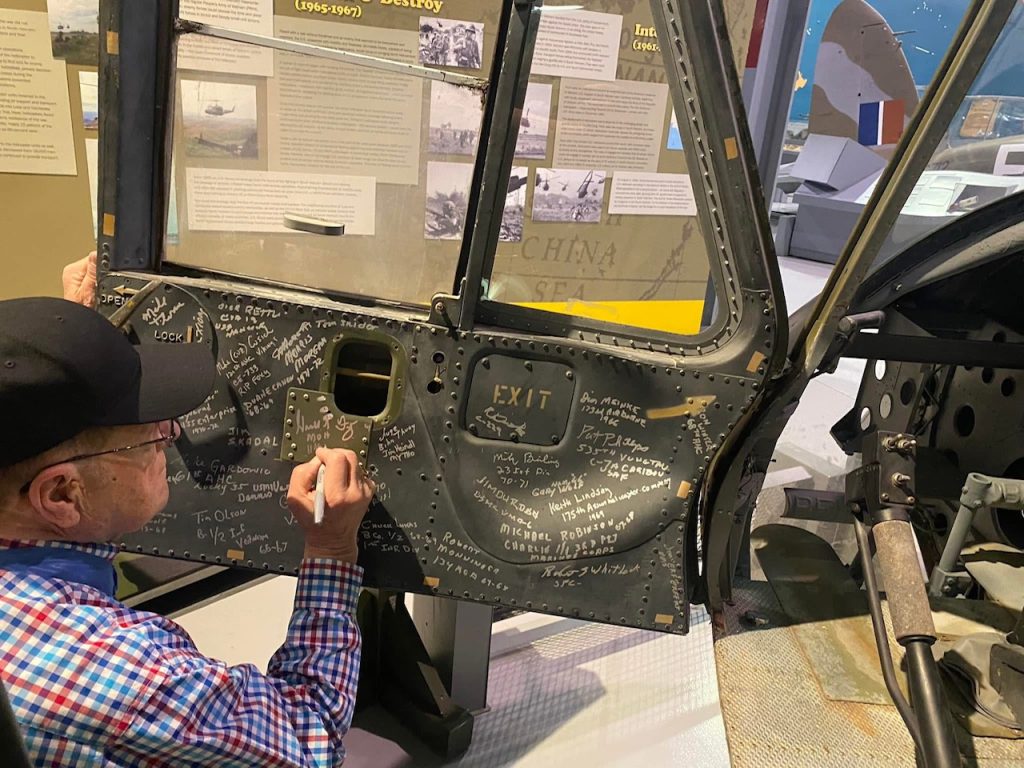
Chris Henry: One of the biggest challenges is finding skilled people who can maintain and restore these aircraft. Those crafts are becoming more specialized and harder to find. Another challenge is getting people through the door. There’s so much competing for attention today, so we have to be better at storytelling. If you connect an aircraft to a person’s story, it becomes much more engaging.
Q: How does the museum inspire the next generation?
Chris Henry: We have a strong focus on education. We bring in school groups, run hands-on programs, and offer initiatives like AeroEducate and Air Academy. We also provide experiences like Young Eagles flights, where kids can actually fly. The goal is to show them that aviation is accessible and that there’s a path forward if they’re interested.

Q: Have younger visitors changed how they engage with aviation history?
Chris Henry: Absolutely. It’s not enough anymore to just display an airplane with a sign. People want to know what that specific aircraft did and who was involved with it. They also engage differently. Technology plays a role—QR codes, self-guided tours—but storytelling is still the most important part. People want a narrative.
Q: What advice would you give to someone interested in aviation museums or preservation?
Chris Henry: Get involved. Don’t wait for the perfect opportunity—just get into the environment. Volunteer, take any role you can, and surround yourself with people who are passionate and supportive. Once you’re in that environment, your life changes. You become part of that world, and from there, you can grow. As Henry’s journey illustrates, aviation museums today are about far more than preserving aircraft—they are about preserving human stories and creating meaningful connections between past and present. Under his leadership, the EAA Aviation Museum continues to evolve as both a guardian of history and a gateway for future generations, ensuring that the passion for flight remains accessible, relevant, and inspiring for years to come.



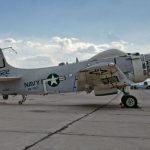






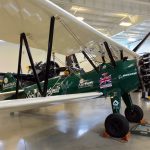



Museums are a vital resource, especially in this Digital Age.
The ability to Not Only See, and perhaps touch, Historical exhibits adds to the Education and Understanding of Our Future Generations.
And to the Debt, Owed By Us, To The Sacrifices Made On Our Behalf; especially in Wartime.
Think, for example, of Drake’s famous ‘Pelican’ … Renamed mid-Voyage in 1578, in honour of his patron, Sir Christopher Hatton; whose Crest was a Golden Hind* … Laid Up at Deptford, Post Circumnavigation, and allowed to Slowly Rot Away, due to lack of Interest and Money.
We do know better, we can and should do better, for Our Children and Grandchildren’s sake.
* Harts – Male Red Deer 5+ Years Old … Hinds – Female Red Deer 3+ Years Old.