






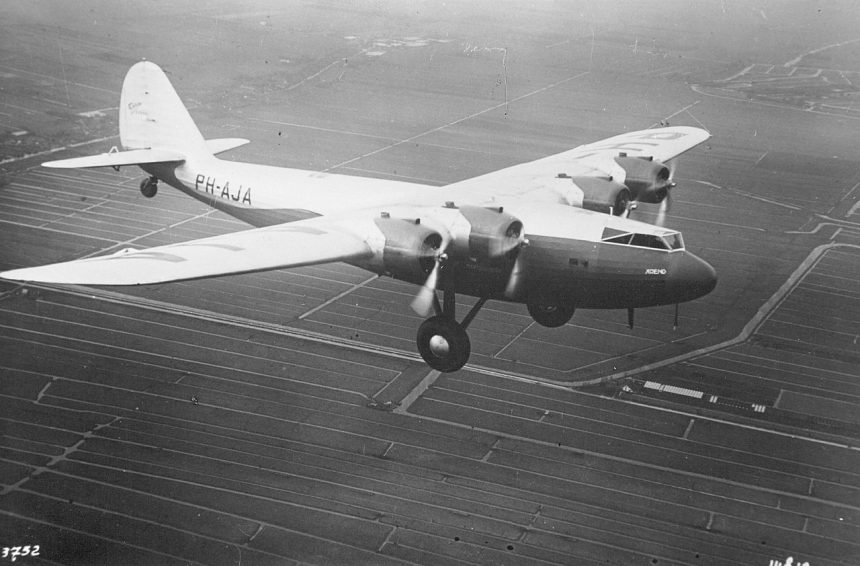


On this day in aviation history, 92 years ago (June 22, 1934), the Fokker F.XXXVI took flight for the first time. Known in shorthand as the F.36, this Fokker variant was a one-off airliner design. The F.XXXVI stands as the largest transport aircraft built by Fokker, with a capacity for 32 passengers and a wingspan of 108 feet, 2 inches. The sole F.XXXVI was registered as PH-AJA. Fokker used a high-wing design to create the ship, which was built with an all-wood wing and a fabric-covered metal-framed fuselage.
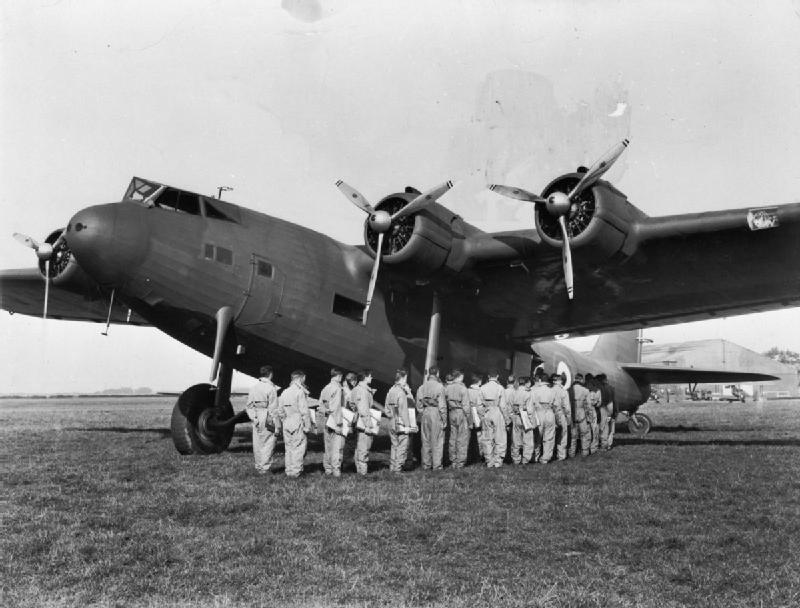
Fokker developed the F.XXXVI at a time when the airlines were transitioning to flying all-metal aircraft. Although the F.36 had a nice interior for passengers and a decent payload, the range was limited at 830 nautical miles. Furthermore, the cockpit was designed for only a single pilot, although an attempt was made to remedy the F.36’s shortcomings with a proposed F.37 variant. Neither the F.36 nor F.37 received orders, so the design was abandoned. Fokker faced stiff competition at the hands of the Douglas DC-2 and DC-3, which was preferred by native airline KLM.
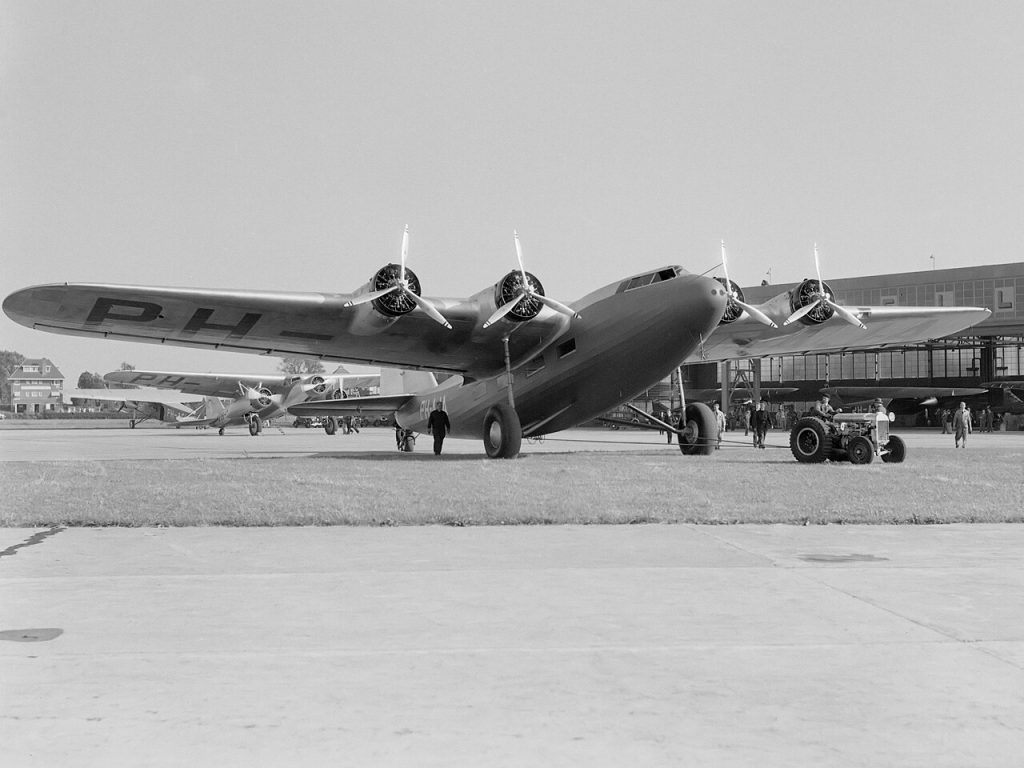
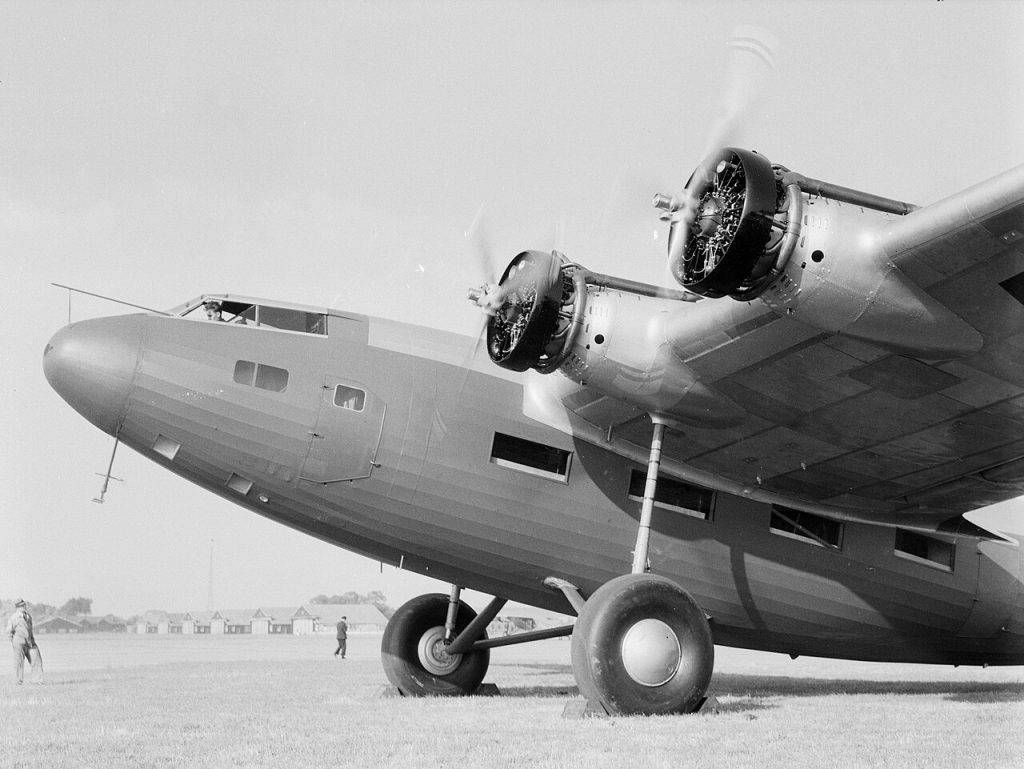
In March of 1935, KLM took delivery of the sole F.36 and flew the aircraft on European routes. In 1939, the aircraft was sold to Scottish Aviation and flown as a navigation trainer for the Royal Air Force’s No.12 Elementary Flying Training School. A takeoff accident in 1940 led to the F.XXXVI being sent to the scrap heap. The F.37 design gained no traction due to Fokker’s reluctance to “get with the times” and use all-metal construction, which airliners like KLM preferred. The Fokker F.XXXVI was powered by four 750-hp Wright Cyclone SGR-1820-F2 radial engines. Cruise speed for the F.36 was 165 mph.








As a fellow aviation historian, I much appreciate your articles, Austin. I was not at all familiar with the F.36.
Fly safe!
Thank you, Stuart! I am glad you enjoy my articles. I try to find those “little known” aircraft as much as I can. Cheers!