






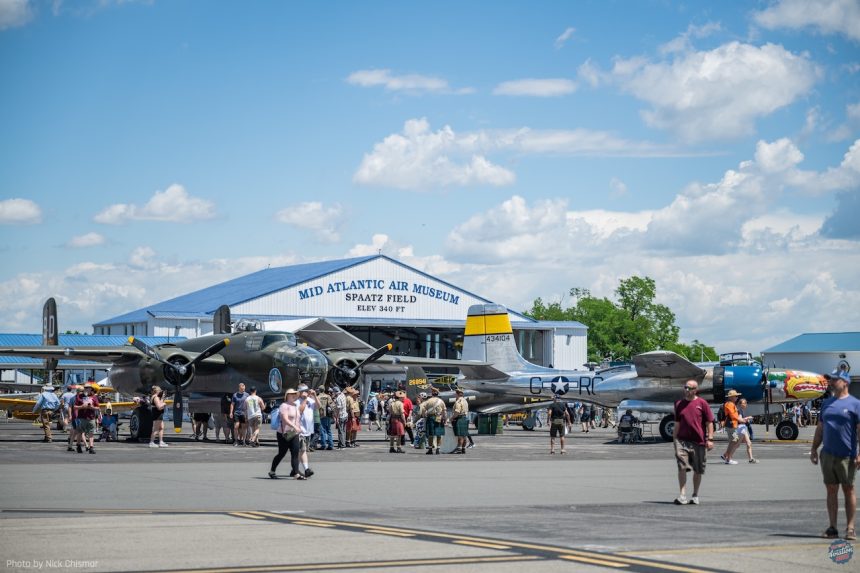

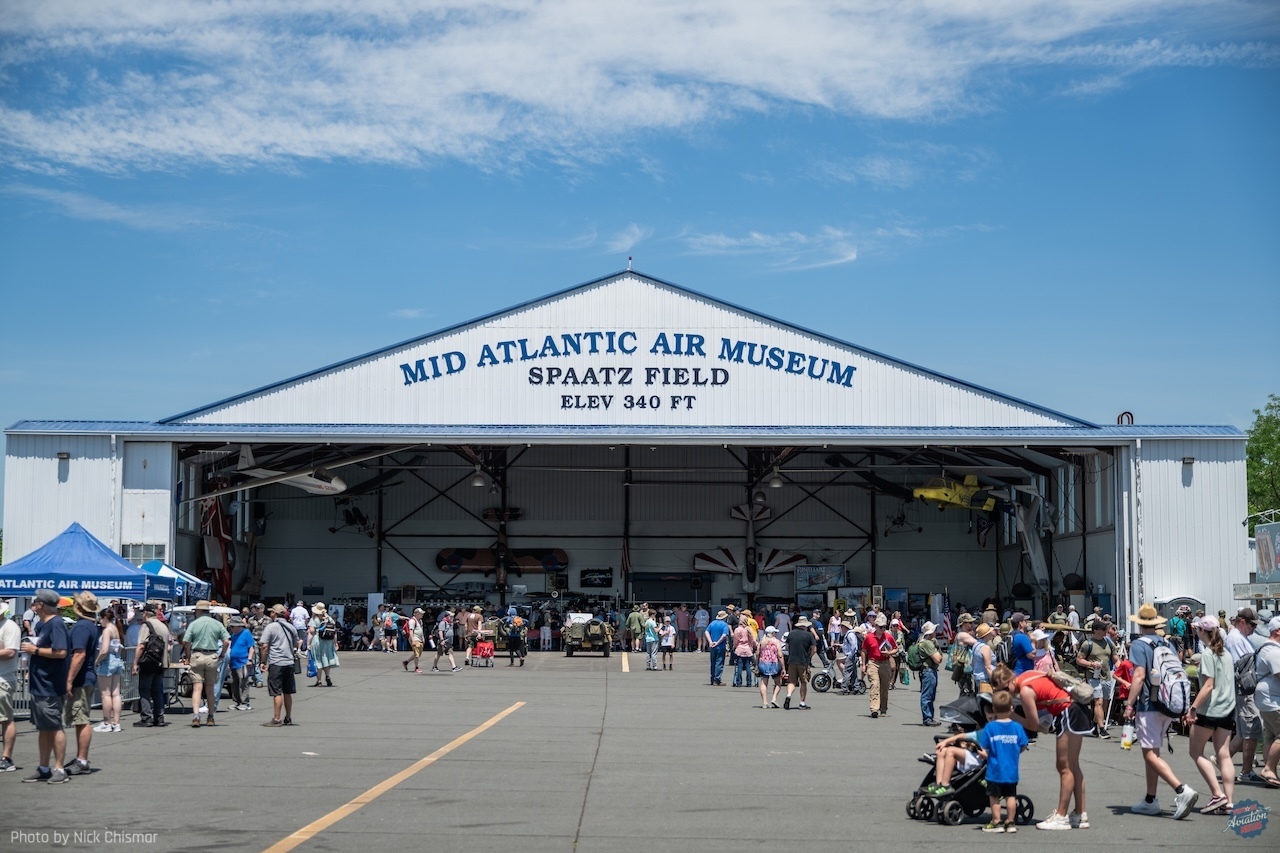
It seems like you never truly know what the weather will have in store. At first glance, the coming weekend might look perfect for an airshow. Then, just a day later, the forecast can show a complete rainout. After last year’s three days of rain, strong storms, and show delays, visitors to the Mid-Atlantic Air Museum’s WWII Weekend were watching the weather closely. Fortunately, what initially looked like another wet weekend turned into three beautiful, breezy days of flying for the event’s 35th anniversary.
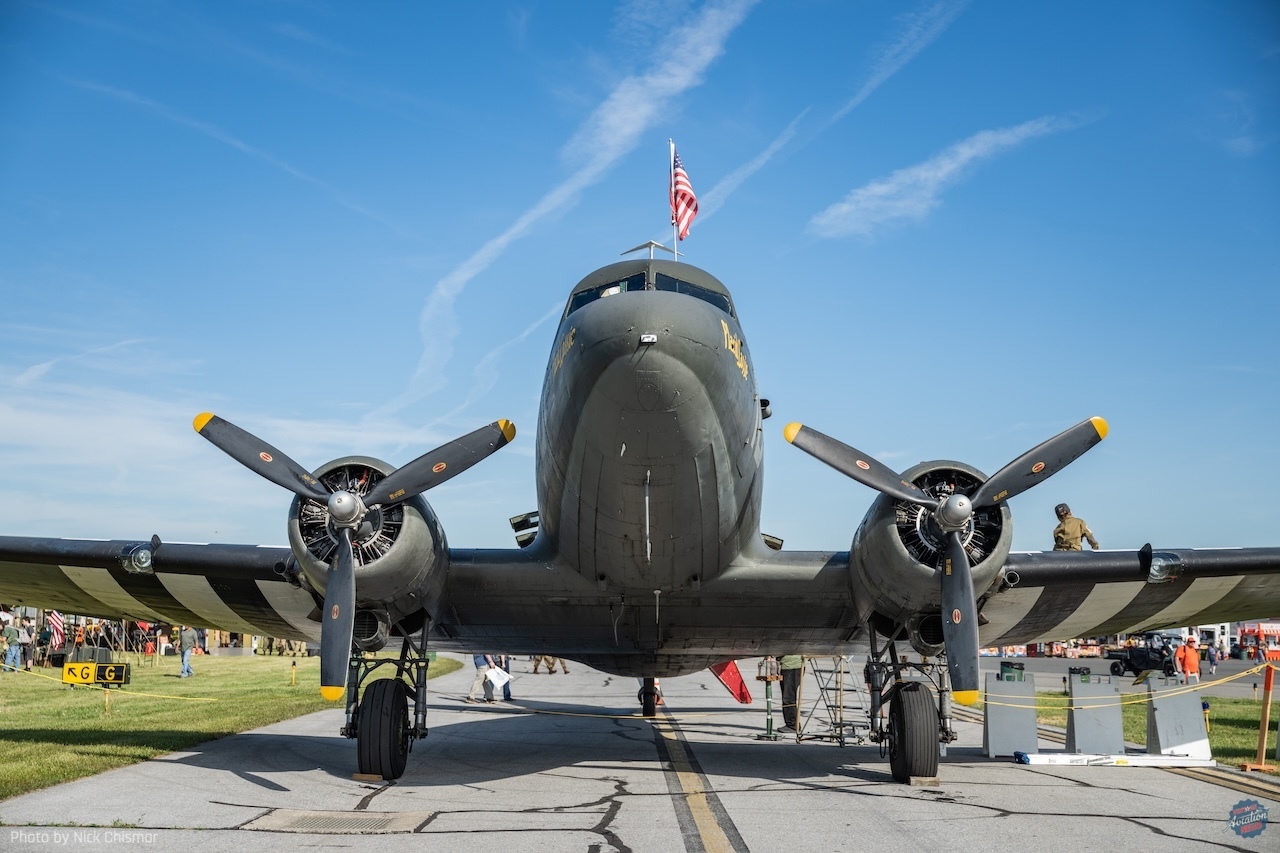
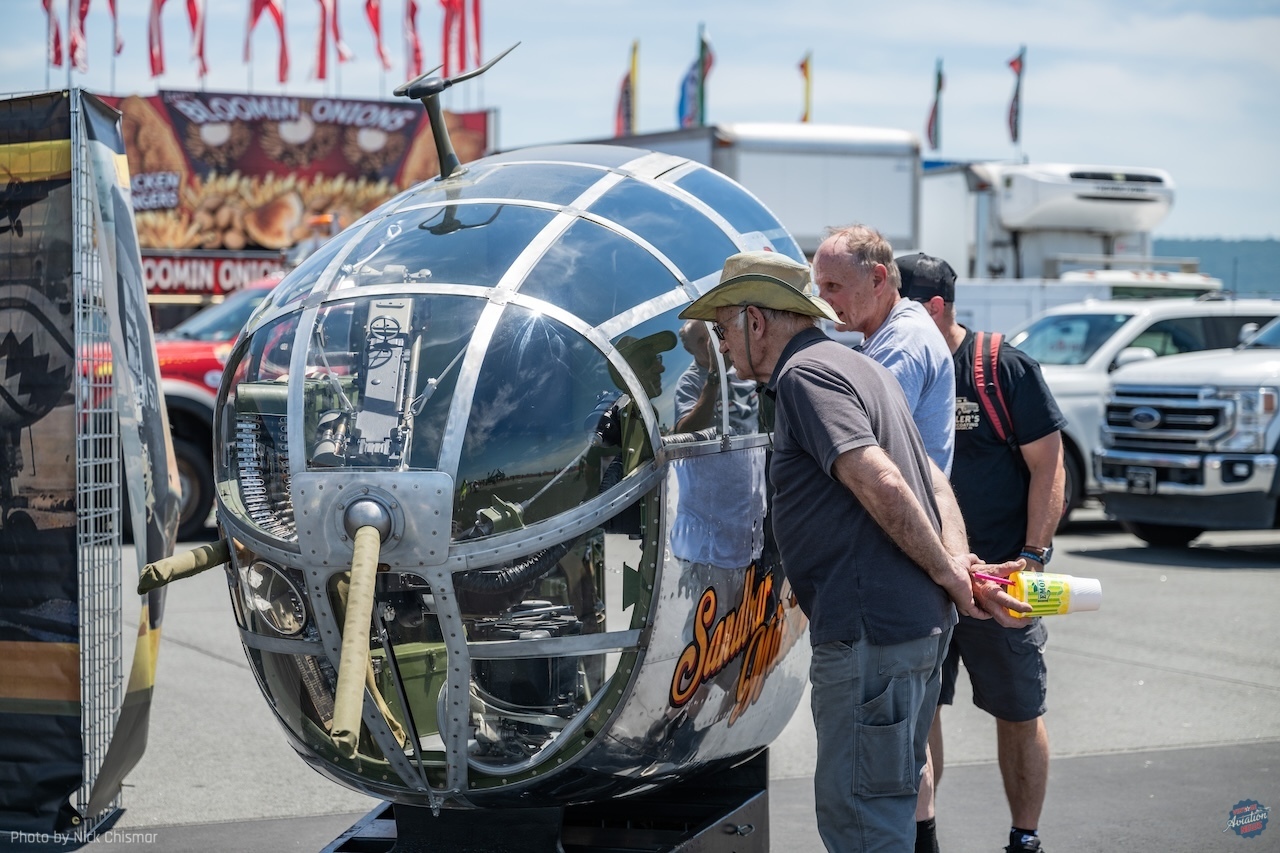
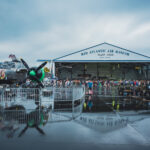
Officially kicking off on Friday, June 5th, visitors began flooding into the vast showgrounds. Friday is a shorter airshow day, but with more than 1,500 reenactors, encampments representing nearly every wartime nation, reenacted battles with tanks, and much more, there is plenty to see and do before the flying begins. Part of that experience is getting up close and personal with the aircraft. Aside from the ride aircraft that remain on the hot ramp, the rest of the 60-plus visiting aircraft are parked among the crowd. Visitors have the opportunity to see these historic aircraft up close and, in some cases, speak directly with their crews and pilots.
(Image credit: Nick Chismar)
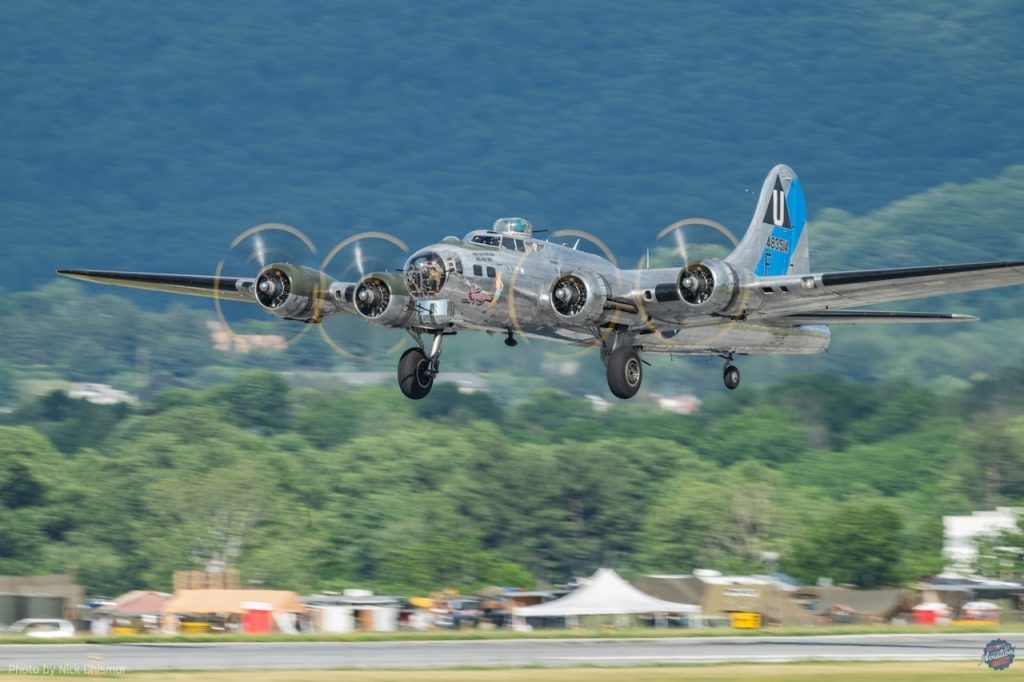
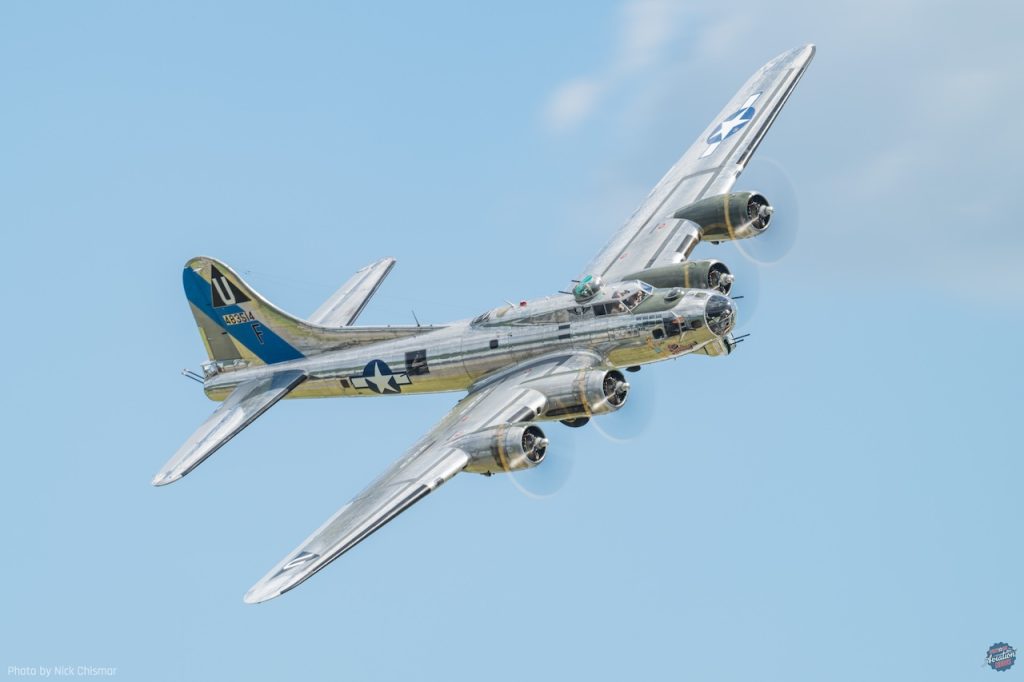
Friday morning unfolded much as it usually does, but this year there was a sound that had not been heard in years. As spectators walked around the grounds, the unmistakable sound of several radial engines could be heard barreling down Runway 31. Cameras rose as everyone turned to watch B-17G Sentimental Journey lift off on a ride flight. Throughout the event’s 35-year history, seeing a B-17 has been one of the hallmarks of WWII Weekend. Whether it was the famous B-17F (actually a G model), 44-83546 Movie Memphis Belle, or longtime staple B-17G 44-85829, formerly Yankee Lady, there was always one—or sometimes two—Flying Fortresses in attendance. This year, as part of the 2026 Flying Legends of Victory Tour, CAF Airbase Arizona brought both its B-17 and combat-veteran B-25 Maid in the Shade to WWII Weekend, marking the first appearance for both aircraft at the event.
(Image credit: Nick Chismar)
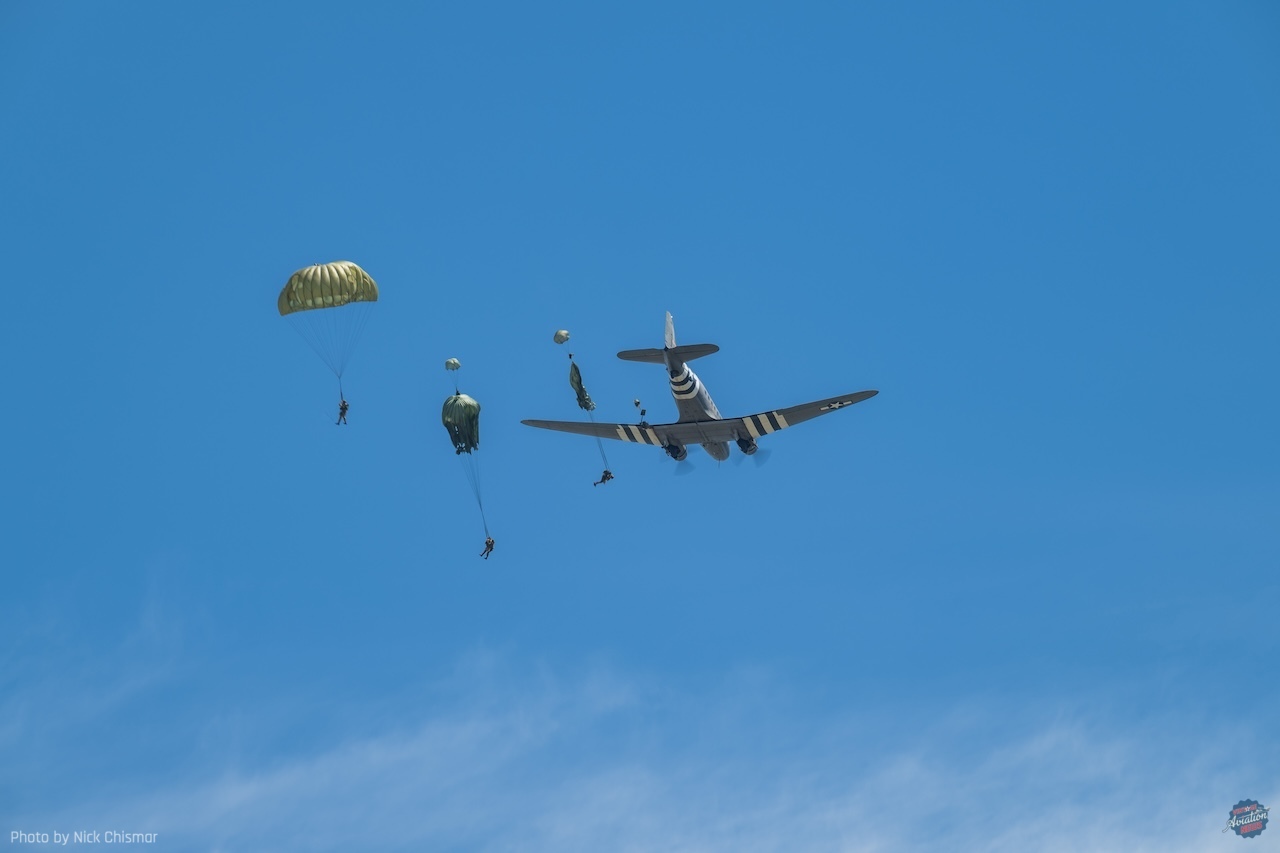
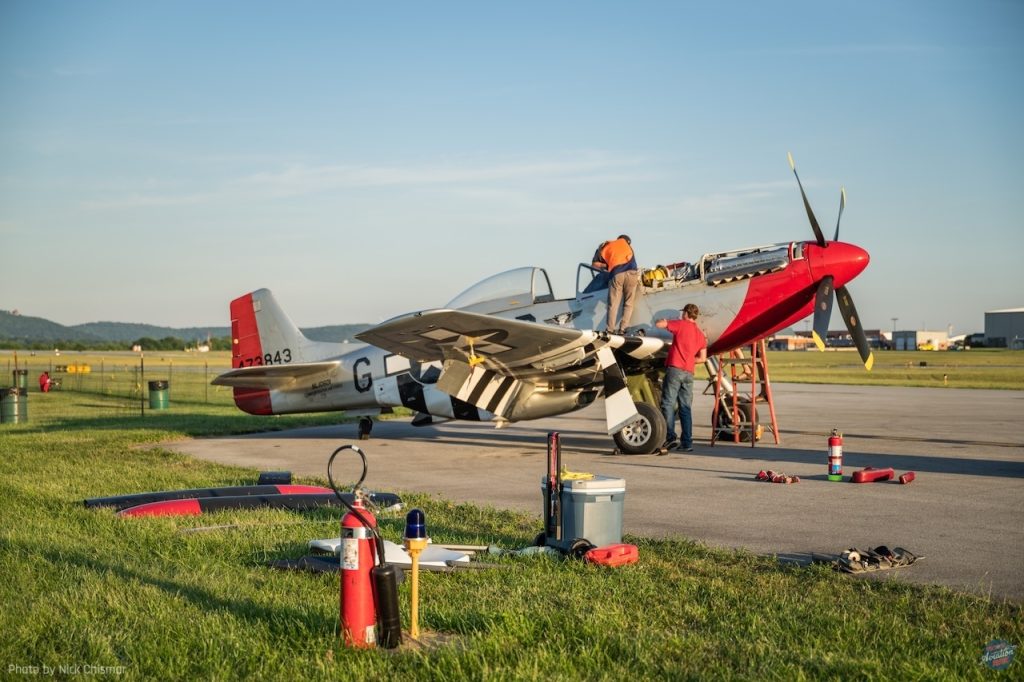
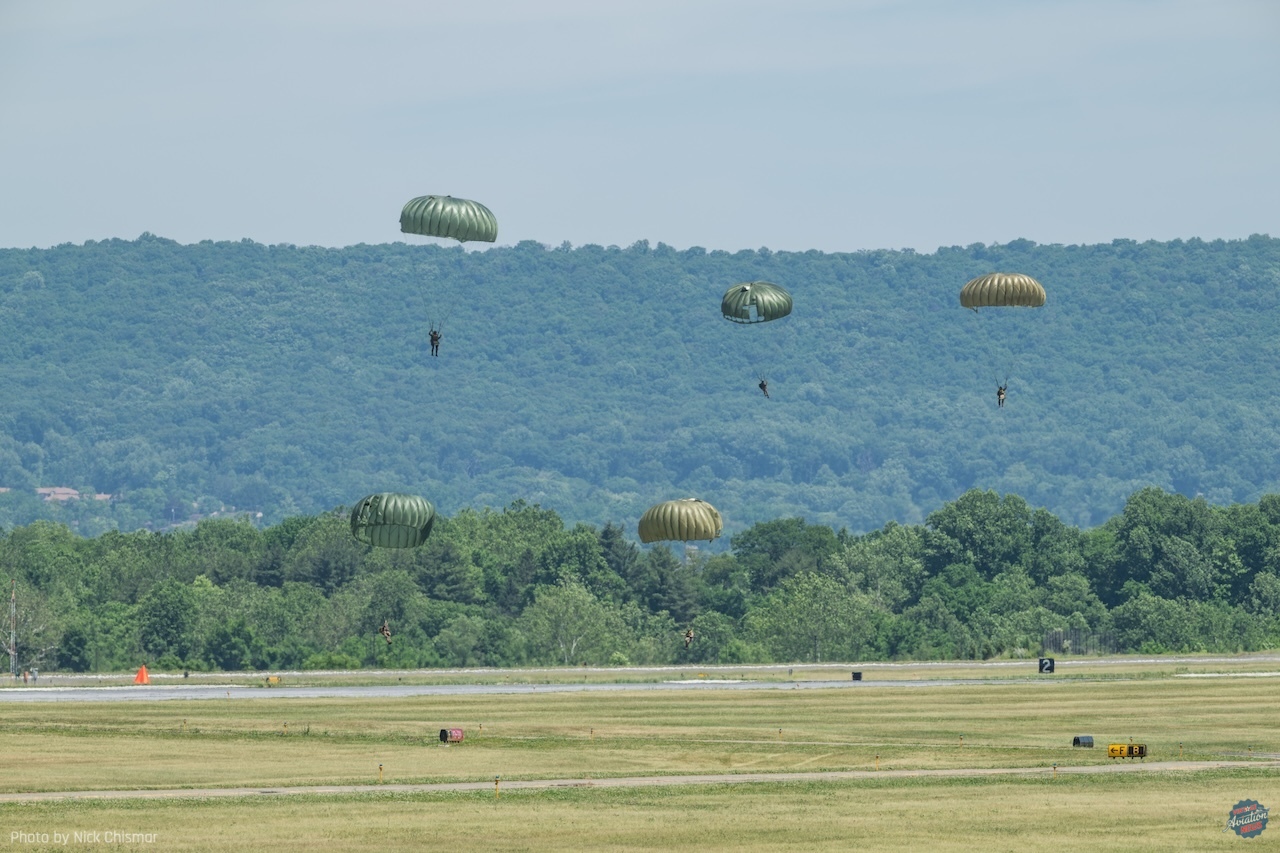
Eventually, Friday’s airshow began with the Tunison Foundation’s C-47 Placid Lassie overhead for the first paratrooper jump of the weekend with the WWII Airborne Demonstration Team. Following the jump was John Currenti in CAF Airbase Georgia’s P-51D Rednose. This high-speed display took the Mustang directly over the photo pit on the opposite side of the field.
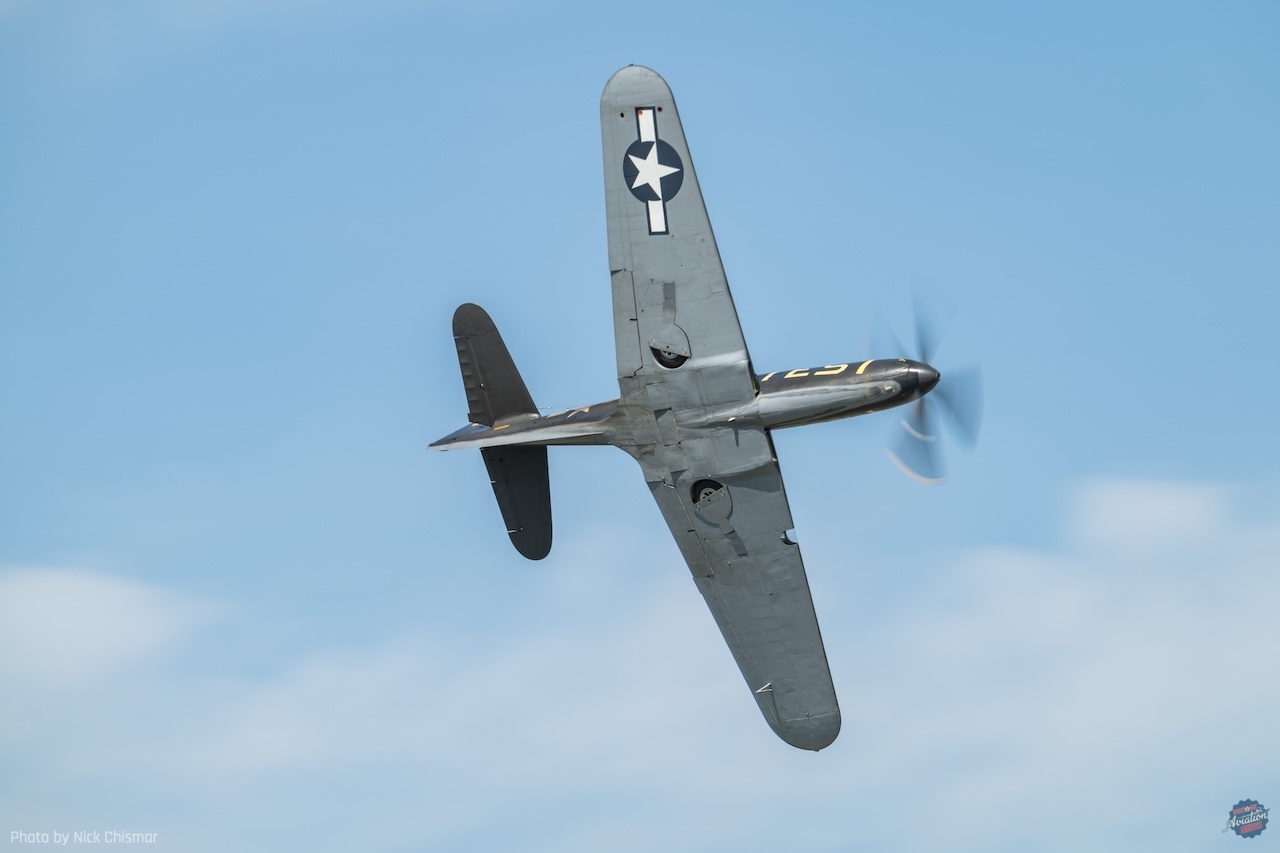
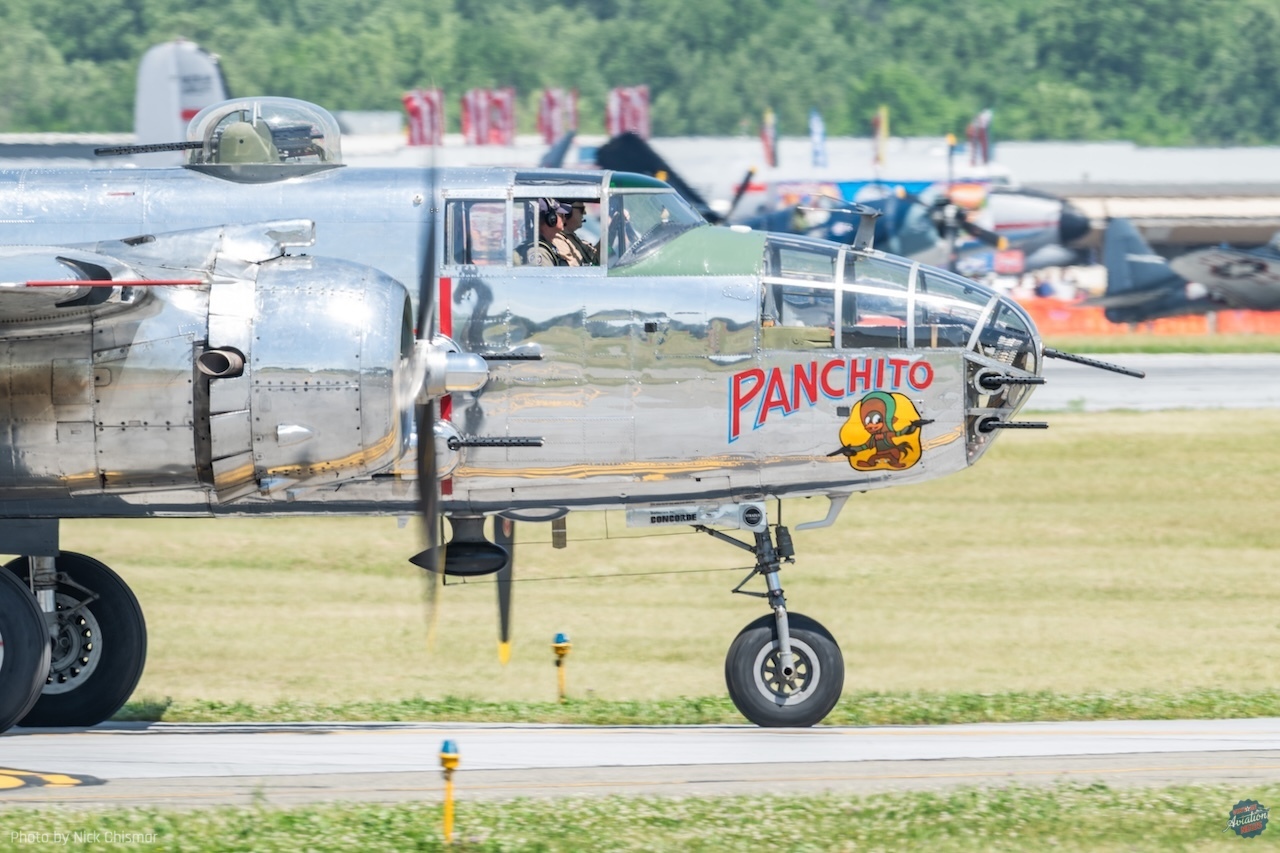
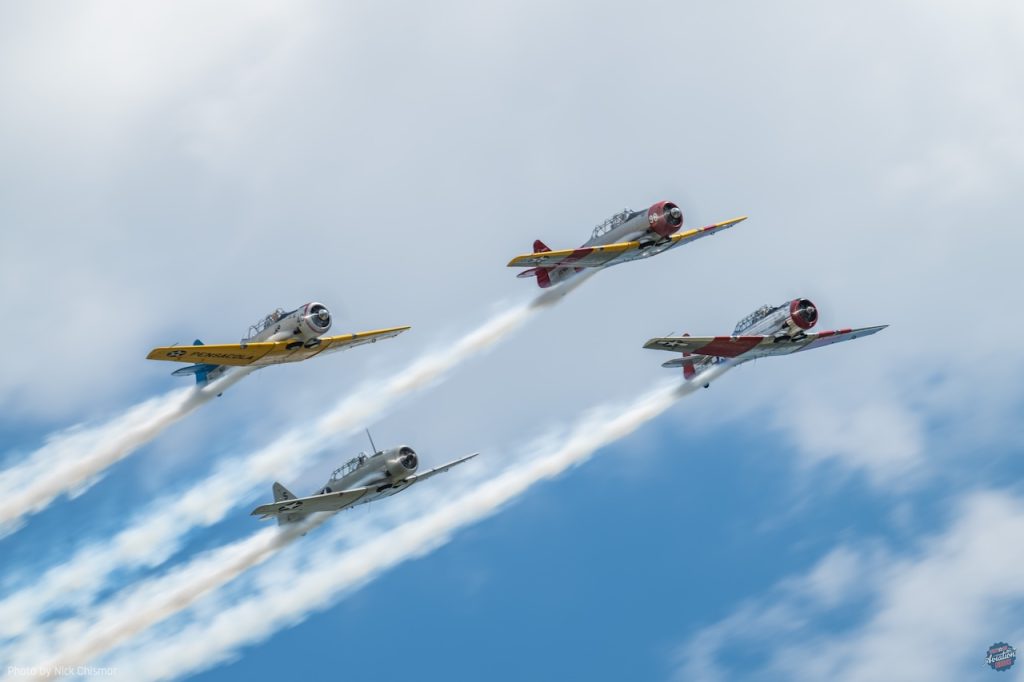
Soon enough, the Jersey Jerks were in the air performing their formation routine before Kevin Russo broke away for his own solo display in a T-6 Texan. Between performances, B-25 Panchito remained busy conducting ride flights throughout the afternoon. After the Jersey Jerks completed another excellent performance, Mark Todd took CAF Airbase Georgia’s P-63 Kingcobra into the air. From the photo pit, the P-63’s unique engine note was especially noticeable. It was smoother and quieter than a P-51, but when accelerating in a dive, it produced a distinctive sound all its own.
(Image credit: Nick Chismar)
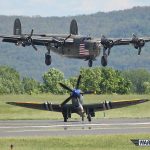
Following the P-63 came another first-time aircraft at WWII Weekend, A-26 Silver Dragon. Not only was this the first time an A-26 had appeared at the event, but it was also the first airshow performance for pilot Vincent Quadrani. Keeping the Invader low after takeoff to build speed, Quadrani brought the aircraft around for several low passes between the crowd line and the photo pit. The Invader’s Pratt & Whitney R-2800 engines and sleek lines made a dramatic impression as it streaked past photographers at high speed. While seeing the A-26 at WWII Weekend for the first time was exciting for everyone on the ground, it held even greater significance for Quadrani, who was fulfilling a lifelong dream. He later explained: “The most significant part of the event for me was flying with my father, Tony Quadrani. It has been a long-time goal of mine to fly an Invader in a show with him as my co-pilot. We had a lot of fun together—something we’d always dreamed about. It was a full-circle moment, showing him what I know, since my dad is also PIC-rated in the A-26. He’s always been there for me, trying to support my dreams, and he was there living it with me. Life goal complete.”
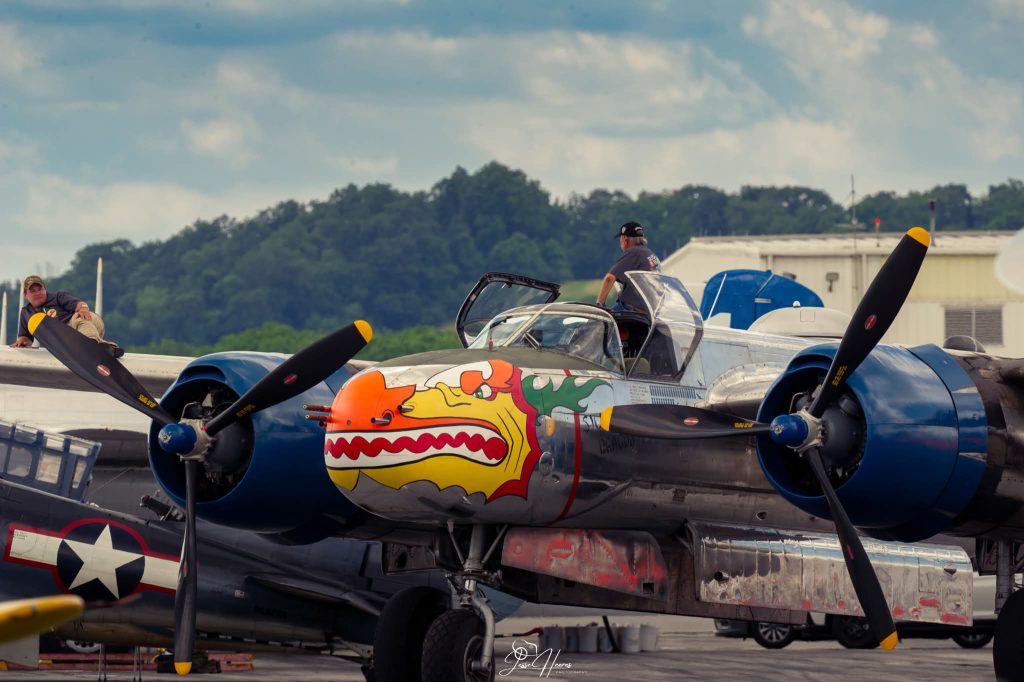
(Image credit: Photo via Vincent Quadrani)
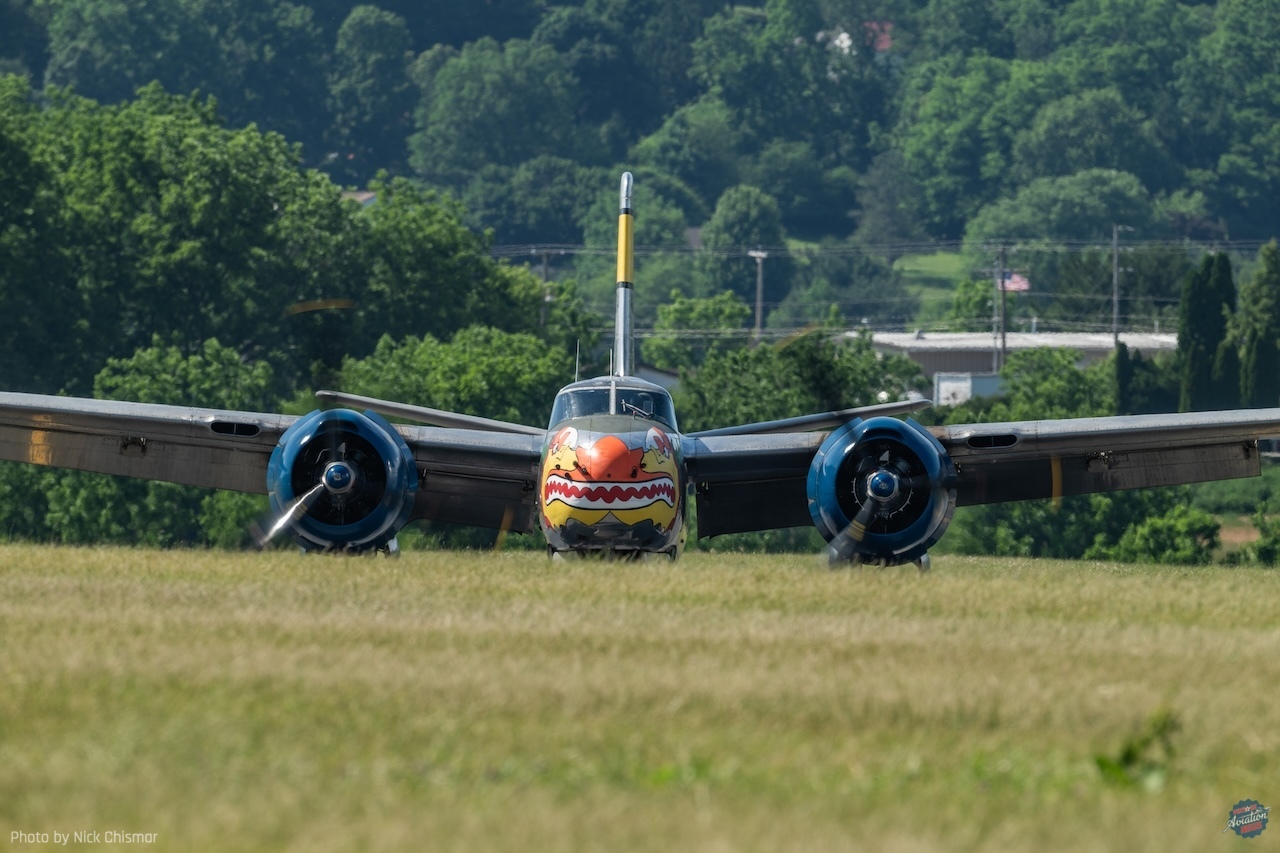
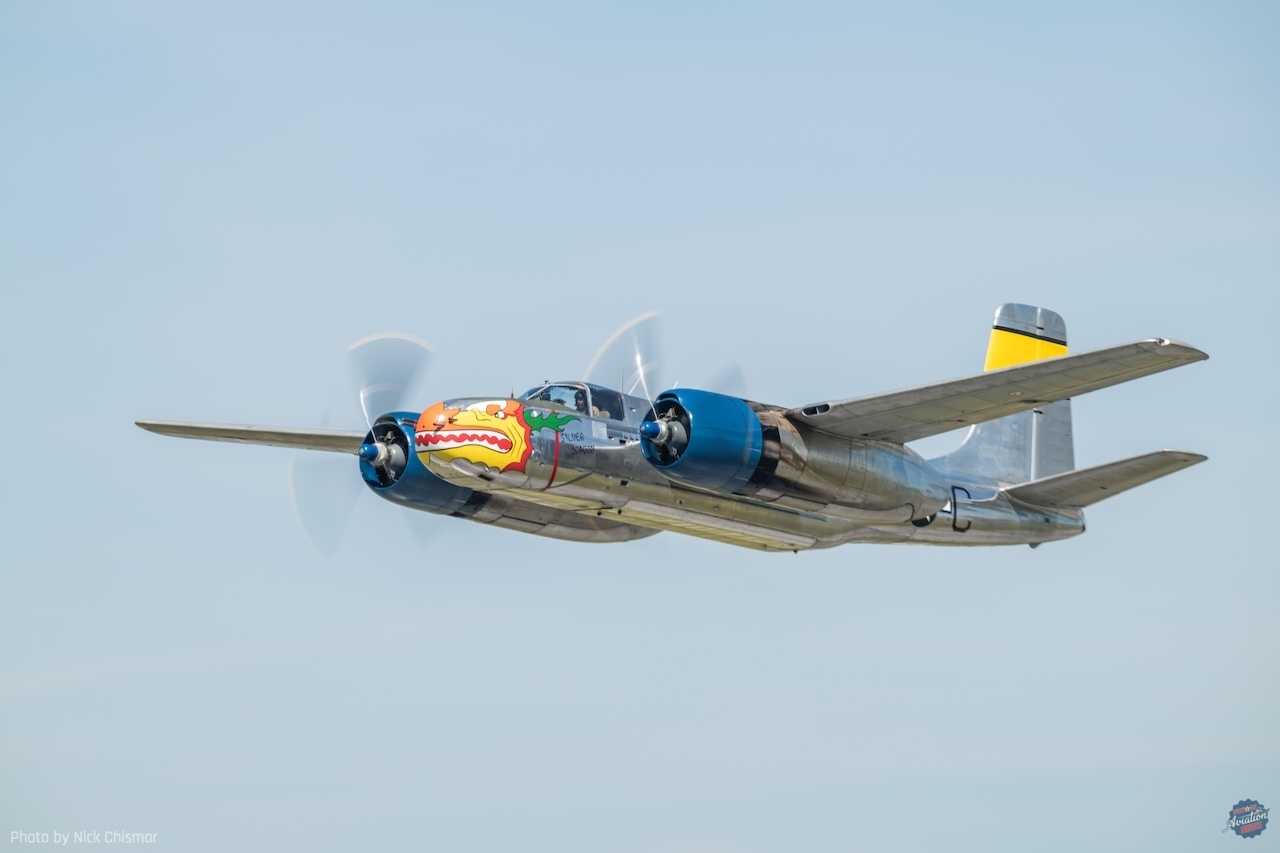
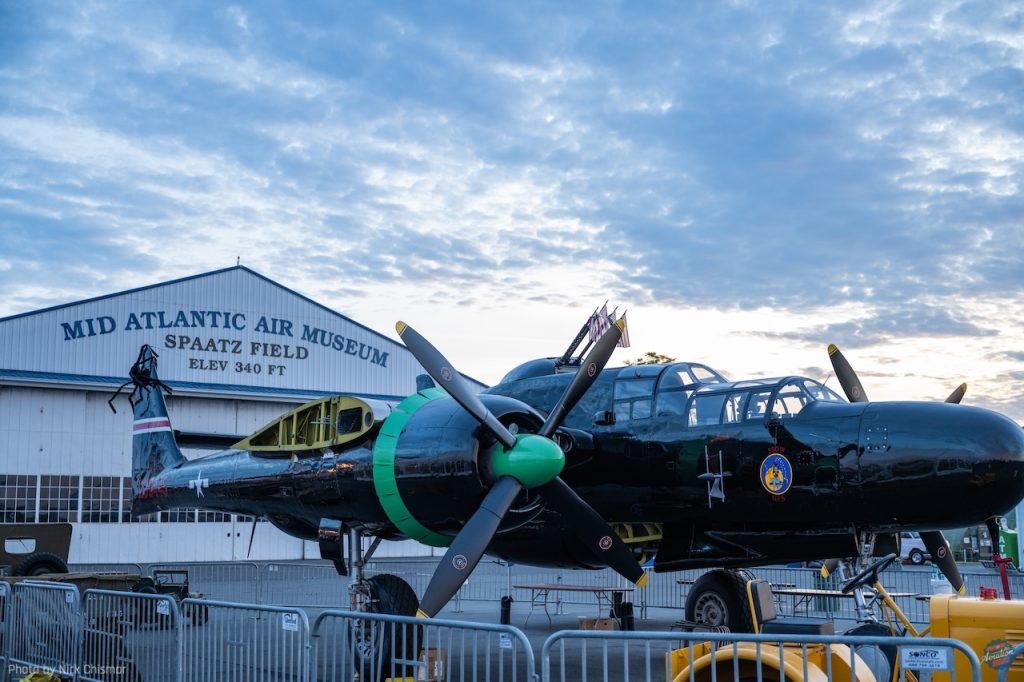
Following the Invader was the CAF’s SB2C Helldiver. After making a triumphant return to WWII Weekend in 2025, it was great to see the Helldiver back once again. With that, Friday’s flying activities came to a close, but the day was far from over. As evening approached, visitors made their way to the museum’s main hangar for the Friday Night Hangar Dance, while photographers gathered for the sunset photo walk, part of the event’s popular photo experience package.
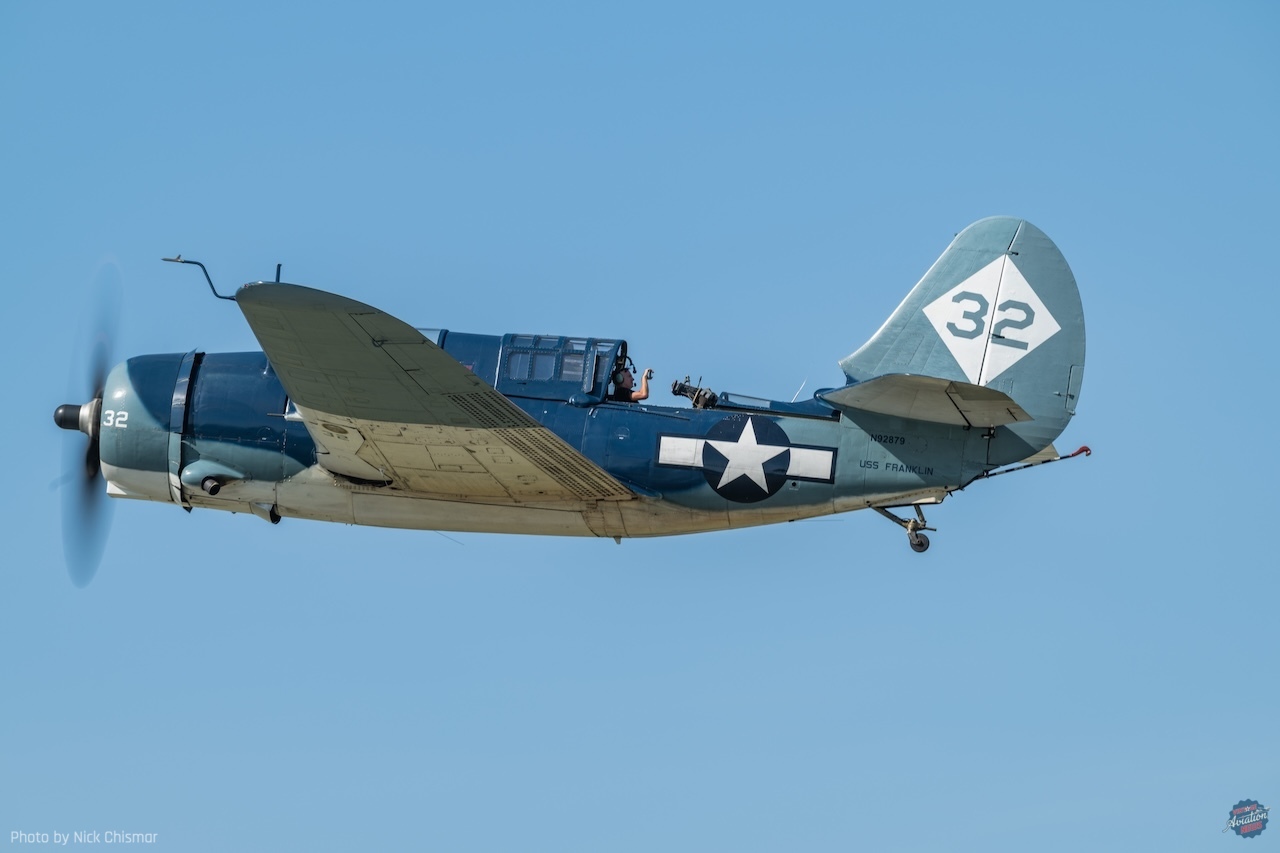
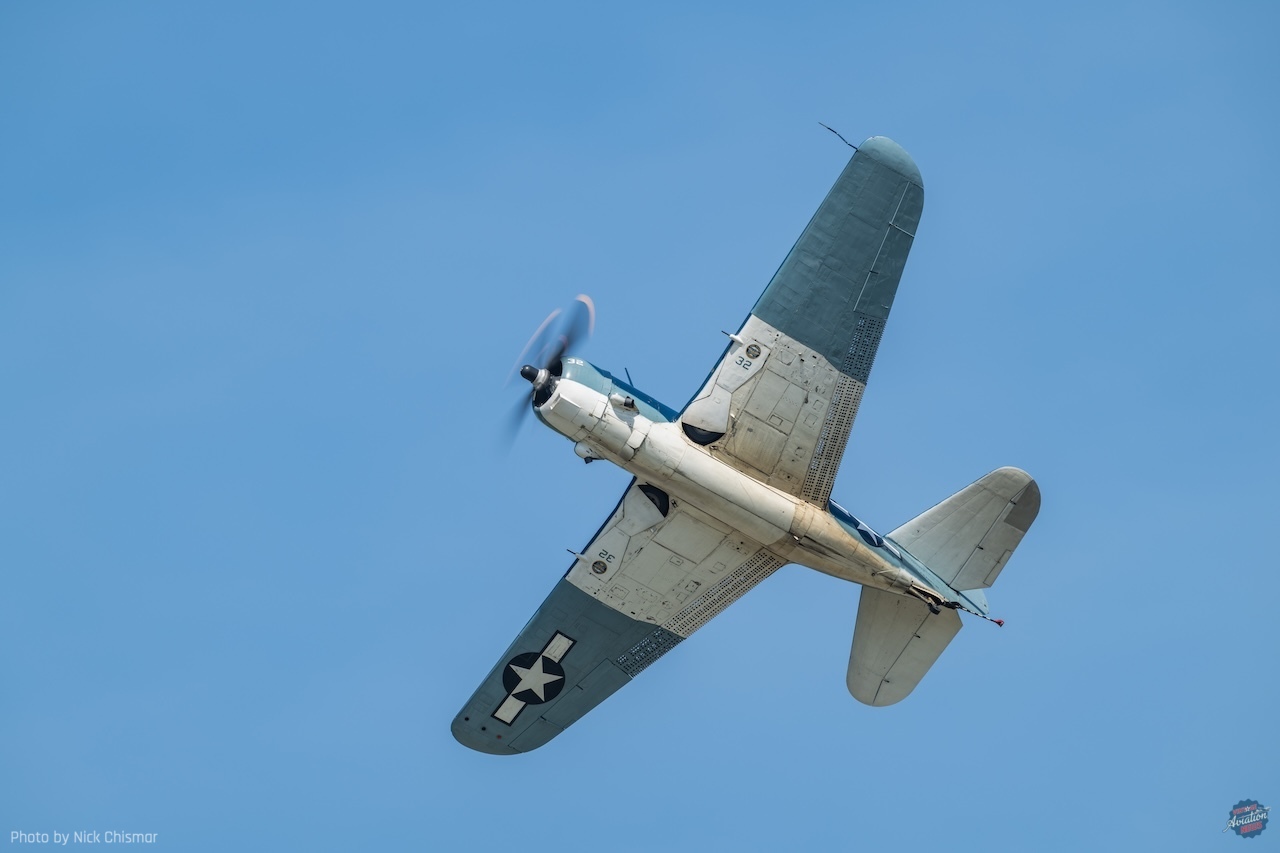
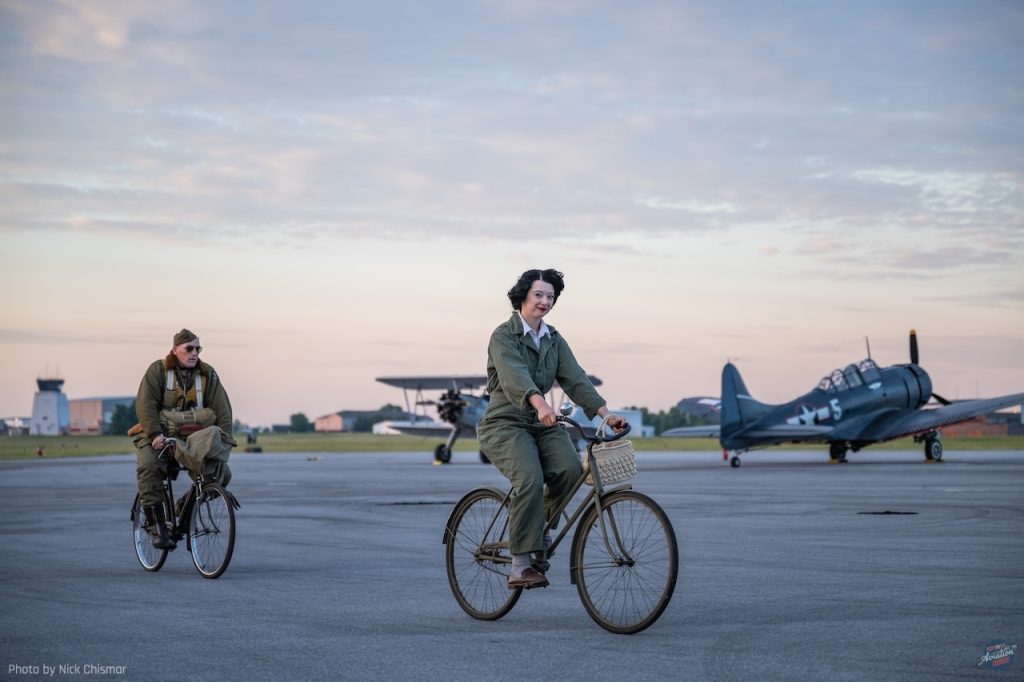
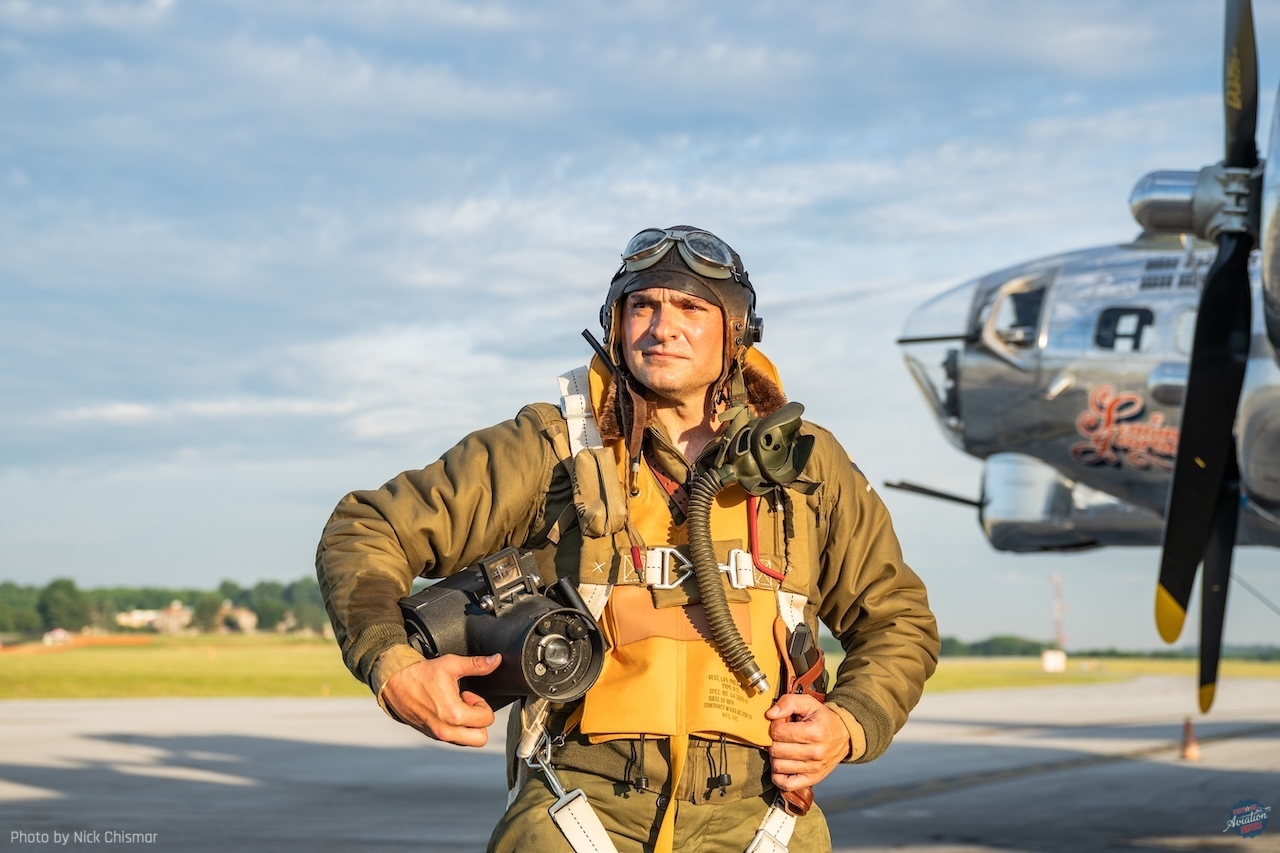
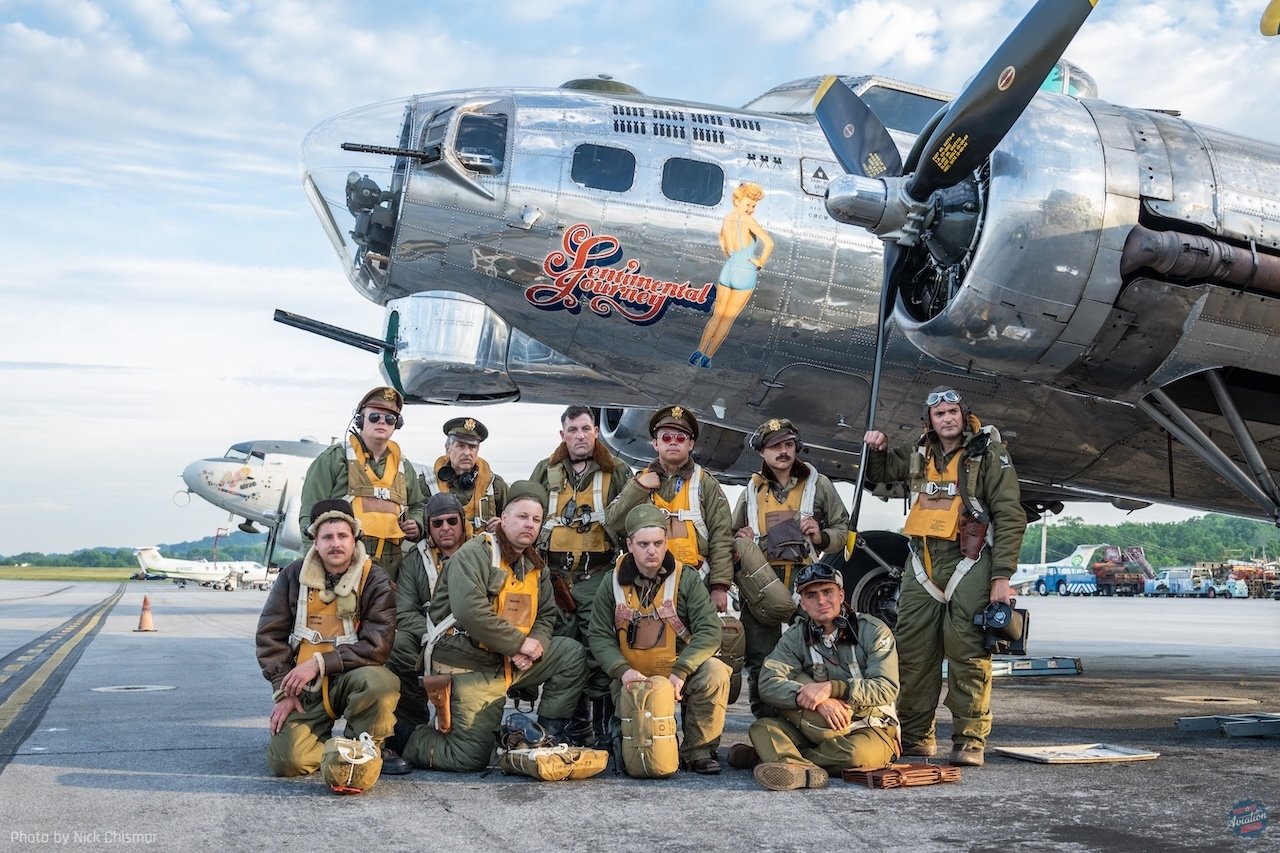
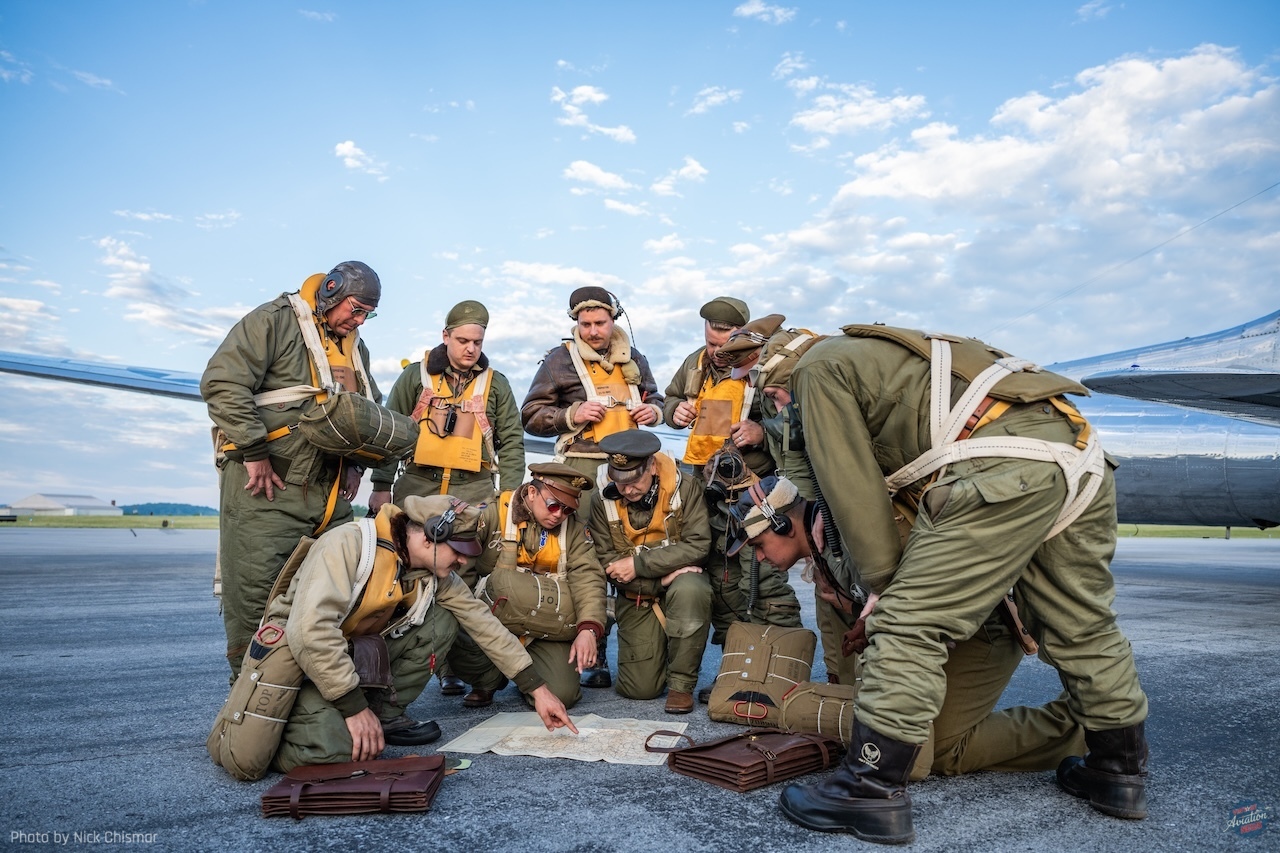
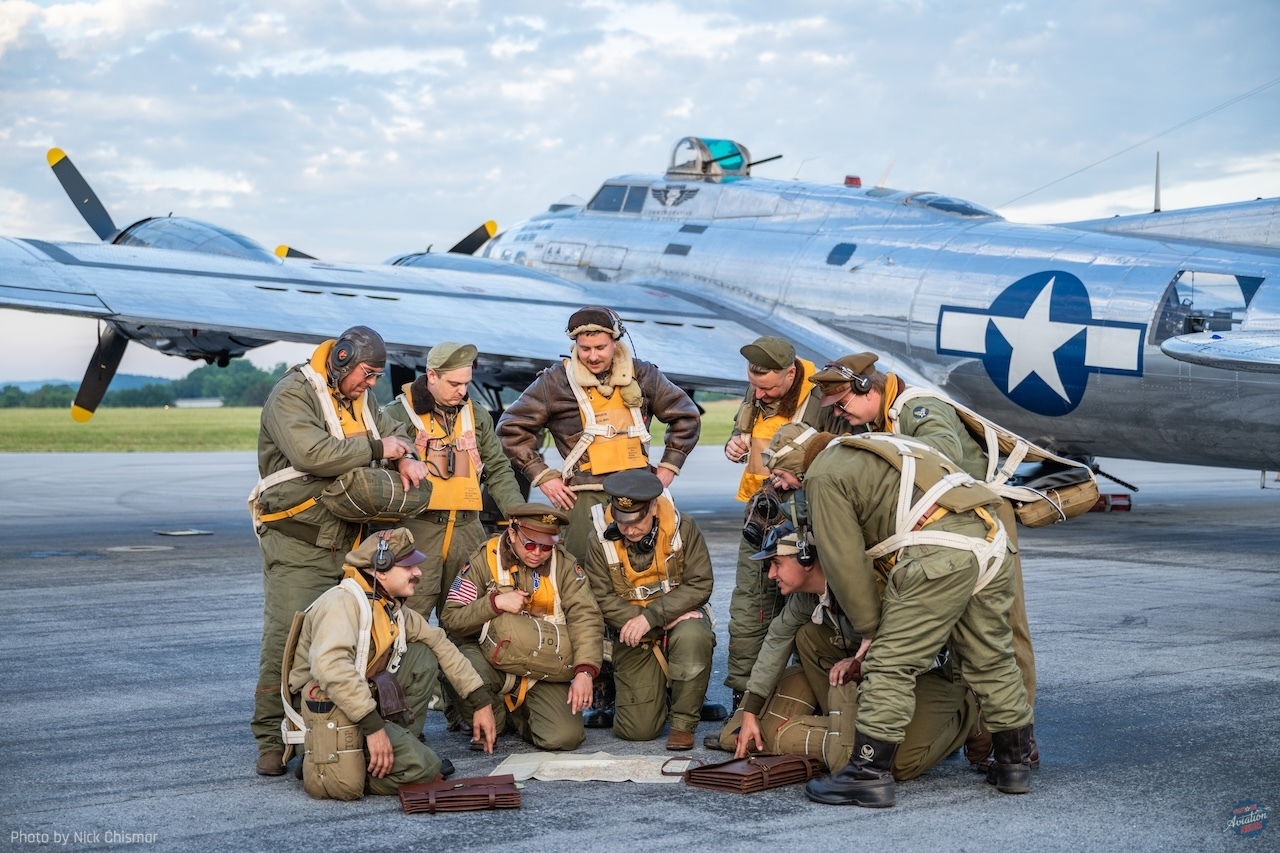
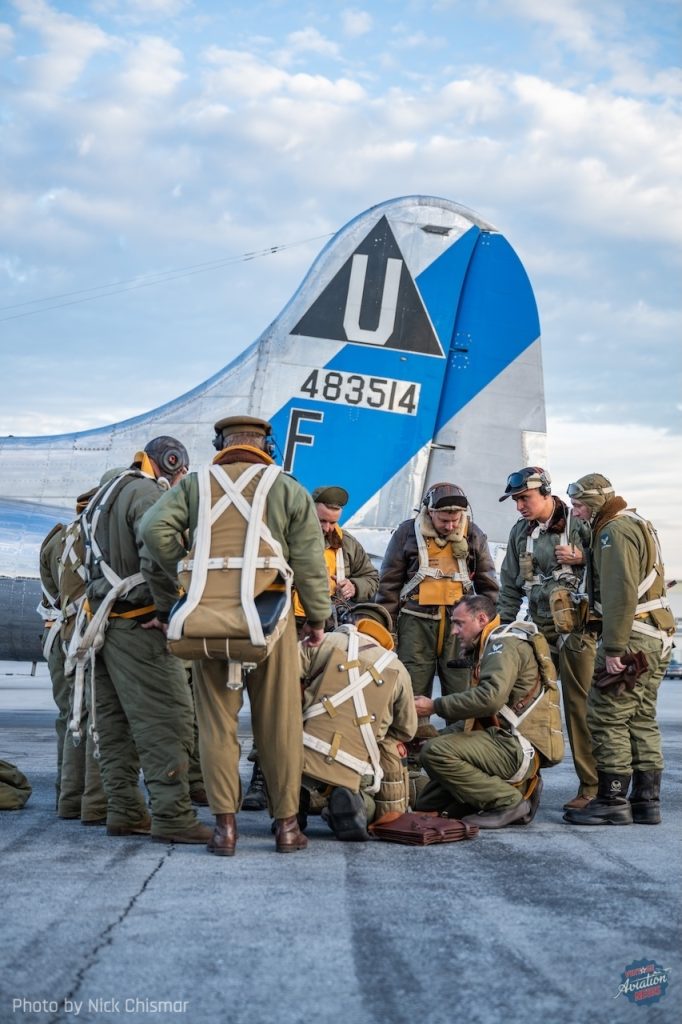
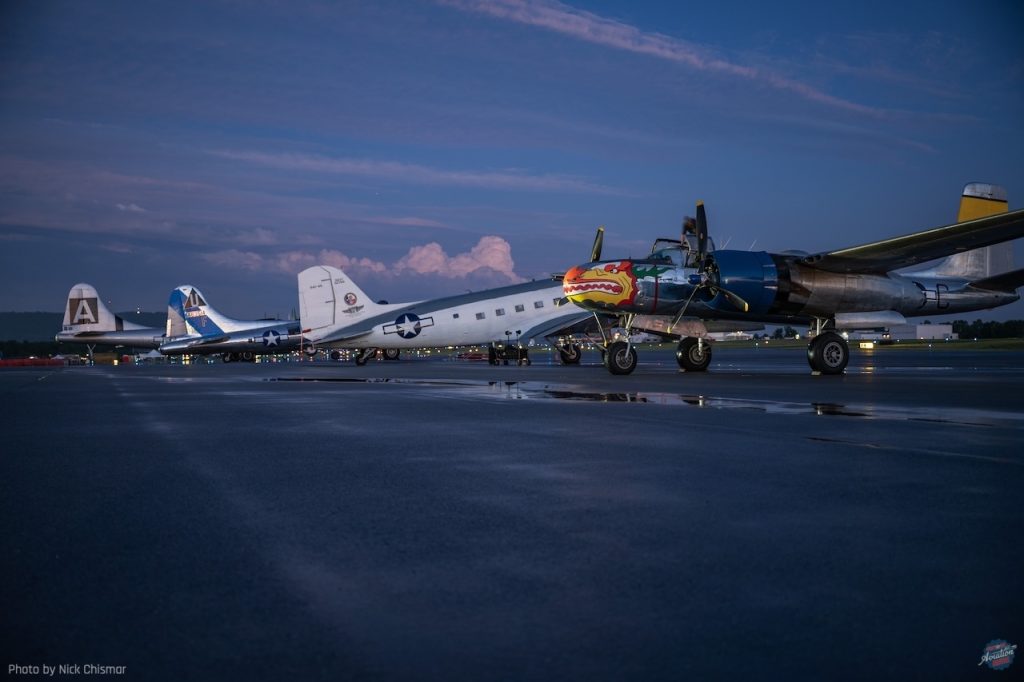
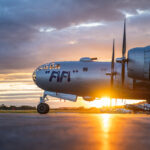
Waiting on the hot ramp were CAF aircraft including R4D Ready 4 Duty, B-17G Sentimental Journey, B-29 FIFI, B-25 Maid in the Shade, the Helldiver, and the SBD Dauntless. With the aircraft silent and bathed in golden light, photographers moved among them as the sun set on the first day of festivities. Although the showgrounds officially opened on Saturday at 8:30 a.m., photographers were already on the hot ramp by 5:30 a.m. for the sunrise walk. This time they were greeted by reenactors organized by Pete Lerro for a period photo session featuring the B-17. By 6:30 a.m., however, the Flying Fortress crew had begun preflight preparations for a busy day of operations. As the crew worked on the aircraft, photographers and reenactors recreated scenes reminiscent of wartime imagery. In a surprise to many, the reenactors were later invited aboard the B-17, allowing them to experience the interior firsthand while photographers captured some truly unique images.
(Image credit: Nick Chismar)
(Image credit: Nick Chismar)
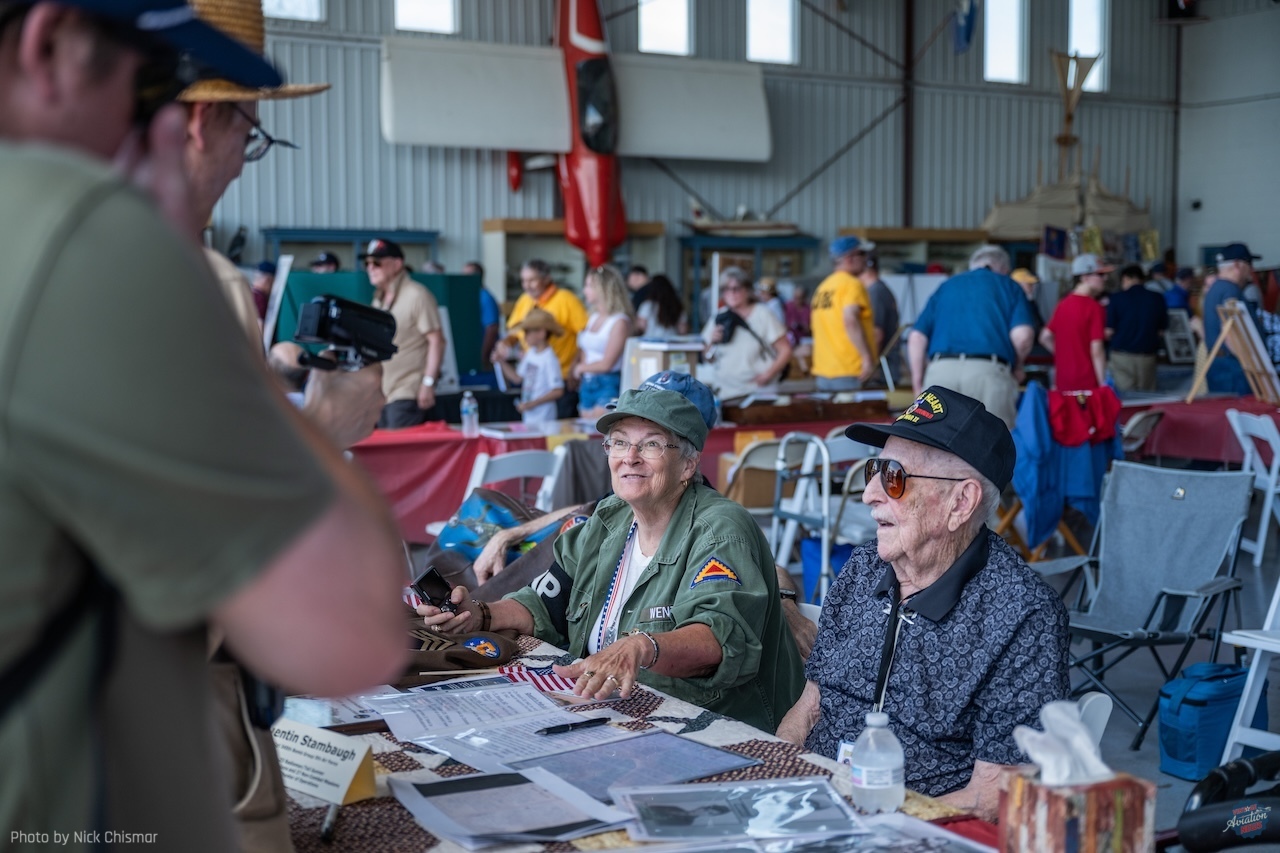
Once the gates opened, the long line of waiting visitors finally began making its way into the event. Inside the main hangar, WWII veterans spoke with guests while activities across the field quickly ramped up. The vehicle and armor parade was underway, ride flights in the B-17, Helldiver, P-51, and R4D were coming and going, and the first performers were preparing to take the stage.
(Image credit: Nick Chismar)
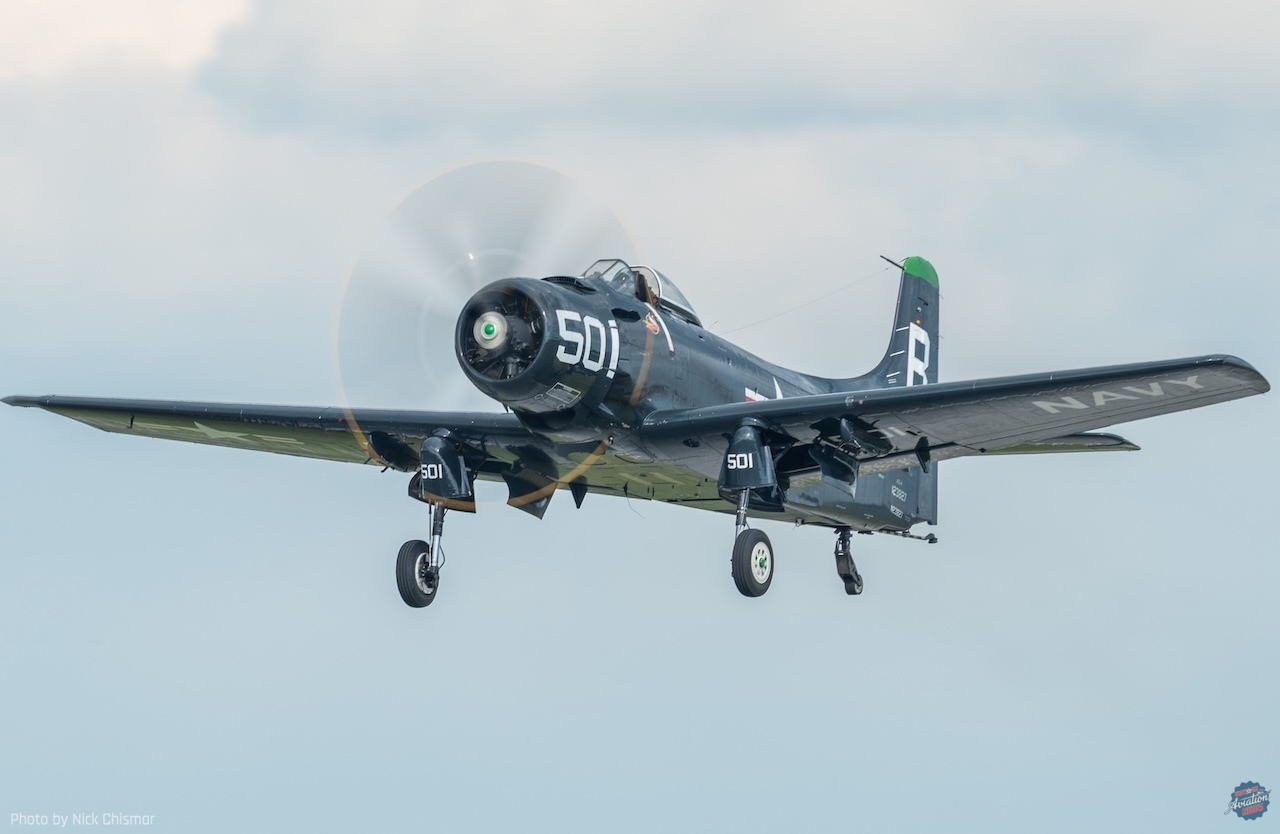
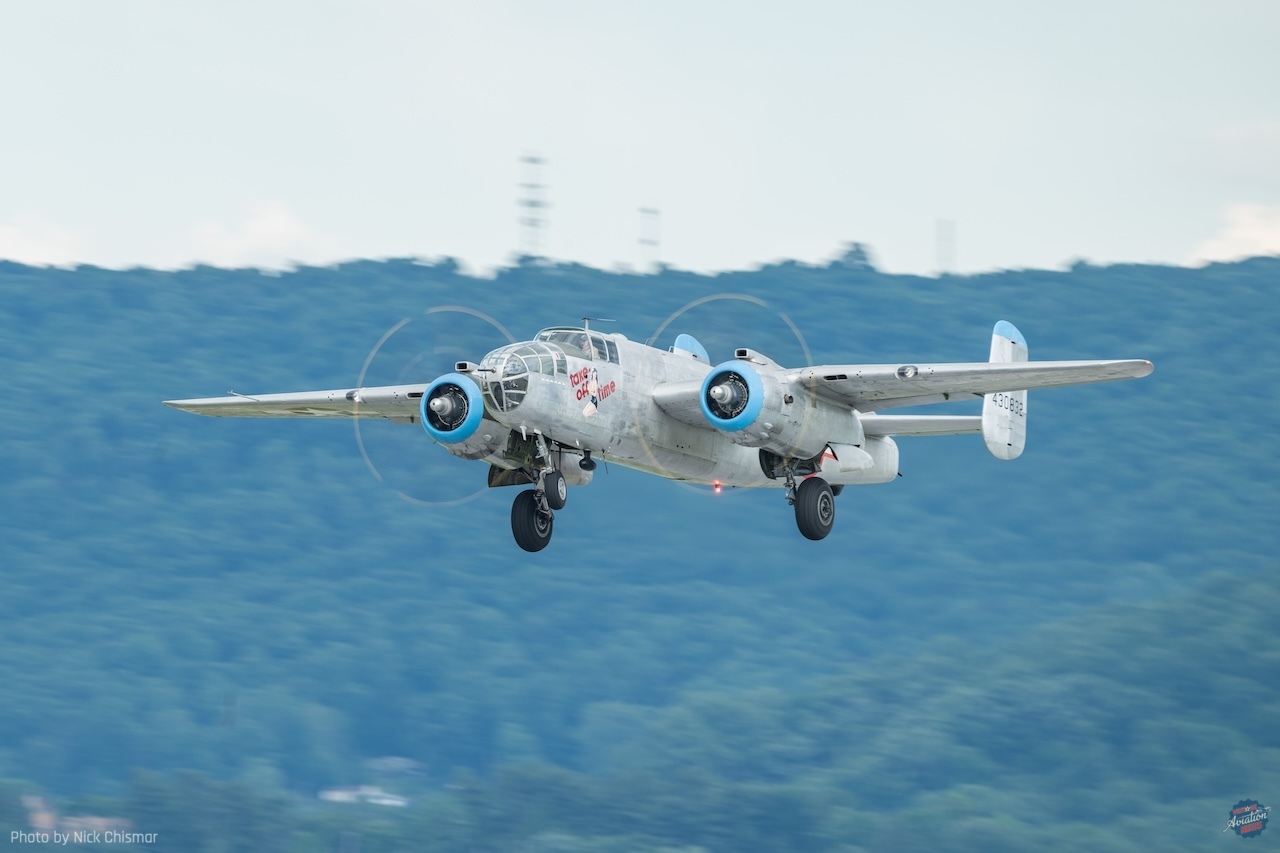
Soon enough, Placid Lassie was airborne again and the WWII Airborne Demonstration Team was exiting the aircraft over the field. Following the jump, the C-47 made several excellent photo passes, including a number directly in front of the photo pit. In typical WWII Weekend fashion, the L-Bird flight followed, along with a variety of trainers used before and during WWII. Not all of the lighter aircraft flew, however, as challenging winds kept several on the ground. The Jersey Jerks returned once again with their precise formation routine before Kevin Russo delivered another crowd-pleasing solo performance. On the opposite side of the field, the Iwo Jima flamethrower demonstration was underway as the Pacific Flight took to the skies. The CAF’s Helldiver and Dauntless led the formation, joined by TBM Ida Red and Max Hodges flying the replica Nakajima B5N Kate, owned by Akan Armstrong. Following behind was Kevin Sinabaldi in the Military Aviation Museum’s AD-4 Skyraider. While not a WWII aircraft, the Skyraider’s speed and imposing appearance quickly made it one of the day’s highlights. Soon it was time for the A-26 once again, making fast passes over the field with its bomb bay doors open. Meanwhile, the bomber flight was preparing to launch. With B-25 Panchito leading the formation, Tom Duffy followed in B-25 Take Off Time, while the B-17 and R4D rounded out the group. All four aircraft made multiple passes over the field, with both the B-17 and R4D making their first appearances in the WWII Weekend airshow itself.
(Image credit: Nick Chismar)
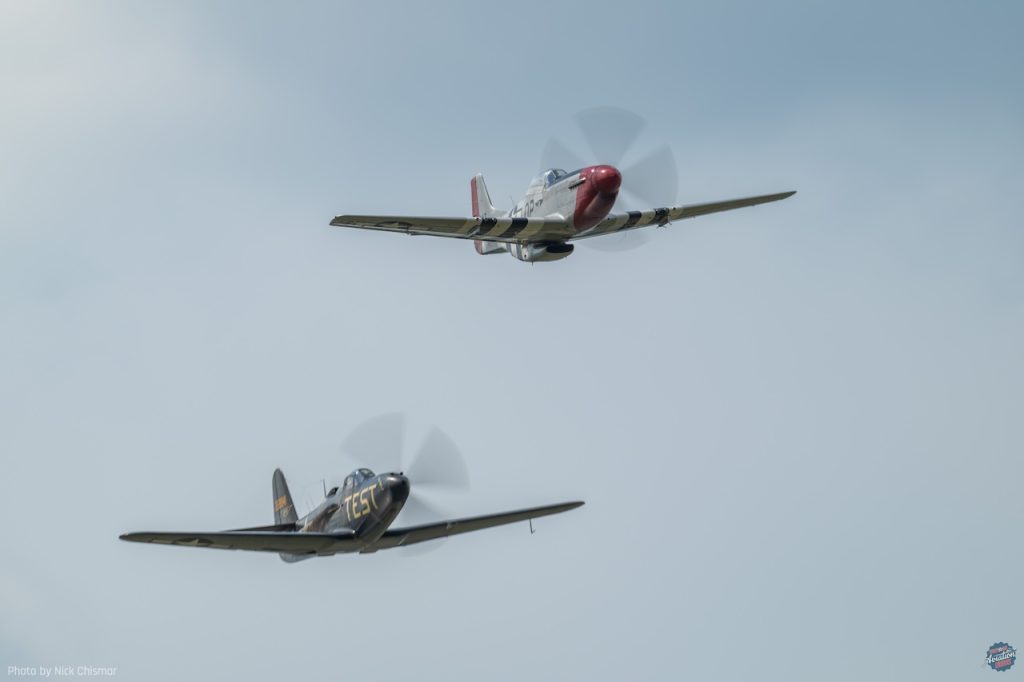
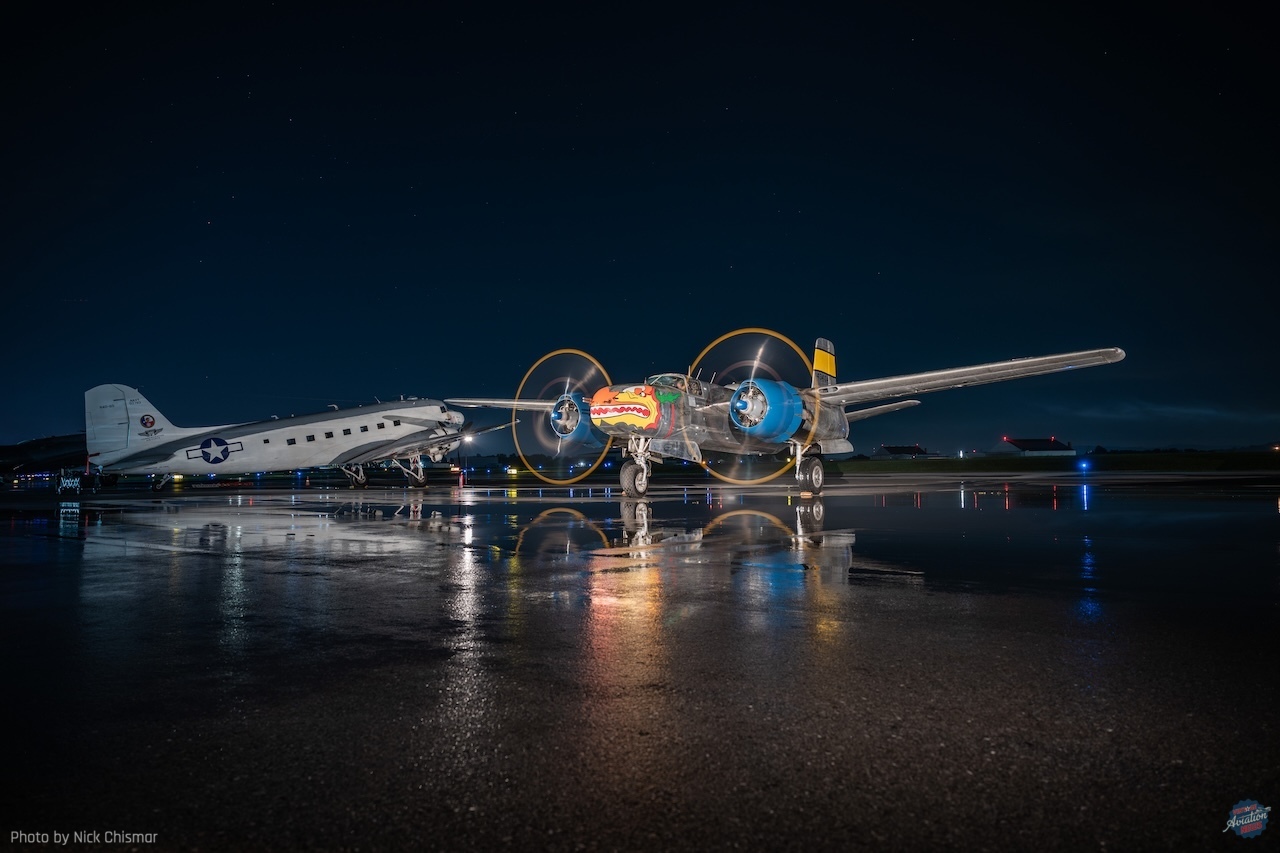
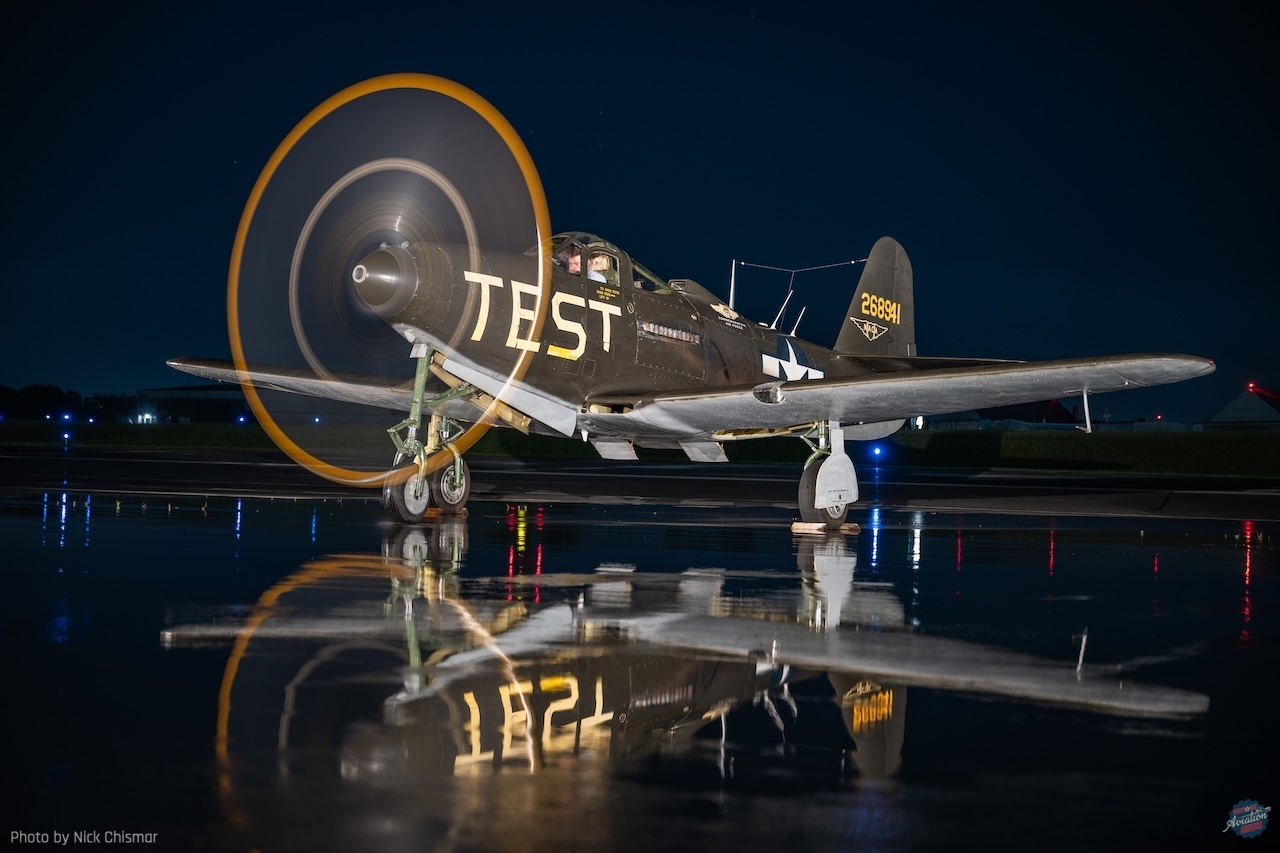
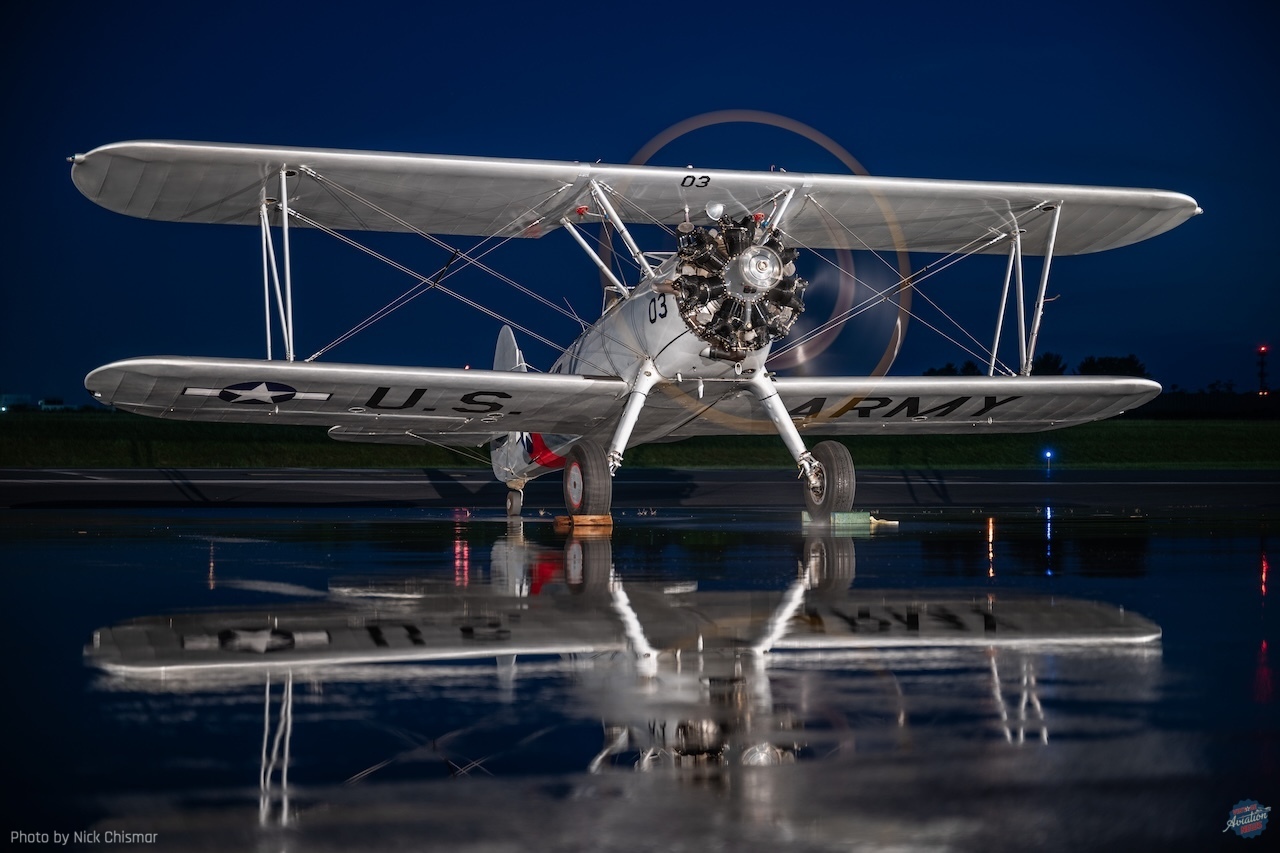
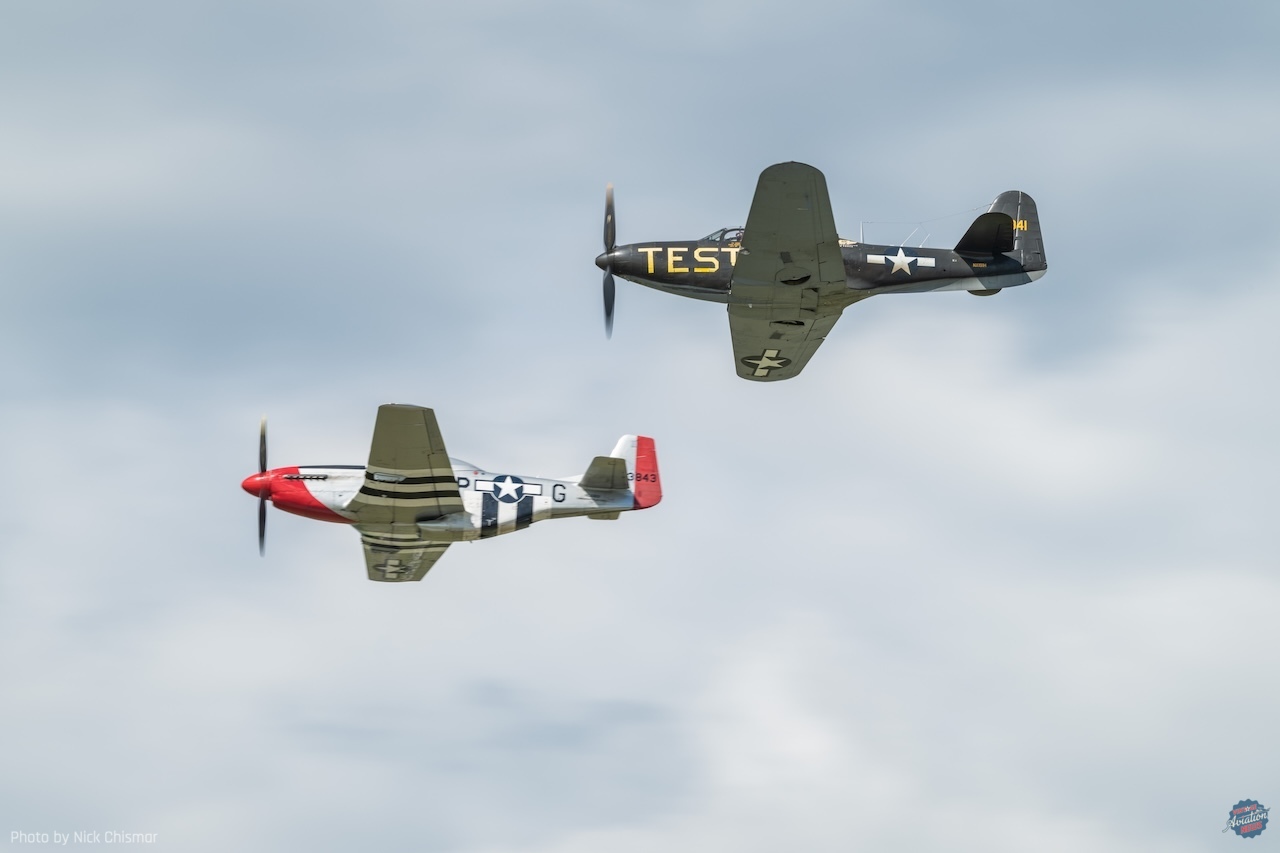
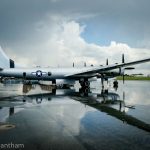
The fighters returned next, with solo demonstrations by the P-51 and P-63 before the pair joined up for several formation passes. In typical Pennsylvania fashion, a strong storm rolled through shortly after the flying concluded. Powerful winds swept across the field, accompanied by heavy rain. Fortunately, the storm moved through quickly and conditions improved in time for the Saturday Night Hangar Dance. Meanwhile, photographers once again gathered on the hot ramp for the event’s popular night shoot. Following a briefing and aircraft positioning, the session began with a PT-17 Stearman, the P-63, and A-26 Silver Dragon. Firefighters from the Muhlenberg Fire Company sprayed the ramp to create dramatic reflections beneath each aircraft before they were run individually for five to ten minutes. Pete Lerro and his team expertly illuminated each aircraft, creating some of the most striking images of the weekend. For many photographers, the opportunity to photograph the A-26 at night proved to be the highlight of the entire event.
Sunday brought another excellent day of weather, with lighter winds and near-perfect flying conditions. Placid Lassie completed the final two paratrooper drops of the weekend, with members of the WWII Airborne Demonstration Team distributing American flags along the flight line. This time, all of the L-Birds and trainers flew. Two BT-13s departed with Wings of War’s T-50 Bobcat following closely behind. The remainder of the day proceeded without issue. From the A-26 and bomber flight to the two-ship missing-man formation flown by the P-51 and P-63, Sunday provided a fitting conclusion to a memorable weekend.
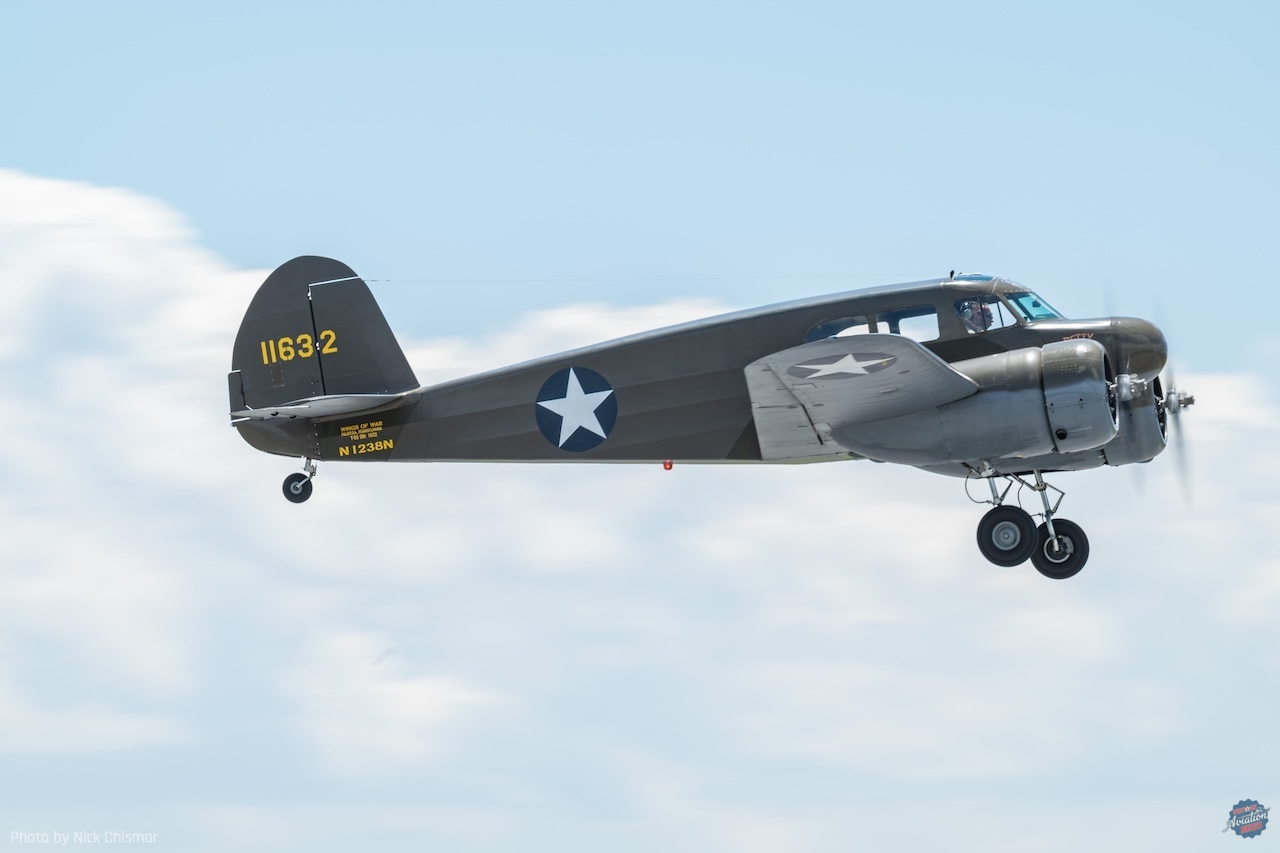
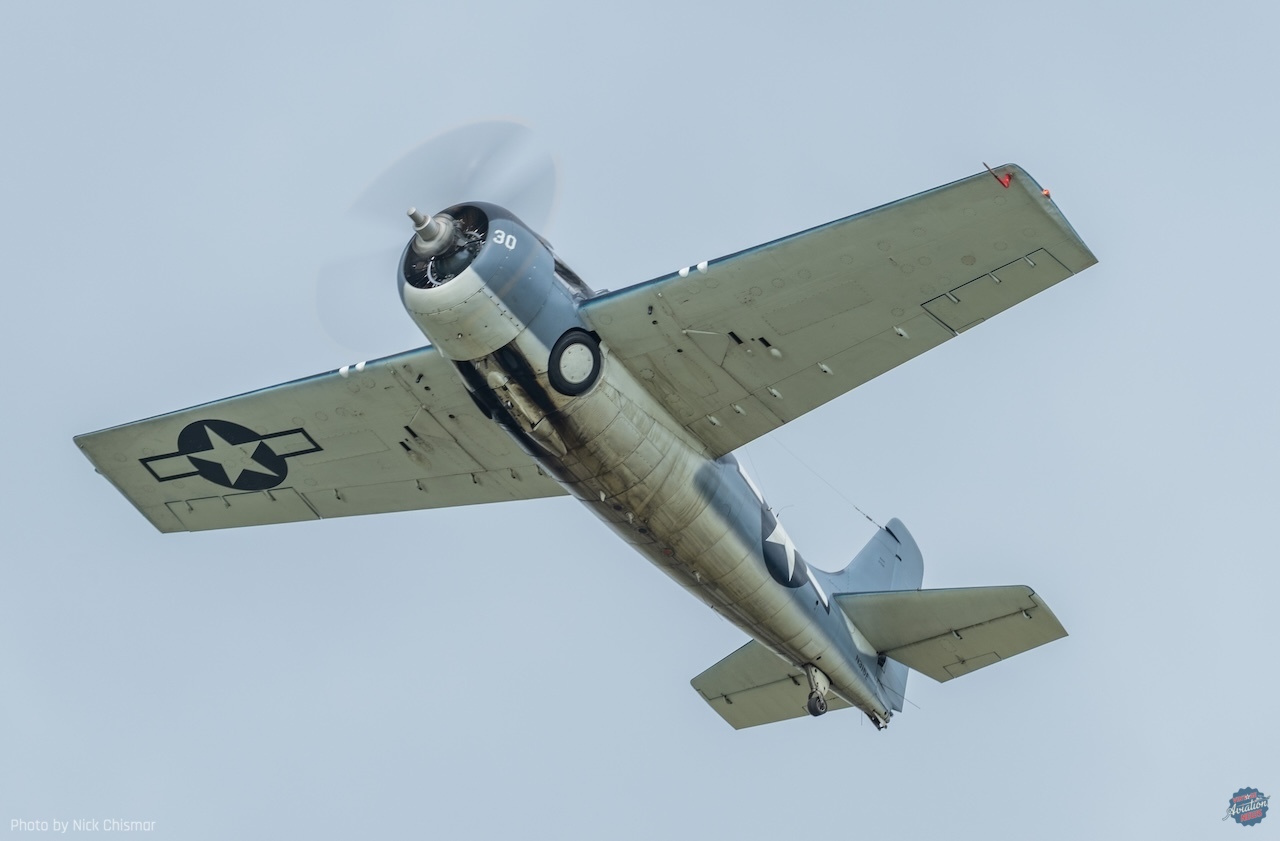
As the day wound down, the P-63 departed for home while ride flights continued for the remainder of the afternoon. For its 35th year, WWII Weekend once again dazzled crowds in Reading, Pennsylvania. With excellent weather, impressive aircraft, and memorable firsts—including the return of a B-17 and the first-ever appearance of an A-26 Invader in the airshow—the event delivered another outstanding chapter in its long history. The Mid-Atlantic Air Museum’s 36th Annual WWII Weekend is scheduled for June 4th–6th, 2027. For more information about the museum, visit www.maam.org.
(Image credit: Nick Chismar)







Some changes for you to make, Kevin Sinabaldi was flying the AD-4, Max Hodges was flying the Kate
Greg Witmer, Airboss
MAAM is a great place to go back in time to see what made America great.
A great looking Show, with lots of great looking aircraft … including a P-63 King Cobra!
Your Air Show Cup Runneth Over!!!