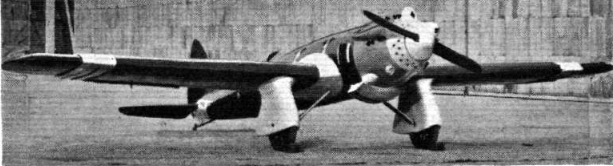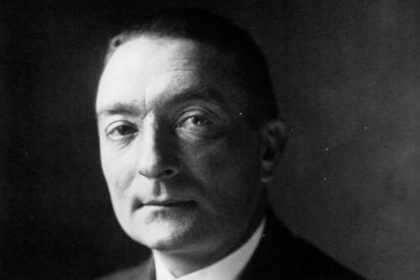
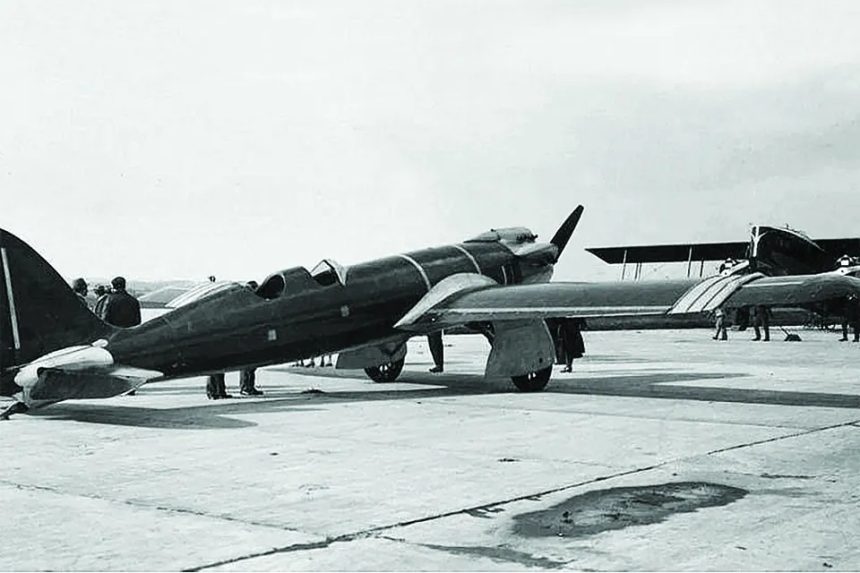


On this day in aviation history, 95 years ago (August 11, 1931), the Makhonine Mak-10 took flight for the first time. This one-of-a-kind experimental French aircraft was built to test variable wing area, specifically telescopic wings. Designer Ivan Makhonine wanted to examine the practicality of a wing that could change shape between phases of flight, offering the aircraft maximum performance at every interval. The method that Makhonine opted to use was that of a decrease in wing area – by span reduction at high speeds.
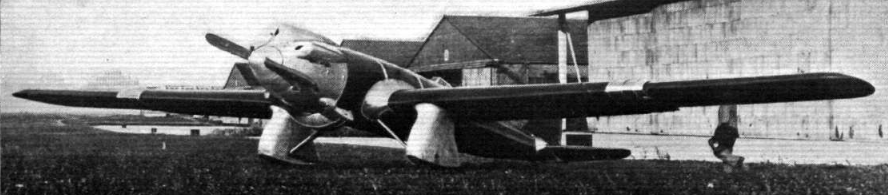
The Makhonine Mak-10’s telescopic wings increased in span for take-off by 26 feet 3 inches, which was 60 percent of the aircraft’s high-speed wing configuration. The Mak-10’s outer panels retracted into the center wing panels. Aside from the variable-geometry wing, the Mak-10 was a conventional aircraft of low-wing monoplane type. The pilots sat in open tandem cockpits, while the rear cockpit was typically faired over. The fixed landing gear also featured fairings for parasite drag reduction. Originally, the Mak-10 was equipped with twin 644-horsepower W-12 Lorraine 12Eb engines. Four years after the aircraft’s first flight, the Lorraine powerplants were swapped out for 800-horsepower Gnome-Rhône 14K Mistral Major 14-cylinder radial engines. The 14Ks gave the Makhonine a boost in performance, with a maximum airspeed of 240 mph. Following the engine swap, the Mak-10 was redesignated as the Mak-101. The original Mak-10 had a wingspan of 69 feet extended and 42 feet, 8 inches when retracted. The aircraft’s gross weight was 11,023 pounds.