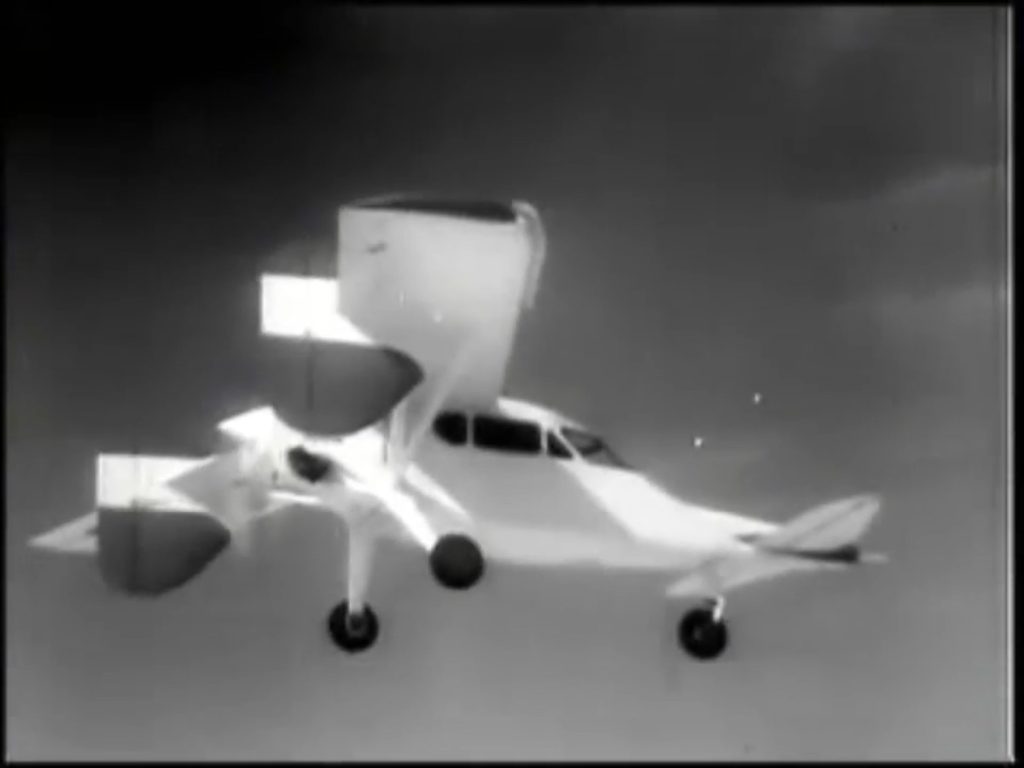
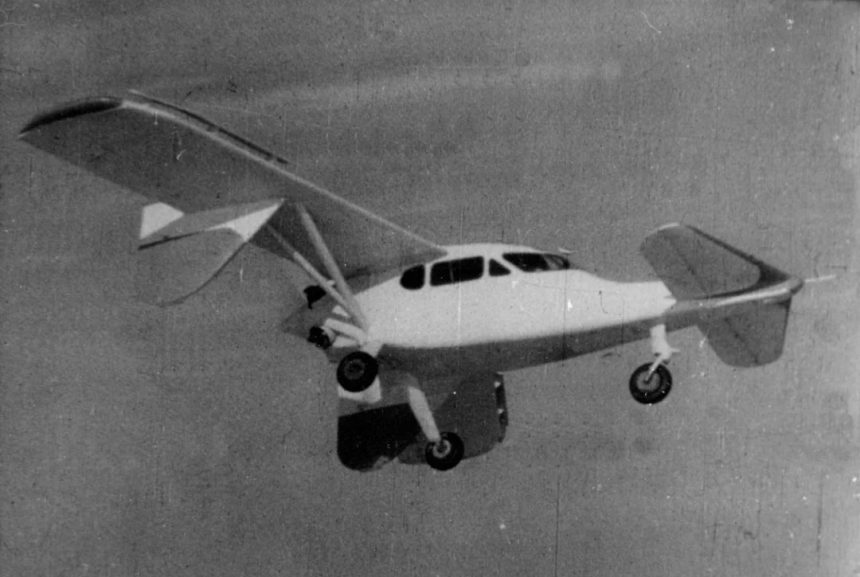


On this day in aviation history, 81 years ago (August 13, 1945), the Mikoyan-Gurevich MiG-8 Utka (Duck) took flight for the first time. An experimental Soviet aircraft, the MiG-8 was of all-wood and fabric construction. This prototype was developed to flight test the novel canard aircraft platform, hence the name Duck. The MiG-8 was the first OKB aircraft to utilize a tricycle undercarriage. A wide array of wingtips and vertical stabilizers were test-flown on the aircraft. The MiG-8’s in-flight stability and handling were tested through rigorous flight programs. In addition to the canard, the Duck featured swept wings. Flight testing revealed the canard and wing-sweep combination to be a favorable prospect as a platform for future jet aircraft. The horizontal stabilizer’s placement at the nose of the aircraft avoided any potential interference from a jet’s exhausts. Data gathered from MiG-8 flight tests were used directly in the development of Mikoyan-Gurevich’s MiG-15.
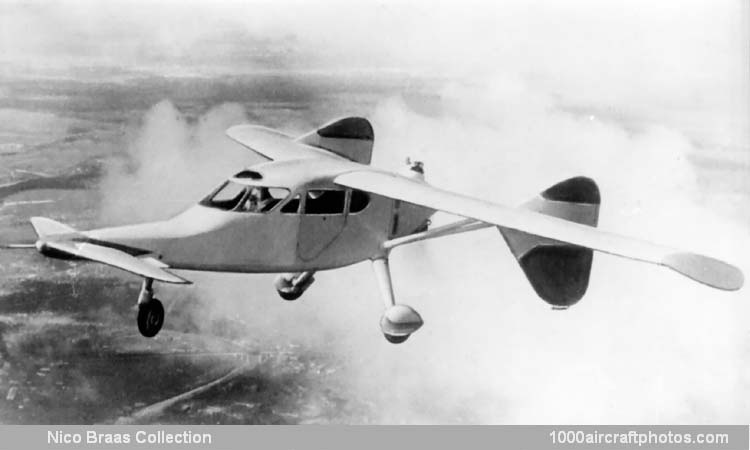
Following flight testing, the MiG-8 was used by OKB as a liaison aircraft for communications and utility duties. Those who flew the Duck reported the canard to have docile handling, with quality low-speed characteristics. The MiG-8 used a 110-horsepower Shvetsov M-11FM 5-cylinder radial engine for power, and the aircraft could attain a maximum airspeed of 127 mph. There was seating for two people, and a gross weight of 2,535 pounds (1,415 lbs empty). The Duck had a range of 270 nautical miles and a landing speed of 48 mph. Mikoyan-Gurevich built only one prototype of the Duck, but it served admirably and paved the way for one of the most feared and successful jet fighters of all time, the MiG-15.