






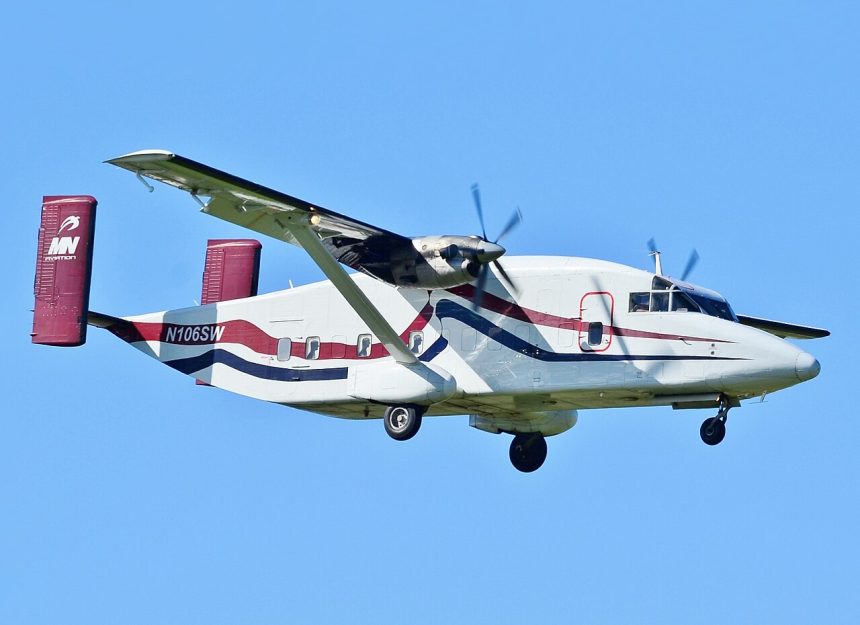

On this day in aviation history, 52 years ago (August 22, 1974), the Short 330 took flight for the first time. Developed by Short Brothers of Belfast, Northern Ireland, the twin-engine turboprop was designed as a short-range regional and commuter airliner capable of carrying up to 30 passengers. The aircraft was developed from the smaller Short SC.7 Skyvan and retained its predecessor’s distinctive box-shaped fuselage and short-field capabilities. The 330 featured a longer fuselage and wingspan than the Skyvan, providing considerably greater passenger capacity while remaining relatively inexpensive to operate and maintain. The aircraft entered commercial service with Canada’s Time Air in 1976 and developed a reputation as a rugged, comfortable, and reliable commuter airliner. Despite being slower than many pressurized competitors, its large cabin and operating economics made it attractive to regional airlines.
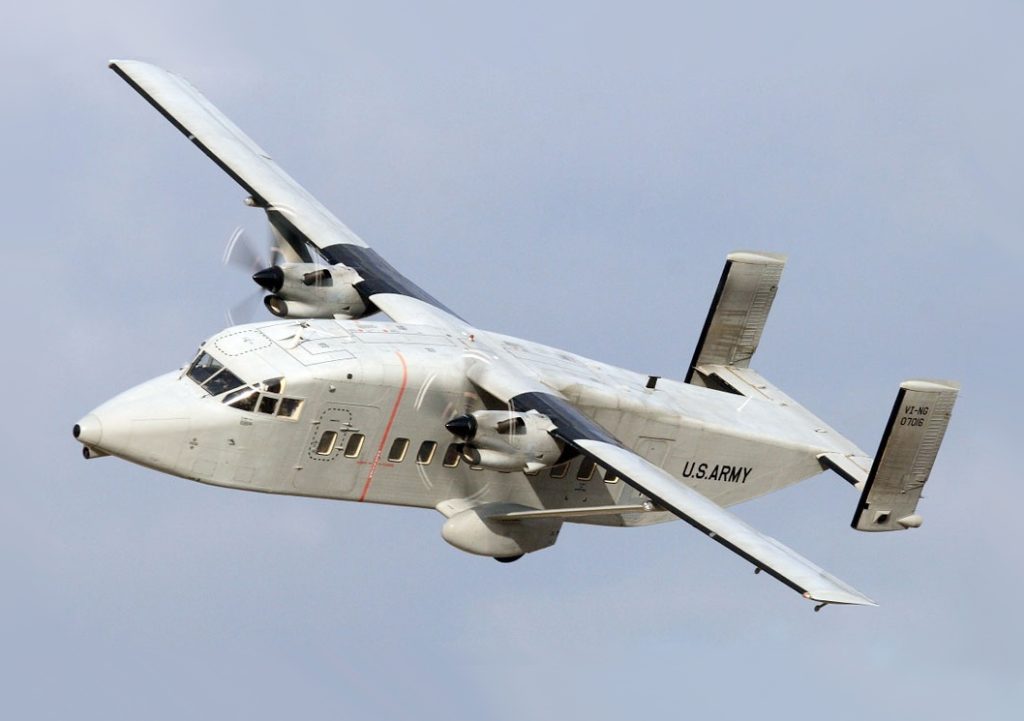
The design also proved useful as a cargo and military transport. Short developed the 330-UTT tactical transport and the Sherpa freighter, the latter featuring a full-width rear cargo ramp. The United States Air Force ordered the Sherpa as the C-23A, with additional aircraft later serving as C-23Bs. Production of the Short 330 ended in 1992 after 141 aircraft had been built, while the basic design was further developed into the Short 360. The Short 330-200 measured 58 feet in length with a wingspan of 74 feet 8 inches and was powered by two 1,198-horsepower Pratt & Whitney Canada PT6A-45R turboprops. The aircraft could reach approximately 220 mph, cruise at 180 mph, and had a range of 1,053 miles. Its service ceiling was 20,000 feet, while the passenger configuration accommodated up to 30 passengers.
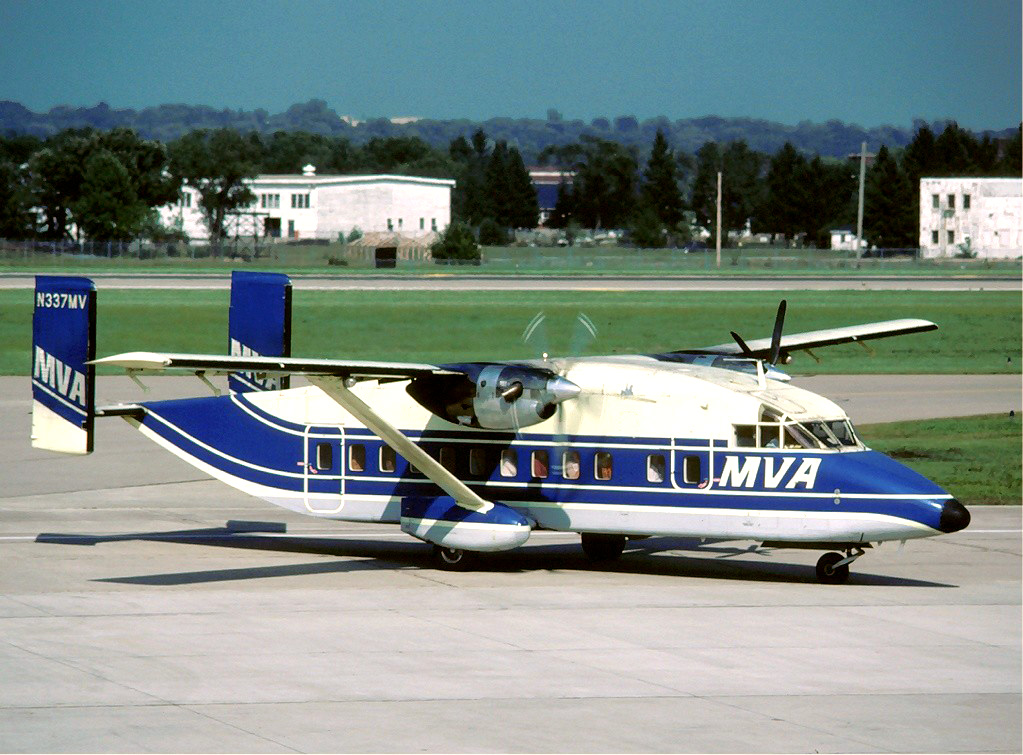









I flew on the Shorts -330 and -360 when Imperial Airlines in San Diego flew them from San to LAX in the 1980’s. Great airplane