
(Image credit: VAN)
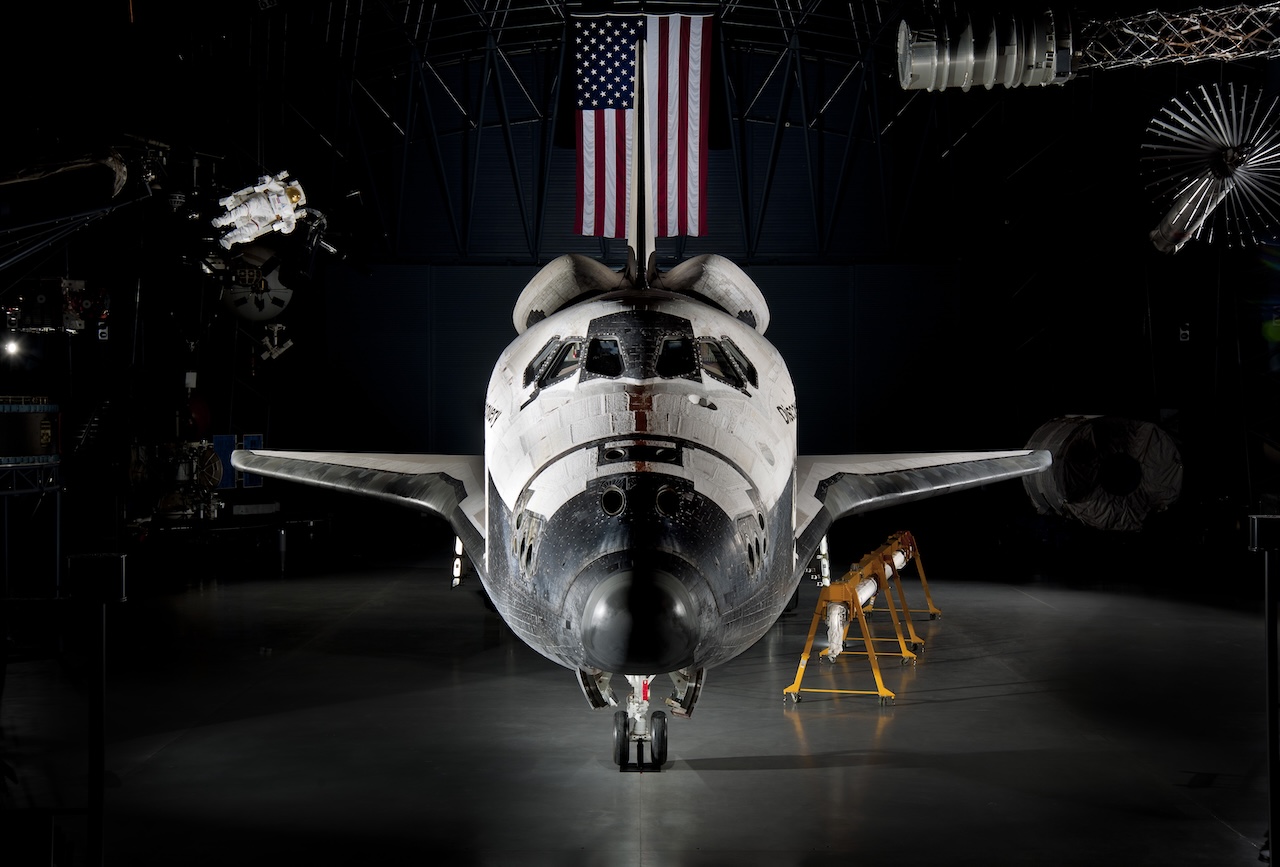
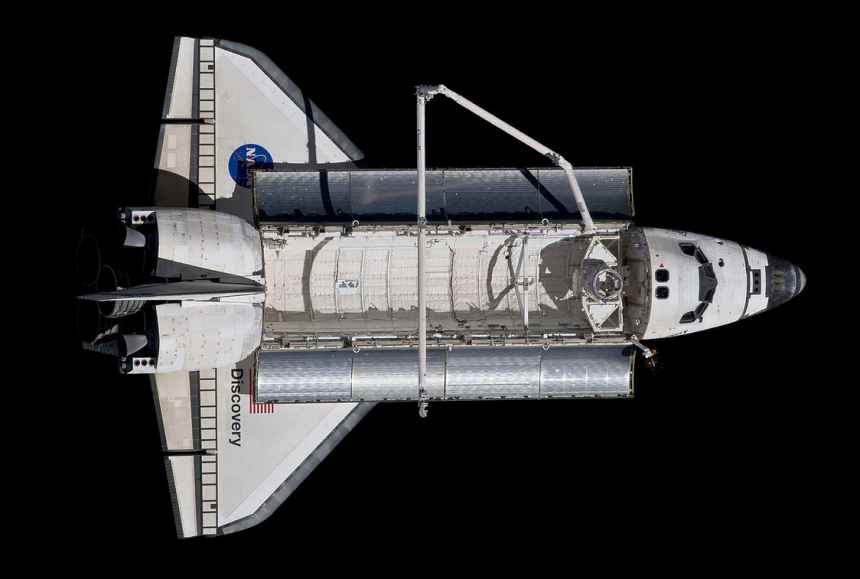
On this day in aviation history, 41 years ago (September 5, 1984), Space Shuttle Discovery successfully completed its maiden voyage into space. Officially designated OV-103, Discovery was the third of NASA’s five spaceworthy orbiters, following Columbia and Challenger, and preceding Atlantis and Endeavour. The prototype orbiter Enterprise (OV-101) had been built for atmospheric and ground testing but never flew in space.
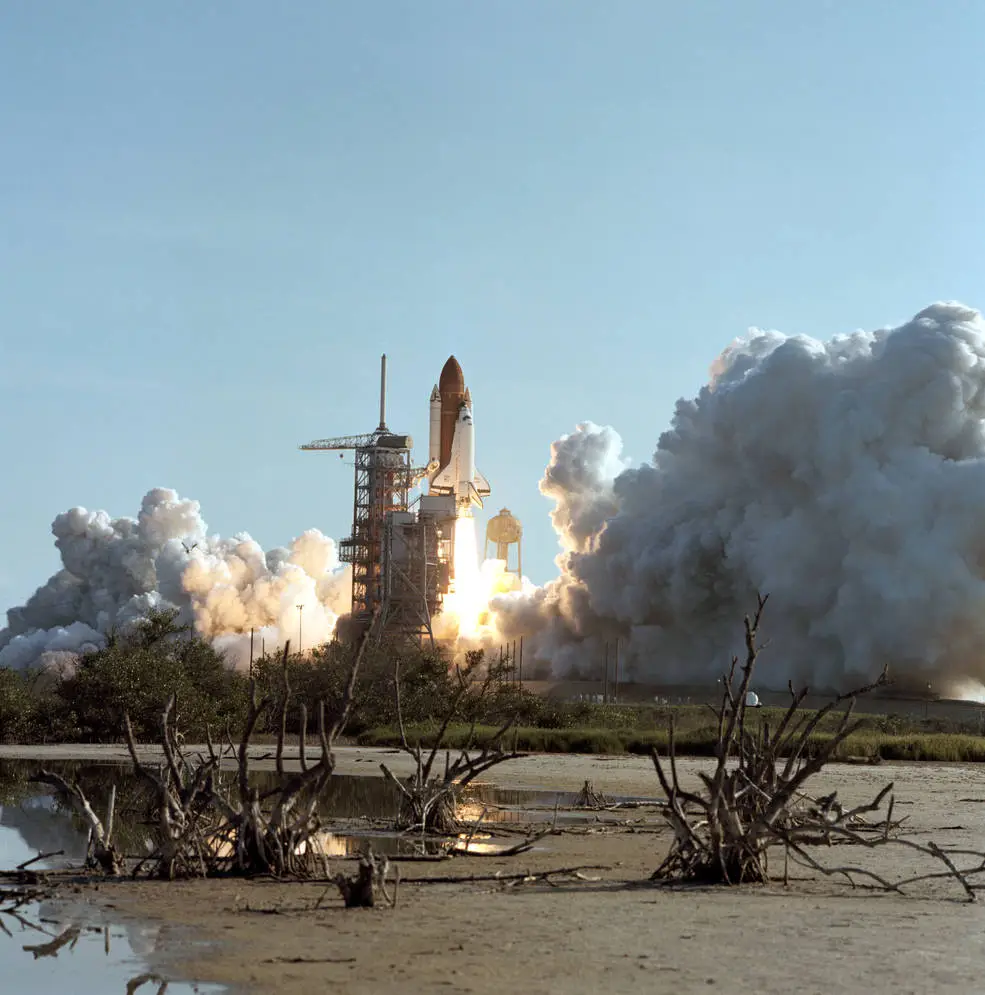
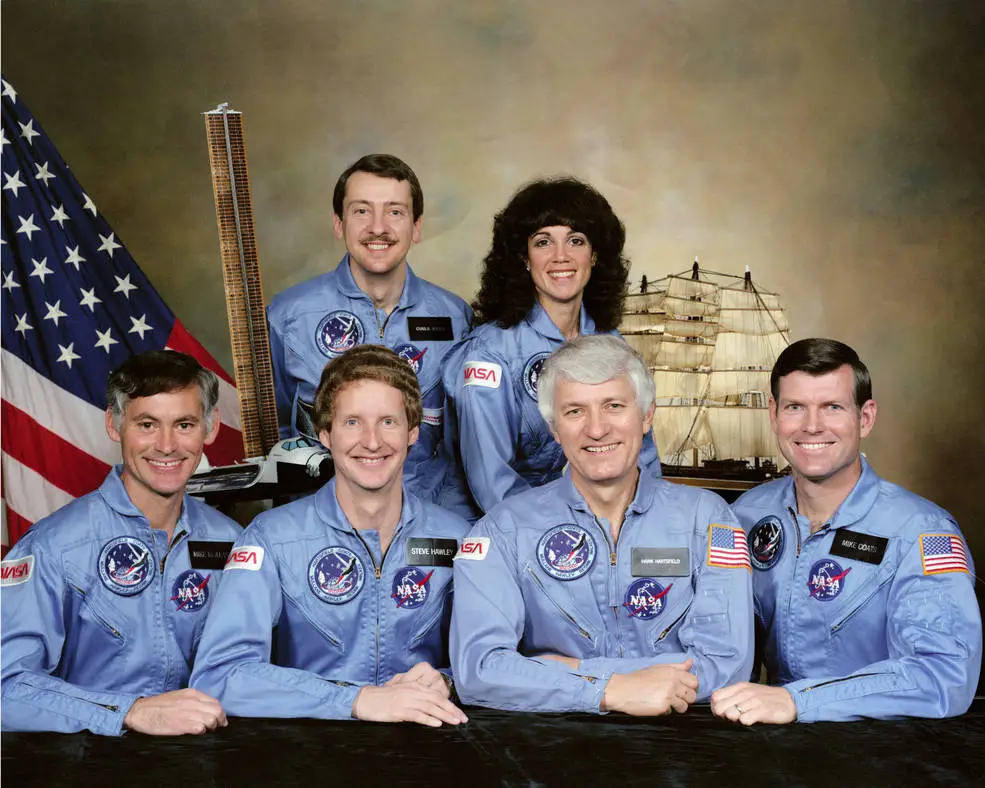
The inaugural mission, STS-41-D, was launched from Kennedy Space Center on August 30, 1984. Its objectives included deploying three communications satellites and testing an experimental solar array. The crew of six was led by Commander Henry W. Hartsfield Jr. and Pilot Michael L. Coats, joined by Mission Specialists Richard M. Mullane, Steven A. Hawley, and Judith A. Resnik, along with Payload Specialist Charles D. Walker. After nearly seven days in orbit, the mission concluded successfully with Discovery’s landing at Edwards Air Force Base, California, on September 5, 1984, at 6:37 a.m. PDT. In total, the orbiter spent 6 days, 56 minutes, and 4 seconds in space, completing 97 Earth orbits.
Construction of Discovery began in 1979 at Rockwell International, with completion on August 12, 1983. Over the course of its career, OV-103 became NASA’s most flown orbiter, completing 39 missions and logging 8,783 hours in space. Its final mission, STS-133, ended on March 9, 2011. Today, Discovery is preserved at the Smithsonian’s Steven F. Udvar-Hazy Center in Chantilly, Virginia, where it stands as one of the most iconic artifacts of NASA’s Space Shuttle Program.