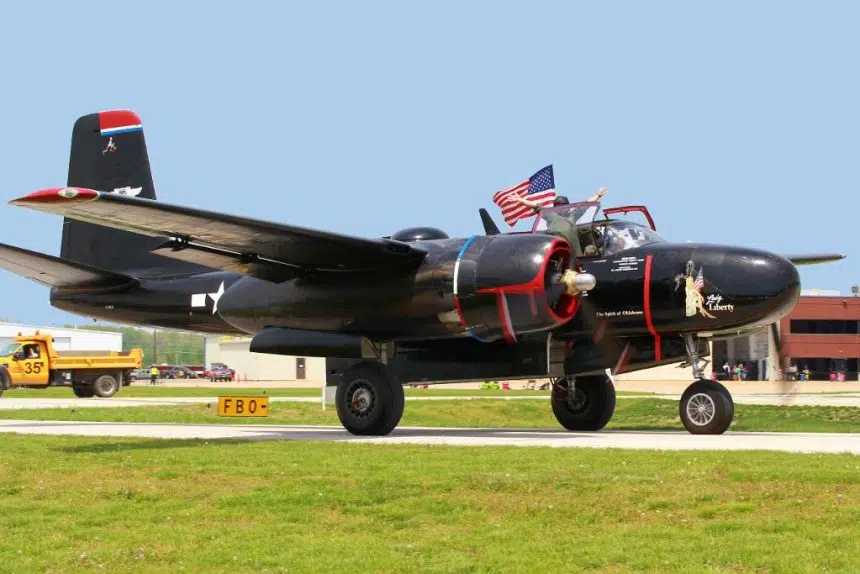

The historic Douglas A-26 Invader Lady Liberty has begun a new chapter at the Tulsa Air and Space Museum (TASM), where the aircraft will be preserved as an educational exhibit and a tribute to America’s military aviation heritage. The aircraft arrived at the museum by truck on July 18, following a decision by the Commemorative Air Force (CAF) that it would not return to flight after sustaining substantial damage in a November 2025 accident. Its transfer to Tulsa will allow the public to continue engaging with an aircraft that spent decades interpreting the service and sacrifice of America’s wartime generations.
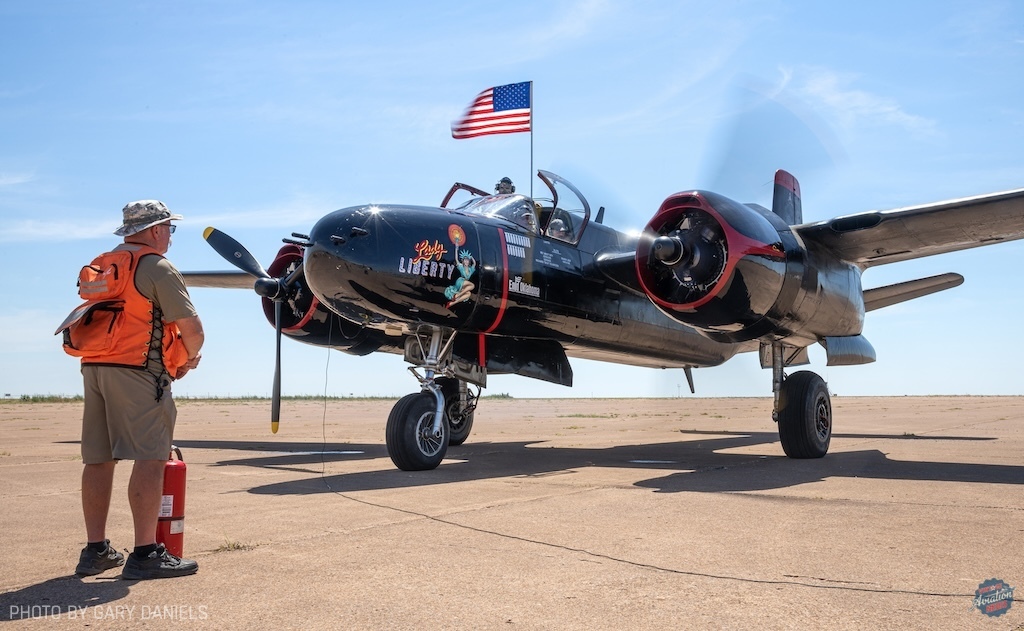
For more than a decade, Lady Liberty served as the flagship of the CAF Lady Liberty Squadron in Enid, Oklahoma. Through appearances at airshows, educational programs, and community events, the Invader introduced thousands of visitors to the history of the Greatest Generation and the wider legacy of American military aviation. Built in August 1944 as A-26B serial number 41-39230, Lady Liberty served with the Ninth Air Force in Europe during WWII. Its long operational history eventually spanned three wars, making it an especially significant surviving example of the Douglas attack bomber. The aircraft was donated to the CAF during the 1980s and became one of the organization’s most recognizable flying artifacts. It earned a strong following on the airshow circuit, where audiences could experience not only its historical importance but also the sight and sound of the twin-engine Invader in flight.
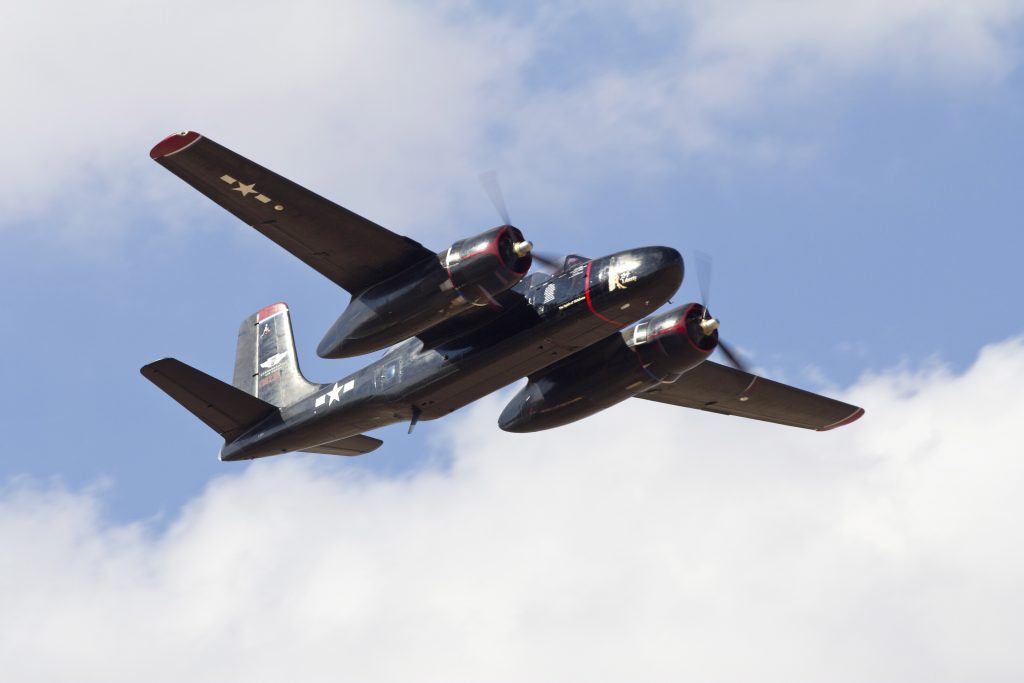
(Image credit: CAF)
That flying career ended following an accident at Ponca City Regional Airport in November 2025. A nose landing-gear failure occurred during an aborted takeoff, substantially damaging the aircraft. No one aboard was injured. In the months that followed, members of the Lady Liberty Squadron worked with CAF maintenance specialists and organizational leadership to assess the extent of the damage and determine the aircraft’s future. After a detailed evaluation, the CAF concluded that returning Lady Liberty to airworthy condition was not feasible. Attention then shifted to preserving the aircraft and ensuring that its story remained accessible to the public. Placement at the Tulsa Air and Space Museum offered Lady Liberty a new educational role while keeping the aircraft in Oklahoma, the state it had called home during its years with the CAF squadron in Enid.
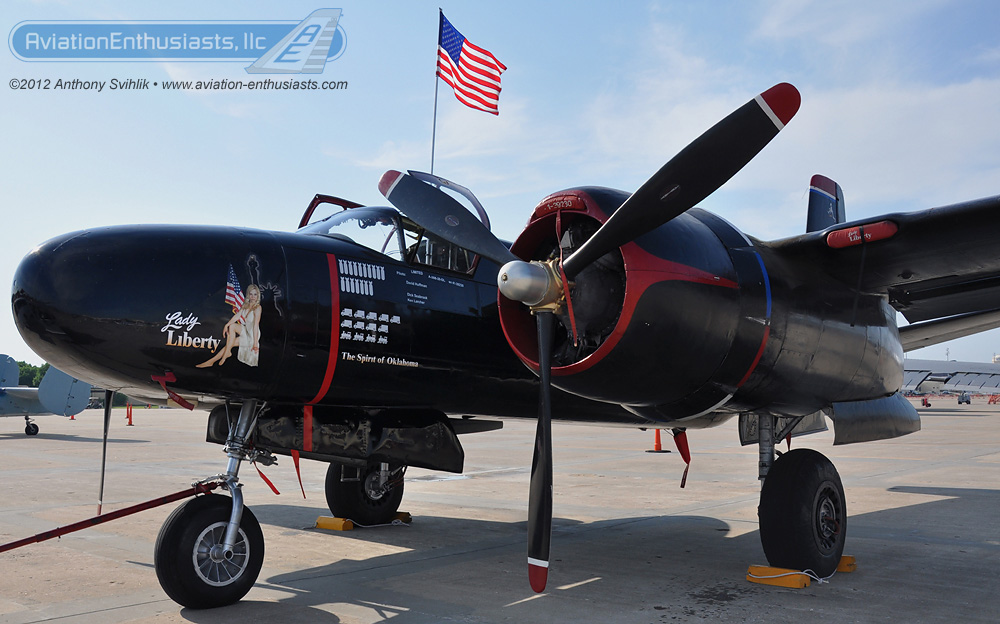
The Tulsa Air and Space Museum traces its origins to 1998, when it opened in a 1940s-era hangar on the campus of the Spartan School of Aeronautics. In 2005, the museum relocated to the Sherman and Ellie Smith Hangar One on a 17.8-acre campus on the north side of Tulsa International Airport. The James E. Bertelsmeyer Planetarium opened the following year with support from Tulsa County’s Vision 2025 initiative, giving many Oklahomans their first opportunity to experience a planetarium. Since opening to the public in May 1998, TASM has welcomed more than 600,000 visitors and developed into an important regional center for aerospace education, tourism, and community engagement. At Tulsa, Lady Liberty will continue the work it performed for years on the airshow circuit—connecting new generations with the people, technology, and history represented by one of America’s most enduring military aircraft designs. For more information about the Tulsa Air and Space Museum, visit www.tulsamuseum.org