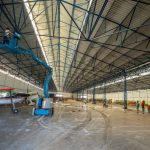
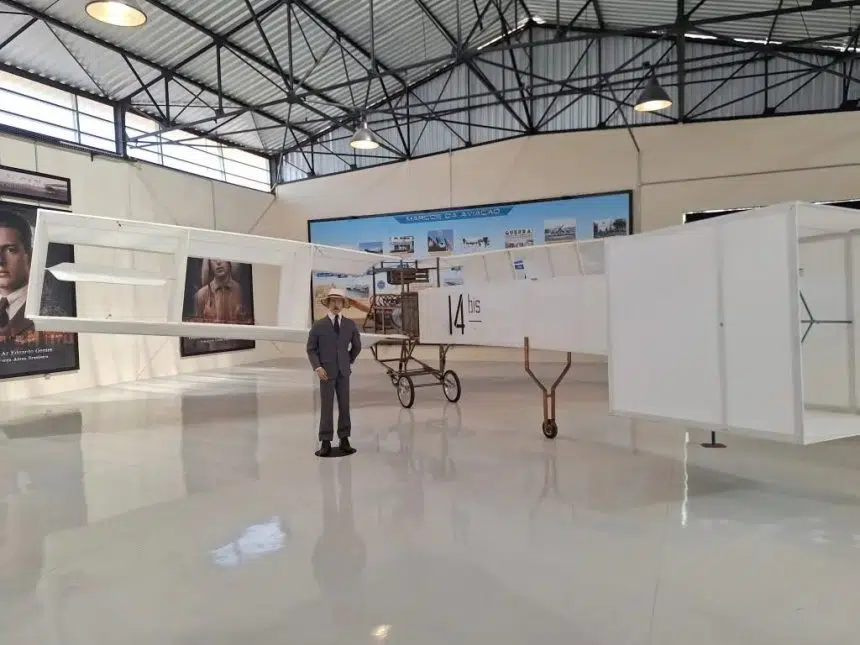

The Brazilian Air Force (Força Aérea Brasileira, FAB) has formally activated the Museu Aeroespacial Paulista (MAPA) and inaugurated its first exhibition facility at Campo de Marte Airport in São Paulo. The July 3, 2026, ceremony marked the completion of the project’s initial phase and the opening of Hangar 01 São Paulo. The facility is located beside the Parque de Material Aeronáutico de São Paulo (PAMA-SP) in the northern part of the city. The milestone follows the continuing development of MAPA, previously reported by Vintage Aviation News. Once completed, the museum is expected to become one of Brazil’s principal centers for the preservation and interpretation of the country’s civil and military aerospace heritage.

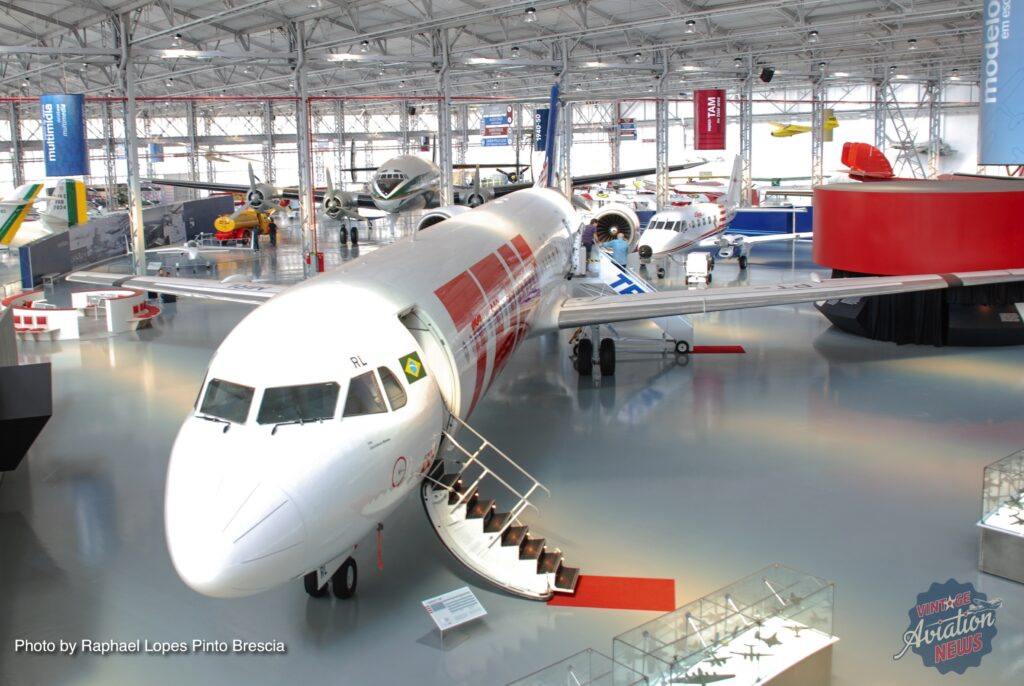
Plans call for the complex to occupy approximately 100,000 square meters and eventually display nearly 100 aircraft. The full museum is scheduled to open in 2028, following the conversion of former military hangars into exhibition and cultural spaces. MAPA is being developed through a partnership between the Brazilian Air Force and the Museu Asas de um Sonho, formerly known as the TAM Museum. The former TAM collection was previously displayed at São Carlos and includes a broad range of historically significant civil and military aircraft.
The project is being led by Marcos Amaro, son of TAM founder Rolim Adolfo Amaro. After assuming control of the institution in 2024, Amaro began working to return the collection to public display in a new setting. Technical assistance has also been provided by the Museu Aeroespacial (MUSAL) in Rio de Janeiro through the Brazilian Air Force’s Historical-Cultural Institute of Aeronautics (INCAER). Under the loan agreement with Museu Asas de um Sonho, as many as 40 aircraft may be transferred to the new museum. The first three were delivered in June 2025, signaling the beginning of the collection’s relocation from São Carlos to Campo de Marte.
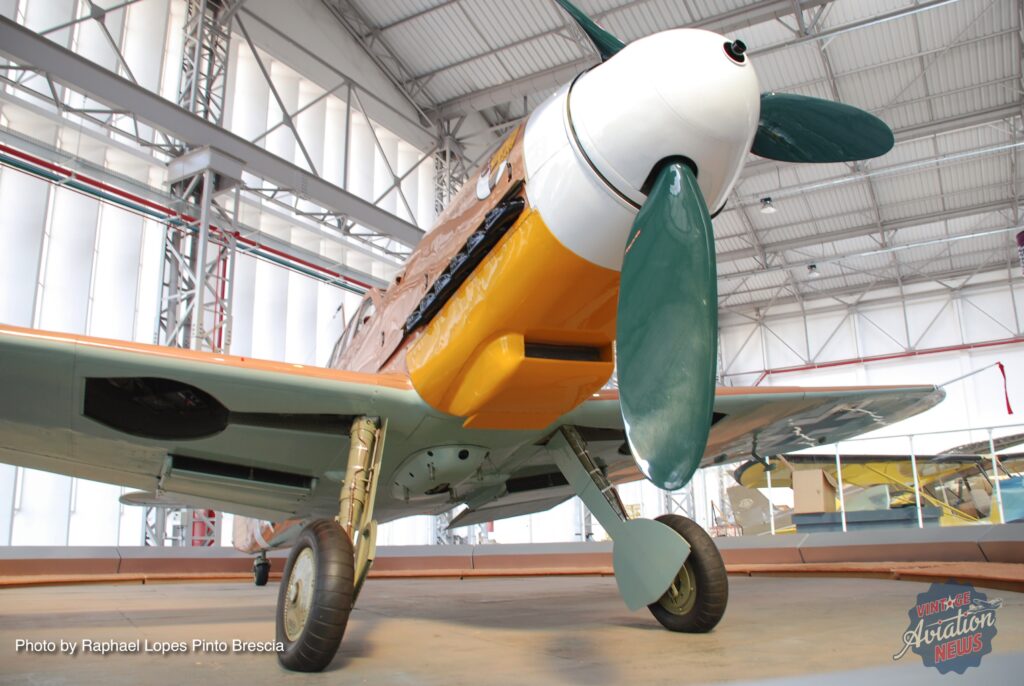
Among the aircraft being transferred are a Supermarine Spitfire and Messerschmitt Bf 109, along with other historically significant aircraft from the former TAM collection. These will be joined by aircraft associated with the Brazilian Air Force and additional examples donated by international manufacturers and organizations. Saab is expected to contribute examples of the Saab 35 Draken and Saab 37 Viggen, adding two important Swedish Cold War aircraft to the museum’s planned international collection.
Transporting the aircraft to São Paulo has required a complex logistical effort. Some of the larger airframes have been moved by road at night, with their wings temporarily removed to allow the fuselages to pass beneath bridges and other obstructions. Once at Campo de Marte, the aircraft are reassembled and prepared for exhibition. The opening of Hangar 01 introduced the first immersive exhibition space at MAPA. The new facility includes aircraft displays, flight simulators, and a mural created specifically for the museum by artist Mena. The next major public activity connected with the project will be the traditional PAMA-SP air show, scheduled to take place at Campo de Marte in September 2026. The event is expected to provide visitors with an early look at the developing museum before the entire complex formally opens.

Support for MAPA’s continued development is also being provided by the Associação dos Amigos do Museu Aeroespacial Paulista (AMAPA). Work will continue over the next two years to adapt additional hangars, relocate aircraft, and prepare the larger museum for its planned 2028 opening. With Hangar 01 now inaugurated, the long-running effort to return the former TAM collection to public display has entered a new phase. The project will also give the Brazilian Air Force a major aerospace museum in the country’s largest city, complementing the work of MUSAL at Campo dos Afonsos in Rio de Janeiro.
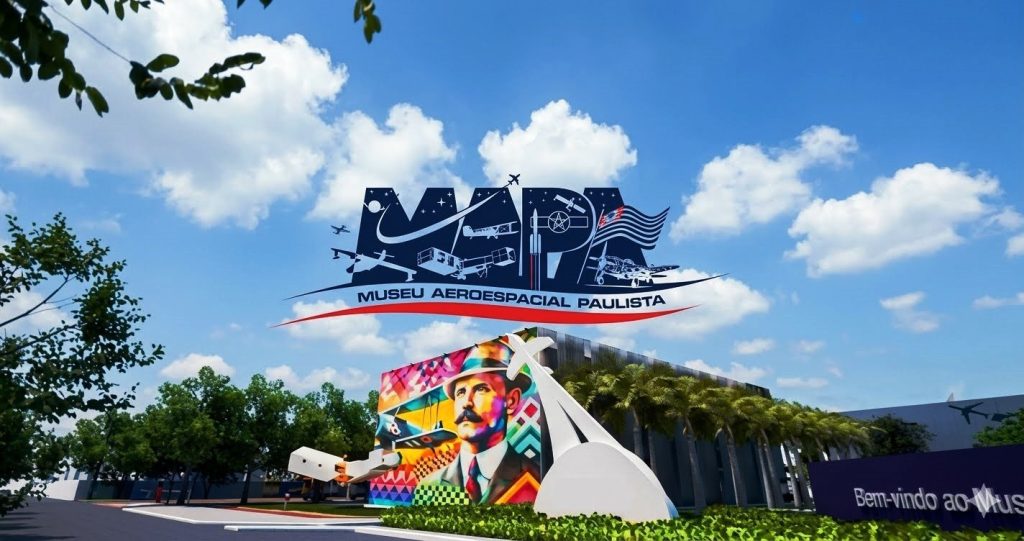
(Image credit: MAPA – Museu Aeroespacial Paulista)