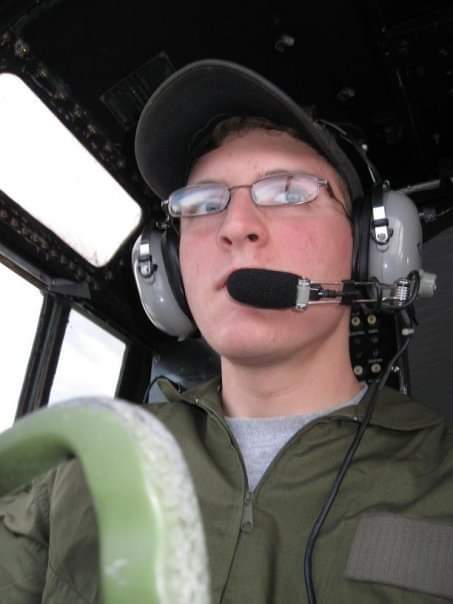
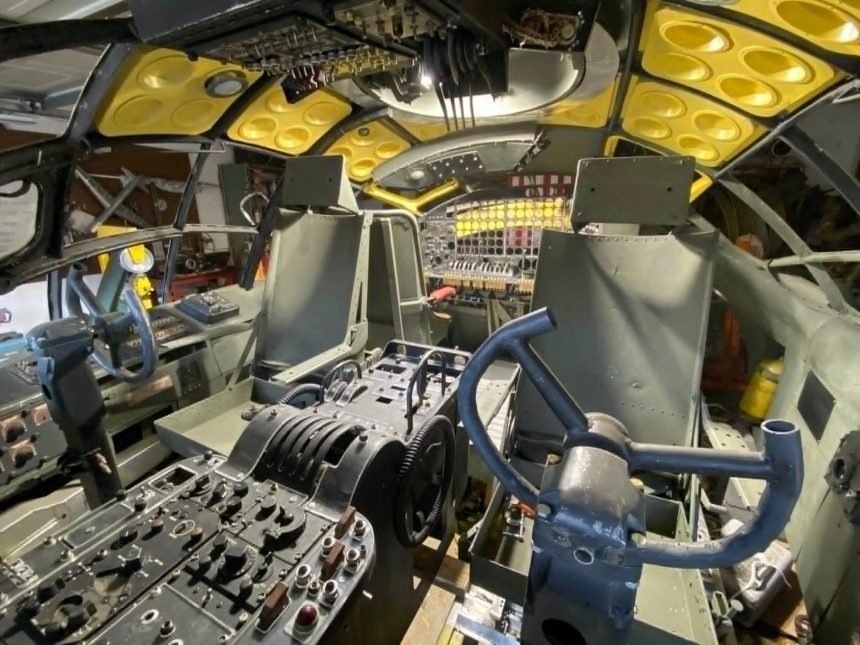

Since our last update in January, progress on the “Last B-36” project continues steadily under the skilled hands of Brian Pierson. The B-36H “want list” posted in Pierson’s garage workshop still has a few unchecked items, but that hasn’t slowed the West Virginia craftsman as he pushes forward with his ambitious strategic bomber build.
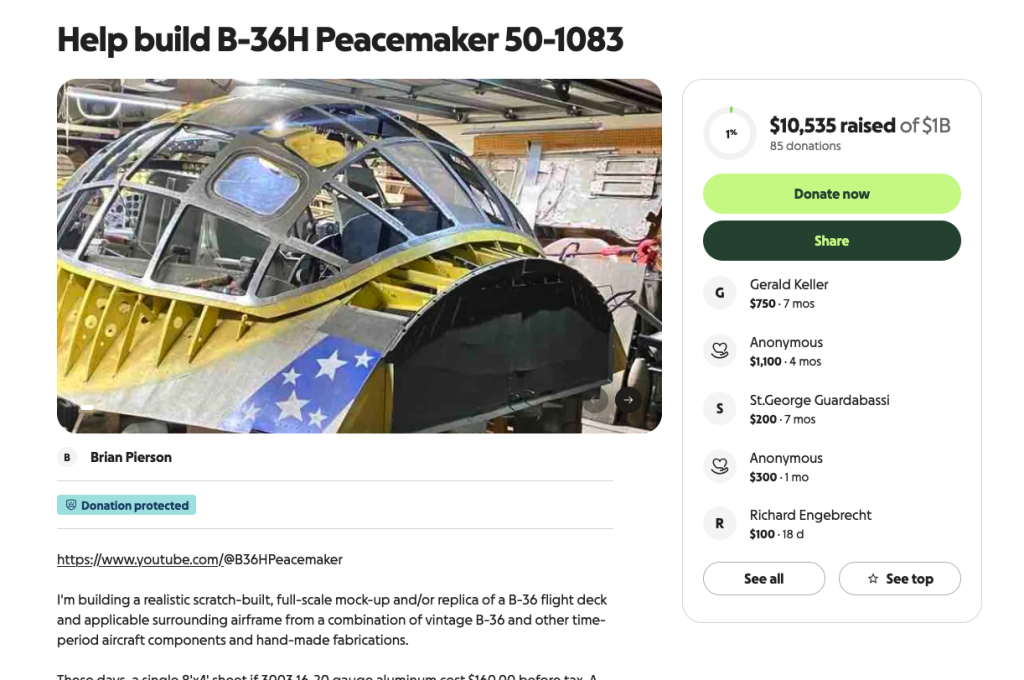
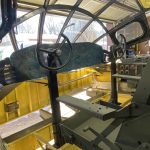
One line item on that list—“lots of money”—remains a work in progress. Still, a recent contribution provided enough support for Pierson to complete one of the project’s most complex elements: a fully functional flight engineer’s mixture and throttle control system. The component required more than 500 hours to design and fabricate. Pierson has also advanced work on the engineer’s station, installing the main electrical panel and rebuilding portions of the station’s table to improve historical accuracy and replace earlier pop-rivet construction.
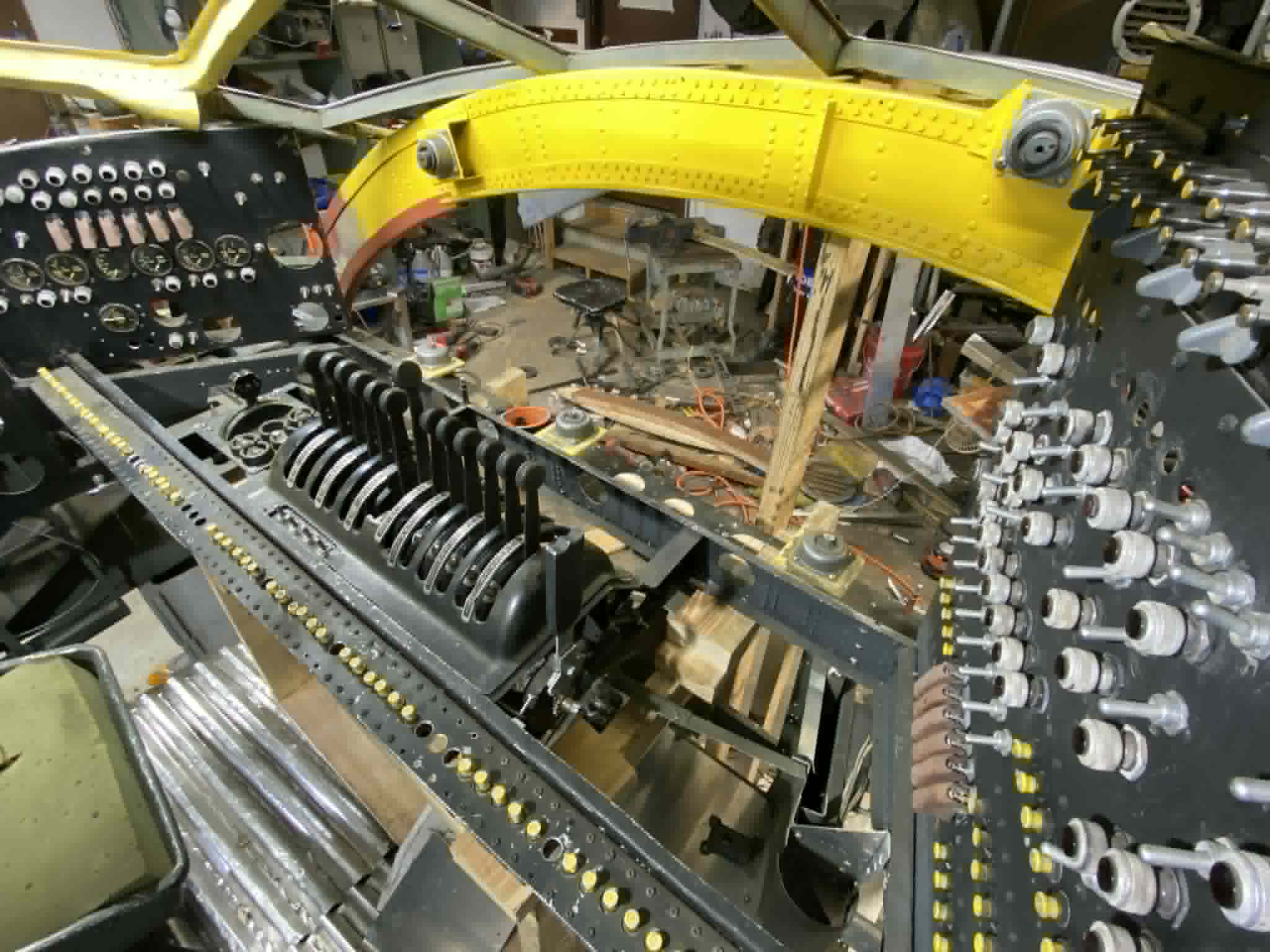
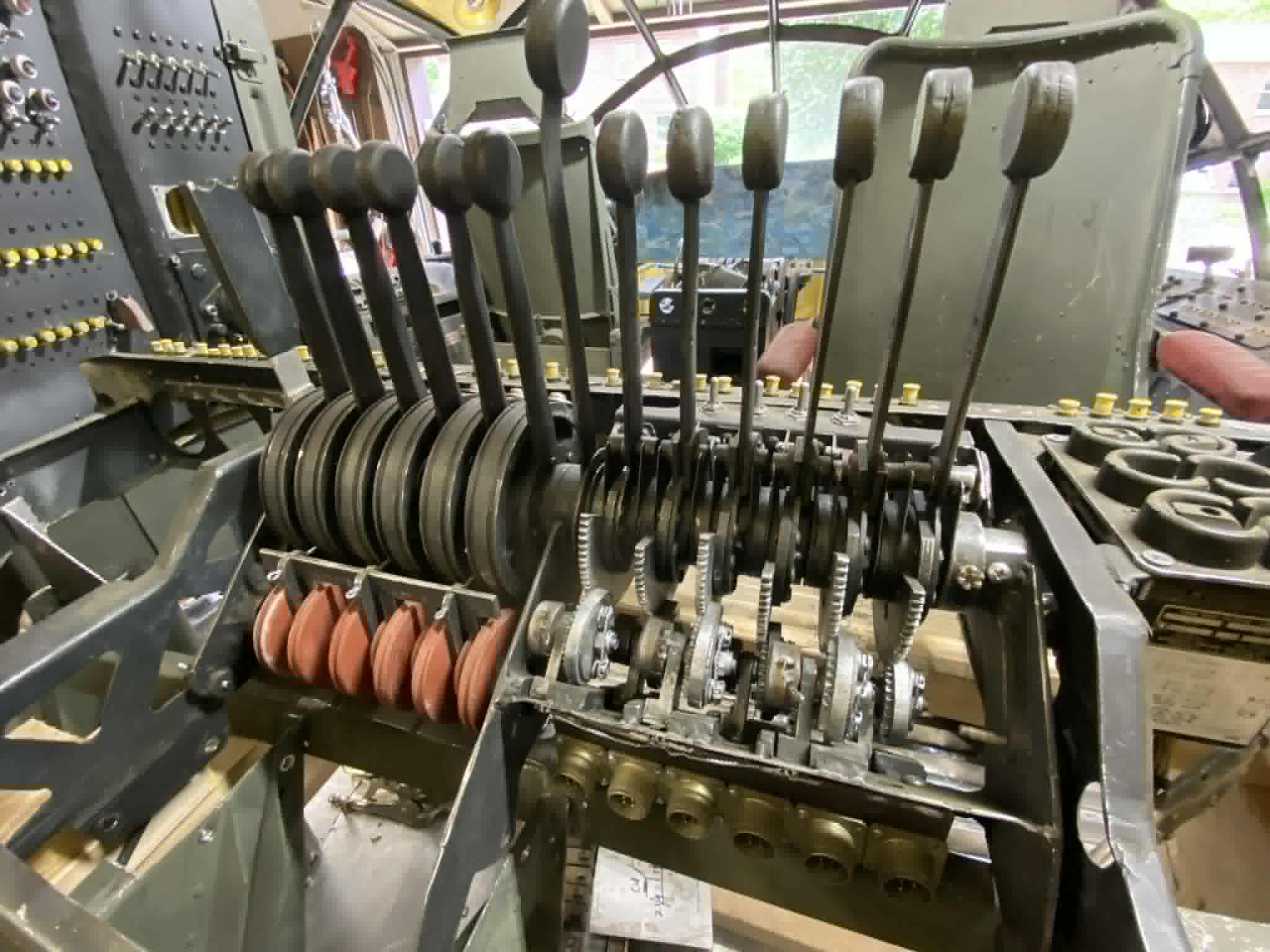
That focus on authenticity extends throughout the project. Pierson reports that much of the aft section of his B-36H (s/n 50-1083) now features solid rivets, replacing the pop rivets used in earlier stages. Converting to correct fasteners has been labor-intensive, but Pierson is methodically matching his work to period photographs of the real aircraft. Aft of the flight engineer’s table, the rear portion of the flight deck has also seen significant progress. Pierson has mounted the electric propeller synchronizer and fabricated both the synchronizer and breaker boxes from scratch. Continuing that hands-on approach, he has also built the fuel control line pulley structures, which he plans to use to link the engineer’s throttle controls with those of the pilot.
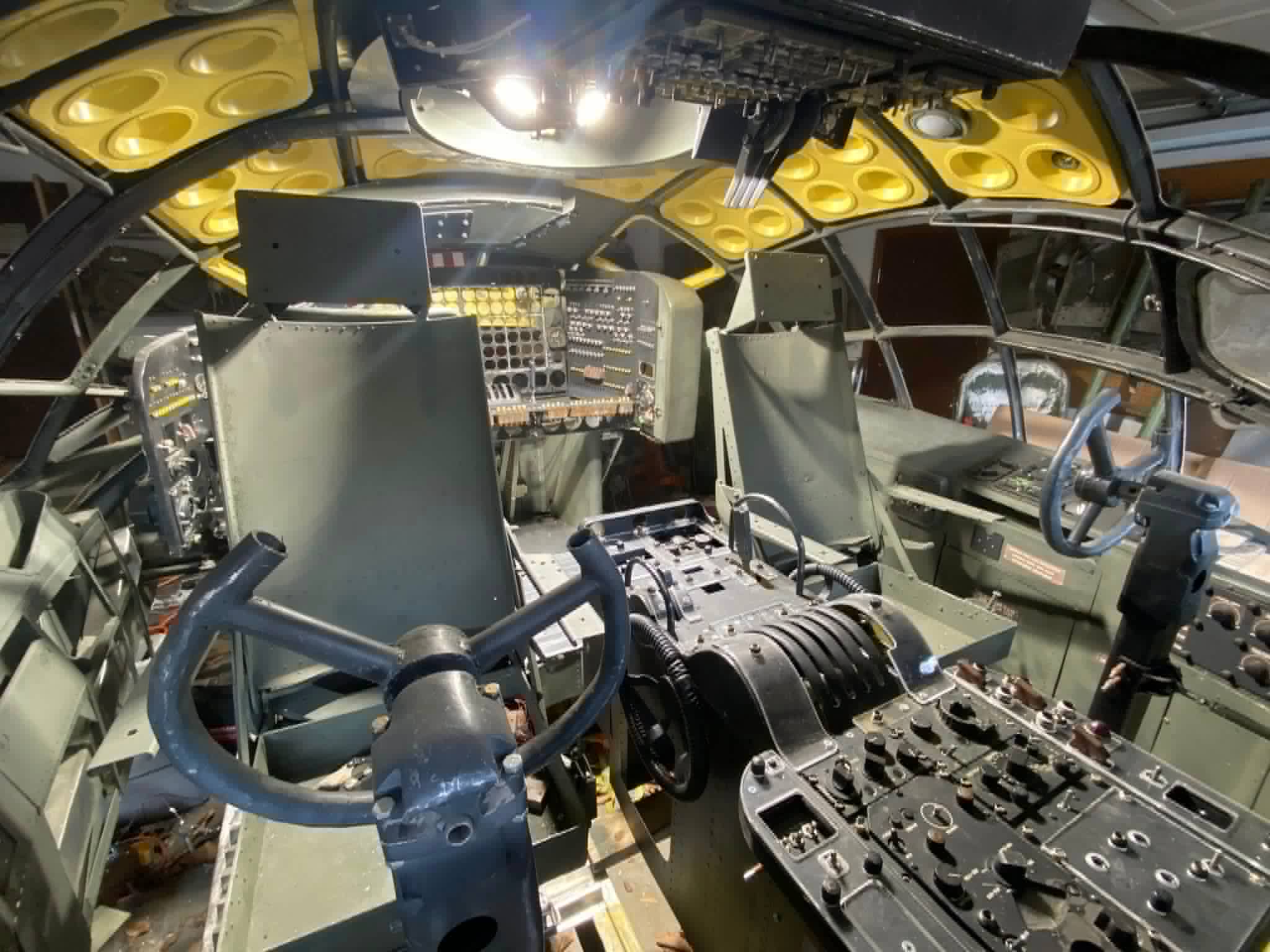
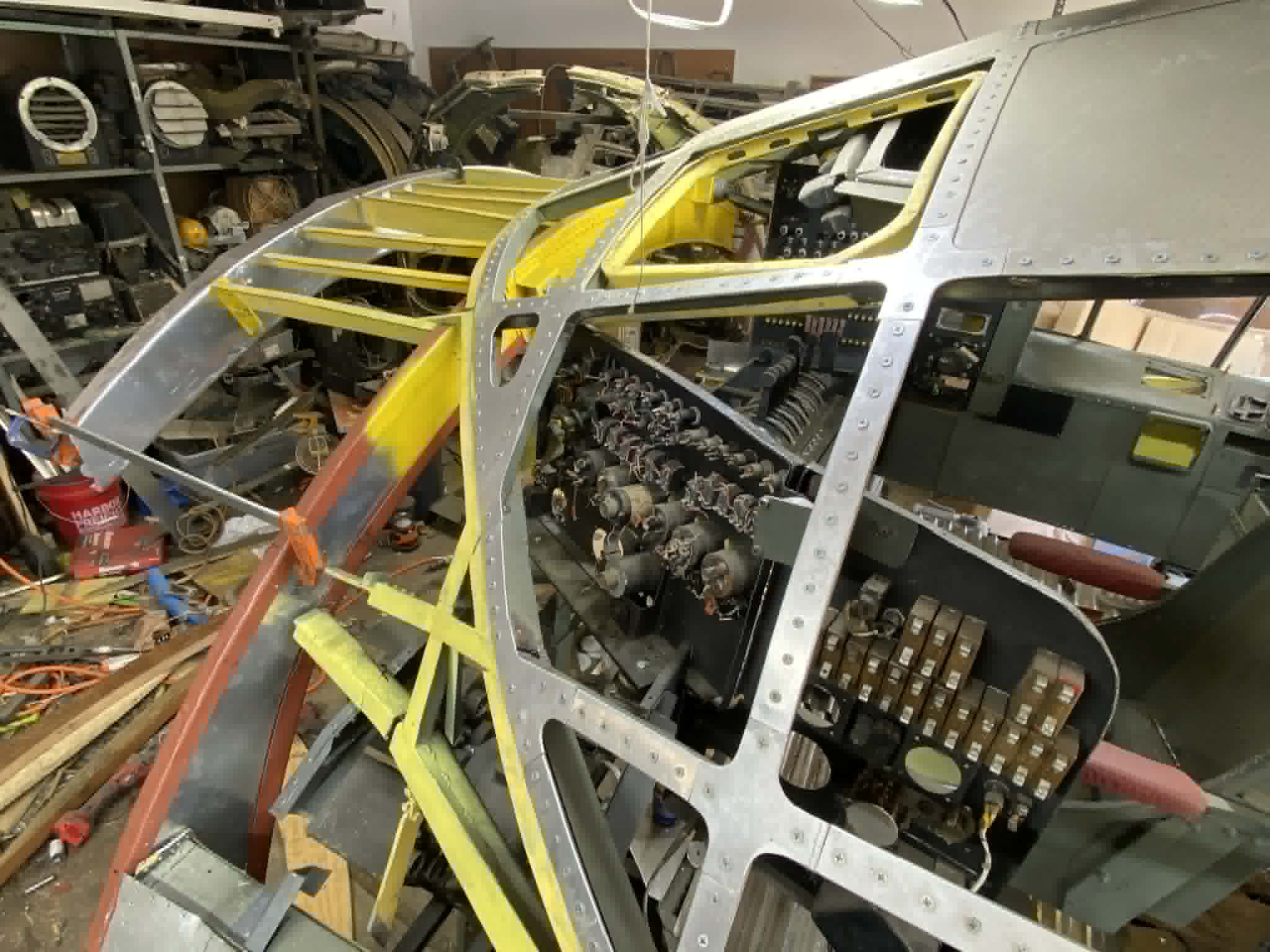
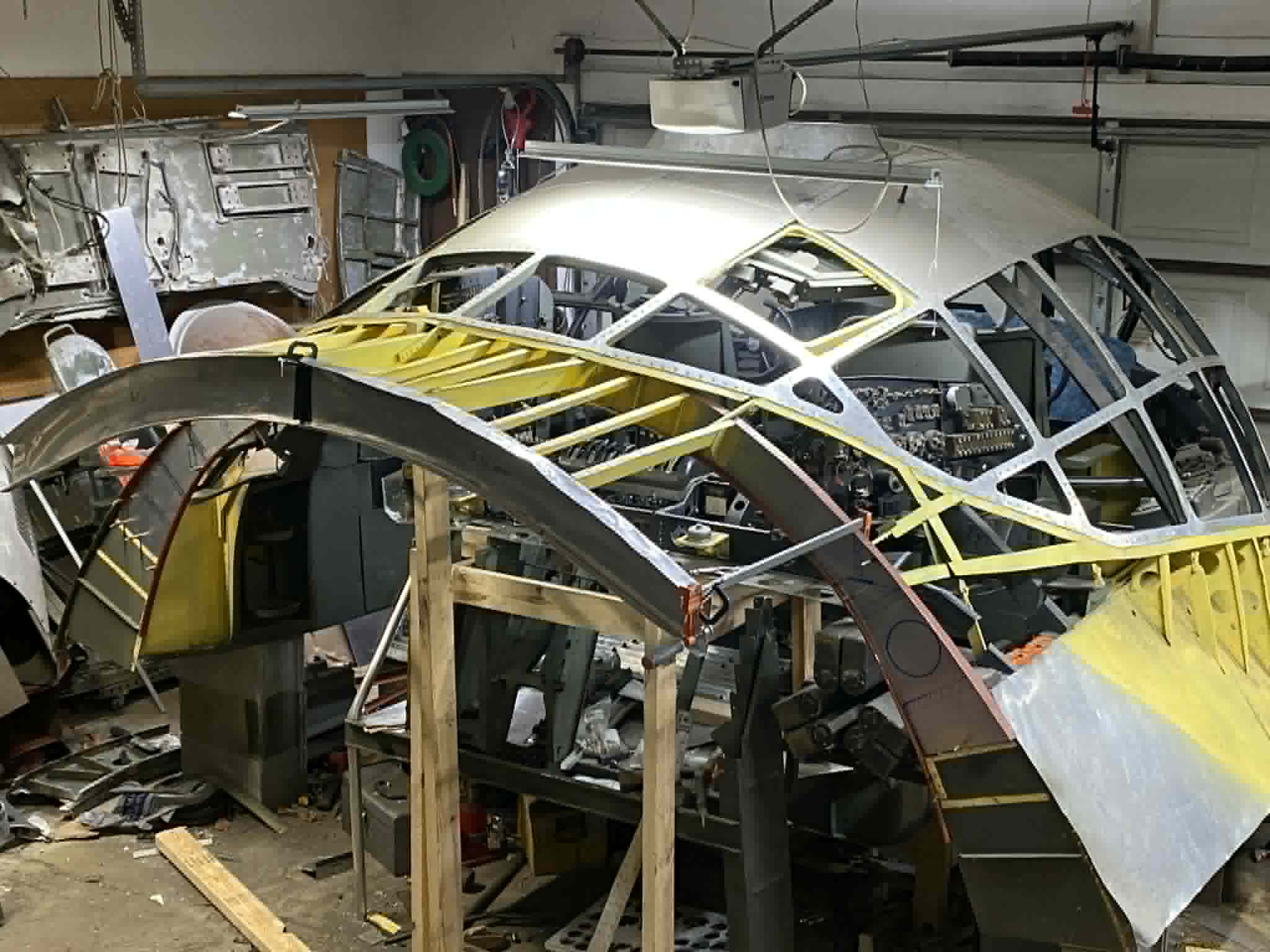
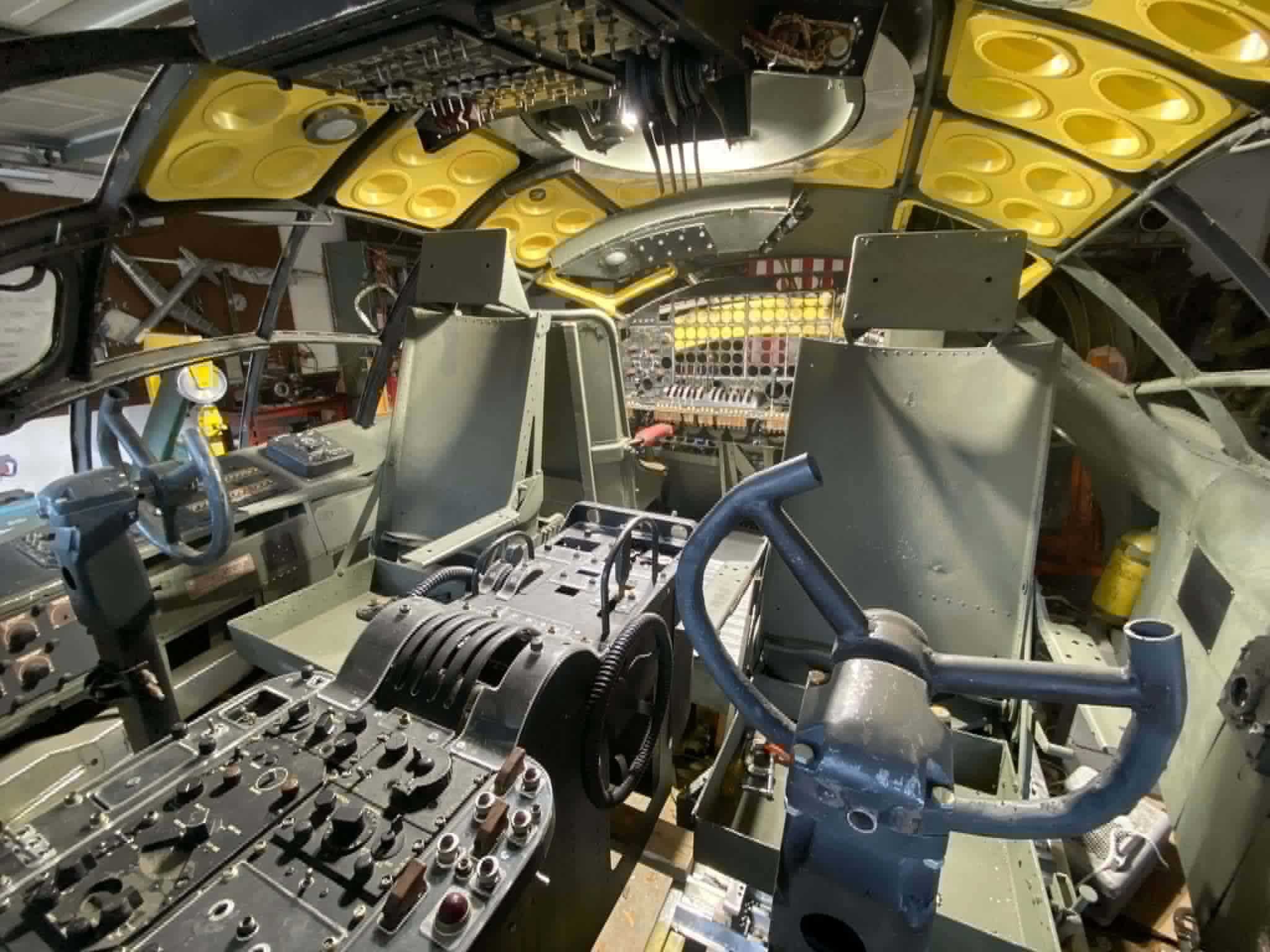
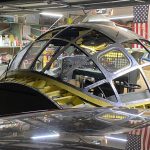
Elsewhere, fuselage bulkhead 3.0 is being rebuilt—again, rivet by rivet—as Pierson replaces earlier work with more accurate construction. These refinements have brought the canopy and flight engineer’s station to their correct height. Attention to detail remains central to the project, extending even to smaller features such as the navigator’s astrodome clipboard, which Pierson recreated based on reference photographs.
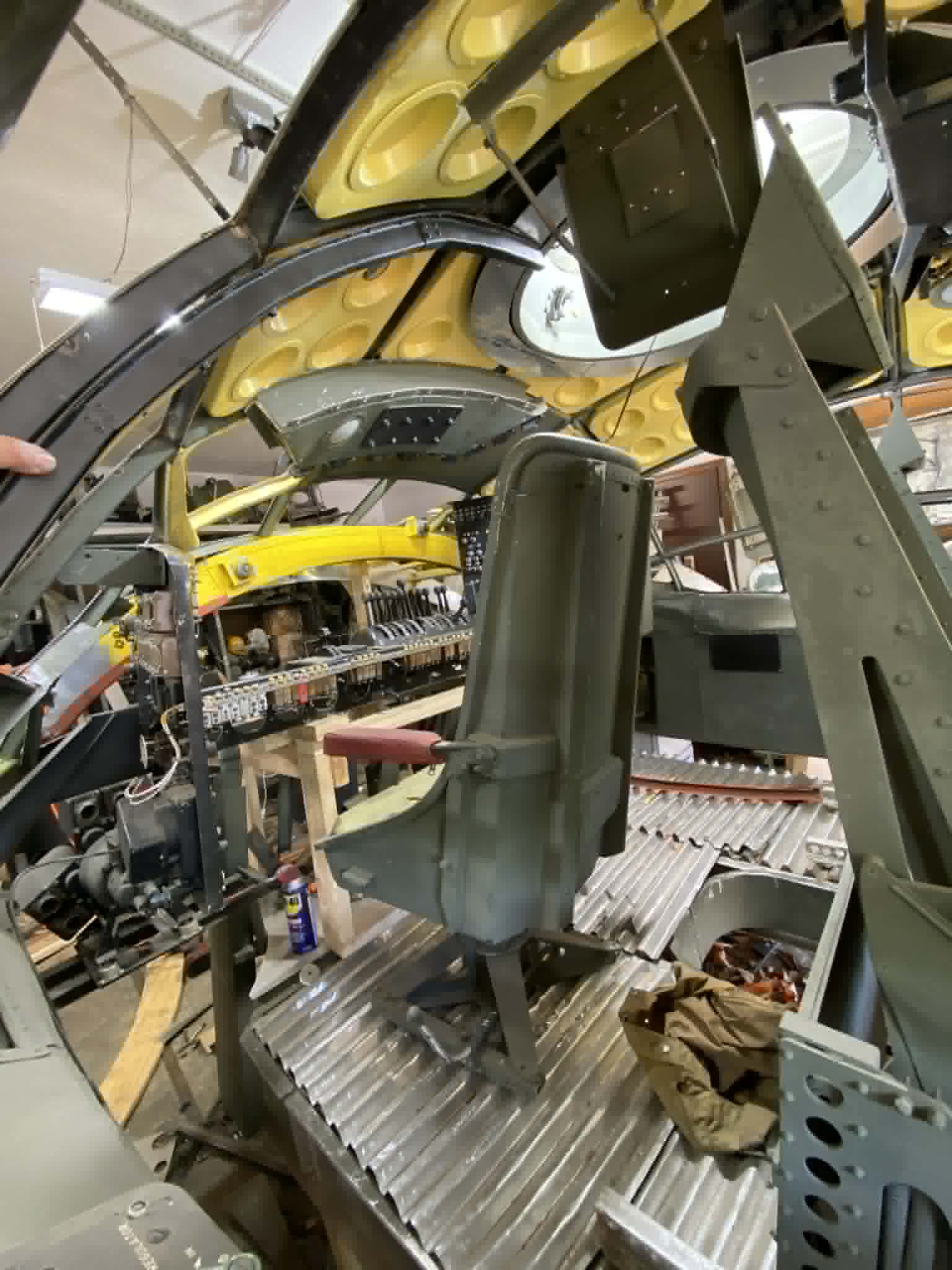
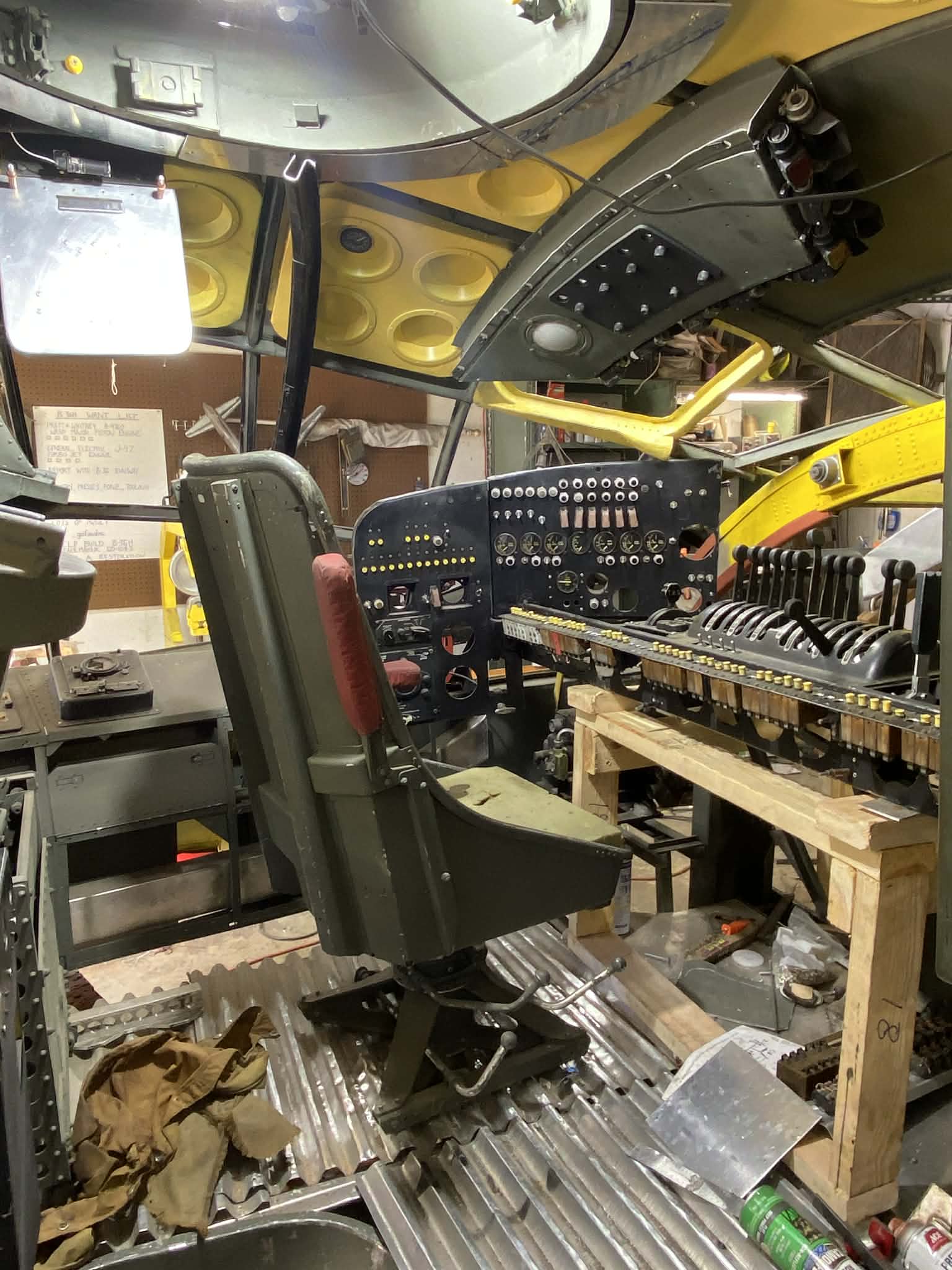
In recent days, work has begun on fuselage bulkhead 3.1, marking progress roughly one-third of the way into the radio compartment. Looking ahead to summer 2026, Pierson plans to mate the flight deck to the fuselage and connect the pilot’s center console. He also aims to begin constructing the pilot’s control linkages, pending additional reference materials.

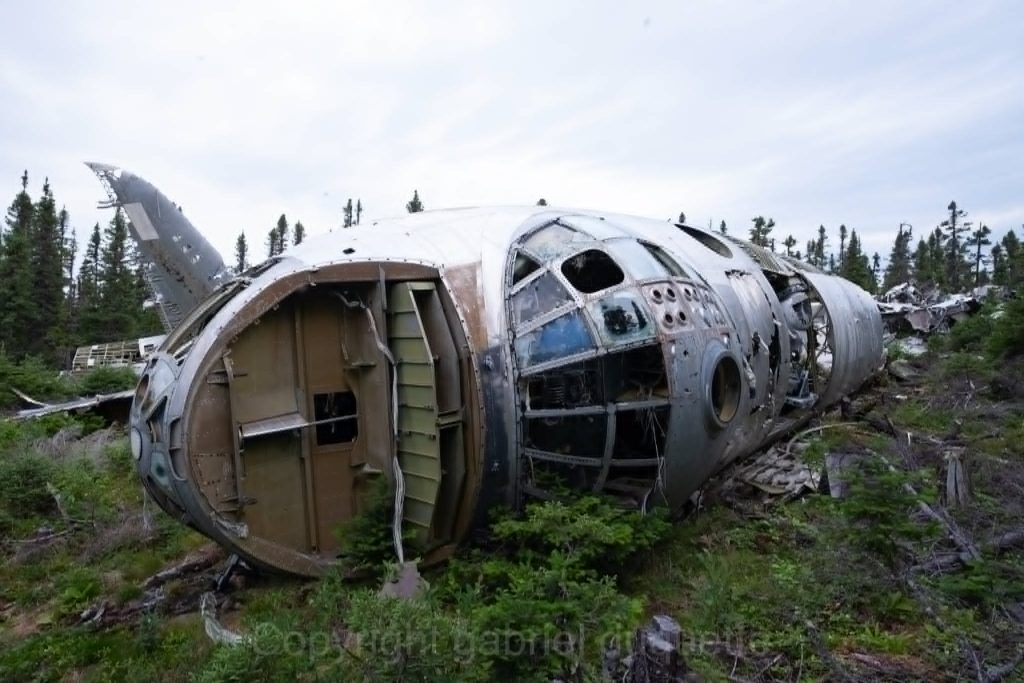
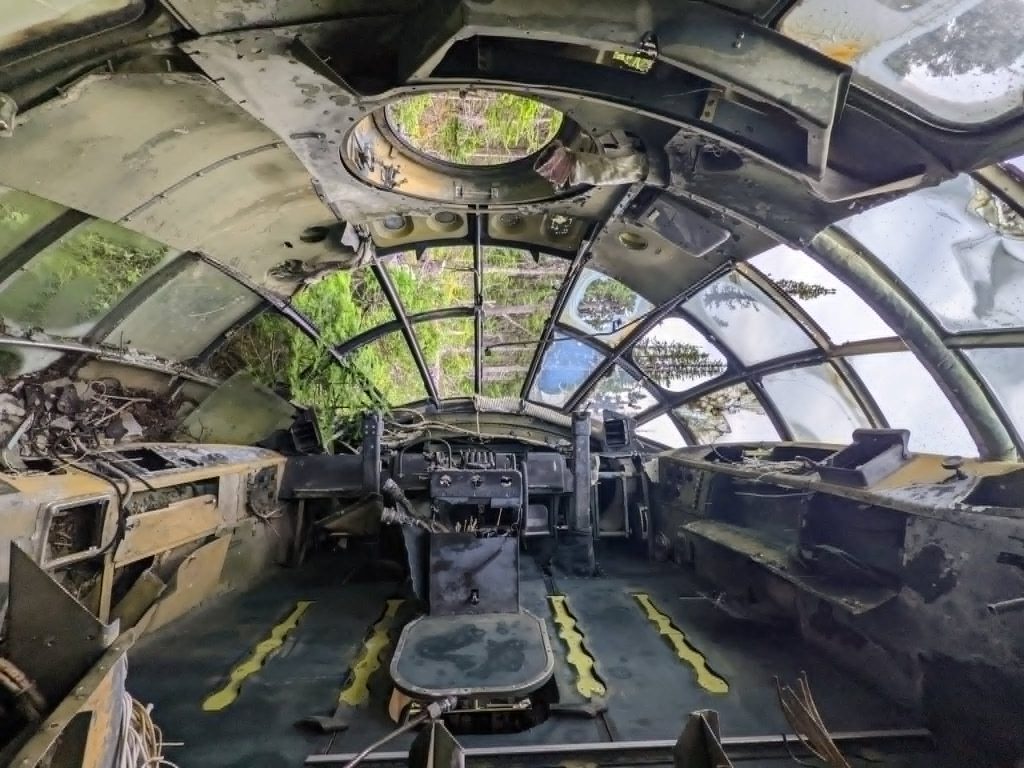
The “Last B-36” project continues to draw growing interest. Pierson was recently featured in an interview with the Commemorative Air Force on its WarbirdTube YouTube channel. He extends his thanks to the CAF, The Flying Dutchman Podcast, and the Castle Air Museum team for their continued support. Special acknowledgment also goes to Canadian photographer Gabriel Duquette, whose high-resolution crash site images of B-36H 51-5729 have provided invaluable reference material—particularly for otherwise inaccessible structural details. As always, we at Vintage Aviation News look forward to the next chapter in this remarkable undertaking. If you wish to support Brian’s efforts to recreate this magnificent piece of aviation history, consider donating to his project via GoFundMe