






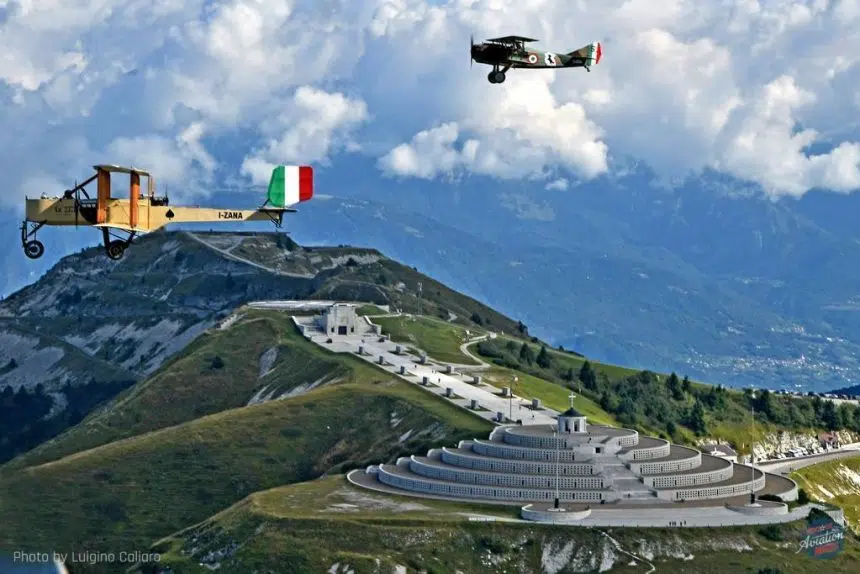

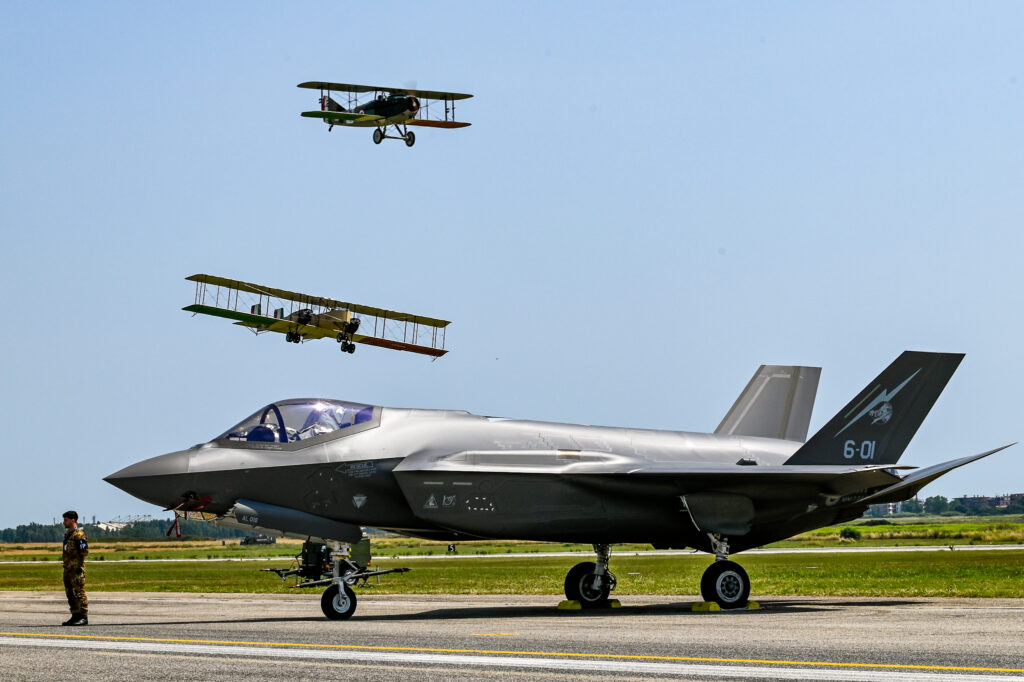
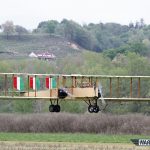
On August 23, 2026, two of the Jonathan Collection’s airworthy replicas—the Caproni Ca.3R I-ZANA and SPAD XIII I-JONA—took part in a commemorative flight over northeastern Italy. The mission honored the soldiers who lost their lives on Monte Grappa and across the Asiago Plateau during WWI, while also marking the 90th anniversary of Asiago Airport. Aviation photographer and historian Luigino Caliaro documented the flight from a de Havilland DH.82A Tiger Moth flown by Davide Ongaro.

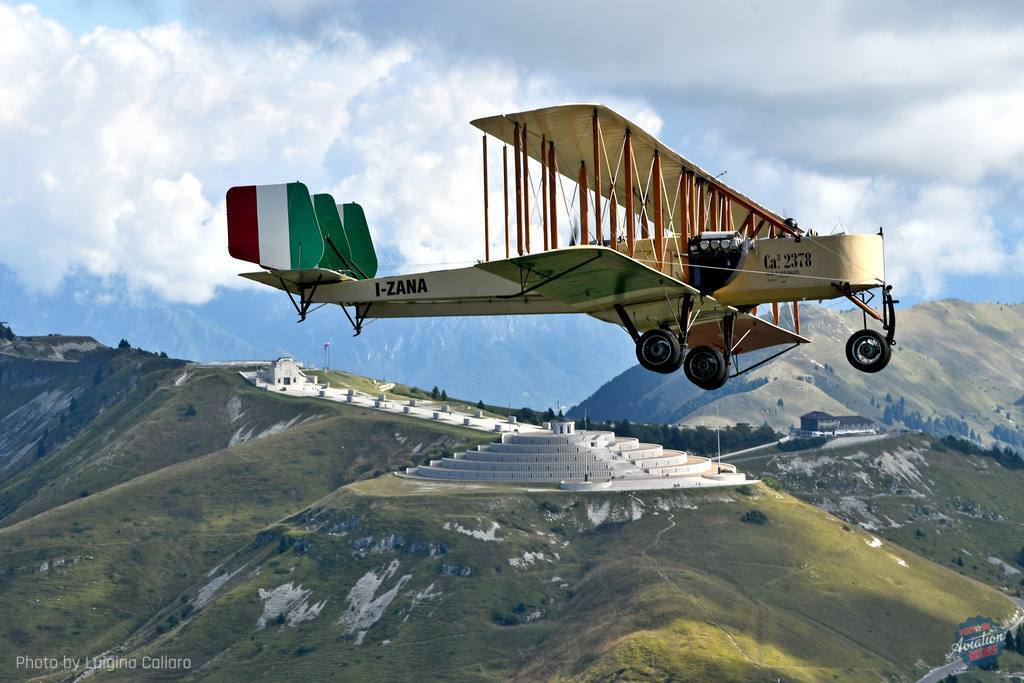
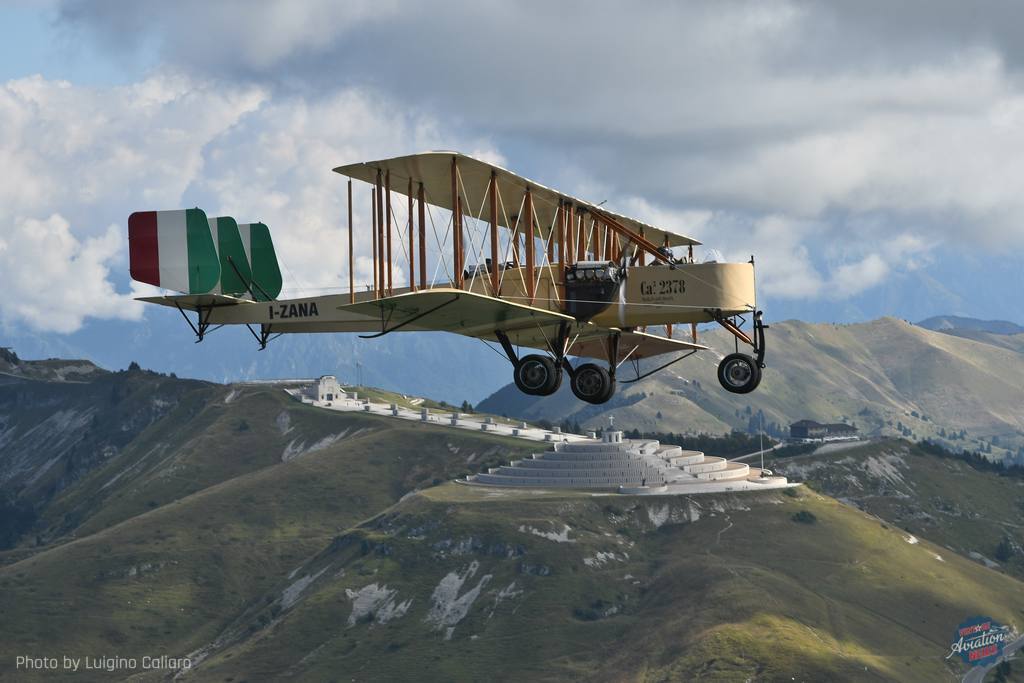
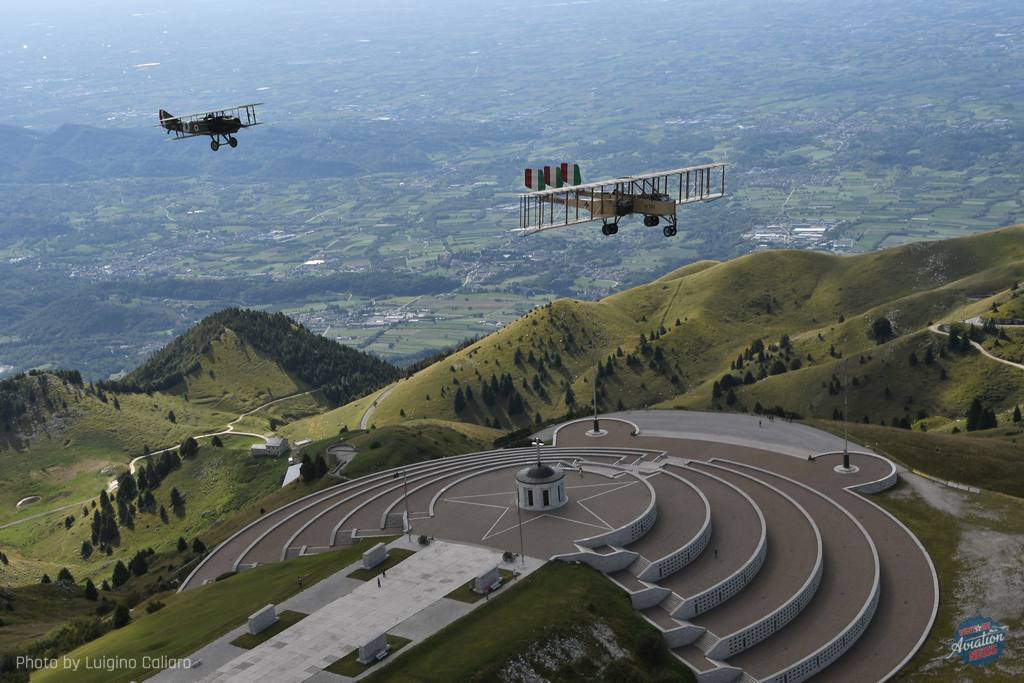
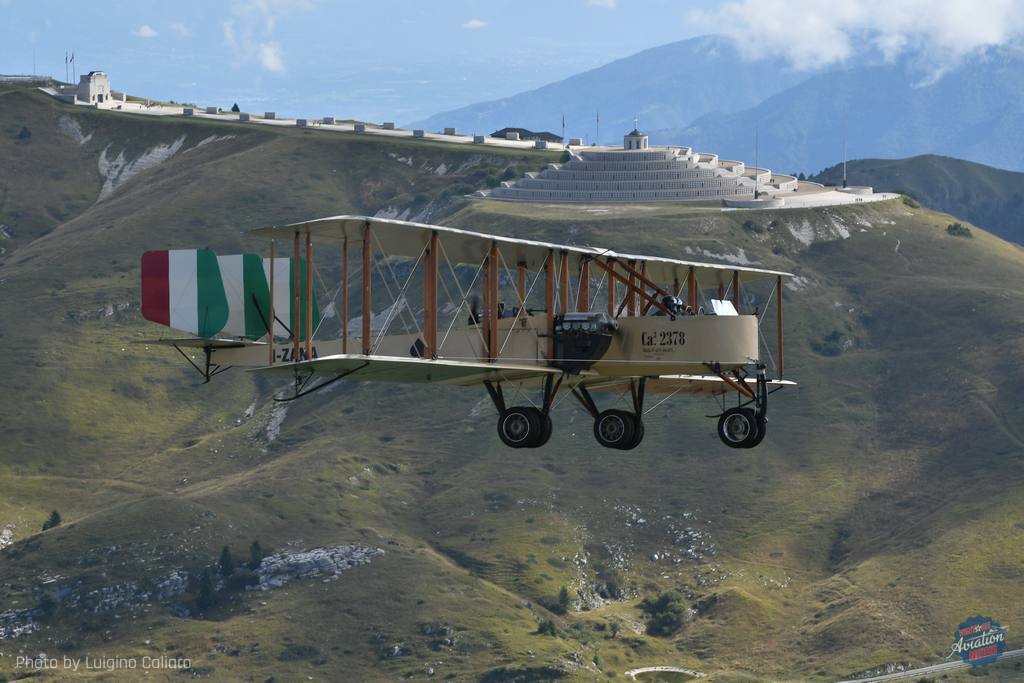
Located at an elevation of 3,409 feet, Asiago Airport is often described as the highest active civilian airport in Europe. The commemorative formation passed over both the airport and the town of Asiago, paying tribute to those who died along the Alpine fronts during the First World War.The flight also included two passes over the Military Memorial of Monte Grappa. Located at an elevation of 1,776 meters on the summit of Monte Grappa, between the provinces of Treviso and Vicenza, the memorial is Italy’s largest WWI military ossuary. Daniele Beltrame and Fabio Consoli were at the controls of the Caproni, with the SPAD XIII flown by Fabio Iannaccone. Consoli is a former Italian Air Force test pilot.

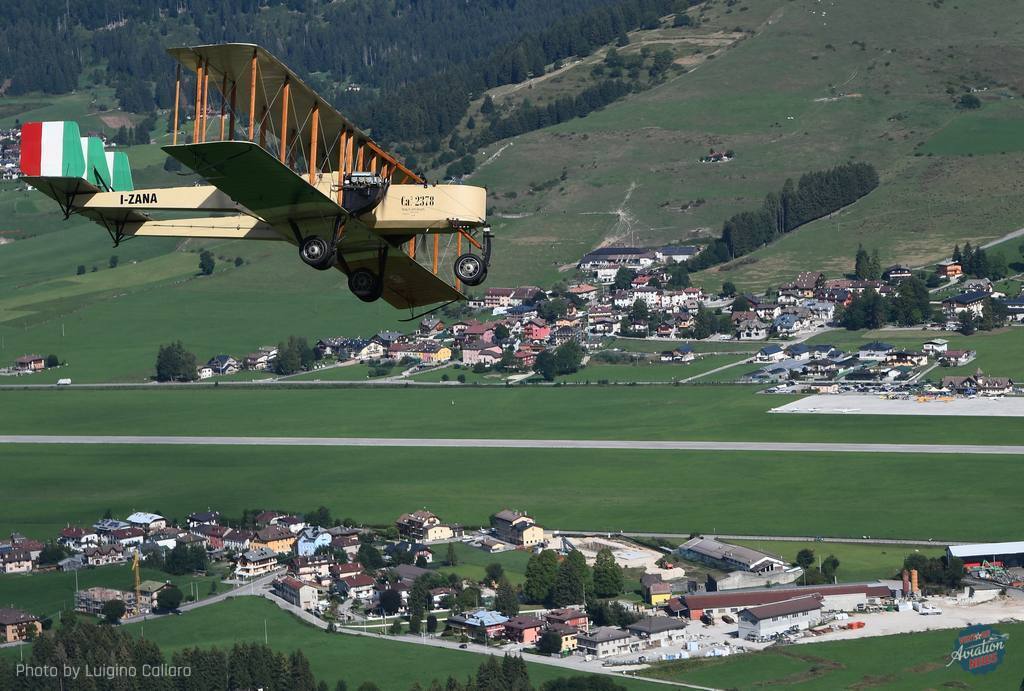
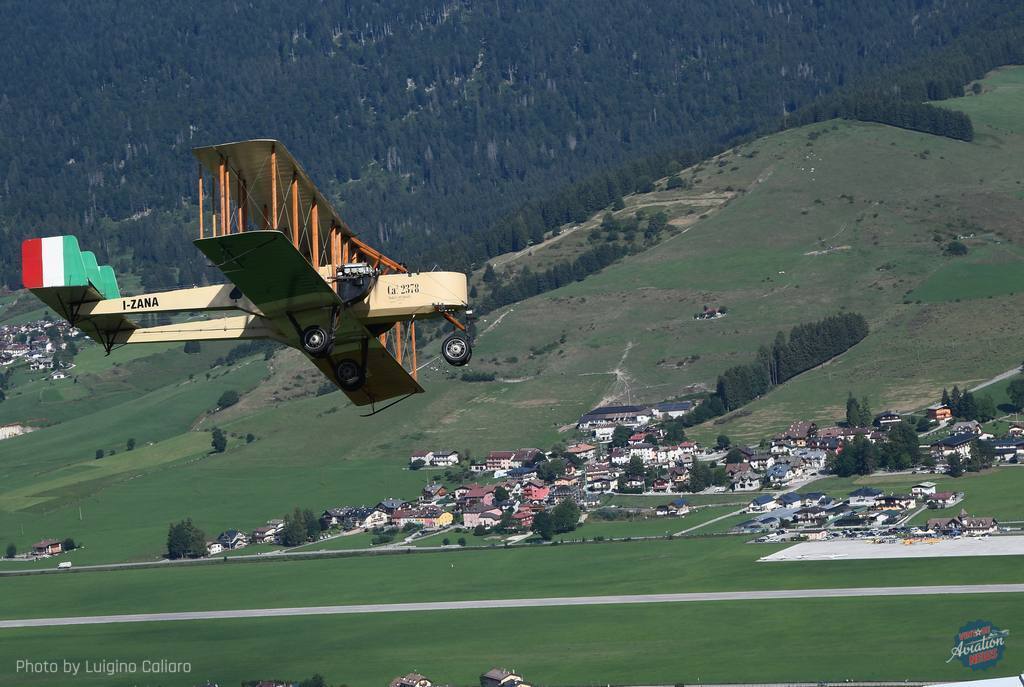
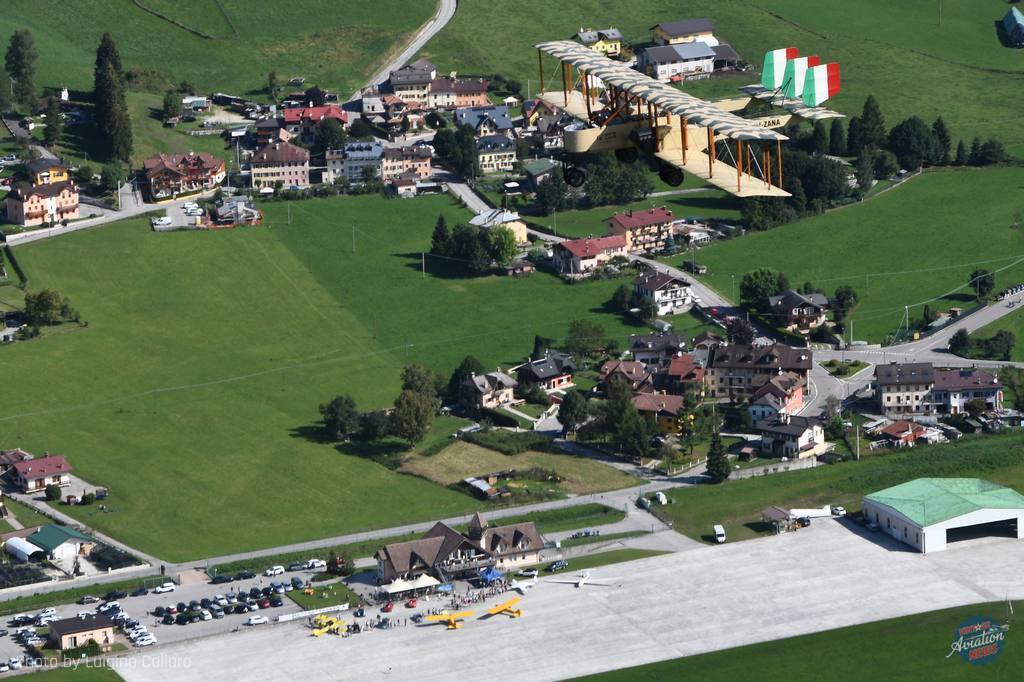
Although the flight proceeded smoothly, reaching the required altitude presented a challenge because of the Caproni’s low rate of climb. Before crossing Monte Grappa, the formation spent approximately 40 to 45 minutes climbing to 6,000 feet while flying broad racetrack and figure-eight patterns over the plains between Nervesa della Battaglia, Bassano del Grappa, and Marostica. After completing two passes over Monte Grappa, the aircraft continued toward the Plateau of the Seven Municipalities, better known in Italy as the Altopiano dei Sette Comuni. The formation then flew over Asiago Airport and the town of Asiago before returning to Nervesa della Battaglia.

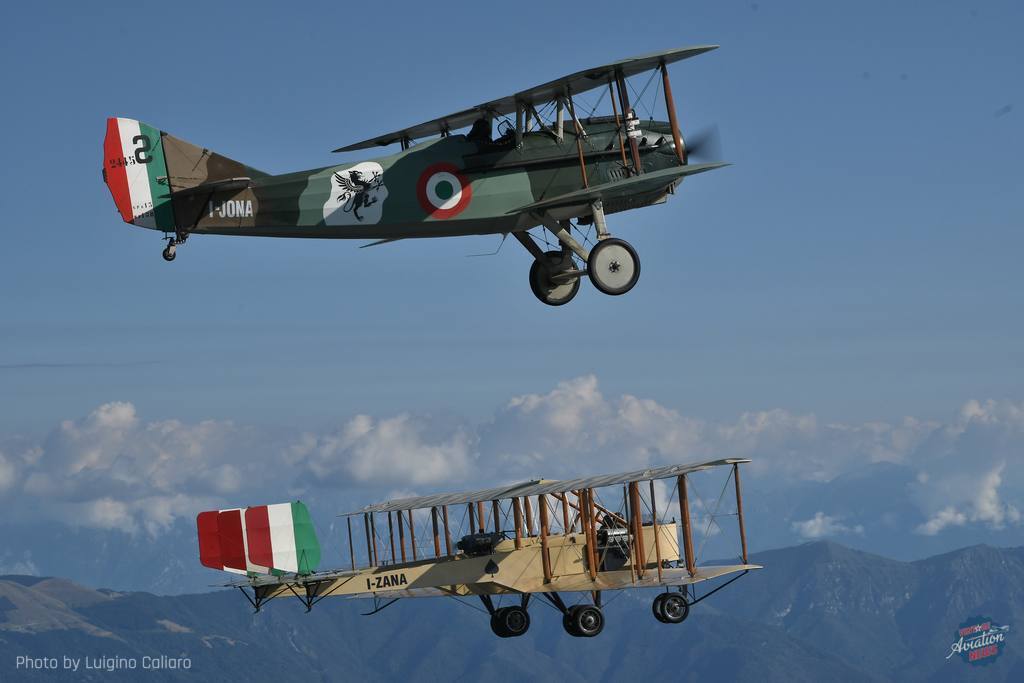
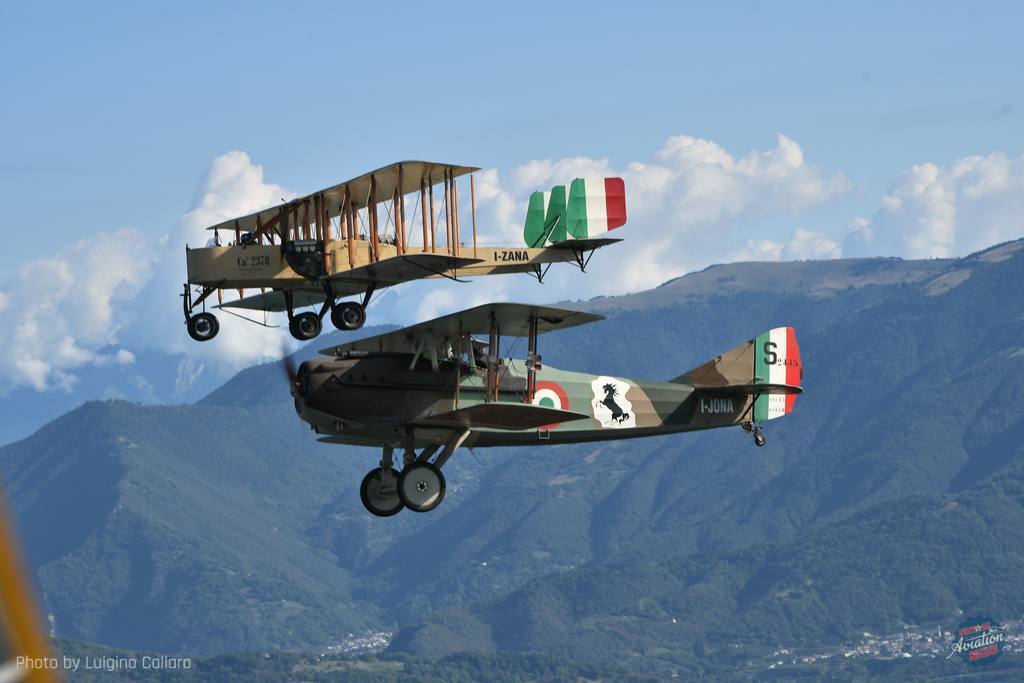
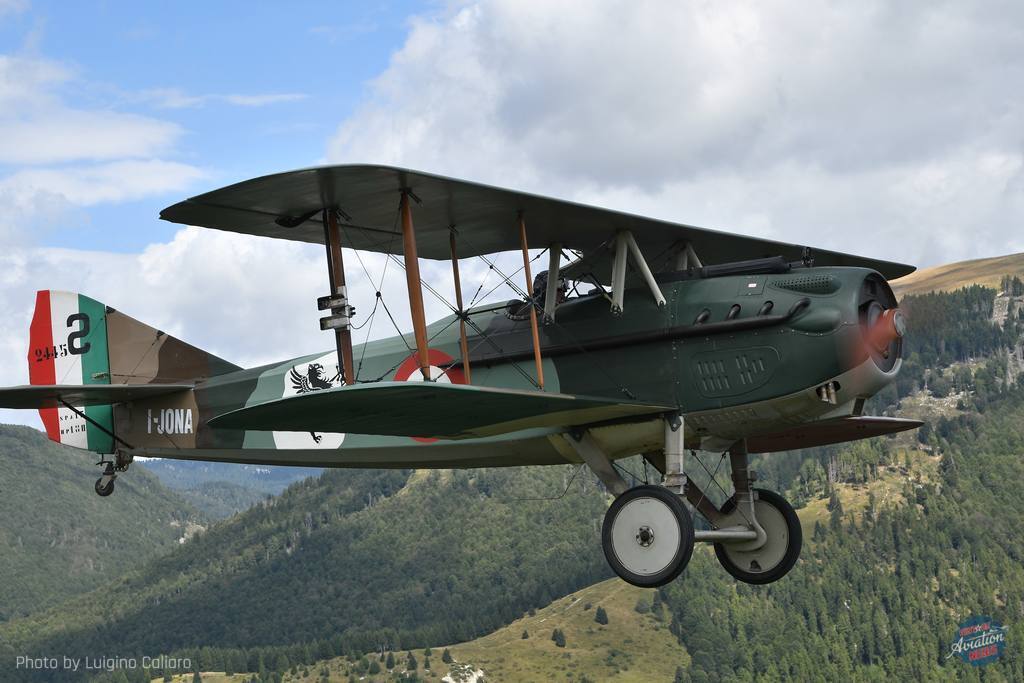
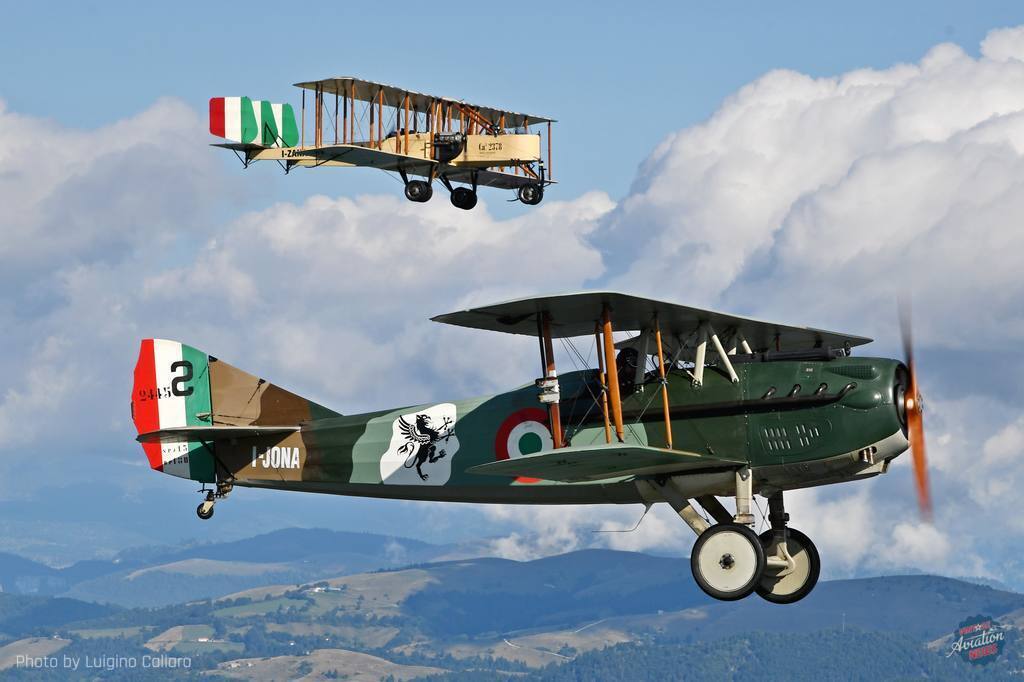
The SPAD XIII I-JONA
Giancarlo Zanardo began building his first SPAD XIII replica, I-GIAG, in 2006 using Replicraft drawings prepared by American aircraft builder Jim Kiger. Construction was temporarily suspended while Zanardo concentrated on the Caproni Ca.3R project, but later resumed. I-GIAG was completed in 2007 and, after six months of flying, was placed on display at the Museo del Piave in Vas, in the province of Belluno. A second SPAD XIII, registered I-JONA, was subsequently built as its replacement. Work began in 2014 under the auspices of the Club Aviazione Popolare. The aircraft received its registration on June 17, 2015, and made its maiden flight on August 2 of that year.
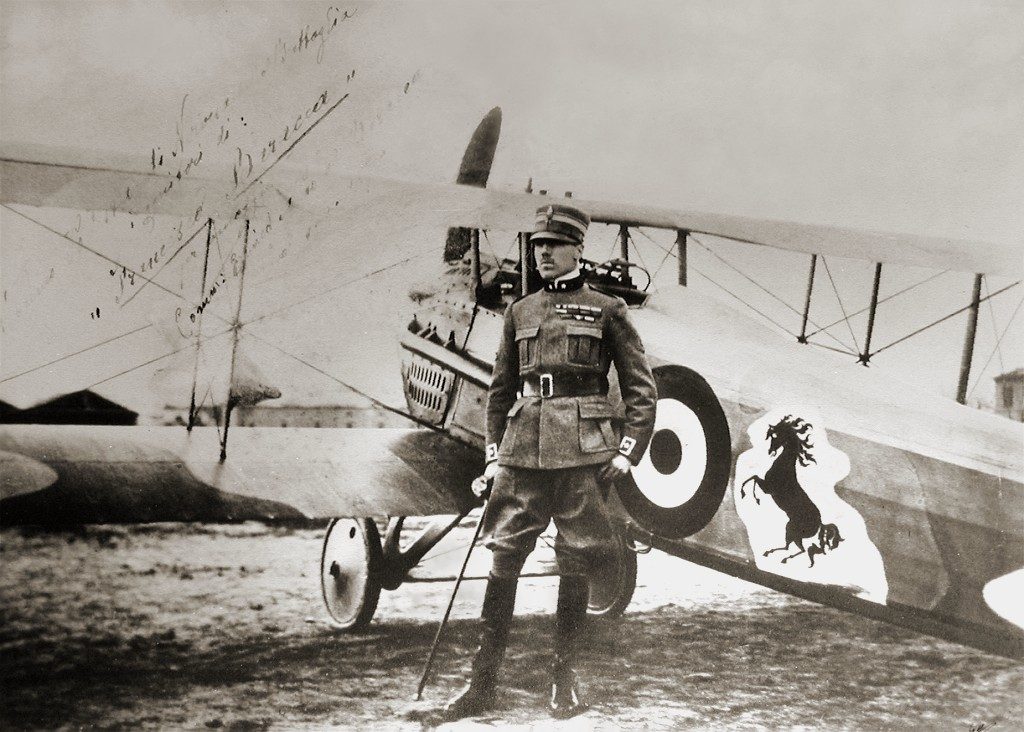
Today, I-JONA is Italy’s only airworthy SPAD XIII replica and regularly participates in airshows and other aviation events. Several modifications distinguish the replica from the original French fighter. These include a rigid tubular-truss fuselage in place of the original wire-braced structure and a modern, 180-hp Lycoming O-360-A1A horizontally opposed four-cylinder engine replacing the original Hispano-Suiza 8Ba. Because the Lycoming is lighter, the aircraft’s nose was lengthened by approximately 25 centimeters to maintain the proper center of gravity. In June 2023, I-JONA accompanied the Caproni Ca.3R I-ZANA on a ferry flight to Pratica di Mare Military Airport near Rome. Both aircraft appeared at the airshow celebrating the centenary of the Italian Air Force.
The Caproni Ca.3R I-ZANA
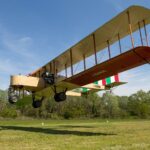
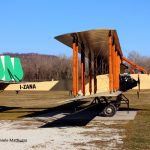
The Caproni Ca.3R I-ZANA is the largest amateur-built aircraft ever constructed in Italy and one of the largest amateur-built aircraft in the world. Construction began in 2008 using technical documentation supplied by the Caproni family, supplemented by measurements taken from surviving original aircraft. Although the builders sought to preserve the original structural design, they incorporated several changes intended to simplify the aircraft’s operation and meet modern safety requirements. Components were manufactured at a workshop in San Pietro di Feletto, in the province of Treviso, before being transported to the Jonathan Collection’s headquarters at Nervesa della Battaglia for final assembly. In late 2009, ENAC, the Italian Civil Aviation Authority, assigned the aircraft construction number 06/09 and the registration I-ZANA.
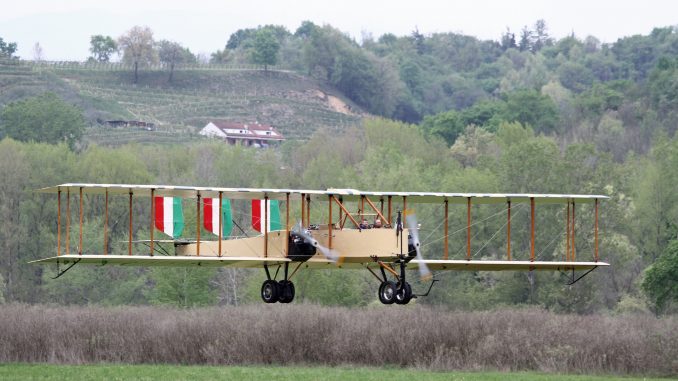
The project required approximately 15,000 hours of work. Among the changes was the relocation of the fuel tanks, which had originally been installed behind the pilots. After five years of construction, the aircraft was fitted with three automotive-derived, 180-hp Ford 300 engines and began high-speed taxi testing. Ground trials concluded in December 2014, and on March 3, 2015, Giancarlo Zanardo and Carlo Zorzoli took the Ca.3R into the air for the first time. The maiden flight ended prematurely following a failure of the left engine. Testing also revealed that the three Ford engines did not provide sufficient power, prompting plans to replace them with more capable units.
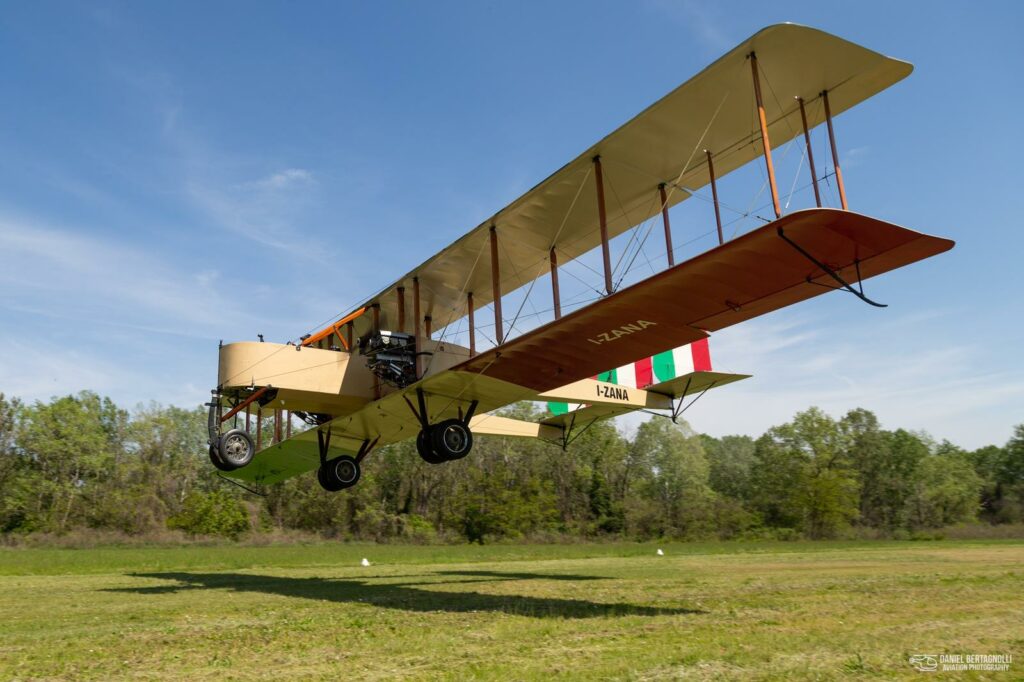
(Image credit: Daniel Bertagnolli)
In early 2020, as the Italian Air Force prepared to celebrate its centenary, the service asked Zanardo to return the Ca.3R to airworthy condition. Zanardo accepted the challenge, and in January 2022 a project was launched to have the aircraft ready to fly at Pratica di Mare in June 2023. Work to replace all three engines and modernize the aircraft’s instrumentation began in March 2022. The two forward engines were replaced by 260-hp Continental O-470s, while the centerline pusher engine was replaced by a 180-hp Lycoming O-360-A1A. Together, the three engines produce more than 700 horsepower. The work was completed in late May 2023, followed by ground testing during the first week of June. On June 8, with Fabio Consoli and Daniele Beltrame at the controls, the Ca.3R completed its first test flight with the new powerplants. On the afternoon of June 14, I-ZANA departed on its historic flight to Pratica di Mare. There, the Caproni became one of the highlights of the Italian Air Force centenary airshow, drawing considerable interest from the tens of thousands of spectators, military personnel, and aviators in attendance. It returned to Nervesa della Battaglia on June 19.
Remembering the Crew of Caproni 2362
I-ZANA represents Caproni Ca.3 serial number 2378, Asso di Picche—“Ace of Spades”—which Lieutenants Maurizio Pagliano and Luigi Gori flew on numerous missions against Austro-Hungarian targets during WWI. Pagliano and Gori were killed in action on December 30, 1917, during a mission over Susegana. On that occasion, however, they were flying Caproni Ca.3 serial number 2362 rather than Asso di Picche. An enemy fighter attacked and shot down the aircraft, killing the two pilots and their gunners, Arrigo Andri and Giacomo Caglio. In 1919, Aviano Military Airport was named in honor of Pagliano and Gori. On August 20, 2005, a memorial was unveiled at the location where the crew had lost their lives. Designed by architect Renato Fornaciari, the steel monument was constructed by Zanardo.

The Jonathan Collection
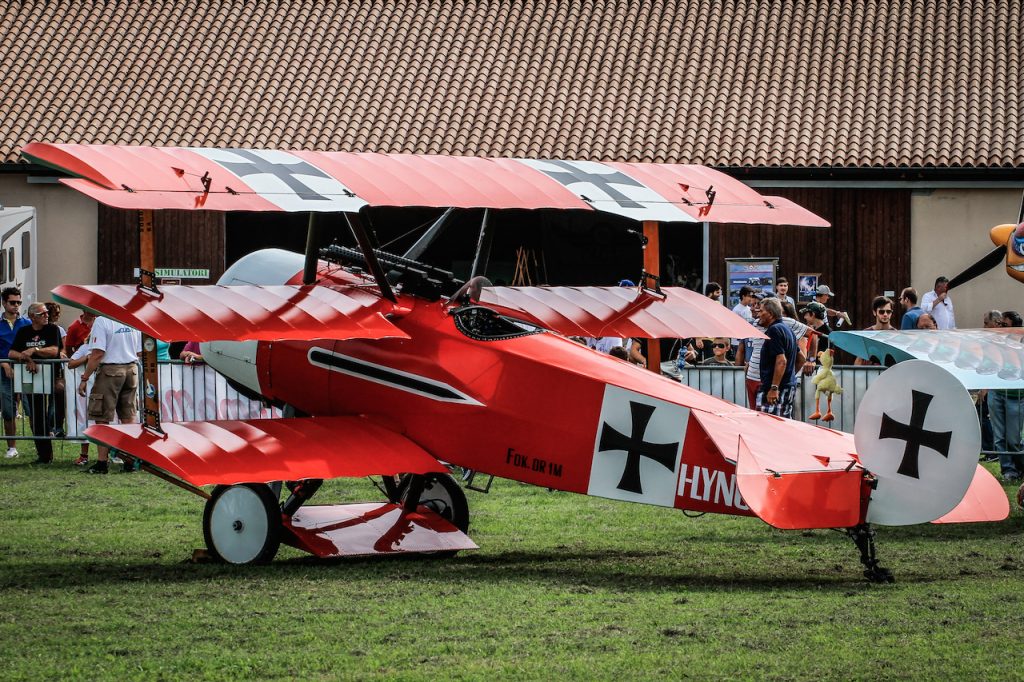
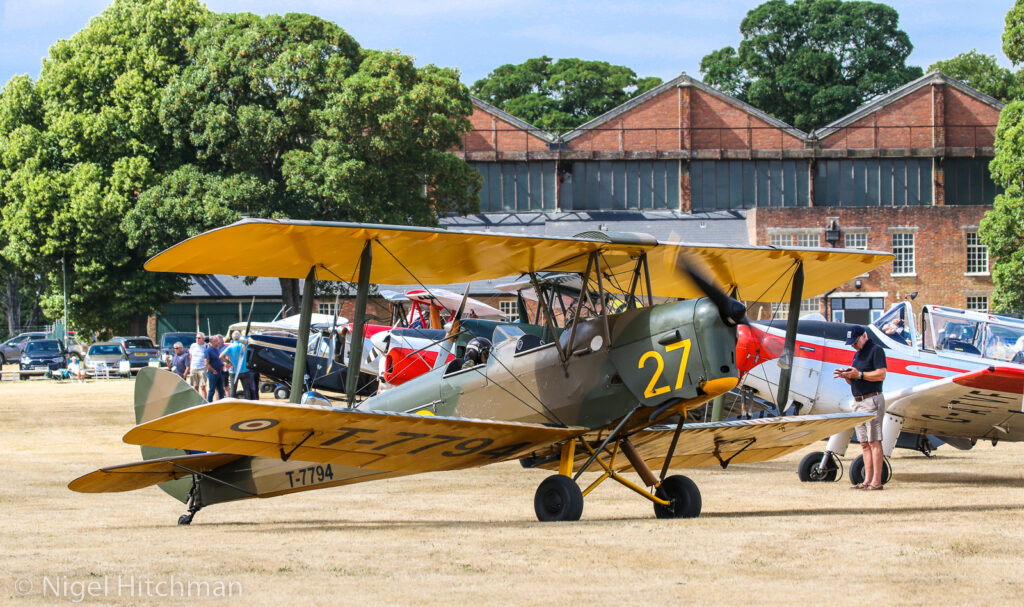
The Jonathan Collection grew from Zanardo’s lifelong passion for aviation. Before creating the museum, he built several historic aircraft replicas, including a RotorWay Scorpion helicopter, Fokker Dr.I, Blériot XI, and 1903 Wright Flyer. He also acquired an original 1940s de Havilland DH.82A Tiger Moth. Zanardo’s ambition was to find a property with a runway where he could preserve his aircraft and establish a small museum devoted to aviation history. A suitable location was eventually found on privately owned land at Nervesa della Battaglia, where the proposal received support from the landowners and the municipal government. With assistance from his friend Renato Fornaciari, an architect and pilot, the airfield’s facilities were designed in 1996. The airfield was named for Italian fighter ace Major Francesco Baracca, who was killed in action over Montello on June 19, 1918.
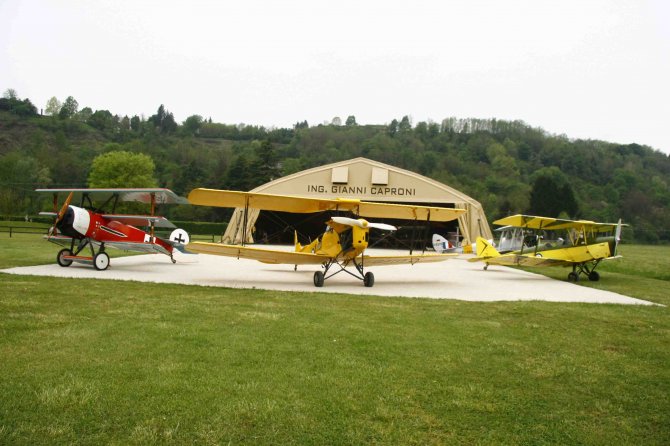
Zanardo selected the name “Jonathan” in tribute to the title character of Richard Bach’s novel Jonathan Livingston Seagull, which celebrates the freedom of flight, the pursuit of excellence, and the desire to overcome personal limitations. The first structure erected at the site was a small hangar near the airfield entrance. In 2009, the collection acquired a historic Bessonneau hangar dating from WWI. After undergoing restoration and receiving a new covering, it became home to additional aircraft. The building was named for Gianni Caproni, the pioneering engineer and aircraft manufacturer who played a central role in the development of Italy’s aviation industry.
A third and much larger hangar was completed in 2017 with support from the Veneto Region and the Municipality of Nervesa della Battaglia. Designed to accommodate the Caproni Ca.3R, it was dedicated to Francesco Baracca. The museum can now house 12 aircraft, four of which are airworthy. These aircraft regularly appear at events in Italy and abroad, preserving aviation history in its most compelling form—by returning historic designs to the air.
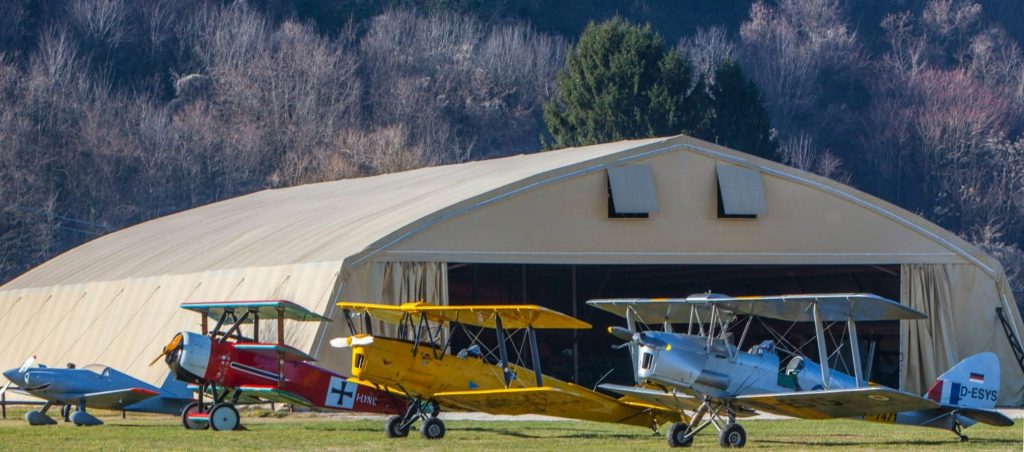
(Image credit: Fondazione Jonathan Collection by Zanardo Giancarlo)
The nonprofit Fondazione Jonathan Collection – Aerei Storici Famosi – ONLUS was established in 2011 through the efforts of three founding partners: Zanardo, who donated his aircraft collection; the property owner, who made land available for the Francesco Baracca hangar; and the Municipality of Nervesa della Battaglia, which provided financial support for its construction. The Foundation preserves, restores, and presents historic aircraft while promoting aviation’s historical, technological, and social legacy. Today, it is administered by a management committee chaired by Zanardo and composed of pilots, aviation historians, and other professionals committed to safeguarding Italy’s aeronautical heritage. For more information about The Jonathan Collection, visit www.jonathanaereistorici.it.








How much we owe, to those daring young men, who forever push at the boundaries of What Is Possible; and placed Us Where We Are Today … ‘The Young Eagles’ – BRAVO!