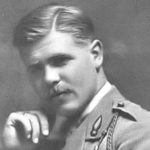

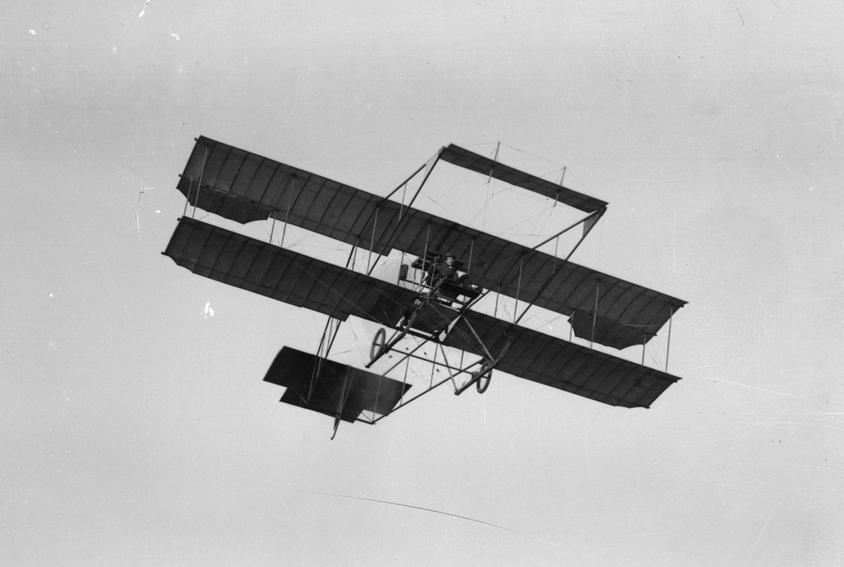
In January 1920, British aeronautical engineer Geoffrey de Havilland was the technical director and chief designer at Airco, an English aviation company. After WWI, Airco was having financial problems due to low demand for civilian aircraft. On January 20, 1920, the Birmingham Small Arms Company (BSA) bought Airco from George Holt Thomas to take over its factories and equipment, although BSA had no interest in aviation. The purchase resulted in BSA losing money, and it could not pay dividends for three years. With the help of Thomas, de Havilland began the de Havilland Aircraft Company Limited at Stag Lane Aerodrome on September 26, 1920. The company was formed with de Havilland, A.E.Turner, and chief engineer Charles Clement Walker as directors. They raised £50,000 in initial capital, with de Havilland contributing £3,000 and Thomas £10,000. Other investors gave £1,000 each. de Havilland also bought several assets from Airco, including the Airco DH.18. Thomas agreed to support the company on the condition that A.E. Turner would become chairman. de Havilland, initially funded by an order worth £2,500 that was originally meant for Airco, brought together a close team from Airco, including Charles Clement Walker and Wilfred E. Nixon. In 1922, investor Alan Samuel Butler supported a new company that earned £32,782 in sales and £2,387 in profit during its first year. They bought Stag Lane aerodrome for £20,000 and did well until 1925, when de Havilland’s Moth design, which first flew in February, became popular. de Havilland started by making biplanes, but later they built smaller planes using Gipsy engines. One of these was the Gipsy Moth, which set many records in aviation. The company continued the Moth series with the improved Hornet Moth and the wooden Moth Minor. de Havilland was known for giving their aircraft beautiful names, which were even used during worker protests. Irish Aer Lingus purchased the DH.84 Dragon in 1936 as its first aircraft. de Havilland also made fast aircraft, including the DH.88 Comet racers that won the 1934 MacRobertson Air Race.
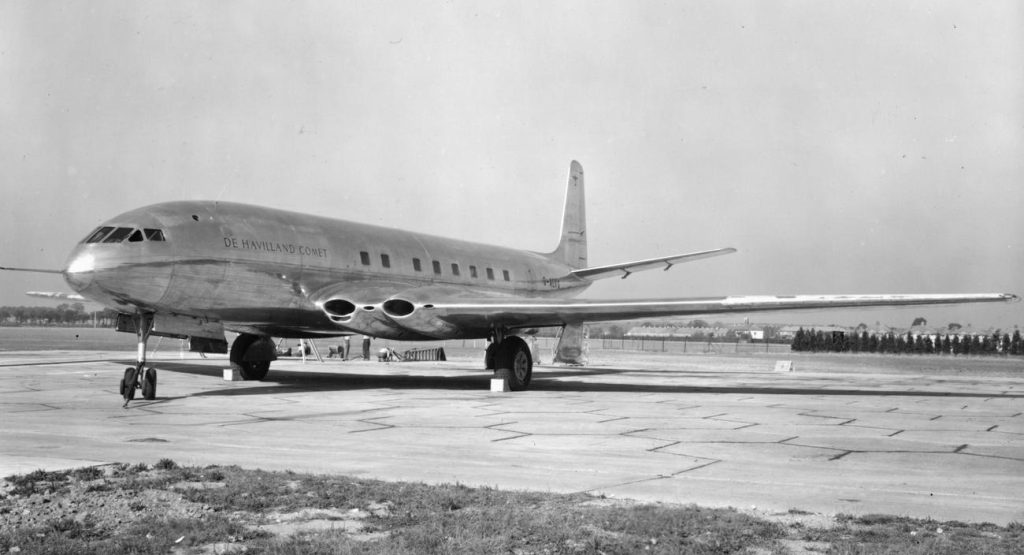
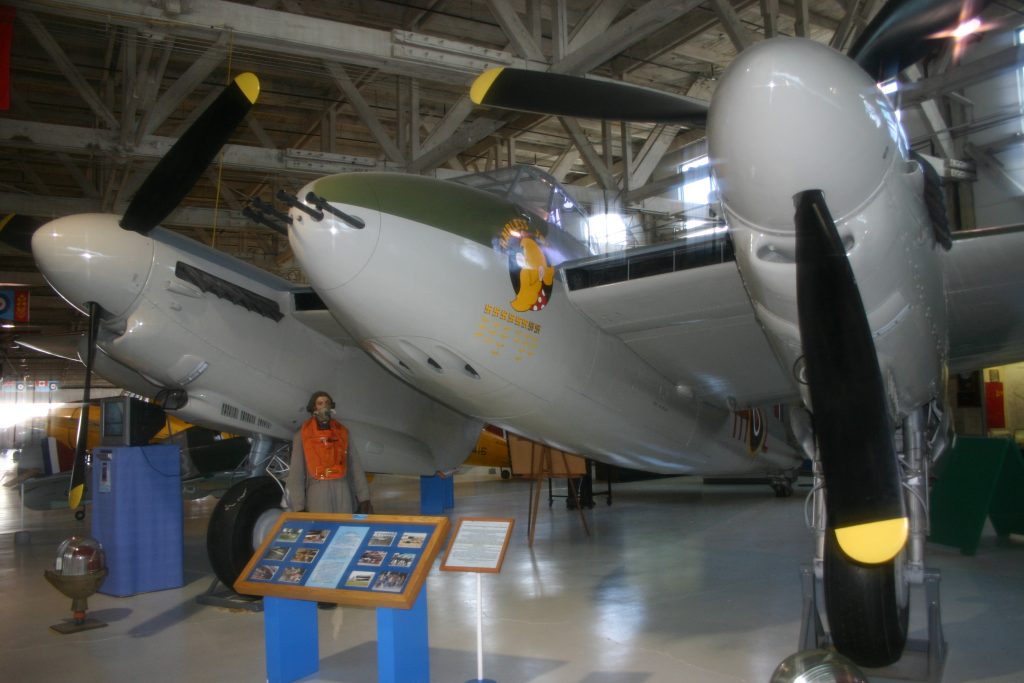
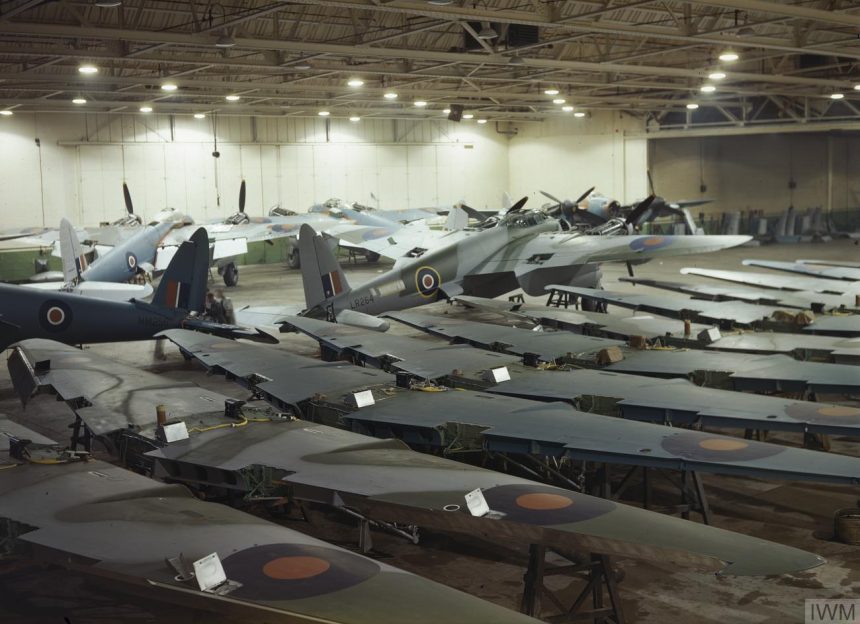
During WWII, the company built the Mosquito out of mostly wood, which meant it didn’t have to use aluminum. The design choice led to the development of the Hornet fighter, which advanced the use of bonding methods to combine metal and wood. In 1937, de Havilland established a factory at what is now de Havilland Way in Lostock to produce variable pitch propellers for the RAF. The location was strategically important and became a target for the German Luftwaffe. On July 3, 1942, two Ju 88 bombers tried to bomb the site from low altitude; however, the mission went off course. After WWII, de Havilland continued to develop new designs for military and civilian aircraft. However, several incidents led to the company losing its independence. One major event was the crash of the tailless jet-powered de Havilland DH.108 Swallow in the Thames Estuary, which resulted in the death of Geoffrey de Havilland Jr., the founder’s son. In 1948, de Havilland bought a large factory at Hawarden Airport in Broughton, near Chester. On May 2, 1952, the Comet, operated by the British Overseas Airways Corporation, made its first passenger flight from London to Johannesburg. It had four de Havilland Ghost jet engines, allowing it to fly at 500 miles per hour and 40,000 feet, a height only military jets had previously reached. Within 20 months, 17 Comets were in service. However, the Comet suffered three major crashes within two years. Investigations showed that two crashes were caused by structural failures due to metal fatigue in the airframe, a problem not fully understood at the time. The third crash occurred when the plane’s airframe was overstressed during severe weather. Sir Arnold Hall led the research team that found tiny fatigue cracks were caused by the rivets used in the metal.
The Comet was grounded in 1954 because of a structural problem. Meanwhile, de Havilland began developing a larger version of the aircraft. The Comet 4 was reintroduced in 1958, but by then the United States had introduced the Boeing 707 and the Douglas DC-8, both of which were cheaper and faster to operate. Therefore, orders for the Comet dropped. In 1960, Hawker Siddeley bought de Havilland but kept it operating as a separate company until 1963. That year, it became known as the de Havilland Division of Hawker Siddeley Aviation, and all aircraft models in production or development changed from “DH” to “HS.” de Havilland’s last designs were the Hawker Siddeley Trident (originally the DH.121) and the Hawker Siddeley HS.125 (originally the DH.125). The DH.121 was scaled down to meet the needs of British European Airways. Other airlines found it unappealing and chose a competing tri-jet, the Boeing 727, which was similar in size to the original DH.121 design. de Havilland, as Hawker Siddeley, only built 117 Tridents, while Boeing sold over 1,800 727s. Later, Hawker Siddeley merged into what is now BAE Systems, a British aerospace and defense company. The de Havilland name continues with de Havilland Canada, which holds the rights to the name and the aircraft made by de Havilland’s former Canadian branch, including the Dash 8 regional airliner, which Bombardier Aerospace previously produced.