






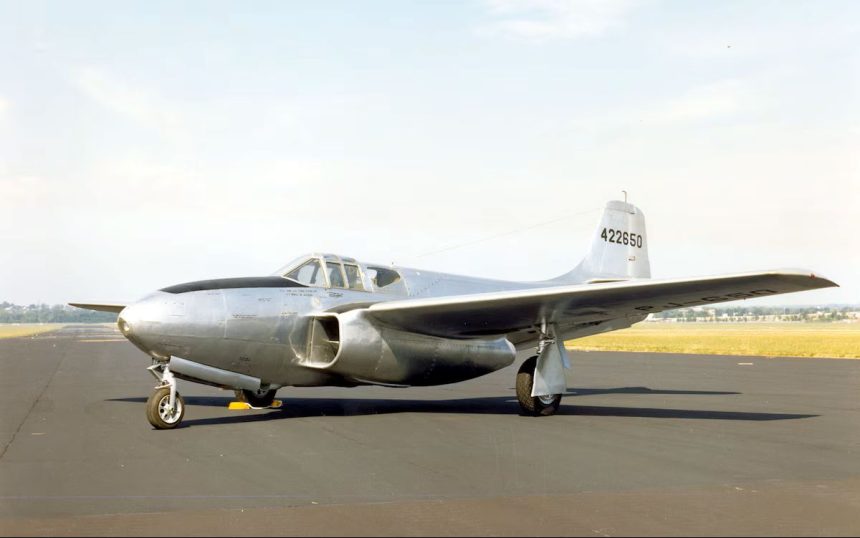

During WWII, the United States would develop its first jet powered aircraft, with the goal that it would offer unmatched speed and usher a new era in aviation. This was the Bell P-59 Airacomet, and while it would be constructed under the strictest measures of security, the Airacomet proved to be an underwhelming design. Though powered by two General Electric J31 centrifugal-flow turbojet engines (based upon the American development of Sir Frank Whittle’s Power Jets W.1 design), the Airacomet proved to be underpowered, with a top speed of 413 mph, making it slower than contemporary piston-engine fighters in combat service with the US Army Air Force.
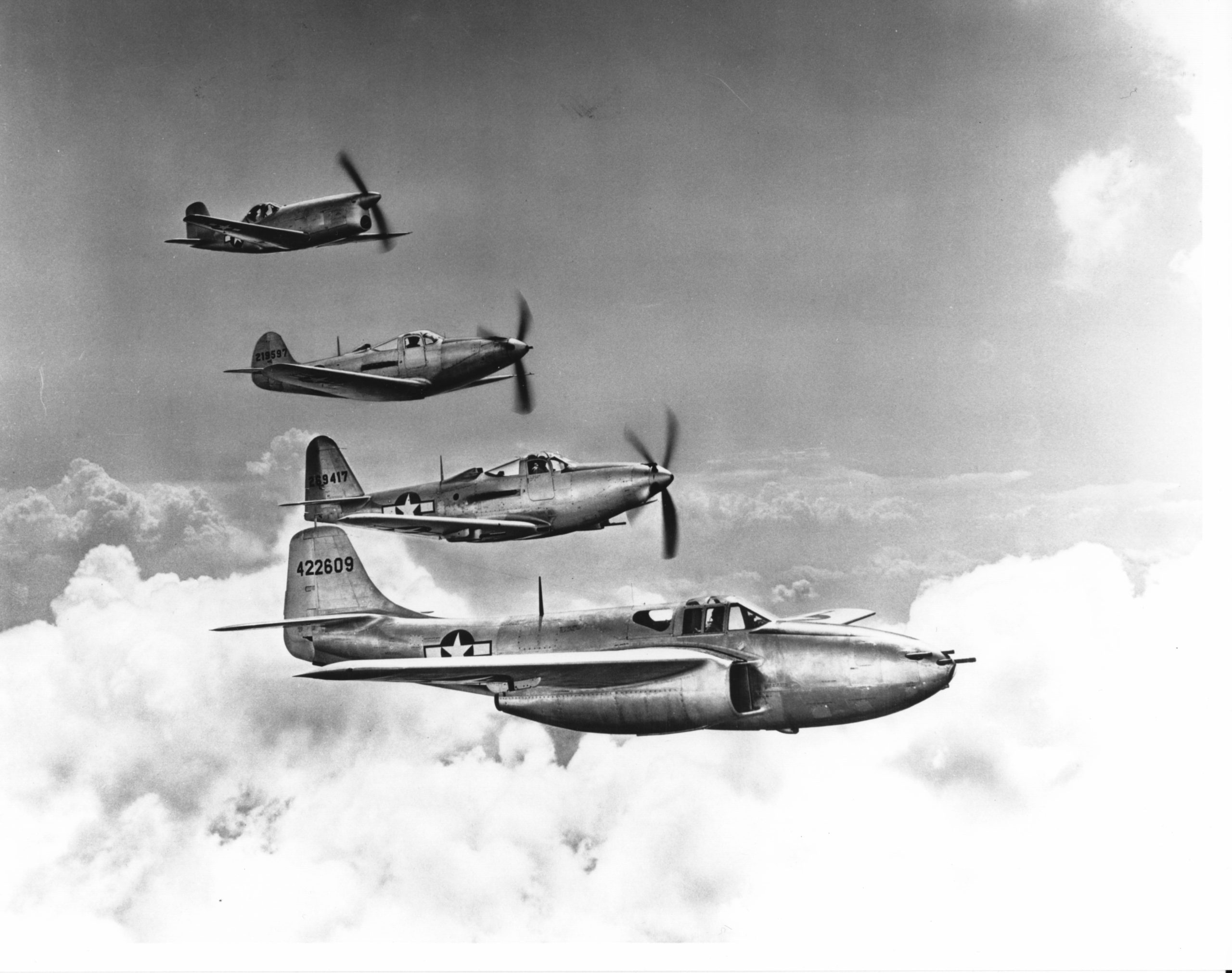
However, the Bell P-59 Airacomet would indeed usher in a new era of American aviation. Though the Lockheed P-80 Shooting Star would eventually become the first American jet fighter to see operational service, the P-59 still served as a tool for familiarizing pilots, ground crew, and military command staff with jet aircraft operations, with two pre-production prototypes being evaluated by the US Navy under the Bureau of Aeronautics designation YF2L-1, and with one production A model named “Smokey Stover” being used for cold weather flight testing at Ladd Army Airfield near Fairbanks, Alaska, becoming the first jet to fly over The Last Frontier. Another example, YP-59A 42-108773, was even shipped to the UK and underwent flight testing at the Royal Aircraft Establishment (RAE) at Farnborough, England under the RAF serial number RJ362/G, in exchange for the Americans receiving a Gloster Meteor Mk. I, s/n EE210/G, for flight testing.
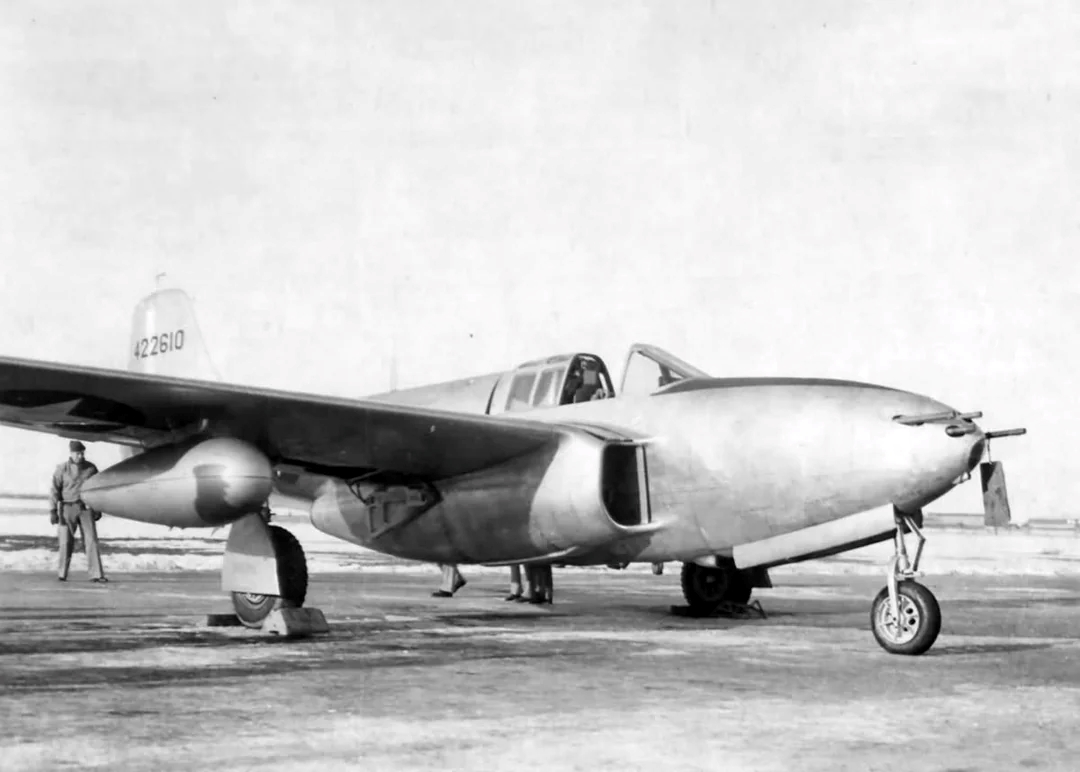
In all, a total of 66 Bell P-59 Airacomets were built from 1942 to 1944, with three XP-59A prototypes, 13 YP-59A pre-production aircraft, and 50 production aircraft consisting of 20 P-59A models and 30 P-59B models (though the initial order of 80 P-59Bs was cancelled after the construction of those 30 B models. Today, just six examples of the United States’ first jet aircraft still exist today, with three examples in California, and one each in Nebraska, Ohio, and Washington, D.C.
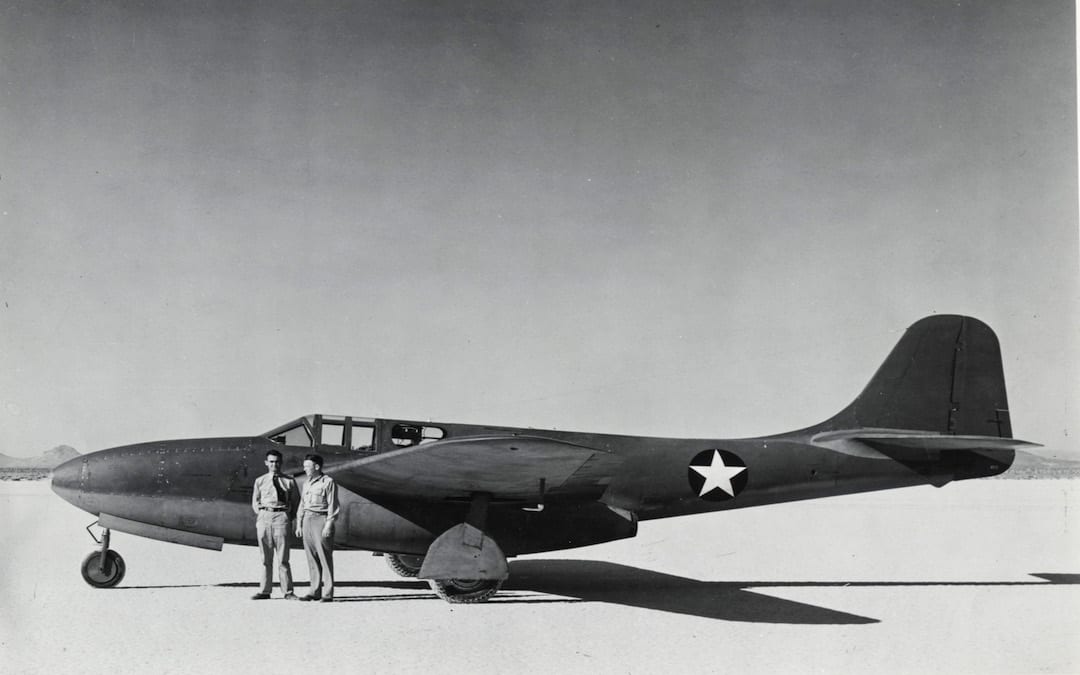
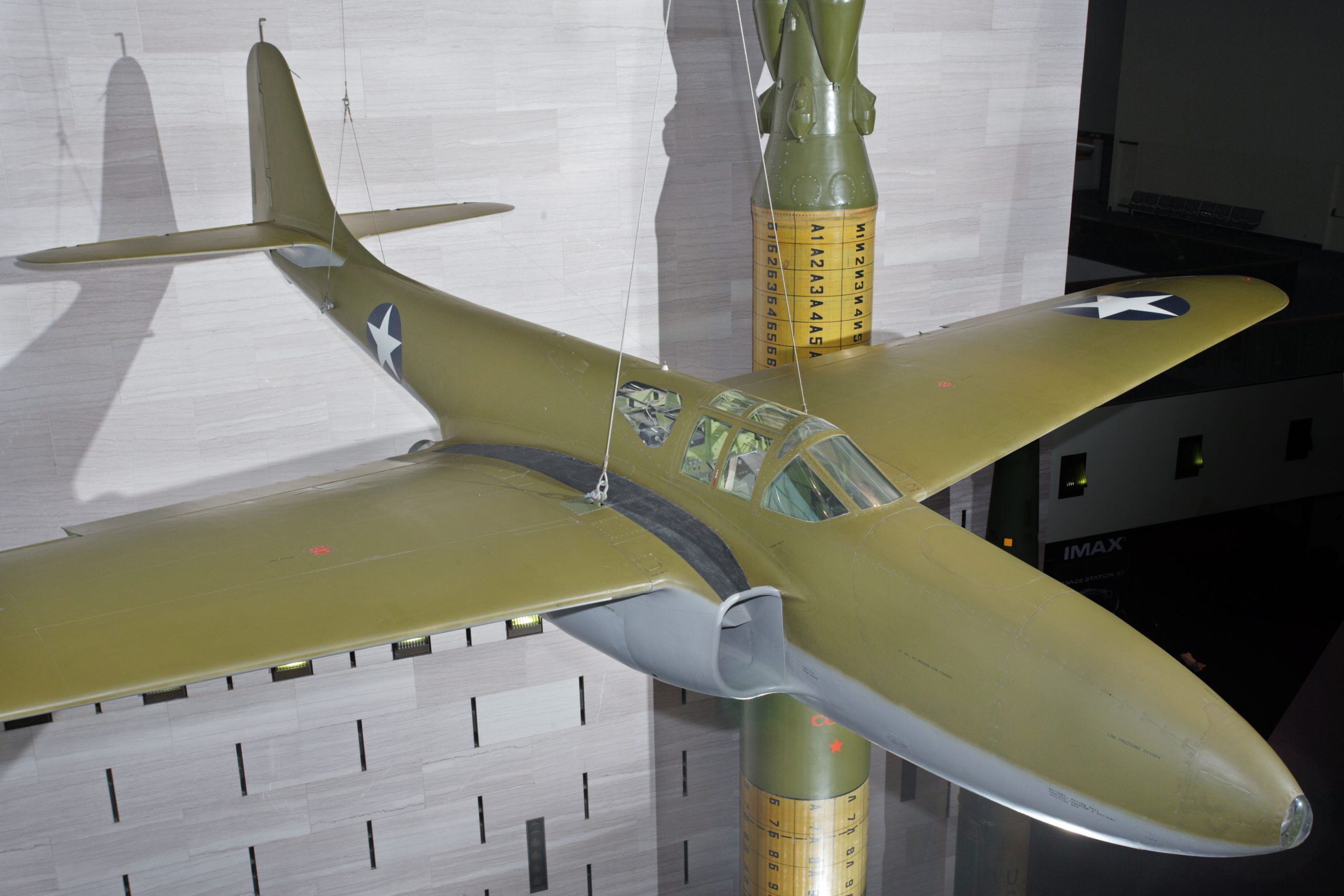
The oldest surviving Bell P-59 Airacomet, XP-59A s/n 42-108784, is also the first prototype of the type to have been built. Following its construction by Bell Aircraft in Buffalo, New York, the aircraft was shipped by rail to Muroc Dry Lake in California’s Antelope Valley, where it arrived on September 19, 1942, under the tightest security. In order to give distant onlookers the impression that it was a conventional piston engine fighter design, a fake wooden propeller made of balsa wood was placed over the nose, and the cockpit, engine inlets and exhausts were hidden beneath canvas coverings.
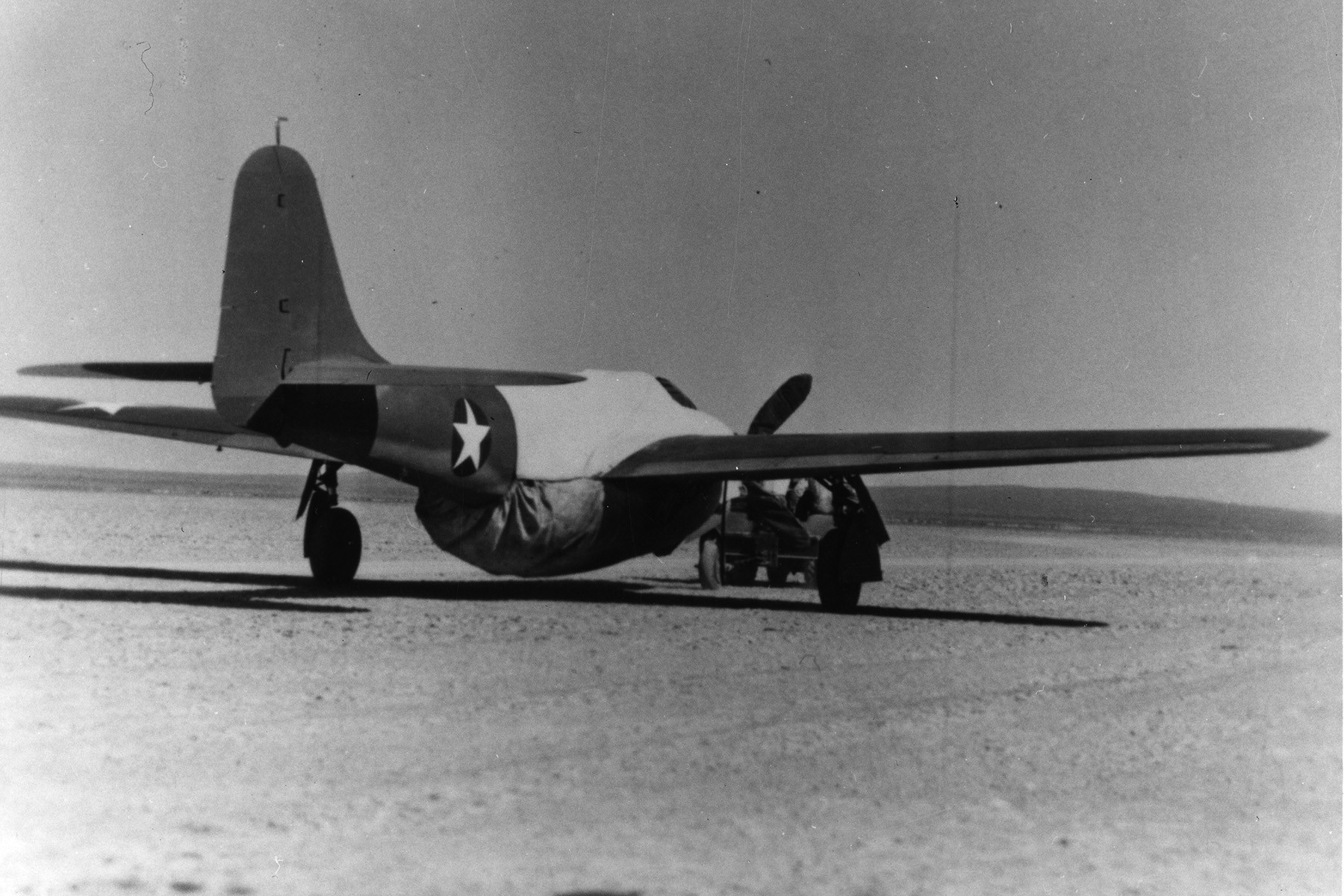
On October 1, 1942, what was supposed to be a high-speed taxi test on the dry lakebed in 42-108784 turned into the Airacomet’s first flight, with Bell Aircraft test pilot Robert Stanley at the controls. One day later, on October 2, Stanley made an official test flight in the aircraft before offering the aircraft to US Army Air Force Colonel Laurence Carbee Craigie, who had come from Wright Field, Dayton, Ohio to participate in the XP-59As’ trials. With that, Craigie became the first U.S. military pilot to fly a jet aircraft. After these flights, it was decided to modify the aircraft with an observer’s seat for an engineer to record flight data and not be preoccupied with flying the aircraft.
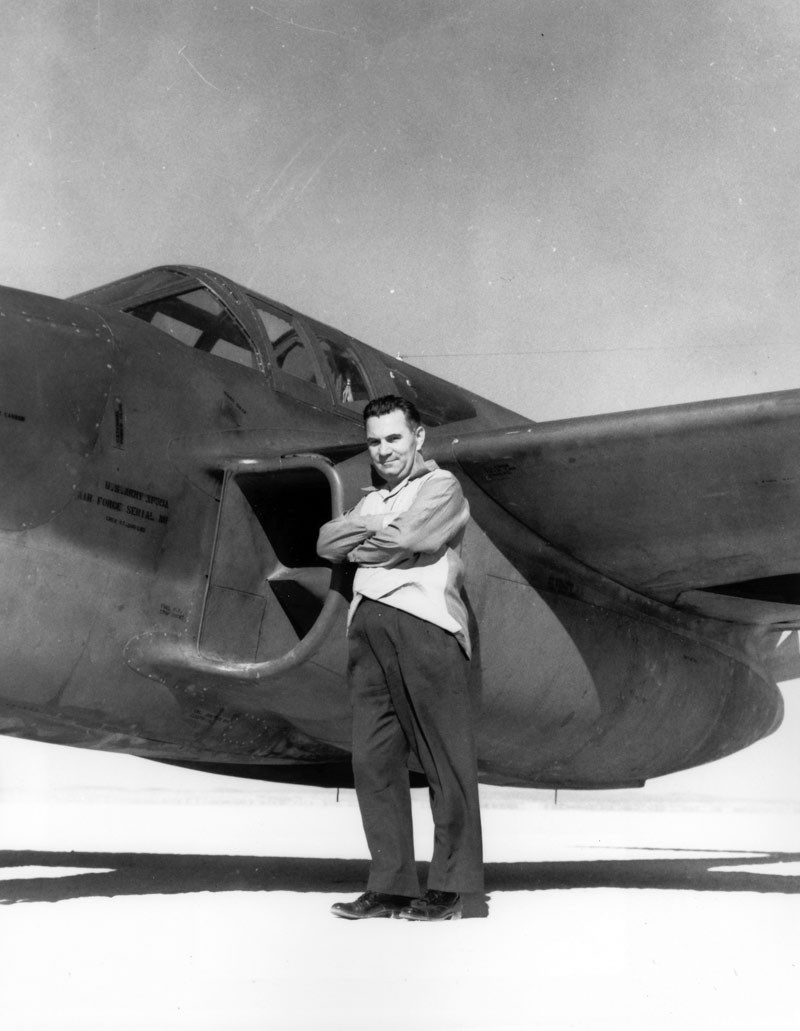
However, since the single-place cockpit could not accommodate a jump seat behind the pilot, the nose section was converted to accommodate a 20-inch opening for an open cockpit for the observer, with a seat, an instrument panel, and a small windscreen installed on the aircraft. It was a tight fit for the onboard observer, but it also made the Bell P-59 Airacomet perhaps the only jet aircraft to have an open cockpit! Among those who flew in the open observer’s seat was the founder of Bell Aircraft, Lawrence “Larry” Bell. On later aircraft, several armament configurations were tested before the limited production batch would be fitted with a single 37mm M10 autocannon and three .50 caliber M2 Browning machine guns,
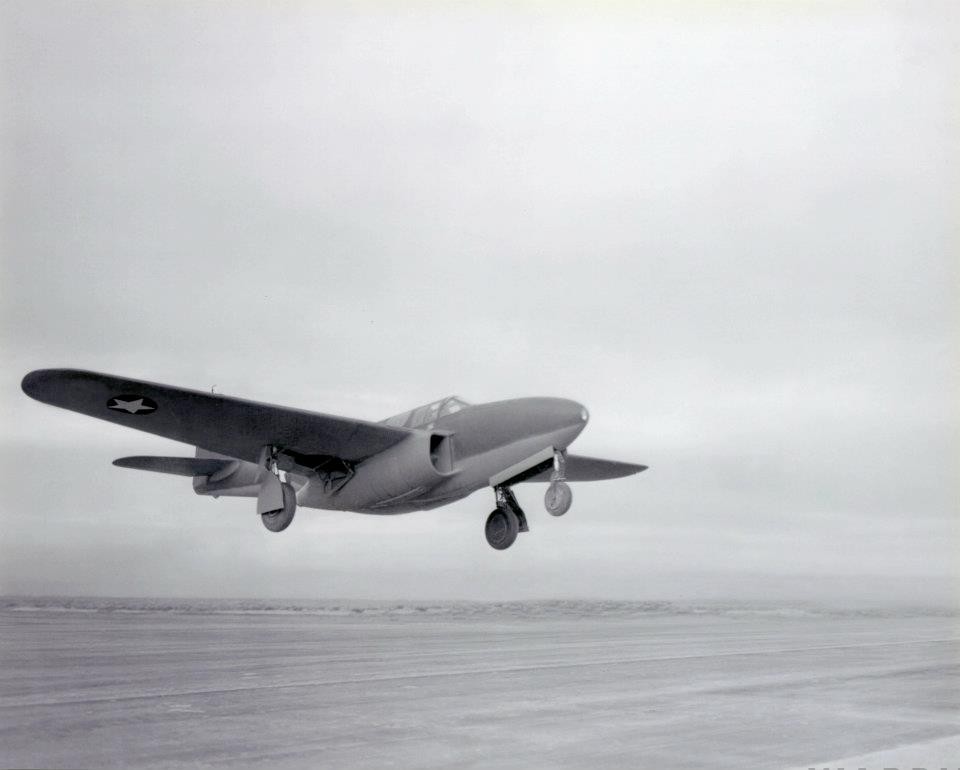
By October 30, 1942, flight tests after the cockpit modifications had resumed, and XP-59A 42-108784 would remain at Muroc, and eventually be joined not only by other P-59s, but an increasing array of other prototype aircraft that came to the Mojave Desert for flight testing away from prying eyes. At one point, the name ‘MISS FIRE’ was applied to both sides of the aircraft’s nose. As more Airacomets became available, however, XP-59A 42-108784 would see less flight time.
Even during the war, some forward-thinking officers were aware of the need to preserve the most historically significant aircraft of the period for future generations. By February 12, 1944, it was noted that 42-108784 officially logged 59 hours, 55 minutes of flight time. Later that month, Army Air Force engineer Captain Ezra Kotcher suggested that XP-59A 42-108784 be sent to a museum at the end of its flying service. In late August 1944, Brigadier General Franklin O. Carroll, chief of the Experimental Engineering Section at Wight Field, informed Bell Aircraft that the first XP-59A would be stored at Muroc until further notice, while the original engines from its first flight, which had since been sent to Wright Field, would also be refitted to the aircraft once a museum was selected.

Months of bureaucracy would follow, but on April 18, 1945, the Smithsonian Institute in Washington, D.C. made an official request for XP-59A 42-108784 to be sent from Wright Field to join their growing aeronautical collection. This being agreed upon, the aircraft was placed on display inside the Smithsonian’s Aircraft Building, a former US Army building originally meant to be a temporary structure when constructed during WWI that Smithsonian officials would nickname the “Tin Shed”. Eventually, due to limited display space following the acquisition of additional aircraft, XP-59A 42-108784 was removed from the Tin Shed and placed in storage at the Silver Hill Storage Facility (now the Paul E. Garber Preservation, Restoration, and Storage Facility) in Suitland, where the aircraft would eventually be restored back to its appearance during its first flight on October 1, 1942.
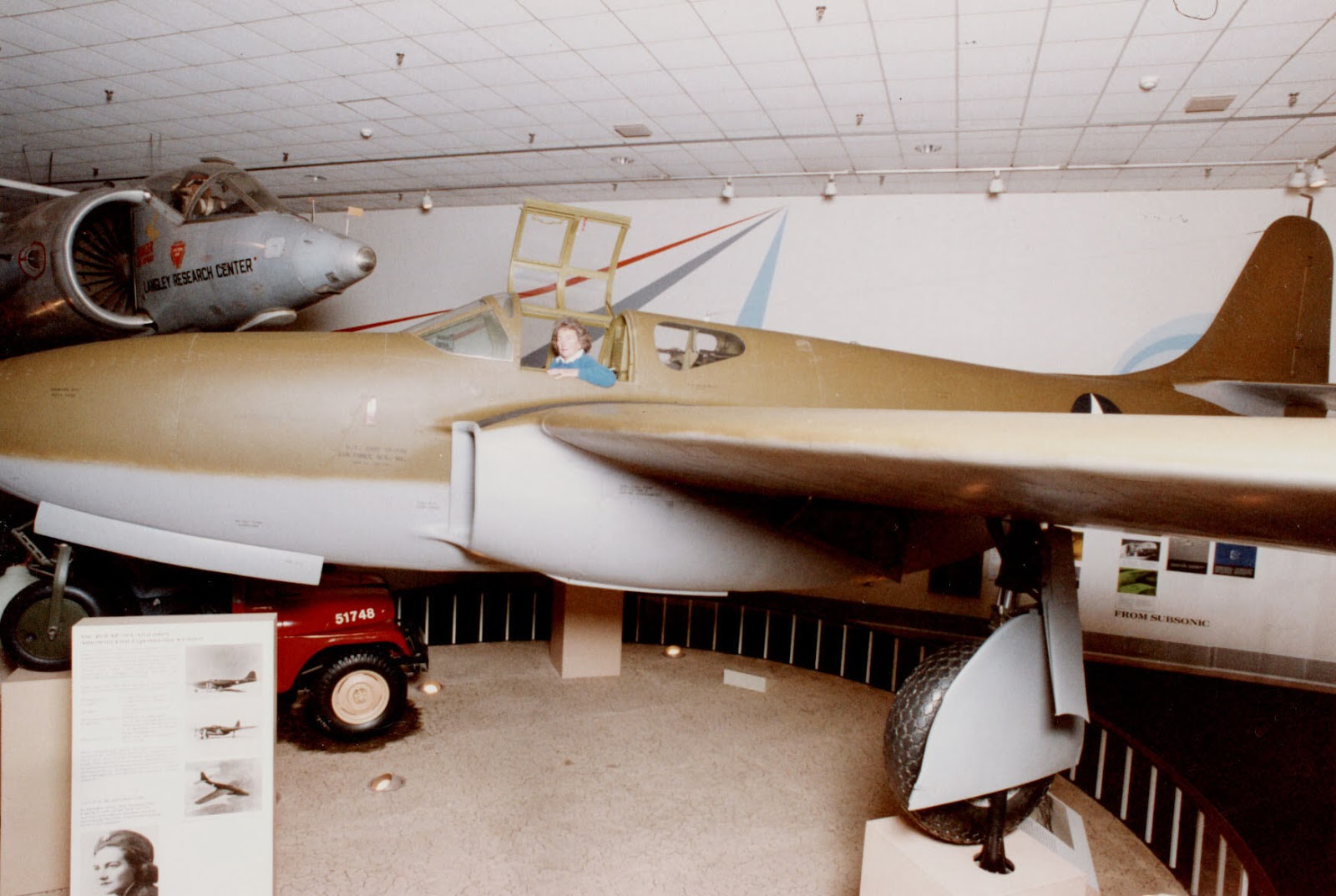
With the opening of the National Air and Space Museum’s permanent building on July 1, 1976, the first Bell P-59 Airacomet built was among the airplanes displayed during the grand opening. Previously displayed in the museum’s earlier iterations of the Jet Aviation gallery, it is most associated with its time being suspended from the ceiling of the museum’s Boeing Milestones of Flight Gallery, along with Charles Lindbergh’s Spirit of St. Louis, Chuck Yeager’s Bell X-1 “Glamorous Glennis”, the North American X-15, and SpaceShipOne. During the ongoing museum renovations, 42-108784 was placed in storage in the new storage modules built at the Steven F. Udvar-Hazy Center in Chantilly, Virginia before being refurbished in the Mary Baker Engen Restoration Hangar and returned back to the Boeing Milestones of Flight gallery in the museum in downtown Washington on Independence Ave, which is set to be reopened on July 28, where it will stay in the nation’s most cherished aerospace museum.
YP-59A 42-108777 (c/n 27-10)
While the serial numbers of the YP-59A pre-production prototypes may seem to predate the XP-59As, the three XP-59As (42-108784-86) were retroactively given the USAAF serials for what were planned to the last YP-59As after the production order for Bell Aircraft was laid down but before the pre-production aircraft were built. Of the 13 pre-production examples built, only one survives today, and that is YP-59A 42-108777.
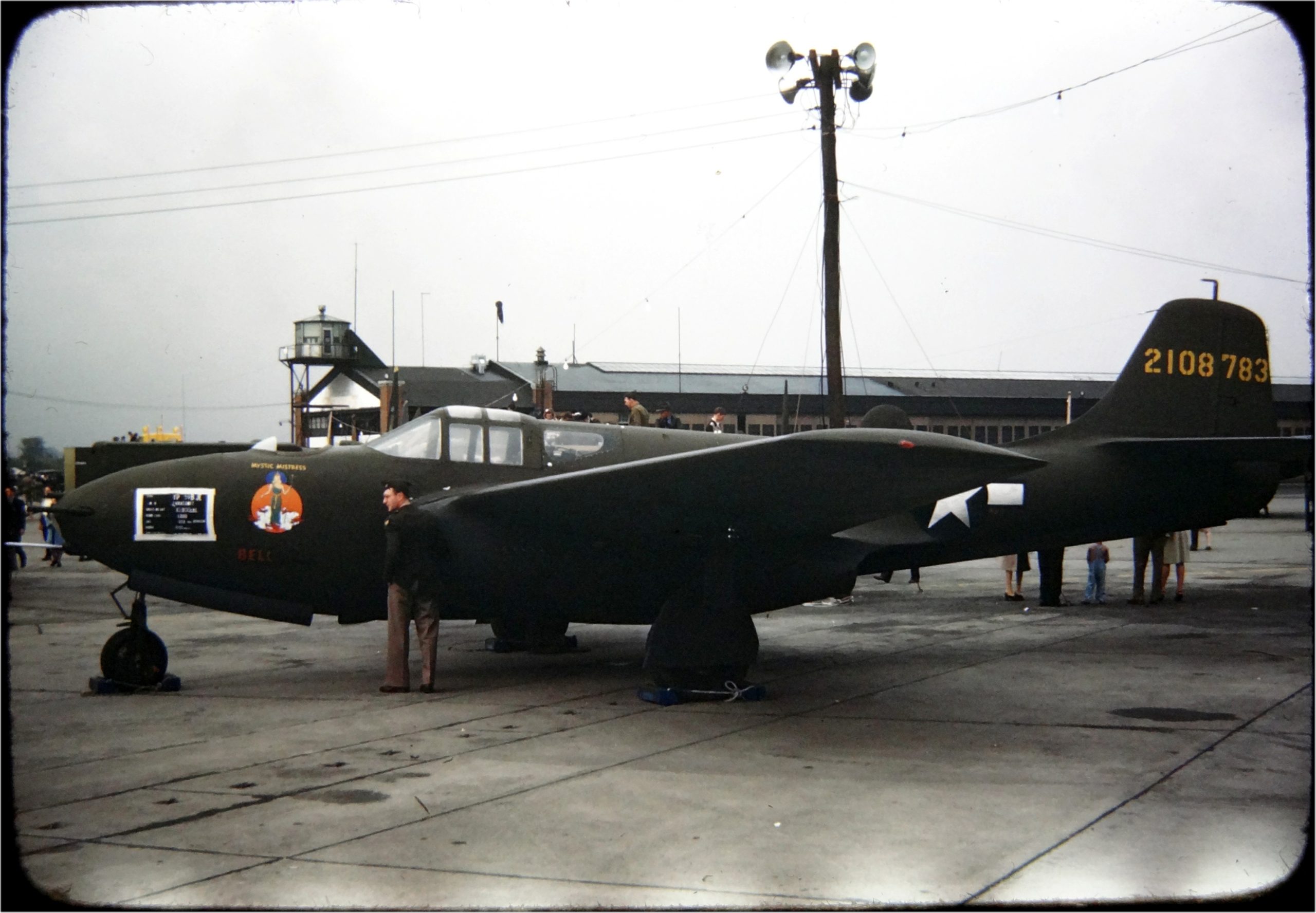
Built by Bell Aircraft as construction number 27-10, the aircraft was accepted into the USAAF on May 19, 1944, and was used for flight testing at flight tested at Muroc Army Airfield, California. The aircraft was modified with clipped wings for better roll rate, a feature later seen on other YP-59As and production Airacomets. At one point, it was among four prototype P-59s modified with an open cockpit observer’s seat in front of the pilot’s cockpit with a small windscreen in front. While the two XP-59As used their cockpits to fly dignitaries and other personnel on their first jet flights, the two modified YP-59As (42-108777 and 42-108783) were employed as mother ships for unmanned, radio-controlled P-59s flight performance experiments between late 1944 and early 1945 in a joint Bell/Sperry program at Wright Field in Dayton, Ohio. Takeoffs and landings would be guided by a ground controller seated atop a truck while the mother ship would control the drone during all other stages of the flight.
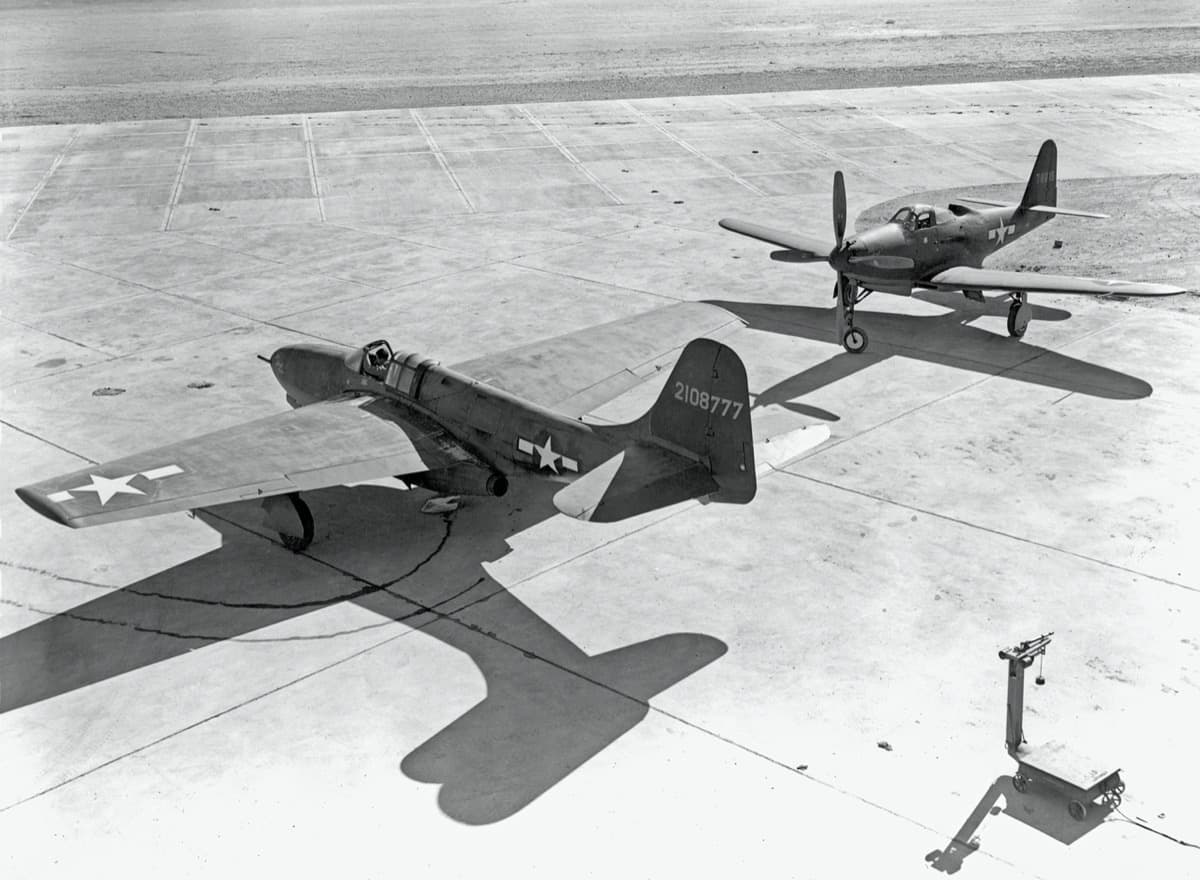
In addition to these experiments, YP-59A 42-108777 was sent to the Joint Fighter Conference held at Naval Air Station Patuxent River, Maryland between October 16-23, 1944, where its performance was compared alongside American and British piston engine aircraft such as F6F Hellcats, F4U/FG-1 Corsairs, P-38 Lightnings, P-47 Thunderbolts, P-51 Mustangs, P-61 Black Widow, P-63 Kingcobra, a Fairey Firefly, a de Havilland Mosquito, and Supermarine Seafires. Even a captured Mitsubishi A6M5 Model 52 Zero was flown in these trials, with the Zero later being acquired by the Planes of Fame Air Museum and maintained in airworthy condition (more on that aircraft HERE). Grumman test pilot Corwin “Corky” Meyer, who later became the president of Grumman from 1974 to 1978 also flew the aircraft during his time at the conference.
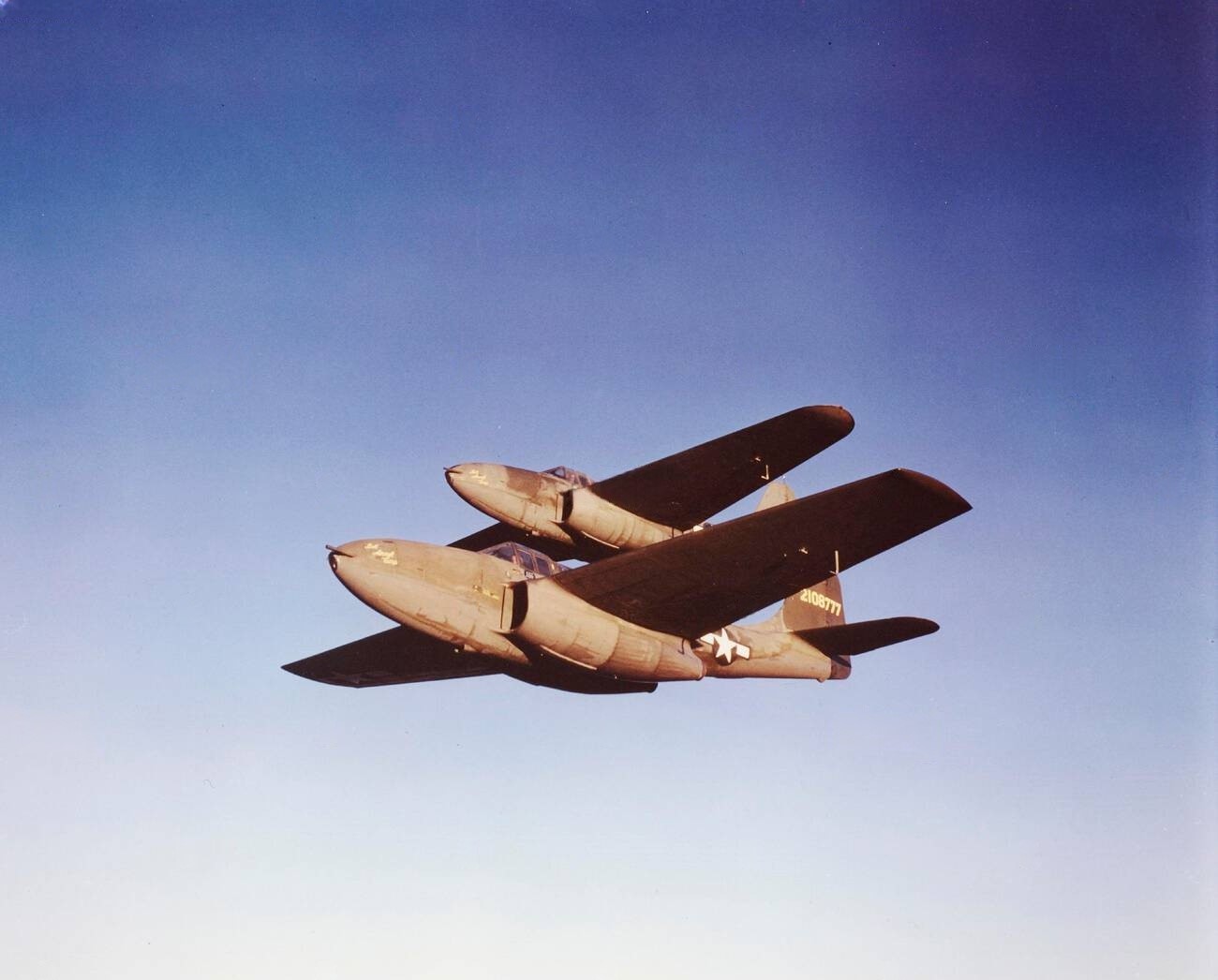
Later, 42-108777 was reassigned to the 412th Fighter Group and flown by both the 445th and 31st Fighter Squadrons at several locations around California, namely Palmdale Army Airfield (now Palmdale Regional Airport), March Field in Riverside, San Bernardino Army Airfield (later Norton Air Force Base, now San Bernardino International Airport) and Santa Maria Army Airfield (now Santa Maria Public Airport). By the time the aircraft was being flown at Santa Maria, then being used primarily as a training field for P-38 Lightning pilots, a P-38 canopy was added to the forward observer’s cockpit, and it has been reported that pilots occasionally used 42-108777 to take ground personnel and nurses from the field hospital on their first jet flights while at Santa Maria.
Following WWII, YP-59A 42-108777 was sold as surplus, and was transported to the Hancock College of Aeronautics at nearby Hancock Field (now the site of Allan Hancock College), alongside numerous other surplus fighters, bombers, transports, and trainers. Then in June 1946, the aircraft was sold off to California Polytechnic State University, San Luis Obispo, where it and several other surplus WWII aircraft were used as instructional airframes for aeronautical students. On February 13, 1947, 42-108777 was officially stricken from the USAAF inventory. As more advanced aircraft became available for schools to purchase, many of the WWII aircraft were either sold for scrap or in some cases sold to the first collectors in the burgeoning warbird community. Among these was Edward T. Maloney, founder of the Planes of Fame Air Museum (originally established as The Air Museum).
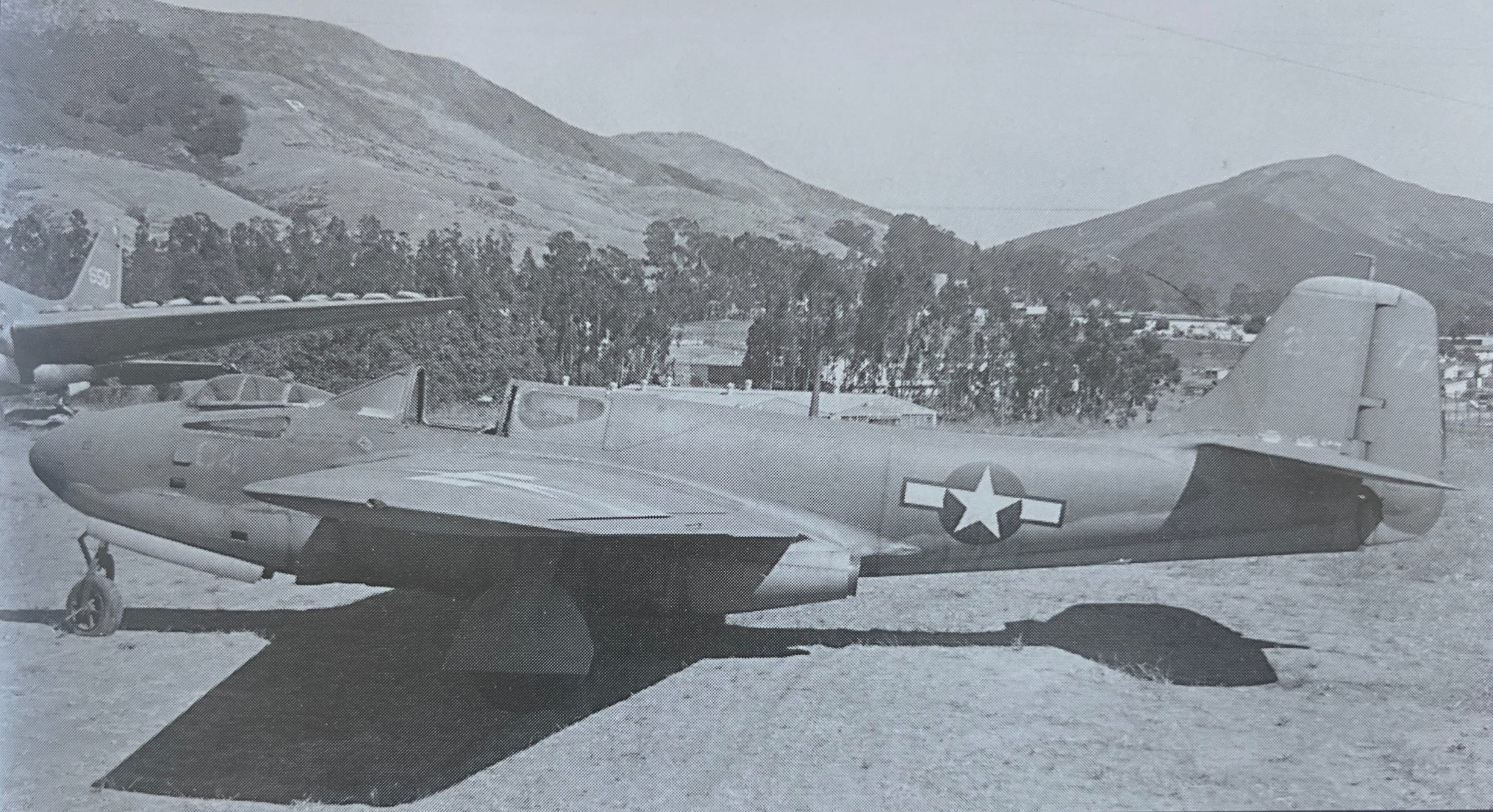
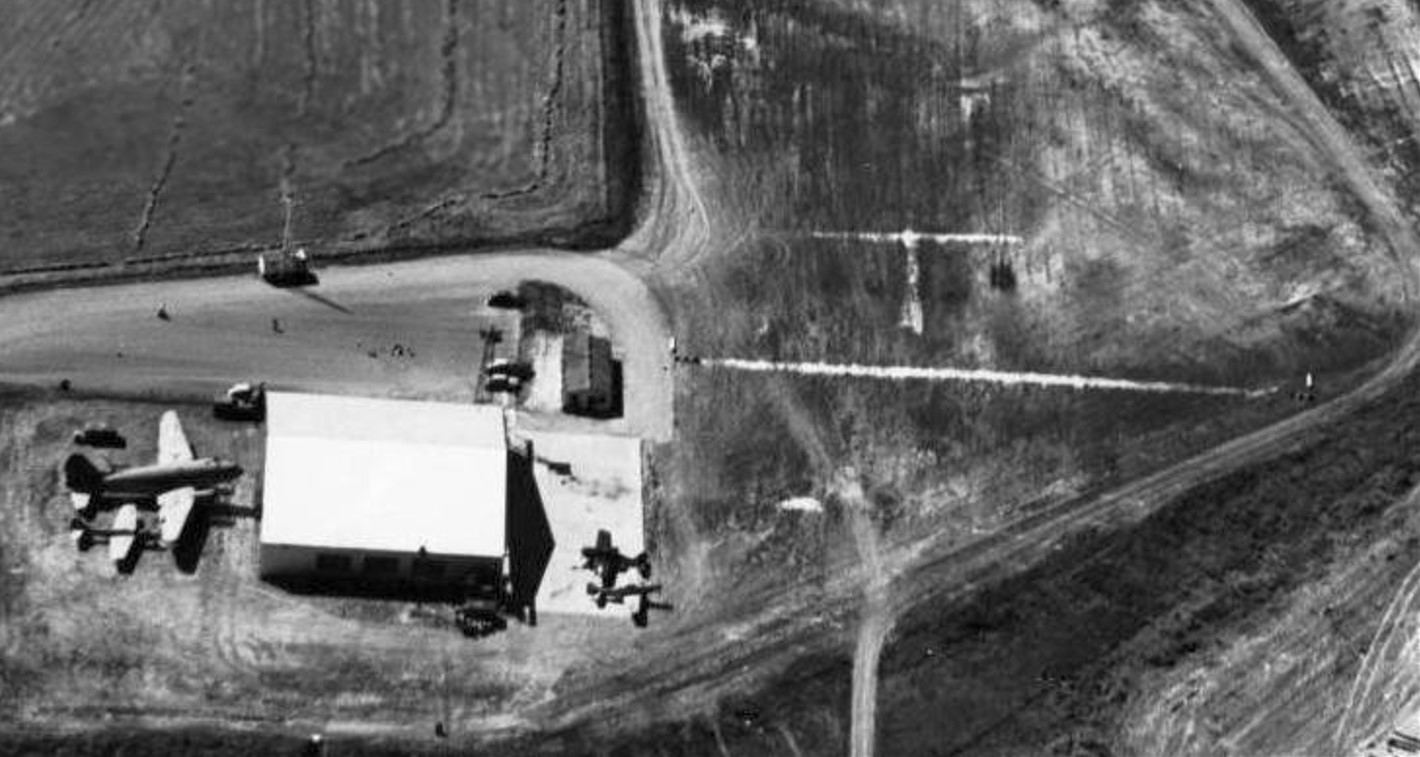
By March 1958, Maloney had already been collecting surplus aircraft for 10 years, and the trade schools across California had no shortage of airplanes to buy. Upon hearing of the Airacomet in San Luis Obispo, he knew he needed to acquire it. Driving late into the night to arrive in San Luis Obispo as early as 4am, Maloney and a team of volunteers disassembled the aircraft and trucked it back to the museum’s first location in Claremont, California. After going through two more locations, the museum came to Chino Airport in 1973, but YP-59A 42-108777 remained unrestored, its engines having been sold off by Cal Poly well before Maloney acquired the aircraft. The YP-59A was restored to static display condition, retaining the observer’s cockpit as it sat on display, first outdoors, then in the museum’s hangars when they were built.
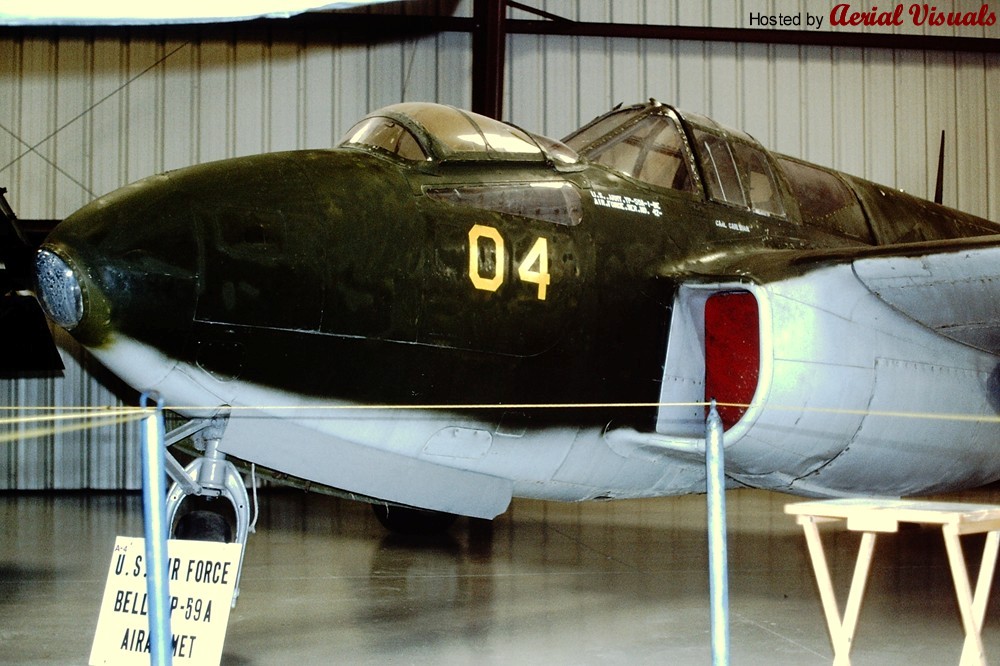
In 1991, the museum made the decision to being restoring 42-108777 to flying condition. At the start of the project, the aircraft was missing many parts, and the museum’s volunteers had to actively search for what parts they could find or re-fabricate components that could not be found. One lucky break during the restoration was the discovery of three General Electric J31 engines kept in storage in New Mexico. These three had originally been intended for use in the Ryan FR-1 Fireball mixed propulsion naval fighter but had never been installed before the Fireball itself (Planes of Fame is also home to the world’s last surviving FR-1 Fireball, which is the subject of this article HERE) was withdrawn from operational service. These engines were restored by volunteers from aviation parts distributor Aviall (later acquired by Boing), while the forward fuselage and wing spars received volunteer work from employees of Textron.
While the museum and its volunteer workforce made progress throughout the 1990s, 2000s, and early 2010s, the work on YP-59A 42-108777 was slowed down. The museum currently estimates, however, that the restoration of the Airacomet is about 75% complete. The wing spars and the fuel system have been replaced, the aircraft has been rewired, and the landing gear and both engines have already been overhauled. Now, the remaining tasks in the restoration include reinstalling the instrument panel, recovering the fabric-covered elevators, finishing the cockpit, and repainting the aircraft back to its USAAF olive-drab/neutral grey scheme.
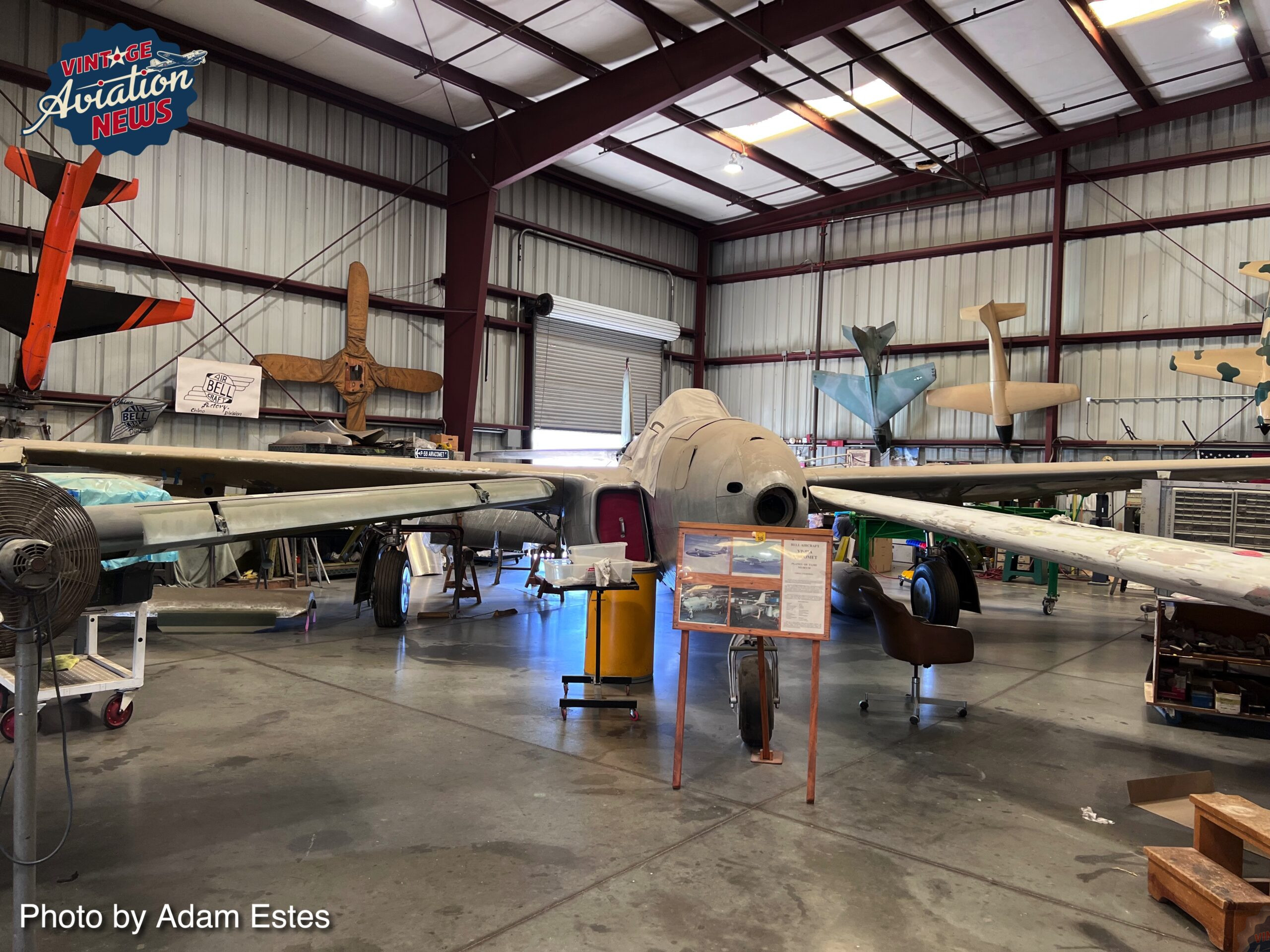
No recent timeline has been set for the ultimate conclusion of YP-59A 42-108777’s restoration or for its first flight, but when that day finally arrives, the aircraft will not only be the only airworthy Bell P-59 Airacomet, but the oldest flying jet-powered aircraft in the world. And with the Planes of Fame adding a new facility in Santa Maria to complement their existing facility in Chino, perhaps the aircraft might even fly in the same skies it once did some 80 years ago, alongside other aircraft in the flying collection, such their Lockheed P-38J Lightning, 44-23314, which also flew at Santa Maria Army Airfield during WWII at the same time the 412th Fighter Group was in Santa Maria.
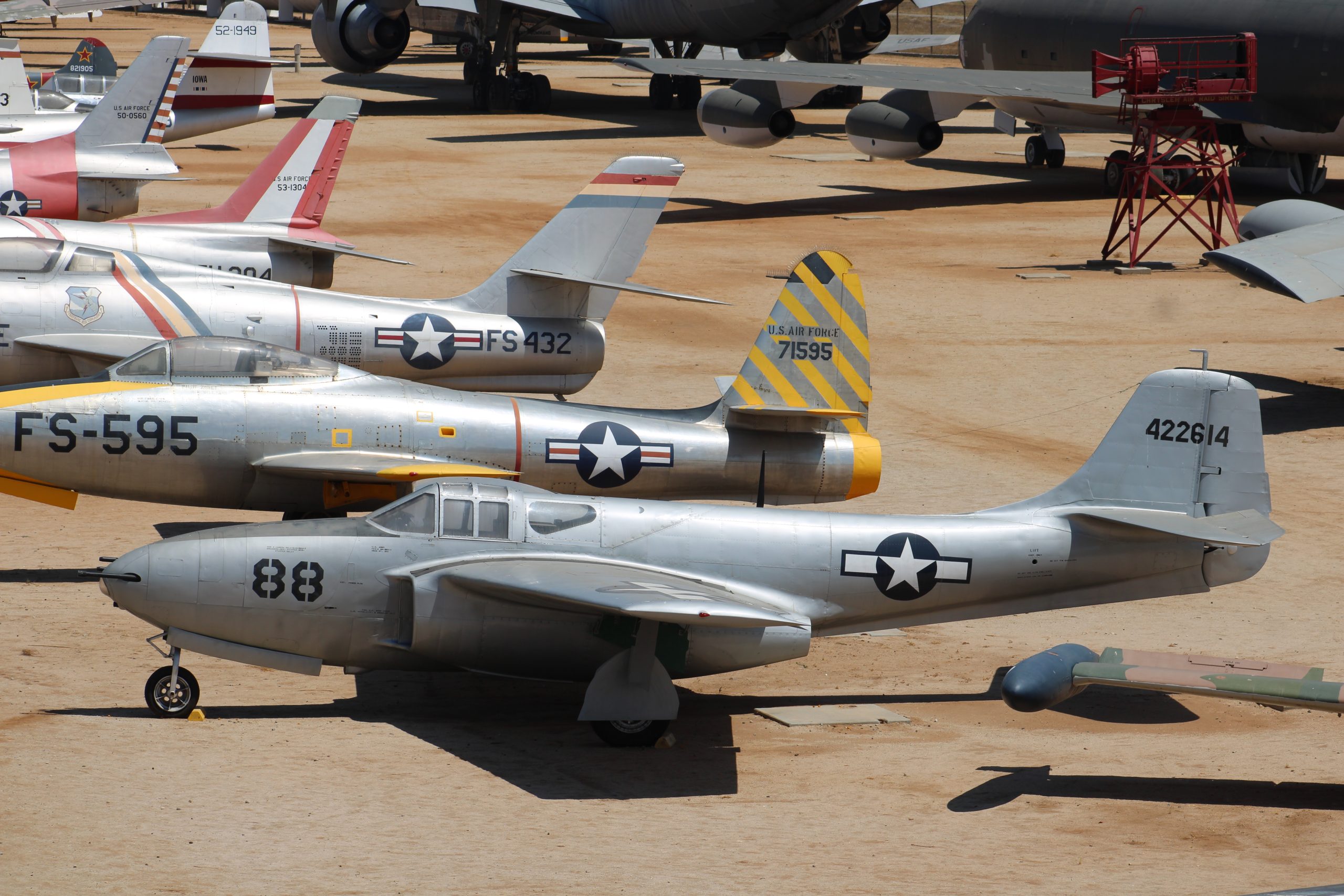
P-59A 44-22614 (c/n 27-22)
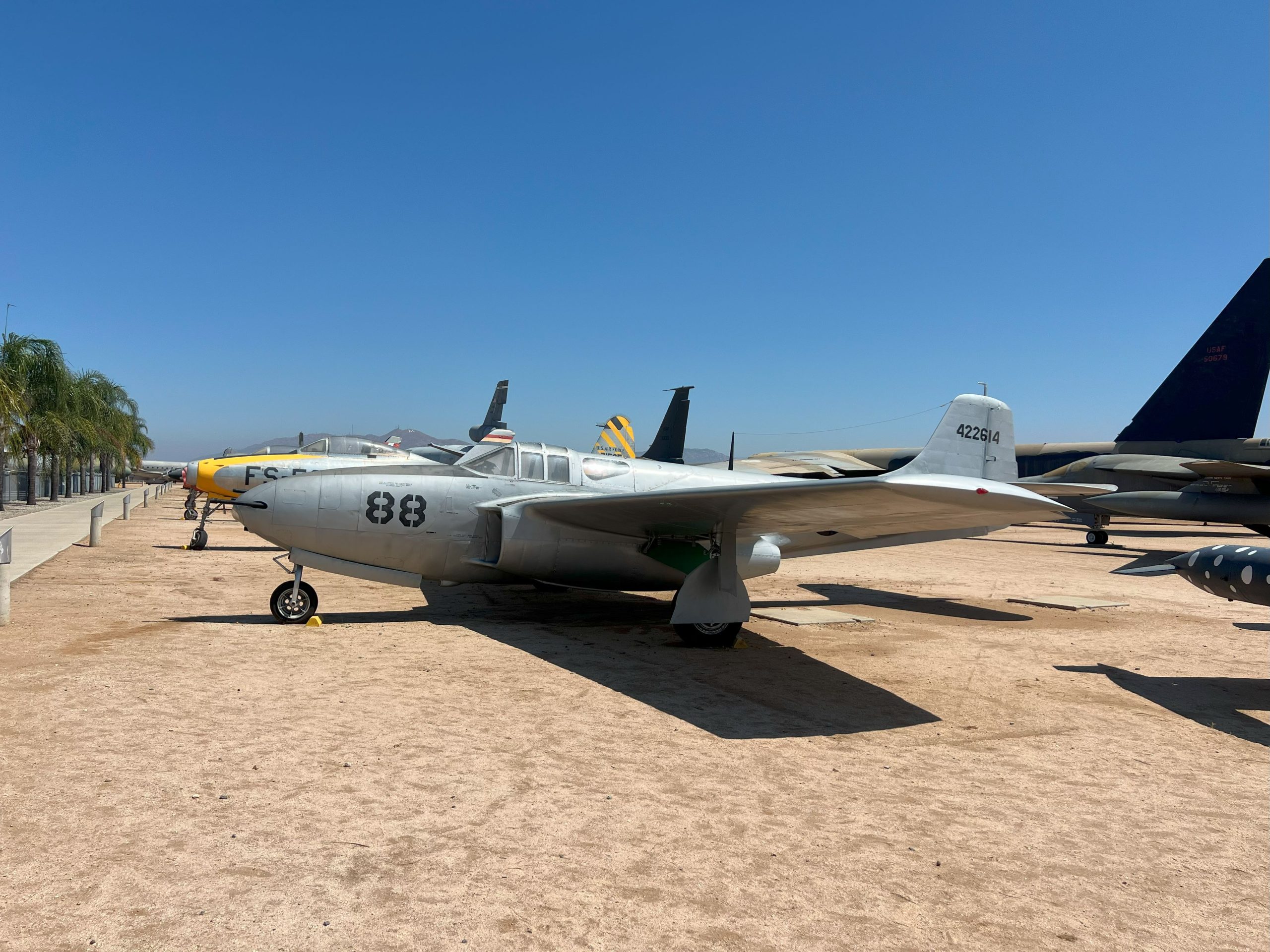
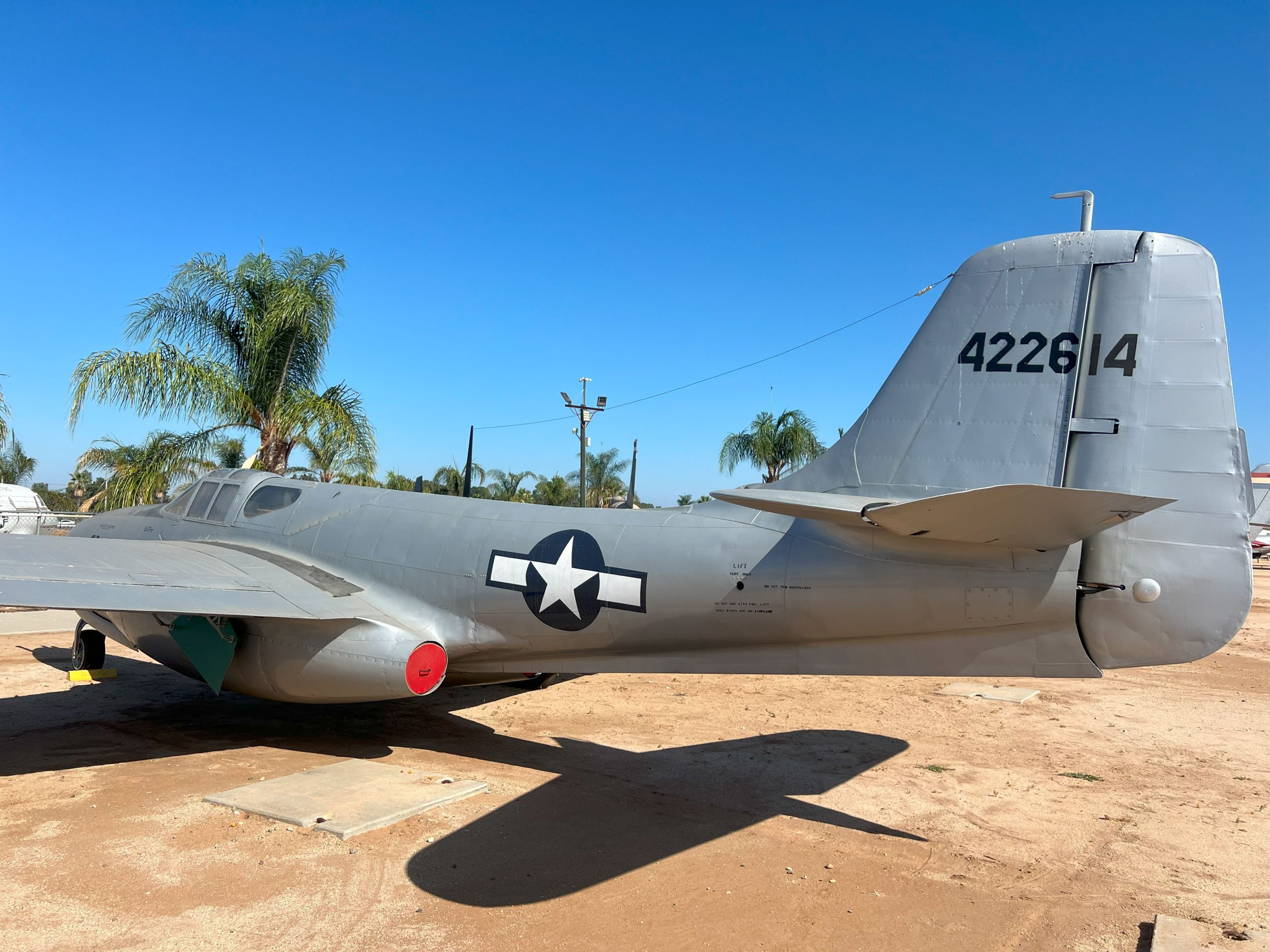
The A model of the P-59 was the first production variant of the Airacomet, yet only one of the 20 P-59As has managed to survive to the present day. Built in Buffalo and delivered to the US Army Air Force on September 25, 1944, P-59A 44-22614 was assigned to the 412th Fighter Group with the unit number 88, flying all over southern California. From November 1945 to April 1946, the aircraft was assigned to March Field in Riverside, California, before it was stricken from the USAAF’s inventory in April 1946 and was acquired by the Hancock College of Aeronautics at Hancock Field in Santa Maria, alongside YP-59A 42-108777. There it was photographed in 1949 by aviation historian and photographer Bill Larkins, who photographed other surplus WWII aircraft at Santa Maria before Hancock Field was redeveloped into Allan Hancock College.
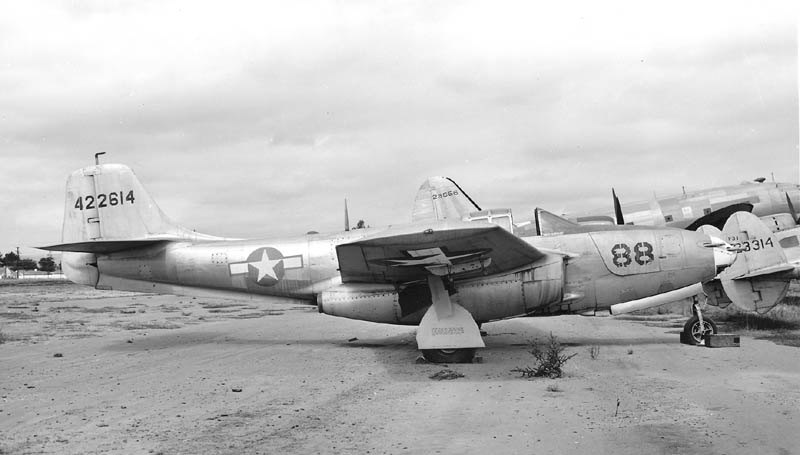
In 1950, 44-22614 was sold to the Frank Wiggins Trade School (now the Los Angeles Trade-Technical College) for further use as an instructional airframe. Within a few years, however, the aircraft was deemed obsolete for further use by the college, and had it not been for one man, the aircraft would have likely been scrapped. Luckily for aviation enthusiasts, Jack Hardwick, a collector of surplus aircraft, acquired P-59A 44-22614 to become one of many aircraft he acquired primarily from local trade schools, and brought the Airacomet to his yard in El Monte, a city just east of Los Angeles. While some derided Hardwick’s collection as little more than a junkyard, one man’s junk was Hardwick’s treasure and as the value of surplus WWII aircraft rose, many were eager go to El Monte and buy from Jack Hardwick.
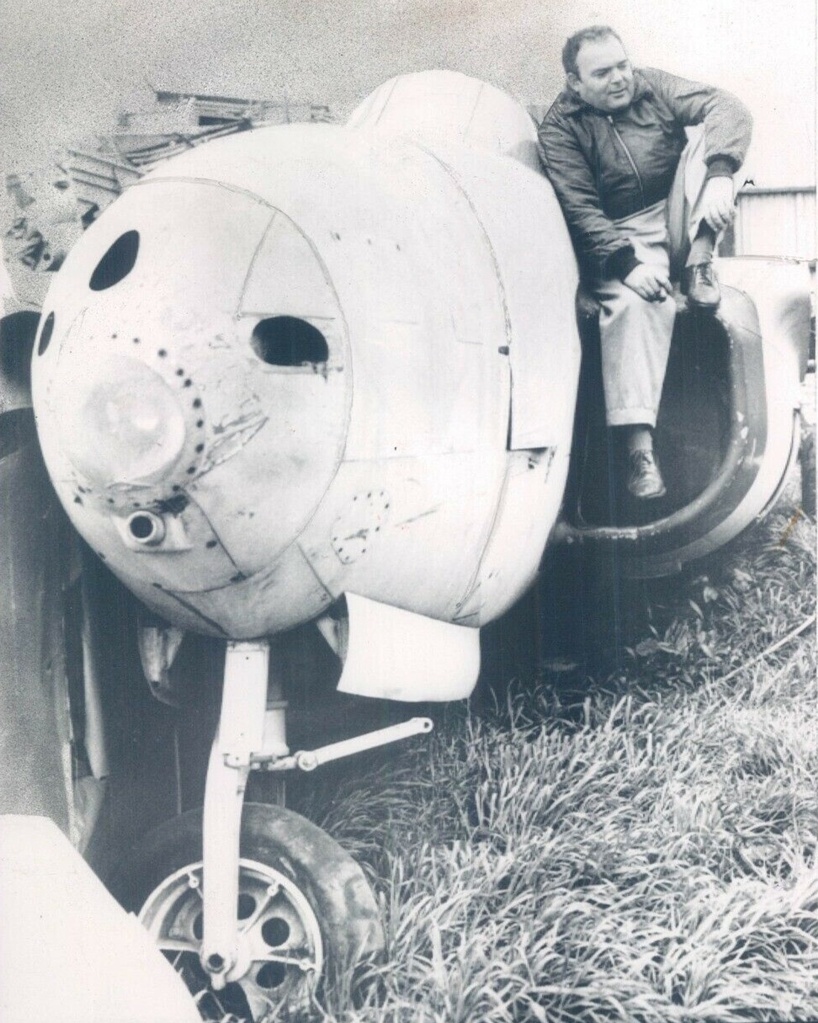
In 1976, Ascher Ward of Van Nuys, California acquired P-59A 44-22614 and soon traded it to the National Museum of the United States Air Force in exchange for a surplus Douglas C-118 Liftmaster stored at Davis-Monthan Air Force Base. With the NMUSAF (then the United States Air Force Museum) already having a P-59B on display back in Dayton, Ohio, the aircraft was placed in storage by the Air Force at Edwards Air Force Base. In 1980, P-59A 44-22614 returned to March Air Force Base in need of an intensive restoration, coming to the nascent March Field Museum as “a collection of parts on the back of a truck”, but still on loan from the NMUSAF. With the March Field Air Museum having recently been formed on the base, museum volunteers and members of the 452nd Air Refueling Wing began on the static restoration of 44-22614 would begin soon after its arrival. By the late 1980s-early 1990s, the fuselage had been completed and was displayed separately from the wings that were still under restoration.
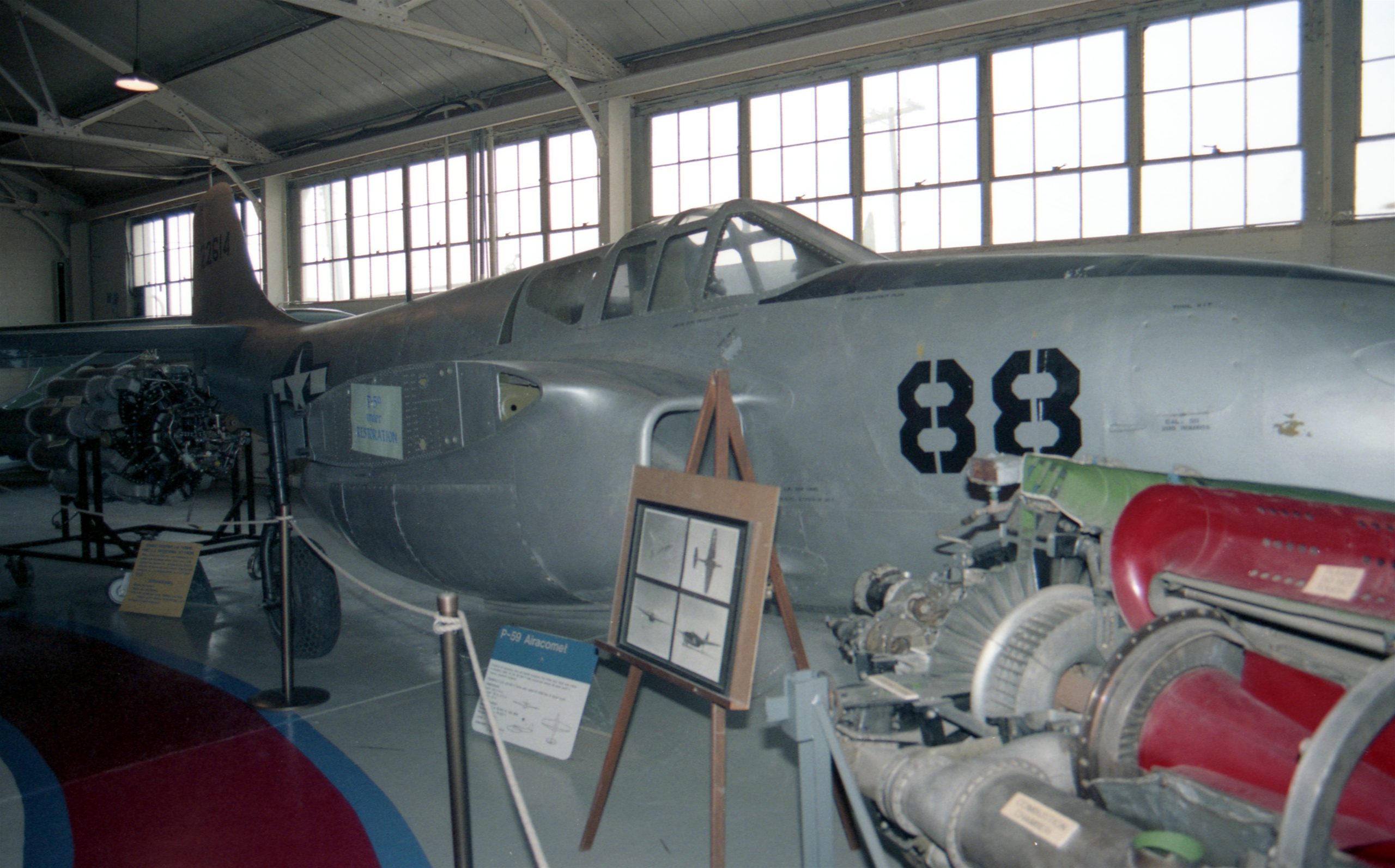
In 1993, the March Field Air Museum had moved across the vase from Building 420 (the former commissary) and a nearby section of the base’s flightline to its current site on the western end of the base (just off Interstate 215), where 44-22614’s restoration continued. However, because March Air Force Base had been selected for realignment as an Air Reserve Base (which was realized in 1996), active-duty Air Force personnel were no longer available to assist the museum volunteers. Nevertheless, the museum’s restoration team completed the restoration in 1997. Since then, the only remaining production P-59A in existence has remained on display at the March Field Air Museum, where until earlier this year it shared a hangar with the museum’s Lockheed SR-71 Blackbird and Bell P-39 Airacobra, but has recently been placed on outdoor display at the end of a lineup of jet fighters. Nevertheless, it is quite fitting that having once flown out of March Field in 1945, 44-22614’s story has come full circle with its restoration and subsequent display at one of the oldest operating airbases in California.
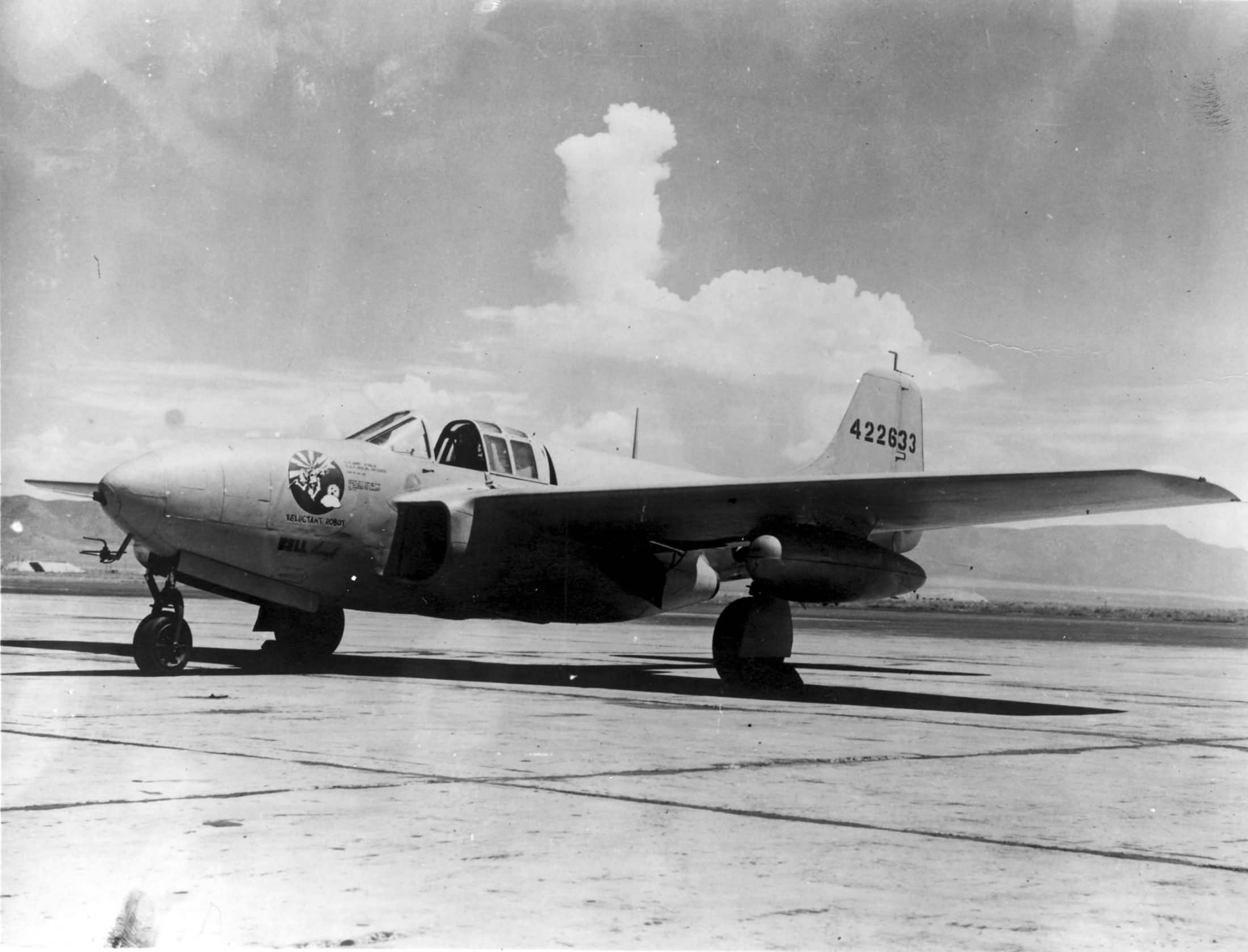
- P-59B 44-22633 (c/n 27-41)
Edwards Air Force Base (referred to during WWII as Muroc Army Air Force Base) holds a special place in the story of the Bell P-59 Airacomet, being the location of the type’s maiden flight, and where the P-59 was continually tested alongside other experimental aircraft, paving the way for Edwards AFB remaining one of the United States Air Force’s prime locations for research and development. In light of this, it is no surprise that yet another of the six surviving P-59s can still be found at Edwards. This aircraft is P-59B 44-22633, which certainly has a unique history among the surviving Airacomets.
In addition to the observer’s cockpits placed in some of the XP-59As and YP-59As, the Airacomet would also become the first American jet aircraft to be converted into a remotely operated drone with a Sperry guidance system. Two YP-59As were selected for the drone program at Wright Field, 42-108780 and 42-108783. -780 would be the drone aircraft using the Sperry guidance system, while -783, which was given the name ‘Mystic Mistress’, became the mothership aircraft, with the drone’s operator seated in the open forward observer’s cockpit. On March 23, 1945, the program was dealt a major blow when YP-59A 42-108780 crashed during an unmanned takeoff.
Requiring a replacement Airacomet for further drone testing, P-59B 44-22633 was selected by Bell and Sperry to become the new drone aircraft to be controlled by Mystic Mistress. Painted in a bright overall orange scheme, 44-22633 was christened ‘Reluctant Robot’, while a Dodge WC series truck used for conducting takeoffs and landings was named ‘Kiwi’s Cockpit’.
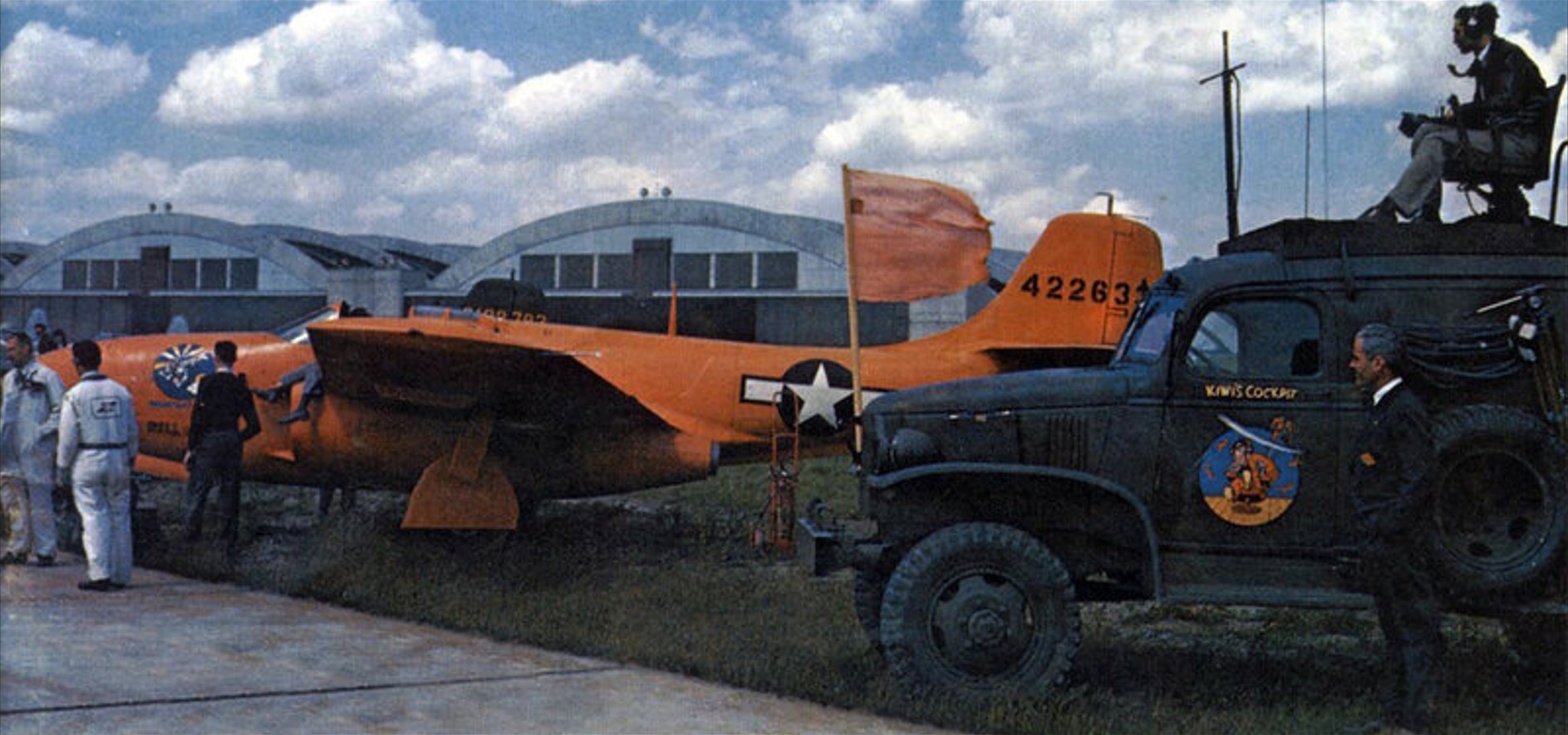
For the rest of WWII, the Reluctant Robot and Mystic Mistress would fly together on flight trials out of Bell’s facility at Buffalo Airport and at Wright Field. In April 1945, Colonel Craigie made history yet again by becoming the first USAAF officer to be flown in a remotely operated aircraft when he flew in Reluctant Robot. Craigie was impressed by the fact that the Mystic Mistress guided the Reluctant Robot through dives, climbs, and turns without any input from Craigie, but during the landing, the ground controller on Kiwi’s Cockpit guided Reluctant Robot to a hard landing, blowing the nose wheel tire. Fortunately, no further damage was suffered, and the Reluctant Robot would return to the skies.
While conducting test flight trials in the airspace near Akron, Ohio, an unusual occurrence was noted in that Reluctant Robot’s flaps would fully extend in flight without input from the Mystic Mistress. It was later discovered that the radio frequency used to direct the Reluctant Robot to lower its flaps was the same as the Akron police radio frequency, which resulted in the occasional police radio call to lower the Reluctant Robot’s flaps!
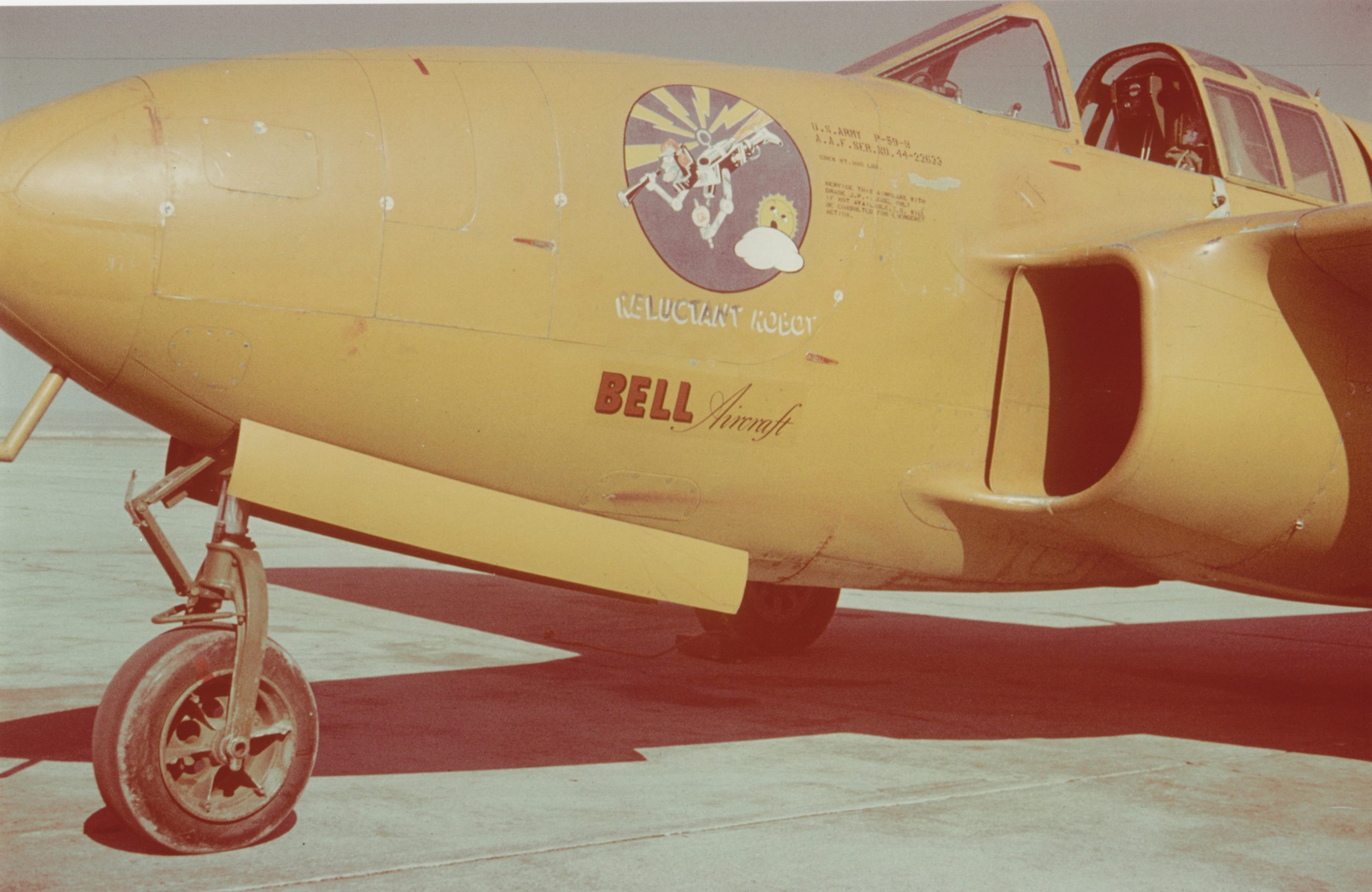
Later in its service life, P-59B 44-22633 was transferred to the 445th Fighter Squadron, 412th Fighter Group, and flown with the majority of the P-59As and P-59Bs at Muroc, March, San Bernardino, Palmdale, and Santa Maria Army Airfields. Following the end of WWII, most of the remaining Airacomets were phased out of service, but 44-22633, having been kept at Muroc/Edwards Air Force Base was the only one to receive the F-59 prefix as part of the newly independent U.S. Air Force’s change in designations that reclassified pursuit aircraft as fighter aircraft. However, to denote its status as being an obsolete type, 44-22633 was also given the Status Prefix Z for obsolete, becoming ZF-59B 44-22633. On October 4, 1948, ZF-59B 44-22633 became the last Bell P-59 Airacomet officially stricken from the USAF inventory and was soon relegated to being a gunnery target in the Mojave Desert at Edwards AFB, alongside other surplus aircraft, including YP-59A 42-108783 ‘Mystic Mistress’.
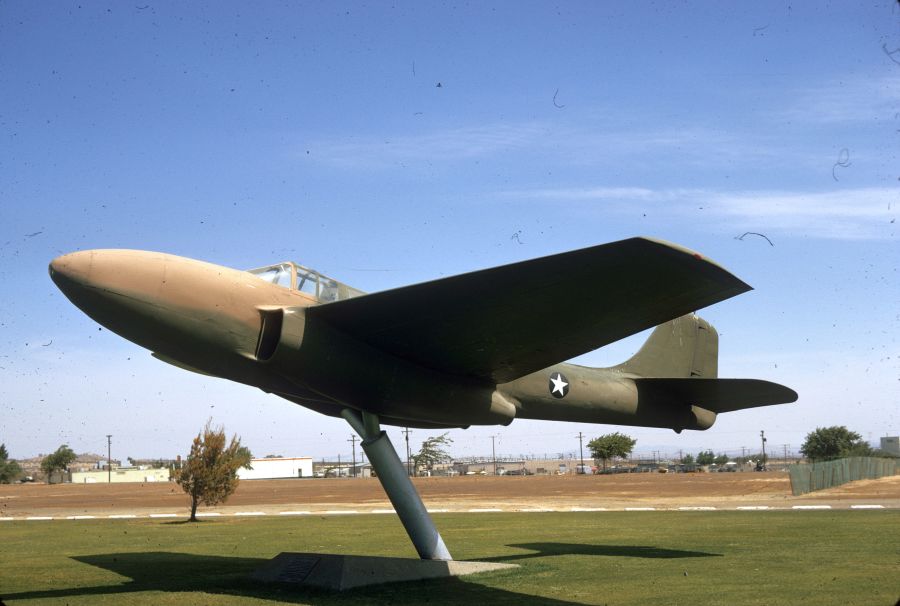
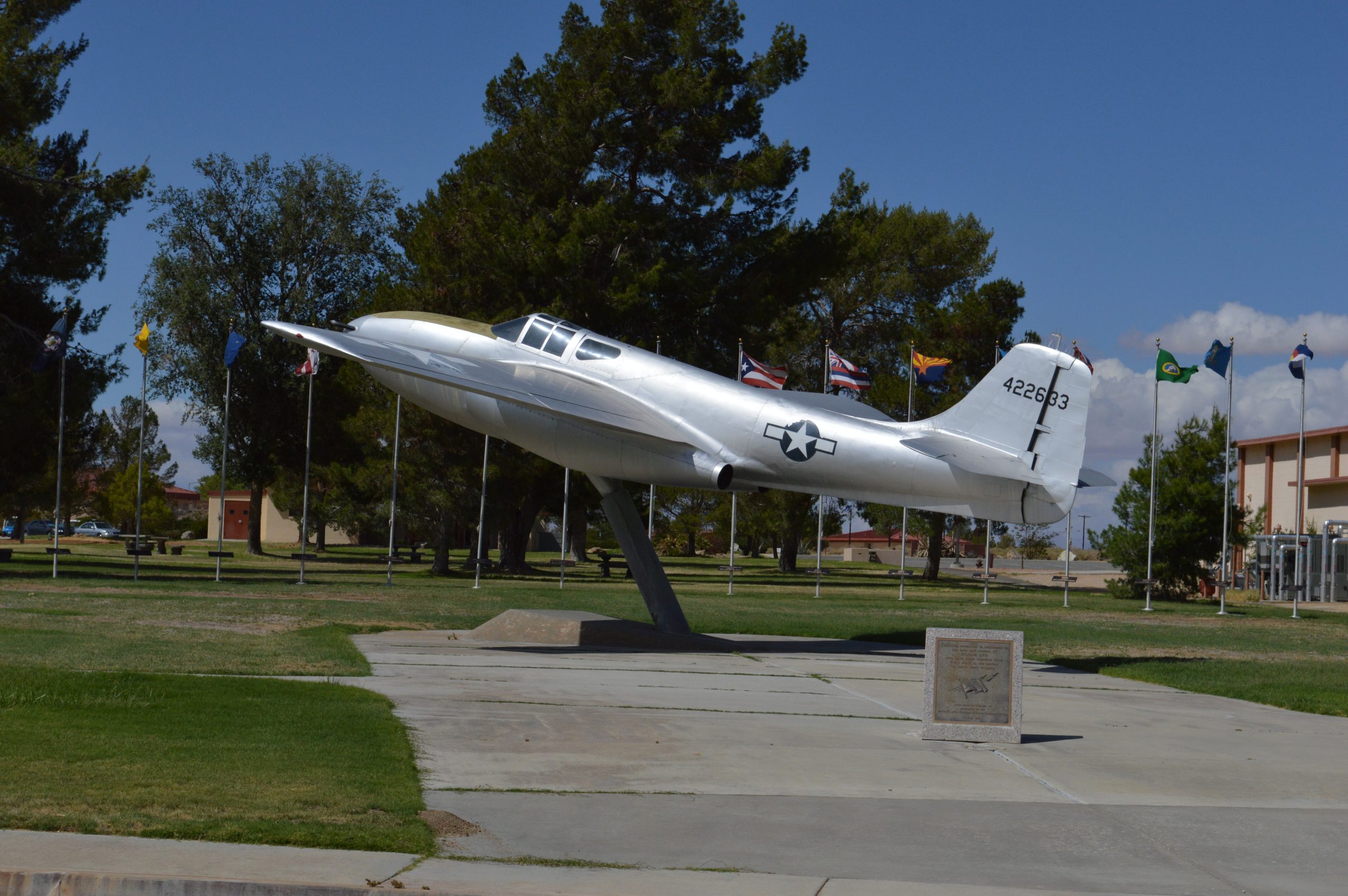
While ‘Mystic Mistress’ was eventually destroyed by gunfire, the former ‘Reluctant Robot’, 44-22633, remained intact long enough for it to be selected for preservation for its historical significance. During the 1970s, it was erected on a pylon in front of the Edwards AFB Library. While originally painted in the colors of the XP-59A prototype, 44-22633 now wears the standard colors of a P-59B, with silver paint to protect its aluminum skin from the local weather. While the aircraft is officially on loan from the National Museum of the United States Air Force at Wright-Patterson Air Force Base, the local maintenance of the aircraft is entrusted to the Flight Test Museum at Edwards AFB, which is presently in the midst of moving to the West Gate of Edwards to increase its accessibility to the public. As for the Reluctant Robot, though, it is most likely that the aircraft will remain at the base library, prohibiting access to those with prior authorization to enter the premises of Edwards AFB.
P-59B 44-22650 (c/n 27-58)
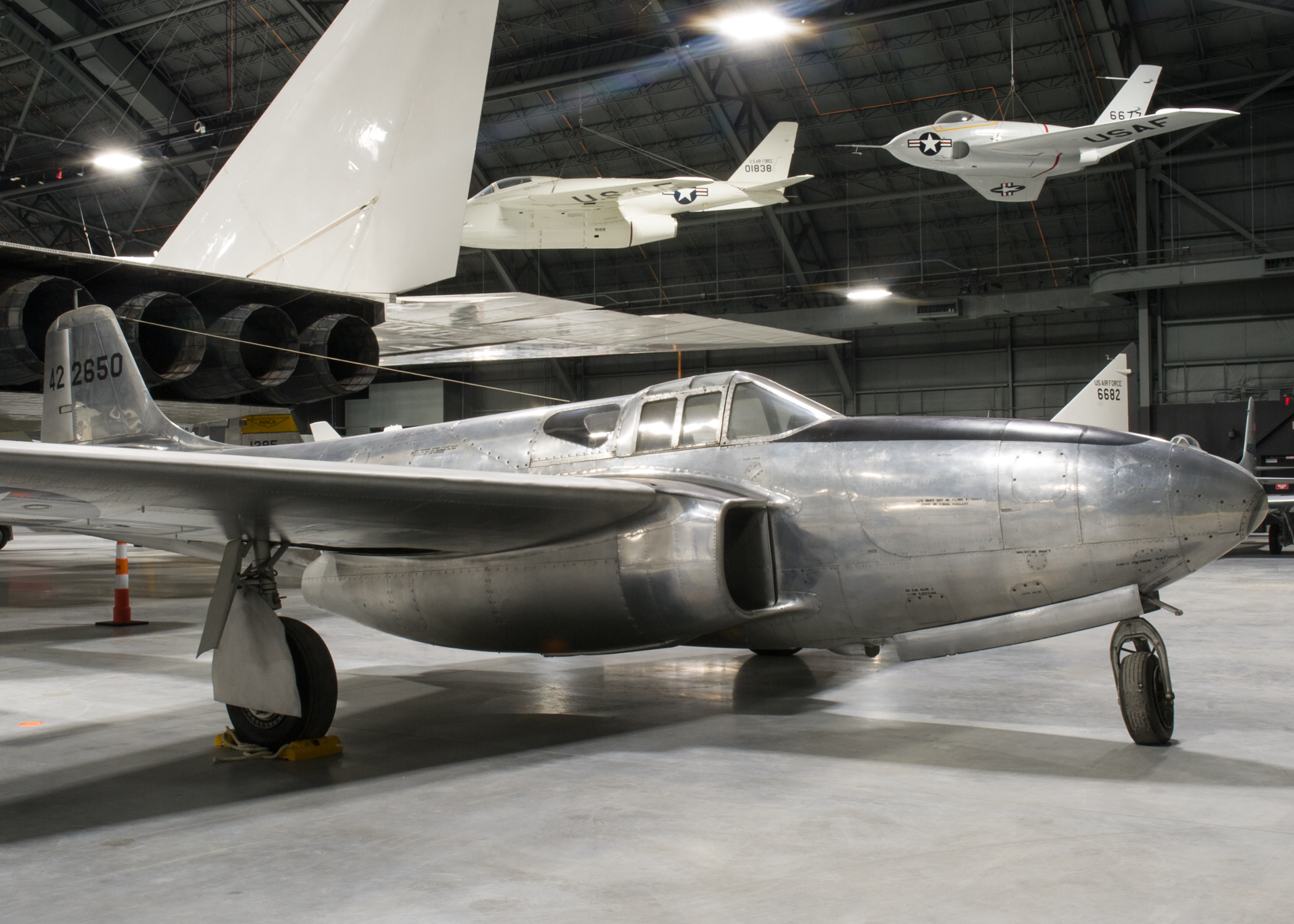
Inside the National Museum of the United States Air Force’s Research & Development Gallery, visitors can find, nestled among dozens of other experimental aircraft from the Bell X-1B to the mighty North American XB-70 Valkyrie, the 18th production P-59B, serial number 44-22650. Delivered before the cancellation of the P-59B production contract, the aircraft would be assigned to the National Advisory Committee for Aeronautics (NACA) Flight Propulsion Research Laboratory in Cleveland, Ohio (now the NASA John H. Glenn Research Center at Lewis Field).
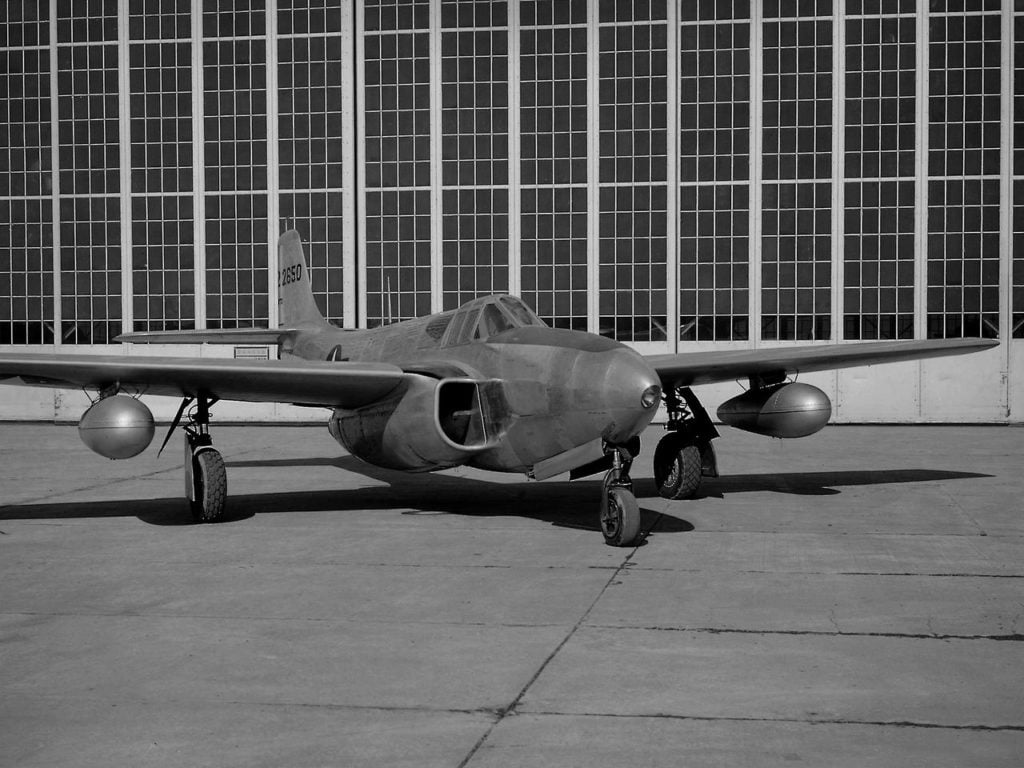
In 1947, aircraft 44-22650 was transferred to Kirtland Army Airfield in Albuquerque, New Mexico. By this point, many of the Airacomets that had not yet been scrapped would spend their final days as ground targets on firing ranges, and in the case of 44-22650, it was to be placed on an artillery range just east of Kirtland at the foot of the Manzano Mountains, where it was to bear the brunt of proximity fuse shells. However, the aircraft was kept outdoors on a nearby dirt airstrip in Coyote Canyon, where it was kept intact from 1947 to 1951, before it was placed on display in front of the base headquarters building, alongside a captured Japanese Army fighter, a Nakajima Ki-43-IIb Hayabusa, serial number 6430. Maintaining the two aircraft, however, proved to be costly in terms of manhours, and by 1953, the new commanding officer of Kirtland decided to have them brought to the Base Reclamation Area to be destroyed.
Fortunately for both aircraft, New Mexico Air National Guard Base Supply Officer R. F. Arnold recognized the historical significance of these now rare types and had then transferred into the New Mexico Air National Guard, and they would share the flightline with active Air National Guard F-80 Shooting Stars.
In 1955, the United States Air Force Museum at Wright-Patterson Air Force Base in Dayton, Ohio received word of the P-59 and the Oscar at Kirtland. They filed a request with the New Mexico Air National Guard for the Airacomet, and on December 23, 1955, a ceremony was held at Kirtland to officially transfer P-59B 44-22650 to the USAF Museum. Brigadier General John P. McFarland, the New Mexico Assistant Adjutant General for Air (ATAG) presented the P-59B to Brigadier General W. M. Canterbury, Commander of the Air Force Special Weapons Center at Kirtland, who then undertook the responsibility of forwarding the aircraft to the museum. (The Nakajima Ki-43 Hayabusa at Kirtland was later transferred to the National Air and Space Museum and is currently on loan to the Pima Air and Space Museum in Tucson, Arizona).
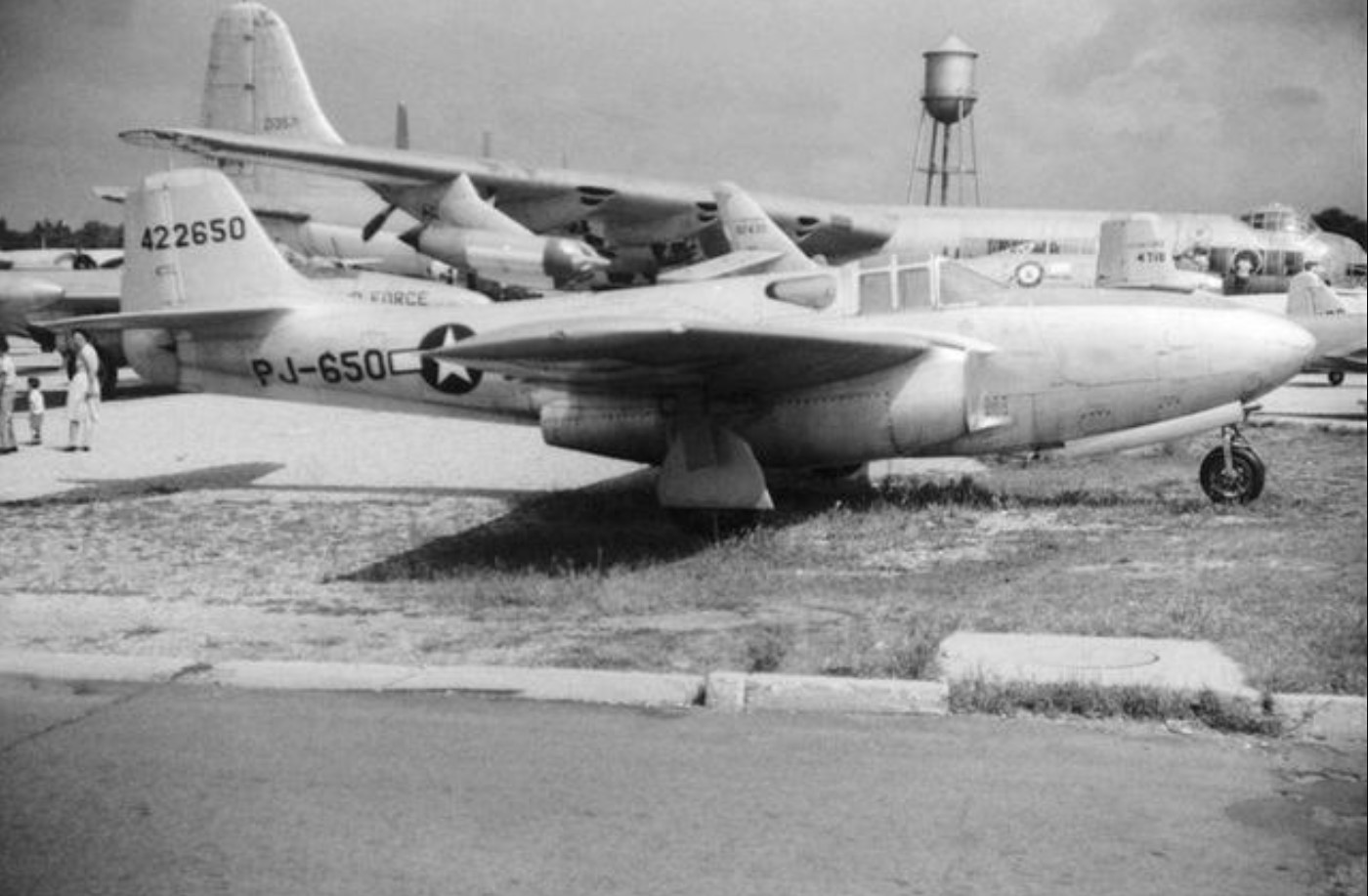
In February 1956, P-59B 44-22650 was disassembled and loaded aboard a Douglas C-124 Globemaster II transport, which flew the Airacomet Kirtland to Wright-Patterson. At that time, the USAF Museum was located on the former Patterson Field side of Wright-Patterson near Fairborn, and due to a lack of space in Building 89, much of the museum’s collection, including P-59B 44-22650 were displayed outdoors before the collection was moved the present site of the museum on the former Wright Field side of Wright-Pat in 1971.
Following a period of time in which the aircraft was displayed in the WWII gallery, the aircraft was moved to the Research and Development (R&D) gallery, then located inside one of the old Wright Field hangars until the opening of the NMUSAF’s fourth hangar in 2016. Since then, P-59B 44-22650 can be found sitting behind the six-engine tail of the Mach 3 capable North American XB-70 Valkyrie, the largest aircraft inside the NMUSAF’s R&D Gallery.
P-59B 44-22656 (c/n 27-64)
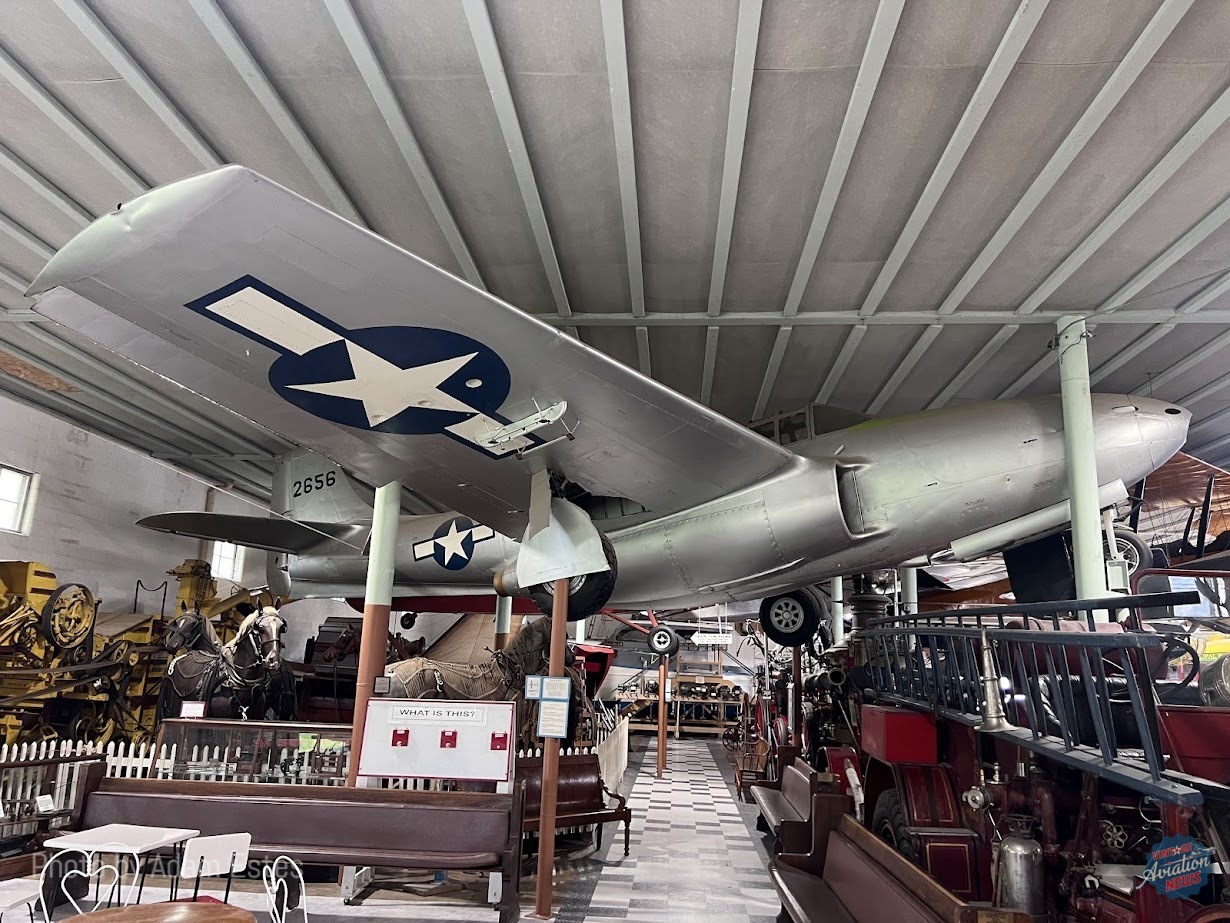
Produced as the 24th production model P-59B, aircraft 44-22656 had a typical career for the P-59Bs, having served with the 412th Fighter Group before coming into the possession of Purdue University in West Lafayette, Indiana in 1946, where it served as an instructional airframe for airframe and powerplant (A&P) students, and one of its J31 engines was made into a cutaway for educational purposes. In 1956, the university agreed to sell the old Airacomet to Harold Warp, a businessman who founded Pioneer Village in his hometown of Minden, Nebraska, where he placed the P-59B among his collection of historical items, ranging from historic buildings, household appliances, cars, motorcycles, a steam locomotive, artworks, firearms, and all manner of antiques, including several other vintage aircraft, which you can read more about in this article HERE.
Today, the Bell P-59 Airacomet is often seen as a failure due to the lackluster performance of its engines. However, being the first jet aircraft built in the United States, its place among the annals of American aviation history cannot be denied. The Airacomet was in no measure the fastest aircraft, but it helped familiarize American pilots, aircraft mechanics, and military and civilian authorities with the then-untapped potential of jet-powered aircraft, and the knowledge gained through the P-59 program assisted in the development of future jet aircraft in the United States, which would become a world leader in the manufacture and sale of this species of airplane. With that said, there is no better way to fully appreciate the first American jet aircraft than going out and seeing any one of the six surviving examples across America, and to support those institutions that will ensure that these Airacomets remain for future generations of aviation enthusiasts and historians to enjoy.








Well done! It’s nice to know the history of these aircraft. Thank you for the credit on my photo.
Thanks, Syd!
Very well done. I have seen all 3P 59s in California. It is sad that the planes of fame Restoration is stalled.