







By Marcus Gibson
THREE RAF Typhoon fighters roared over the International Bomber Command Centre in Lincoln, England, to commemorate the 6th “Bomber Command Day” on the 23rd of July. This occasion was particularly important as it marked the 90th anniversary of the Bomber Command’s creation back in 1936. During WWII, some 55,576 aircrew died on missions and in training accidents; the highest loss ratio of any Allied military unit, out of a total of 125,000 personnel. Of those who flew with Bomber Command in 1940, only 10% survived to 1945. One airman, Tom Jefferson DSO AFC of 18 Sqdn, went from sergeant to squadron leader in just 10 weeks. Not to be forgotten were the expert ground crews who worked in the open air through three of the worst winters of the 20th century.
At the start of WWII in September 1939, the RAF had only 280 twin-engined aircraft, 23 operational squadrons and just 15,000 personnel. As the war progressed, however, the addition of heavy aircraft, including the Avro Lancaster, combined with increased scope and manpower, meant the RAF played a pivotal role in some of the longest campaigns of the war. Recent research has confirmed that, alongside the USAAF, the RAF’s bombing campaign was probably the central, all-decisive factor in Nazi Germany’s early defeat. Not only was the actual destruction hugely damaging, but a cascade of indirect effects drained German industry of its strength.
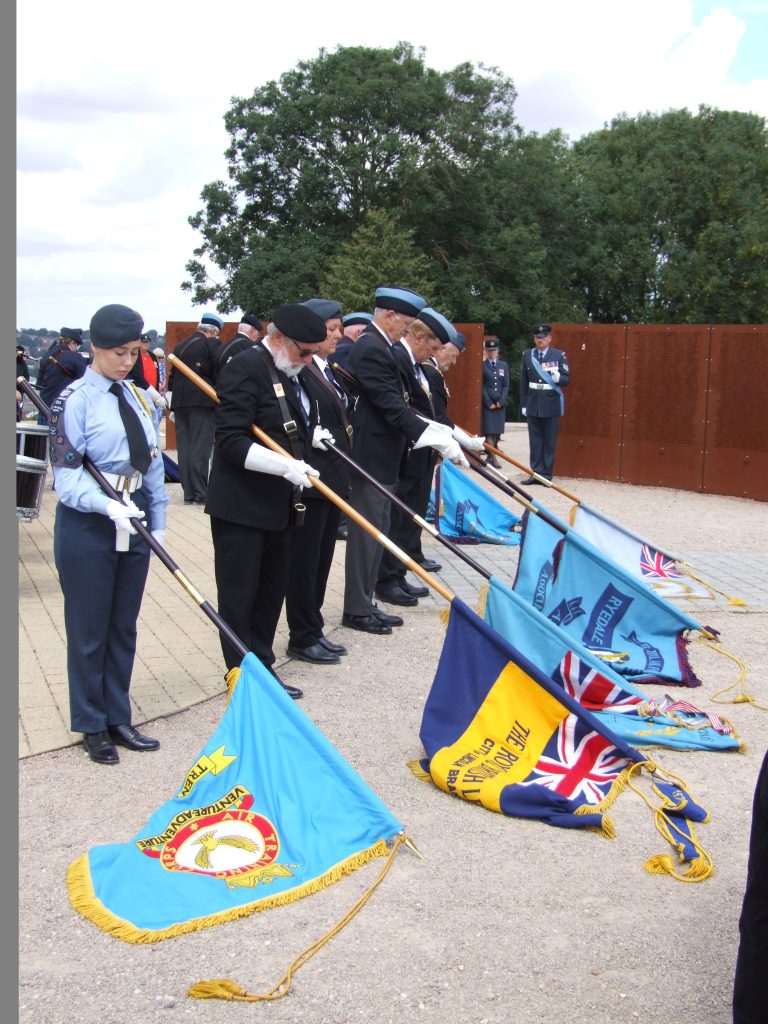
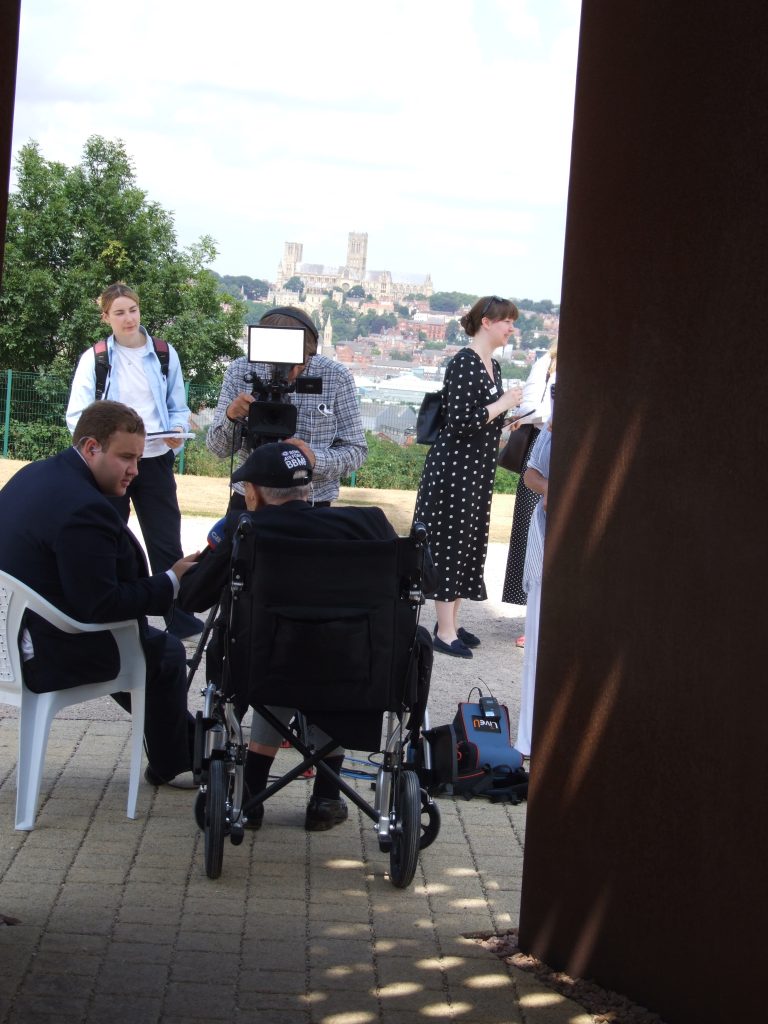
By September 1944, around a quarter of a million men and women were putting over 1,600 RAF aircraft in the air every night, in an effort to bring the war to an end. Before the first Allied tank crossed the German border, barely 15% of its industry was still working, and then only intermittently. The commemoration event took place at the International Bomber Command Centre (IBCC), which stands on a hill above the city of Lincoln directly opposite the famed medieval structure of Lincoln Cathedral.
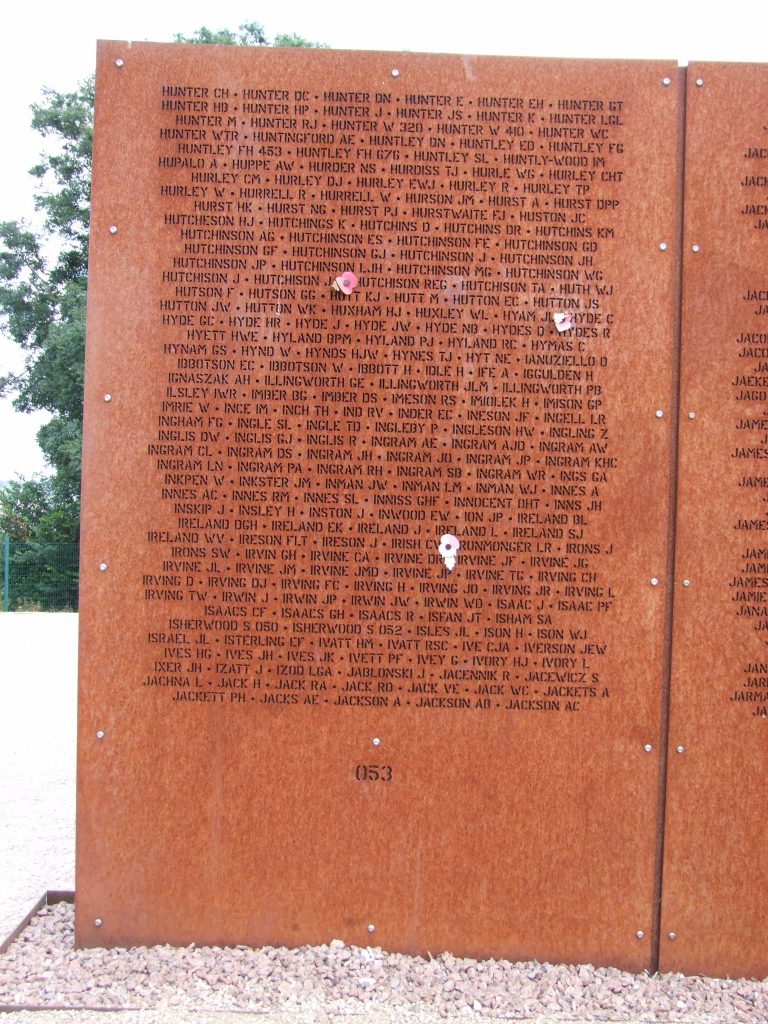
The centerpiece of the IBCC is its Memorial Spire, which stands symbolically 31.09m in height, the length of the wingspan of an Avro Lancaster bomber. The base, 16 m wide, is the same as the width of a Lancaster’s wing. The spire was constructed from weathered steel and weighs 73 tons. It was unveiled in October 2015 before no less than 312 Bomber Command surviving veterans. Those who founded the IBCC were determined that no one who gave their lives would be forgotten. Surrounding the spire are the “Walls of Names”, a total of 271 tall steel panels, each pierced through with the names of those who died on operations, together with another 11,500 who lost their lives while “serving or supporting Bomber Command.” There are two “Aarons,” and 21 “Andersons” in the first panel.
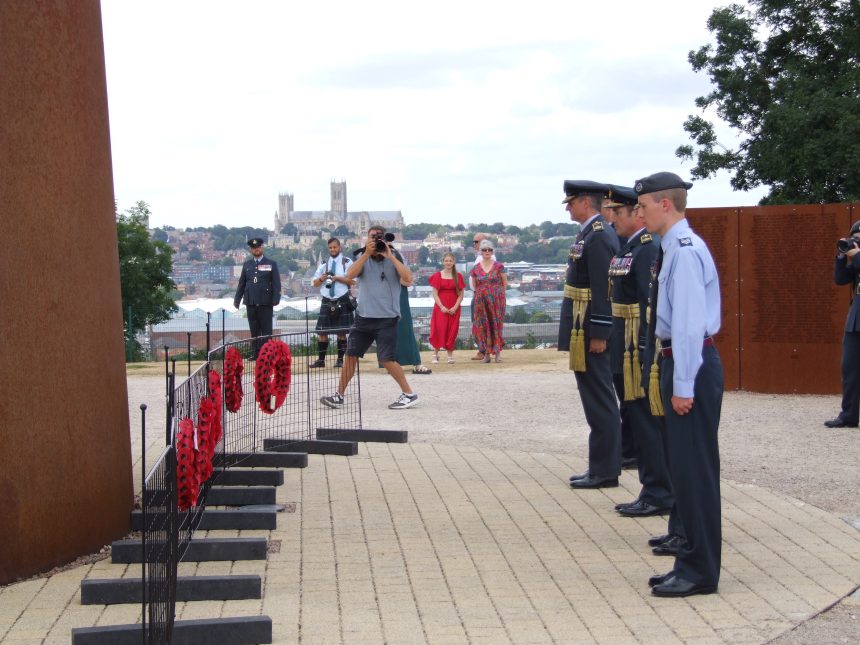
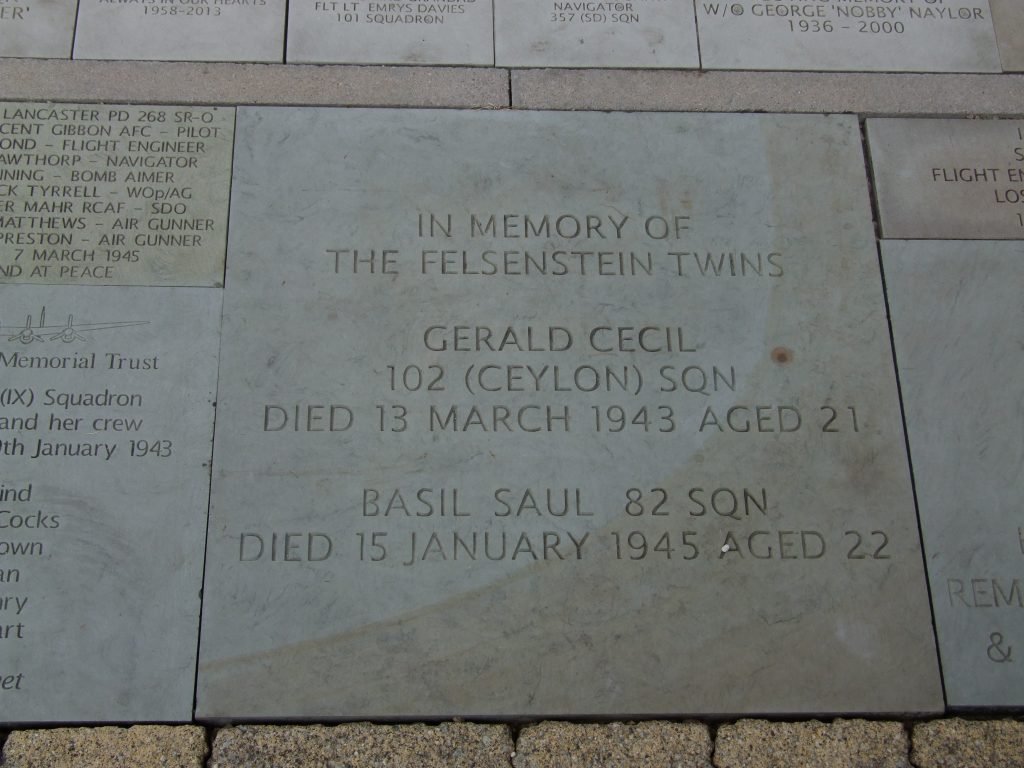
Beside the pathway between the main building and the spire, dozens of families have dedicated memorial plaques to individual crew members. One reads: “In Memory of the Felsenstein Twins,” to Gerald, who was killed in March 1943 aged only 21, and his brother Basil Saul, who died in January 1945 aged 23. At the ceremony, Air Marshal Allan Marshall OBE led the wreath-laying on behalf of today’s RAF. Since July 2026, AM Marshall has been the MoD’s Chief of Joint Operations and head of the Permanent Joint Headquarters, the tri-service HQ which is located at Northwood HQ in London. In addition, the representatives of eight nations came to mark the day.
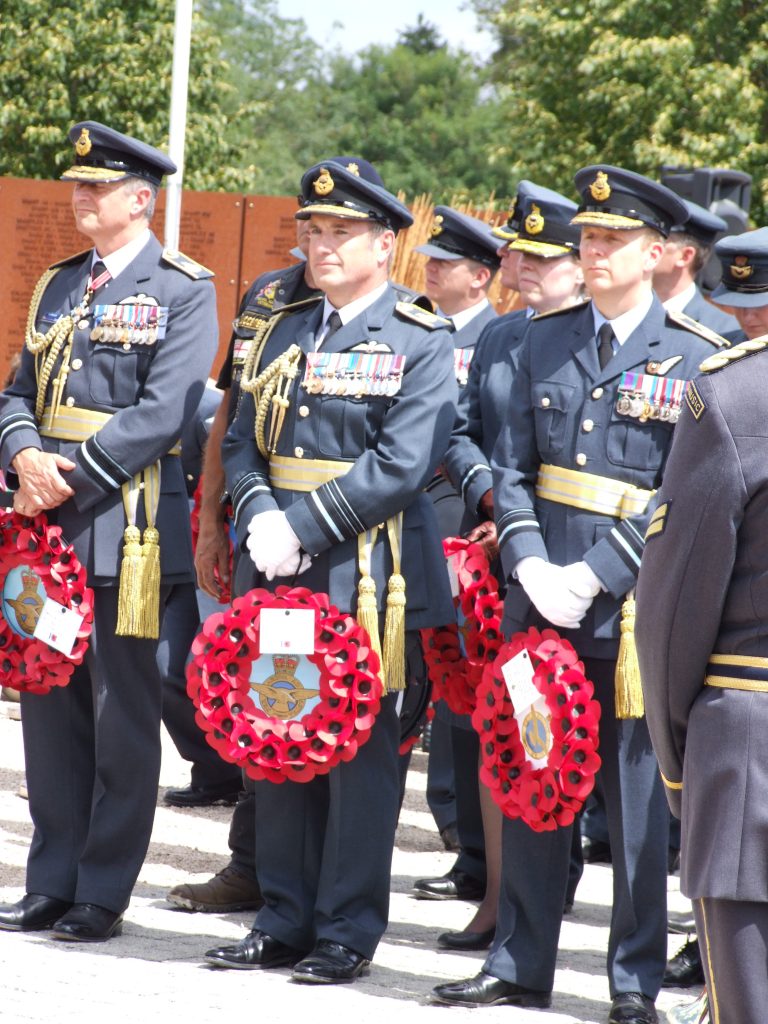
(Image credit: Marcus Gibson)
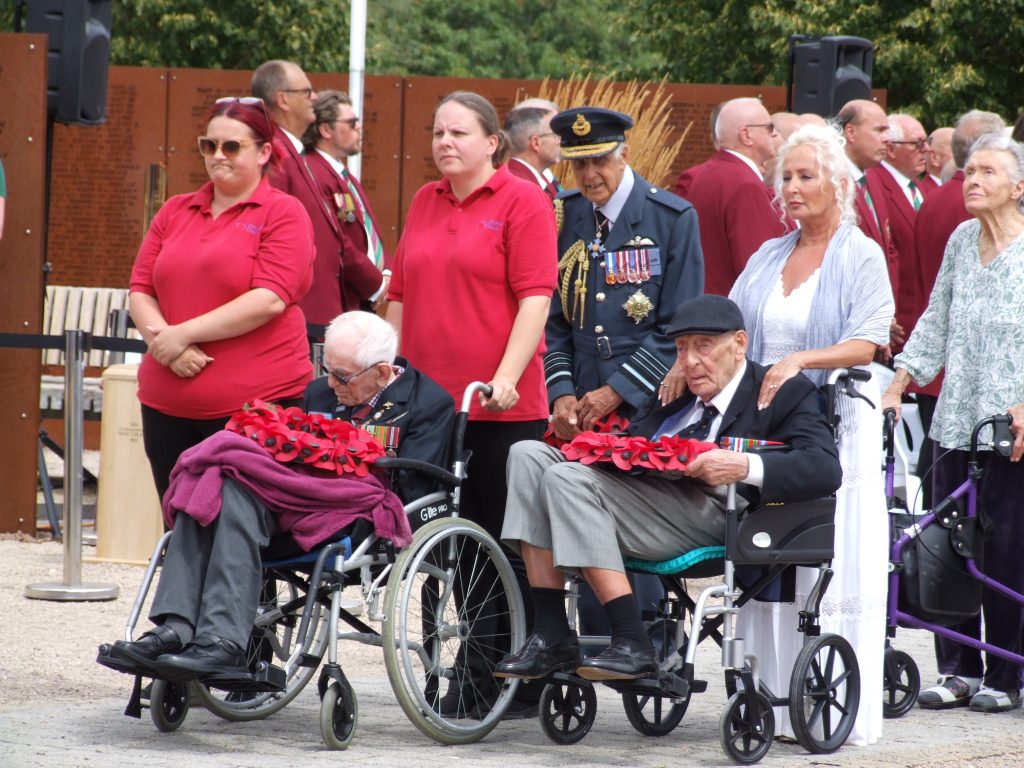
Months before the event, the organisers feared that there might be no air crew veterans still alive and able to attend. Remarkably this proved unfounded: two veterans, both aged 101, came, and enjoyed the close attention both from guests and the TV cameras. Ft Lt Bert Hammond of 514 Squadron flew 31 missions on a Lancaster bomber, with his first eight raids squeezed into an intense period before and immediately after D-Day, the first being on 30 May 1944. His fellow veteran, Ft Engineer Harry Parkins of 56 Squadron, also spent his time flying Lancasters. Early in the war, his workplace in Hackney, east London, was destroyed in a Luftwaffe raid. Furious, he joined Bomber Command.
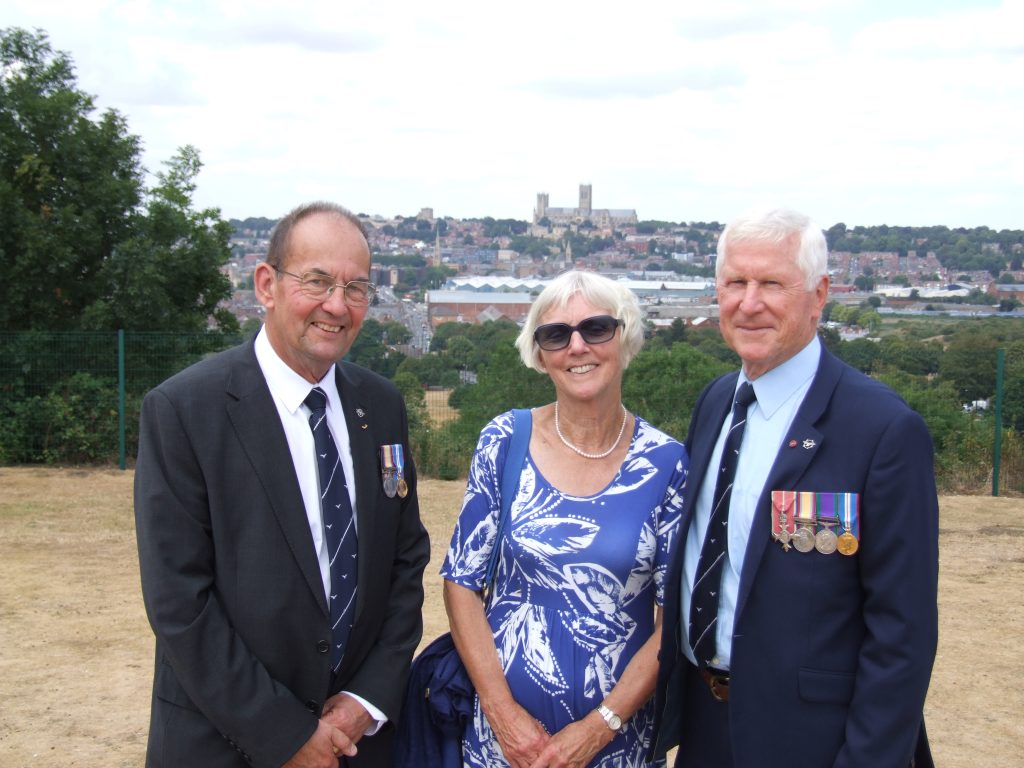
During one notable raid to Munich on 24 April 1944, via a circuitous route around the French Alps and Italy in order to confuse Luftwaffe night fighters, his crew flew more than 2,000 miles. As a result, Harry Parkins and his crew notched up the record for the longest flight by an Avro Lancaster. At the end of the war, he took part in “Operation Manna”, in which a temporary truce agreed with the Germans allowed the dropping of emergency food parcels to starving citizens in northern Holland in May 1945. Also present at the event were two of the seven RAF aircrew shot down over Iraq during the first Gulf War: Sqdn Ldrs Robert Stewart of 27 Sqdn and Bob Ankerson of 17 Sqdn, both of whom were flying Tornado GR1 aircraft. At the event, they wore their very exclusive “club” tie, bearing the RAF wings symbol separated by lines of barbed wire.
Sqdn Ldr Stewart said he had no trouble remembering the date he was shot down: “It was on the 19.1.91!” Prior to that conflict he had flown Blackburn Buccaneers, a low-level strike aircraft, and the much larger Avro Vulcan bombers. Today there is growing acceptance that RAF Bomber Command was more effective than ever previously realized. German raid reports from 1940 describe their horror at the destruction caused even at this early stage of the war. During the war, Bomber Command’s non-stop attacks forced the Germans to bring back some 85% of their heavy anti-aircraft guns and three-quarters of their Luftwaffe aircraft from the front lines in a vain attempt to save the cities of the Third Reich. Furthermore, around 35% of all heavy shells were fired at Allied bombers, a necessity that drained the supply of ammunition to German ground forces, especially on the Eastern Front.
While ruminating on St. Helena after his defeat at the Battle of Waterloo, Napoleon reflected that wherever he went “the Royal Navy was always there,” his unremitting foe. One might speculate that as bombs fell on Berlin, Hitler, deep in his bunker, must have wondered that throughout his long and disastrous war with Britain, the RAF, his nemesis, had “always been there“, too.


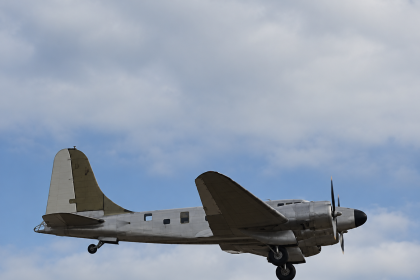





I am so tired of hearing only Lancaster bombers and their crews mentioned in articles such as this. Almost as many Halifaxes were produced (my father flew over 40 missions in one) and the Wellington was the mainstay of the RAF in the early years of the war. It is time that their pilots and crew received the credit they are due.
Thank you everyone for remembering those that defended our country so bravely. My father was in Bomber Comand 35 Squadron . A rear gunner in Lancasters. He survived and he has a memorial stone at the Bomber Command Center in Lincoln . During his life his duty was never recognised. He would be proud to see it being now