






By Randy Malmstrom
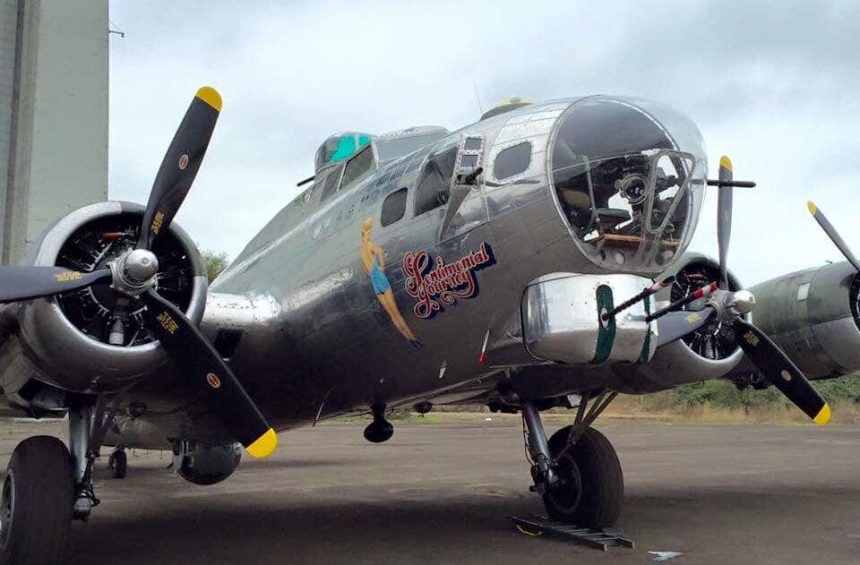
Since his childhood, Randy Malmstrom has had a passion for aviation history and historic military aircraft in particular. He has a particular penchant for documenting specific airframes with a highly detailed series of walk-around images and an in-depth exploration of their history, which have proved to be popular with many of those who have seen them, and we thought our readers would be equally fascinated too. This installment of Randy’s Warbird Profiles takes a look at the Commemorative Air Force’s Boeing B-17G Flying Fortress “Sentimental Journey”.
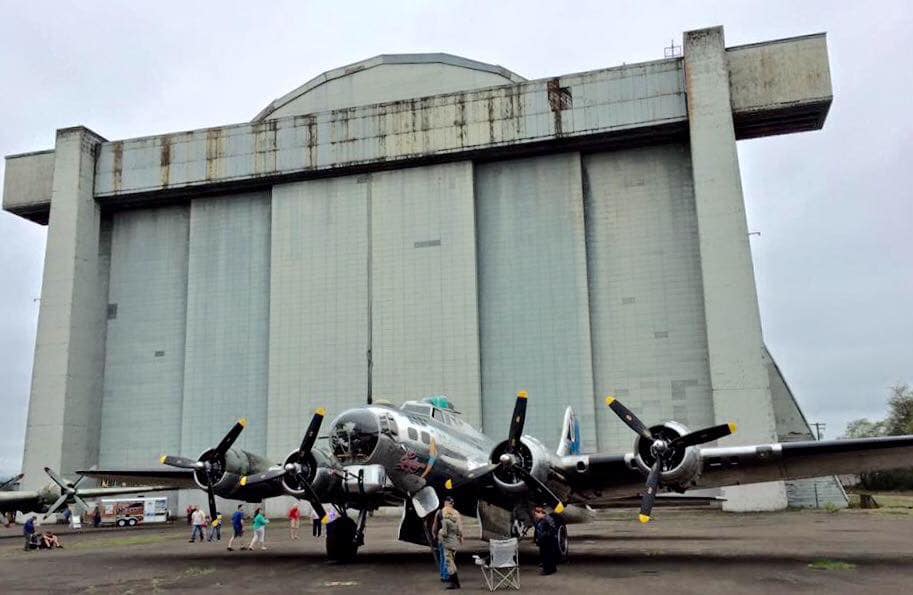
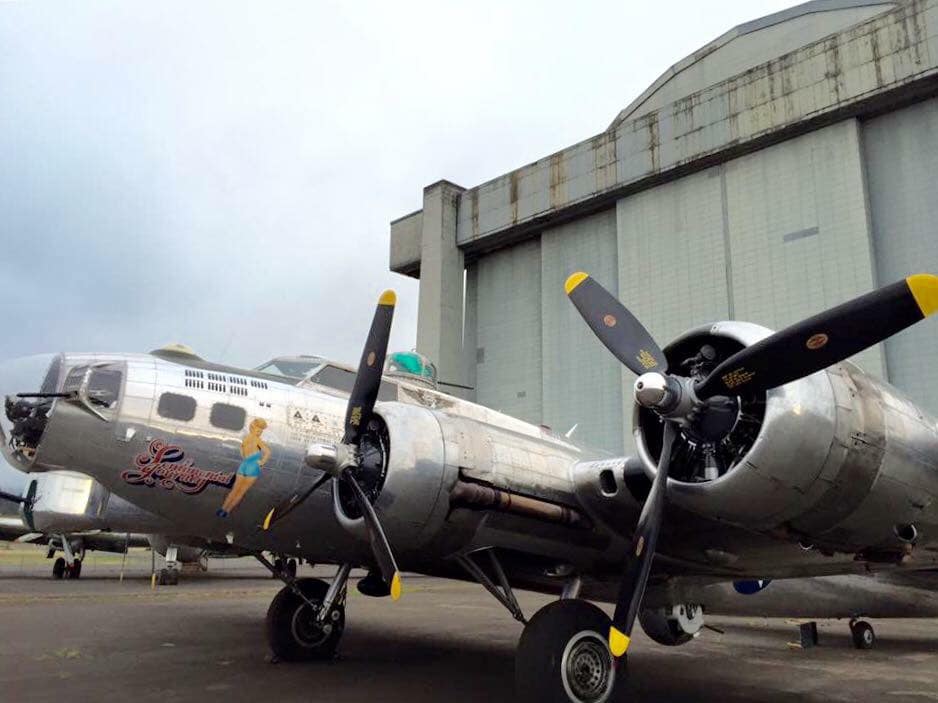

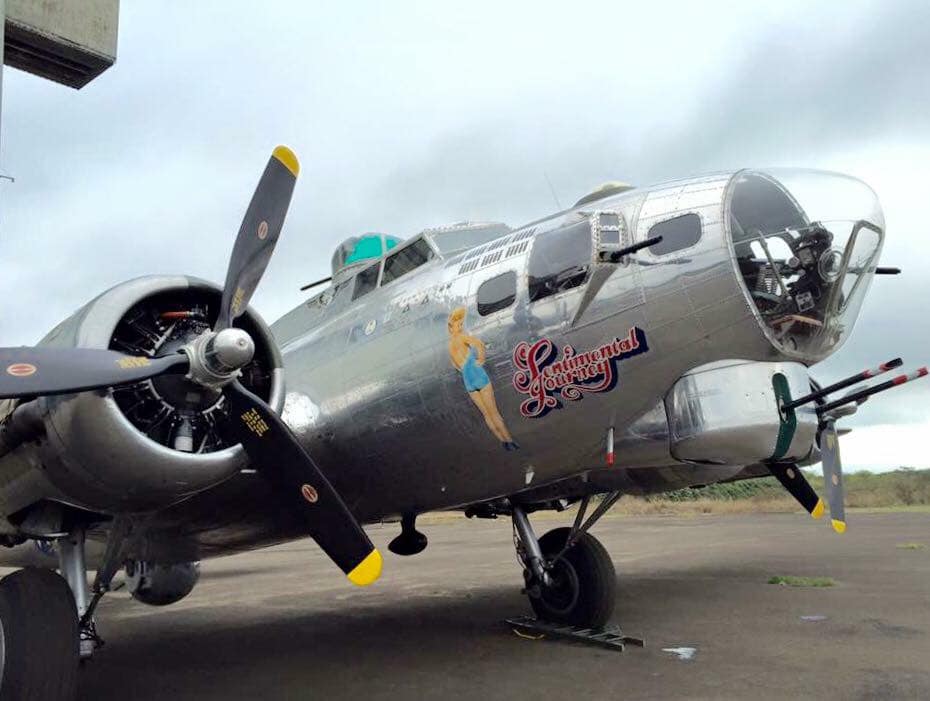
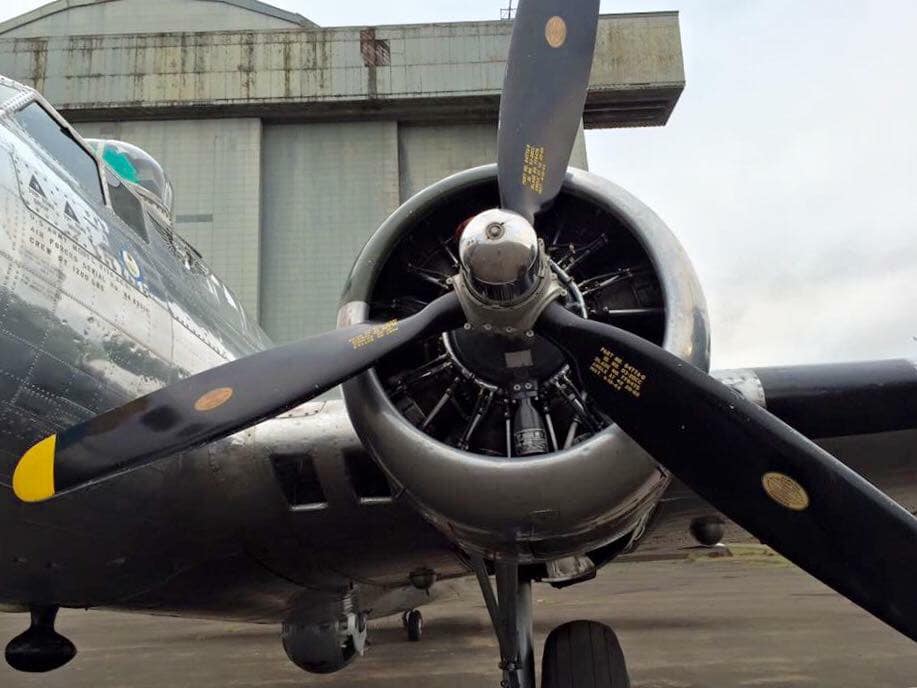
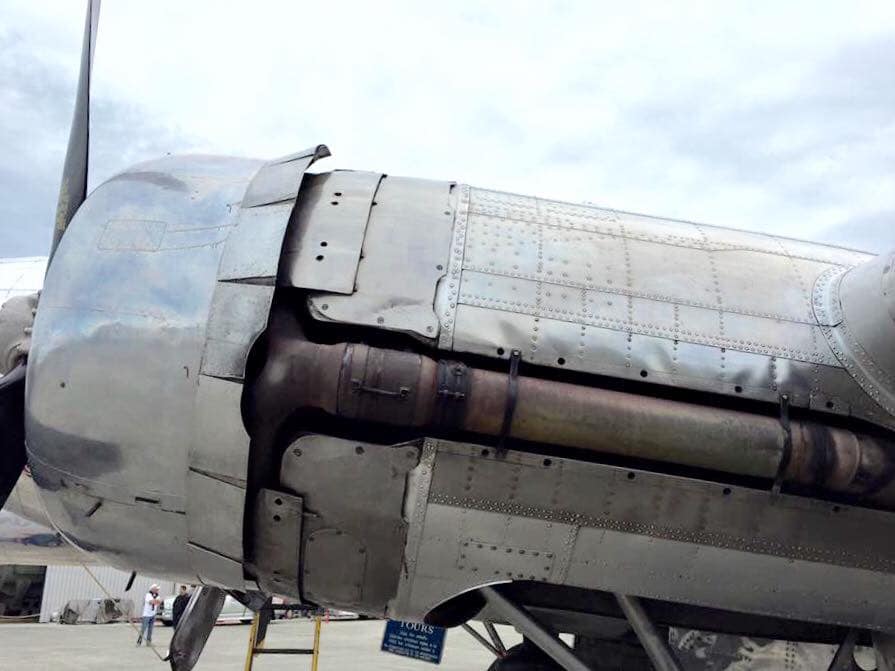
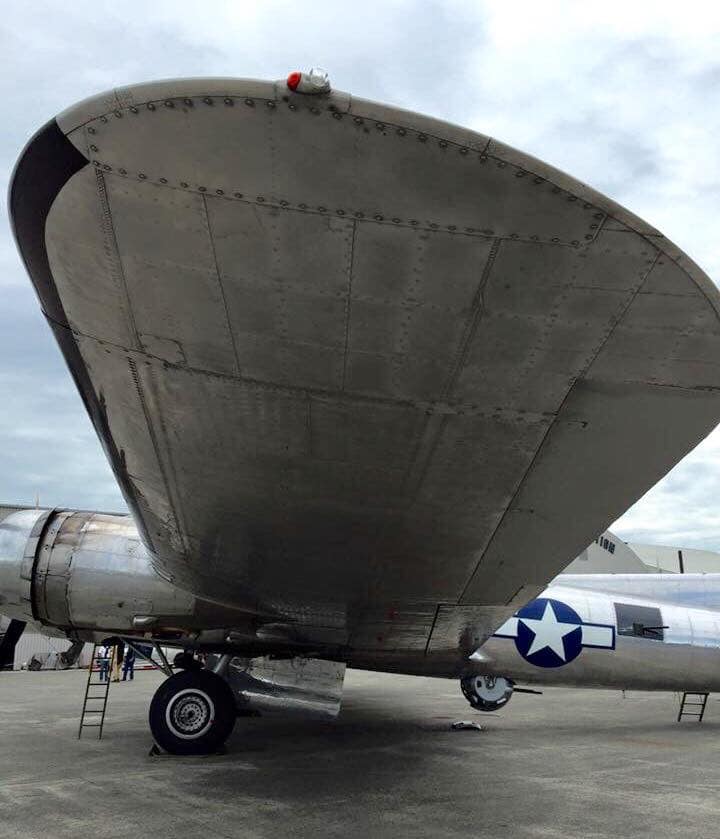
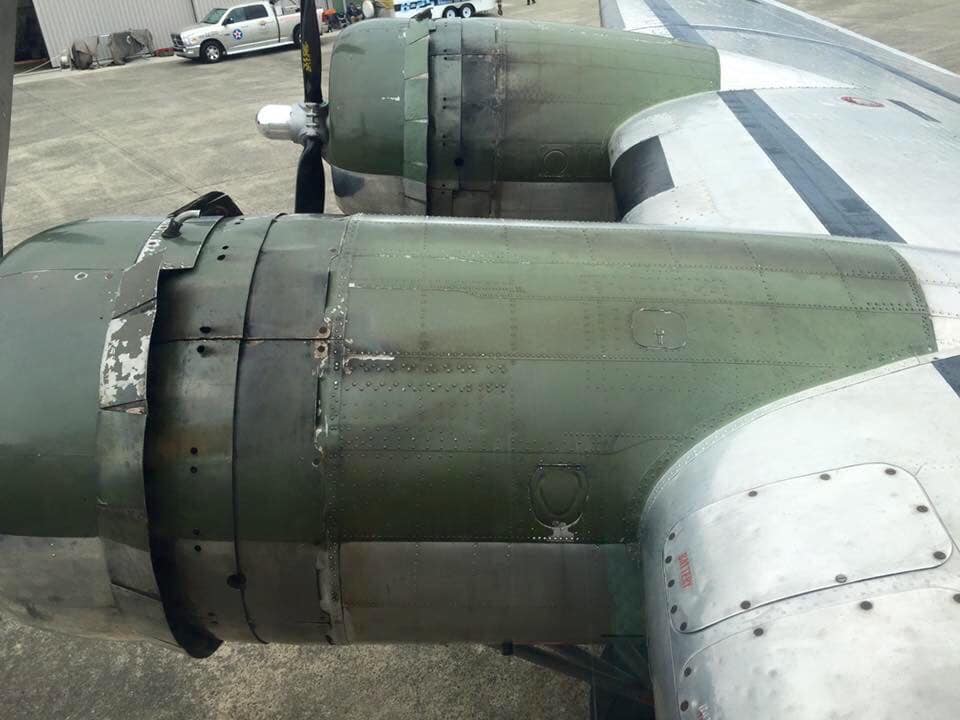
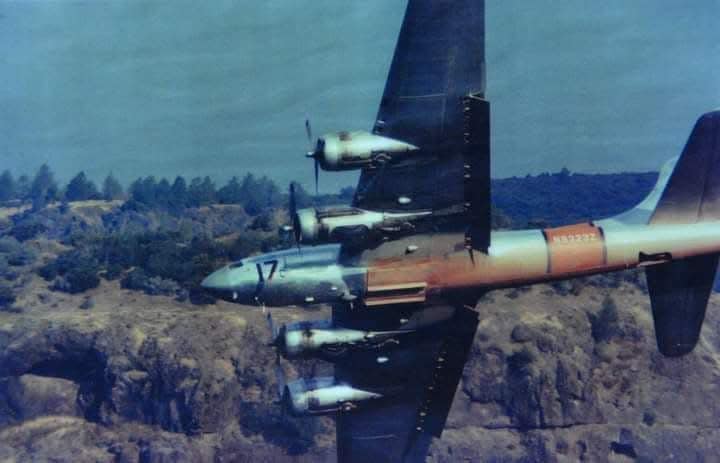
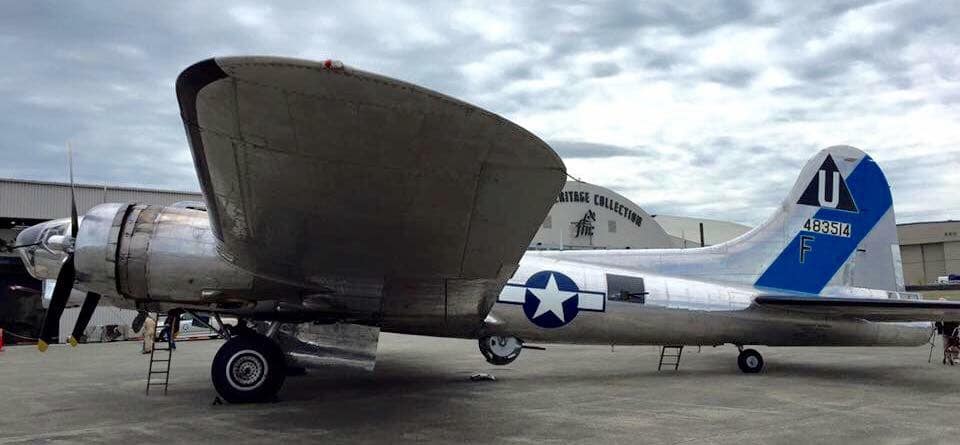
Boeing B-17G-85-D, s/n 44-83514, N9323Z. This particular aircraft was built at the Douglas Aircraft Company’s Long Beach, California, plant in December 1944, and accepted by the U.S. Army Air Forces on March 13, 1945. It served out the duration of World War II in the Pacific Theater of Operations but did not see combat. In 1947, it was removed from storage in Japan and assigned to Clark Field in Manila, where it was converted to an RB-17G (reconnaissance aircraft) for photo-mapping. During the 1950’s, it was converted to a DB-17P (drone director/controller or “mother ship”) for QB-17 target drones (which were generally painted in red-orange Day-Glo paint), and flew with the 3215th Drone Squadron out of Eglin Field, Florida, and in the spring of 1951 it participated in “Operation Greenhouse” (the fourth atmospheric nuclear weapon test conducted by the U.S. It then went to Patrick Air Force Base when the 3215th was transferred there. On January 27, 1959, it went to the aircraft boneyard at Davis Monthan Air Force Base in Tucson, Arizona. Spared from the scrap heap, records indicate that Aero Union Corporation in Chico, California; Acme Aircraft Parts in Compton, California; and Western Air Industries in Anderson, California, all owned it at one time and flew it as a fire bomber.
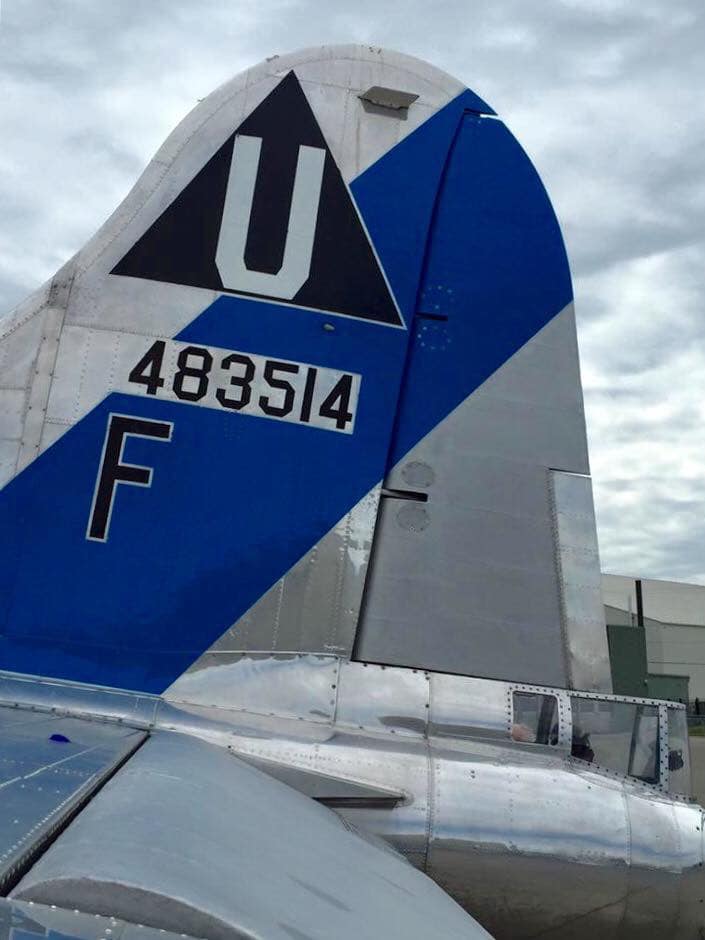
It was acquired in 1978 by the Commemorative Air Force (“CAF” which at that time was known as the Confederate Air Force) with nose art “Class of ’44” and is registered to the CAF Airpower Museum. It is now painted with the tail code and colors of an aircraft of the 457th Bomb Group, 750th Bomb Squadron, which was based at Glatton, England, during WWII, and the nose art bears the World War II peekaboo pinup pose of the film star and entertainer Betty Gable – permission of the painting was personally given by her widower, trumpeter Harry James.
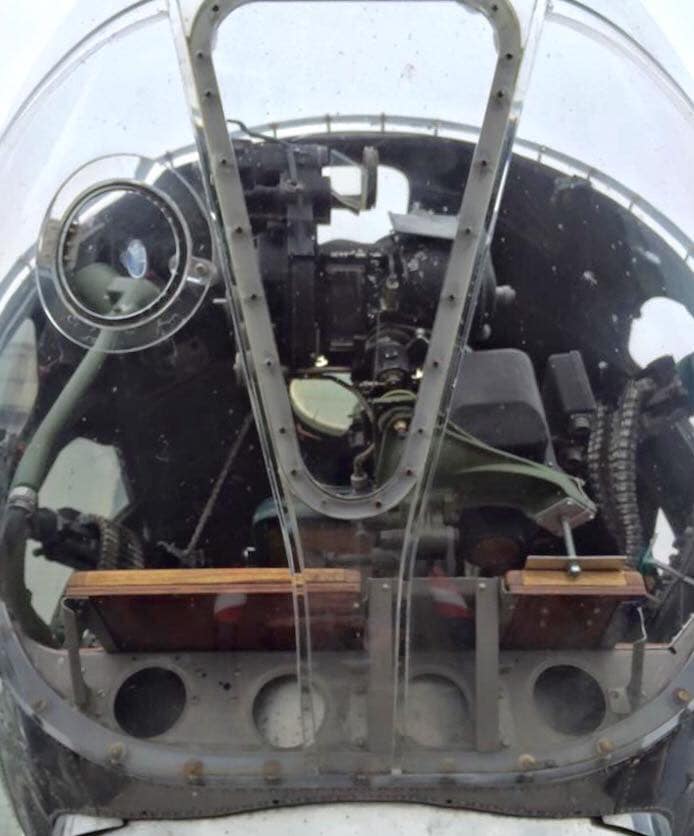
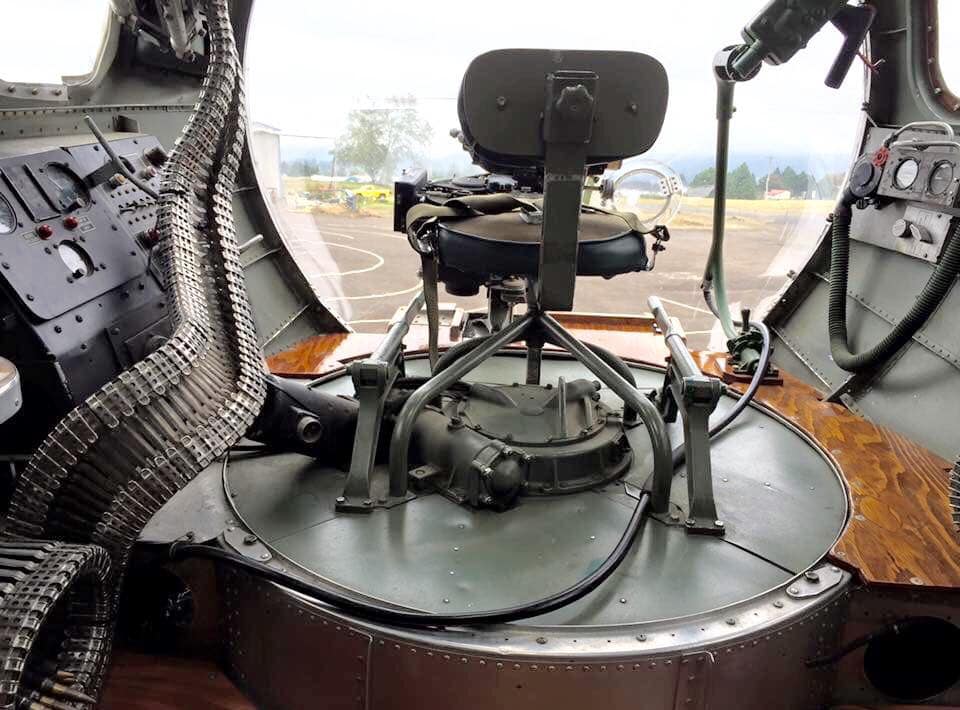
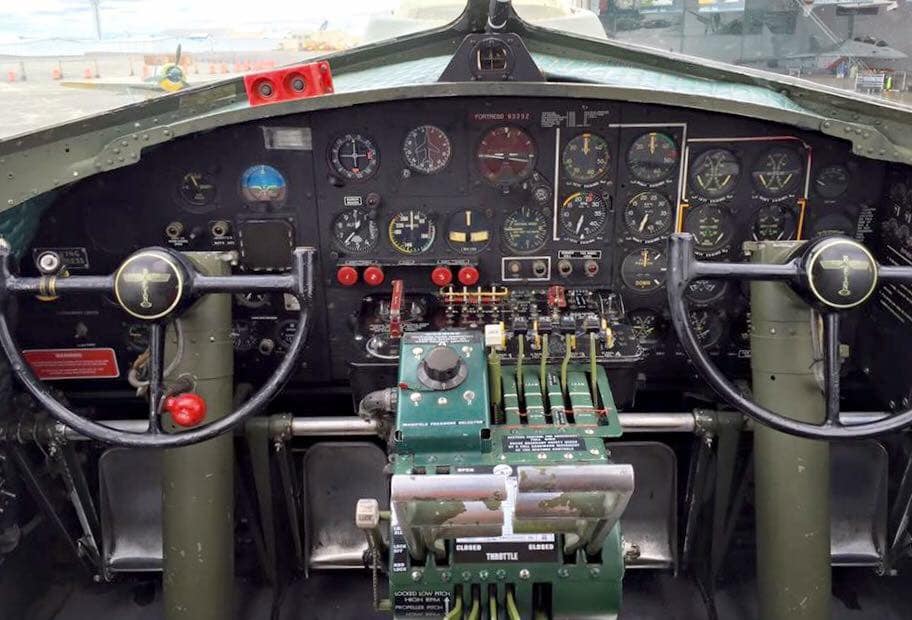
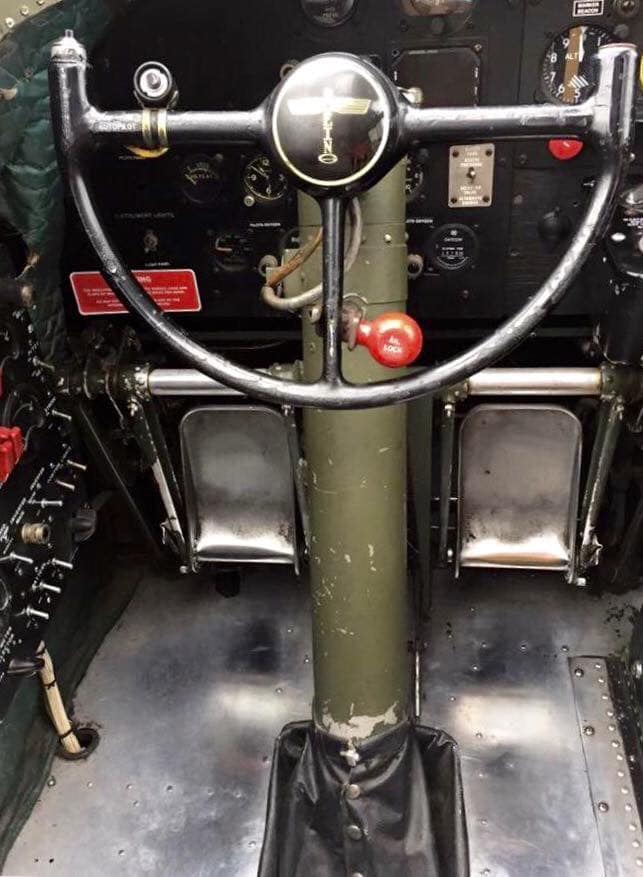
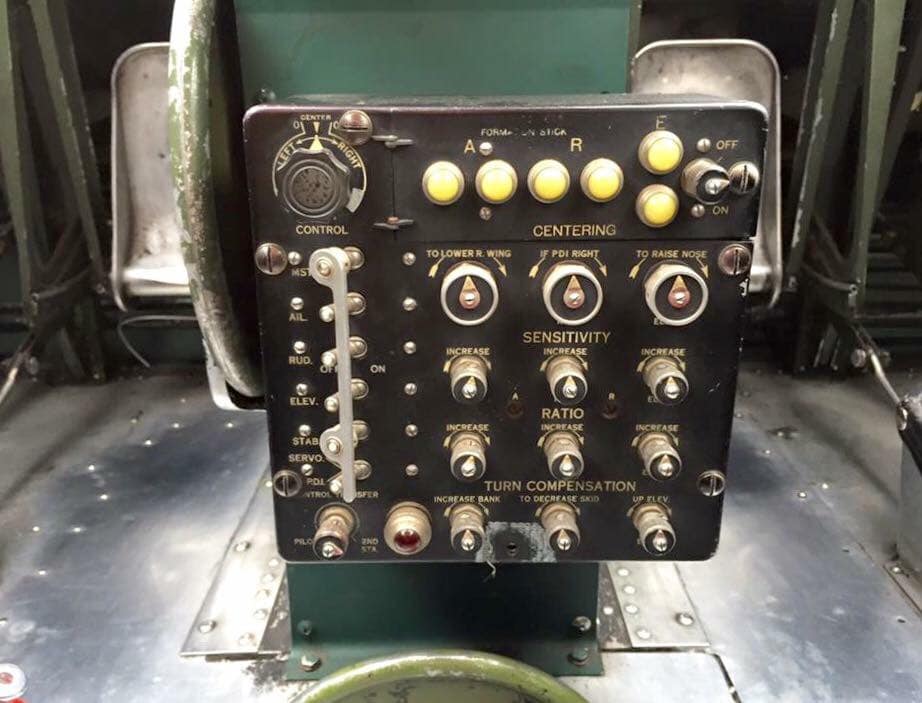
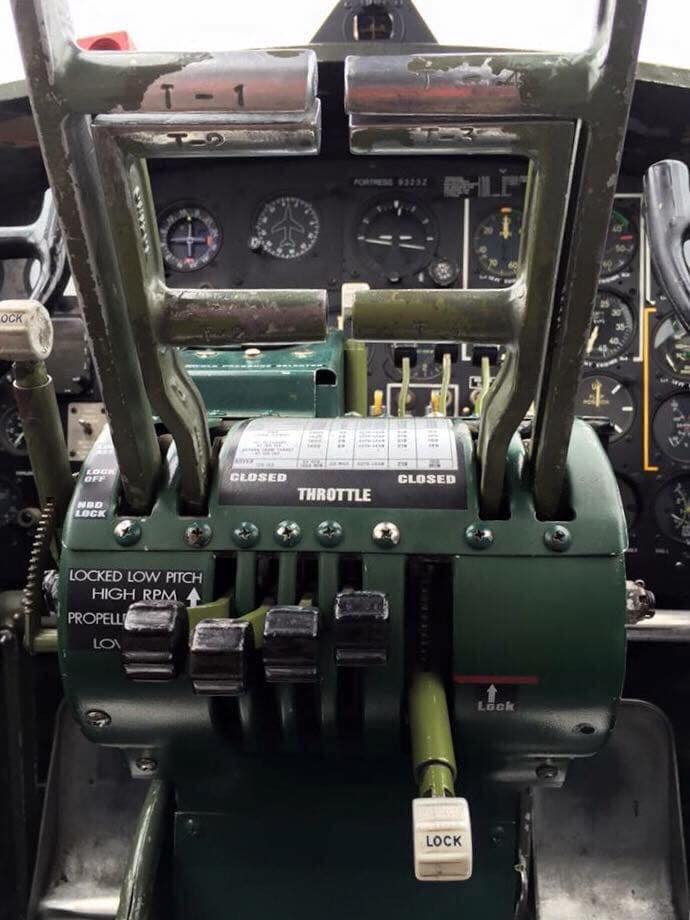
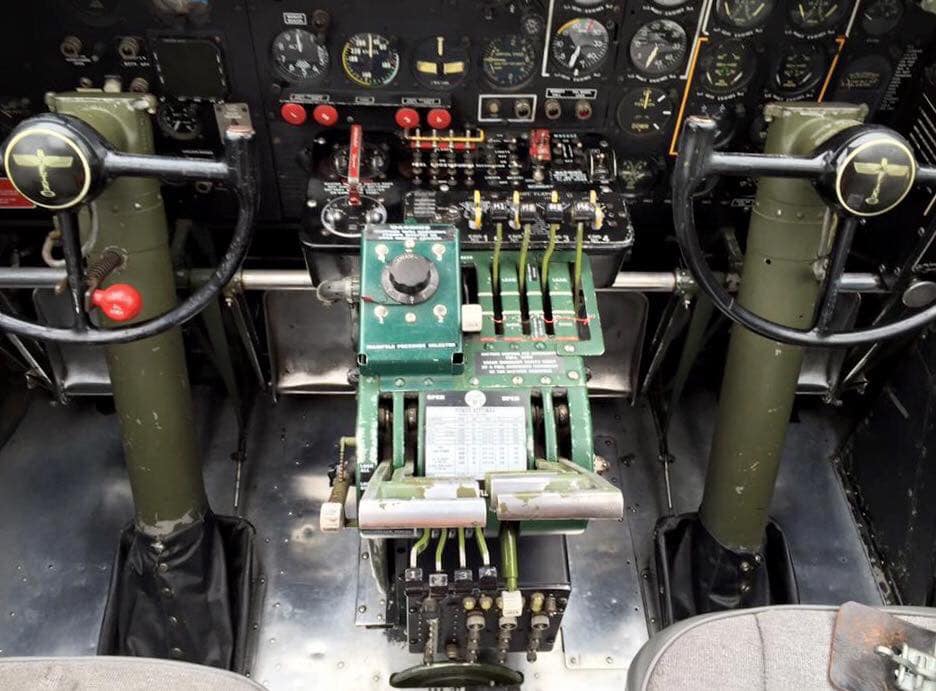
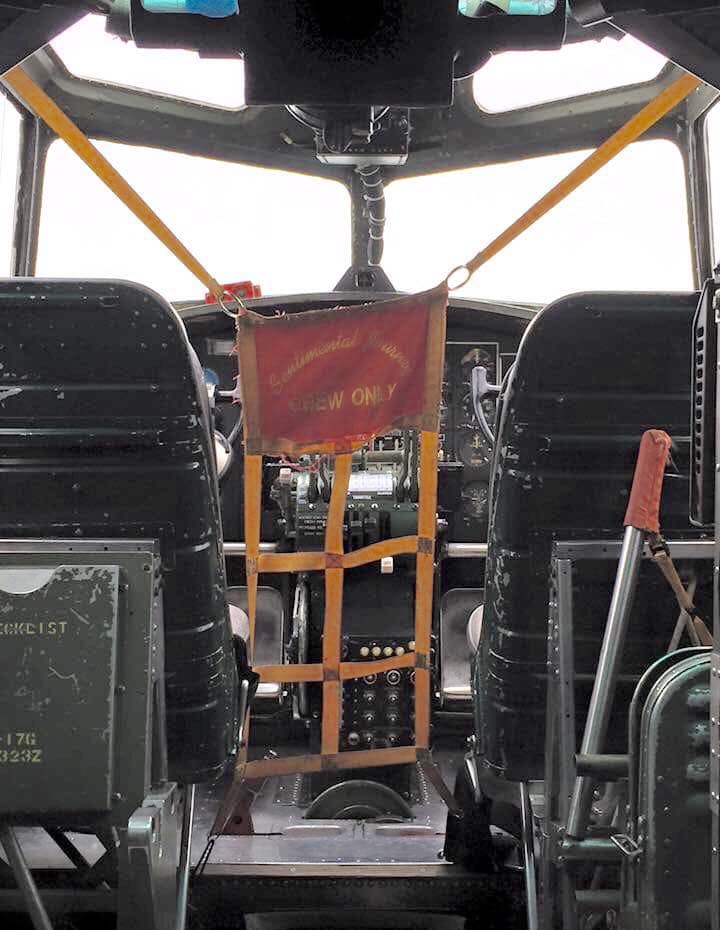
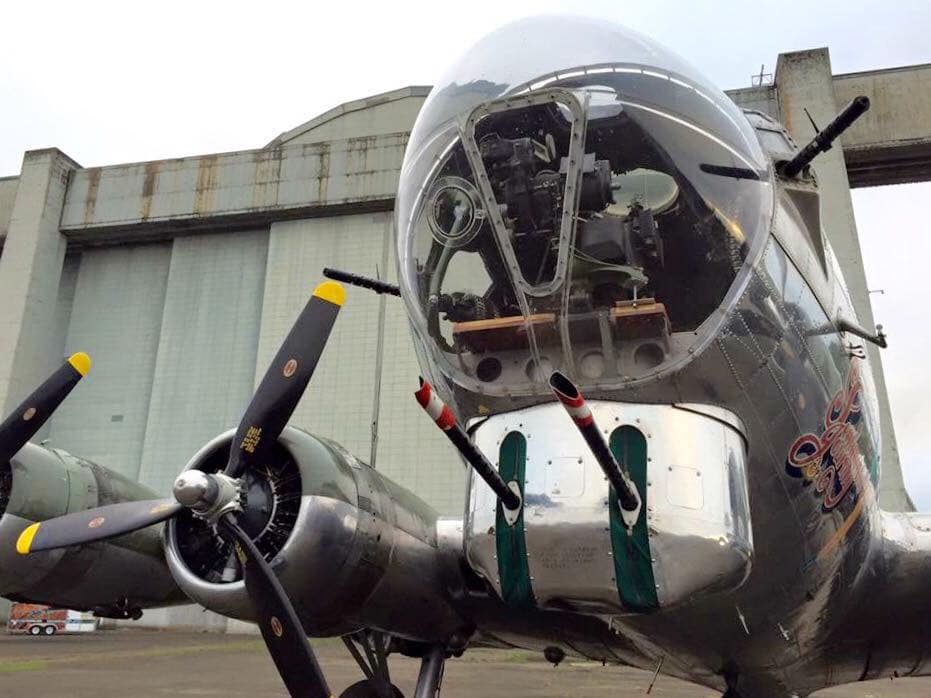
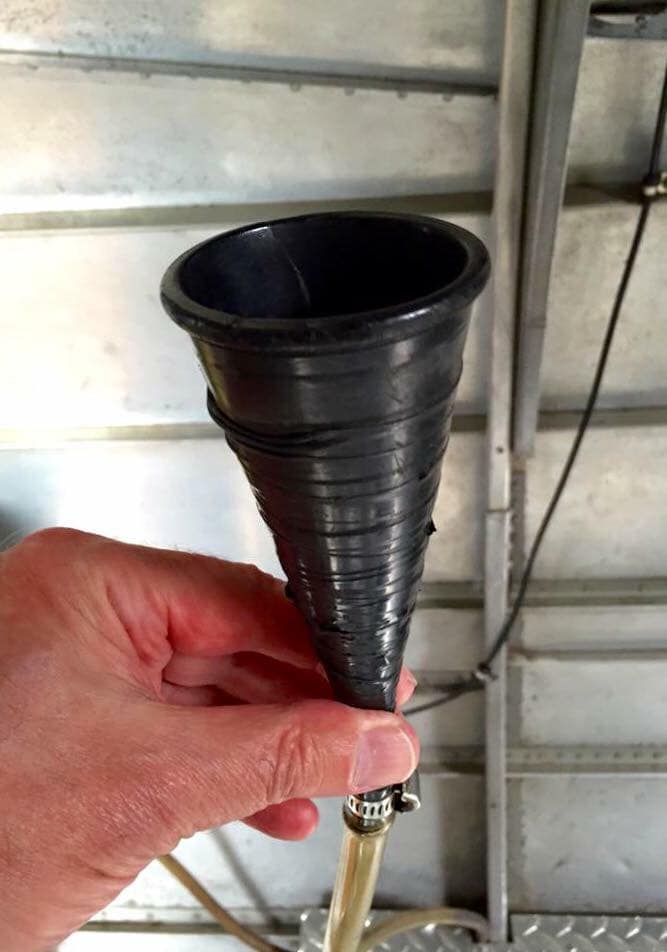
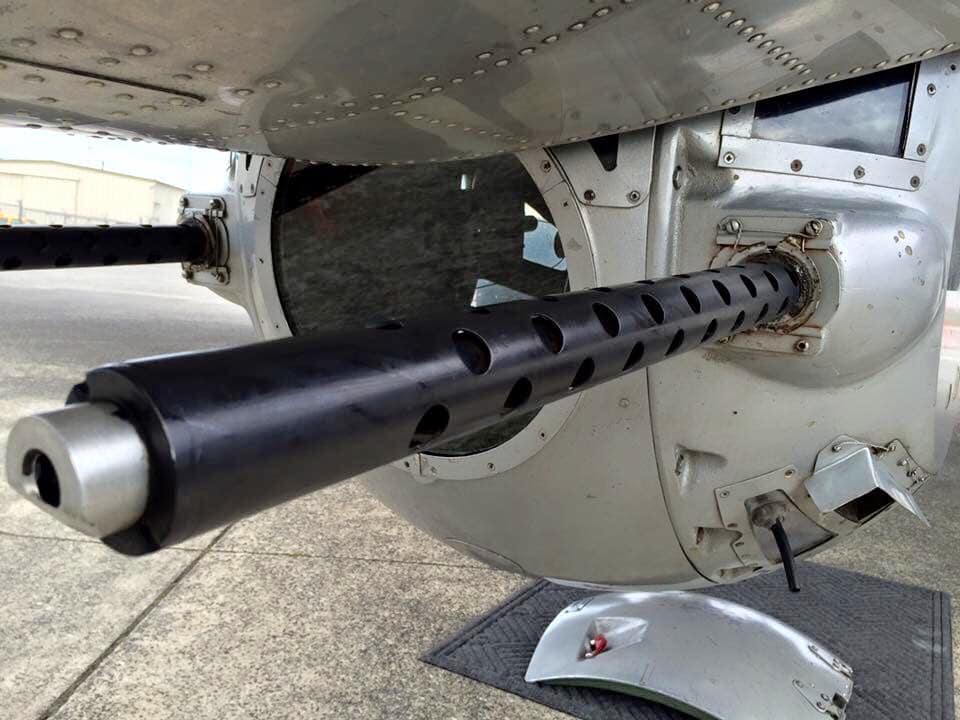
This restoration has the top turret gunner’s platform (no canvas bags for spent shell casings or gunner’s canvas strap for a seat – I was told a visitor got tangled in it and almost choked), bombardier/toggler’s yoke (although no gun sight), a rear-facing radio room gun on a rolling track, and the crew relief funnel and tube (which you can see in detail in the waist by the ball turret – this tube drains at the Cheyenne tail turret as you can see). Pilots and crew often found it better to just use the bomb bay, much to the consternation of the ball turret gunner (he would have to be sure and turn the turret, so it faces backward). And of course, at -50 degrees it was hazardous, and I know of accounts of being crew getting frozen to the funnel.
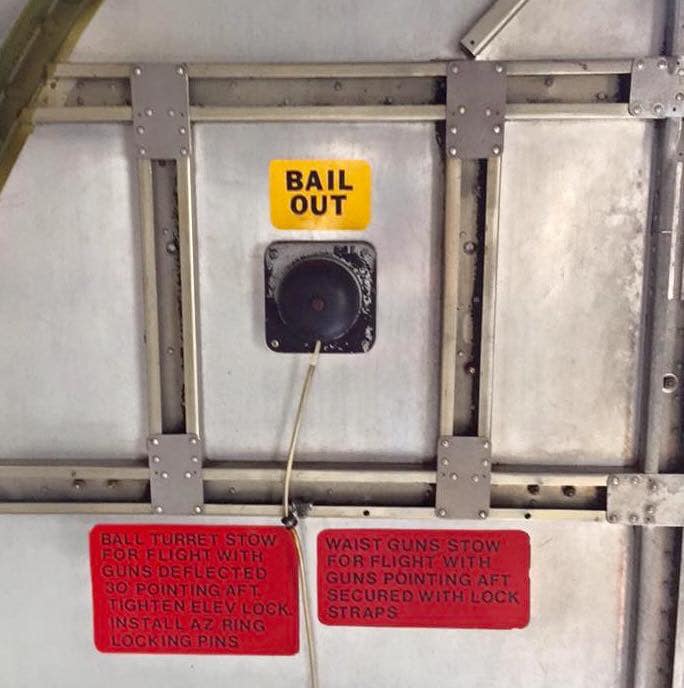
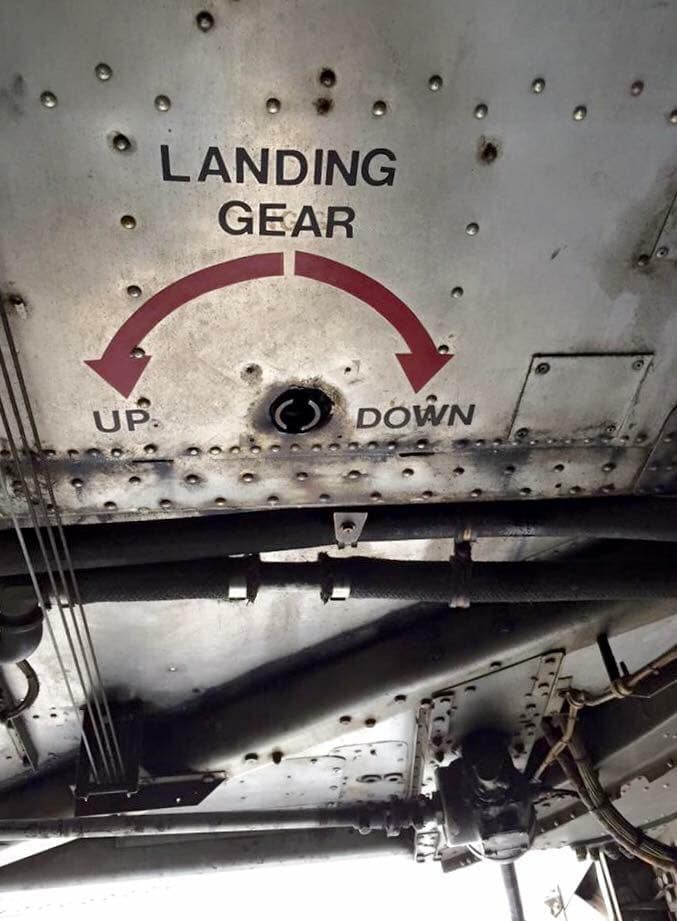
(During the restoration process, the CAF struck a deal to acquire the top turret from B-17G “Lacey Lady” which was at the “Bomber Gas Station” in Milwaukie, Oregon, and now on McNary Field in Salem, Oregon, being restored by the B-17 Alliance; in exchange, CAF restorers spent time on Lacey Lady in 1981.) My photos and YouTube clips: (Boeing B-17G winds up) (Boeing B-17G winds down).
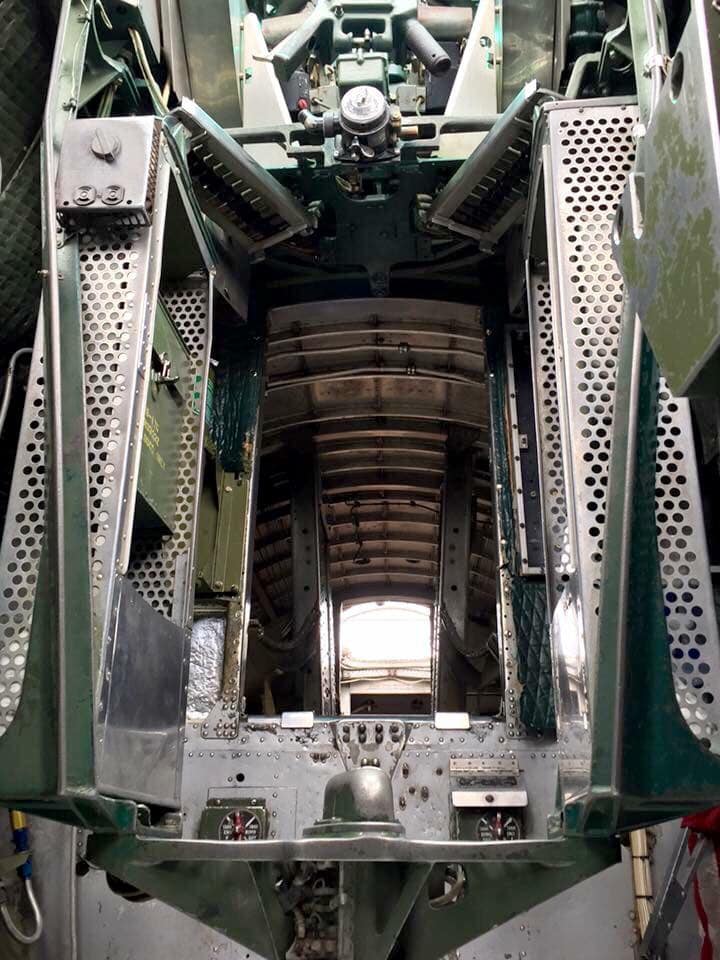
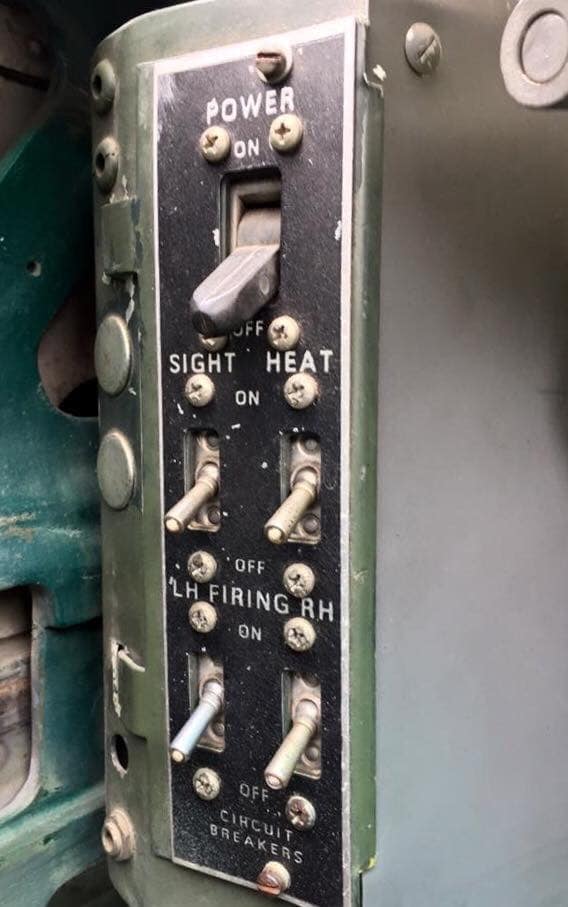
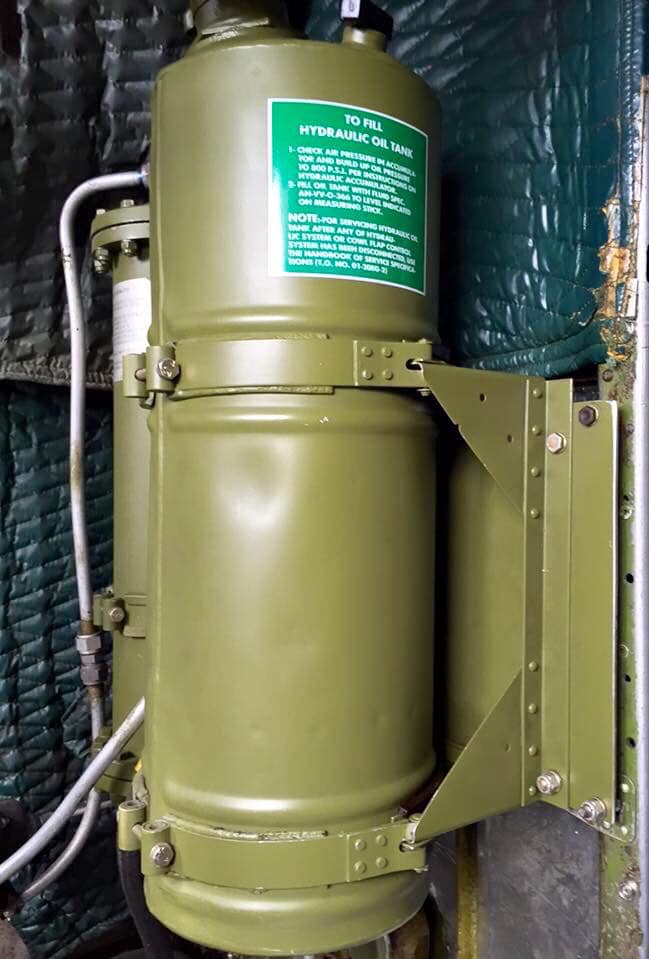
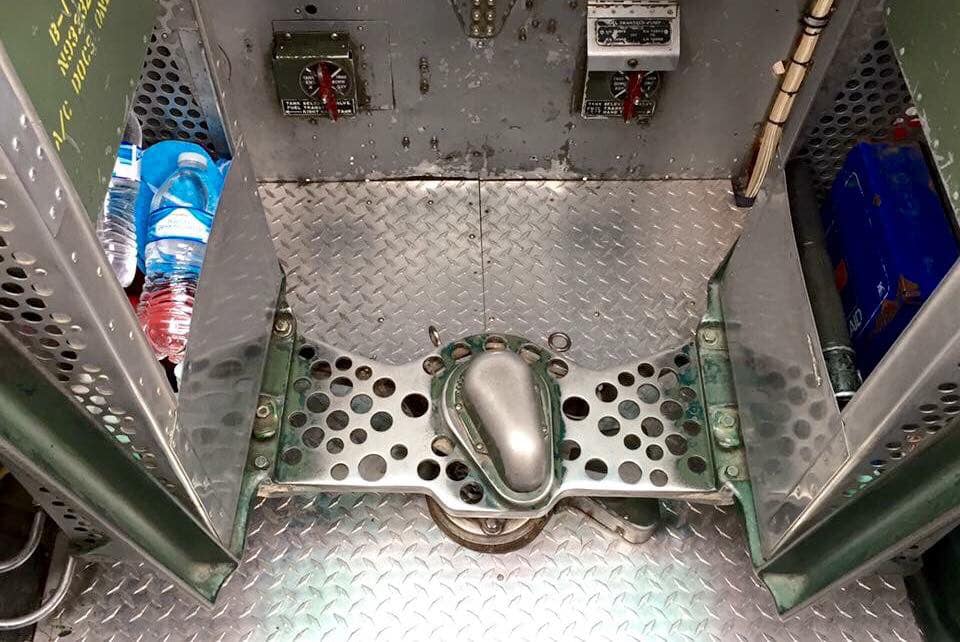
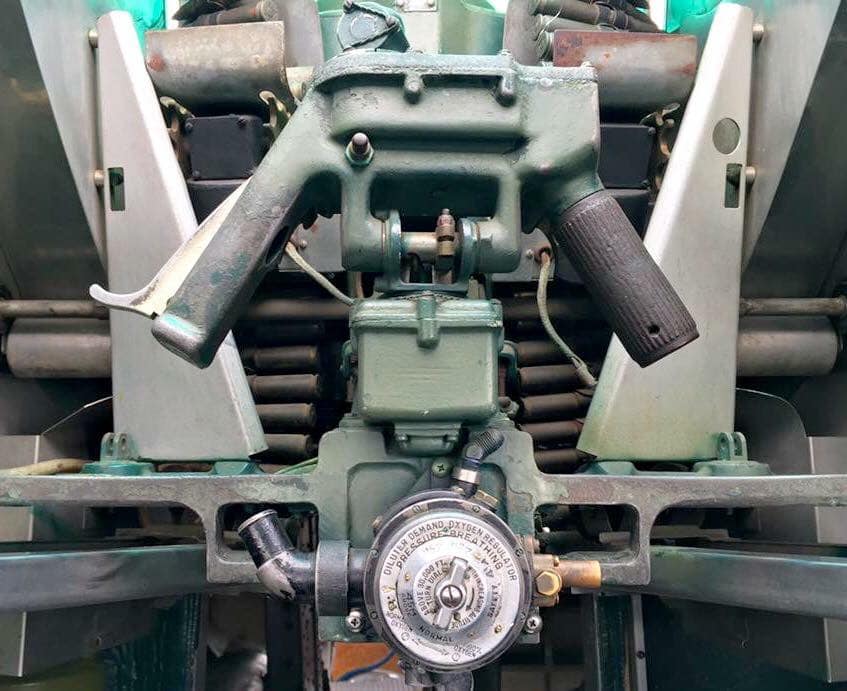
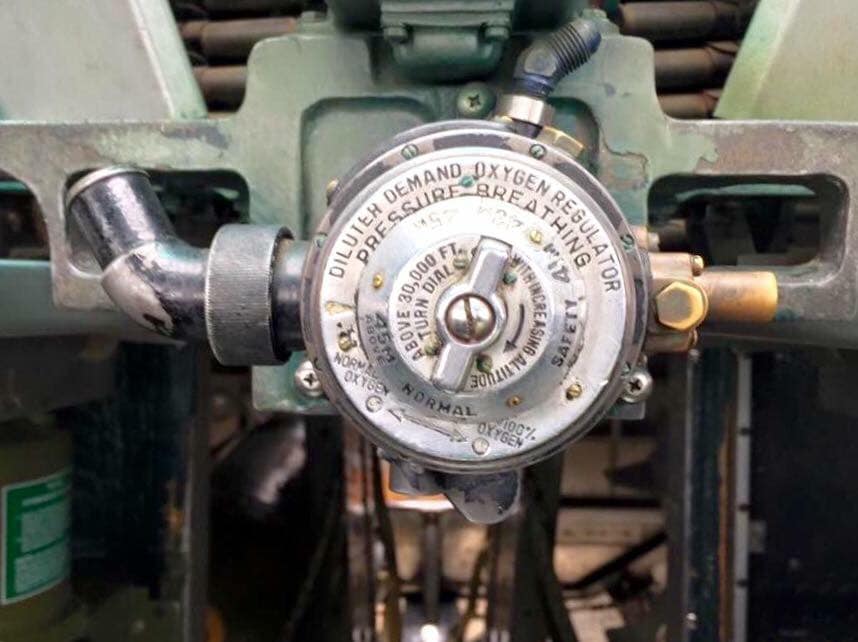
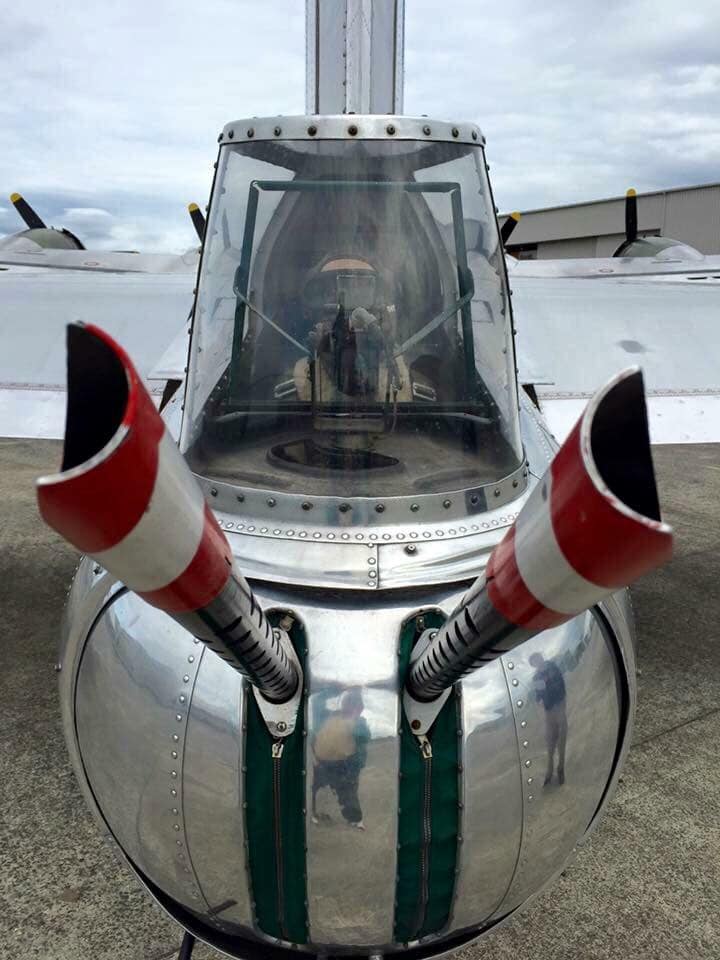
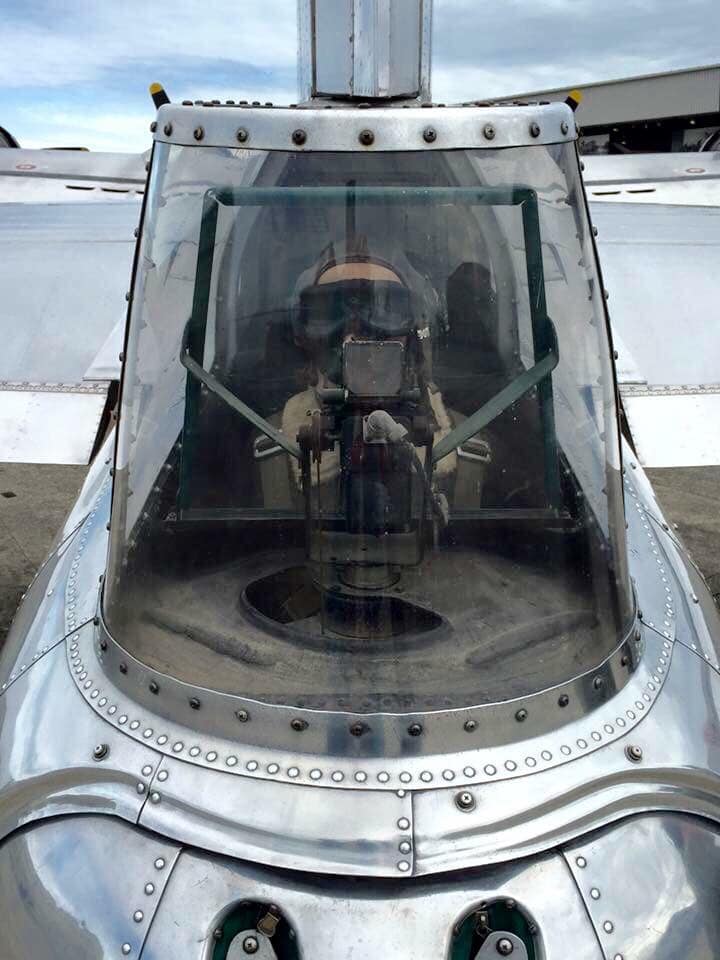
The radio room .50 cal. (either fixed mount or on a roller under the sliding radio room window) were largely done away with in the G models, but this restoration clearly has one. The ball turret gunner has gun charging handles on each side of his head, connecting joysticks with thumb buttons for controlling the turret and firing the guns, an intercom button by his left foot, foot pedals to electrically rotate the turret and adjust the azimuth, a hose to connect to his oxygen tank on the turret gimbal, and an emergency hand crank to rotate the turret in the event of a power failure. Statistically, this was not the most deadly position despite some common notions, and not all ball turret gunners were 5’4″.
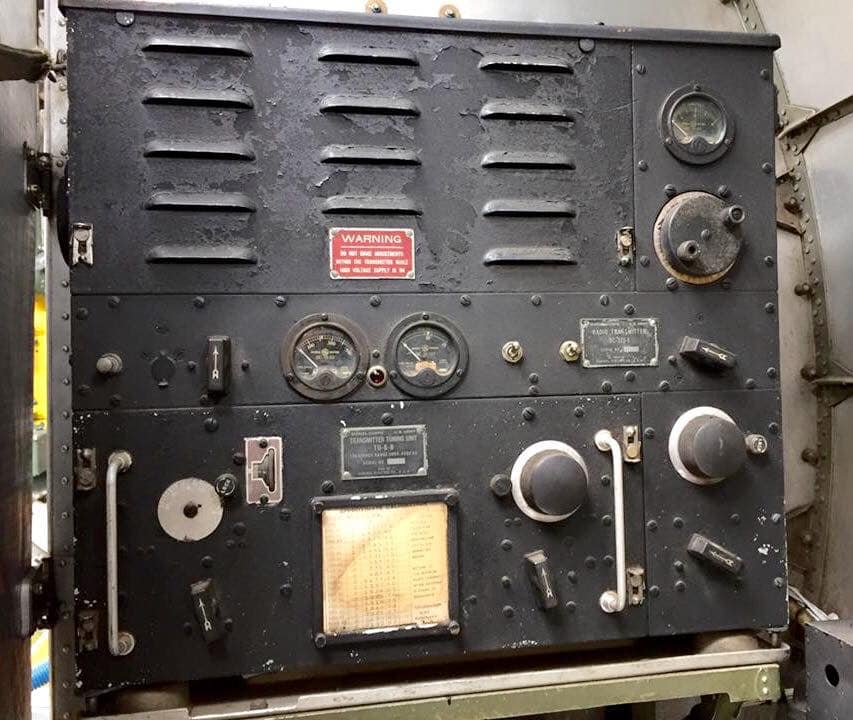
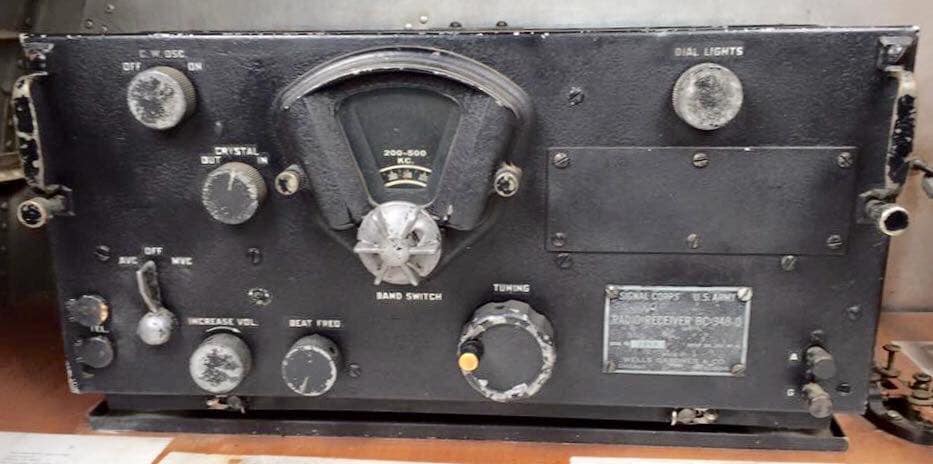
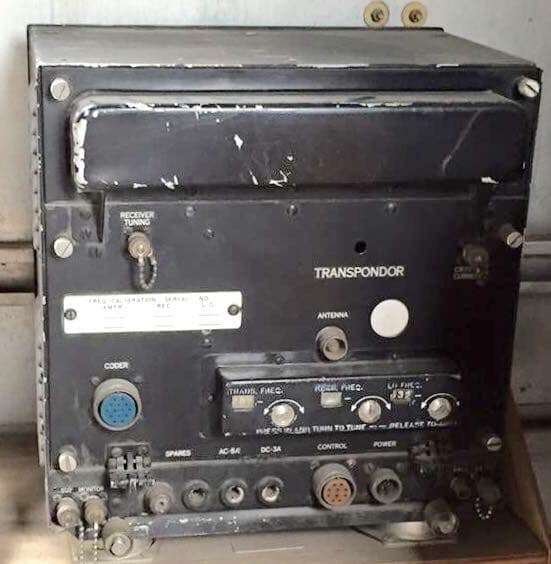
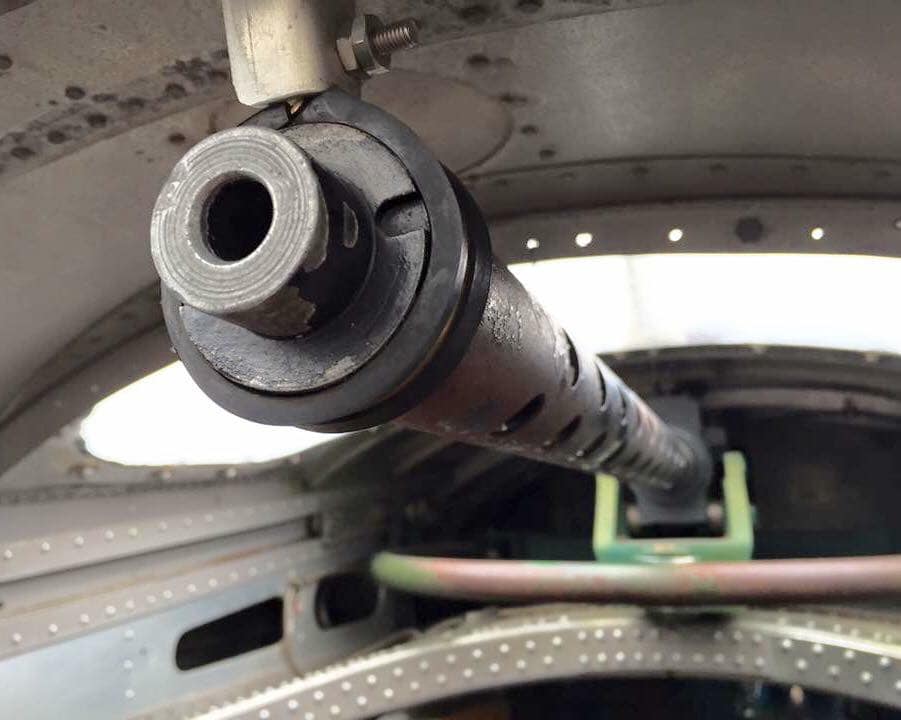
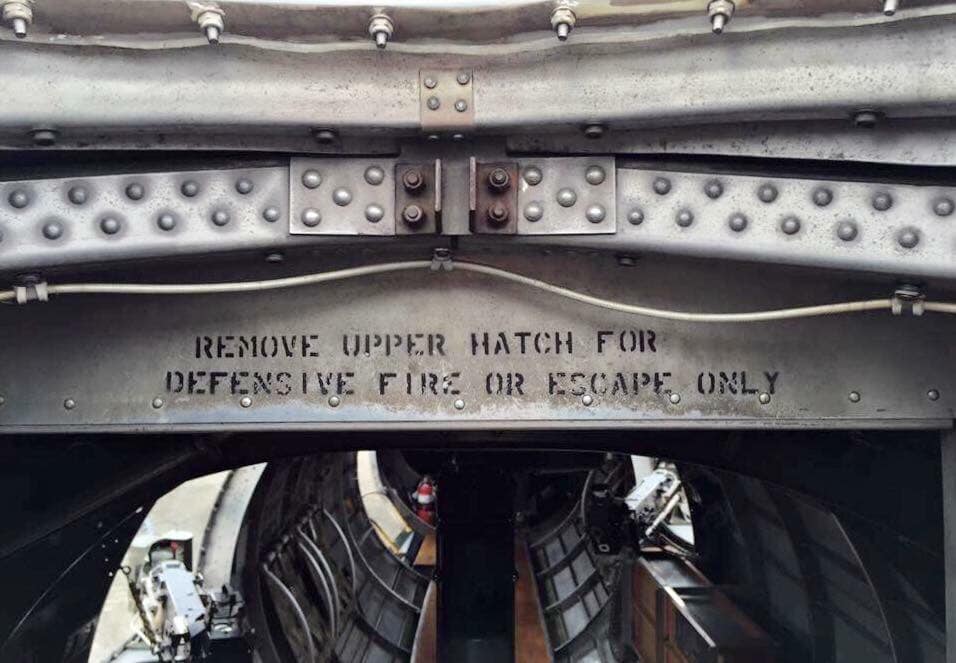
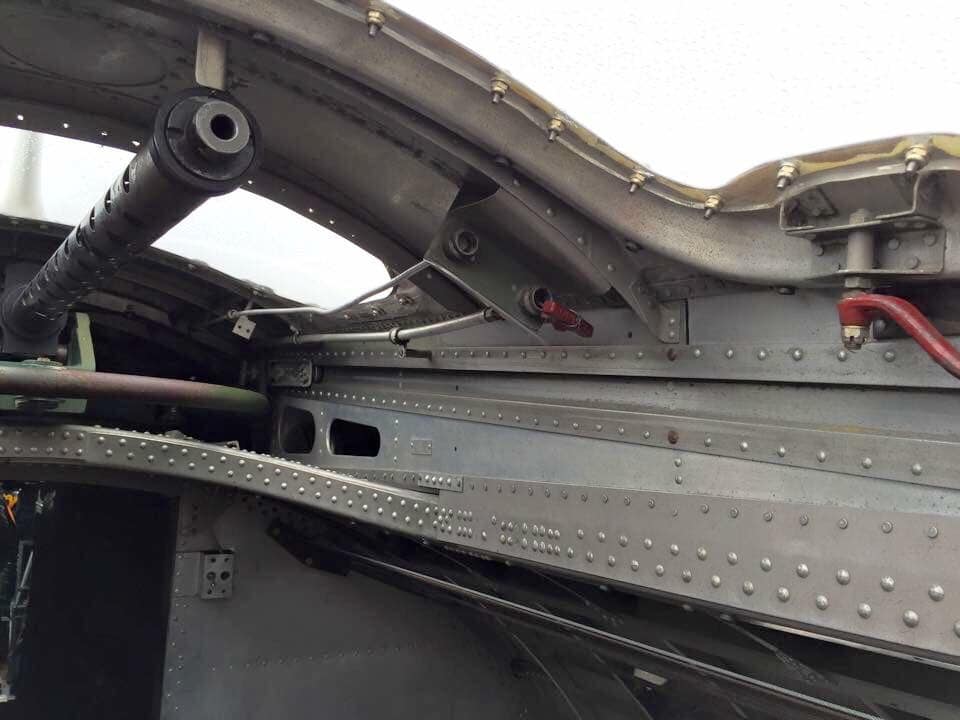
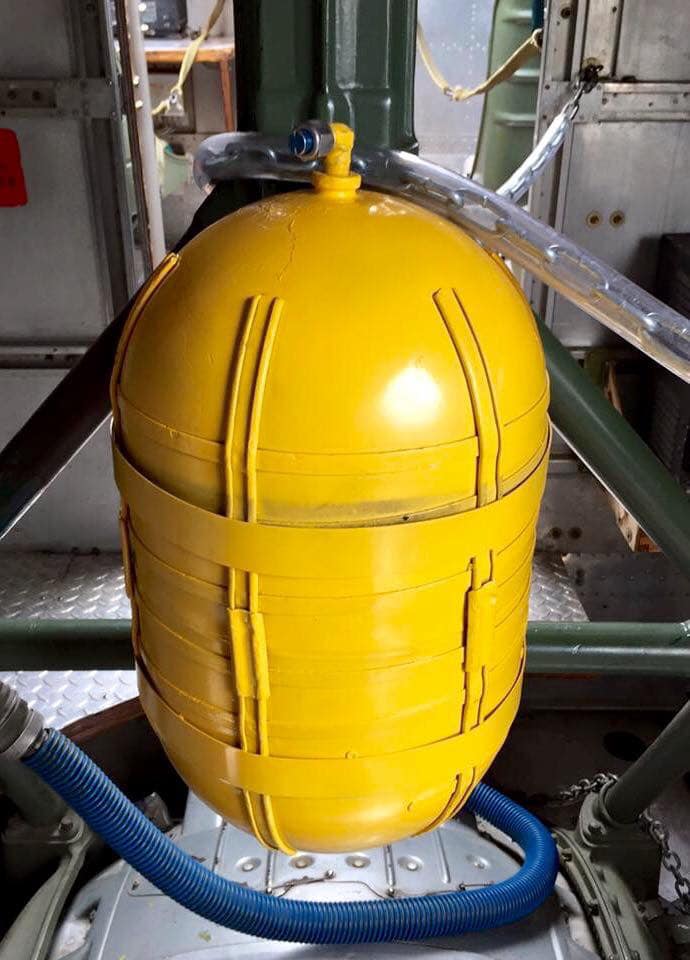
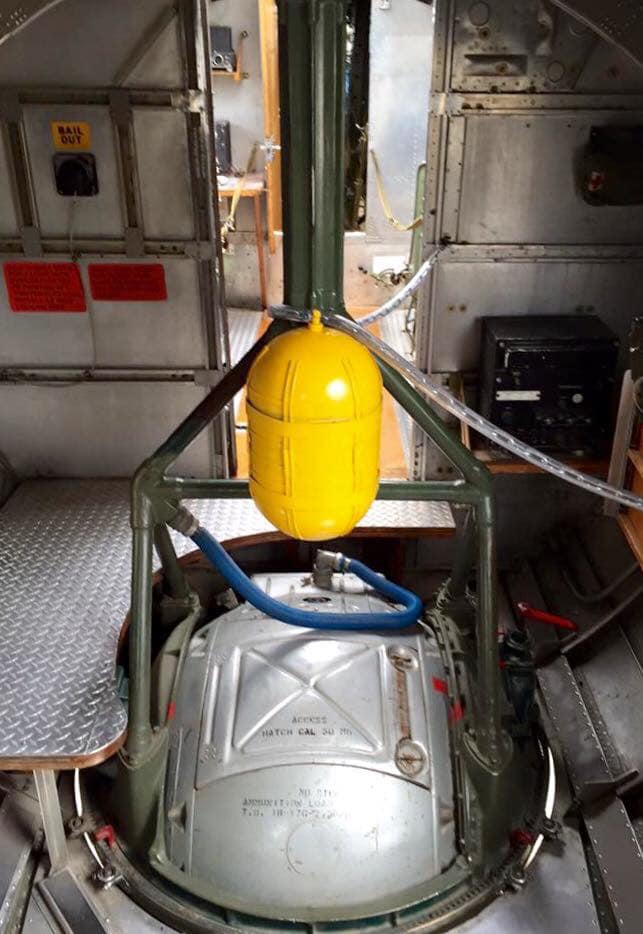
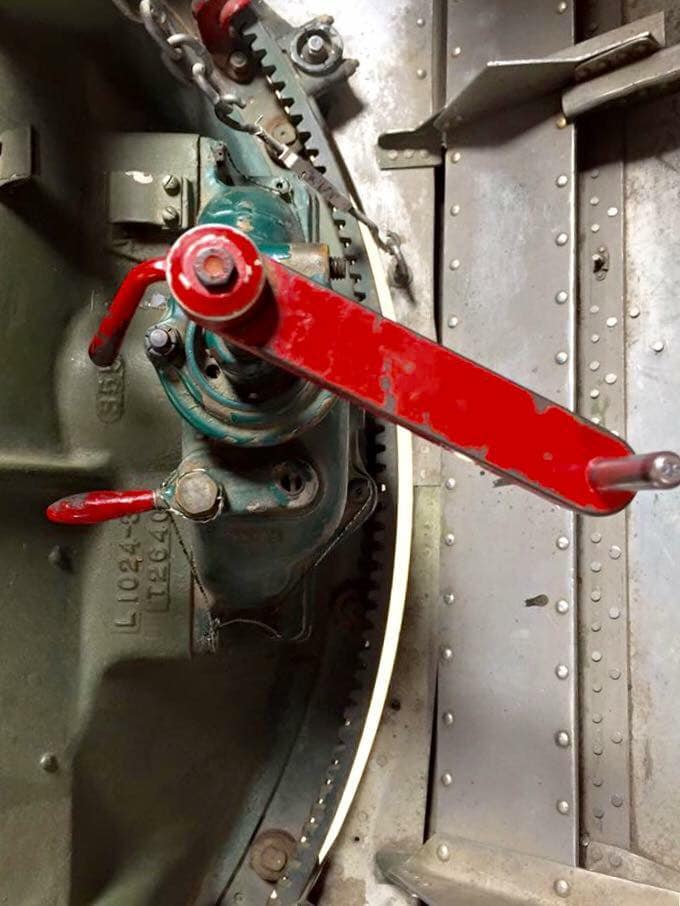

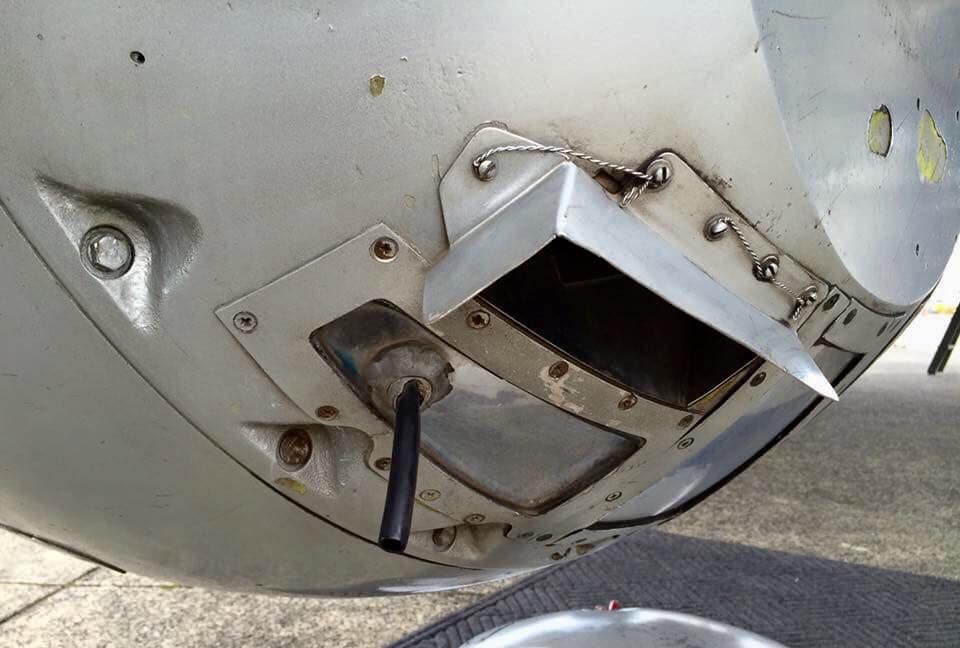
You can see the trailing antenna wire for the liaison transmitter system that was developed for communication between aircraft and the ground and designated the “BC-348-J” by the U.S. Army Signal Corps. The spool (or reel) for the antenna wire is in the waist of the fuselage on the port side in front of the waist gunner. It could carry between 4,500 and 8,000 plus of bombs depending on the distance to target. Electrical power is supplied by a 24-volt DC system which distributes power from four engine-driven generators and from three storage batteries in the leading edges of the wing just outboard of the fuselage.
About the author
 Randy Malmstrom grew up in a family steeped in aviation culture. His father, Bob, was still a cadet in training with the USAAF at the end of WWII, but did serve in Germany during the U.S. occupation in the immediate post-war period, where he had the opportunity to fly in a wide variety of types which flew in WWII. After returning to the States, Bob became a multi-engine aircraft sales manager and as such flew a wide variety of aircraft; Randy frequently accompanied him on these flights. Furthermore, Randy’s cousin, Einar Axel Malmstrom flew P-47 Thunderbolts with the 356th FG from RAF Martlesham Heath. He was commanding this unit at the time he was shot down over France on April 24th, 1944, spending the rest of the war as a prisoner of war. Following his repatriation at war’s end, Einar continued his military service, attaining the rank of Colonel. He was serving as Deputy Wing Commander of the 407th Strategic Fighter Wing at Great Falls AFB, MT at the time of his death in a T-33 training accident on August 21, 1954. The base was renamed in his honor in October 1955 and continues to serve in the present USAF as home to the 341st Missile Wing. Randy’s innate interest in history in general, and aviation history in particular, plus his educational background and passion for WWII warbirds, led him down his current path of capturing detailed aircraft walk-around photos and in-depth airframe histories, recording a precise description of a particular aircraft in all aspects.




Enjoyed working around Air Tanker One Seven as a young Firefighter with CDF (Cal Fire) when she flew into our fire we knew we were getting serious help from the sky! Spent a short time re-loading her and other aircraft at Columbia and Placerville, CA. Placerville could not support the B-17 but we loaded the F7F, A-1D, PBY and TBM at Placerville loosing one A-1 on take off after being loaded but the pilot had very minor injuries. Loved the war birds who continued to serve in this capacity!