







By Randy Malmstrom
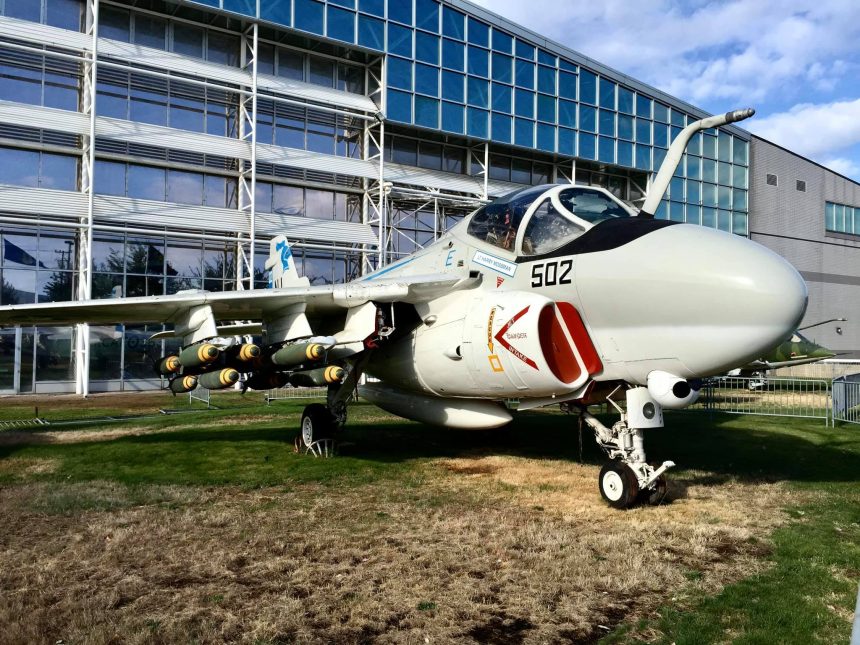
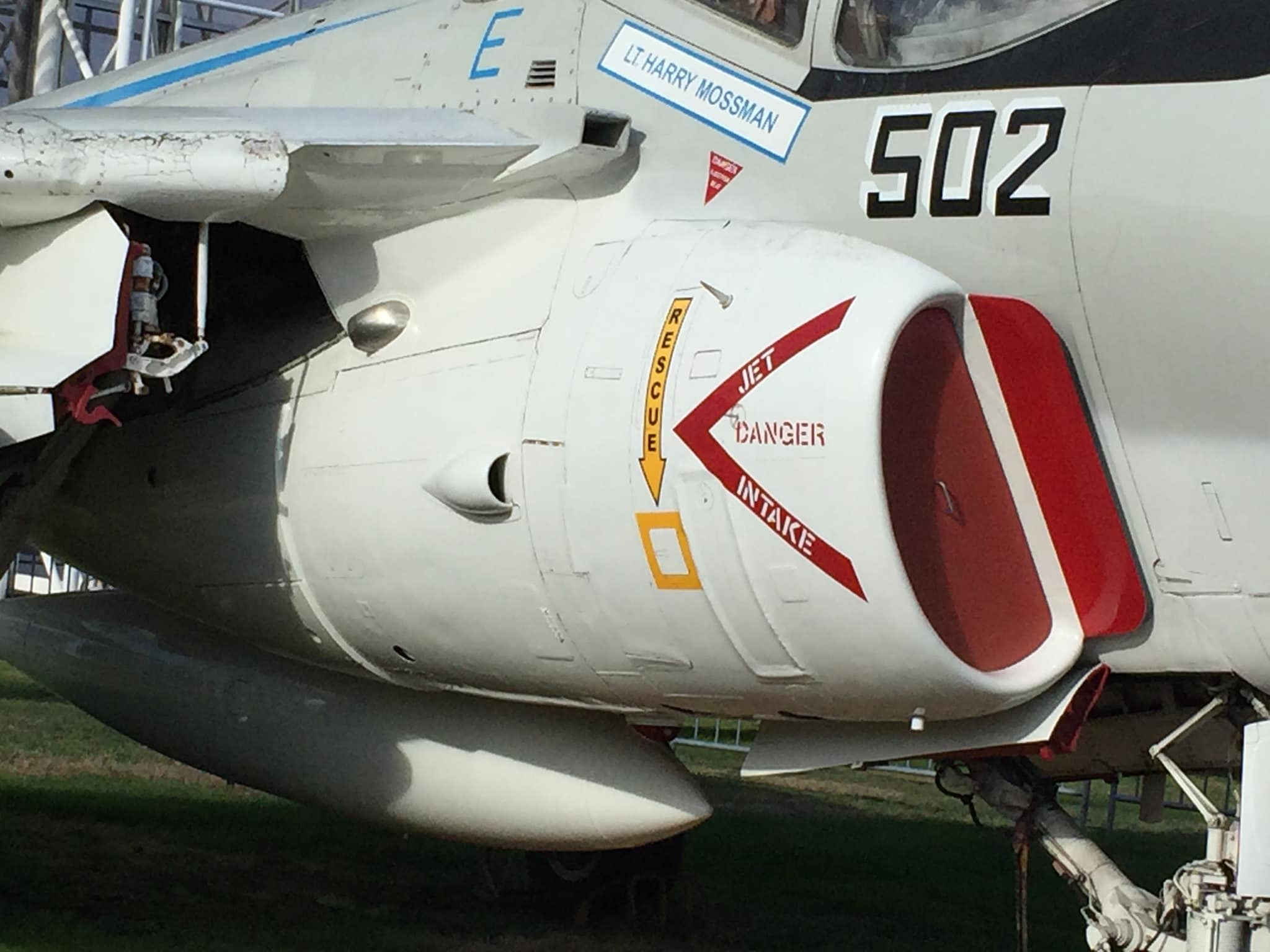
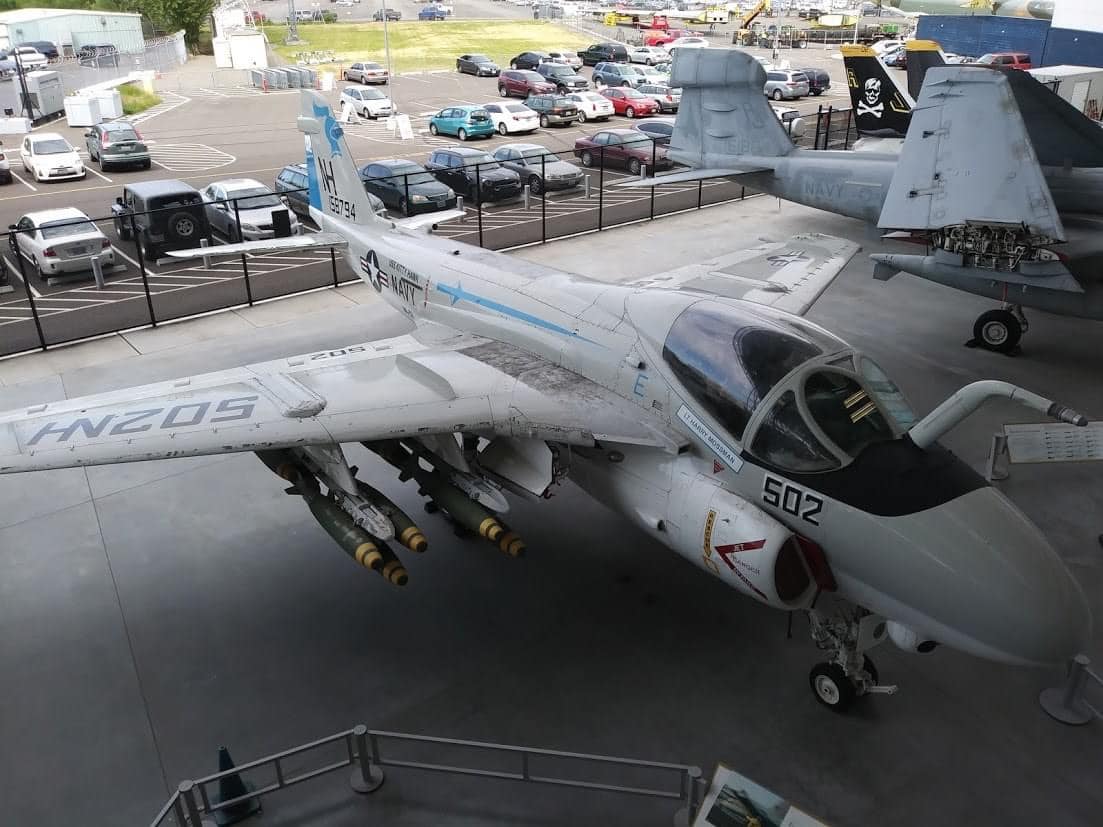
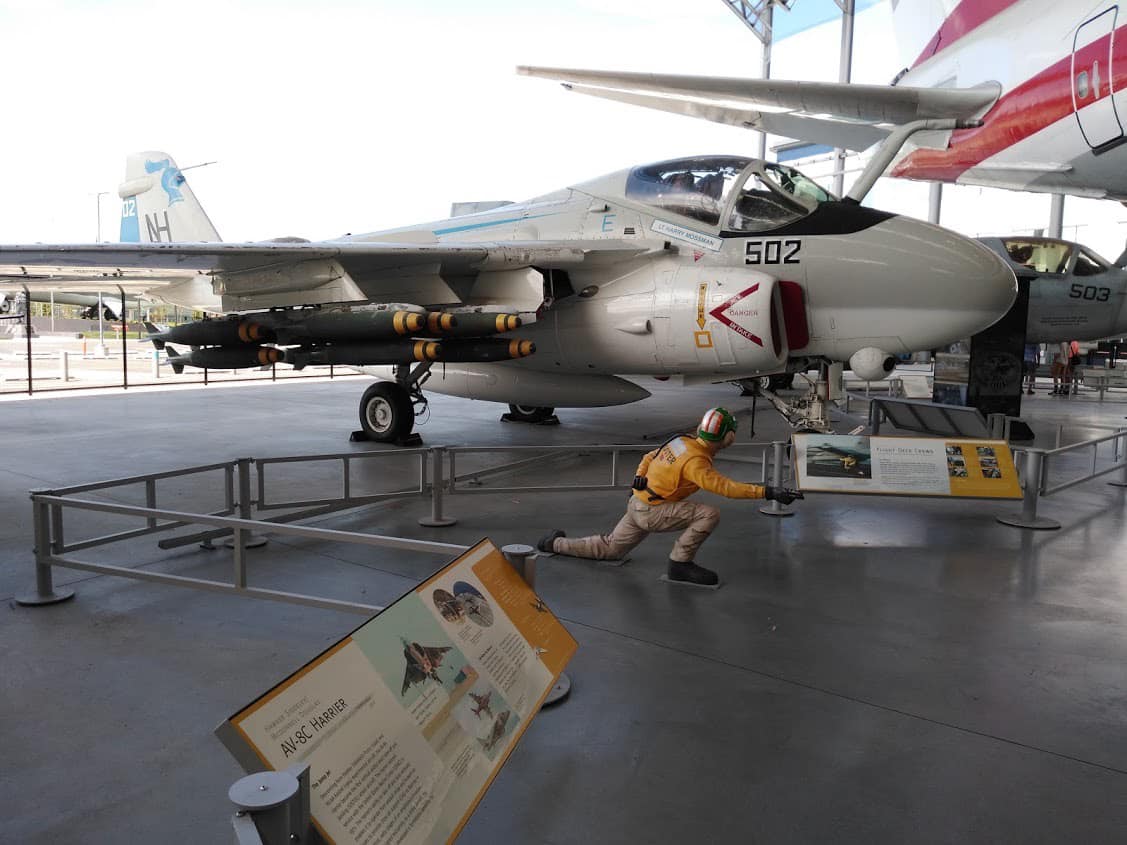
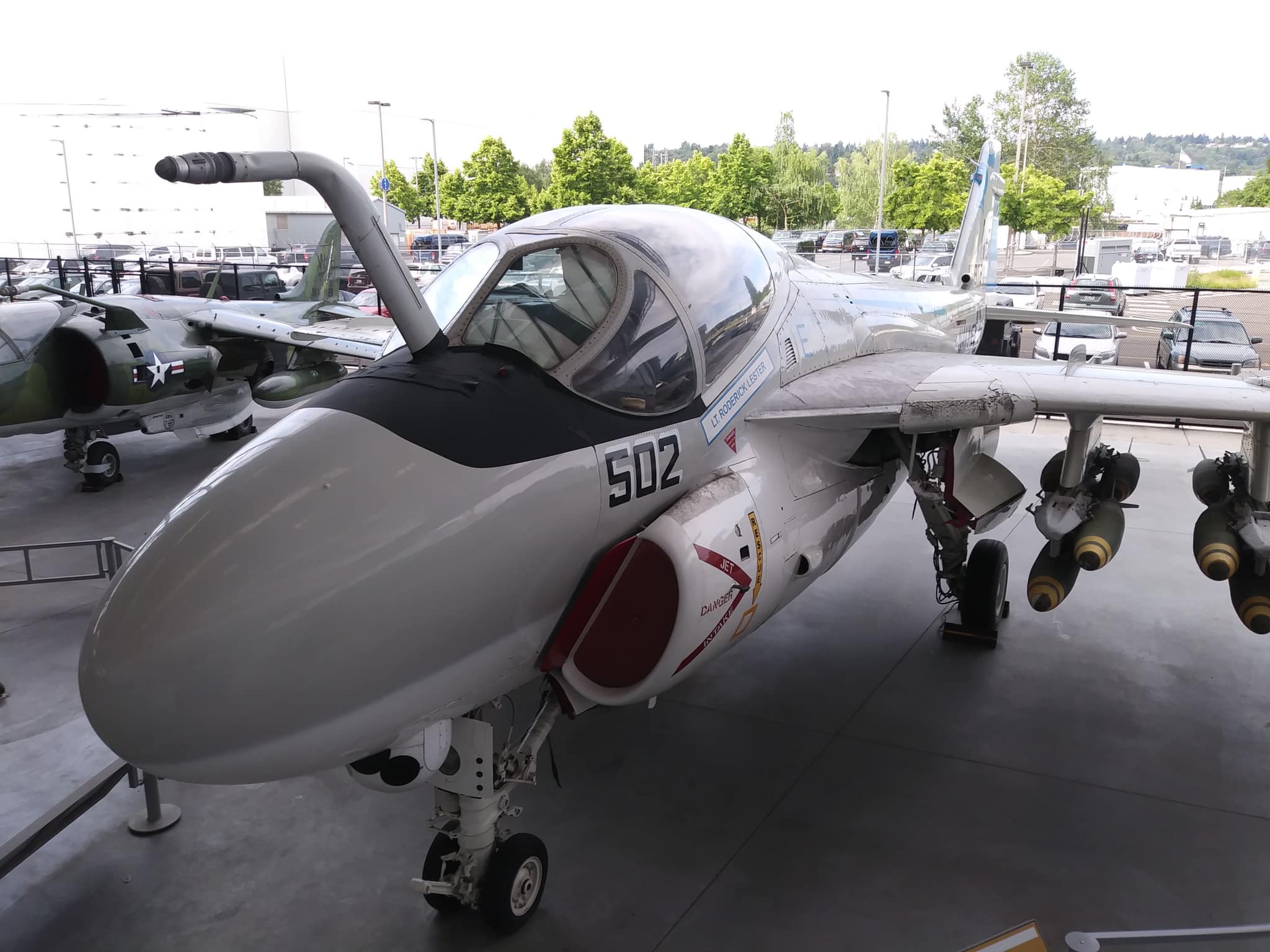
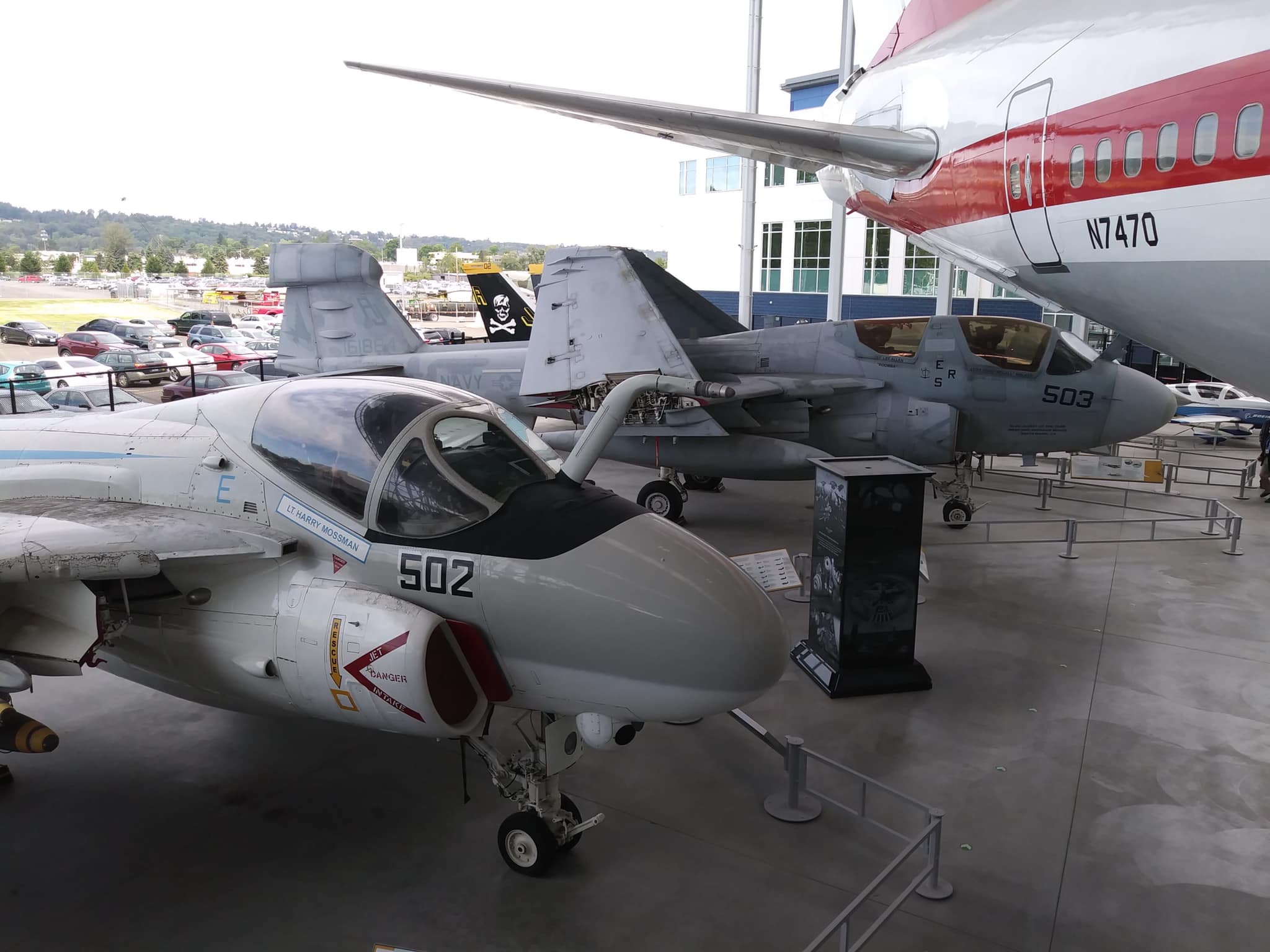
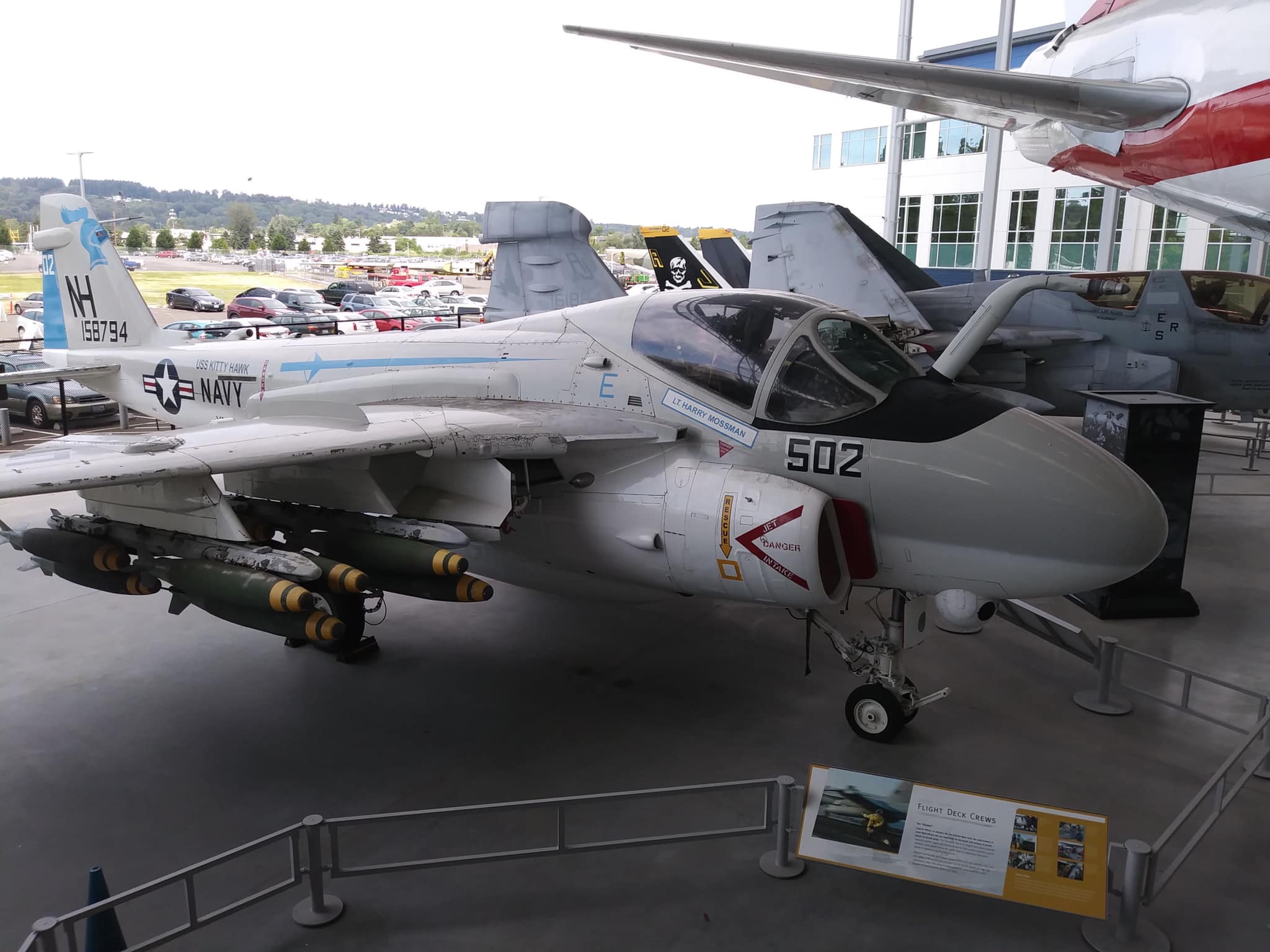
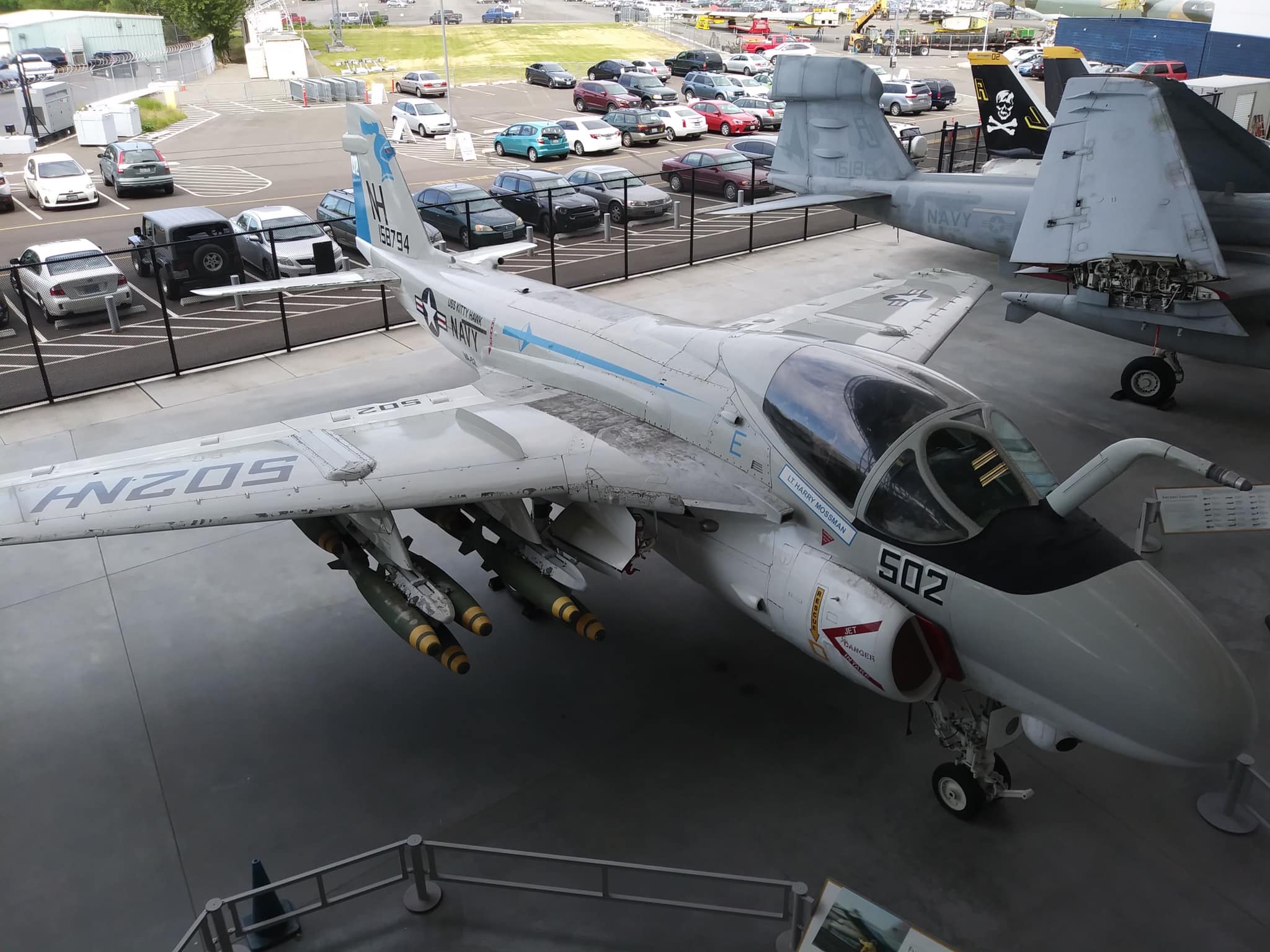
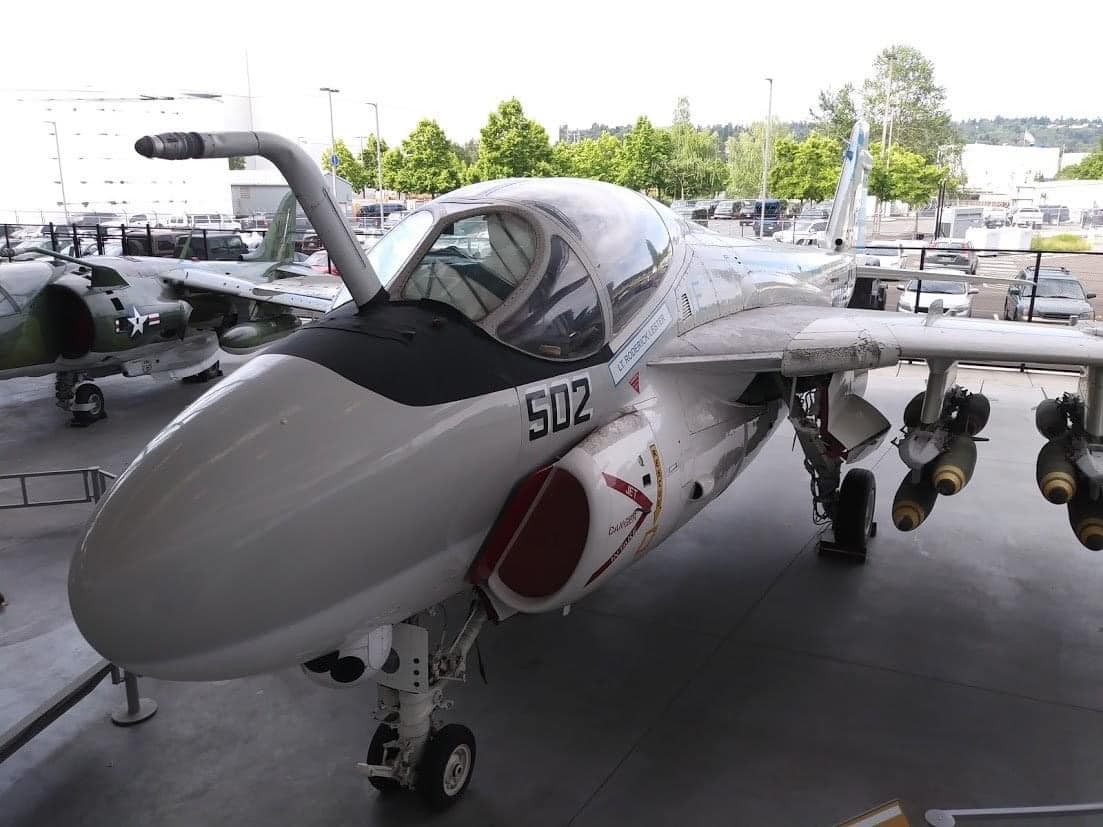
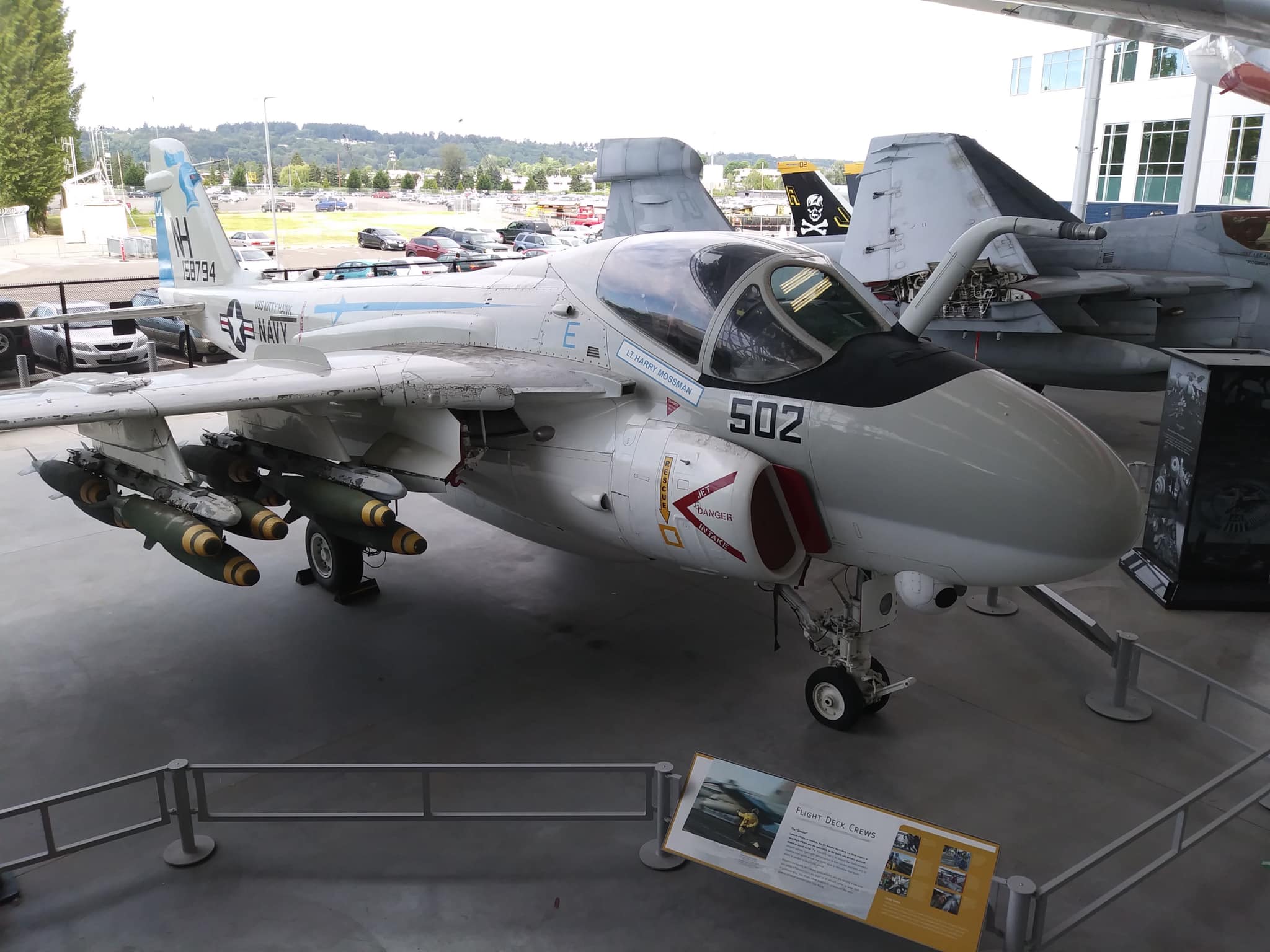
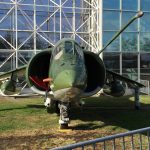
Grumman A-6E Intruder. Photos are by me and Don England at The Museum of Flight in Seattle.
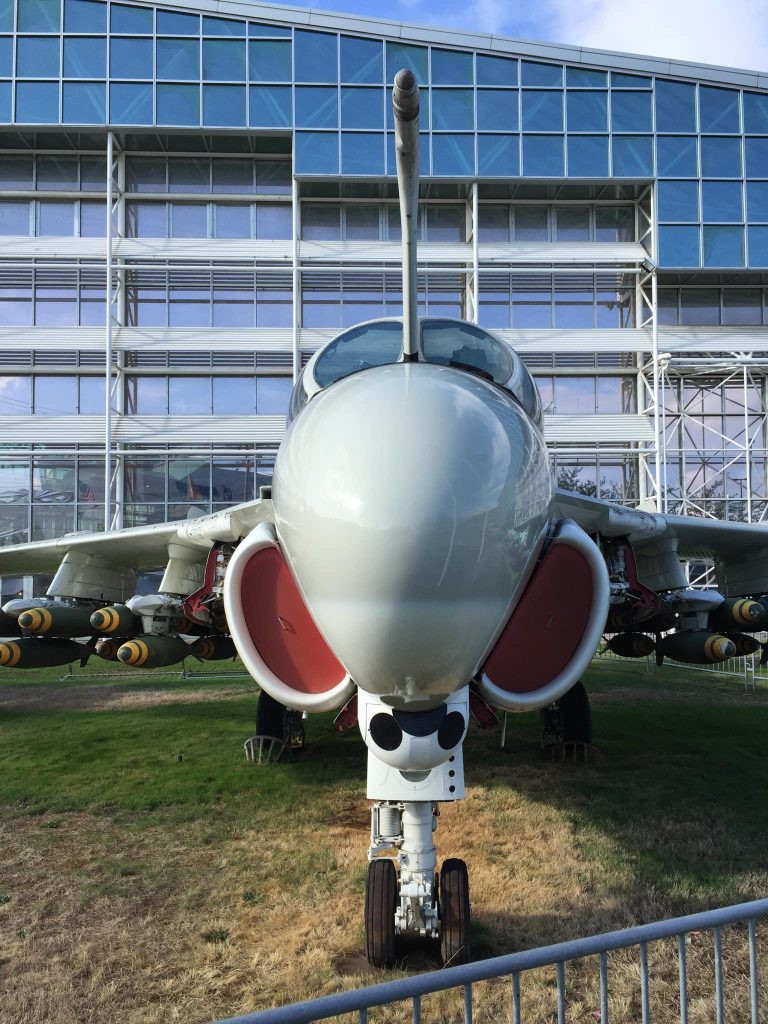
Editor’s notes: The Grumman A-6 Intruder on display at The Museum of Flight in Seattle was built by Grumman Aircraft’s plant in Bethpage, New York, as construction number I-530 and delivered to the U.S. Navy on September 1, 1973, as Bureau Number 158794. In 1974, it was assigned to Attack Squadron 85 (VA-85, nicknamed the “Black Falcons“) as AA-502, and later flown by the squadron as AA-501. By 1986, the aircraft was flying with Attack Squadron 42 (VA-42) as AD-534.
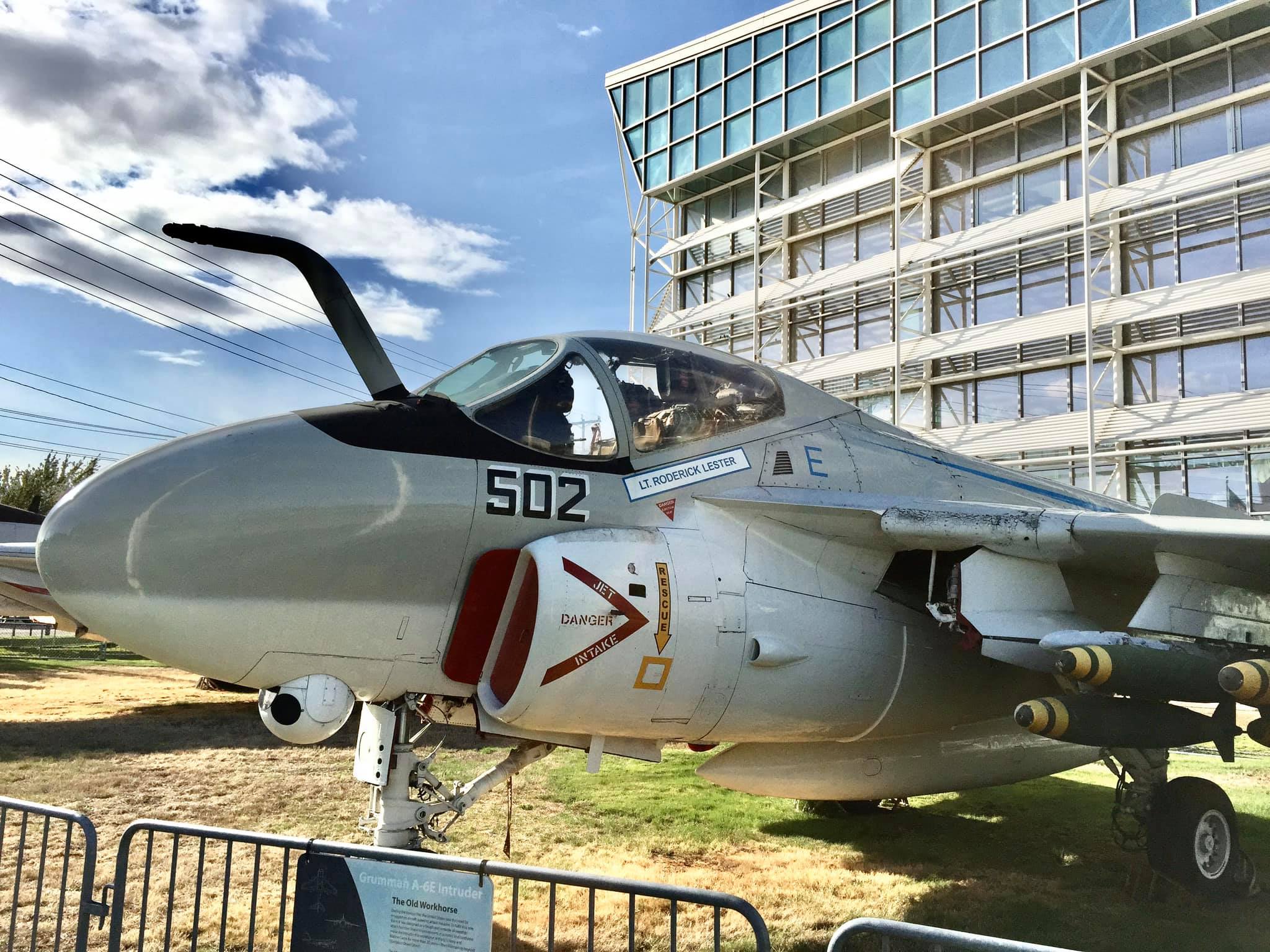
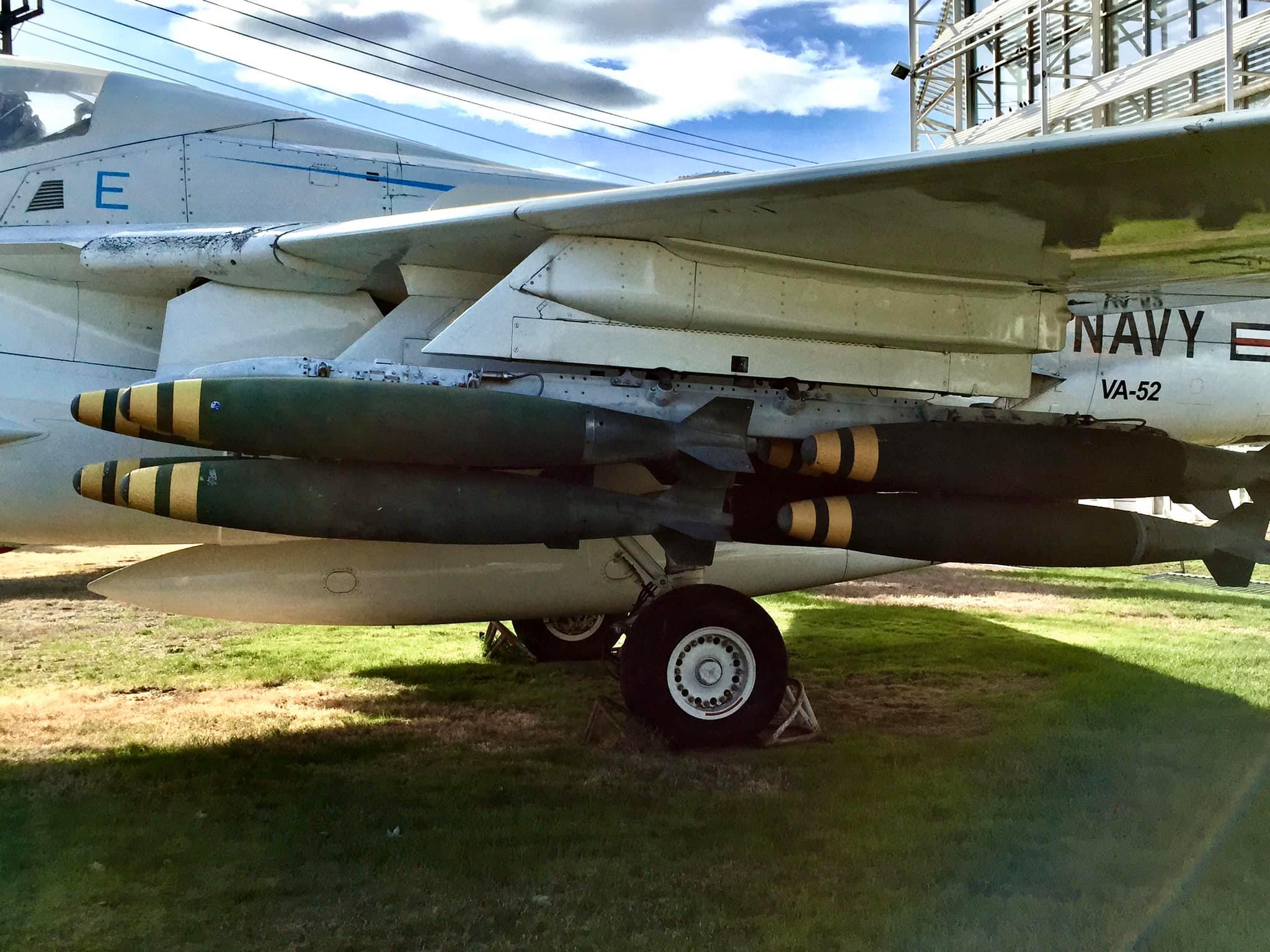
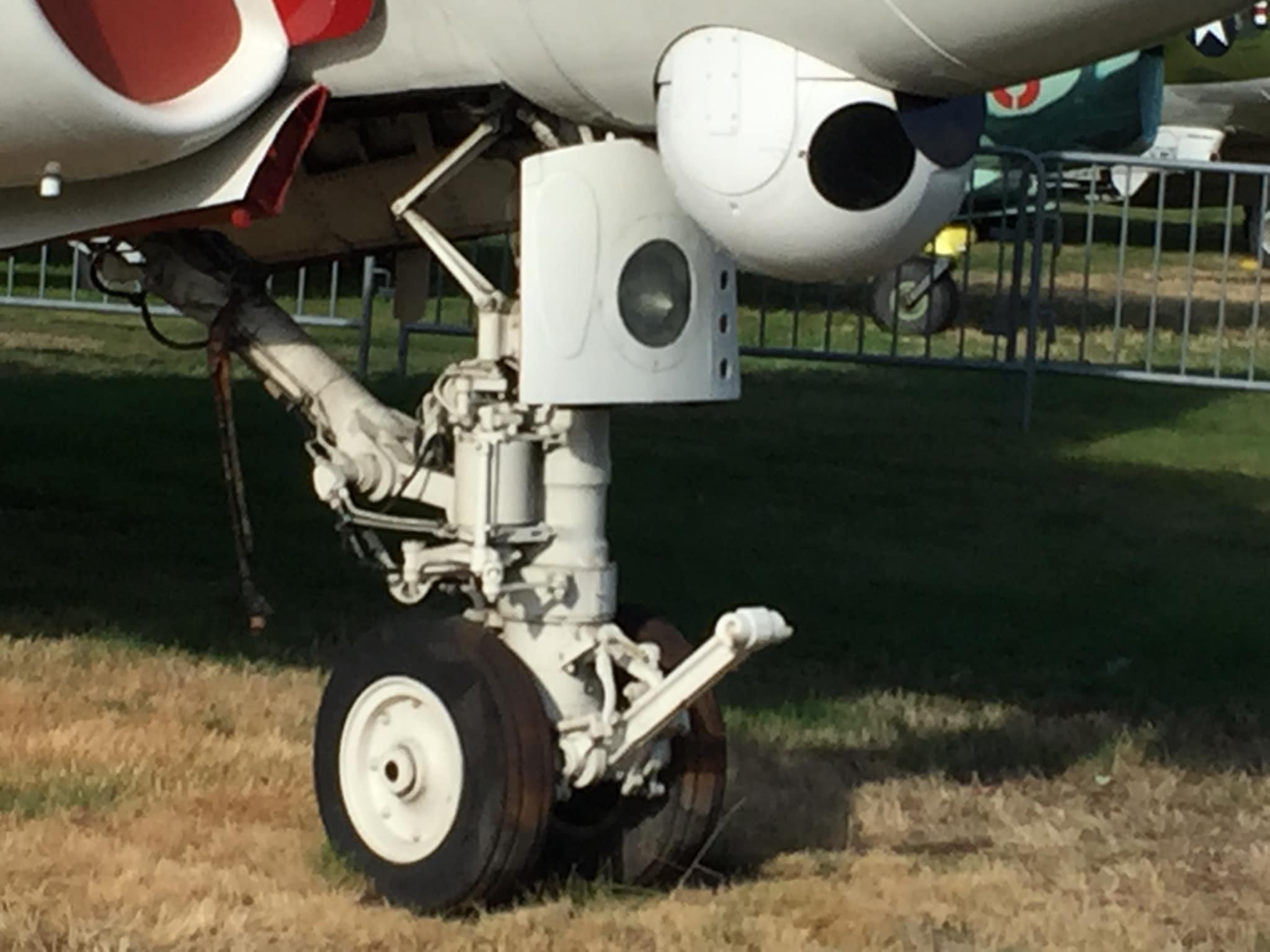
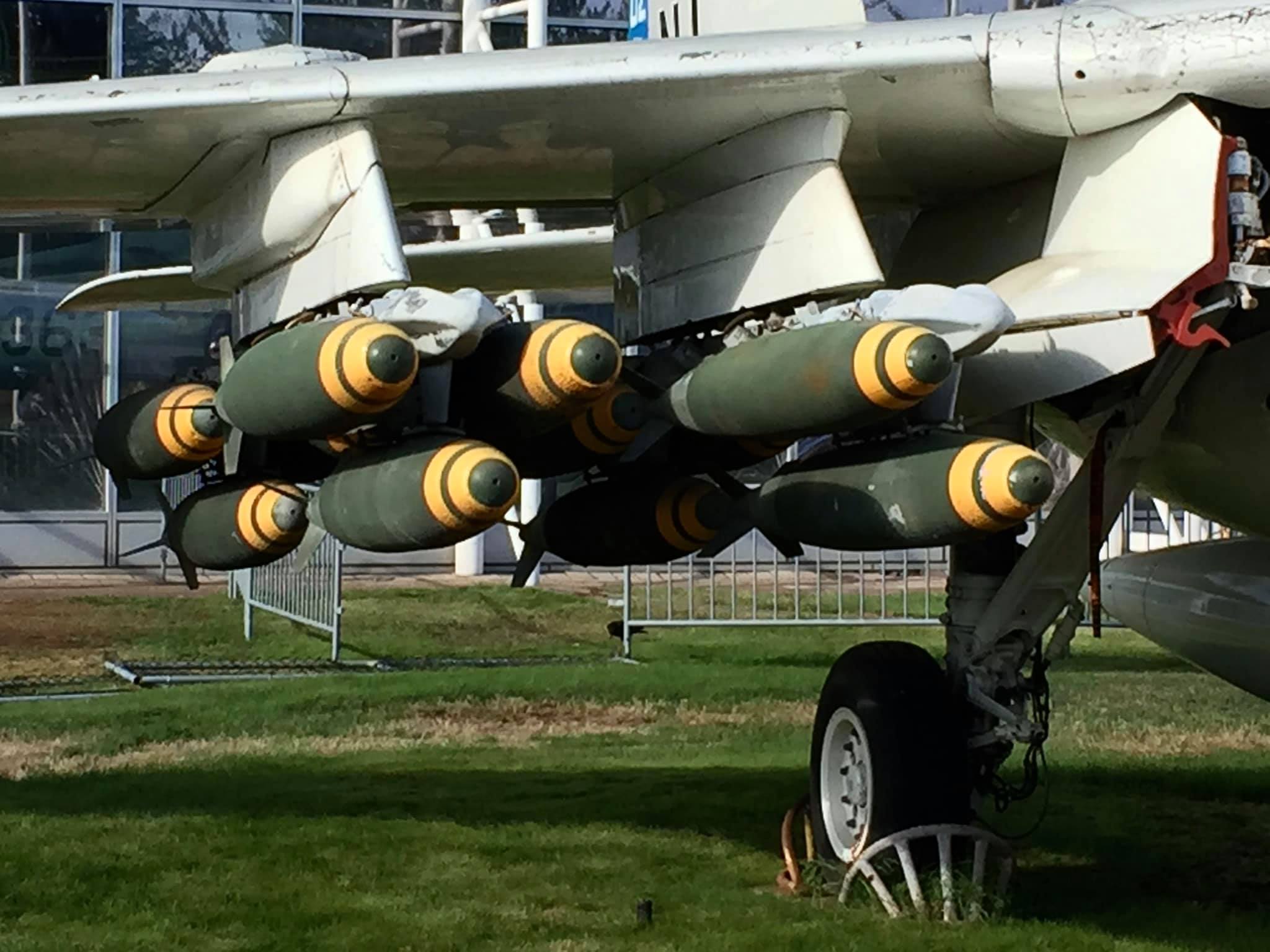
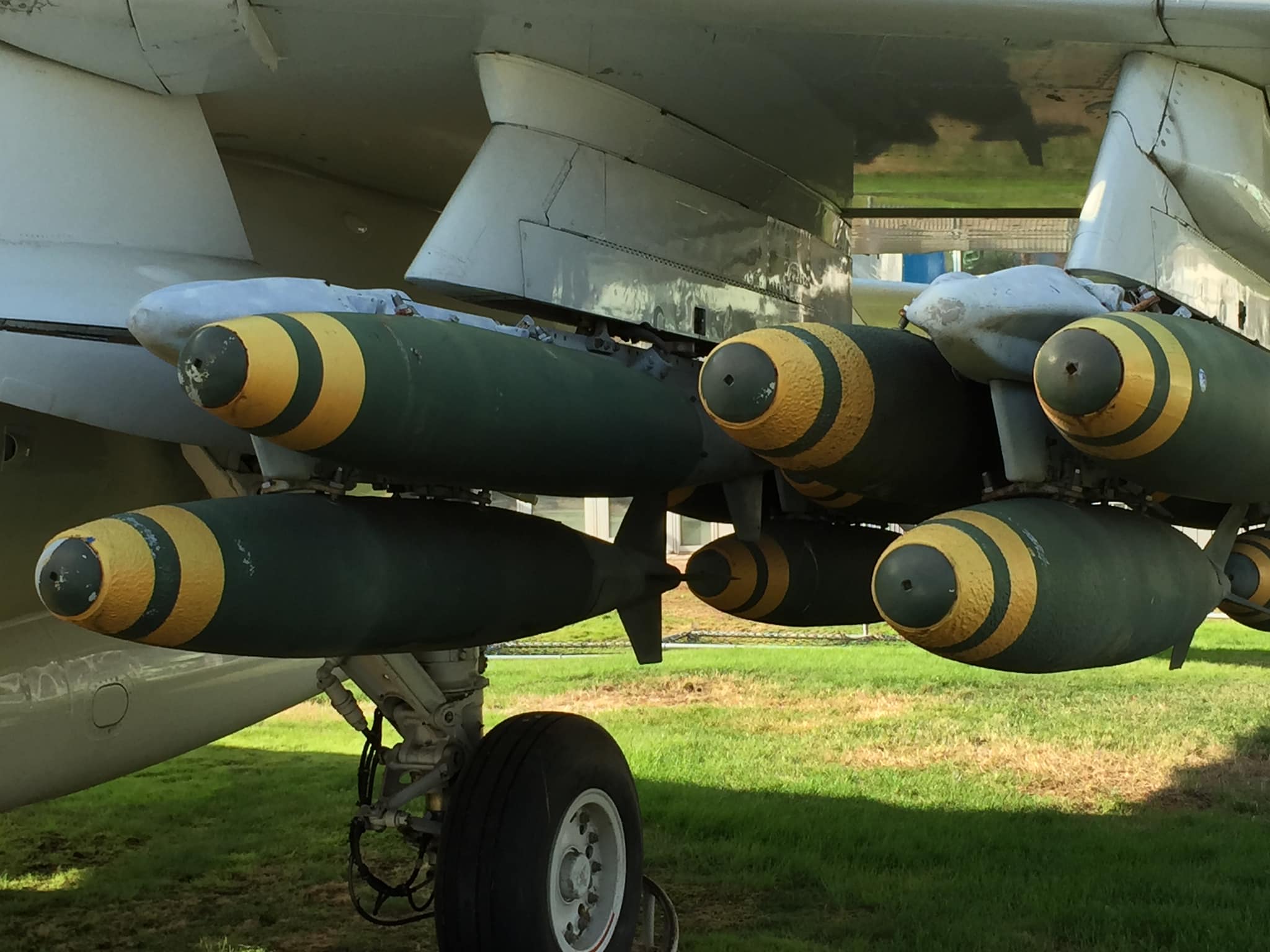
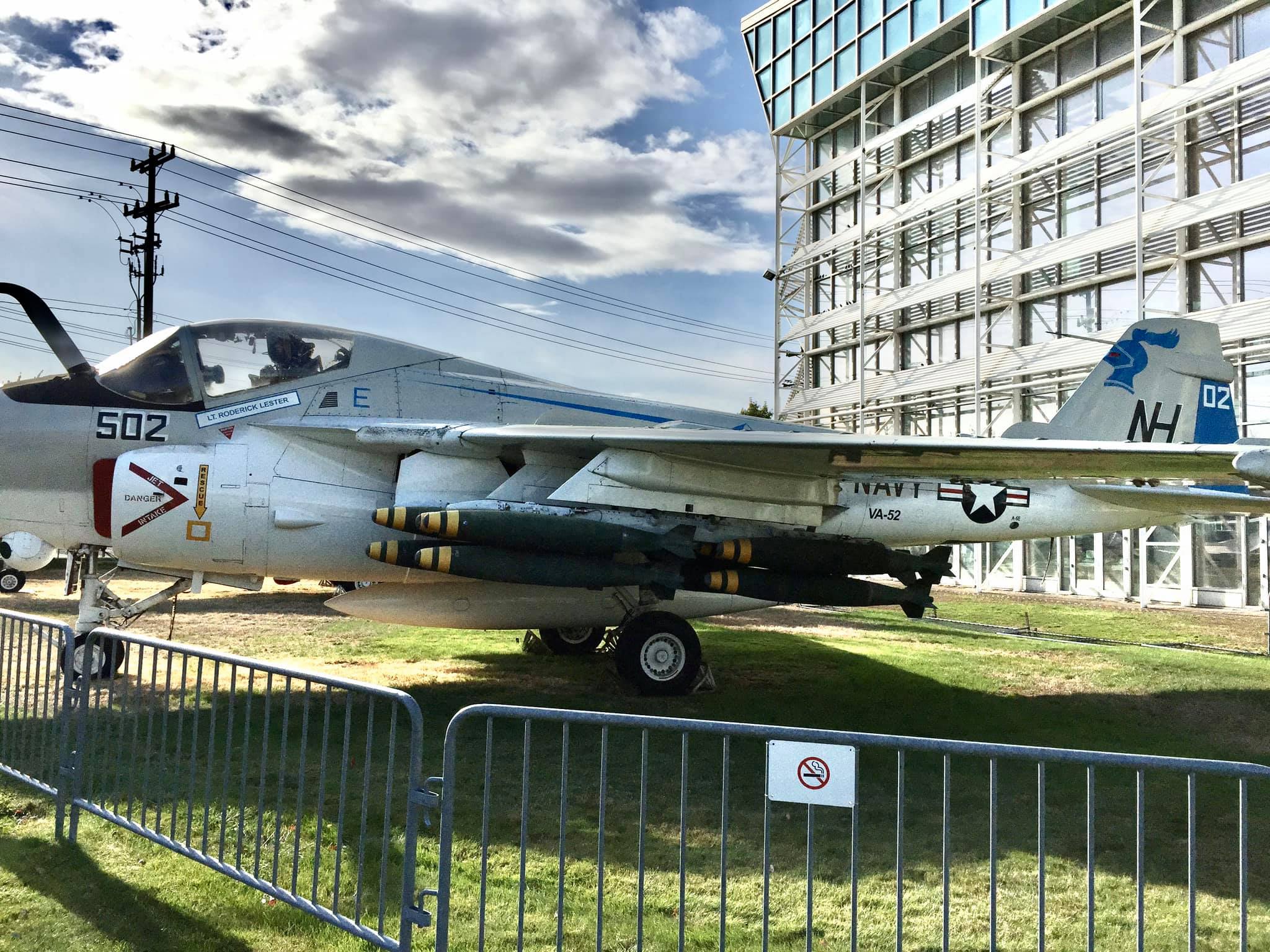
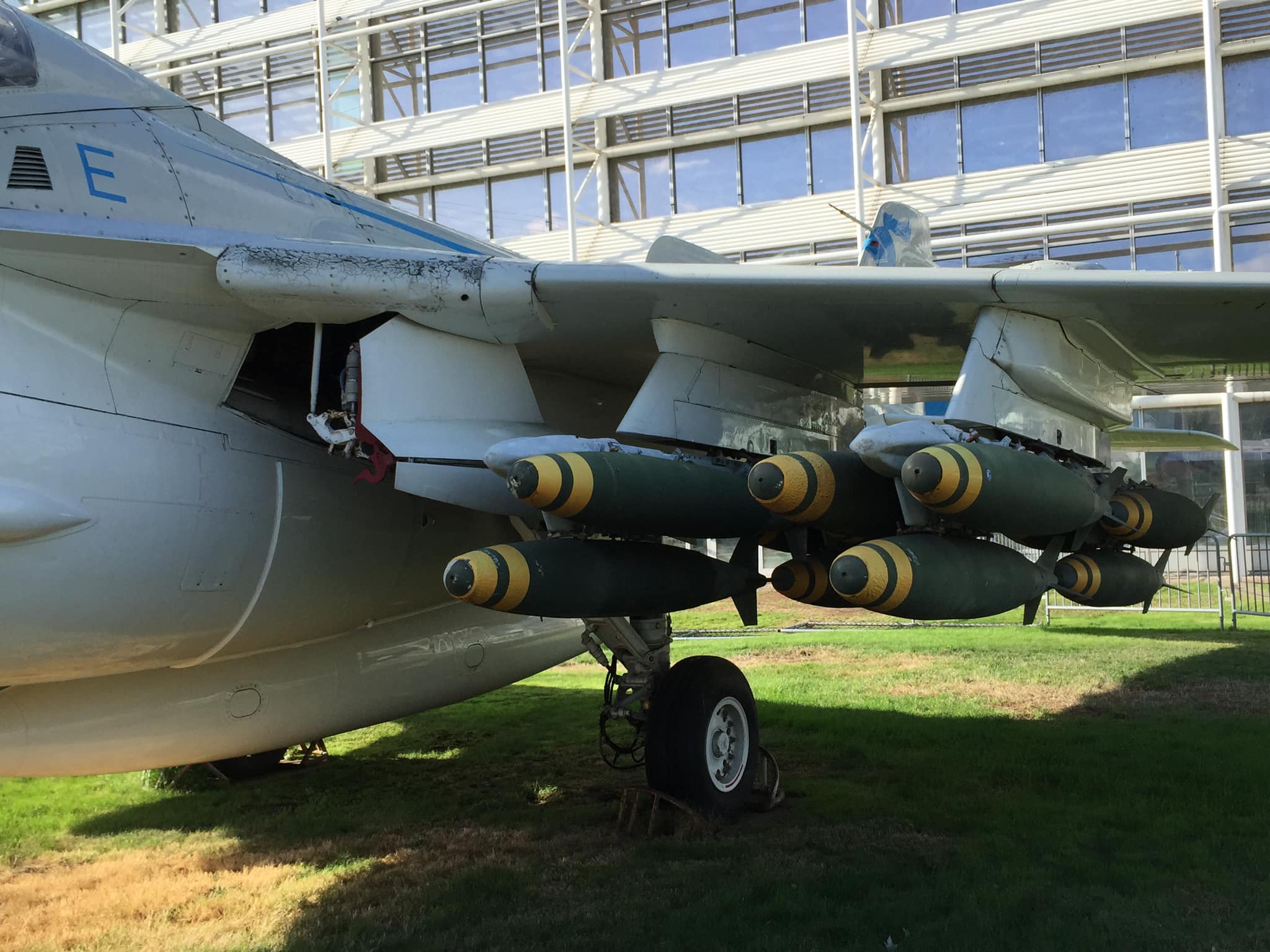

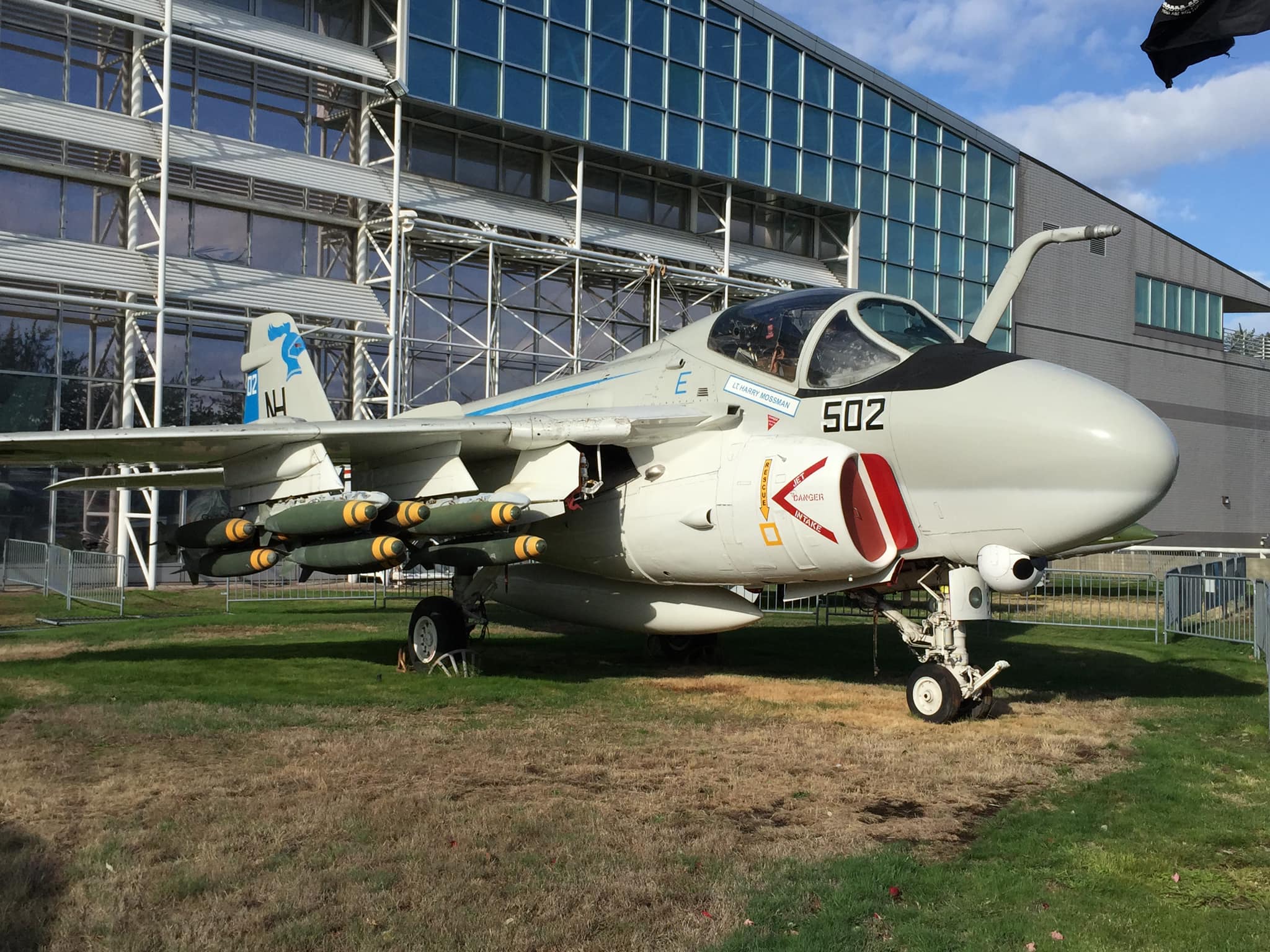
According to The Museum of Flight, the aircraft was flown by nine Navy attack squadrons, including Attack Squadron 52 (VA-52, nicknamed the “Knight Riders“) at Naval Air Station Whidbey Island, Washington, where it wore the unit number NL-510. According to the Intruder Association, A-6E Intruder BuNo 158793 obtained 5,918 flight hours during its operational career, made 1,327 catapult-assisted takeoffs (CATS), and 1,336 Tactical Recoveries of Aircraft and Personnel (TRAPs); arrested landings on carrier decks at sea. BuNo 158794 also participated in combat operations over Iraq during the First Gulf War.
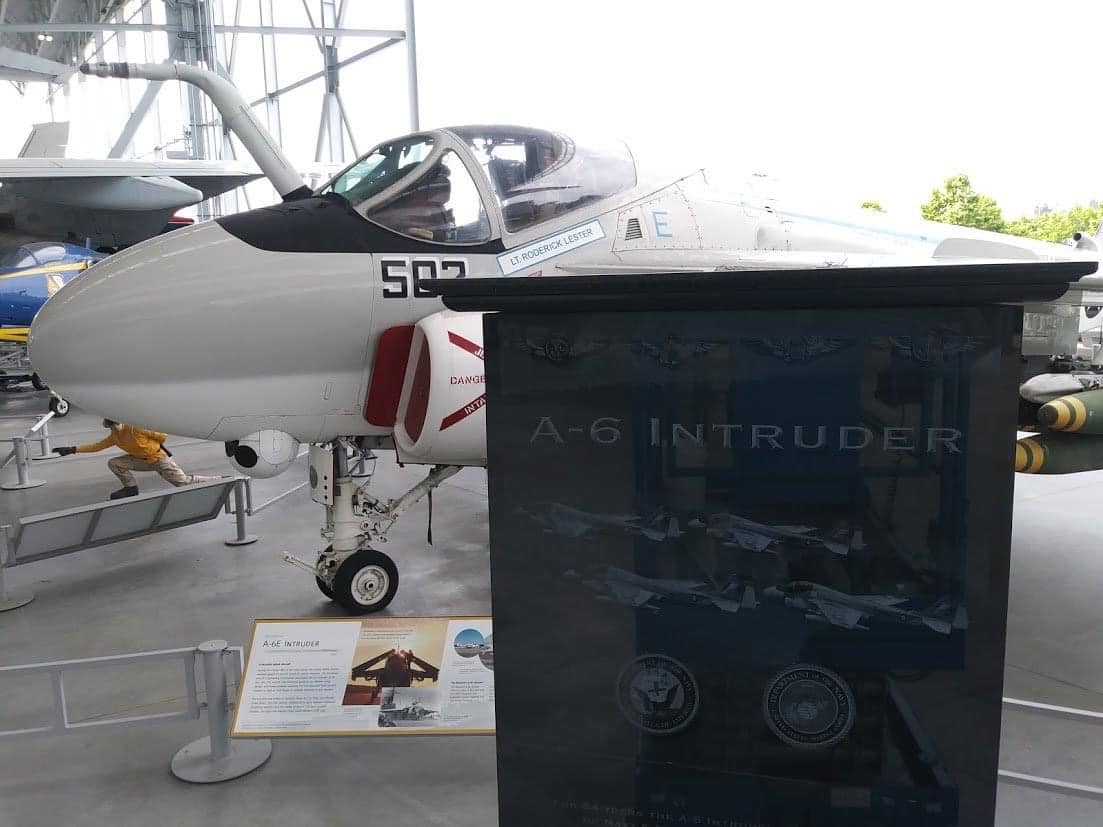
As the aircraft was being phased out of active service during its tenure with VA-52 a NAS Whidbey Island, personnel of VA-52 painted the aircraft as “Viceroy 502” (A-6A Intruder BuNo 157018), an aircraft of VA-52 assigned to USS Kitty Hawk (CVA-63) that was shot down near Cam Pha, Quang Ninh Province, North Vietnam on August 20, 1972, with pilot Lieutenant Roderick “Rod” Lester and bombardier/navigator Lieutenant Commander Harry Mossman being killed in action. (Lester was posthumously promoted to Lieutenant Commander). In 1995, Grumman A-6E Intruder BuNo 158794 was placed on display at The Museum of Flight in Seattle, though the aircraft is on loan from the National Naval Aviation Museum, Pensacola, Florida. Formerly displayed at the entrance to the museum, the Intruder has since been placed on display at The Museum of Flight’s Aircraft Pavilion, where it can be found today.
About the author 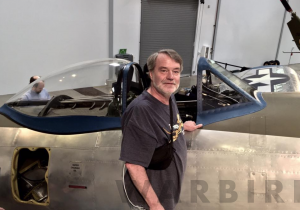
Randy Malmstrom grew up in a family steeped in aviation culture. His father, Bob, was still a cadet in training with the USAAF at the end of WWII but did serve in Germany during the U.S. occupation in the immediate post-war period, where he had the opportunity to fly in a wide variety of types that flew in WWII. After returning to the States, Bob became a multi-engine aircraft sales manager and, as such, flew a wide variety of aircraft; Randy frequently accompanied him on these flights. Furthermore, Randy’s cousin, Einar Axel Malmstrom, flew P-47 Thunderbolts with the 356th FG from RAF Martlesham Heath. He was commanding this unit at the time he was shot down over France on April 24th, 1944, spending the rest of the war as a prisoner of war. Following his repatriation at war’s end, Einar continued his military service, attaining the rank of Colonel. He was serving as Deputy Wing Commander of the 407th Strategic Fighter Wing at Great Falls AFB, MT, at the time of his death in a T-33 training accident on August 21, 1954. The base was renamed in his honor in October 1955 and continues to serve in the present USAF as home to the 341st Missile Wing. Randy’s innate interest in history in general, and aviation history in particular, plus his educational background and passion for WWII warbirds, led him down his current path of capturing detailed aircraft walk-around photos and in-depth airframe histories, recording a precise description of a particular aircraft in all aspects.







T R A P is a Marine Corps mission, Randy, an arrested landing on an aircraft carrier is known in slang as a trap, and as I type it; it’s spelled out in lower case letters. Know, this A-6 with the 502 Modex, is the Squadron XO Bird.