






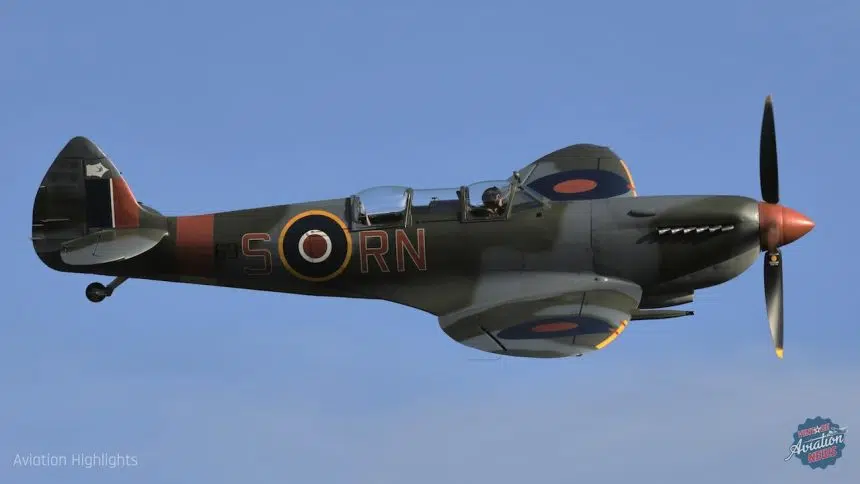

Supermarine Spitfire RK858 returned to the skies at Duxford on September 30, 2026, following an extensive restoration and conversion to two-seat configuration by the Aircraft Restoration Company (ARCo). The former Soviet Air Force fighter took off at 3:43 p.m., marking its first flight in more than 80 years and becoming the 26th Spitfire returned to flight by the company since 1991. Built by Vickers-Armstrongs at Castle Bromwich in 1944 as a Mk.IXe, RK858 is now registered G-CGJE and wears the markings of MH763, a Spitfire flown by No. 72 Squadron RAF during WWII. Its return reportedly brings the worldwide population of airworthy two-seat Spitfires to 16, with 12 based in the United Kingdom.
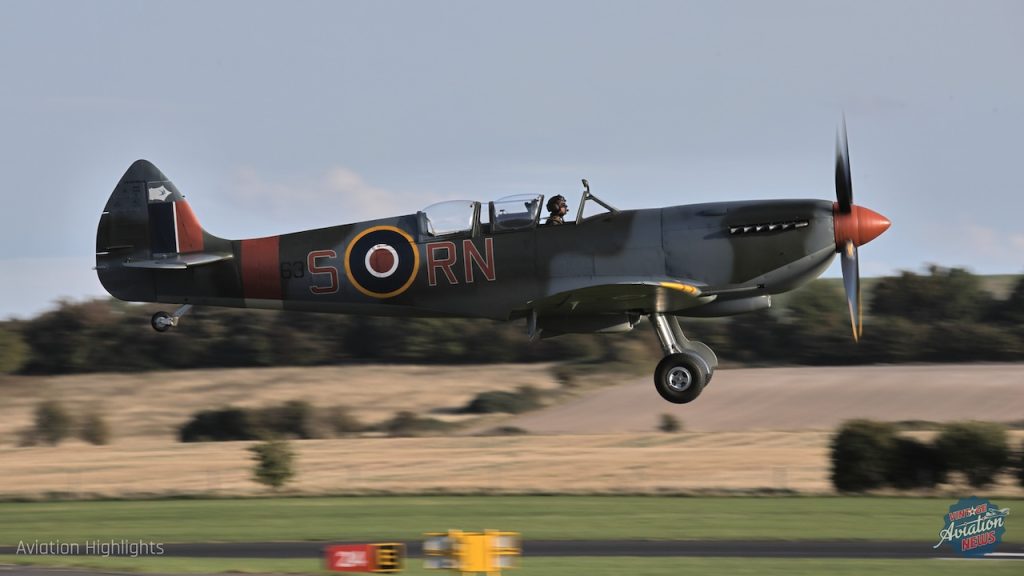
(Image credit: Aviation Highlights)
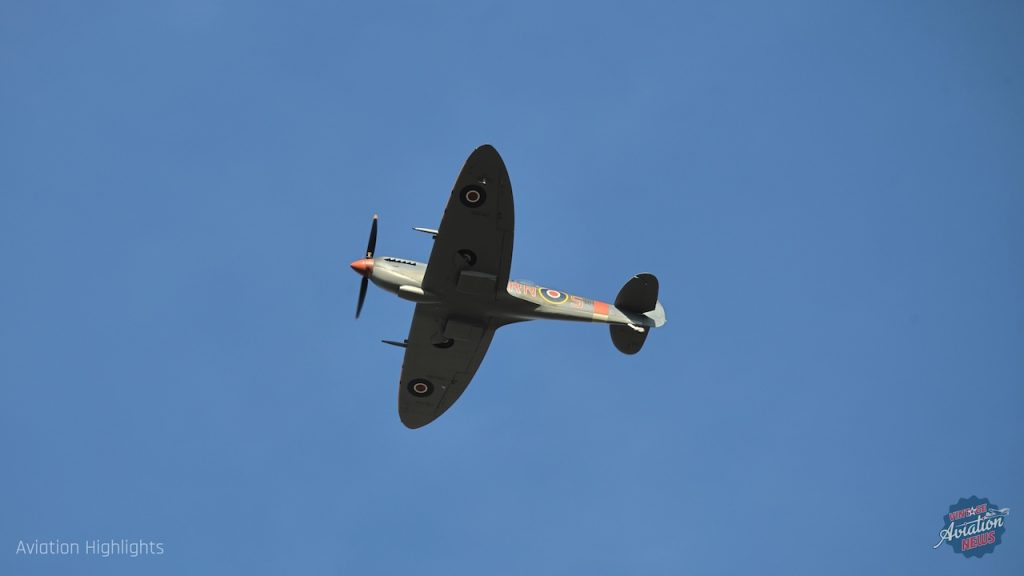
ARCo founder and managing director John Romain MBE conducted the first flight, departing from IWM Duxford’s grass runway before putting the aircraft through an initial series of handling checks. During the approximately 20-minute flight, Romain assessed its behavior at high and low speeds, in inverted flight, and during stalls in both clean and landing configurations. The flight concluded with a run and break over the eastern end of the airfield, offering spectators a clear view of the aircraft’s distinctive No. 72 Squadron markings before Romain returned to land.
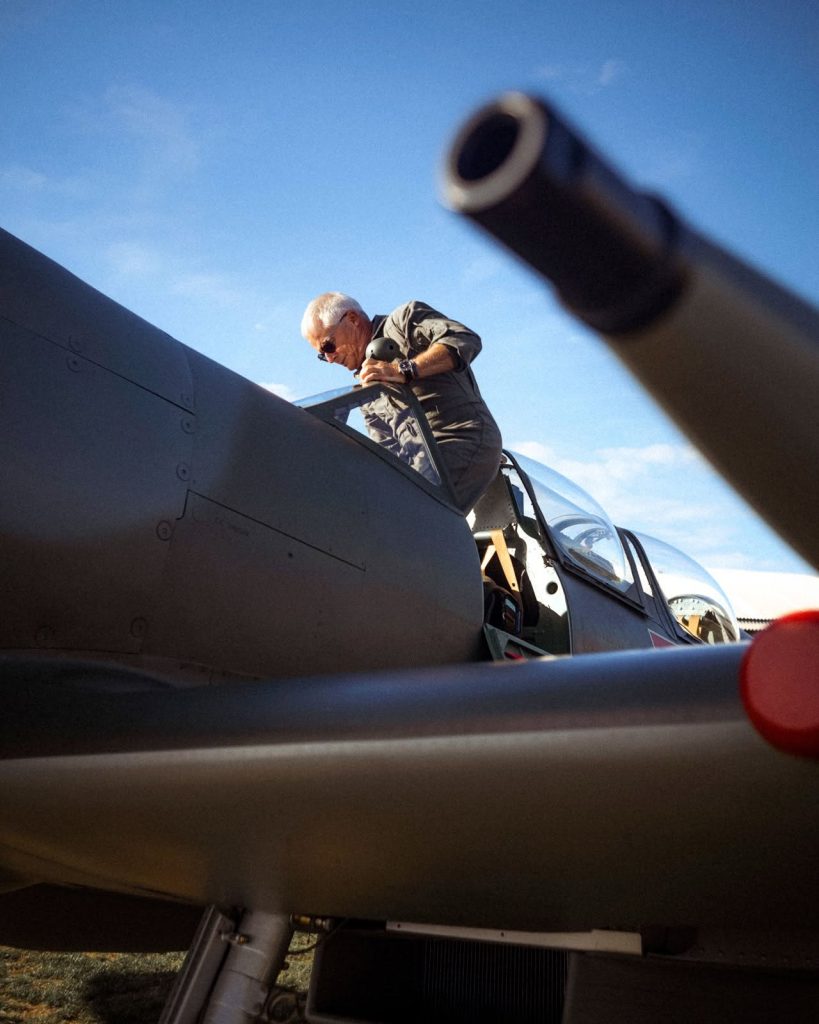
(Image credit: Aircraft Restoration Company)
According to ARCo, Romain then invited chief engineer Martin Overall to take the aircraft up himself. A second sortie followed later that afternoon. After spending more than eight decades grounded, RK858 had completed two flights within a matter of hours. The aircraft, affectionately known as “RK” within the company, capped a busy September at Duxford. ARCo described its first flight as “a wonderful way to cap a month that has felt full of special moments,” following the arrival of Curtiss P-40E Maude and the IWM September Airshow.
RK858’s journey to Duxford began with its wartime service in the Soviet Union. In November 1944, the aircraft was shipped aboard SS Empire Stalwart under the Lend-Lease program, entering Soviet Air Force service the following month. It was reportedly shot down in 1945 and crashed in a forest, where it remained until its recovery by a Mil Mi-26 helicopter in 1992. Despite its long exposure to the elements, the wreck was reported to be in relatively good condition. The Fighter Collection acquired RK858, and it arrived at Duxford later in 1992. Ownership transferred to Historic Flying Ltd in 2010, following its registration as G-CGJE.
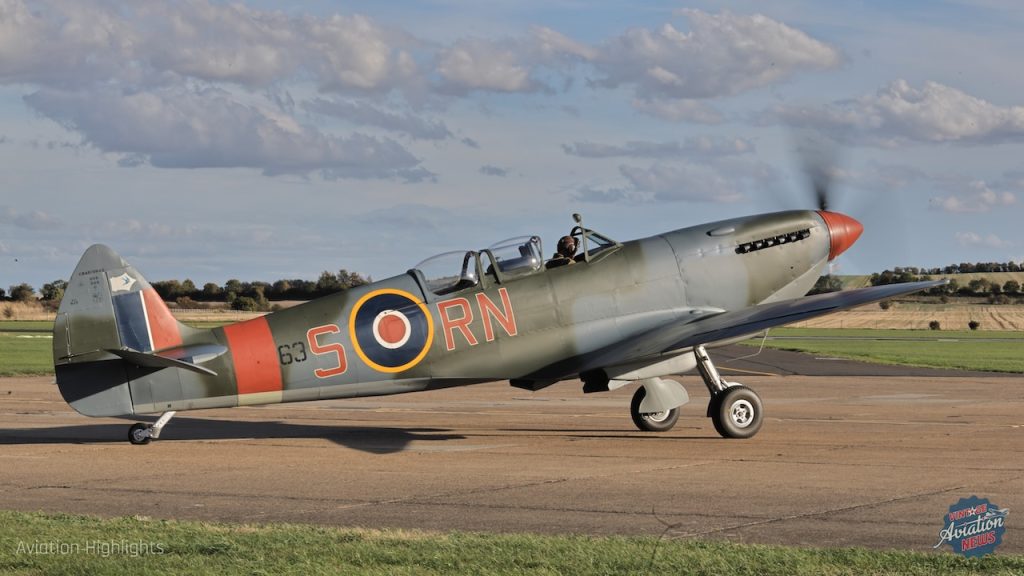
(Image credit: Aviation Highlights)
RK858 is believed to be the second Spitfire with Soviet Air Force service history to return to airworthy condition. The first, Peter Teichman’s North Weald-based Mk.IX PT879, flew again in 2020 and retains the Soviet markings it wore in the spring of 1945. PT879 has become a relatively uncommon sight at public events, particularly since Teichman’s retirement from air displays. However, it made brief static appearances at the Shuttleworth Collection’s 2026 Festival of Flight and Summer Air Shows, carrying a pair of replica 250-pound bombs beneath its wings.
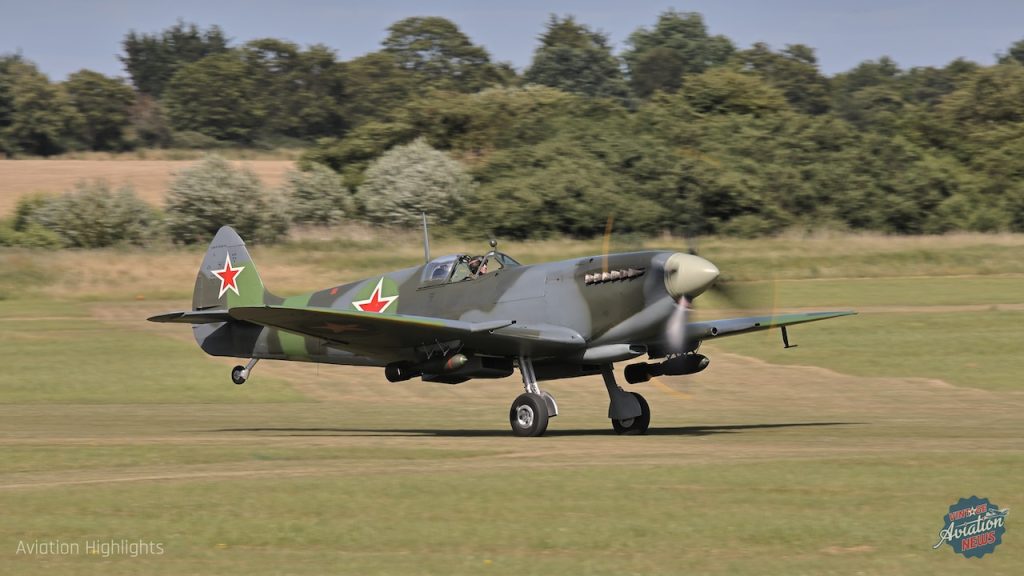
(Image credit: Aviation Highlights)
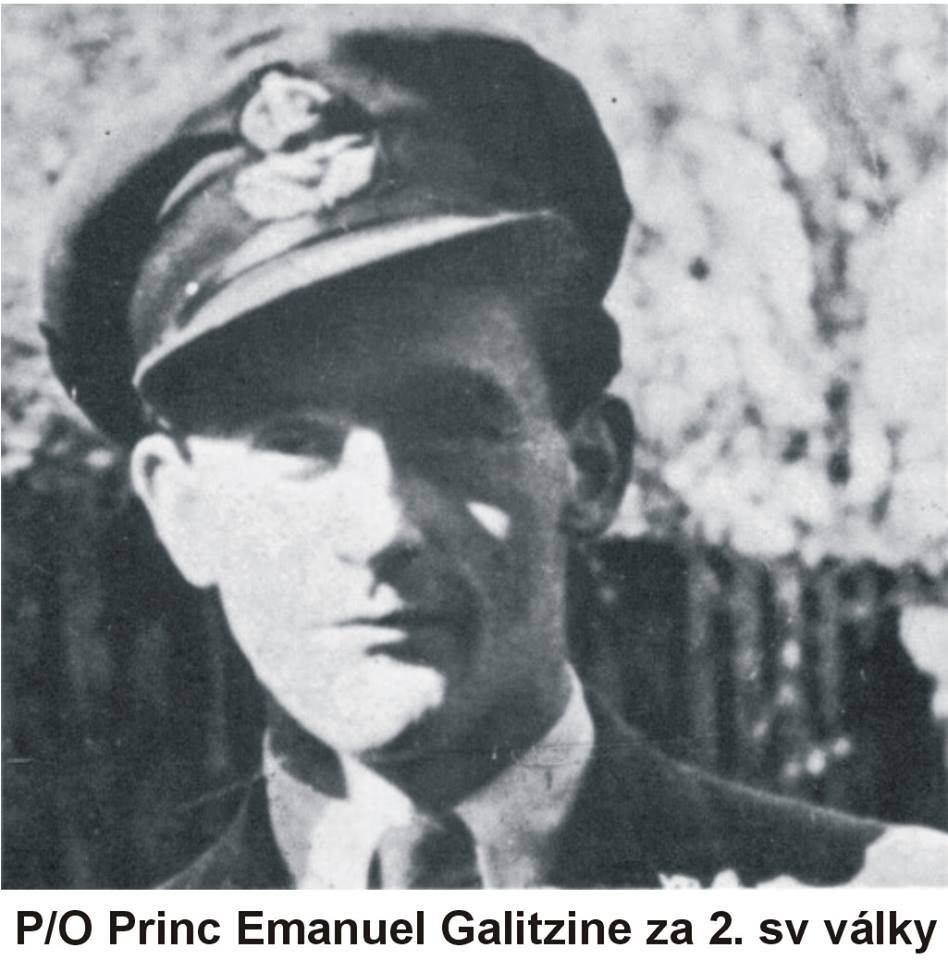
Although RK858 has not been restored in Soviet markings, its chosen scheme carries another connection to Russia. MH763, the aircraft represented by its new livery, was flown by Flight Lieutenant Prince Emanuel Galitzine, a member of the Russian aristocracy whose family settled in Britain after the Russian Revolution. Galitzine joined the RAF Volunteer Reserve in 1938 and subsequently received a commission. His wartime postings included No. 504 Squadron in Northern Ireland before he eventually joined No. 72 Squadron. In August 1944, he flew MH763 from Corsica to the newly established landing ground at Ramatuelle in southern France during Operation Dragoon. An Imperial War Museums photograph records the aircraft arriving there with Galitzine at the controls. www.iwm.org.uk
The scheme features a prominent red band around the rear fuselage and red RN-S codes. On the vertical stabilizer, No. 72 Squadron’s blue swift appears within a spearhead, a marking associated with the pre-war identification system for fighter units. The bird reflects the squadron’s motto, “Swift.” Formed on June 28, 1917, No. 72 Squadron has operated numerous aircraft types, including the Gloster Gladiator, Supermarine Spitfire, de Havilland Vampire, and Gloster Meteor. Today, it is based at RAF Valley on Anglesey, Wales, where its Beechcraft Texan T1 aircraft provide basic fast jet training for RAF and Royal Navy student pilots. www.raf.mod.uk
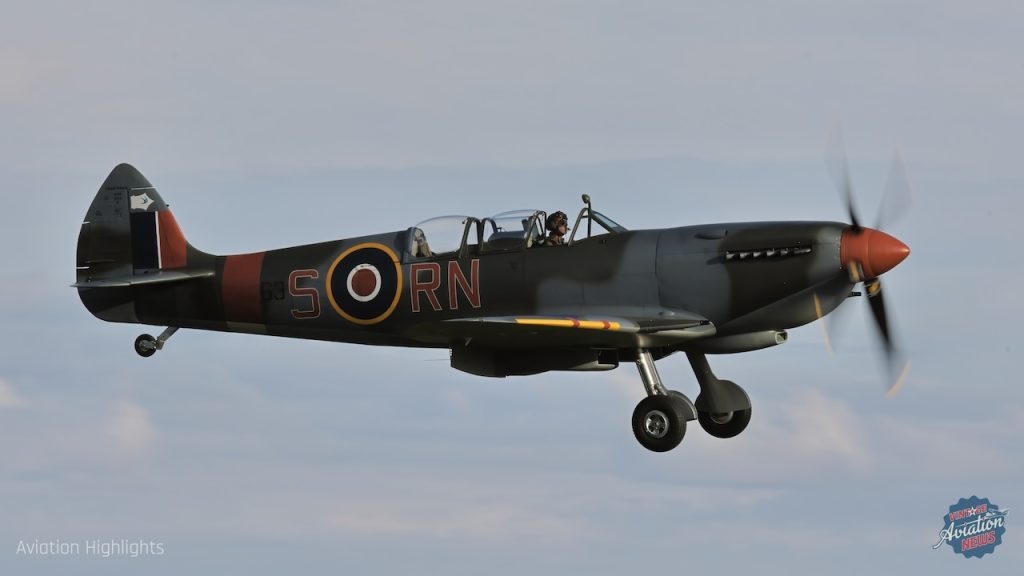
(Image credit: Aviation Highlights)
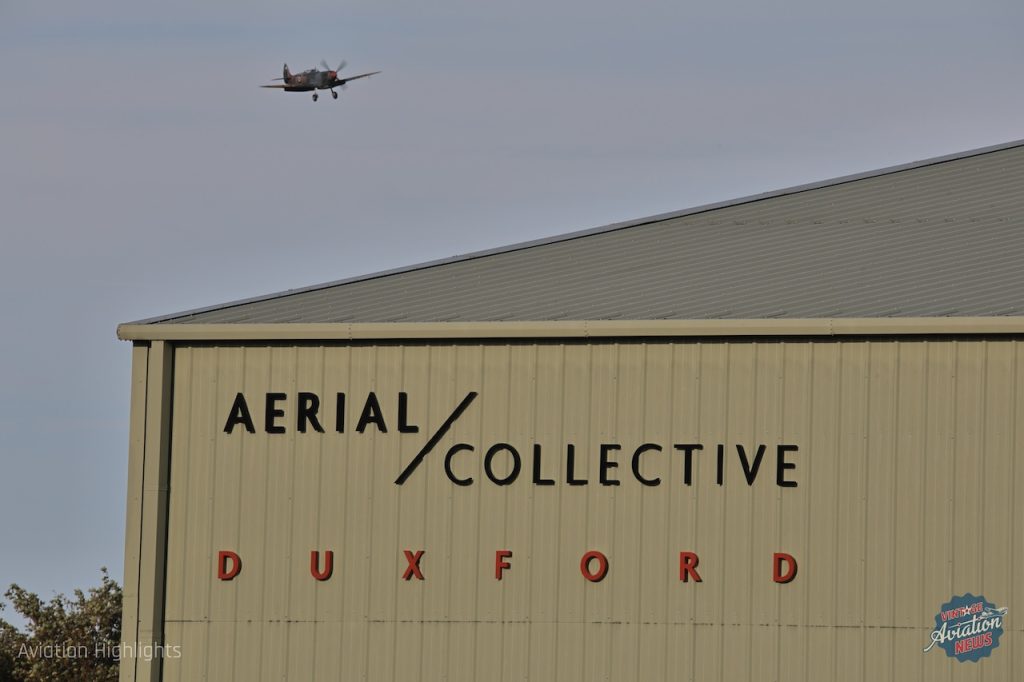
With the initial flights complete, ARCo will continue flying RK858 through the remainder of its test schedule. Once that work is finished, the aircraft will join PV202 (G-CCCA) and PT462 (G-CTIX) as the third two-seat Spitfire offering passenger flight experiences through Aerial Collective from the company’s Duxford hangars. Flying display appearances are also anticipated.
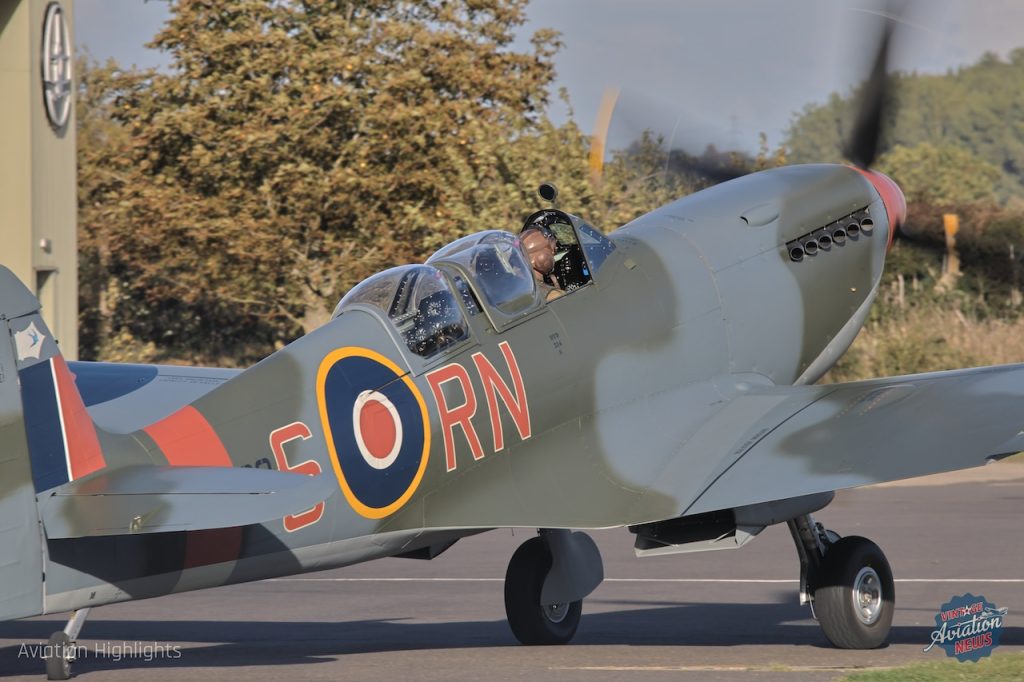
(Image credit: Aviation Highlights)
In announcing the milestone, ARCo credited the entire restoration team, from the artisans and engineers on the workshop floor to the designers and office staff supporting the project. The company noted that, while some employees had witnessed their first completed Spitfire restoration, others had been involved since its earliest projects. ARCo also acknowledged the specialist businesses whose work makes restorations of this scale possible. Fabricators, engine shops, propeller manufacturers, radiator specialists, and other workshops in Britain and overseas contributed the expertise needed to bring RK858 back to flight.
(Image credit: Aviation Highlights)
Further projects are already progressing through the company’s workshops. ARCo reported that its Spitfire wing and fuselage jigs remain occupied, with the next three aircraft at various stages of completion. Work also continues on rarer types, including the Focke-Wulf Fw 189, Fairey Firefly, and the recently arrived P-40 Kittyhawk. For now, however, the team is taking time to appreciate RK858’s return. Its first flights marked the culmination of years of work, bringing a wartime aircraft recovered from a remote forest back into the skies—and closer to a new role introducing passengers to the experience of flying in a Spitfire. For more information about the Aircraft Restoration Company, visit www.aircraftrestorationcompany.com.
(Image credit: Aviation Highlights)









Another fantastic job, keep it up guys we might need them before too long.