





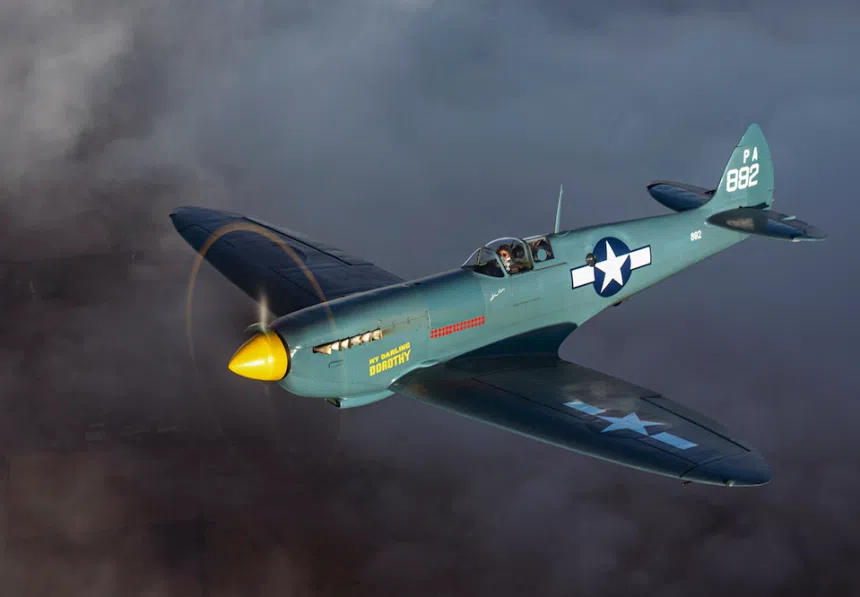

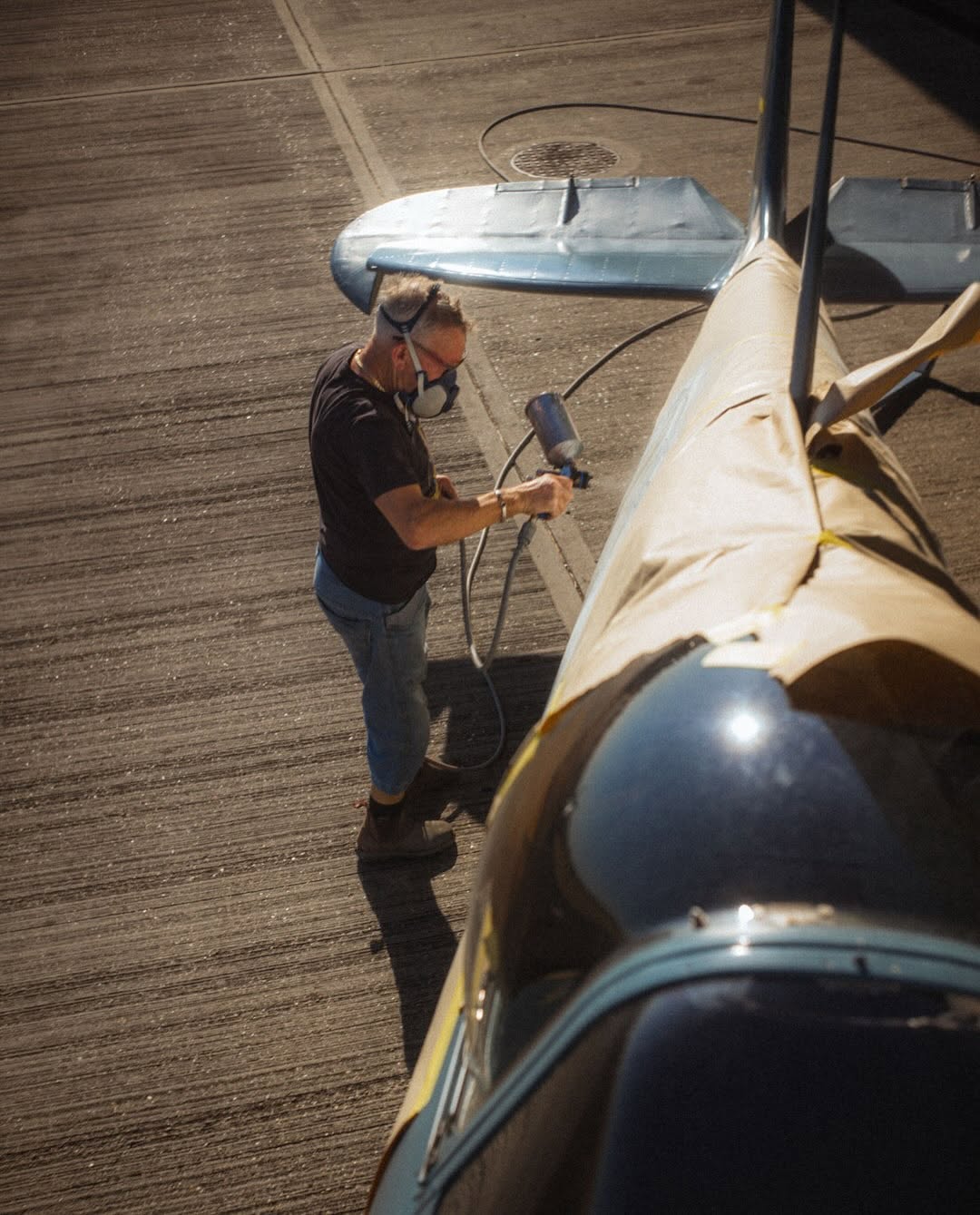
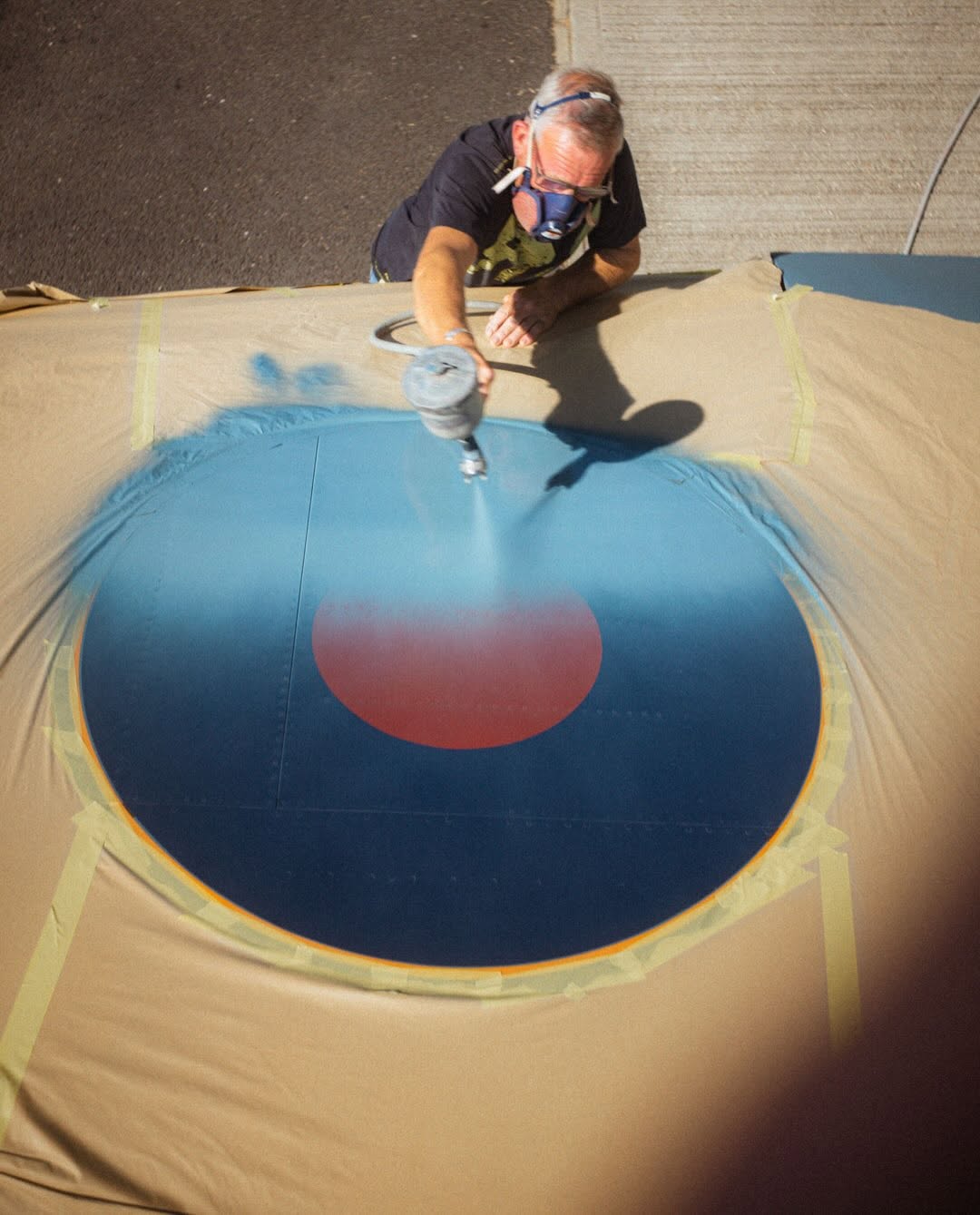
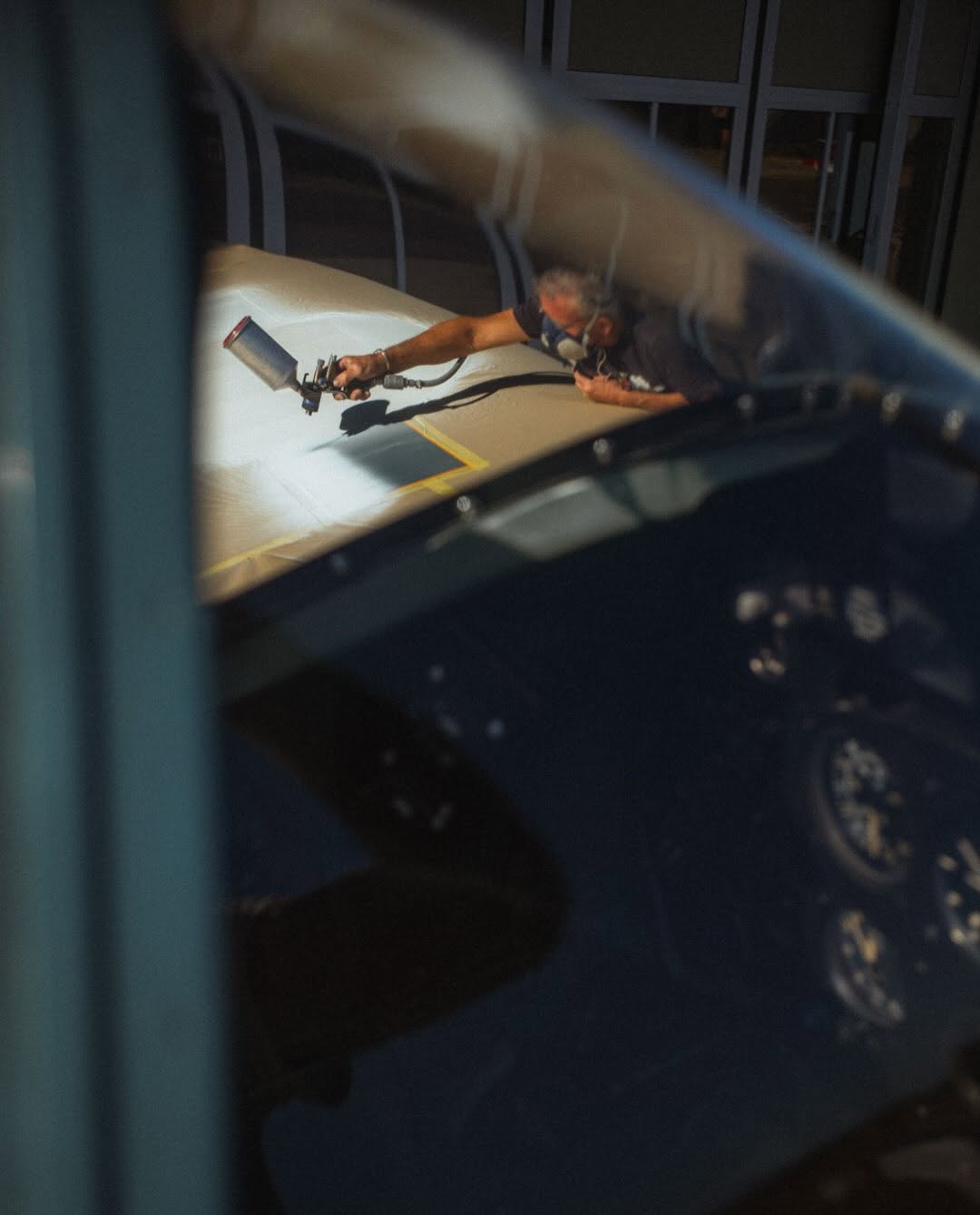
Following its appearance at Warbirds Over Wanaka in New Zealand in May 2026, Aircraft Restoration Company’s rare Spitfire PR.XI PL983 has returned home to Duxford, where it has emerged wearing a striking new set of temporary USAAF markings. After the Spitfire was reassembled following its journey back from New Zealand, the Aircraft Restoration Company (ARC) decided the time was right to pursue an idea that had been under consideration for some time: presenting PL983 in the markings of a U.S. Army Air Forces photographic reconnaissance aircraft.
(Image credit: Jack Holt/ARCO)
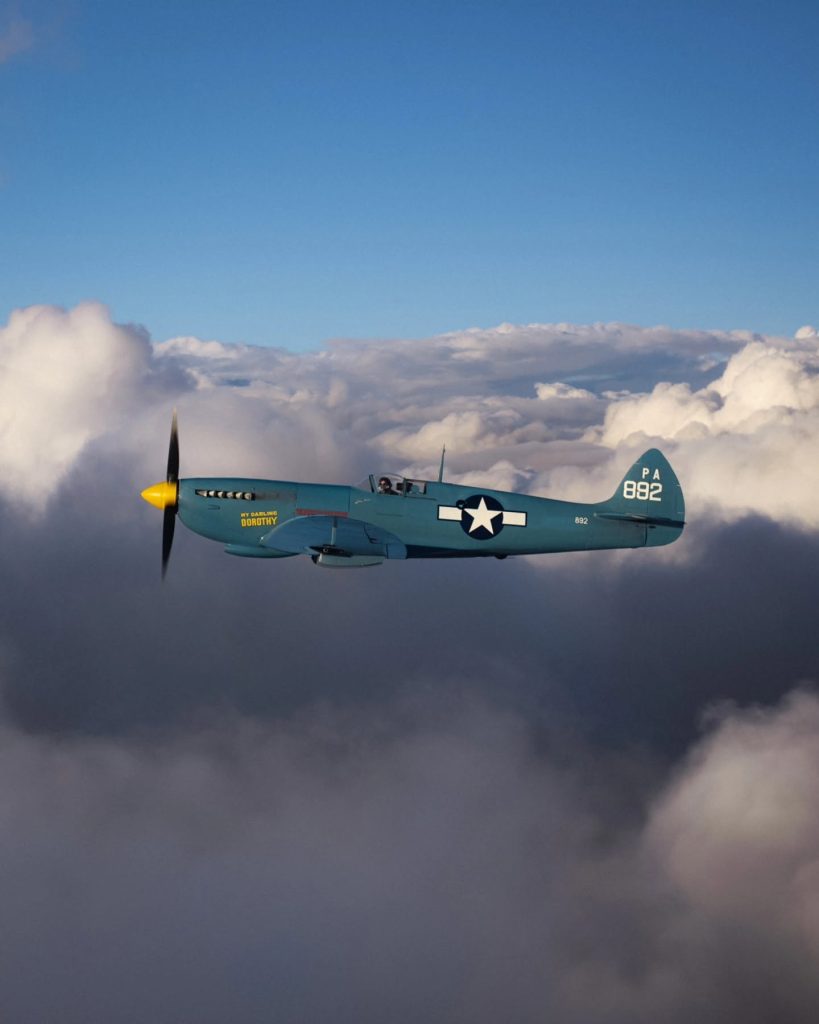
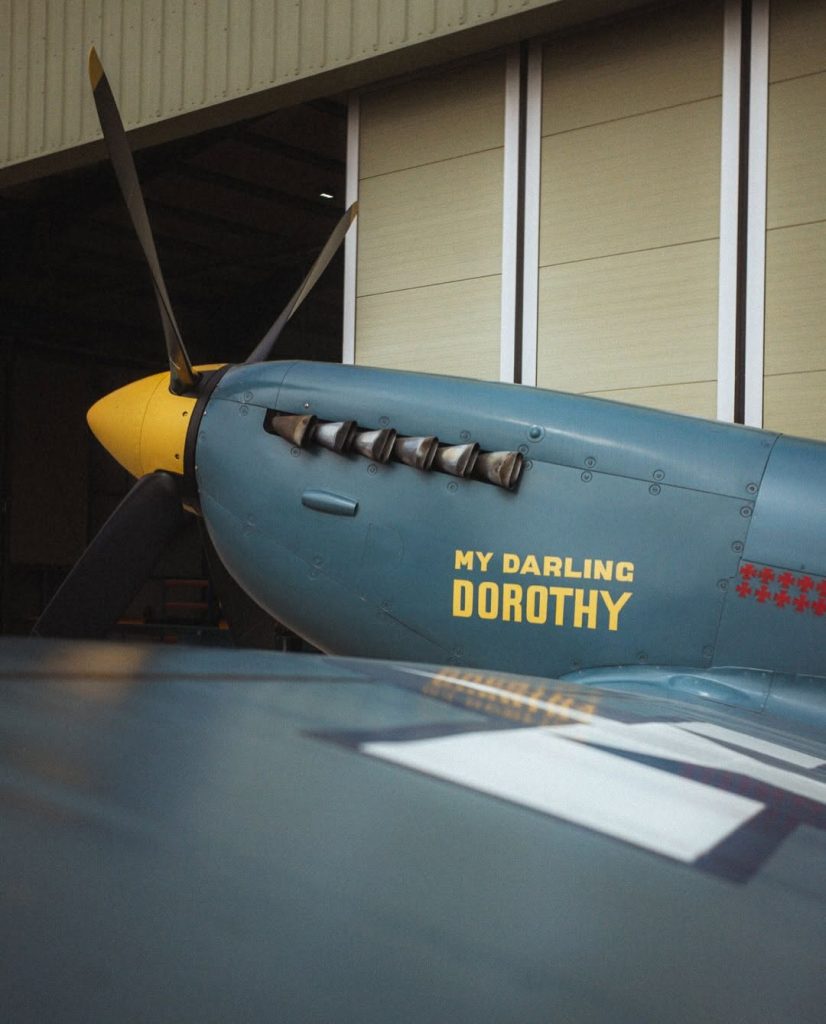
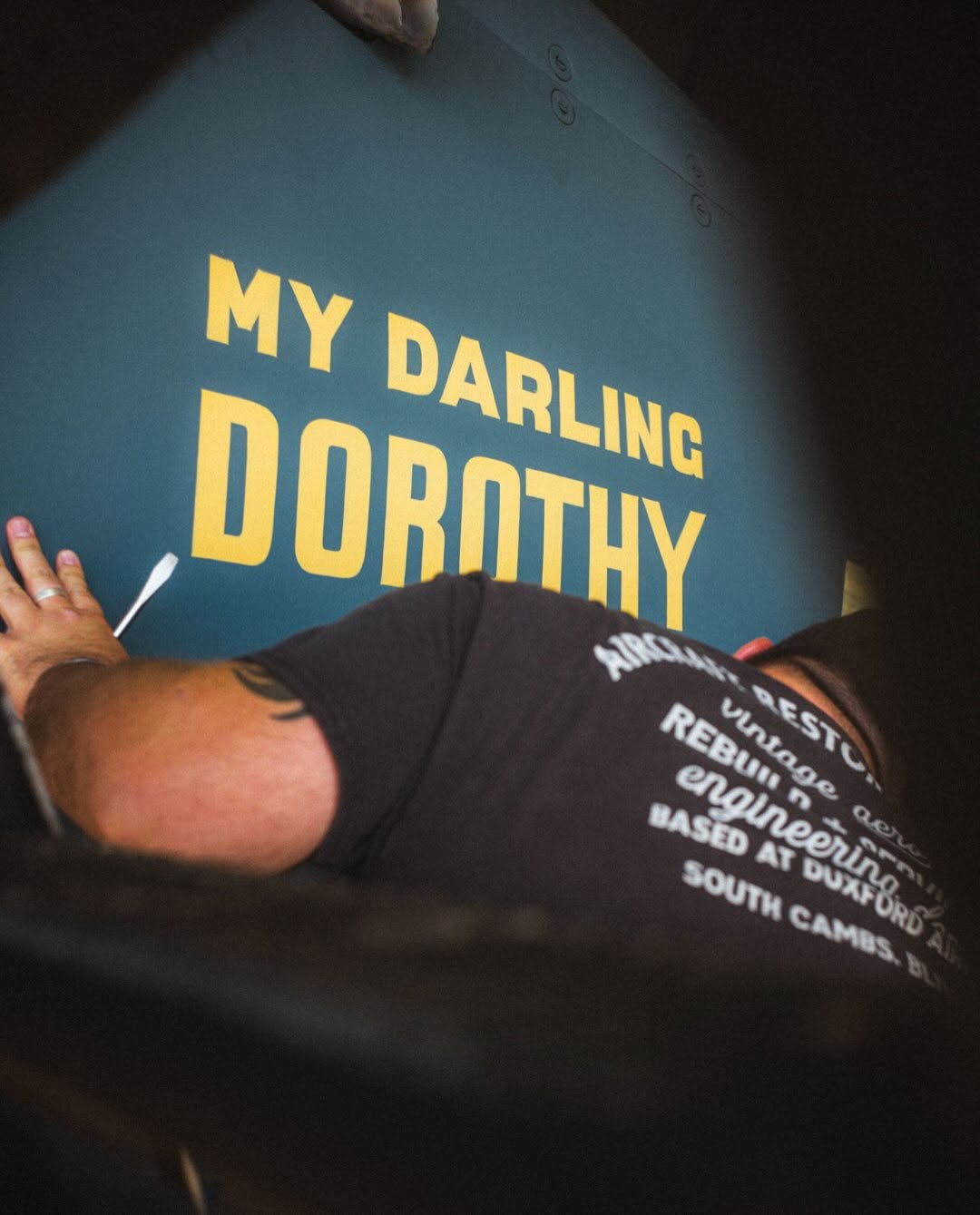
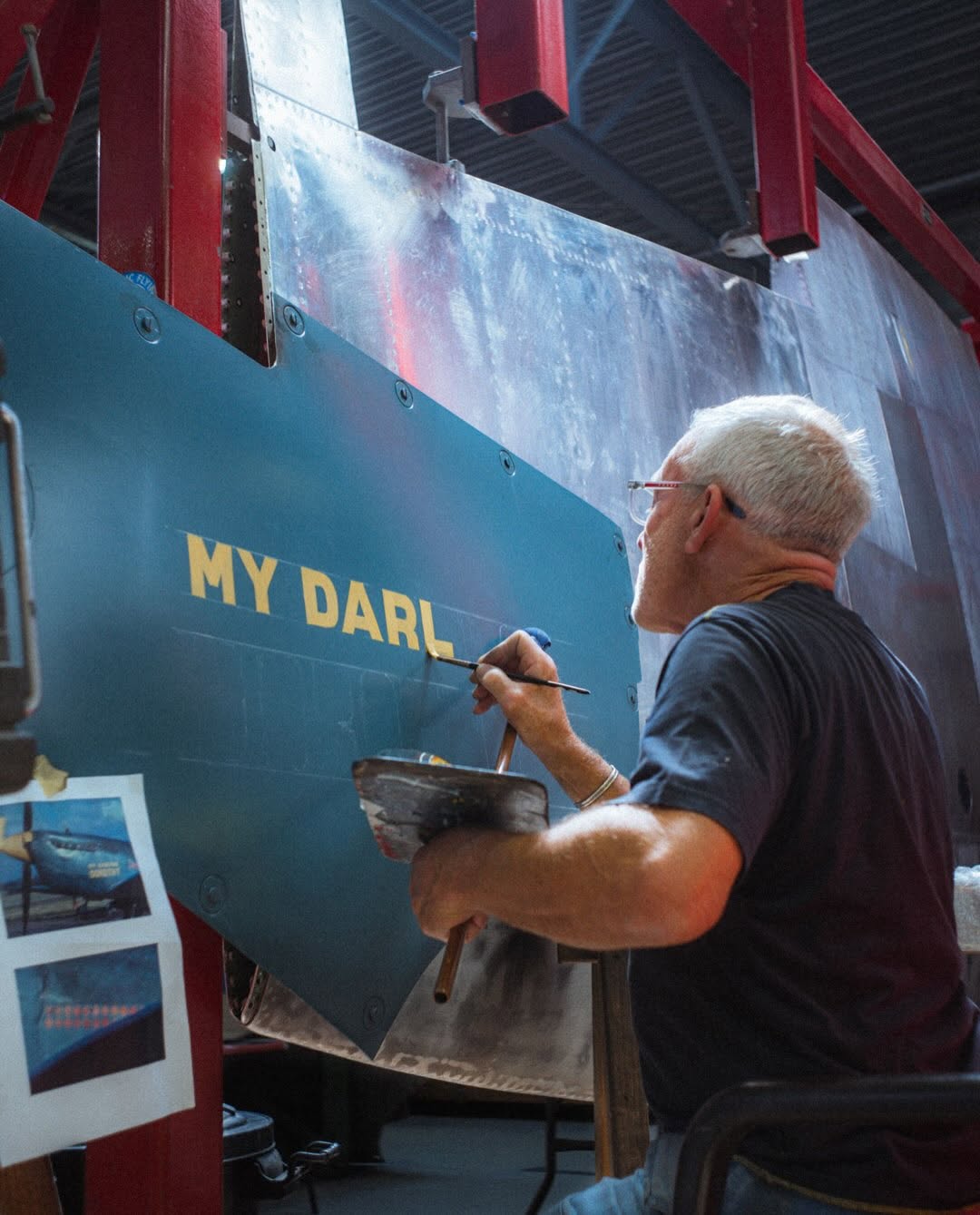
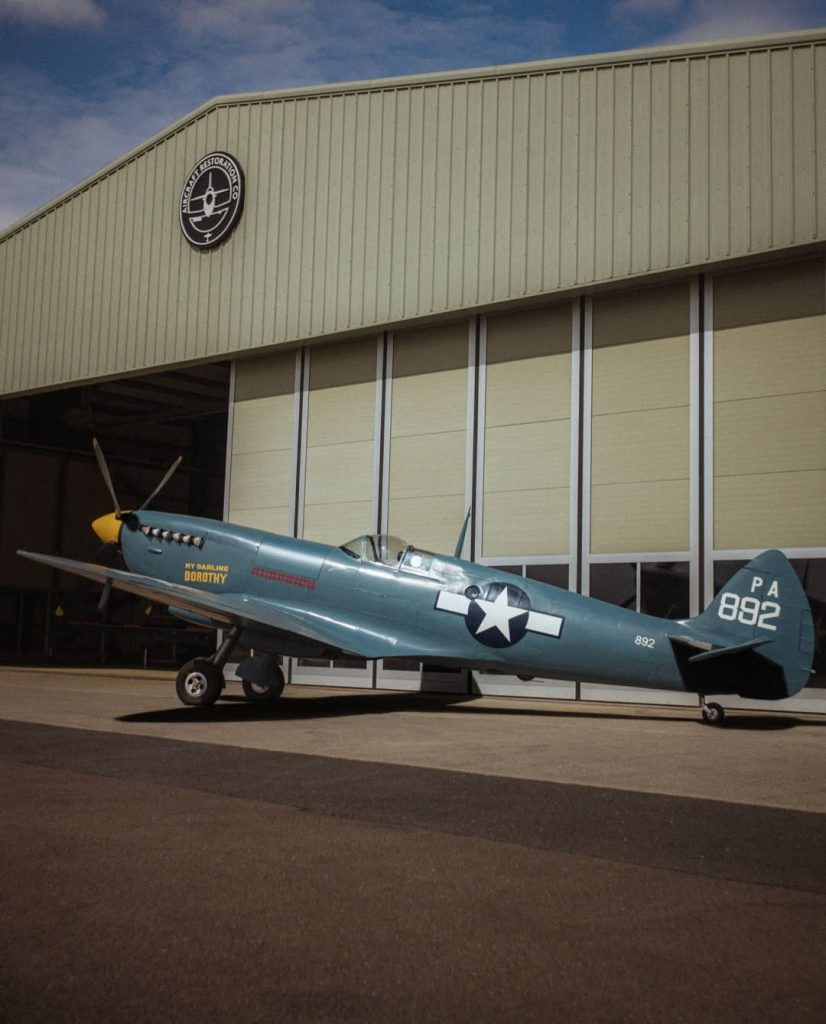
“Putting Spitfire PL983 into temporary USAAF markings has been one of those ideas sitting patiently on the ‘one day’ list,” ARC explained. “Our ‘L’ has such a rich history, wartime and postwar, it was difficult to decide when would be the right time. But as of a few weeks ago, we decided to make it happen.” The choice of an American scheme is more than a visual departure from PL983’s familiar overall PR Blue finish. It highlights the wider story of Spitfires operated by American photographic reconnaissance units during World War II, while also providing a connection to PL983’s own postwar history. ARC selected the markings of Spitfire PA892, My Darling Dorothy, an aircraft operated by the 14th Photographic Reconnaissance Squadron of the USAAF’s 7th Photographic Reconnaissance Group at Mount Farm, Oxfordshire. PA892 appears to have been flown by several pilots during its service with the squadron, making it, in ARC’s view, an appropriate tribute not only to one aircraft but to the airmen and ground crews who operated reconnaissance Spitfires during the war.

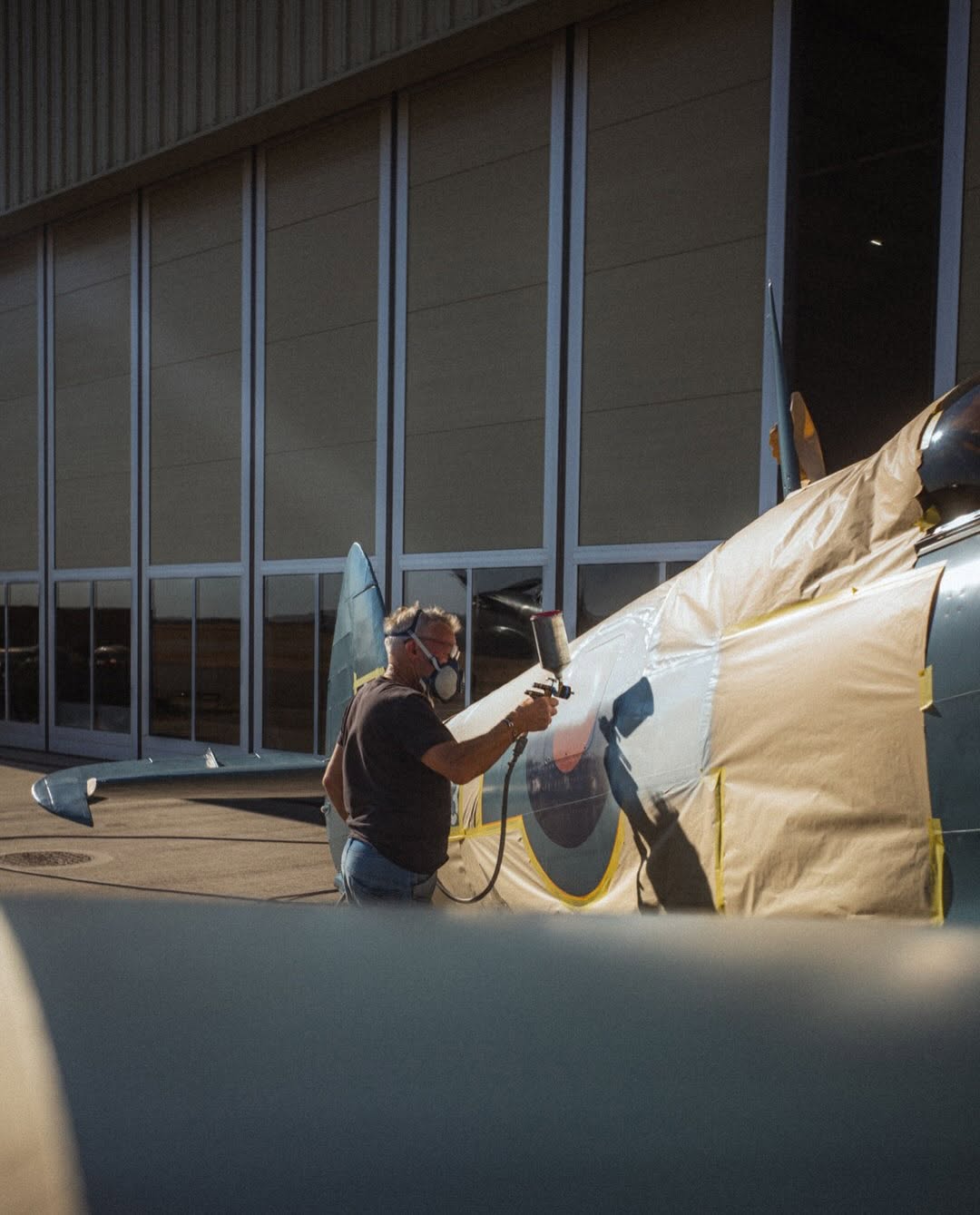
Rather than applying a pristine interpretation of the scheme, ARC sought to reproduce the appearance of an aircraft whose RAF markings had been overpainted in the field. Traces of the original insignia are represented beneath the American markings, creating a subtle patchwork effect. The large U.S. stars and bars immediately transform the appearance of the familiar Spitfire, but several smaller details help distinguish the PA892 scheme. A yellow spinner provides a splash of color at the nose, while hand-painted lettering on the engine cowling recreates the personalized appearance of the original aircraft. Red Iron Cross symbols, representing 30 photographic sorties, were deliberately applied using a makeshift-style stencil rather than given a factory-perfect finish.
A Rare Photographic Reconnaissance Spitfire
Spitfire PR.XI PL983, now registered G-PRXI, is one of only two airworthy examples of the PR.XI remaining today. Developed specifically for high-altitude, long-range photographic reconnaissance, the PR.XI dispensed with the Spitfire’s armament in favor of cameras and additional fuel capacity. Its principal defenses were therefore speed and altitude. While those capabilities allowed reconnaissance pilots to avoid many enemy fighters and anti-aircraft defenses, their missions remained demanding, particularly during extended flights at high altitude in an unpressurized cockpit. The type played an important role in Allied intelligence gathering. Among the reconnaissance Spitfire’s best-known missions were the photographic sorties conducted following Operation Chastise, the famous “Dambusters” raid of May 1943, which helped assess the extent of the damage inflicted on the German dams. PL983 first flew in October 1944 and entered operational service in 1945. It flew photographic missions across Europe with No. 4 Squadron RAF before transferring to No. 2 Squadron in Germany following the end of hostilities. As jet aircraft increasingly entered RAF service after the war, large numbers of Spitfires became surplus to requirements, and many were ultimately scrapped. PL983, however, escaped that fate.
(Image credit: Aircraft Restoration Company)
From RAF Reconnaissance Aircraft to American Transport
Following its military career, PL983 was presented to U.S. Air Attaché Livingstone Satterthwaite for use as his personal transport. Although the aircraft retained its distinctive PR Blue finish, its RAF roundels were overpainted and the military serial PL983 gave way to an American civil registration. It was during this period that PL983 also became associated with renowned Air Transport Auxiliary pilot Lettice Curtis, who flew the Spitfire in civilian air races. In 1948, Curtis flew the aircraft at the Lympne International Air Races, setting a British 100-kilometer closed-circuit record at an average speed of 313.07 mph. The Spitfire returned to the Vickers-Armstrong factory in late 1950 before being donated to the Shuttleworth Collection at Old Warden, Bedfordshire. PL983 remained there for approximately 25 years, much of that time on outdoor static display, before moving to Duxford, where restoration to flying condition began.
Before the project was completed, Shuttleworth sold the aircraft at auction to French collector and pilot Roland Frassinet. Restoration was subsequently completed by Trent Aero, and PL983 returned to the air from East Midlands Airport in 1984. Three years later, the aircraft was acquired by noted warbird collector Doug Arnold. It subsequently appeared prominently in the television series Piece of Cake, portraying an early-model Spitfire deployed to France during the opening stages of World War II. Following Arnold’s death in 1992, G-PRXI went into storage, eventually re-emerging in 1999 under the ownership of Justin Fleming.
Returning PL983 to Its Reconnaissance Configuration
The Aircraft Restoration Company later acquired PL983 and undertook another comprehensive restoration. During the project, the aircraft regained the wrap-around Perspex windscreen characteristic of the PR.XI, which had been removed during an earlier period in its life. Remarkably, PL983’s factory-original Rolls-Royce Merlin 70 engine was also located. The engine was overhauled and reunited with the airframe. PL983 returned to flight in 2018 wearing the authentic overall PR Blue scheme associated with its wartime reconnaissance service. Lettice Curtis’s signature was reproduced in white beside the cockpit as a tribute to Curtis and the men and women of the Air Transport Auxiliary. During the restoration, the Spitfire also acquired the nickname Eleven among the ARC team, a reference to its PR.XI designation. Over time, this was shortened affectionately to L—a name that also carries a fitting connection to Lettice Curtis.
The “NHS Spitfire”
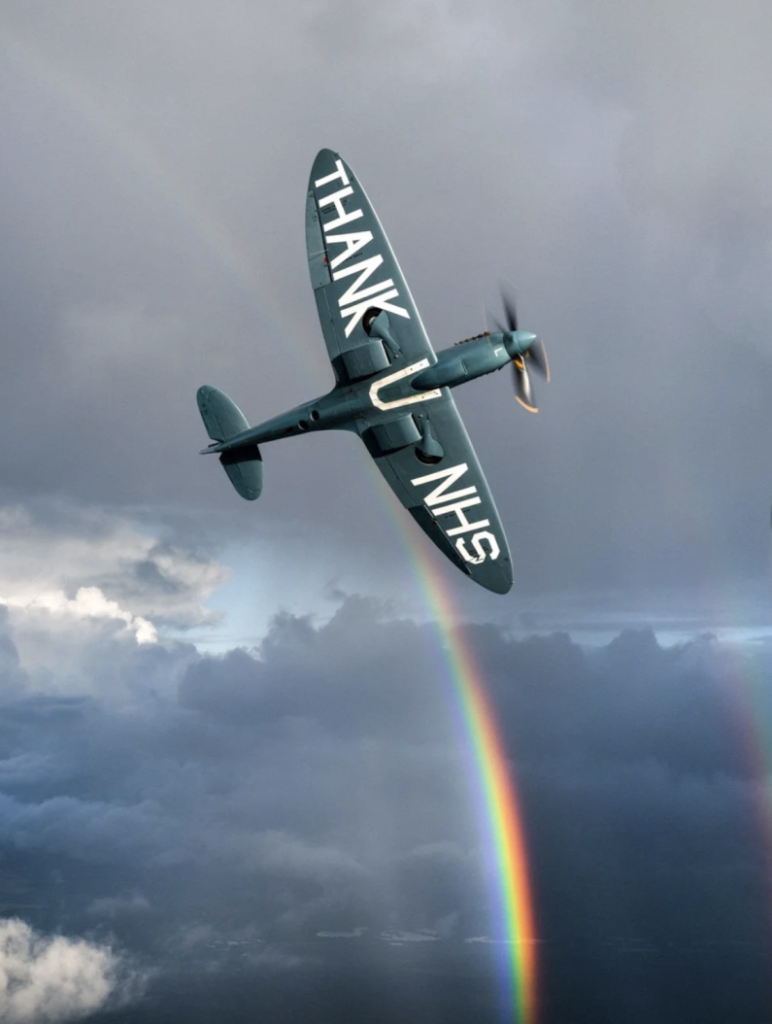
PL983 took on another significant role during the COVID-19 pandemic in 2020. While nearing the completion of maintenance, the aircraft required a test flight. ARC scheduled John Romain’s flight to coincide with the nationwide “Clap for Carers” initiative, flying the Spitfire over nearby communities as a gesture of support for healthcare workers. The response led to another flight, this time with the words “THANK U NHS” painted in large white letters beneath the wings. What began as a relatively simple tribute quickly developed into the “NHS Spitfire” project. In exchange for donations, the names of people nominated by family and friends were added to the aircraft, eventually covering much of its tail surfaces. The initiative raised more than £130,000 for NHS Charities Together. As pandemic restrictions eased, Romain flew PL983 over approximately 255 hospitals across England, Scotland, Wales and Northern Ireland. For an aircraft that had carried cameras rather than guns during its wartime service, PL983 proved an especially fitting choice for the project.
An American Chapter
Now, more than eight decades after its first flight, PL983 has once again taken on a very different appearance. Its temporary representation of PA892, My Darling Dorothy, recalls the American units that operated reconnaissance Spitfires from Britain during World War II while also providing a subtle link to PL983’s own unusual postwar association with the United States. The result is an aircraft that remains instantly recognizable as one of Britain’s most celebrated fighters, yet tells a less familiar part of the Spitfire story through American stars and bars. One point I would verify before publication: the Dambusters passage currently implies the PR.XI participated in the immediate post-raid photography in 1943. The PR.XI entered service later, so I would either identify the exact reconnaissance Spitfire variant involved or make that sentence refer more generally to photographic-reconnaissance Spitfires.

About the Aircraft Restoration Company
Aircraft Restoration Company (Jack Holt) is a family-owned engineering company specializing in the restoration, maintenance, and operation of historic aircraft. Based at Duxford Airfield in Cambridgeshire, England, ARCo supports private collectors and operators as well as the Royal Air Force’s Battle of Britain Memorial Flight. Founded in 1989 by John Romain MBE, ARCo has grown from a small workshop at Duxford into one of Britain’s best-known historic aircraft restoration and engineering operations. Today, its work ranges from complete restorations and major servicing to routine maintenance and the operation of vintage aircraft in the UK and around the world. For more information, visit www.aircraftrestorationcompany.com.
(Image credit: Jack Holt/ARCO)
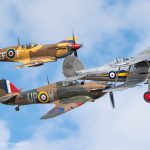
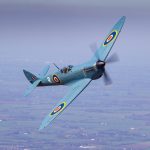
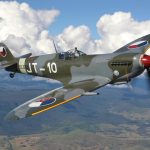











A War Bird of the Unsung Heroes of Photo Reconnaissance; in All The Theatres of WW2.
Vital, and Dangerous Work; many fell to Enemy Fire – flak or fighters. Though, If Seen In Time, fighters could be evaded … Until the arrival of the German Jets.
One book of mine describes Pilots Climbing To The High Altitude Condensation Layer, then dropping until the ‘Vapour Trail’ stopped; and then sticking to that height – any enemy a/c attempting to ‘Bounce From Above’ sticking-out like a Sore Thumb!
One small query:
”… It subsequently appeared prominently in the television series Piece of Cake, portraying an early-model Spitfire deployed to France during the opening stages of World War II.”
As far as I’m aware No Spitfires were sent to pre-Blitzkrieg France*… Dowding Vetoed The Requests, on the Grounds They Were Too Few, Too Valuable, and couldn’t be spared?
* From that read of Post War analysis, the French requests were excuse making; they had a surplus of fighter aircraft; and with building numbers of the newer Dewoitine D520.
Harry’s comment on “No Spitfires were used over France pre-Blitzkreig” is indeed correct. When reading “Cobber” Kain’s story in the Battle of France, initially RAF No’s 1 & 73 Sqns were deployed and then backed up by other Hurricane -only Sqns…
I would’ve been nice to have had one machine gun with 400 rounds. It’s always nice to be able to have a chance to defeind itself or eve3n take an easy target.