
By Gregory Alegi
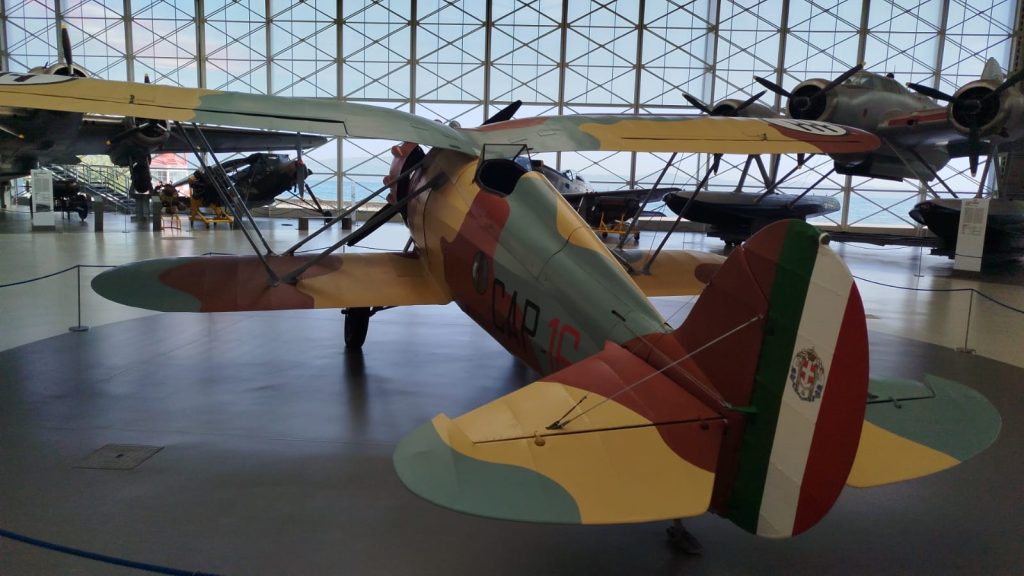
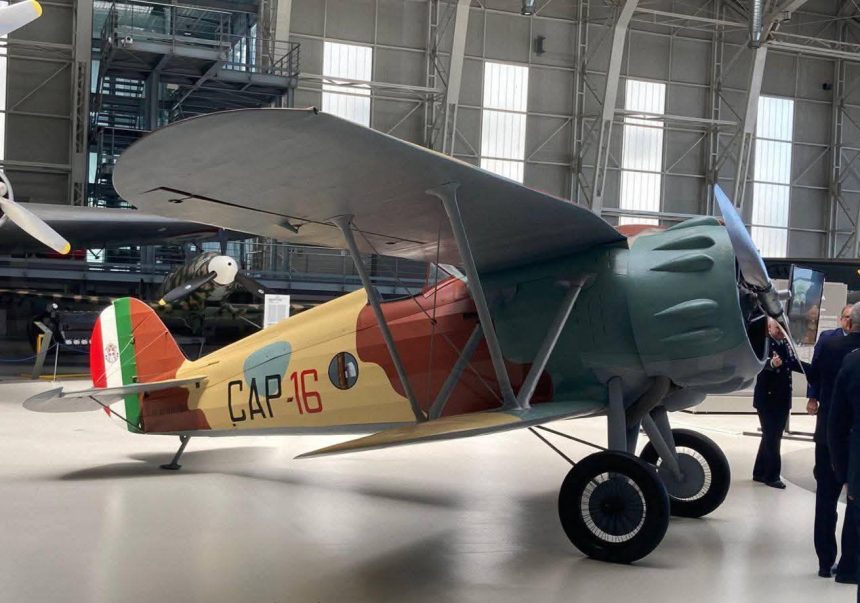
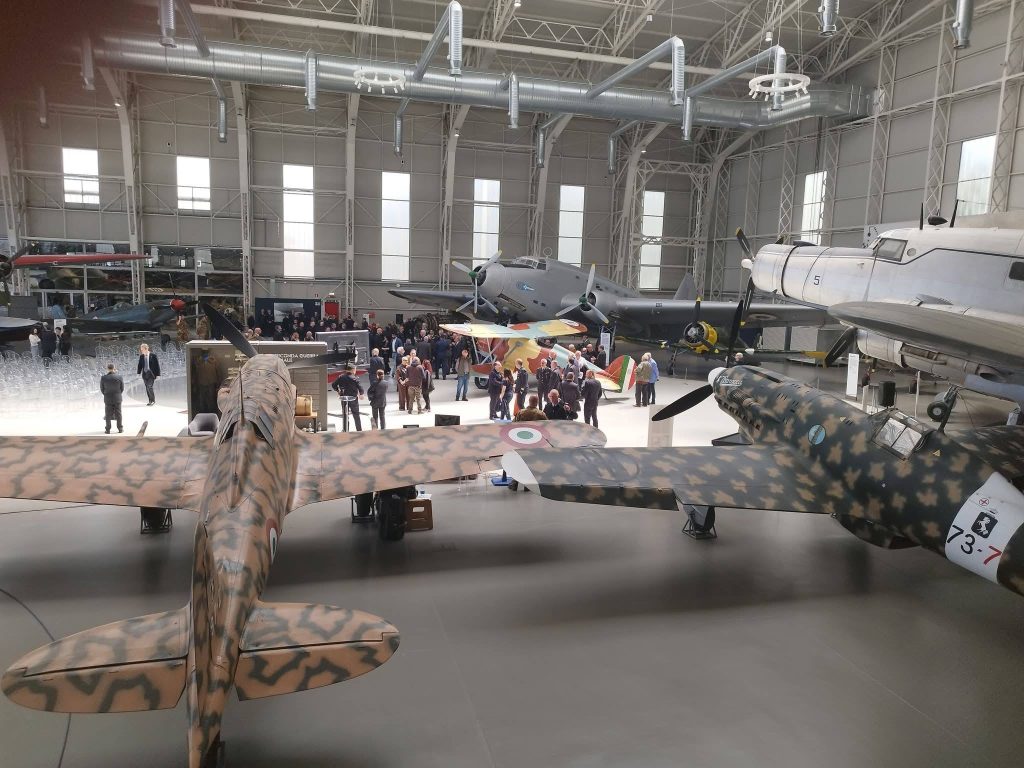
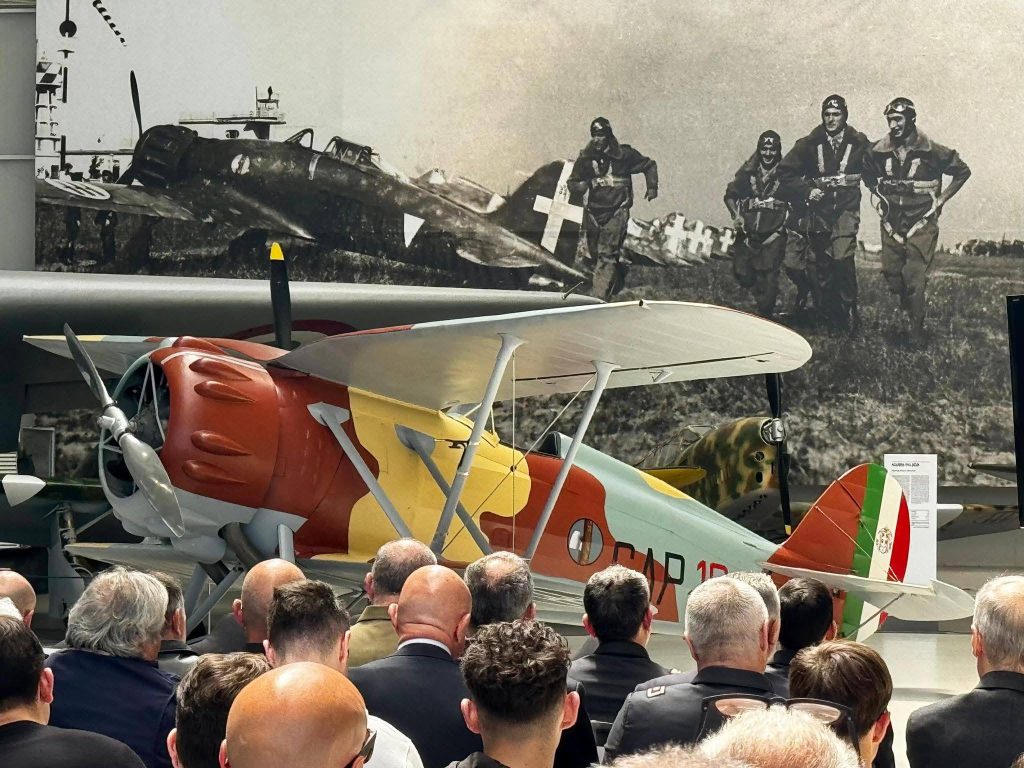
On April 16, 2026, the Italian Air Force Museum (MUSAM) unveiled the IMAM Ro.41 biplane trainer, recreated over three decades by a team of volunteers and staff to fill a gap in its collection of WWII-era aircraft. The ceremony was presided over by ITAF Chief of Staff Lt Gen Antonio Conserva and included a panel discussion about the past, present, and future of pilot training.
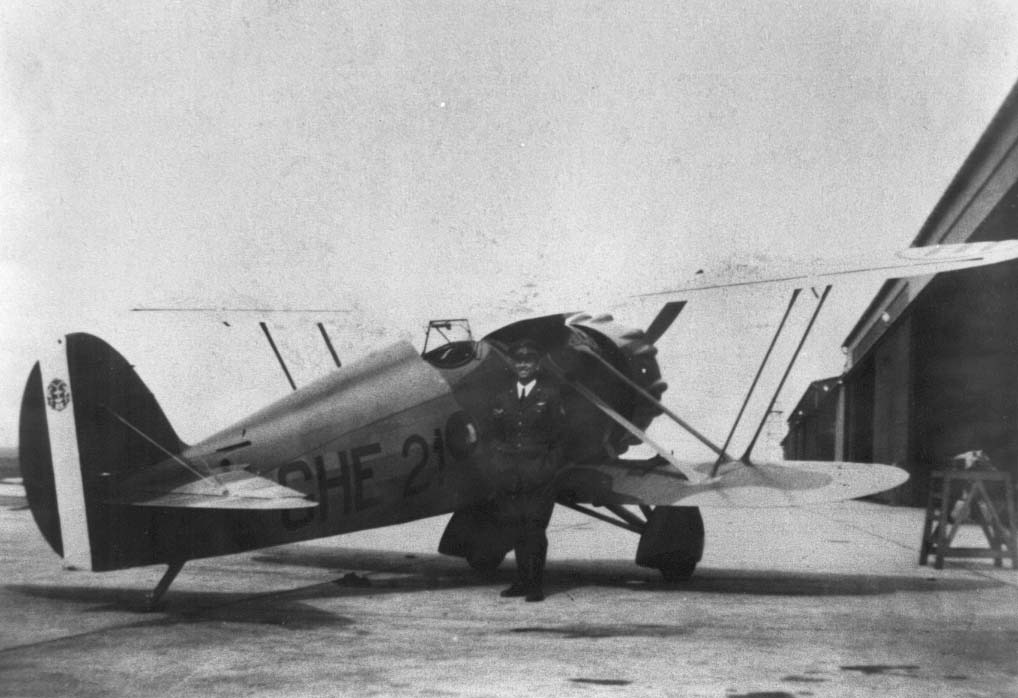
First flown in 1934, the Ro.41 was initially conceived as a lightweight fighter for local defense duties. Giovanni Galasso designed it around a 430 HP Piaggio P.VII radial and generally followed company practice with a welded steel-tube fuselage and tail surfaces, wooden wings, and fixed landing gear. Although eventually serving with twenty fighter squadriglie, including the Scramble Section in Tablada (Spain), the 159a Squadriglia’s defense flight in Tobruk, and the entire 163a Squadriglia in Rhodes, the pugnacious little biplane was found to possess both inadequate performance for fighter roles and excellent handling.
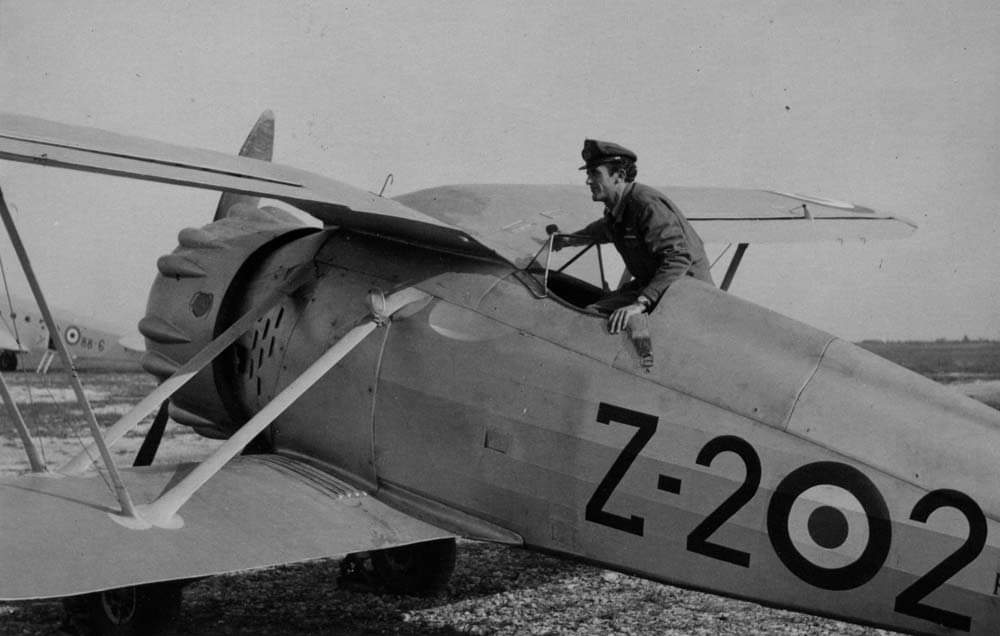
By April 1936, this prompted the Regia Aeronautica to select the Ro.41 as an advanced trainer for the rapid Air Force expansion then underway, also in the specifically developed Ro.41B two-seat variant. As a result, the Ro.41 served with no fewer than fifteen flying schools in Italy, where it fulfilled the final part of the training syllabus. A limited number were exported to Hungary (nine) and Spain (28, including at least one B), while the Luftwaffe requisitioned at least 80 after the September 1943 armistice. Production ran to 919 aircraft, including 318 two-seaters. Of these, IMAM built 350, then-fledgling Agusta built 367, and AVIS another 176. The final 25 Ro.41s were built postwar by Agusta—indeed, they were the last fixed-wing types built by the company before it switched to helicopters. Despite this, following its withdrawal from service in the early 1950s, the Ro.41 was soon allowed to become extinct. By the time the ITAF opened its museum in 1977, only a few parts remained, all from a postwar Agusta machine. These, too, were allowed to deteriorate.
By the early 1990s, having completed the ground-up restoration of the Nardi FN.305 and the finishing of the ITAF Spitfire IX, the Rome chapter of the Gruppo Amici Velivoli Storici (GAVS) was shopping around for a new project. The volunteers soon hit upon the idea of saving the last Ro.41 components. The project was started by Gianluigi Gazzea, a master scale modeler who painstakingly rebuilt the two damaged original wings, which were unveiled in 1993.
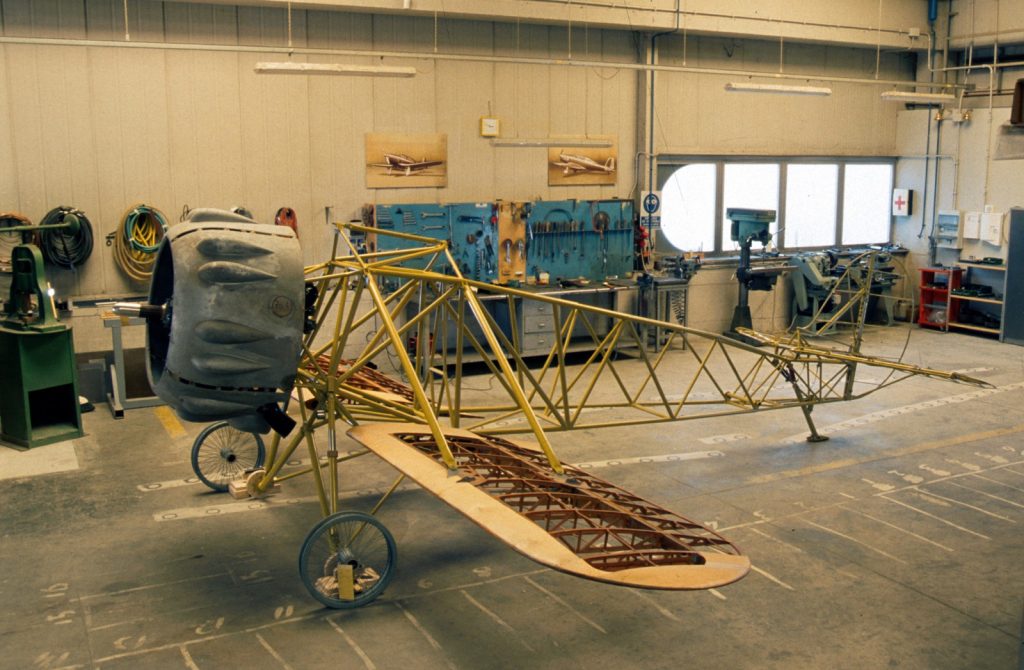
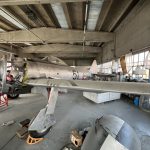
With a P.VII engine available in ITAF Museum storage—and already restored by the 8° Gruppo Manutenzione Motori in Novara—the group decided to take a “Christmas tree” approach. If a fuselage frame could be built, the original components could be hung on it as they were restored and, perhaps, joined by newly fabricated parts. The fuselage was built by Giancarlo Zanardo, the maker of airworthy reproductions from the Blériot XI to the Caproni Ca.3, with the sole assistance of small drawings in the maintenance manuals. This would lead to some deviations that caused additional rectification work, but it also provided immediate visual progress. Over the course of the next 20 years, empennage parts were restored and duplicated, followed by the wings. Work eventually moved to the ITAF Museum display area, which provided visitors with much entertainment. It also led to the donation of parts to enhance the original content, including a main fuel tank, propeller, and wheels. Several standard IMAM components were recovered from Ro.37 wrecks recovered by the ITAF in Afghanistan in 2007. In the final phases, which involved difficult fabrication, work moved into a proper workshop, and Museum staff took on part of the project. By the time work was finished, Gazzea and another volunteer, Riccardo Cornoldi, had passed away, as did Lt Col Adelio Roviti, Museum director from 2018 to 2022.
(Image credit: GAVS Gruppo Amicii Velivoli Storici)
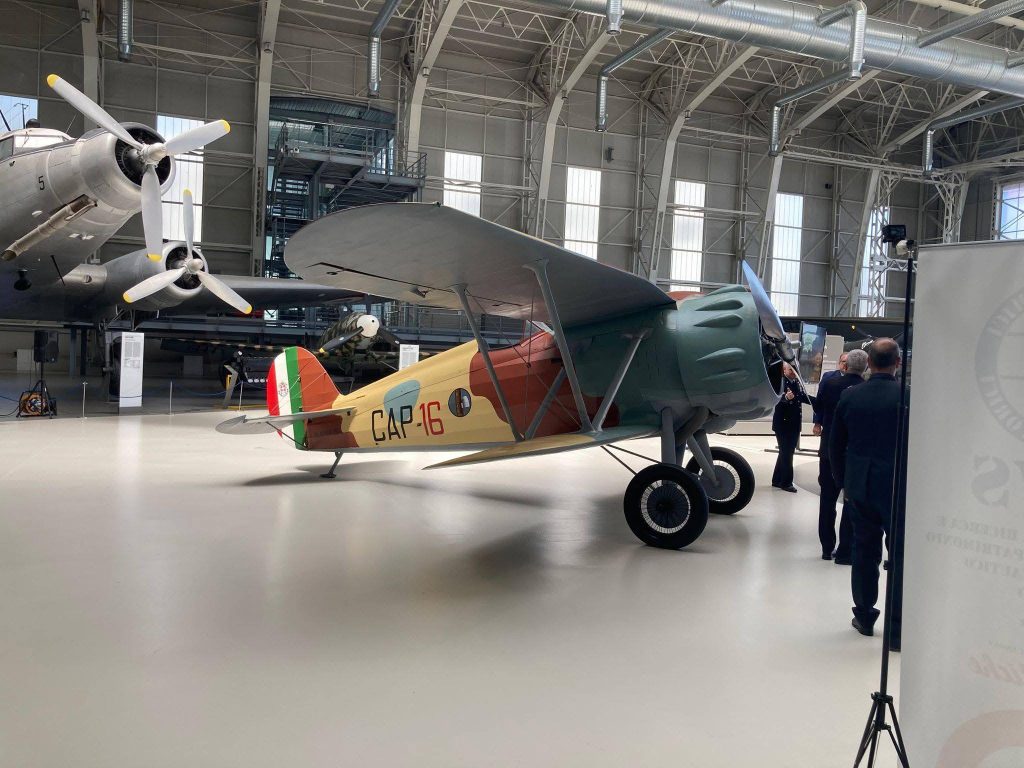
The recreation is painted to represent an aircraft serving with the flying school at Capua, near Naples, which trained pilot cadets from the Italian Air Force Academy in nearby Caserta. Because this Ro.41 has no individual history, this choice was considered to represent a large number of pilots and aircraft. Similarly, the mid-Thirties three-color camouflage scheme was not previously represented in the Museum displays. The unit code CAP-16 and the finish were patterned on an original color photo—albeit somewhat shifted—which led the team to correct the hues. As the few original components came without a serial number, the team arbitrarily applied MM.2907, which was that of the first production Ro.41. When restoring the all-original FN.305 in the late 1980s, GAVS Roma had already painted the postwar airframe in wartime colors but elected to apply the original serial number.
(Image credit: GAVS Gruppo Amicii Velivoli Storici)
As is often the case, at the time of the unveiling, some work remained outstanding, including the final fitting of the strut-to-wing and fuselage fairings and the construction of the inner engine cowling, a devilish task that had always haunted the team. With the recovery of the Ro.37 and the resurrection of the Ro.41—incidentally, the “Ro” stands for Nicola Romeo, the founder of the famous Alfa Romeo automaker—the IMAM heritage is now firmly back on the map. For more information about the Museo Storico dell’Aeronautica Militare click HERE, and about the GAVS click HERE.