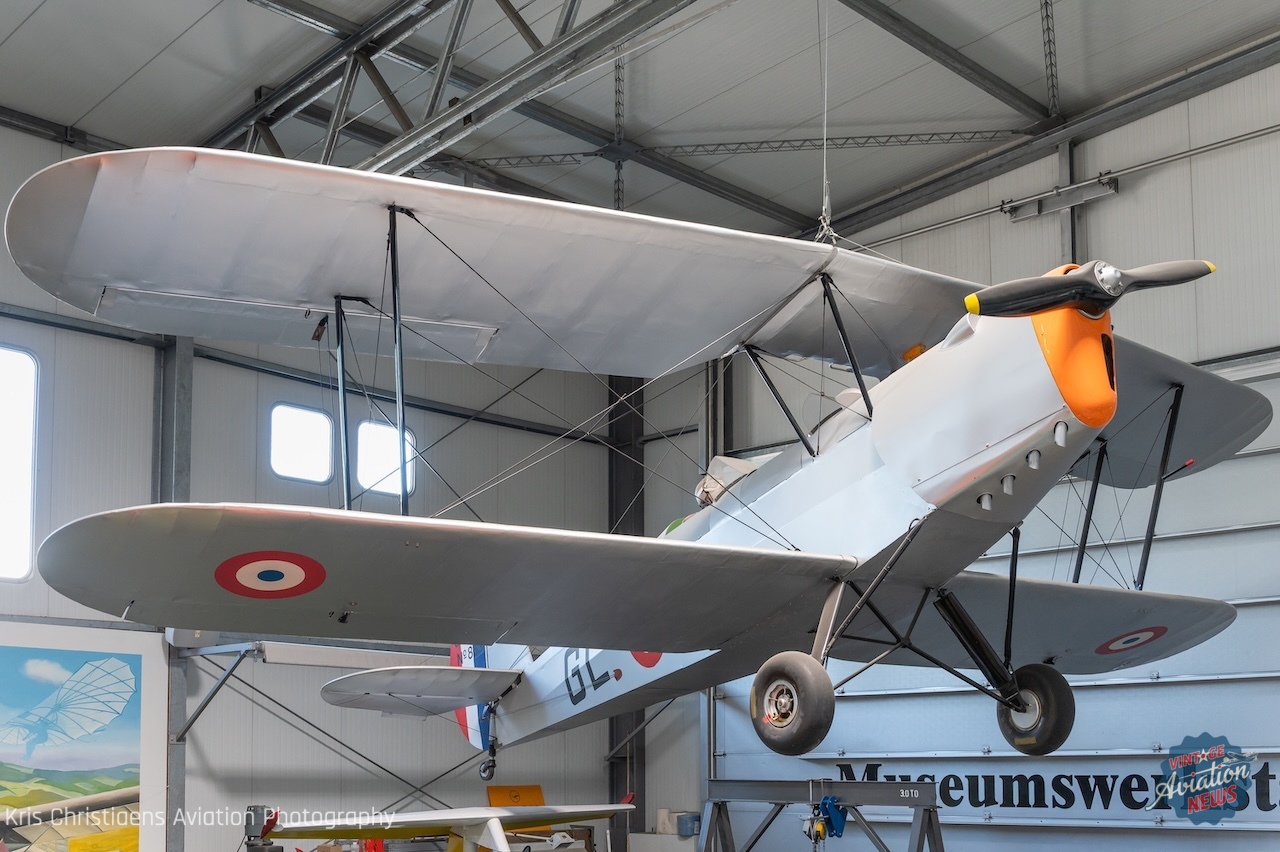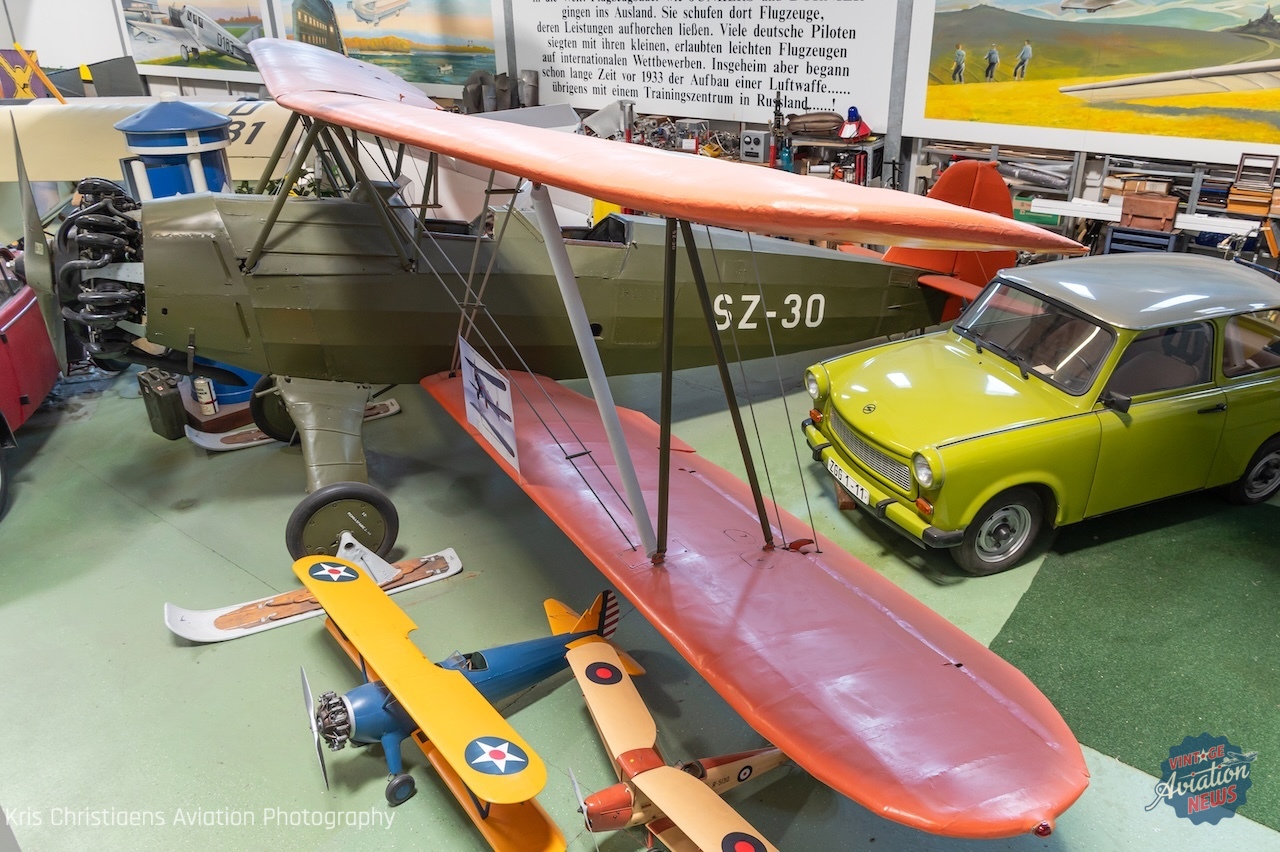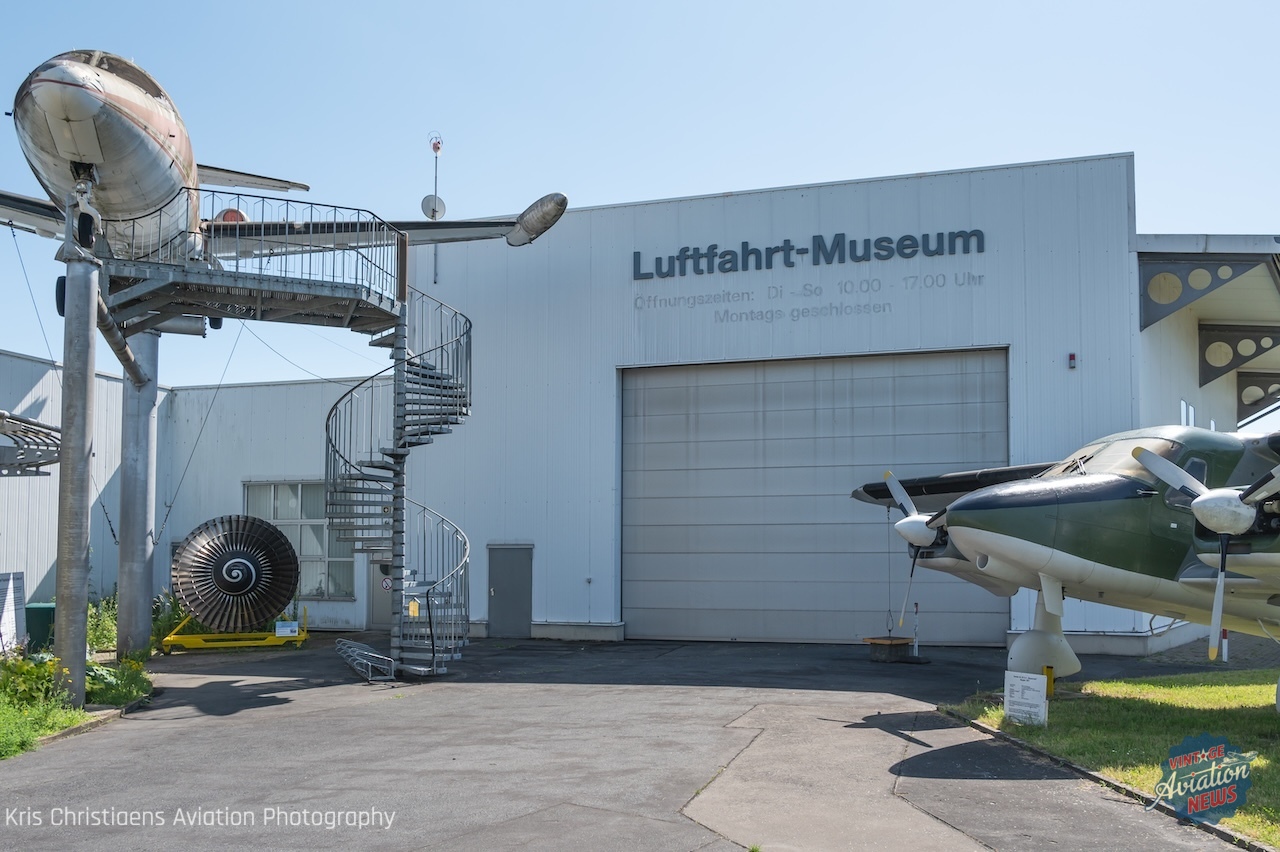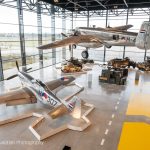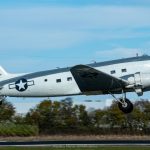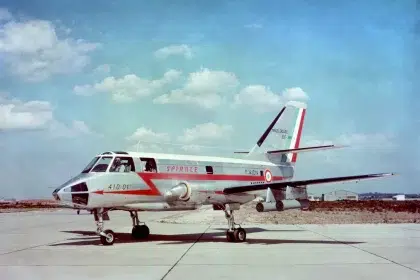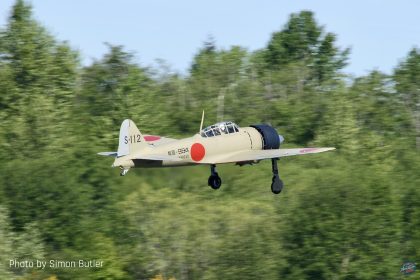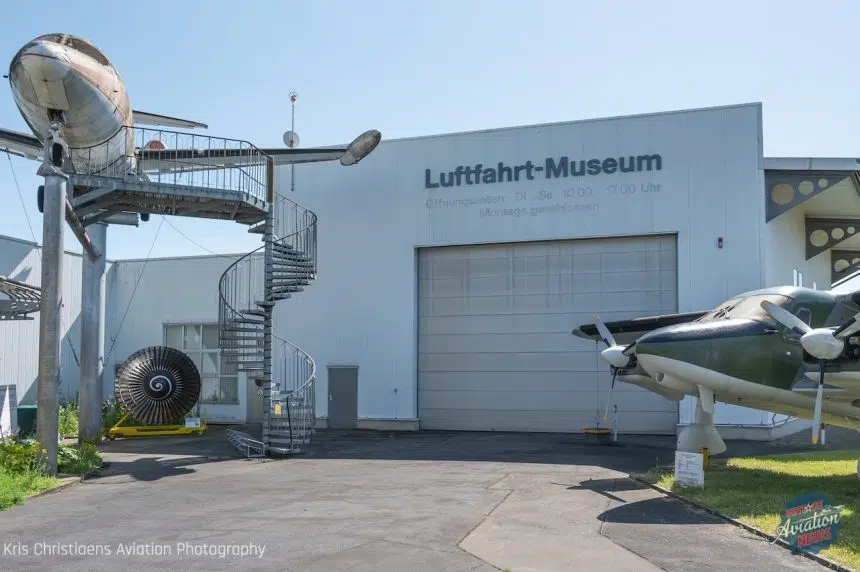

If you have driven along the A7 south of Hannover, you may have passed through Laatzen without noticing the modest industrial building on Ulmer Straße. There is little outside to suggest what awaits within—no expansive hangar complex, aircraft taxiing on a nearby airfield, or eye-catching display mounted on a pylon. Behind its unassuming exterior, however, is one of Germany’s most remarkable private aviation collections. The Luftfahrtmuseum Laatzen-Hannover encompasses approximately 3,500 square meters of exhibition space—enough to rival many larger, publicly funded institutions. Yet the collection did not originate with a government agency or state foundation. It was assembled through the passion and determination of one man.
(Image credit: Kris Christiaens)
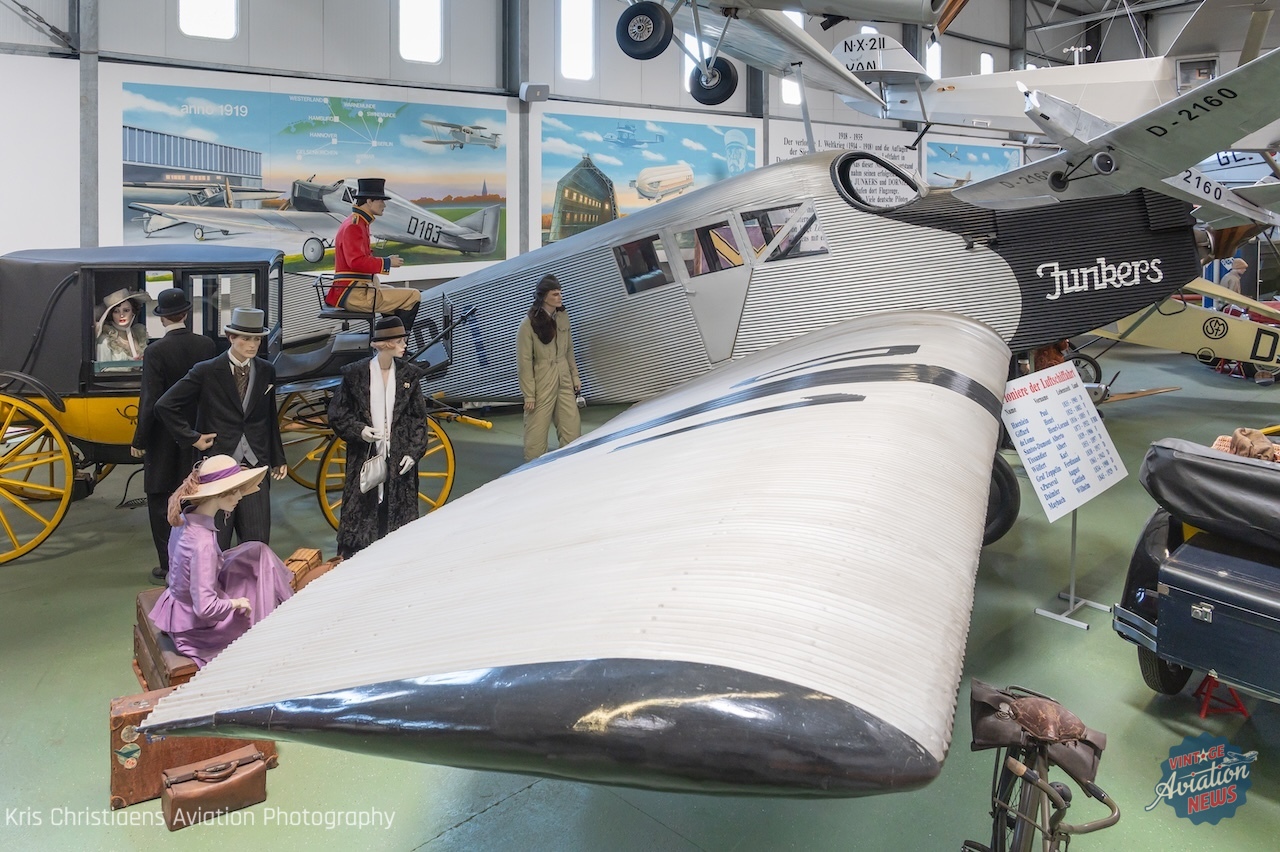
The museum grew from the private collection of Hannover businessman Günter Leonhardt and opened to the public in 1992. Leonhardt developed an interest in aviation as a teenager and served in the Luftwaffe during WWII. Although he gave up flying after the war and pursued a career in business, his enthusiasm for aviation never faded. Together with businessman Karl Nelke, Leonhardt established the shipping company Nelke KGaA. At the same time, he quietly began assembling what would become one of Germany’s largest privately owned aviation collections. His dedication extended well beyond acquiring aircraft and artifacts: Leonhardt personally participated in the recovery of several historically significant airframes. The most extraordinary of these efforts involved a group of Junkers Ju 52 transports—affectionately known to German aviators as Tante Ju—that had rested beneath the waters of Hartvikvatnet, near Narvik in northern Norway, since 1940. The aircraft had been damaged or abandoned during the Norwegian Campaign and remained submerged for more than four decades.
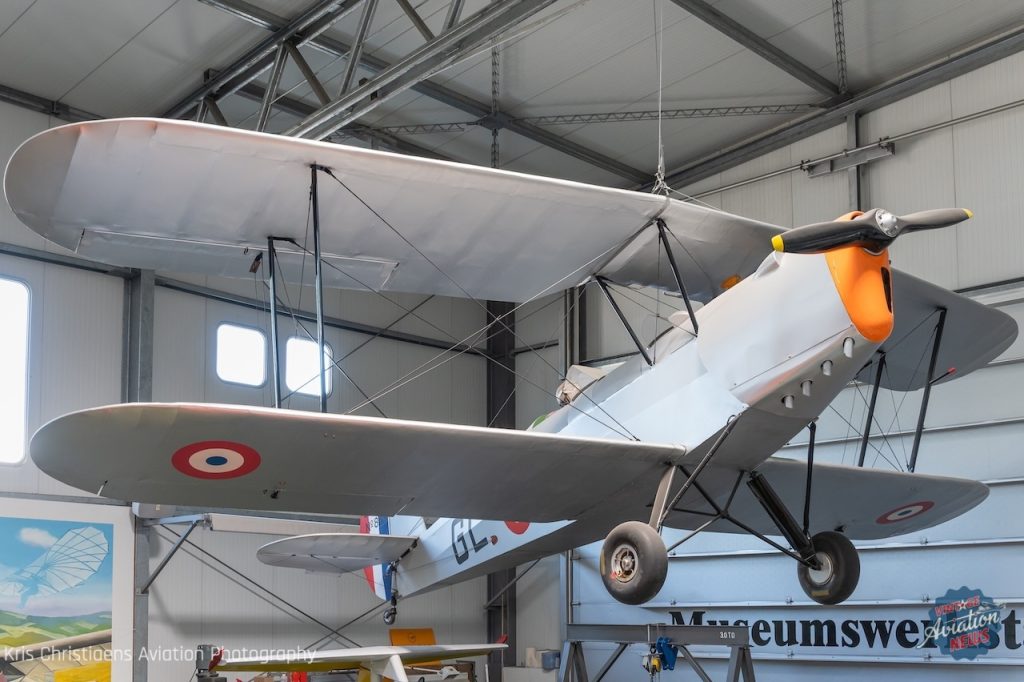
(Image credit: Kris Christiaens)
In August 1986, Leonhardt and a team of aviation enthusiasts mounted an expedition to recover wreckage from four of the submerged Ju 52s. Conducting such an operation in the Arctic environment presented considerable logistical and technical challenges, but the expedition succeeded in bringing important sections of the aircraft back to Germany. The project would ultimately play a major role in the creation of Leonhardt’s museum. In 1992, he began displaying part of his collection at his company’s headquarters in Laatzen, just south of Hannover. The Luftfahrtmuseum Laatzen-Hannover was born. When the company was sold two years later, the museum became an independent institution.
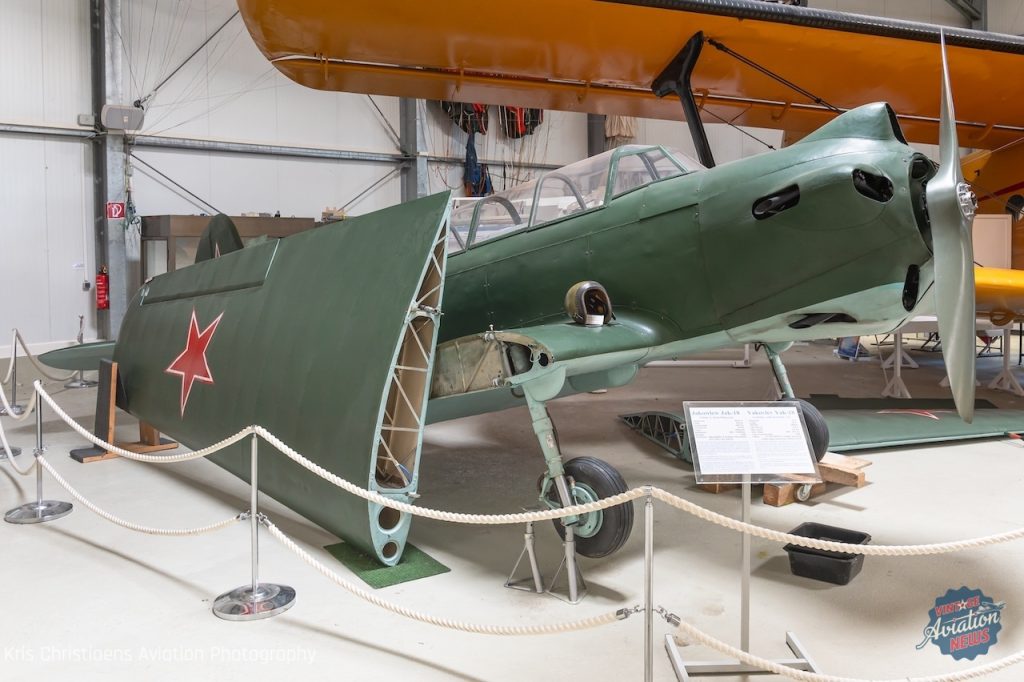
(Image credit: Kris Christiaens)
Today, the museum is operated by the nonprofit Luftfahrtmuseum Laatzen-Hannover e.V., while the collection remains under the stewardship of the Leonhardt family and the Günter Leonhardt Foundation. Volunteers care for the exhibits, expand the collection, assist visitors, and help preserve the institution’s predominantly German aviation focus. The museum is entirely privately supported, without regular state funding. Visitors frequently praise its knowledgeable volunteers, whose enthusiasm for aviation history is evident throughout the exhibition.
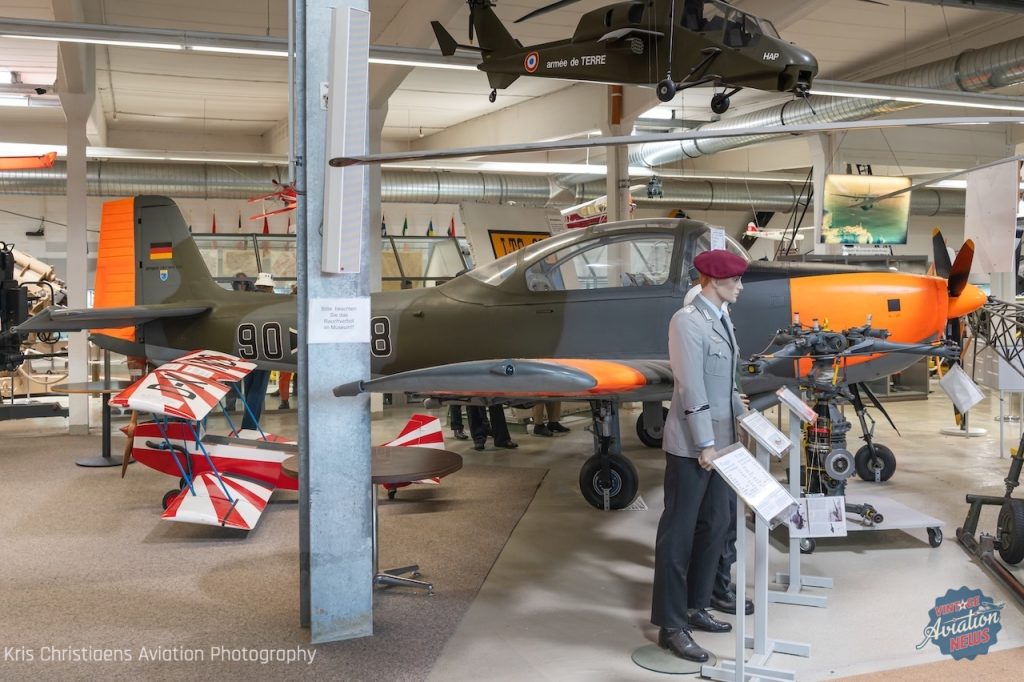
In April 2013, the museum joined three other institutions—the Aeronauticum in Nordholz, the Helicopter Museum in Bückeburg, and the Ju 52 Museum in Wunstorf—to form the Arbeitsgemeinschaft Niedersächsischer Luftfahrtmuseen, or Association of Lower Saxony Aviation Museums. Together, the four institutions preserve and interpret one of the most comprehensive collections of German aviation history in the country. Although the museum building may appear modest, its contents are anything but. Its two exhibition halls contain more than 4,500 artifacts spread across 3,500 square meters. The museum currently reports approximately 40 aircraft and more than 40 engines on display, together with an extensive collection of aircraft models, instruments, uniforms, documents, photographs, and aviation memorabilia.
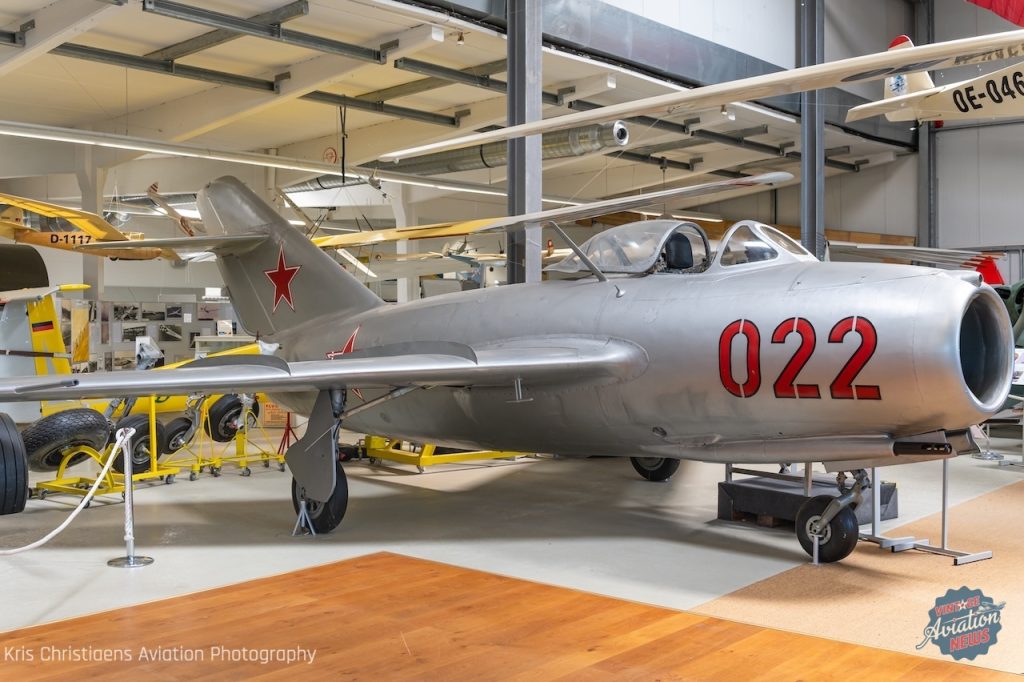
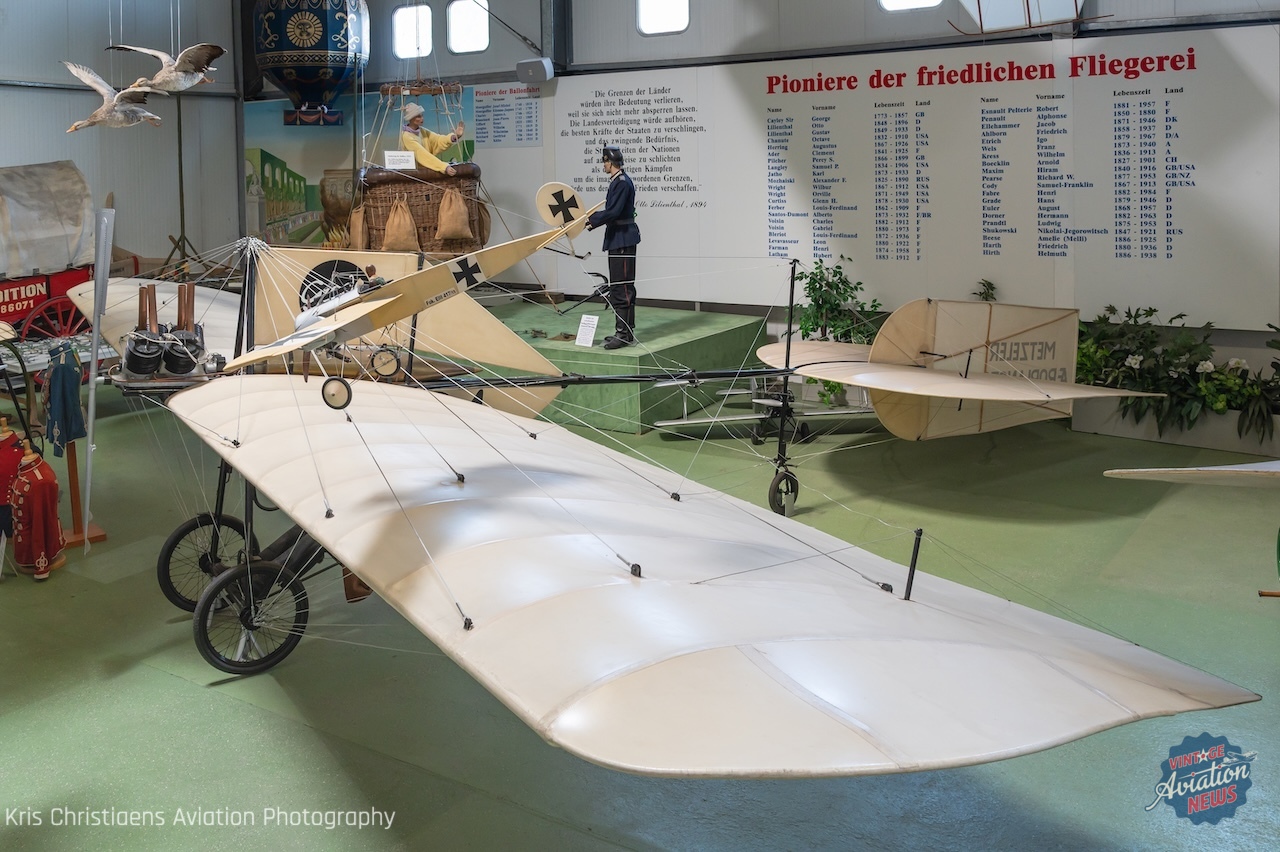
The exhibition follows a broadly chronological path, beginning with the pioneering age of flight. Displays examine the Montgolfier brothers and the development of ballooning during the late 18th century before moving through the experiments of early aviation pioneers, the two world wars, and the rebirth of civil and military aviation during the Cold War. A special section is devoted to Hannover aviation pioneer Karl Jatho, who is credited with making a short powered hop of approximately 18 meters in August 1903, several months before the Wright brothers’ historic flight at Kitty Hawk. Jatho’s claim remains the subject of historical debate, but his experiments occupy an important place in Hannover’s aviation heritage. The museum commemorates his work with a dedicated display and diorama.
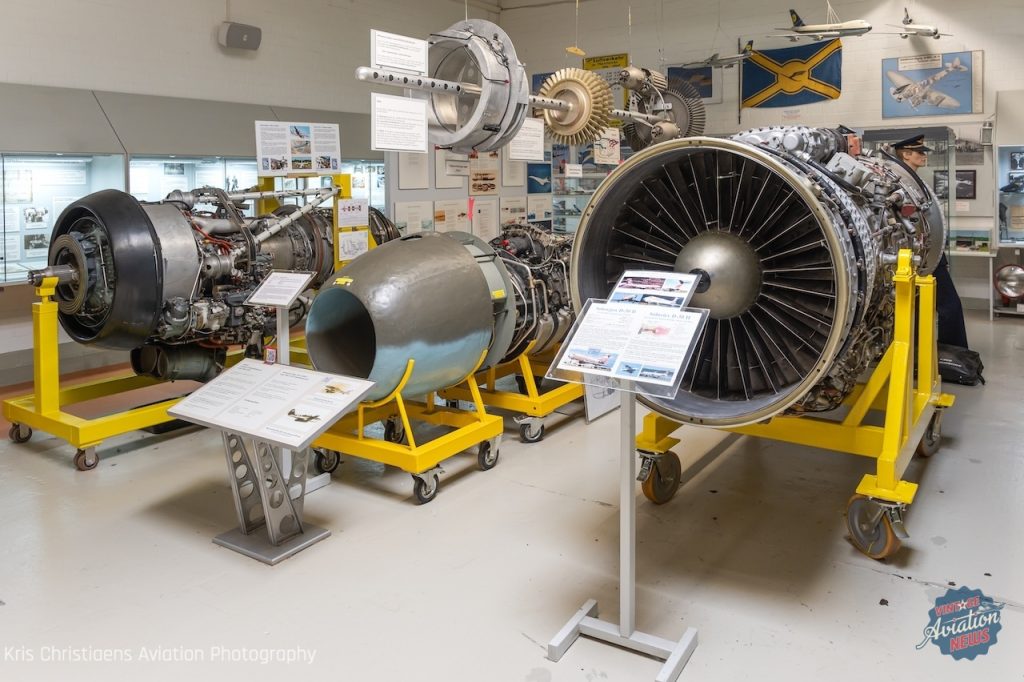
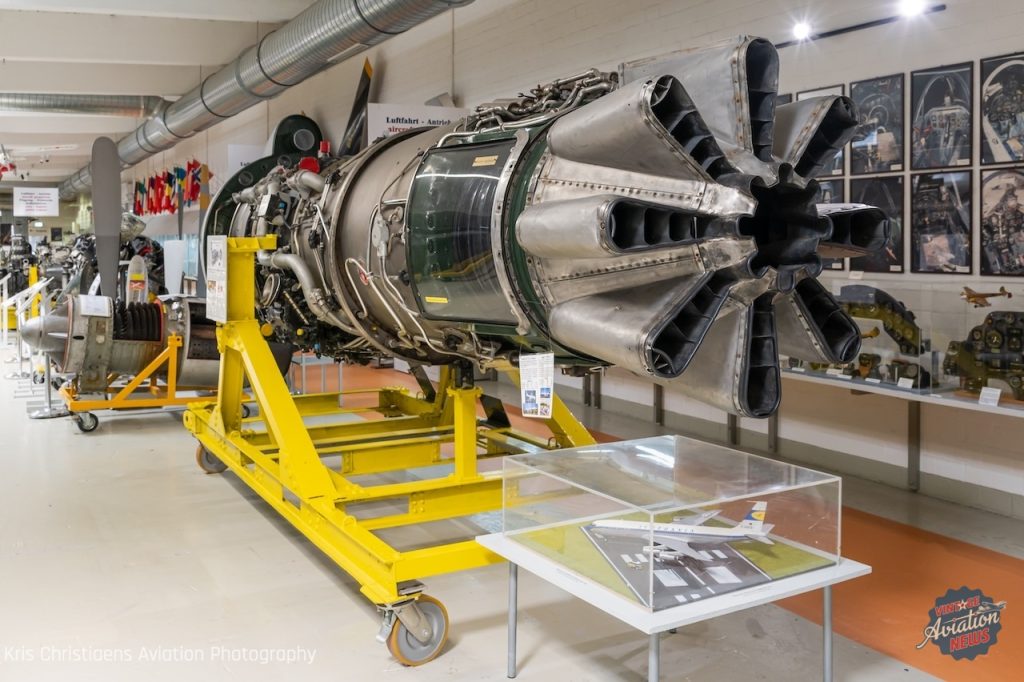
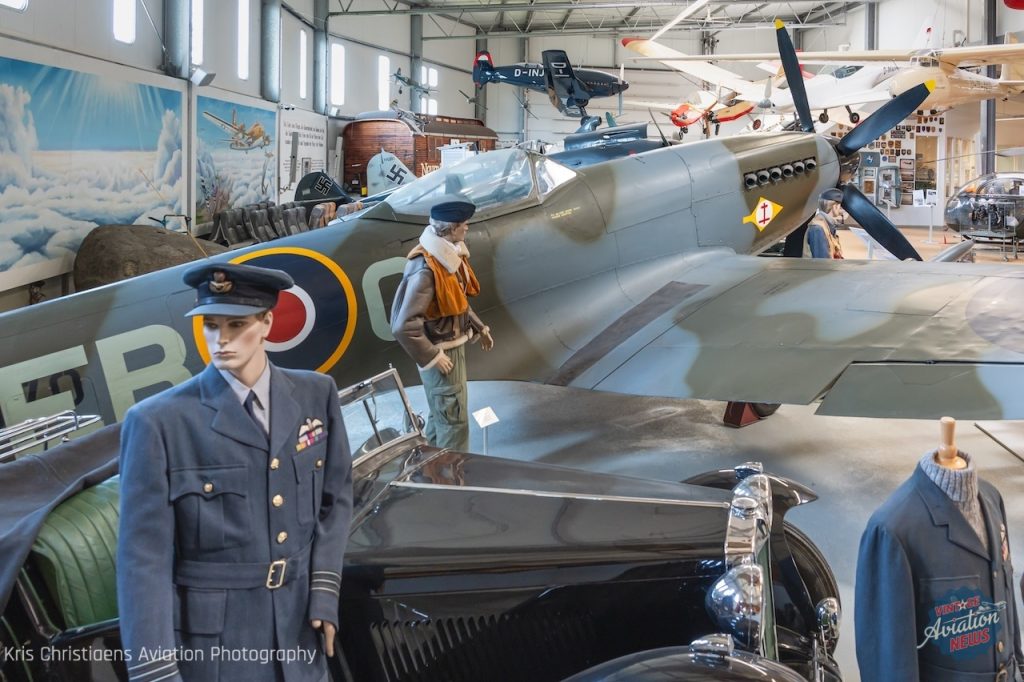
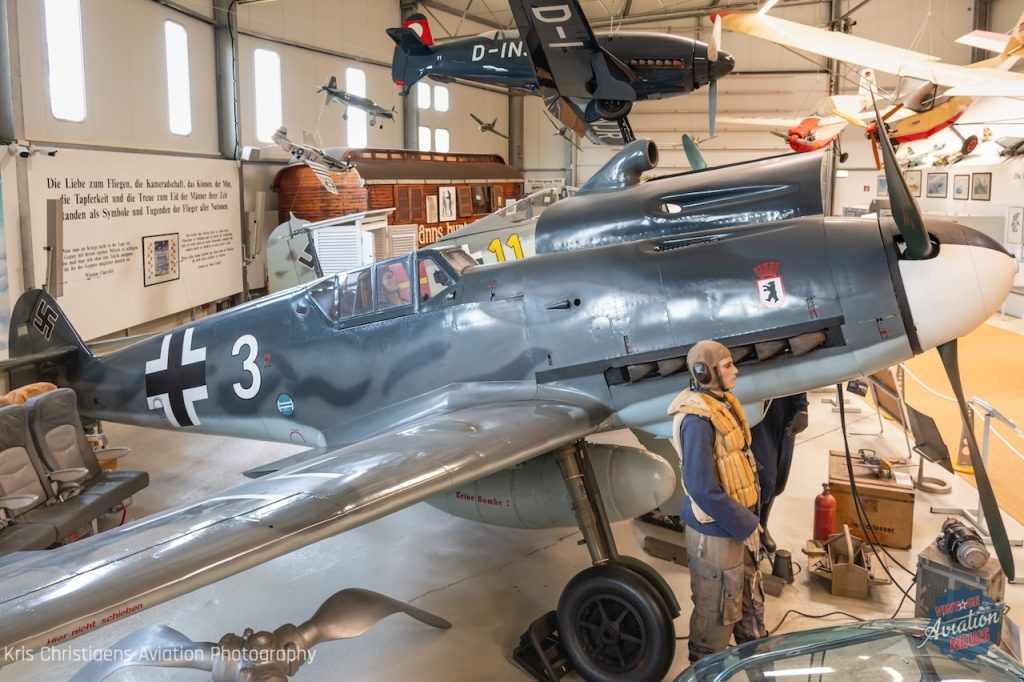
For those particularly interested in WWII aviation, the museum offers an impressive selection of aircraft. Among the highlights are examples or representations of the Focke-Wulf Fw 190A-8, Messerschmitt Bf 109G-2, and Supermarine Spitfire Mk XIV. Seeing these German and British fighters displayed in close proximity provides a compelling opportunity to compare the designs, engineering philosophies, and operational roles of former adversaries. The museum also explores the emergence of jet propulsion during the 1940s. One of the collection’s most historically significant artifacts is an original Junkers Jumo 004A, an early version of the turbojet engine that powered Germany’s first generation of operational jet aircraft. The engine represents an important step in the development of a technology that transformed aviation during the closing years of WWII and the decades that followed.
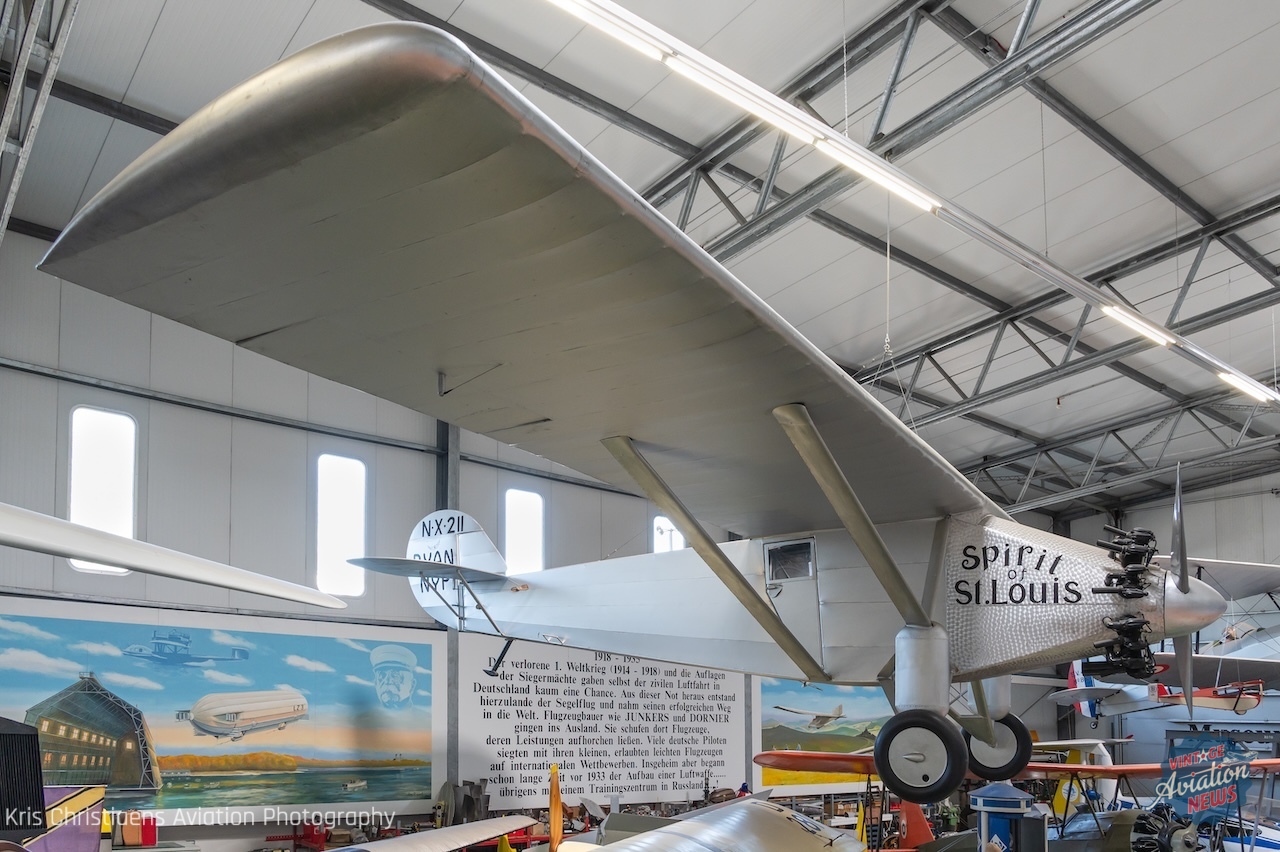
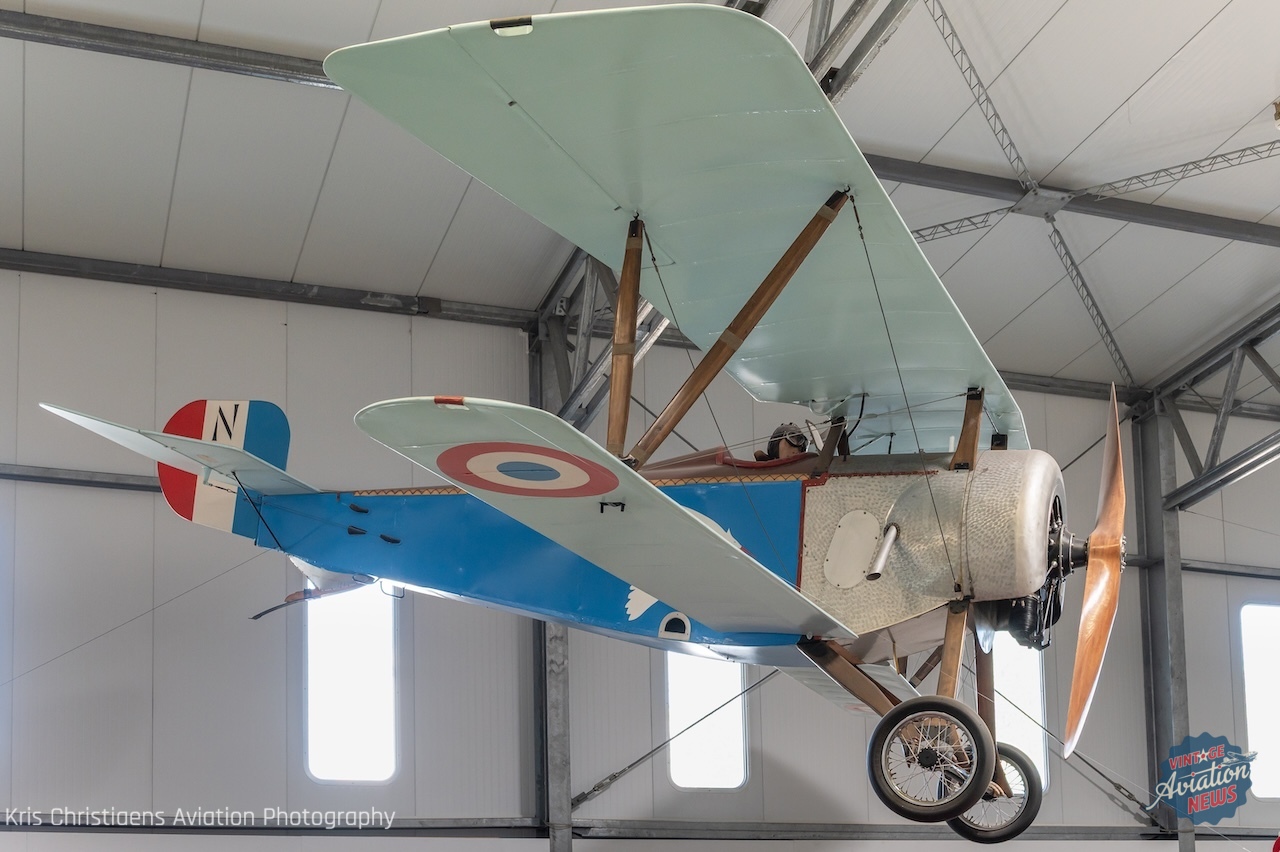
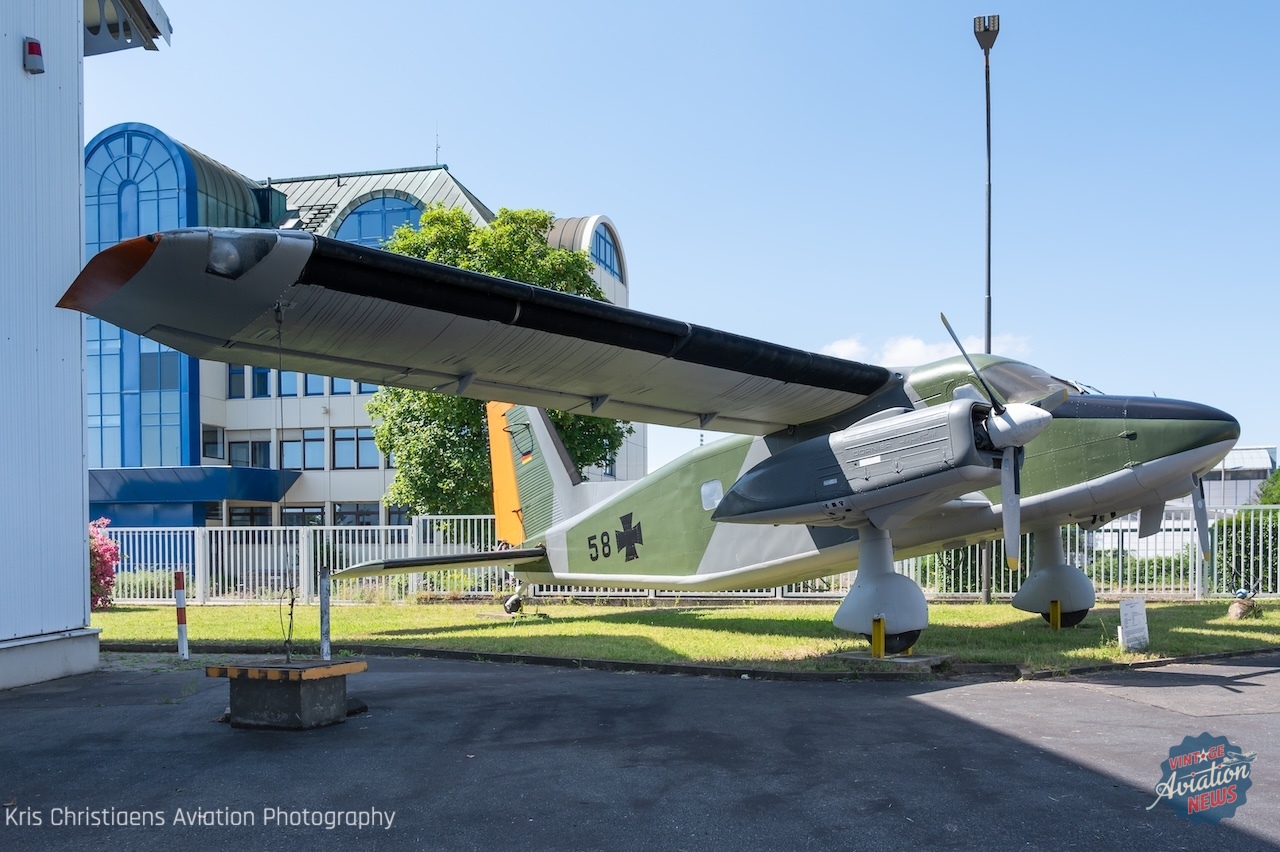
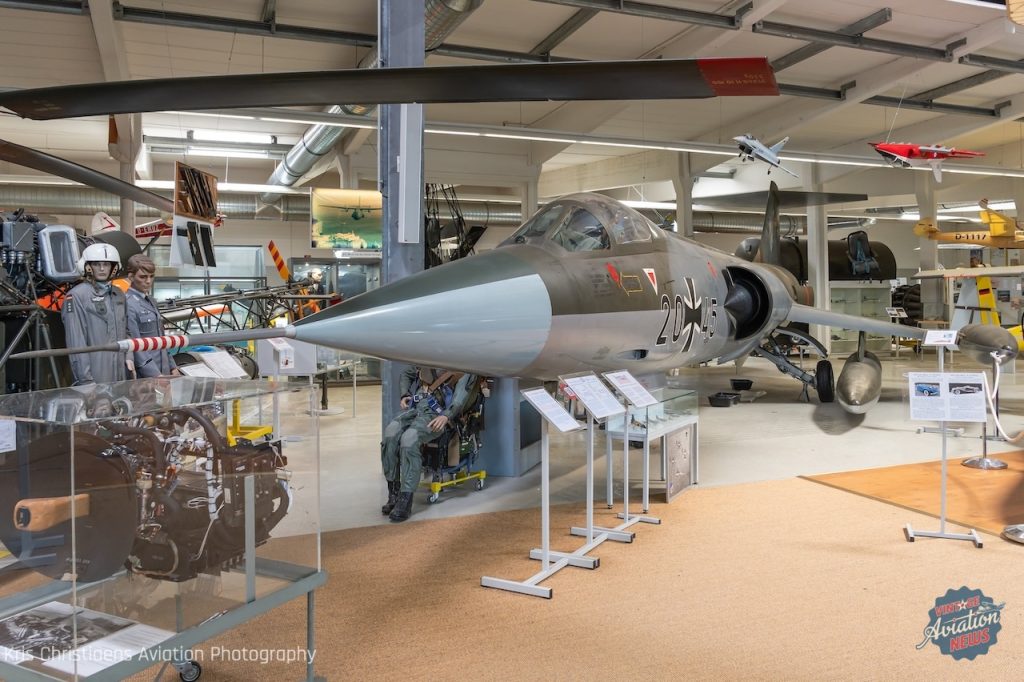
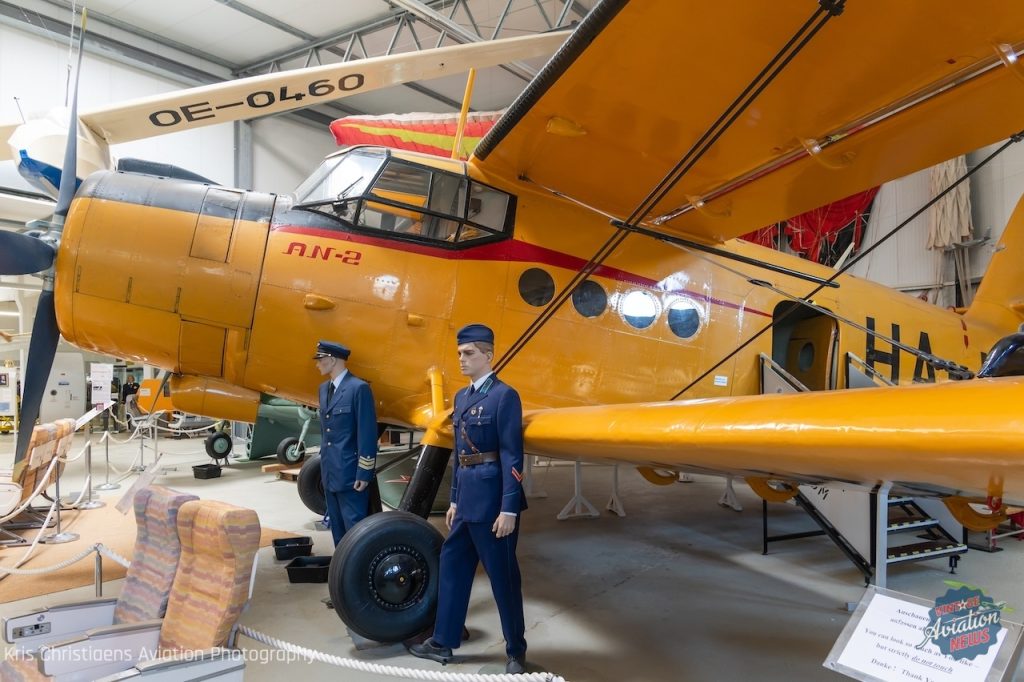
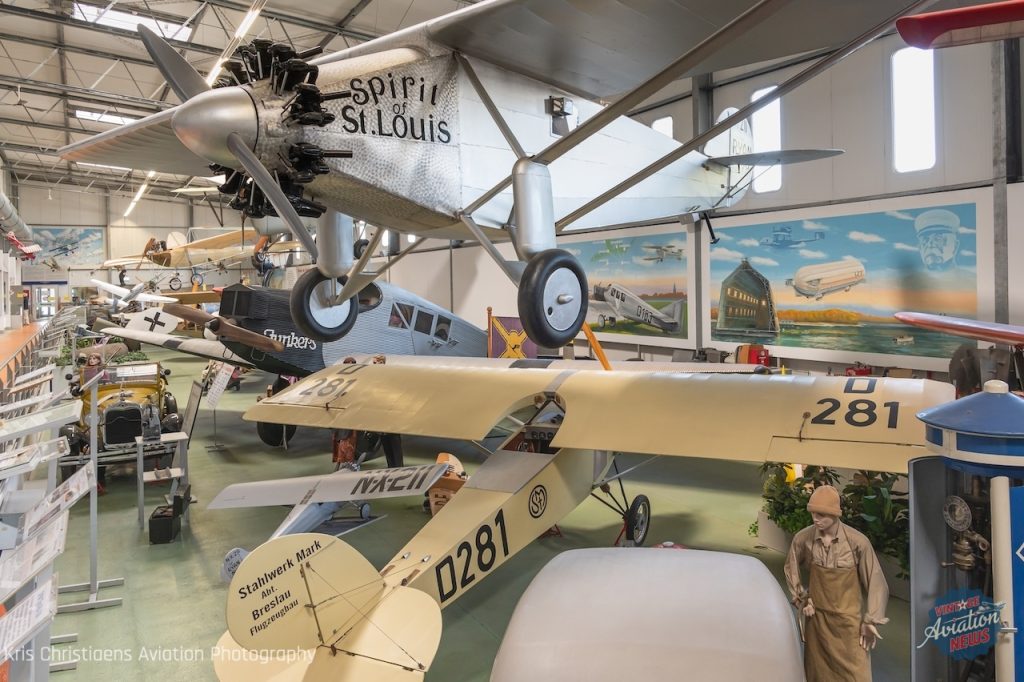
Cold War aviation is represented by aircraft such as the Mikoyan-Gurevich MiG-15, Lockheed F-104 Starfighter, and Antonov An-2. Together, they illustrate the extraordinary variety of aircraft developed during the postwar period—from high-performance interceptors to rugged utility transports. The museum’s replicas broaden the historical scope still further. These include a Fokker Dr.I triplane, Sopwith Camel, Otto Lilienthal glider, and a reproduction of Charles Lindbergh’s Spirit of St. Louis. The replicas help tell the story of aviation’s formative years while placing the museum’s surviving original airframes and components within a wider historical context.
One of the most absorbing displays documents the 1986 Ju 52 recovery expedition. Period footage follows Leonhardt and his team as they worked in the demanding Arctic environment to raise aircraft wreckage that had remained underwater for more than 40 years. Photographs, models, recovered components, and expedition materials tell the story of both the aircraft that were salvaged and those that could not be recovered.
A substantial portion of one Ju 52 fuselage is displayed permanently in Laatzen, while another aircraft recovered from Hartvikvatnet was restored and placed on display at the Ju 52 Museum in Wunstorf. Visiting both museums provides a fuller understanding of the recovery effort and its importance to Germany’s aviation-preservation movement. The Luftfahrtmuseum Laatzen-Hannover’s appeal extends well beyond its full-size aircraft. Its smaller artifacts give the museum much of its character. Pilot uniforms, logbooks, historical documents, books, instruments, models, personal effects, and aviation souvenirs fill display cases throughout the halls. Many of these objects came from private collections or were donated by individuals with direct connections to the events represented. Together, they place the aircraft within a broader human story, reminding visitors that aviation history is shaped not only by machines but also by the people who designed, built, maintained, and flew them.
(Image credit: Kris Christiaens)
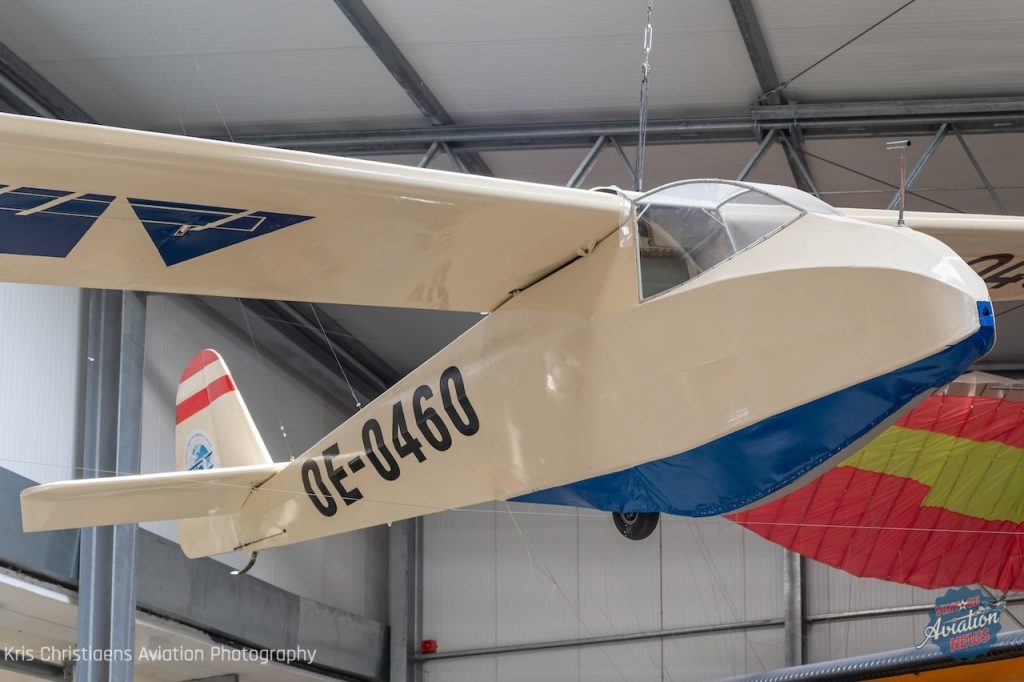
The collection continues to expand, giving the museum a sense of vitality rather than leaving it frozen at a particular moment in time. New acquisitions and changing displays reward repeat visits, while the depth of the collection makes it easy to discover something previously overlooked. An entire section is devoted to the history of gliding—a fitting subject given that soaring first inspired Leonhardt’s passion for flight. The museum also recognizes the contributions of female glider pilots, an aspect of aviation history that has often received little attention in more traditionally military-focused collections.
(Image credit: Kris Christiaens)
The Luftfahrtmuseum Laatzen-Hannover is located at Ulmer Straße 2 in Laatzen, near the Hannover exhibition grounds. It is generally open Thursday through Sunday from 10:00 a.m. to 5:00 p.m., with last admission at 4:00 p.m. Visitors should consult the museum’s official website for current opening hours and admission information before traveling. This is not a museum to rush through. Visitors who enjoy reading every placard, examining small artifacts, and watching the available historical footage should allow several hours. The sheer density of the collection rewards a slower and more deliberate visit.
(Image credit: Kris Christiaens)
For aviation enthusiasts traveling through Lower Saxony, the museum can also be combined with visits to its partner institutions, particularly the Ju 52 Museum in Wunstorf. Together, they provide a fascinating examination of German aviation history and the extraordinary lengths to which preservationists have gone to save it. Behind an understated industrial façade, the Luftfahrtmuseum Laatzen-Hannover preserves an astonishing range of aircraft, engines, models, and personal artifacts. More importantly, it reflects the lifelong dedication of Günter Leonhardt and the volunteers who continue his work. It may be easy to miss from the road, but for anyone interested in aviation history, this remarkable museum deserves to be discovered.