






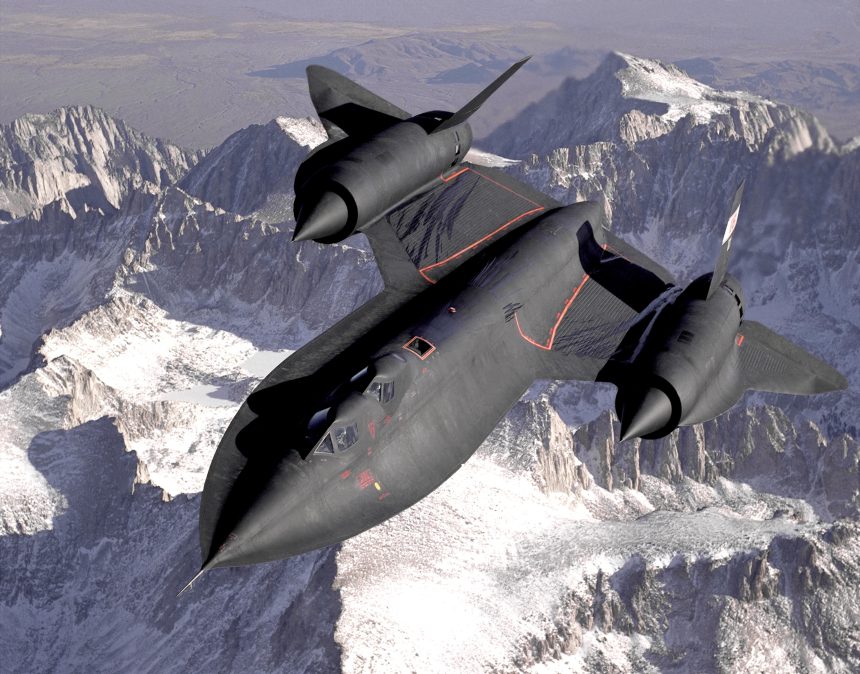

Lockheed Martin is probably one of the most iconic defense aviation companies today. But it was not always Lockheed Martin. Before that, it was Lockheed Corporation. Allan Loughead and his brother Malcolm Loughead ran an earlier aircraft company called Loughead Aircraft Manufacturing Company from 1912 to 1920. The company built and flew aircraft for paying passengers on sightseeing tours in California. It also developed a prototype for the civilian market but had to close in 1920 because many surplus aircraft flooded the market after WWI. After that, Allan entered real estate, while Malcolm successfully marketed car brake systems. On December 13, 1926, Allan Loughead, John Northrop, Kenneth Kay, and Fred Keeler secured funding to start the Lockheed Aircraft Company, which they spelled that way to avoid mispronunciation. The new company used some technology from the Model S-1 to design the Vega Model. In March 1928, the company moved to Burbank, California, and by the end of that year, it had sales over one million dollars. From 1926 to 1928, the company made more than 80 aircraft and employed over 300 workers, who were building five aircraft each week by April 1929. In July 1929, the majority shareholder, Fred Keeler, sold 87% of the company to Detroit Aircraft Corporation. In August 1929, Allan Loughead resigned.
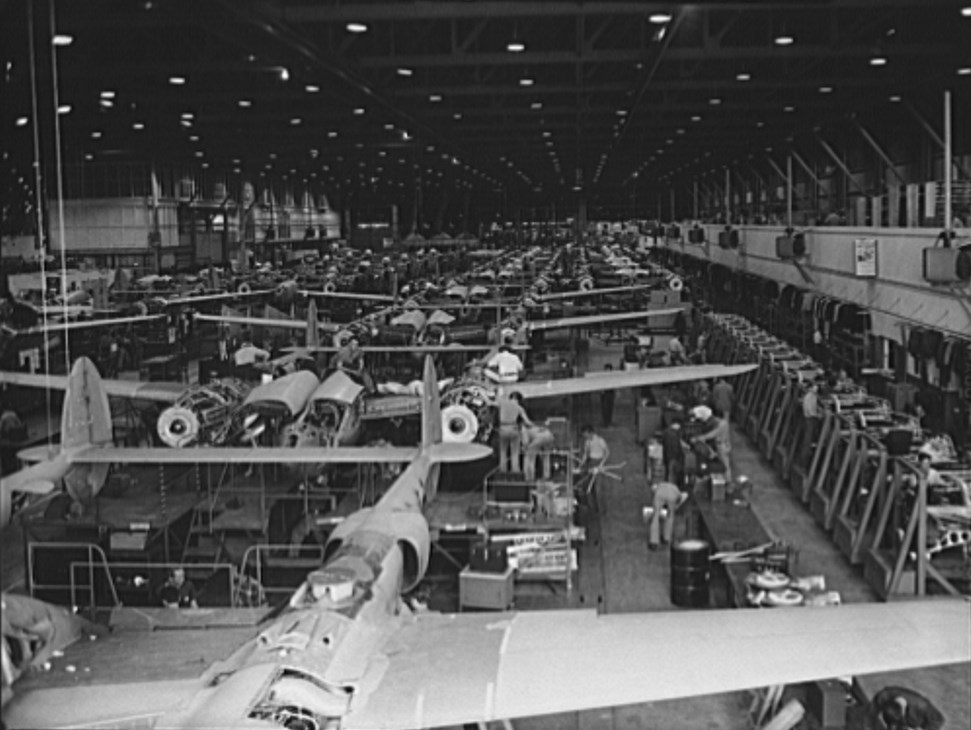
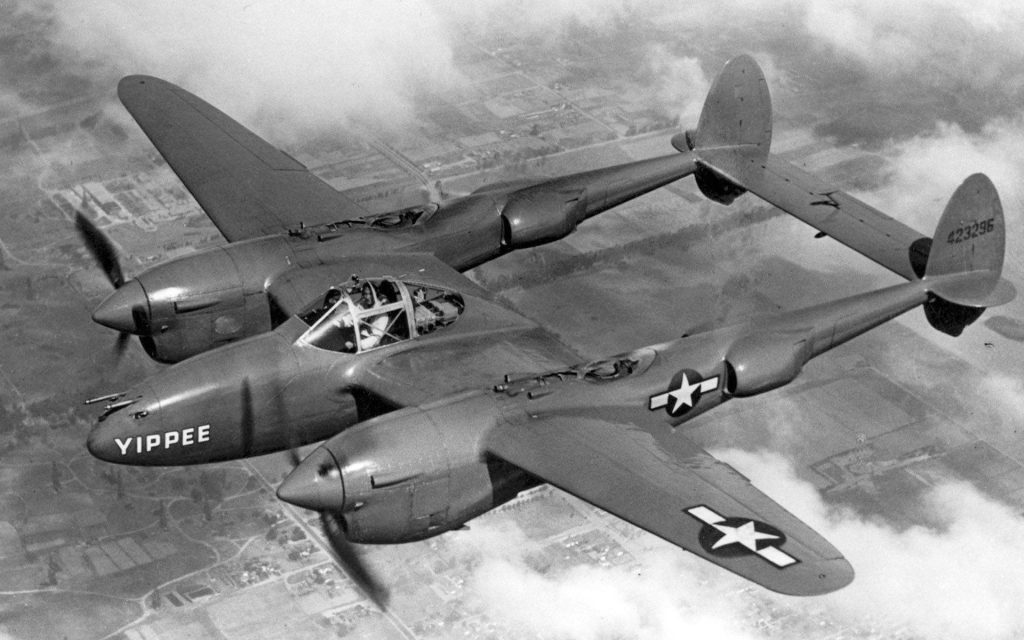
During the Great Depression, the aircraft market suffered, causing Detroit Aircraft to go bankrupt. In 1932, investors Robert and Courtland Gross, along with Walter Varney, bought the company for $40,000. Robert E. Gross became the chairman and renamed the company Lockheed Aircraft Corporation (renamed to Lockheed Corporation in 1977), based in Burbank, California. The first successful aircraft was the Vega, made in 1927. It set records with pilots like Amelia Earhart and Wiley Post. In the 1930s, Lockheed spent $139,400 to create the Model 10 Electra, selling 40 units in its first year. Amelia Earhart used this model in her tragic 1937 attempt to fly around the world. Later models, the Model 12 Electra Junior and the Model 14 Super Electra, further expanded their market. The Lockheed Model 14 was the foundation for the Hudson bomber, which was used by both the British Royal Air Force and the United States military during WWII. Its main purpose was to hunt submarines. The Model 14 Super Electra was sold to other countries, and more than 100 units were built in Japan for the Imperial Japanese Army. At the start of WWII, Lockheed, led by aircraft designer Clarence (Kelly) Johnson, created the P-38 Lightning, a unique twin-boom fighter plane. It was the only American fighter plane that remained in production throughout the war. It took on various roles and achieved the most enemy aircraft shot down, including that of Japanese Admiral Isoroku Yamamoto.
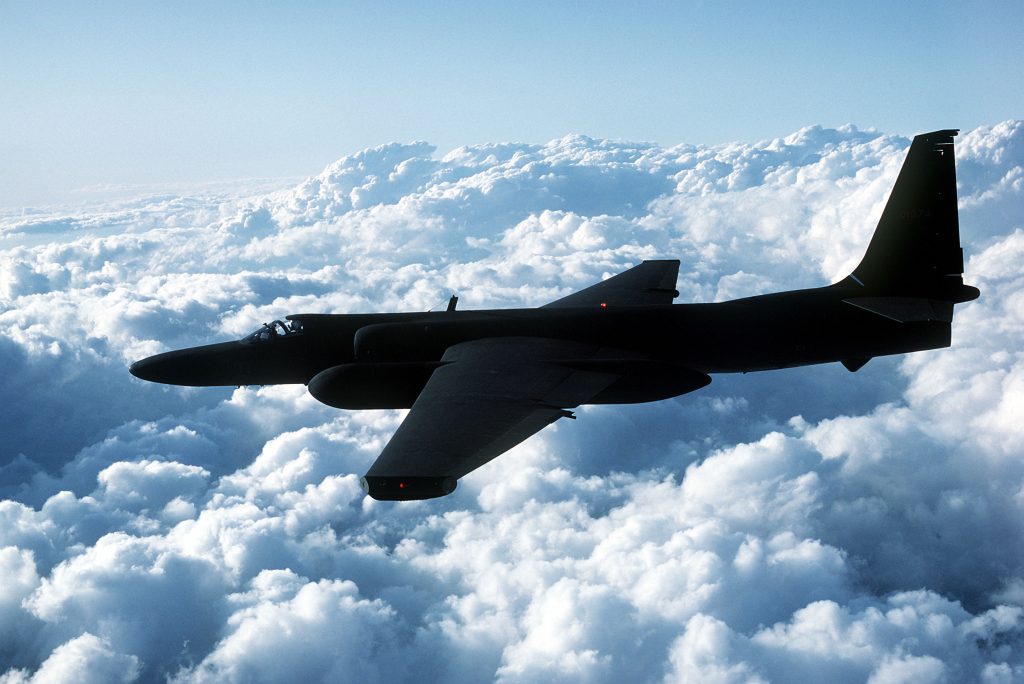
The Lockheed Vega factory near Burbank’s Union Airport was disguised during the war. It was covered with a large burlap tarp that looked like a quiet neighborhood, with fake trees and buildings. Lockheed was the tenth largest US company for wartime production, making a total of 19,278 aircraft, six percent of all aircraft produced during that time, including 2,600 Venturas and 9,000 Lightnings. In WWII, Lockheed teamed with Trans-World Airlines (TWA) to build the L-049 Constellation, an airliner that could carry 43 passengers from New York to London at 300 mph (480 km/h) in 13 hours. The military got the first models once production started, so that airlines could fill their orders after the war. It provided Lockheed with a significant lead in air travel after the war. The Constellation’s strange tri-tail design established new performance standards and could be accommodated in smaller hangars. Lockheed later attempted to build a larger transport called the R6V Constitution, but it did not have enough power. In 1943, Lockheed secretly started developing the P-80 jet fighter. This jet became the first American jet to shoot down an enemy aircraft, a MiG-15, in Korea, although by that time it was already outdated. The project was part of Lockheed’s Advanced Development Division, called Skunk Works, which developed aircraft such as the U-2, SR-71 Blackbird, and F-117 Nighthawk.
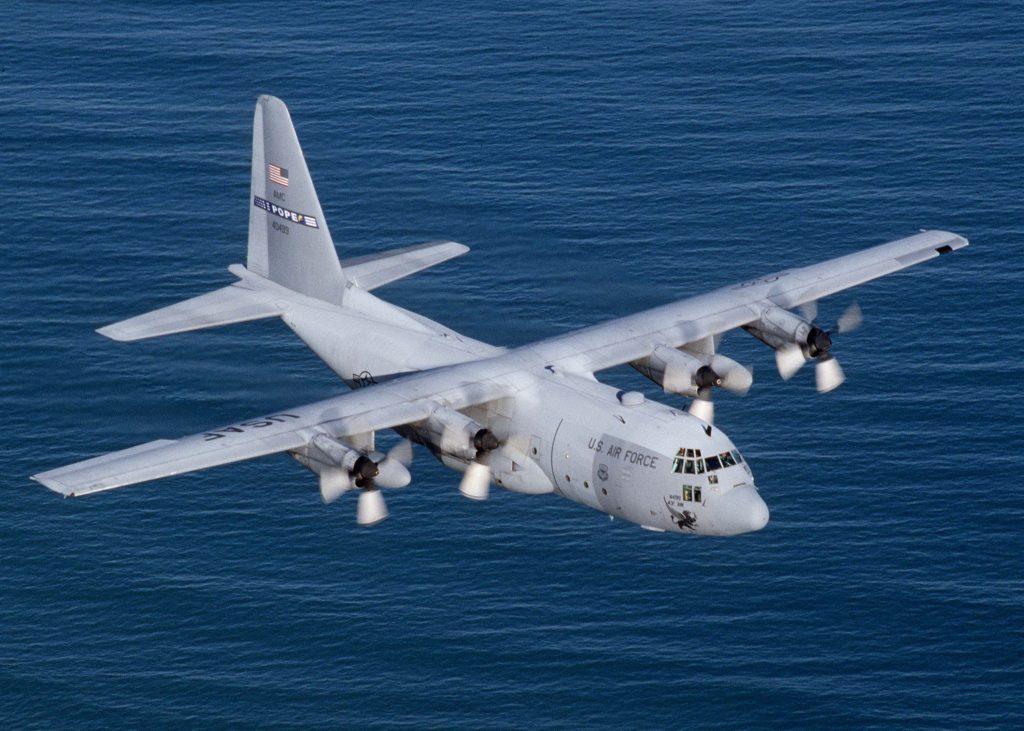
In the late 1950s, it developed the world’s first Mach 2 fighter jet, the F-104 Starfighter. Later, in the early 1960s, it launched the C-141 Starlifter jet transport. In the 1960s, Lockheed started to develop two major projects: the C-5 Galaxy military transport and the L-1011 TriStar civil airliner. Both projects faced delays and went over budget. The company also faced financial losses in the 1970s when the AH-56 Cheyenne helicopter program was canceled. Lockheed sought a $250 million loan guaranty from the government in 1971 to avoid bankruptcy. On May 13, the Nixon administration proposed the “Emergency Loan Guaranty Act,” which sparked a heated debate in Congress. Critics claimed this loan would turn the burden over to taxpayers and damage free enterprise. But Vice President Spiro T. Agnew broke the tie on August 2, 1971, and President Nixon signed the bill into law on August 9. The new law was called the “Lockheed Loan.” By 1977, Lockheed had repaid the $1.4 billion loan, along with the fees for the loan guarantee.
In the late 1980s, Harold Simmons, a specialist in leveraged buyouts, tried to take over Lockheed Corporation. He acquired nearly 20 percent of the company’s stock. Simmons was interested in Lockheed because its pension plan had more than $1.4 billion in excess funds. Analysts believed he wanted to cash in on this surplus for shareholder payouts. He claimed that chairman Daniel M. Tellep mismanaged the company and aimed to replace the board with his own candidates, including former Senator John Tower and Admiral Elmo Zumwalt. Simmons started buying Lockheed Corporation stock in early 1989, taking advantage of low prices for military contractor stocks due to significant cuts in the Pentagon budget. At the same time, he was also trying to invest in Georgia Gulf. Lockheed Corporation and Martin Marietta started talks to merge in March 1994. They announced a $10 billion merger on August 30, 1994. The merger was completed on March 15, 1995, with the new headquarters located in North Bethesda, Maryland. They sold some parts of the business, which became L-3 Communications, and later, Lockheed Martin separated from Martin Marietta Materials. Executives received large bonuses, and CEO Norman R. Augustine earned $8.2 million.
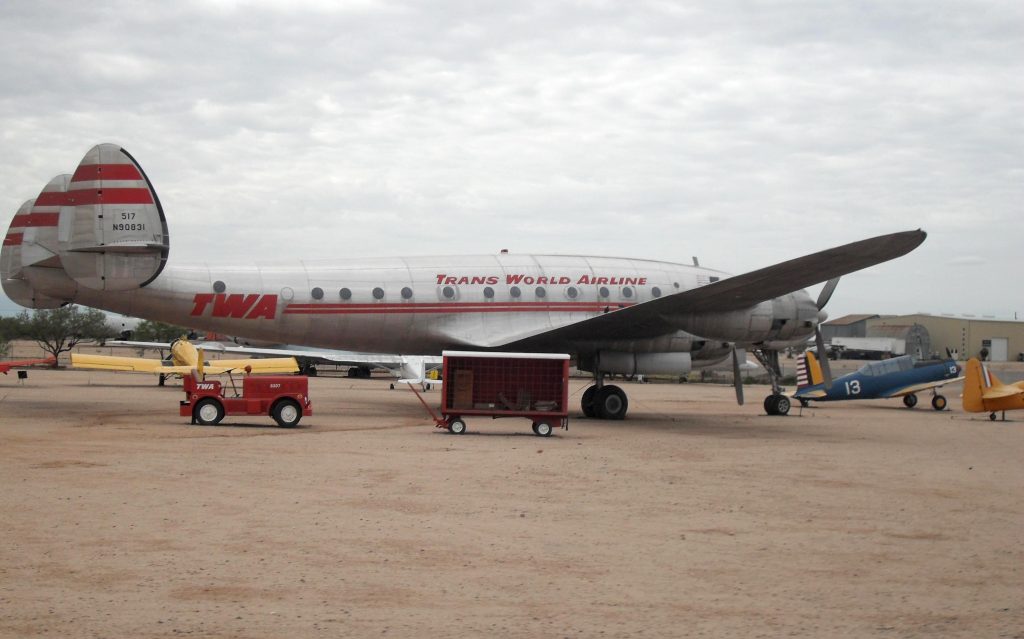
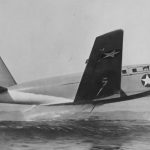








The triple tail design of the Constellation IS NOT STRANGE, instead, it is unique, the XR6V-1 didn’t suffer from a lack of power; it was powered by four R-4360 Wasp Majors, and the Hudson bomber was never used by the USAAF as an operational bomber, instead it was flown as a trainer, and the Navy impressed a small number as the PBO-1, as an interim patrol bomber while awaiting deliveries of the PV-1 Ventura bomber.