
By Randy Malmstrom
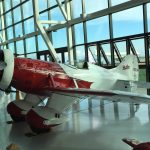
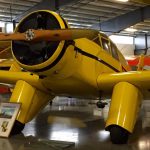
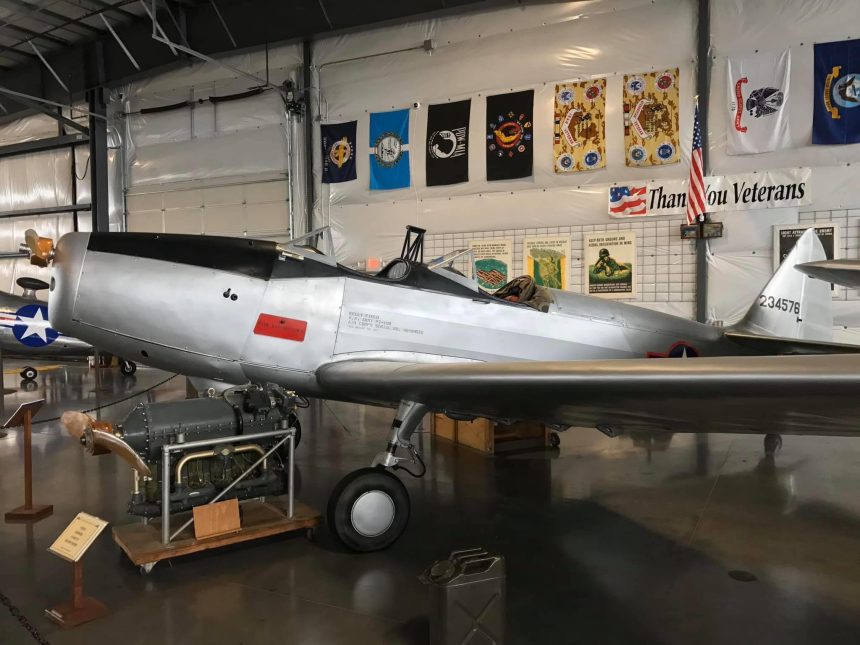
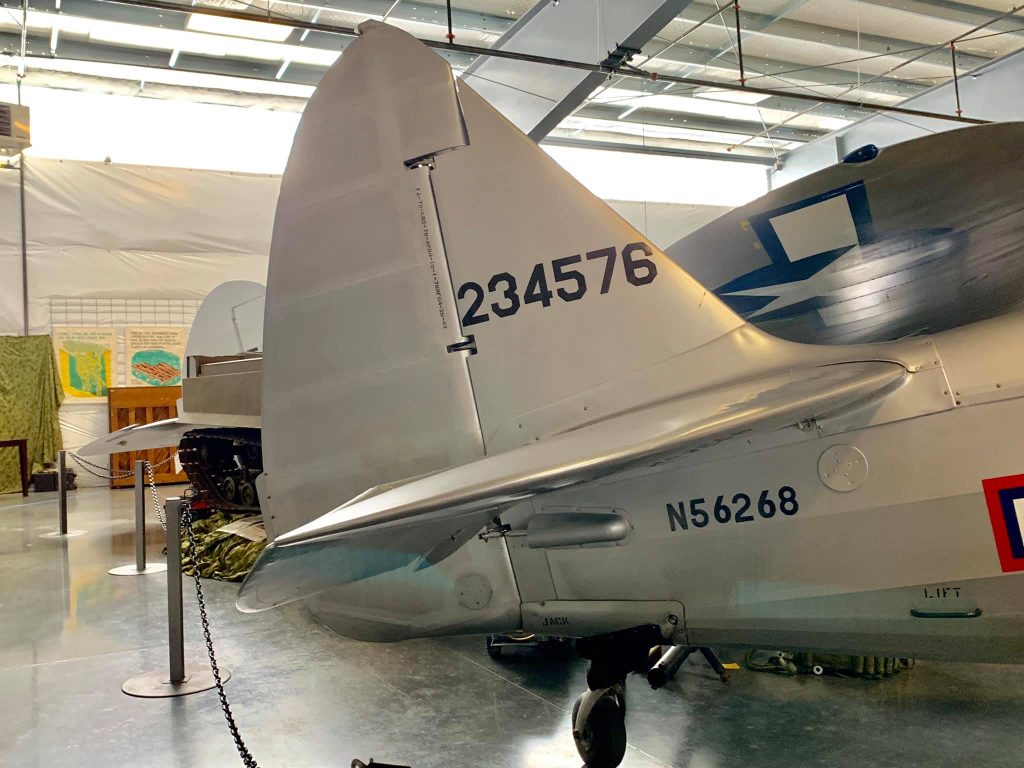
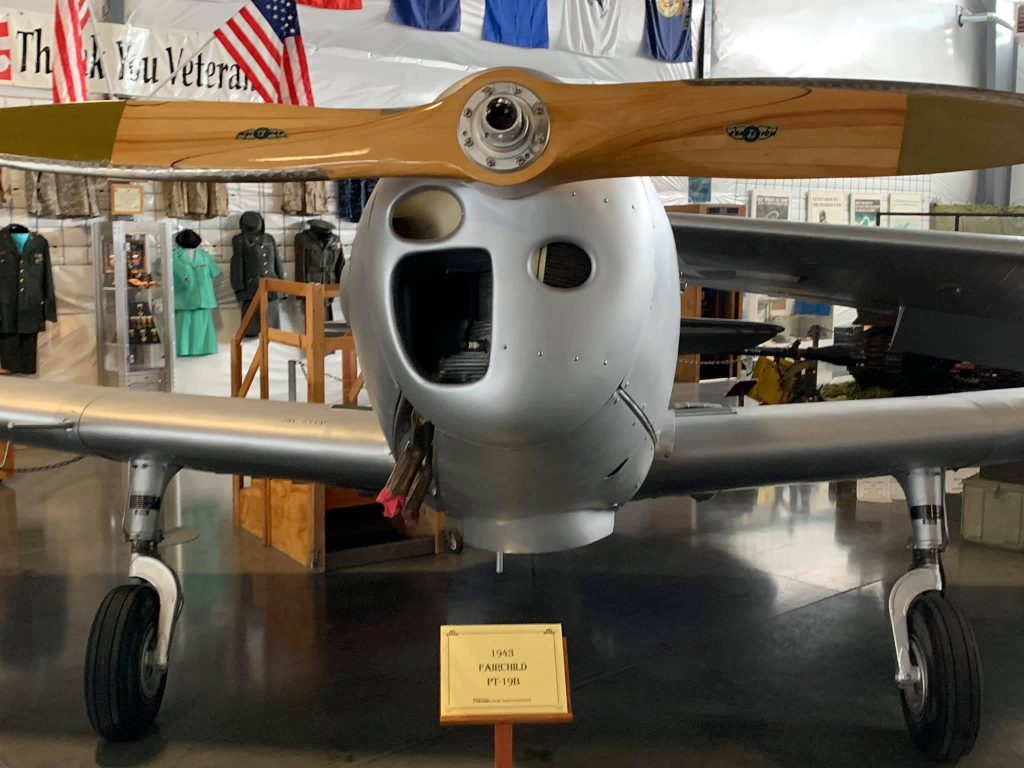
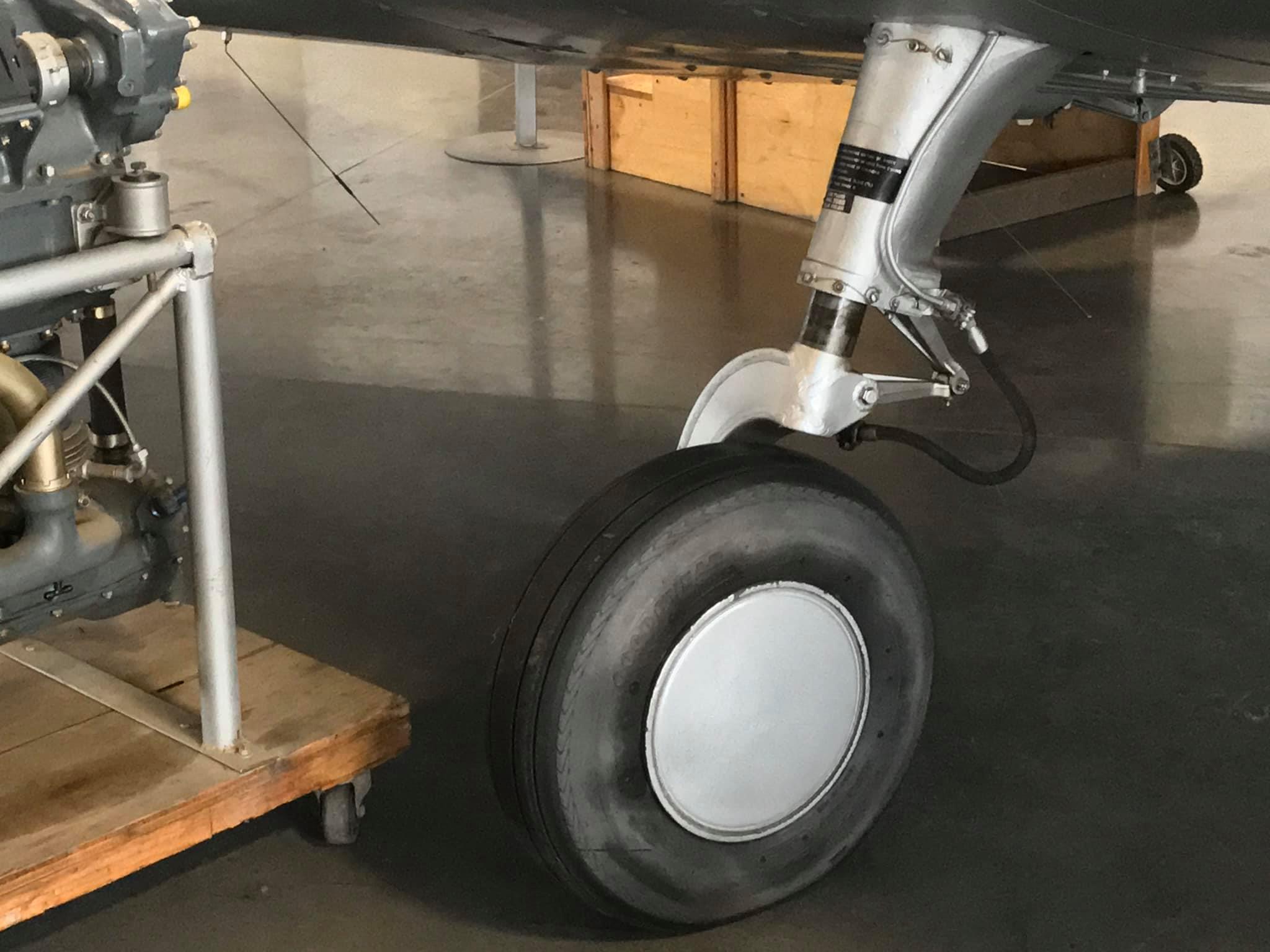
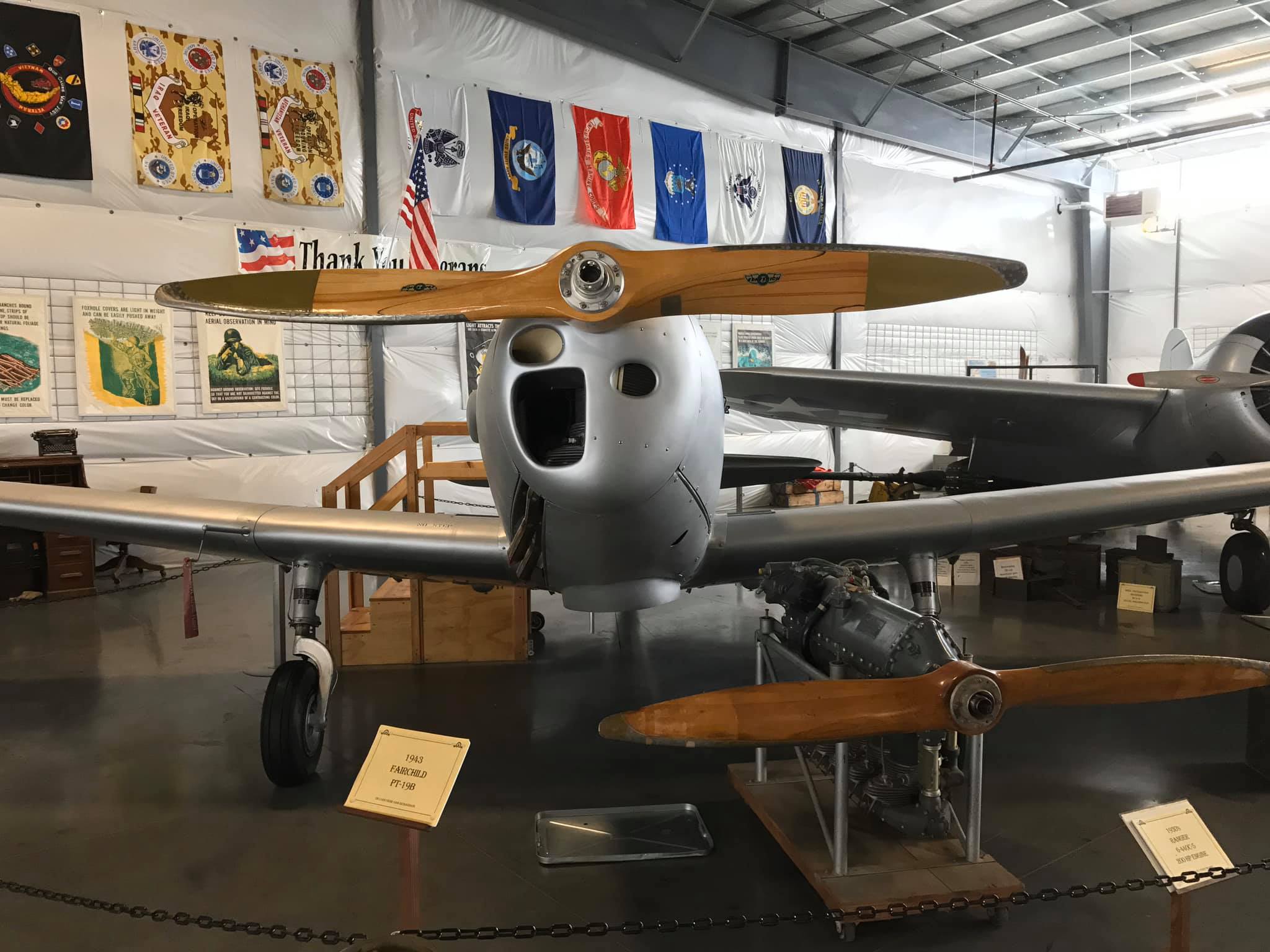
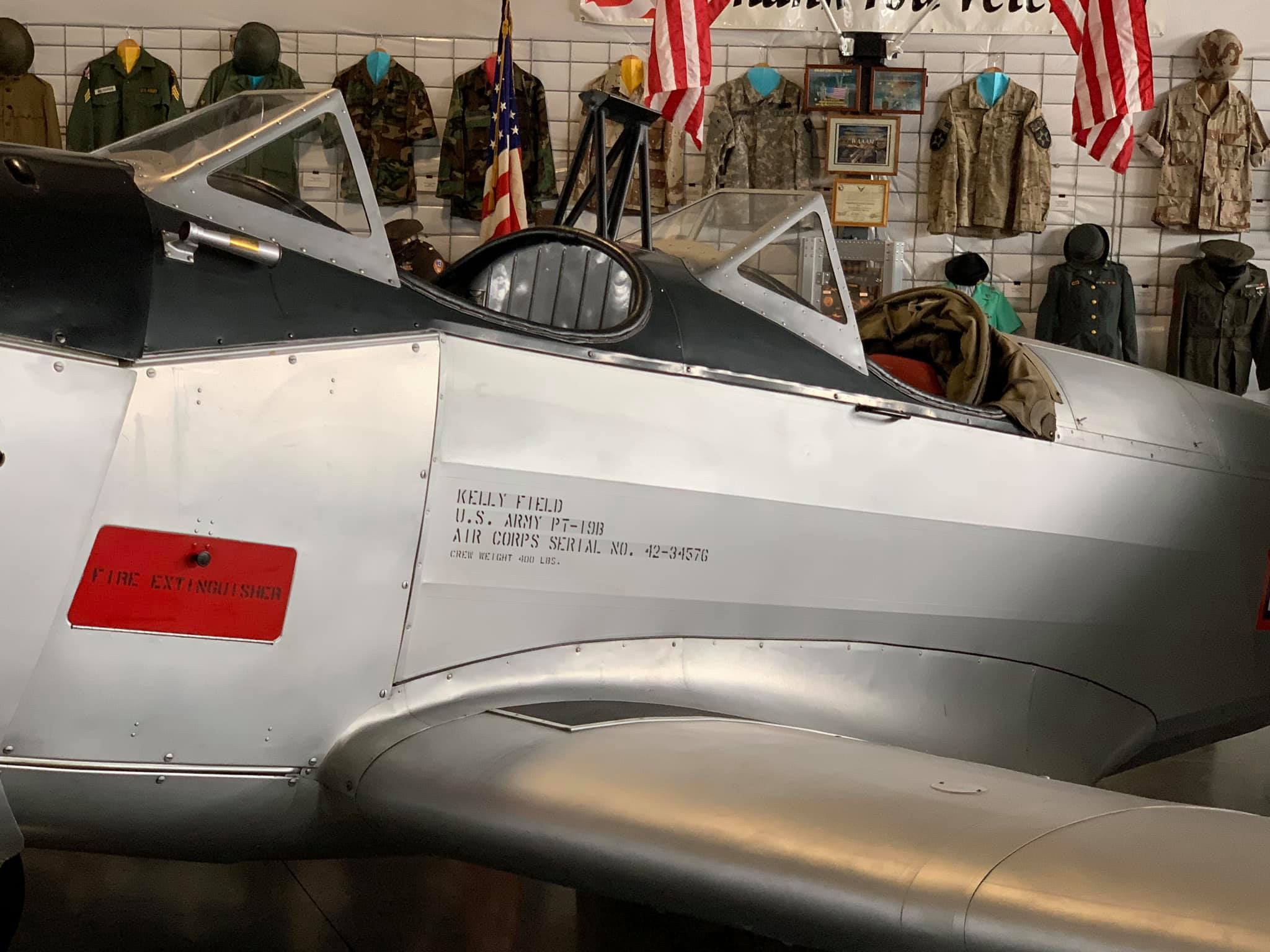
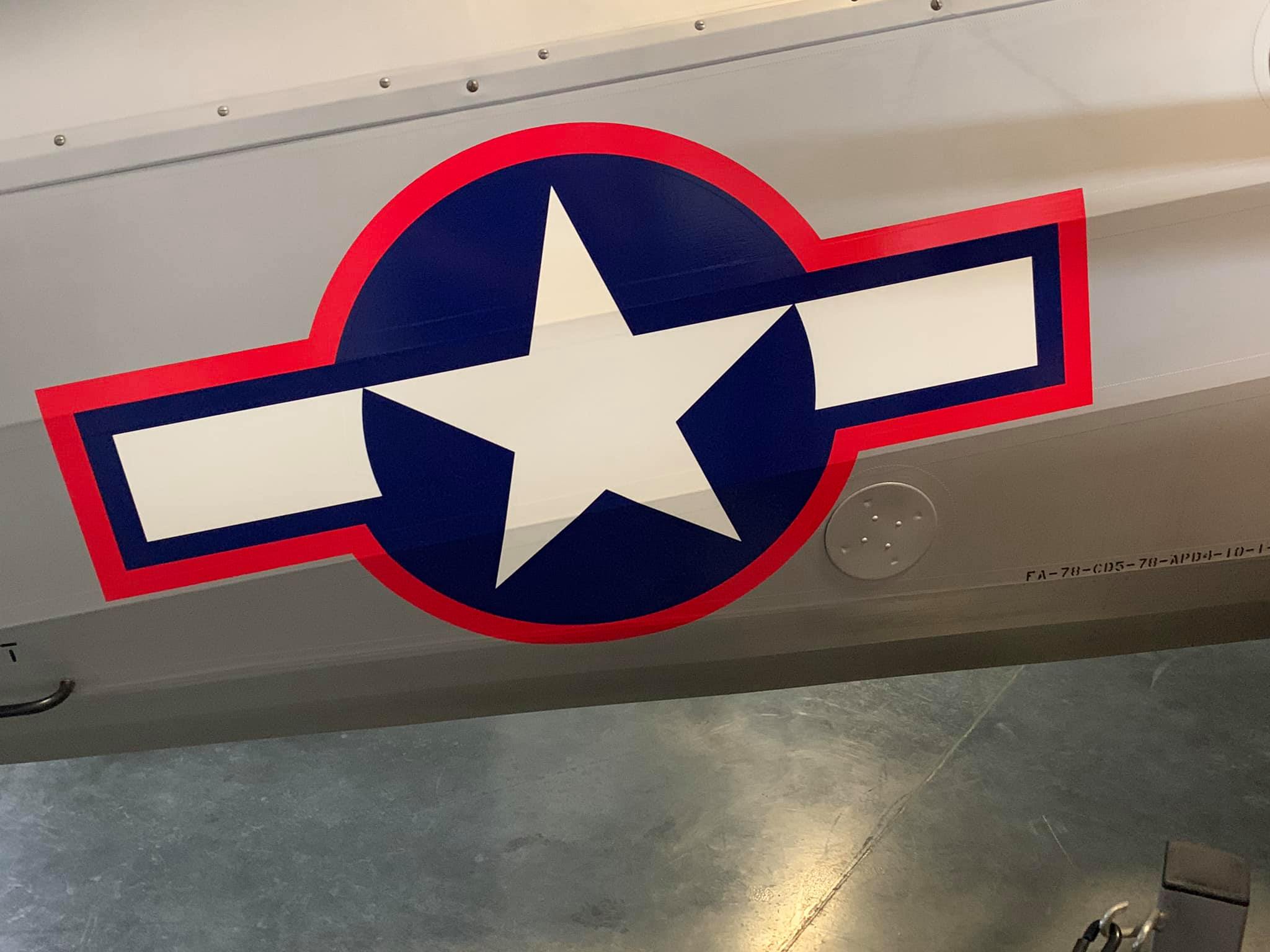
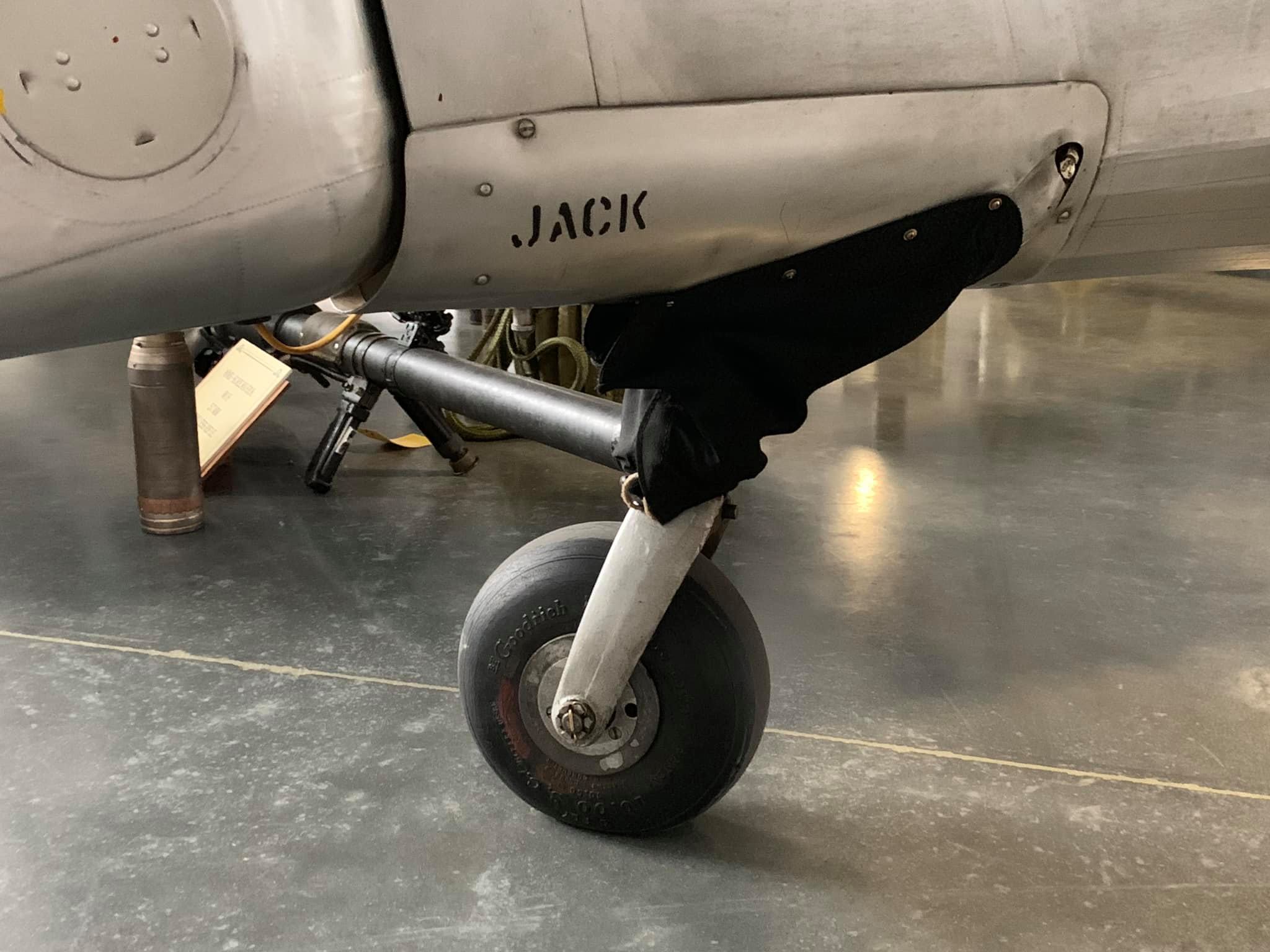
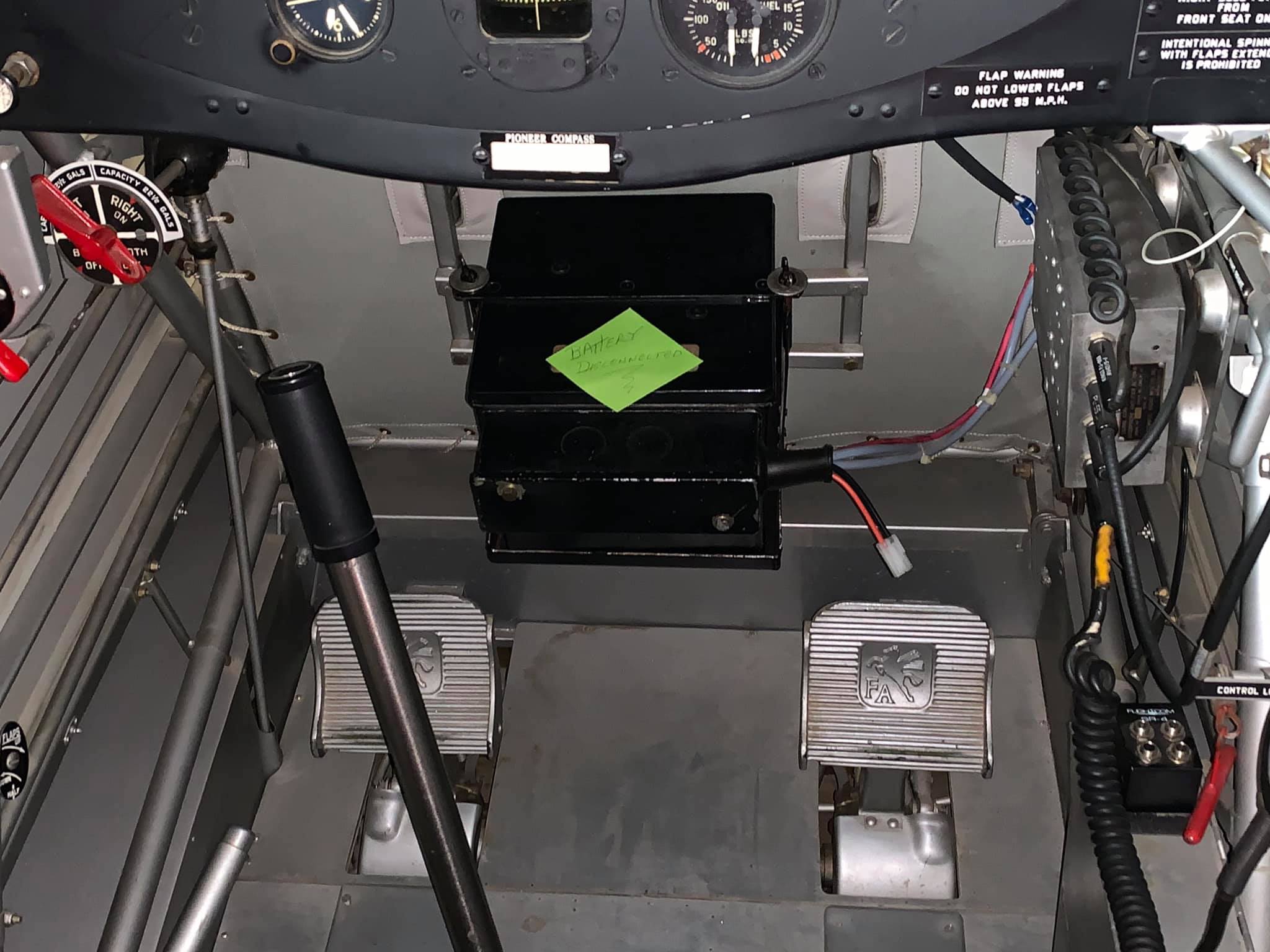
Fairchild PT-19B Cornell (company designation M-62A), s/n 42-34576, Constr. No. T43-5242, N56268. As far as I have yet determined, the service history of this particular aircraft involved its delivery to the U.S. Army Air Forces in 1943 and had a history of private ownership after being stricken from the record. It is painted with markings from Kelly Field, Texas (outside of San Antonio), which was one of many such fields used for pilot training before and during WWII. My photos are at Western Antique Aeroplane & Automobile Museum (WAAAM) in Hood River, Oregon, which, as of this writing, is the current owner following its donation by museum donors Sam and Alison Richardson.
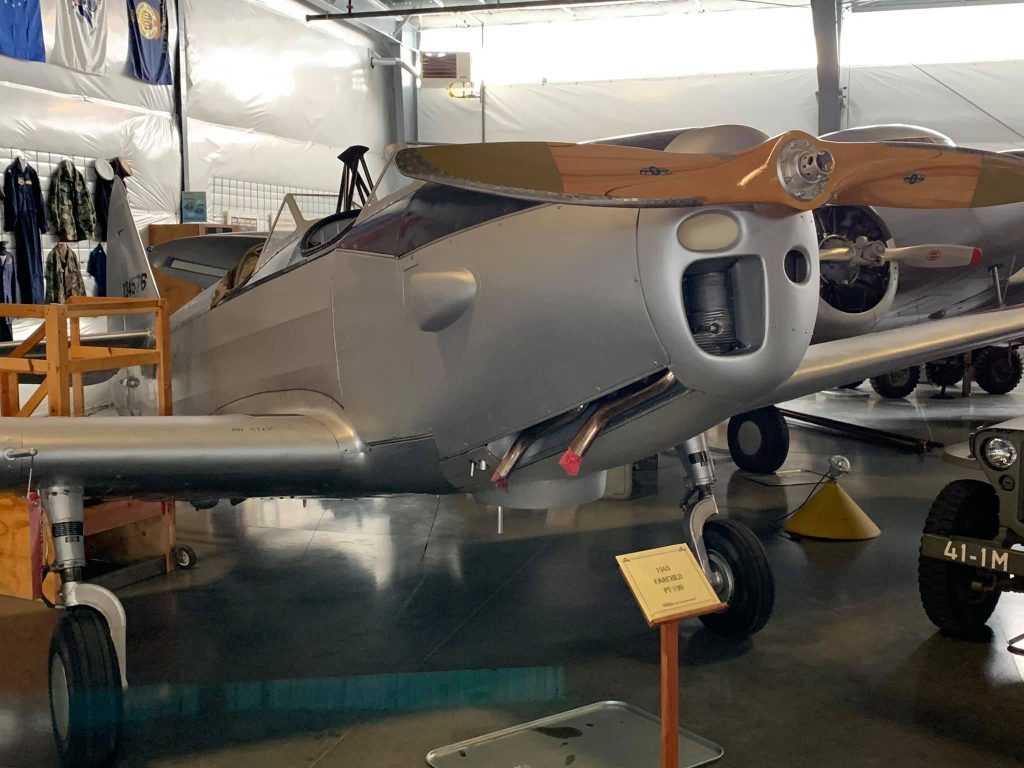
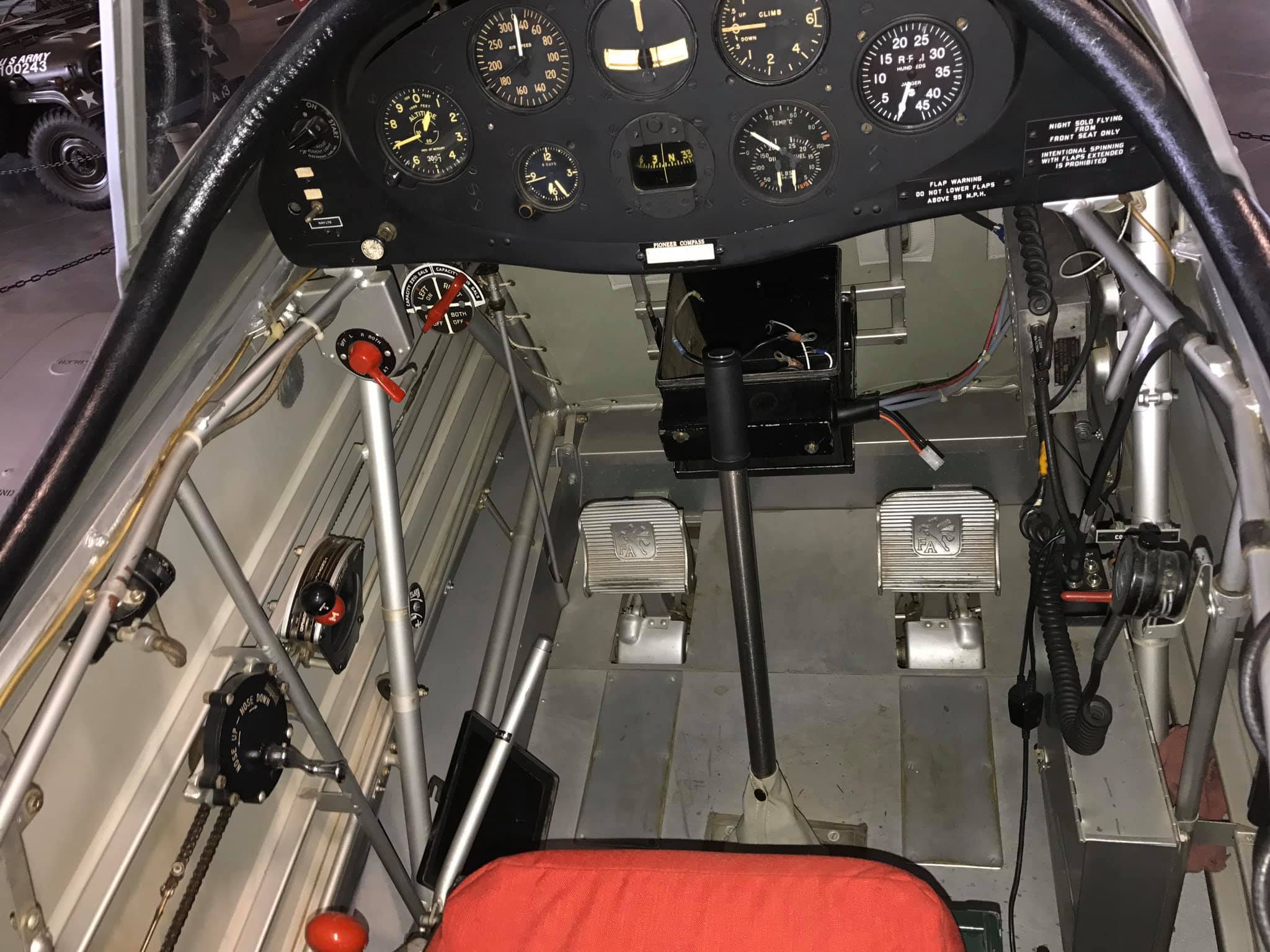
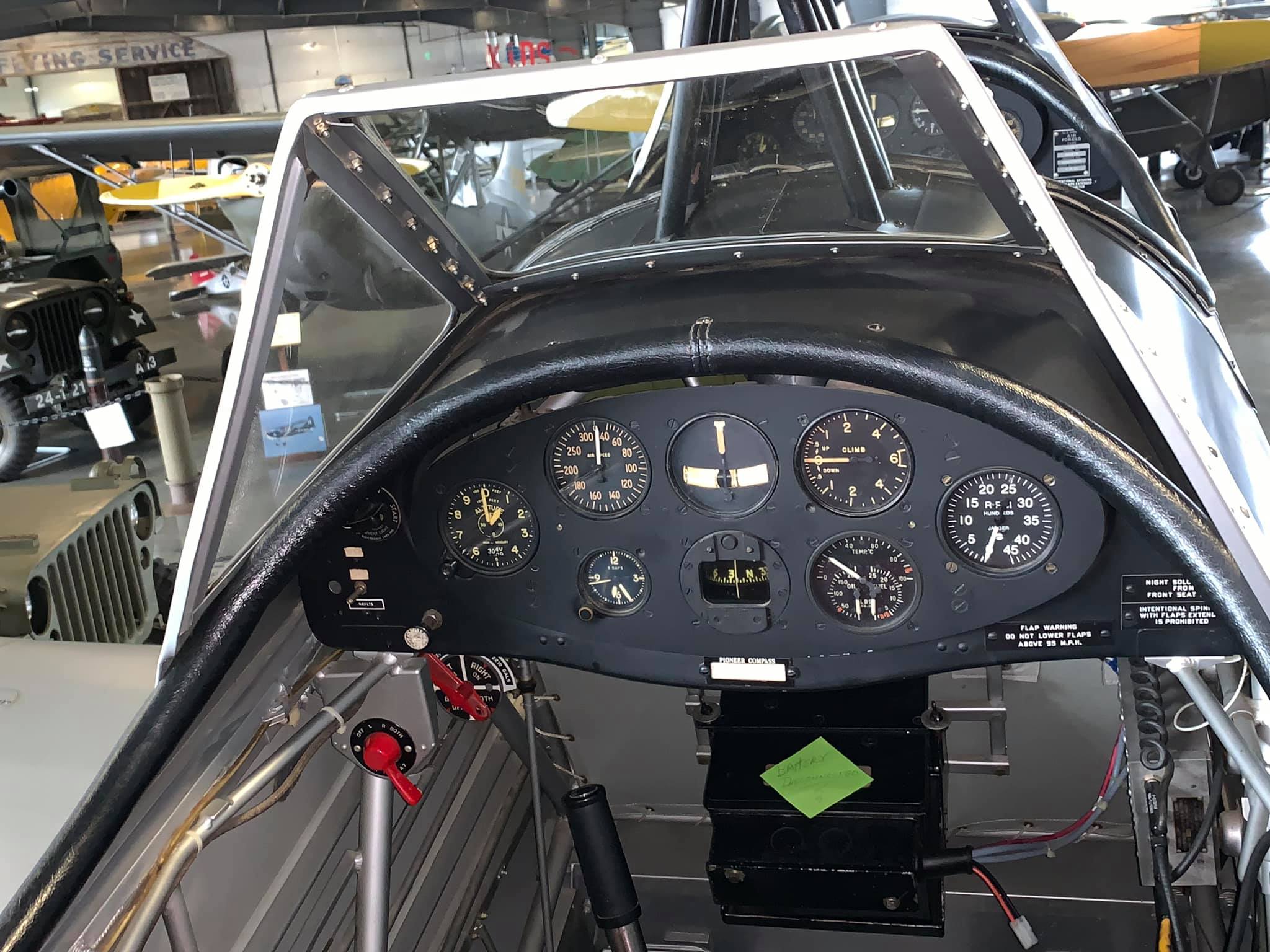
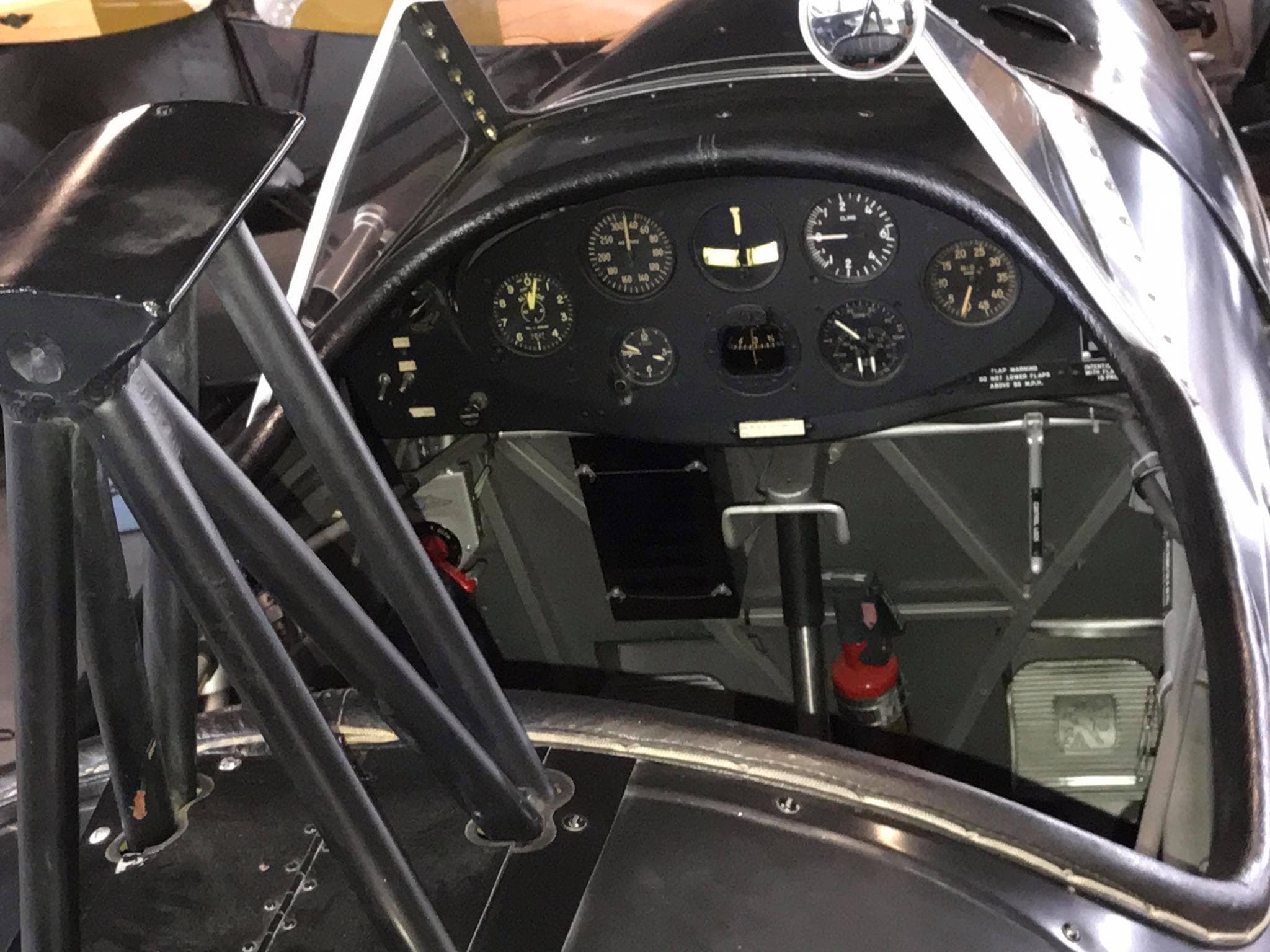
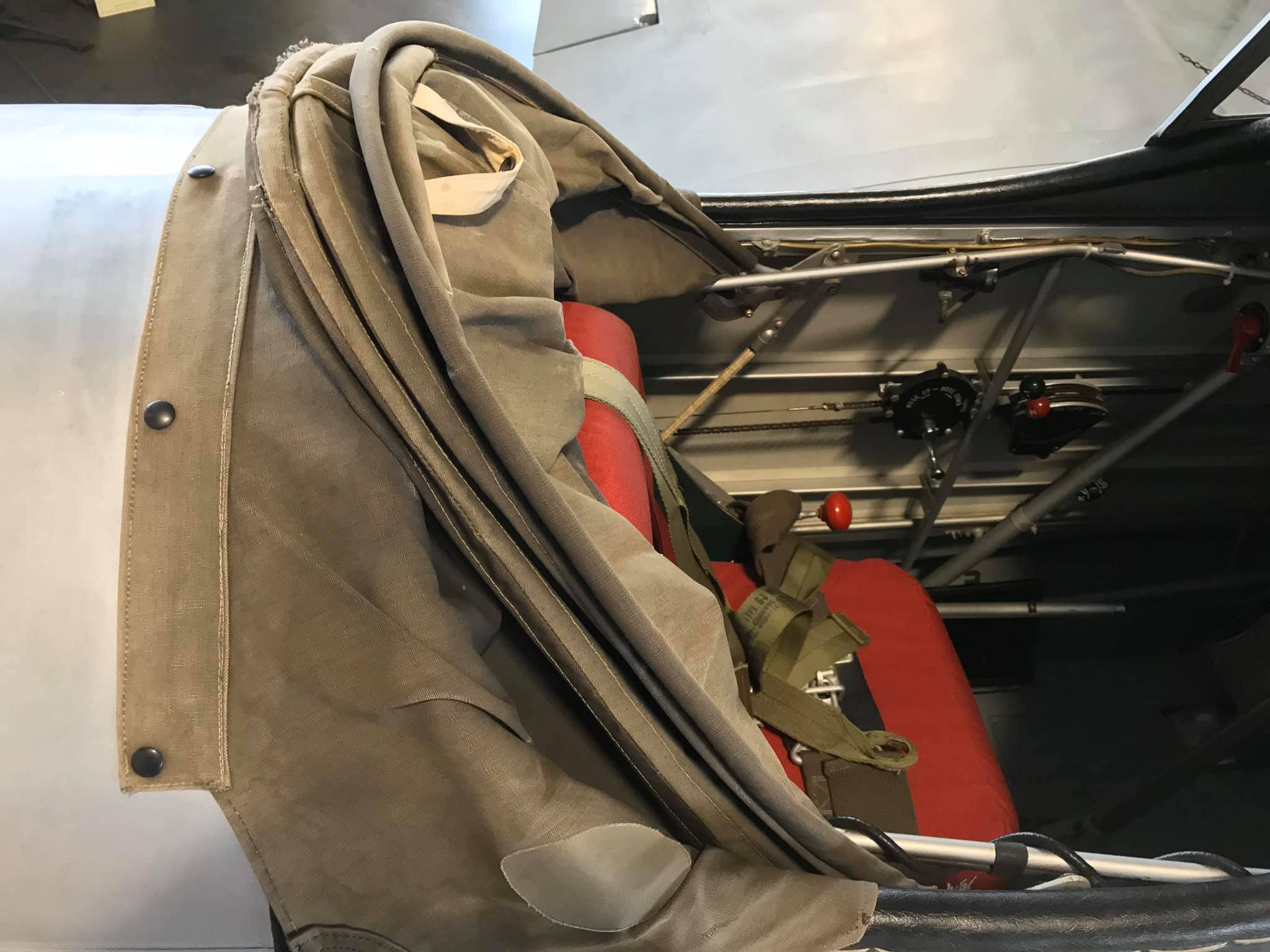
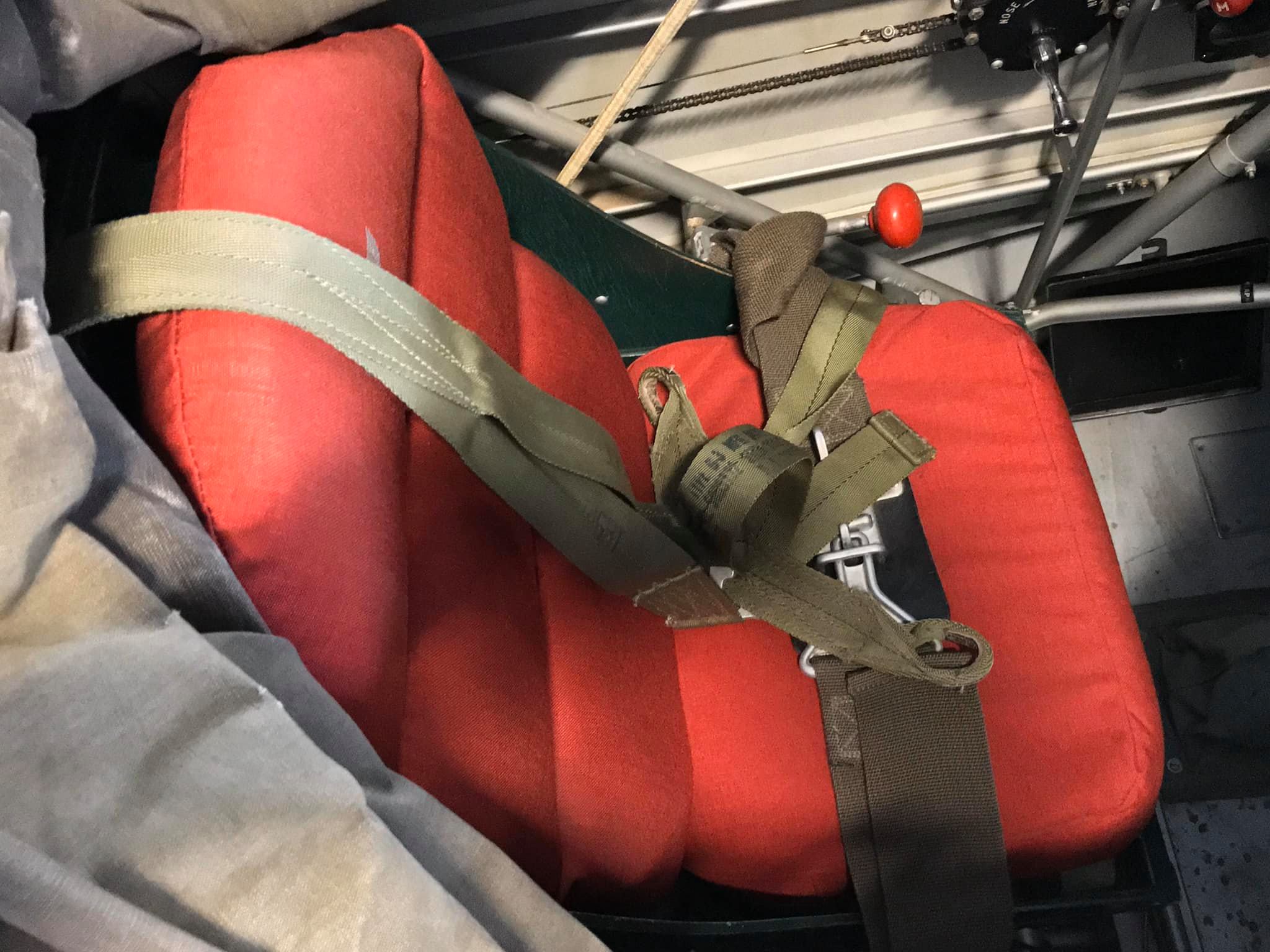
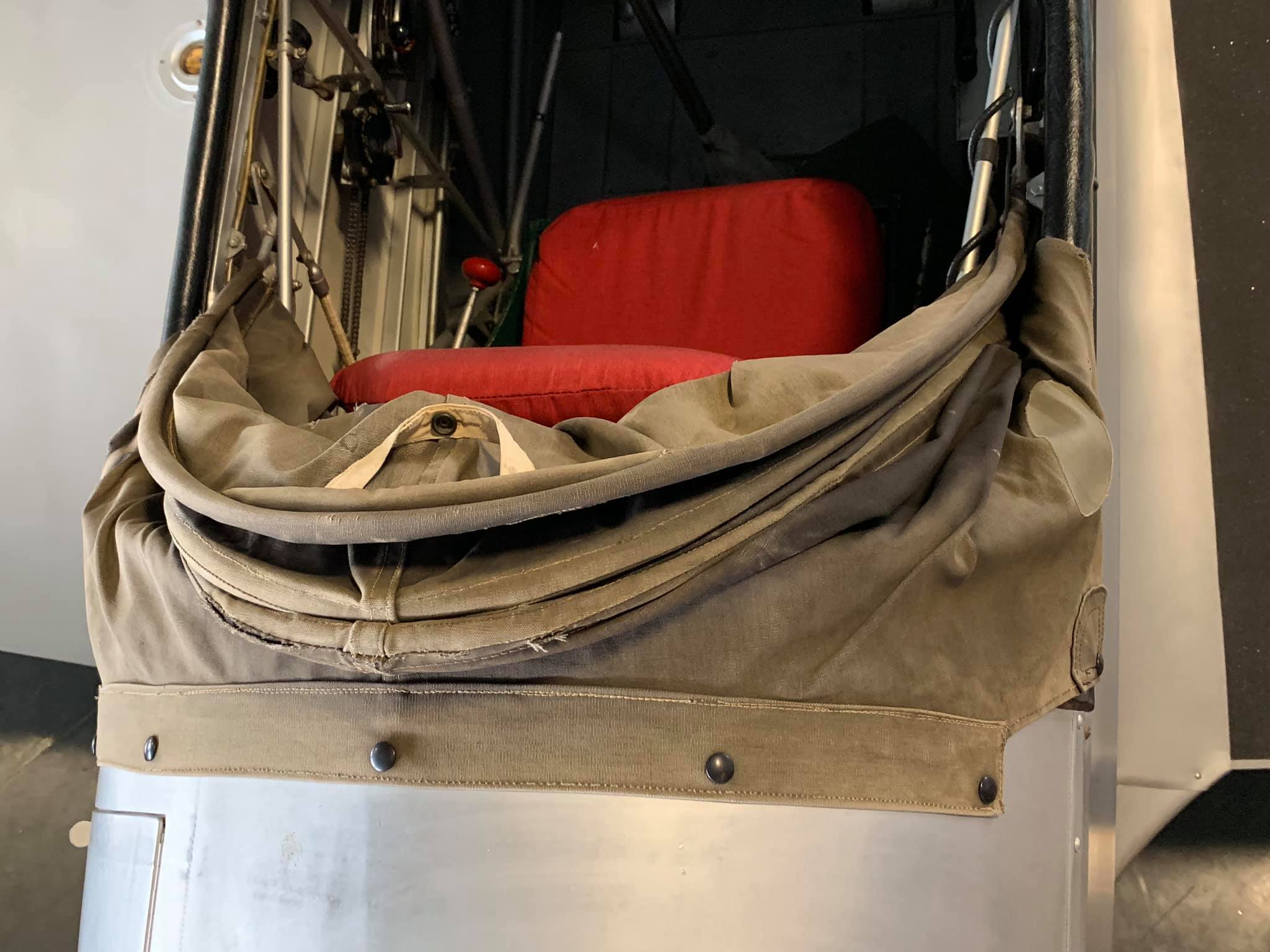
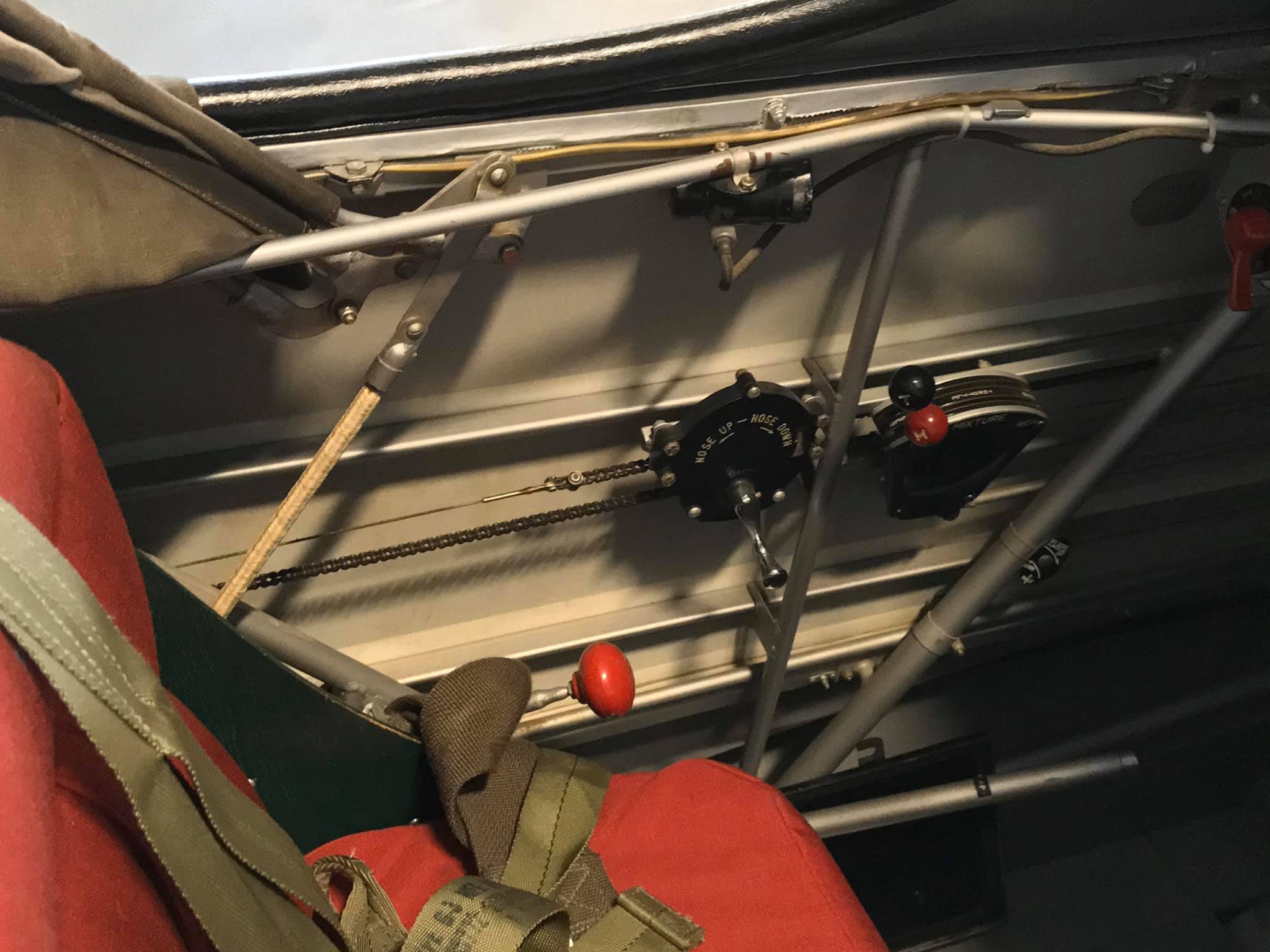
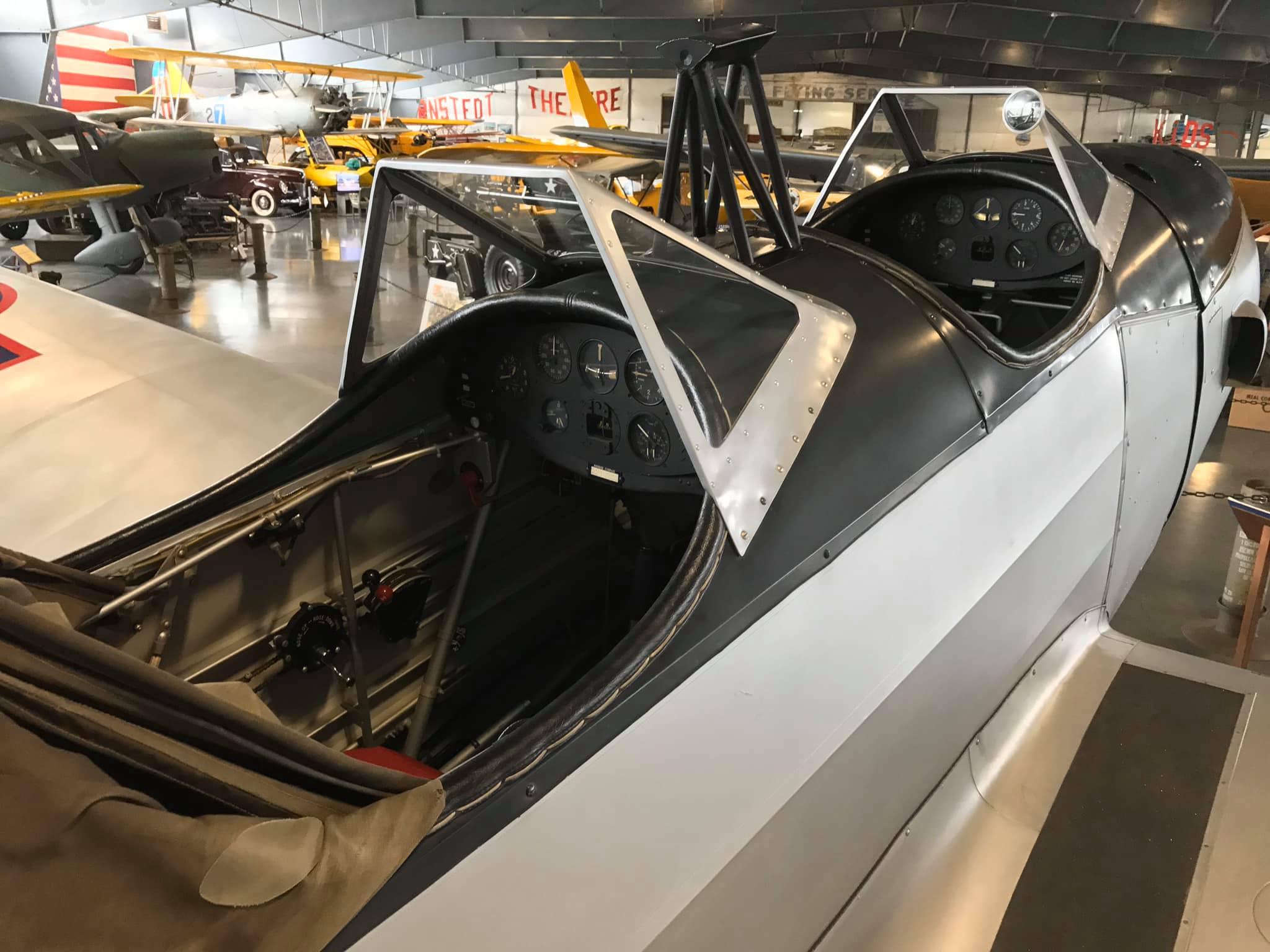
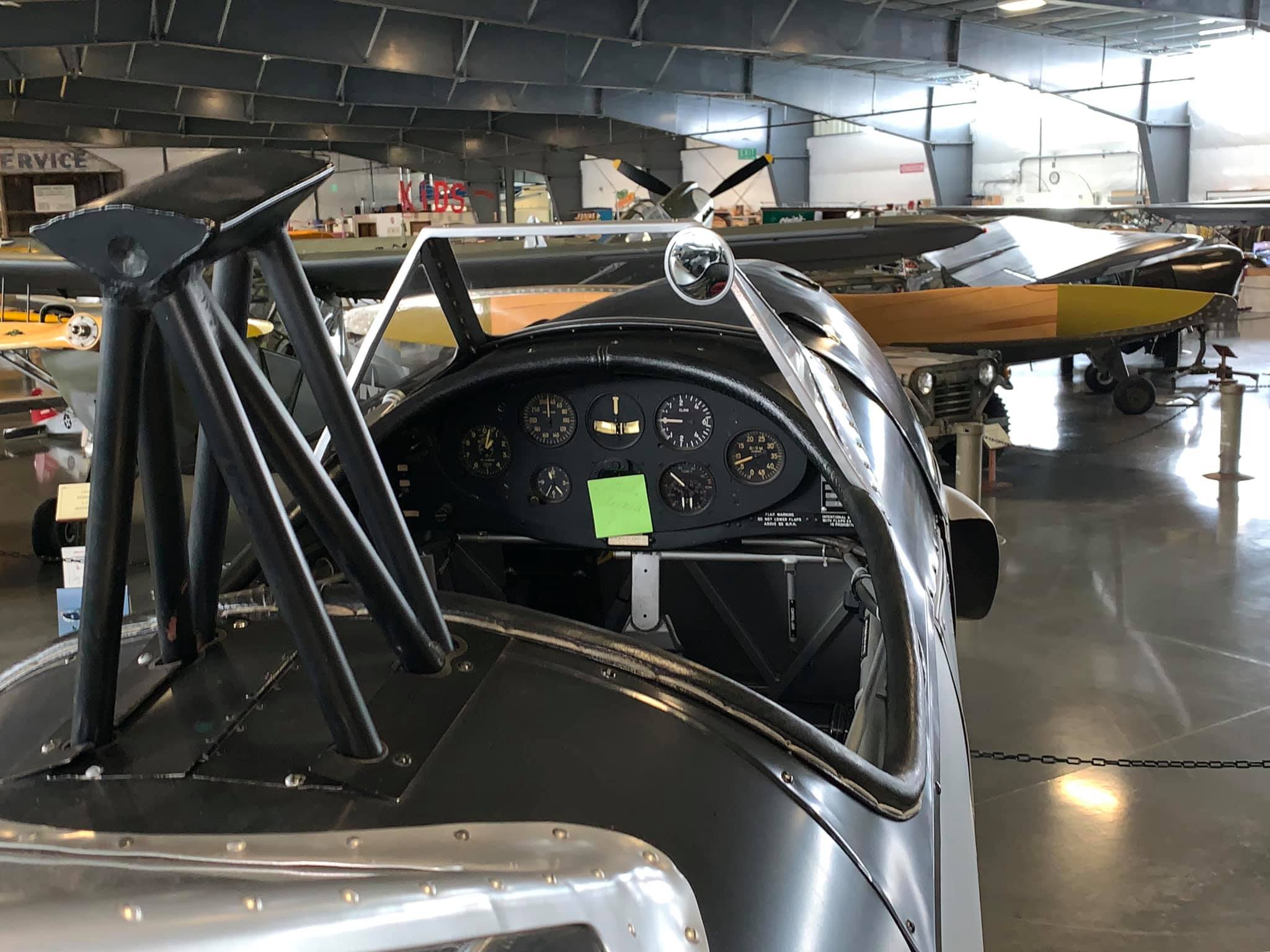
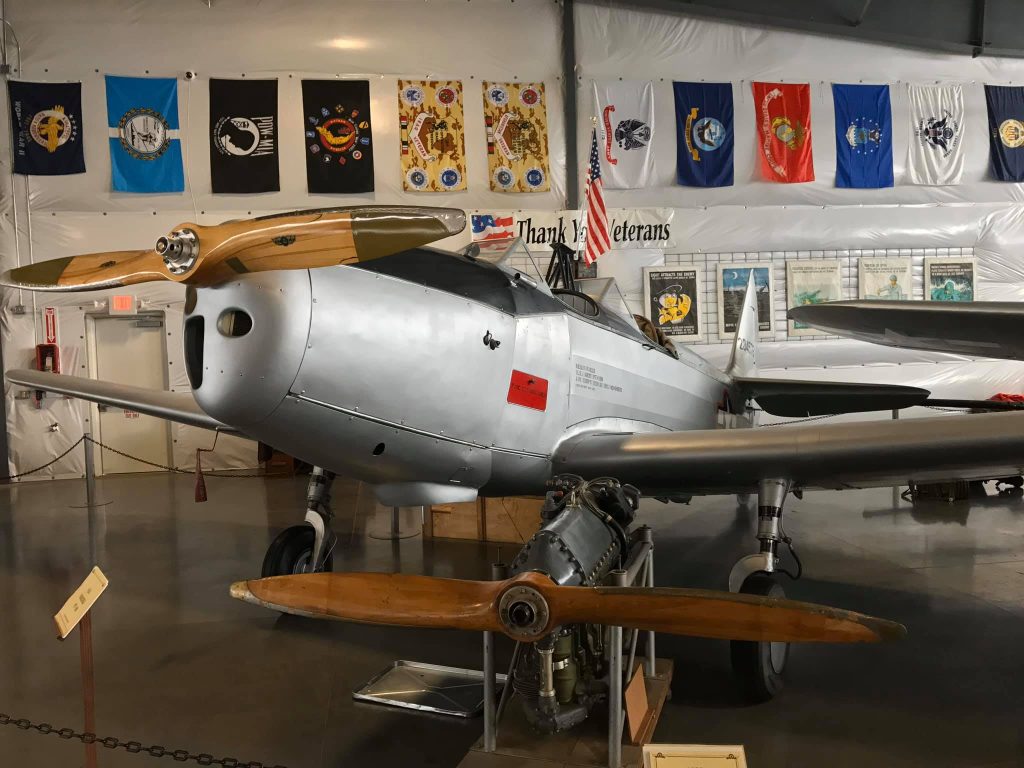
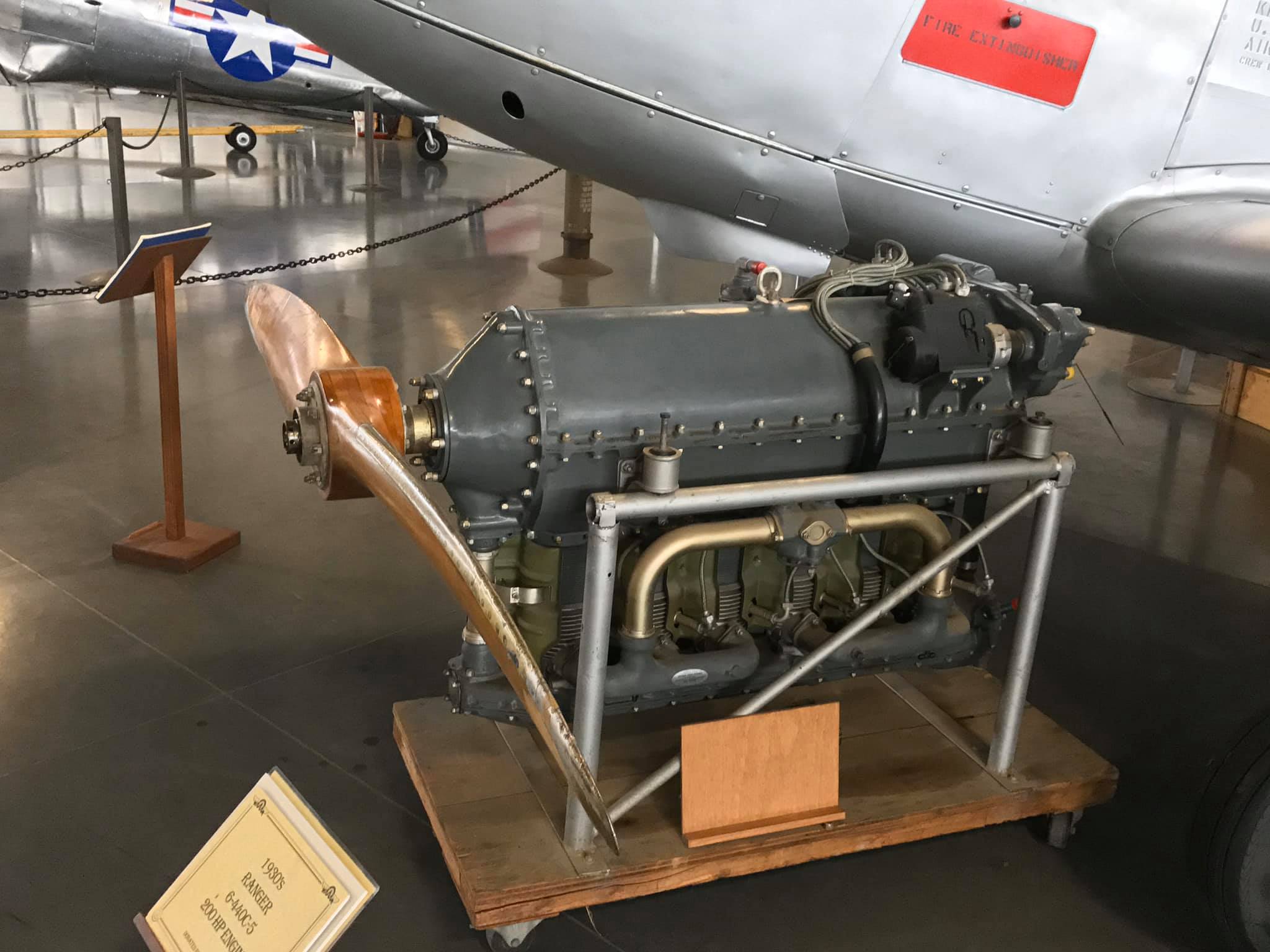
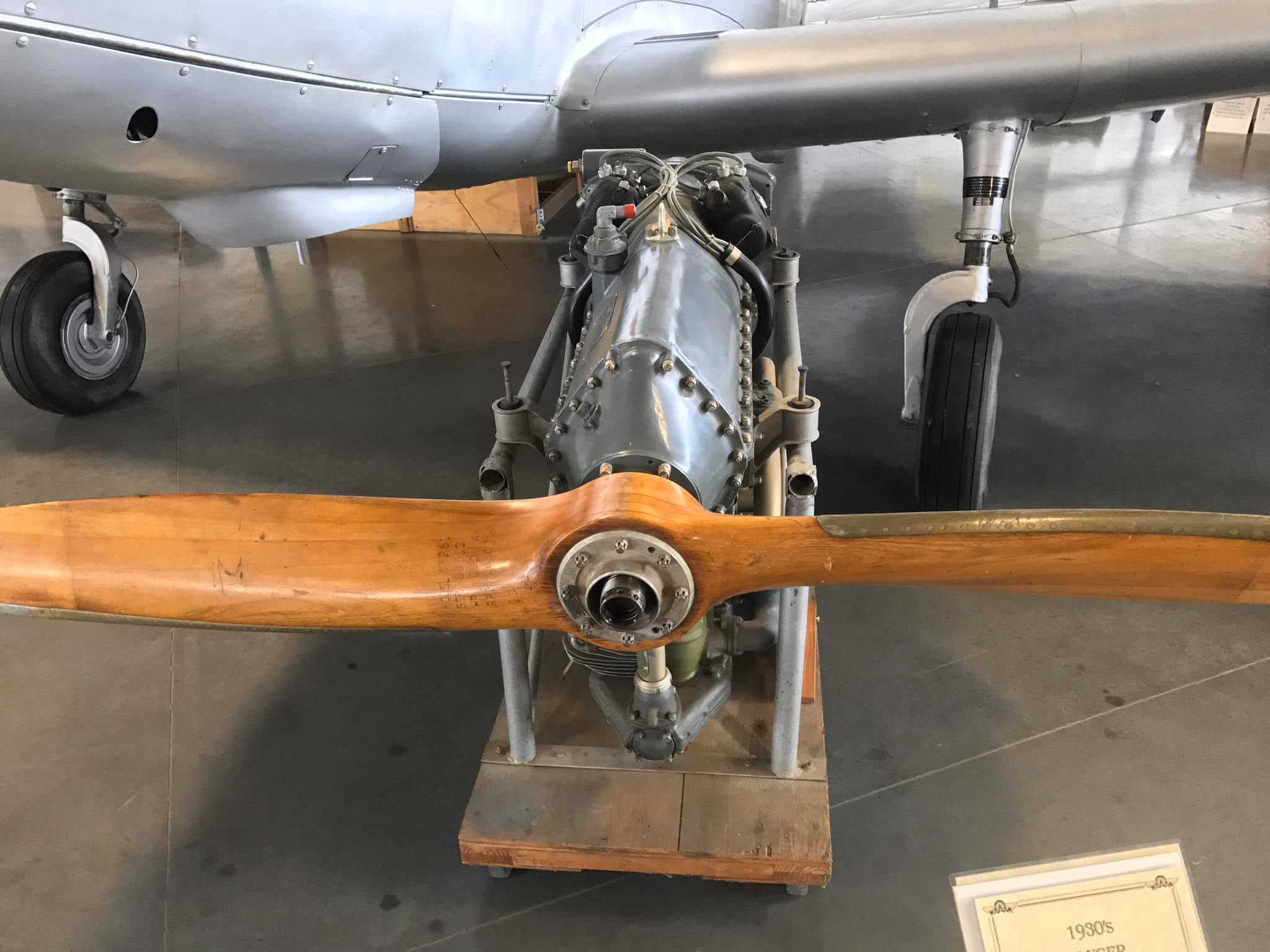
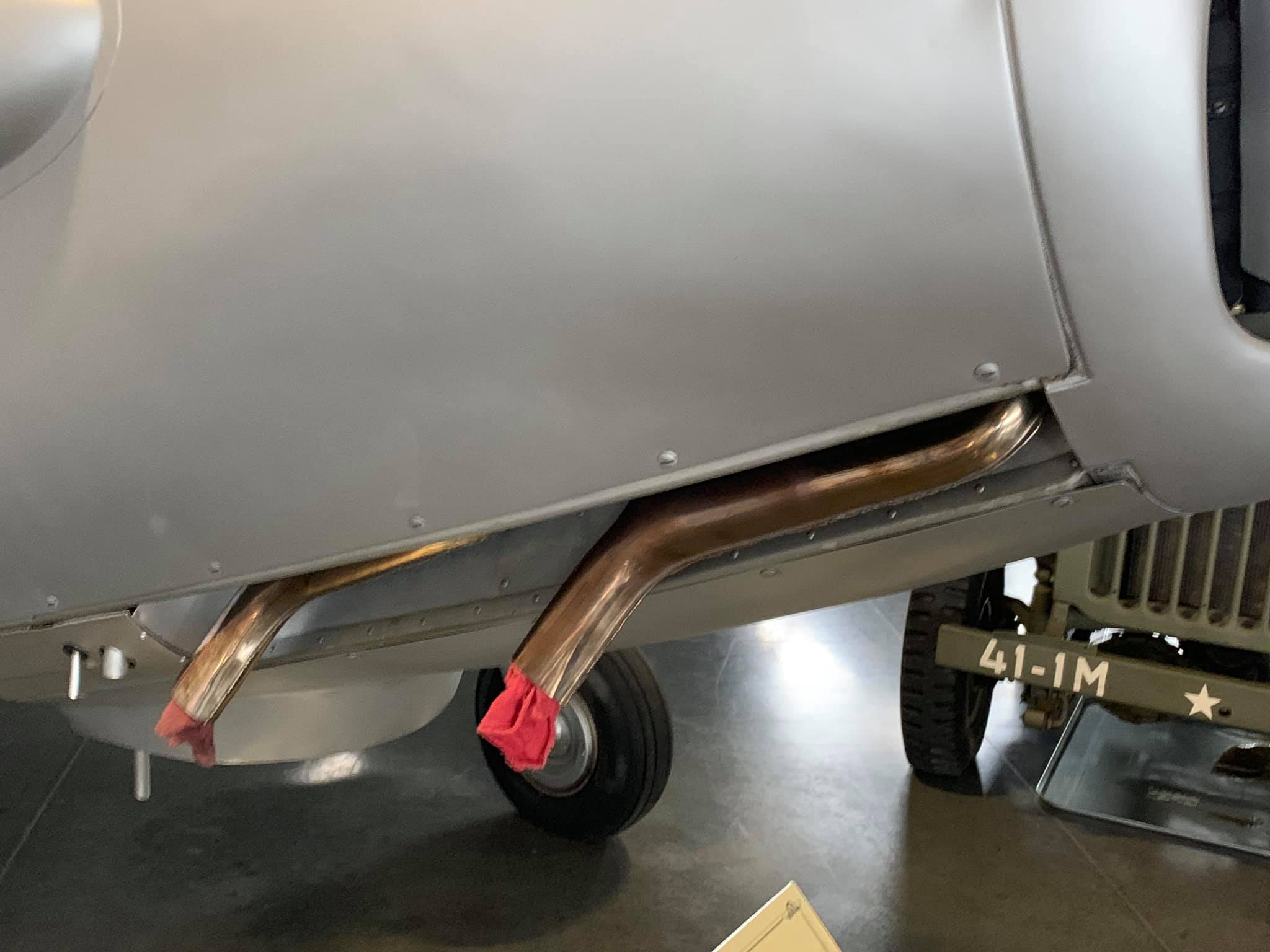
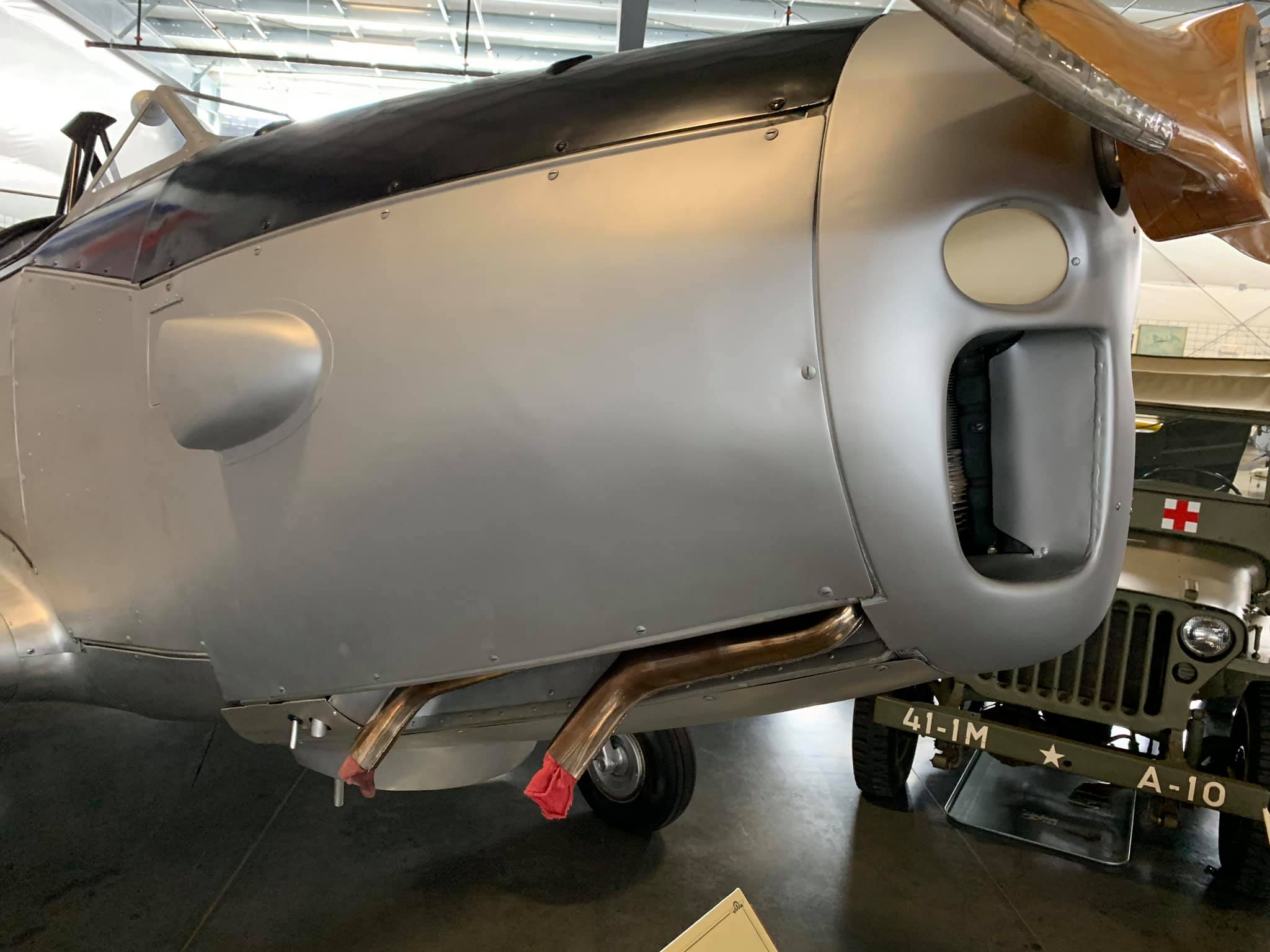
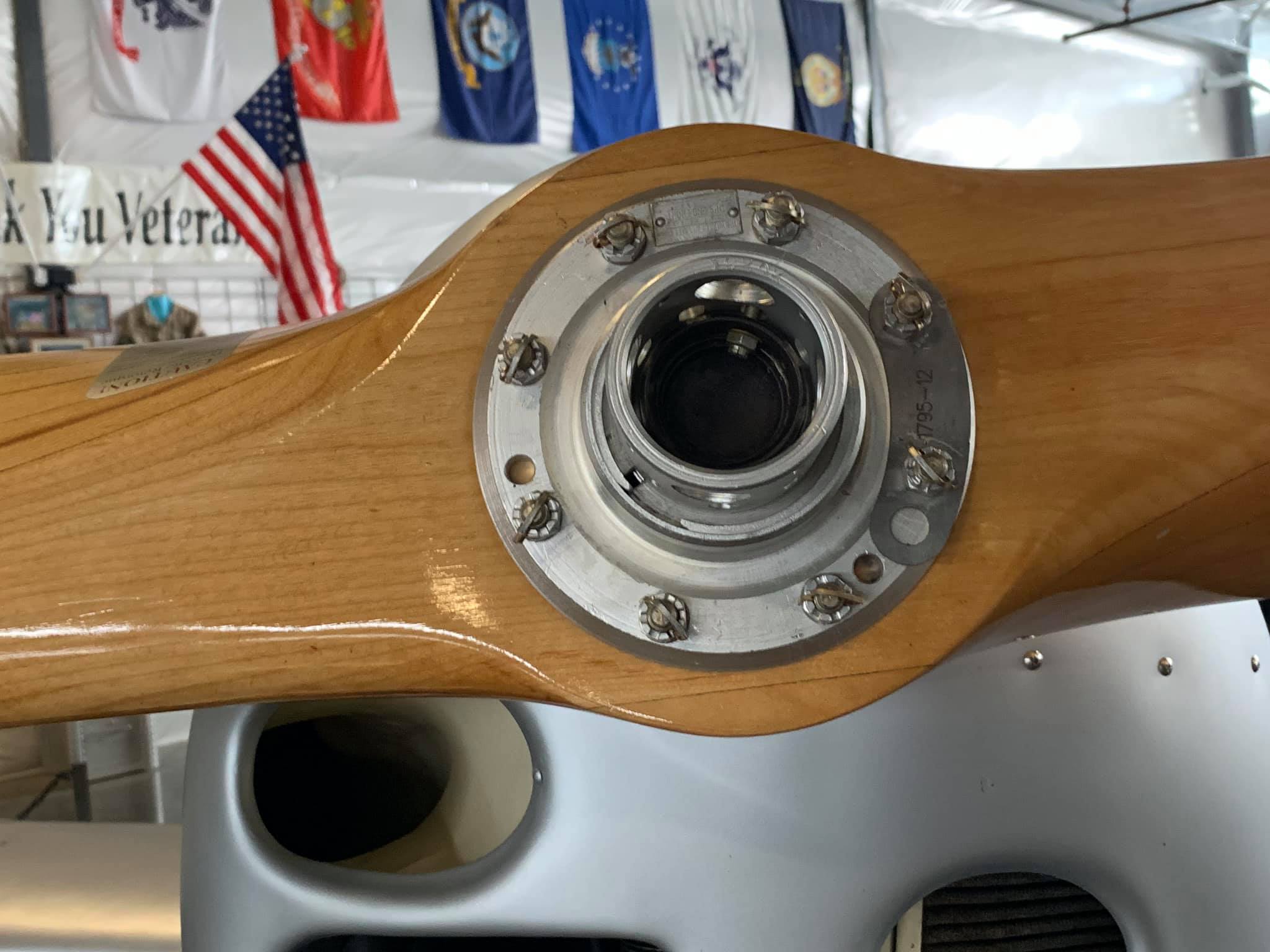
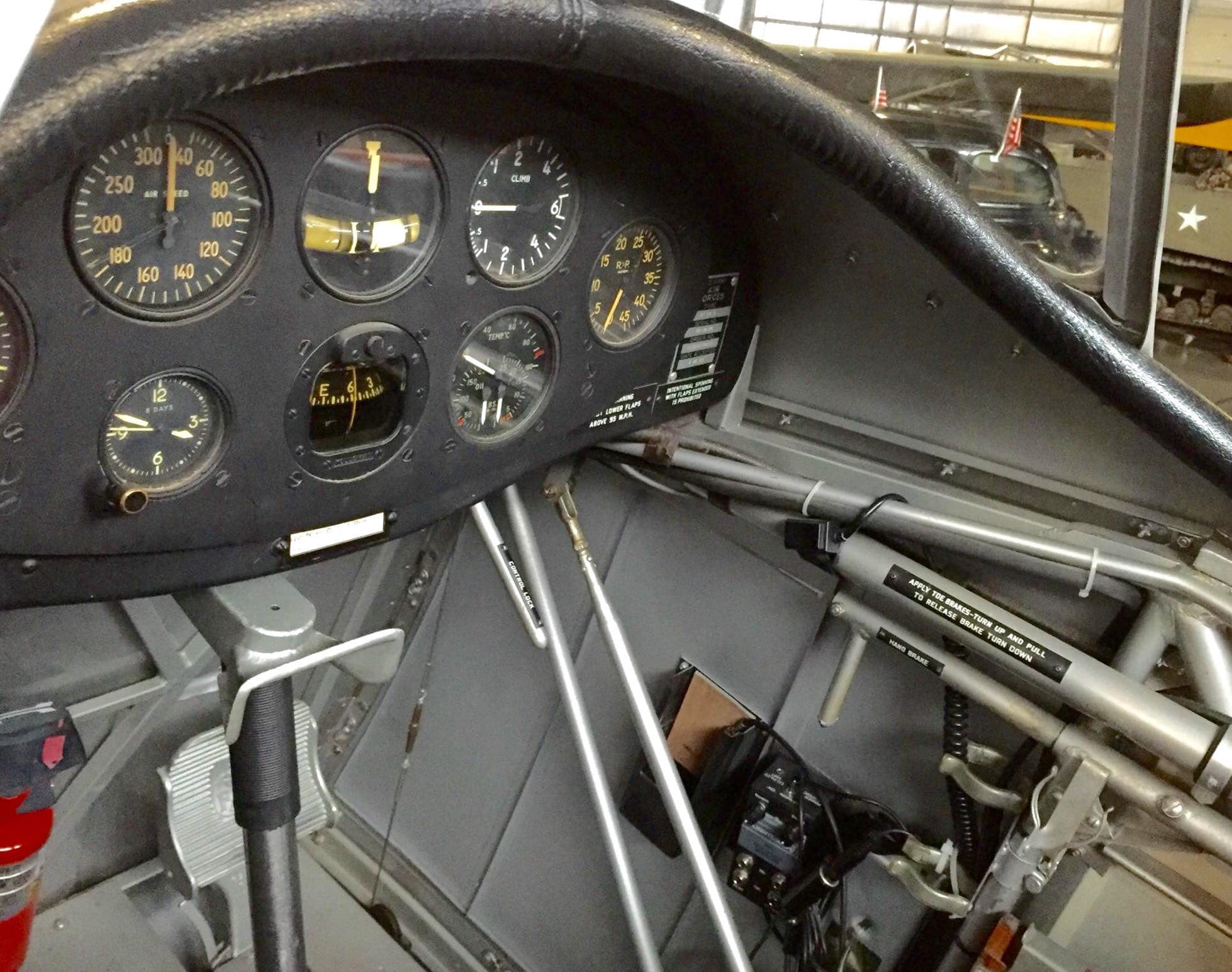
Often referred to as the “Cradle of Heroes,” the PT-19 aircraft series (including PT-23 and PT-26 variants) was developed from the Fairchild Aviation Corporation’s M-62 aircraft (which first flew in May 1939) as a primary trainer. The U.S. Army Air Corps held a competition between 17 other designs for its new training aircraft. Fairchild was awarded an initial order on September 22, 1939, and production began in 1941. Overall, more than 8,000 were produced by Fairchild, Aeronca and St. Louis Aircraft, and were flown by a long list of air forces, chief among them being the U.S. Army Air Forces and forces of the British Commonwealth (especially the British Royal Air Force and the Canadian Royal Canadian Air Force, for which they were designated the “Cornell“. The fuselage is made of fabric-covered (linen originally) welded steel tubing, while the remainder of the aircraft is of plywood construction. This “B” variant was an instrument training version, and you can see the folding hood for the rear cockpit. Powerplant: Ranger L-440-3 engine (company designation 6-440C) built by the Ranger Aircraft Division of Fairchild.
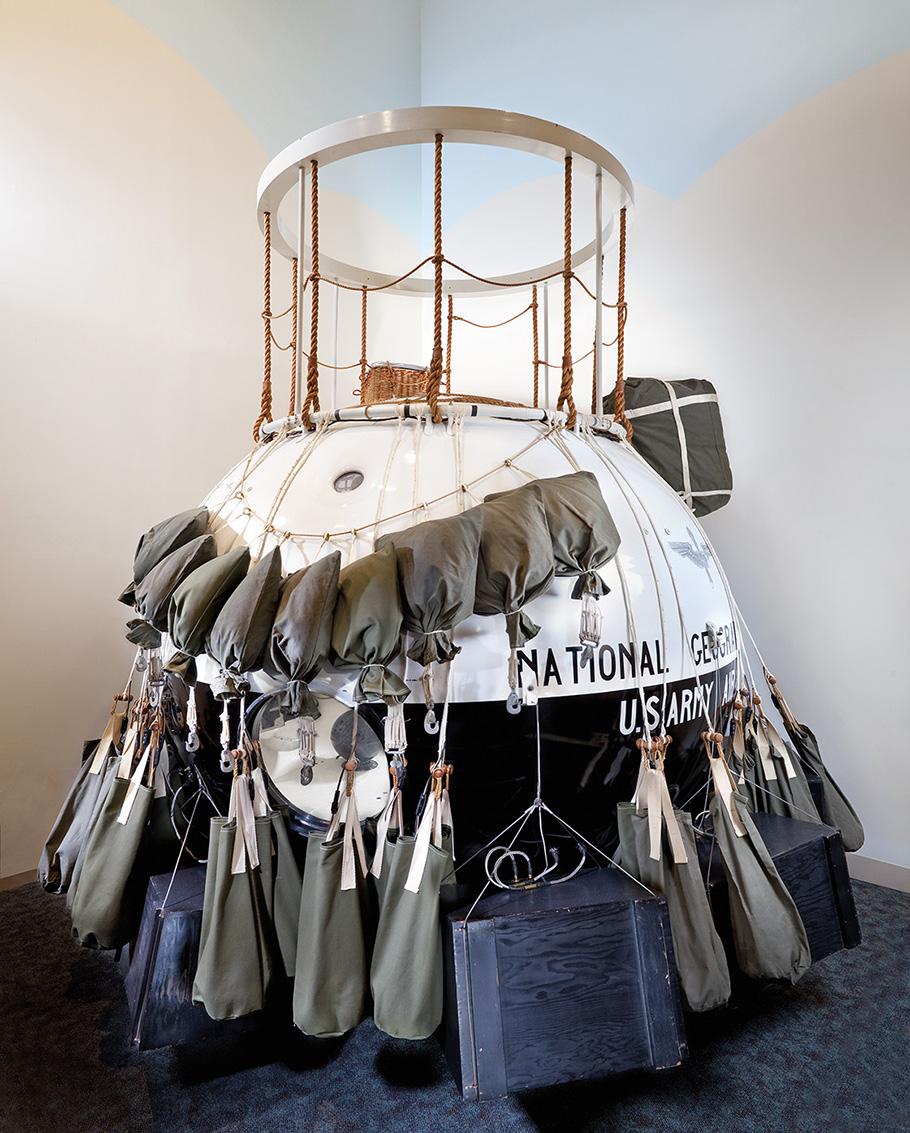
There is much more to the history of Mr. Sherman Mills’ Fairchild, but I include some basic information, particularly during the run-up to WWII. He began his contributions to aviation during WWI when he designed an improved aerial camera; however, the war came to an end, and the U.S. military establishment lost interest in the project. From this experience, he determined to form business entities before doing any more work in design and development and, over time, created holding companies and several manufacturing corporations. In 1920, Fairchild formed Fairchild Aerial Camera Corporation, and for his new corporation, he designed a camera with a shutter between the lenses. Army Air Service Co. Billy Mitchell placed an order for Fairchild’s cameras and used them to record his famous battleship aerial bombing tests of 1921, after which Fairchild’s camera became the standard at the time for the U.S. Army and Navy. Fairchild cameras continued to dominate the field and were later used in the 1935 flight of the Explorer II balloon (whose crew became the first to witness the curvature of the Earth).
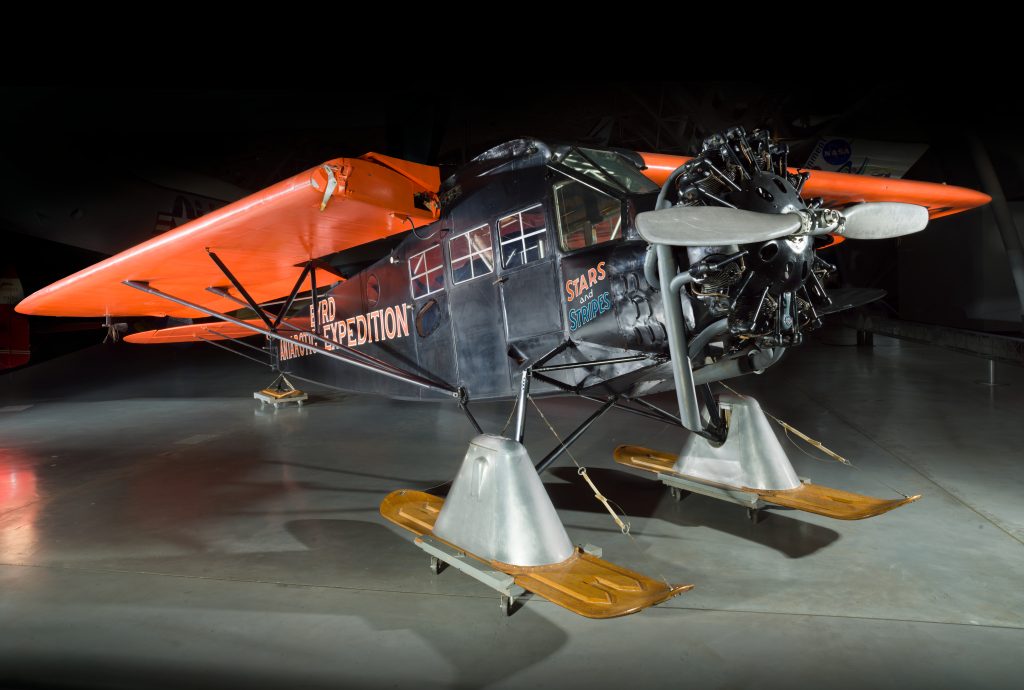
Fairchild cameras also documented millions of square miles of Axis territory during WWII. Fairchild was instrumental in the development of aerial mapping beginning when he took 100 aerial photographs of Manhattan Island and pieced them together. But he determined that photographing from existing biplanes was inadequate for his purposes and formed Fairchild Aircraft Corporation. For this corporation, he designed the FC-2, an advanced monoplane with a heated cabin and excellent visibility. Another of his aircraft helped Juan Trippe’s fledgling Pan American World Airways by flying the first load of international airmail from Key West, Florida, to Havana, Cuba. One of his FC-2W’s, a later variant, flew as “The City of New York” to circumnavigate the globe in a record-setting 23 days and 15 hours in 1928. Also in 1928, his FC-2W “Flying Telephone Booth” variant was delivered to the Bell Telephone Laboratories to test new aircraft radio systems. As a result of these successful designs, Fairchild became the world’s largest producer of cabin monoplanes at the time. His aircraft were flown in air service over the Andes in South America, and the Fairchild FC-2W “Stars and Stripes” flew as the photo reconnaissance aircraft for Richard Byrd and Brent Balchen for their 1928-29 Antarctic expedition. Fairchild formed a Canadian subsidiary, and his Model 71 was flown extensively for civilian work in Alaska and Canada, and as a military cargo and photo reconnaissance aircraft.
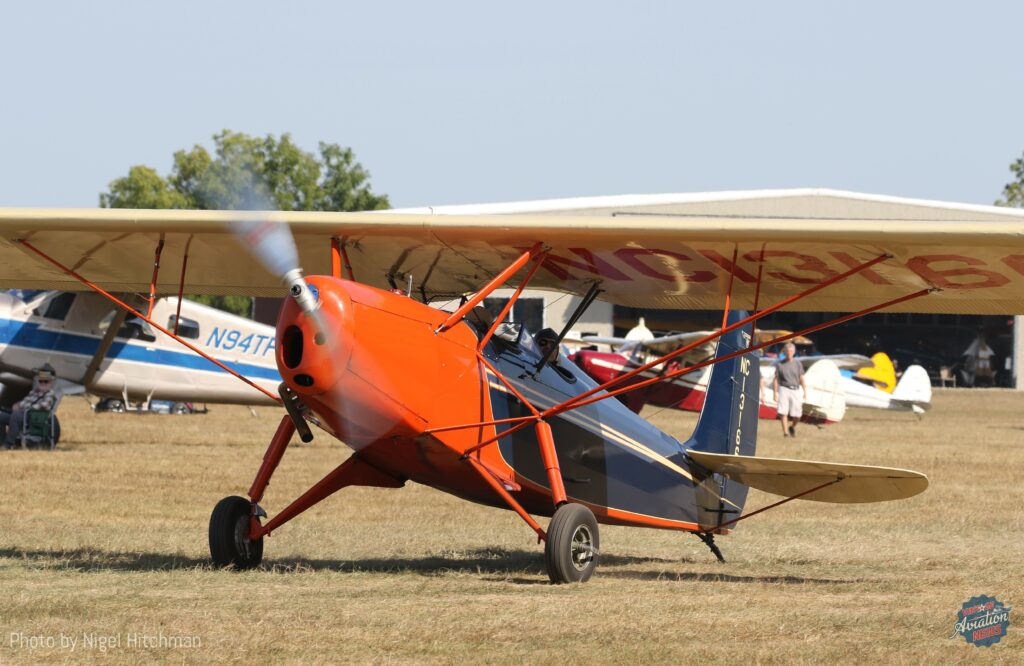
His Ranger Aircraft Division then designed and produced the “Ranger” engine. When he bought an interest in West Indian Aerial Express (operating between Cuba and Puerto Rico), Fairchild was elected as a director of Pan American Airways. By 1929, this holding company had greatly expanded to include many airlines, taxi services and training schools. The stock market crash of 1929 and resulting Great Depression took a big toll on the aviation industry, and Fairchild developed a 10-passenger airliner during this time of the decline of air transportation. He kept his business interests alive by designing the Model 22 parasol monoplane and the Model 24, the former of which he dubbed “the queen of the parasols,” and promised safety and ease of maintenance. (The Santos-Dumont Demoiselle was the first parasol aircraft; I have two photos of one I saw in Michigan in 1965).
In September 1939, the M-62 won a competition at Wright Field in Dayton, Ohio, against 17 other designs. As a result, orders came in by which the aircraft type became the U.S. Army’s primary trainer at the time, and twelve PT-19s a week began rolling out of the Fairchild Hagerstown, Maryland, factory. Following America’s entry into WWII, Fairchild could no longer meet the demand for PT-19s, so production licenses were issued to Howard Aircraft, St. Louis Aircraft, and Aeronca. By the end of WWII, a total of 8,130 PT-19s and related PT-23s and PT-26s had been produced and served in the United States, Canada, Great Britain, Norway, Latin America, and Rhodesia. Prior to the U.S. entry into WWII, Kelly Field in San Antonio, Texas, was one of two primary cadet training fields in the U.S.
About the author
 Randy Malmstrom grew up in a family steeped in aviation culture. His father, Bob, was still a cadet in training with the USAAF at the end of WWII but did serve in Germany during the U.S. occupation in the immediate post-war period, where he had the opportunity to fly in a wide variety of types that flew in WWII. After returning to the States, Bob became a multi-engine aircraft sales manager and, as such, flew a wide variety of aircraft; Randy frequently accompanied him on these flights. Furthermore, Randy’s cousin, Einar Axel Malmstrom, flew P-47 Thunderbolts with the 356th FG from RAF Martlesham Heath. He was commanding this unit at the time he was shot down over France on April 24th, 1944, and spent the rest of the war as a prisoner of war. Following his repatriation at war’s end, Einar continued his military service, attaining the rank of Colonel. He was serving as Deputy Wing Commander of the 407th Strategic Fighter Wing at Great Falls AFB, MT at the time of his death in a T-33 training accident on August 21, 1954. The base was renamed in his honor in October 1955 and continues to serve in the present USAF as home to the 341st Missile Wing. Randy’s innate interest in history in general, and aviation history in particular, plus his educational background and passion for WWII warbirds, led him down his current path of capturing detailed aircraft walk-around photos and in-depth airframe histories, recording a precise description of a particular aircraft in all aspects.