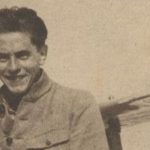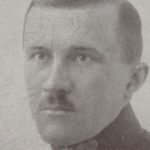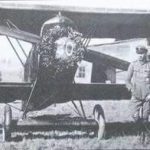
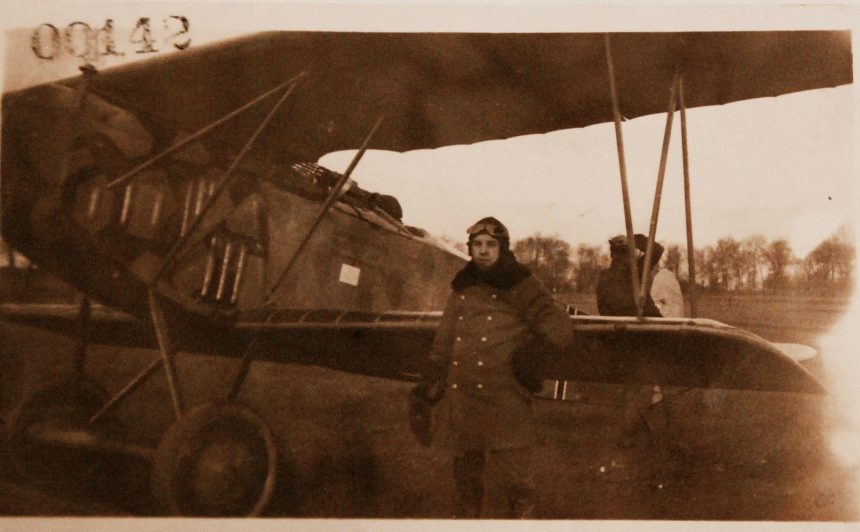

During WWI, there was an ace who, despite being from Prussia, was put into a Saxon fighter unit. Karl Thom, born on May 19, 1893, in West Prussia, began his military service by joining Hussar Regiment Number 5 in 1911. When WWI started, he was serving with Mounted Rifle Regiment Number 10 and was wounded for the first time in November 1914. After recovering, Thom joined the Air Service. His first job was to fly a two-seater reconnaissance plane for FFA 216. He patrolled near the Vosges until he was injured in a crash in May 1916. Once he recovered, Karl Thom was assigned to FFA 48. He was captured there when he was forced to land. He received the Iron Cross First Class for his escape. Thom then returned to duty for a short time with FFA 234 before transferring again.
Ace Journey of Karl Thom
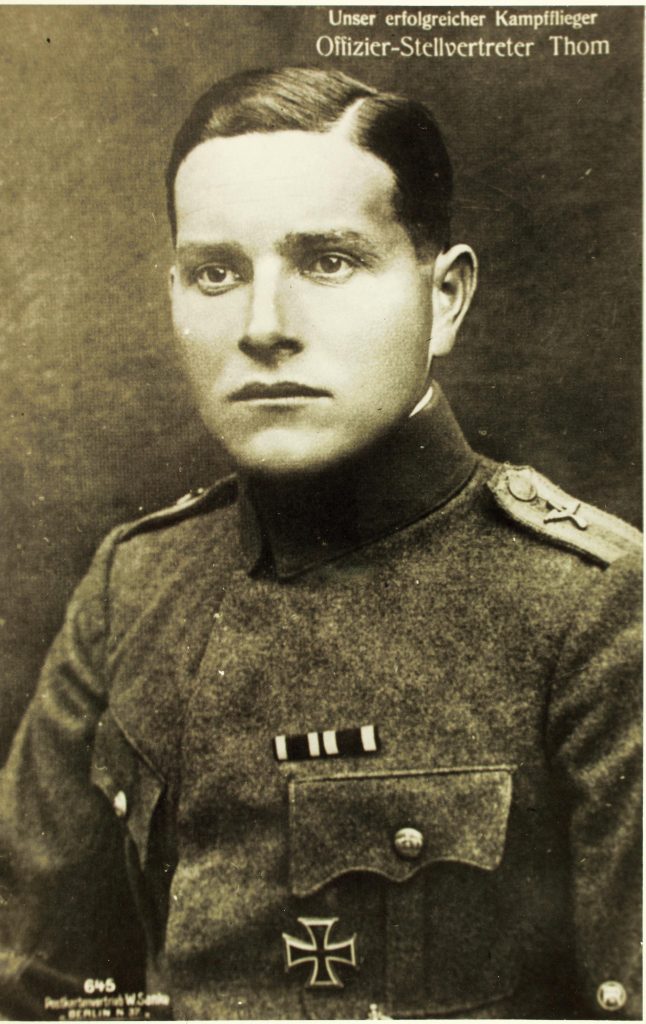
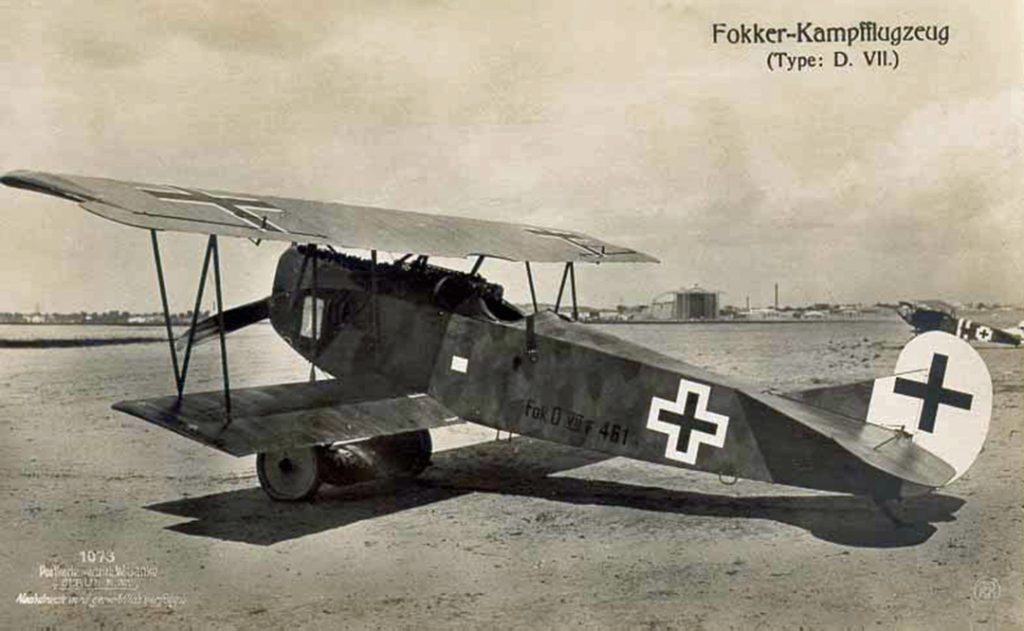
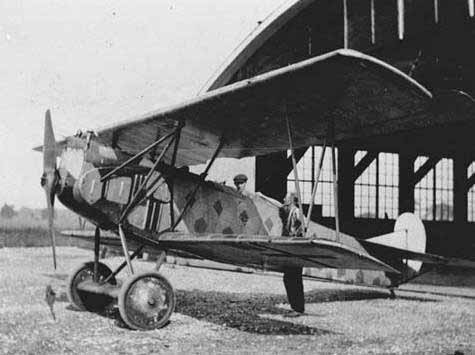
In May 1917, Karl Thom was transferred to a Saxon fighter unit called Jagdstaffel 21, despite being a Prussian. He flew an Albatros D.V in this unit. He scored his first victory on August 22. After scoring three victories in September, on the 18th of that month, he shot down three aircraft in a single day, becoming an ace. He scored five more victories in September, bringing his score to 12. On October 11, Thom was awarded the Military Merit Cross, the highest bravery award for enlisted men in Prussia and Germany. Karl Thom had also been awarded the Member’s class of the Royal House Order of Hohenzollern. His 13th victory came on October 29, followed by another on December 1. On December 23, Thom was wounded in action when he was shot in the leg. He recovered by mid-1918, and upon returning to Jasta 21, he began flying a Fokker D.VII. In June, Thom shot down five enemy aircraft, followed by six more victories in July. Some unconfirmed reports credit him with shooting down Quentin Roosevelt, the youngest son of President Theodore Roosevelt, on Bastille Day, July 14, 1918. Karl Thom ended his career with one victory on August 1 and another on August 4. With 27 confirmed victories, he became the top ace for Jasta 21. Most of his victories were against the French.
Postwar and Death
On August 11, Karl Thom was badly hurt in the hip and taken to the hospital. While still in the hospital on November 1, he was awarded the Pour le Mérite, Germany’s highest award for commissioned officers. He rejoined Jasta 21 on November 6. Three days later, he crashed and suffered multiple fractures. Just two days after that, the Armistice ended WWI. After WWI, Karl Thom helped return surrendered German airplanes to Allied forces in Coblenz. He returned to the Luftwaffe to serve in WWII. From July to September 1944, he was in charge of Fliegerhorst-Kommandantur A (o) 4/I, and then he led Fliegerhorst-Kommandantur E (v) 217/I until October 1944. But his death is unclear. Karl Thom disappeared under unclear circumstances on March 3, 1945, in Pillau, East Prussia. Some records say he died from his wounds in a hospital in Pillau around March 3, 1945. Pillau was home to the Russian Baltic Fleet, so he might have been wounded in battle, captured, and then died from his injuries. In the Aces series, Karl Thom was a brave and talented ace who served his country in both World Wars, despite being injured. Read stories about more Aces HERE.