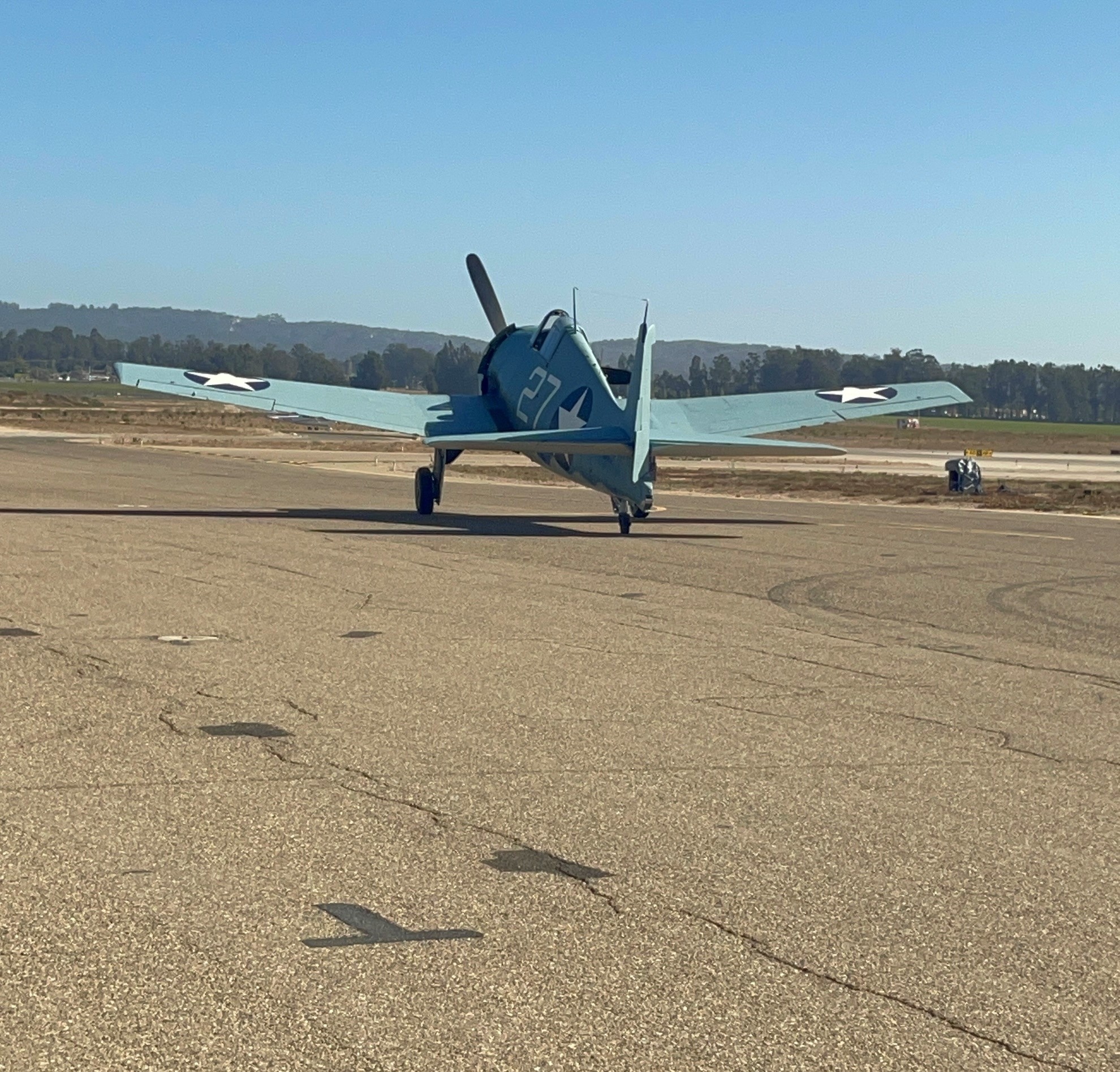
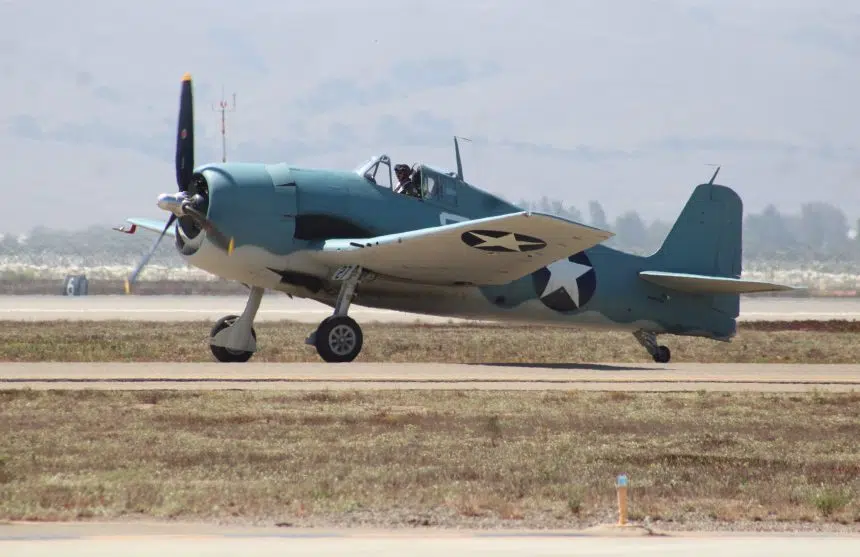

Following the publication of our recent article on the restoration and return to flight of Grumman F6F-3 Hellcat BuNo 08825, one of our readers, Jack Cook, reached out to inform us that there were numerous errors in recounting the history of what is currently the oldest surviving example of the F6F Hellcat. In the interest of transparency and with the permission of Jack Cook, we will not only be correcting the original article, but also adding this piece to explain the corrections we have now made.
In the original story, we mention that after its delivery to the United States Navy on April 23, 1943, and its subsequent assignment to Naval Air Station Alameda, California, the aircraft was sent to Fighter Squadron 4 (VF-4). While VF-4 does appear on 08825’s record card, the aircraft never actually flew with VF-4, which spent its time serving on the aircraft carrier USS Ranger (CV-4) in the Atlantic Fleet, conducting air strikes on German naval targets off occupied Norway. After USS Ranger returned to the United States in December 1943, Air Group 4 and VF-4 stayed with the Ranger until April 1944, when the unit served at Naval Auxiliary Air Facility Ayer (later Moore Army Airfield), Massachusetts, until being sent to Naval Auxiliary Air Station Brown Field near San Diego, California, on July 1, 1944, before being reassigned to Hilo, Hawaii, and then going aboard the carrier USS Bunker Hill (CV-17) in November 1944. Based on the timeframes listed here, BuNo 08825 could not have been assigned to VF-4, despite the squadron code being recorded on its USN record card.

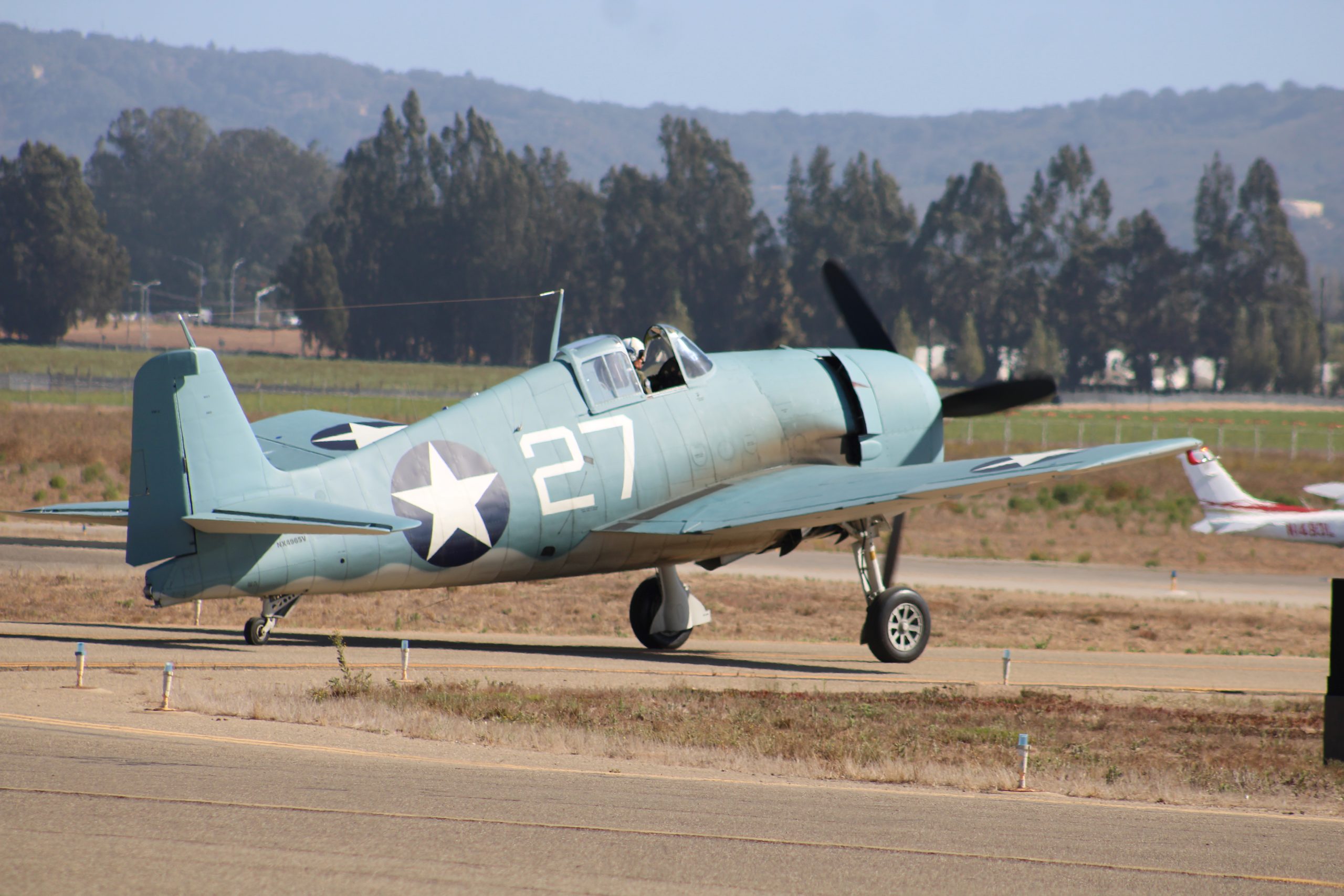
Secondly, although we mentioned Hellcat BuNo 08825 was aboard the escort carrier USS Sangamon (CVE-26) as part of VF-37, we did not include that BuNo 08825 is, in fact, a combat veteran. Serving with VF-37 aboard USS Sangamon, F6F-3 Hellcat BuNo 08825 and her fellow Hellcats provided fighter cover for numerous amphibious landings in the Pacific Theater of Operations, from the Battle of Kwajalein (31 January – 3 February 1944), the Battle of Eniwetok in February 1944, the Landing at Aitape in April 1944, the invasion of Saipan in June 1944 and the liberation of Guam from July to August 1944. During this time, BuNo 08825 also participated in numerous combat air patrols throughout the first half of 1944 in concurrence with the amphibious operations she helped support.

Following BuNo 08825’s decommissioning and its subsequent civilian owners, Jack Cook informs us that Bill Compton acquired BuNo 08825/N4965V from Alaskan Airlines following company president Charles F. Willis Jr.’s dismissal from the company in 1972, and that while Compton lived near Canby, Oregon, he kept the Hellcat hangared at Lenhardt Airpark near Hubbard, Oregon, though Bill Compton had a small airstrip on his farm for light aircraft such as a Piper J-3 Cub or a Cessna 170.

In looking back on the accident that grounded N4965V for 49 years, Cook explains that on June 12, 1977, the engine stopped midflight because of fuel exhaustion. Prior to the flight, Compton had repaired N4965V’s fuel selector valve. But when he reinstalled the selector valve, it was reassembled incorrectly, meaning that in order to get fuel flowing to the engine, Compton would have had to select the off position. We thank Jack Cook for bringing this to our attention. We should mention that Cook has previously written a detailed account of F6F-3 Hellcat BuNo 08825’s history and was a longtime friend of Bill Compton.