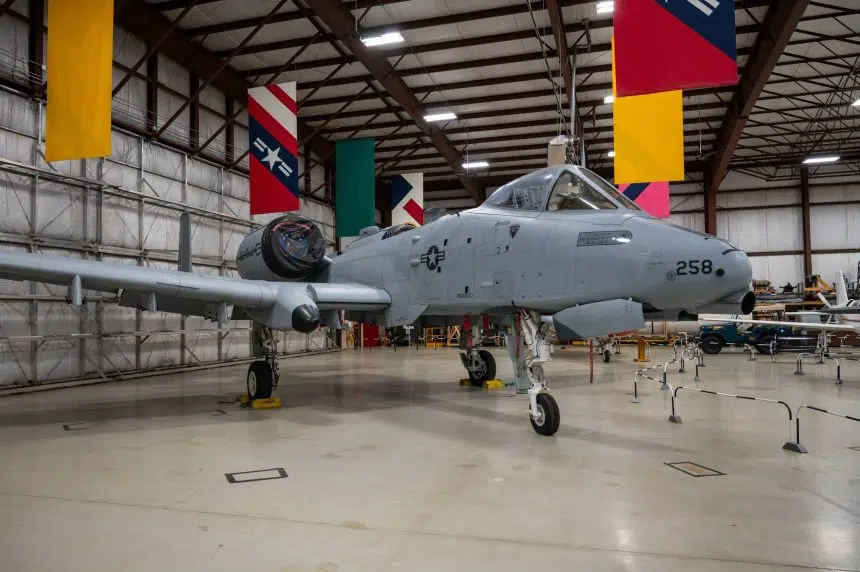

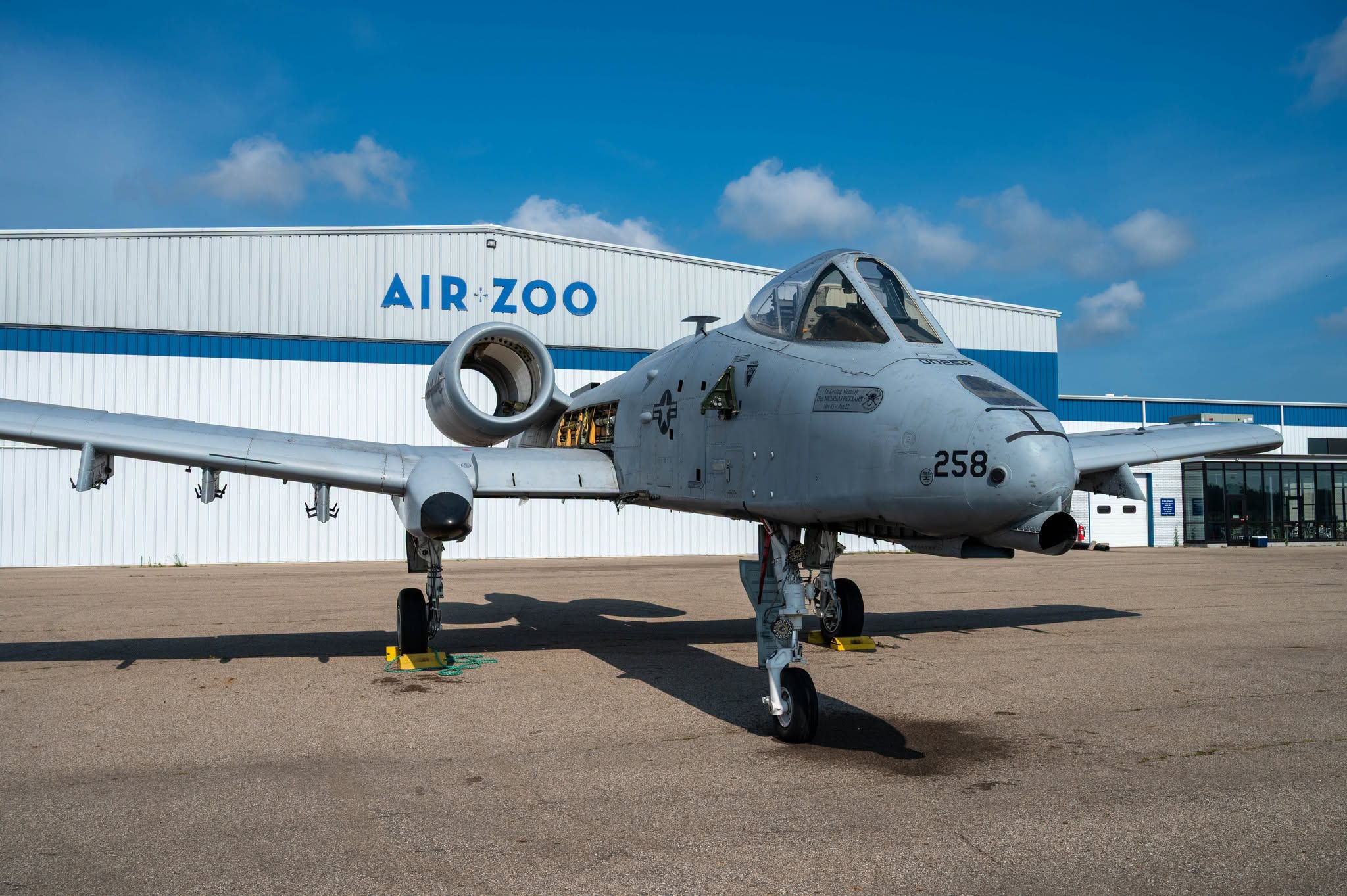
For the last year now, the Air Zoo of Kalamazoo, Michigan has worked to secure a Fairchild-Republic A-10C Thunderbolt II and reconfigure it for permanent display at Michigan’s most well-known aerospace museum. Now, the aircraft that has served the U.S. Air Force and the Michigan Air National Guard for more than 30 years and braved missiles over Iraq during Operation Iraqi Freedom has at last been placed on display to serve as a lasting tribute to the men and women who flew and maintained this aircraft, and to the incredible of its survival following a direct hit by an air-to-air missile in the skies of Iraq.
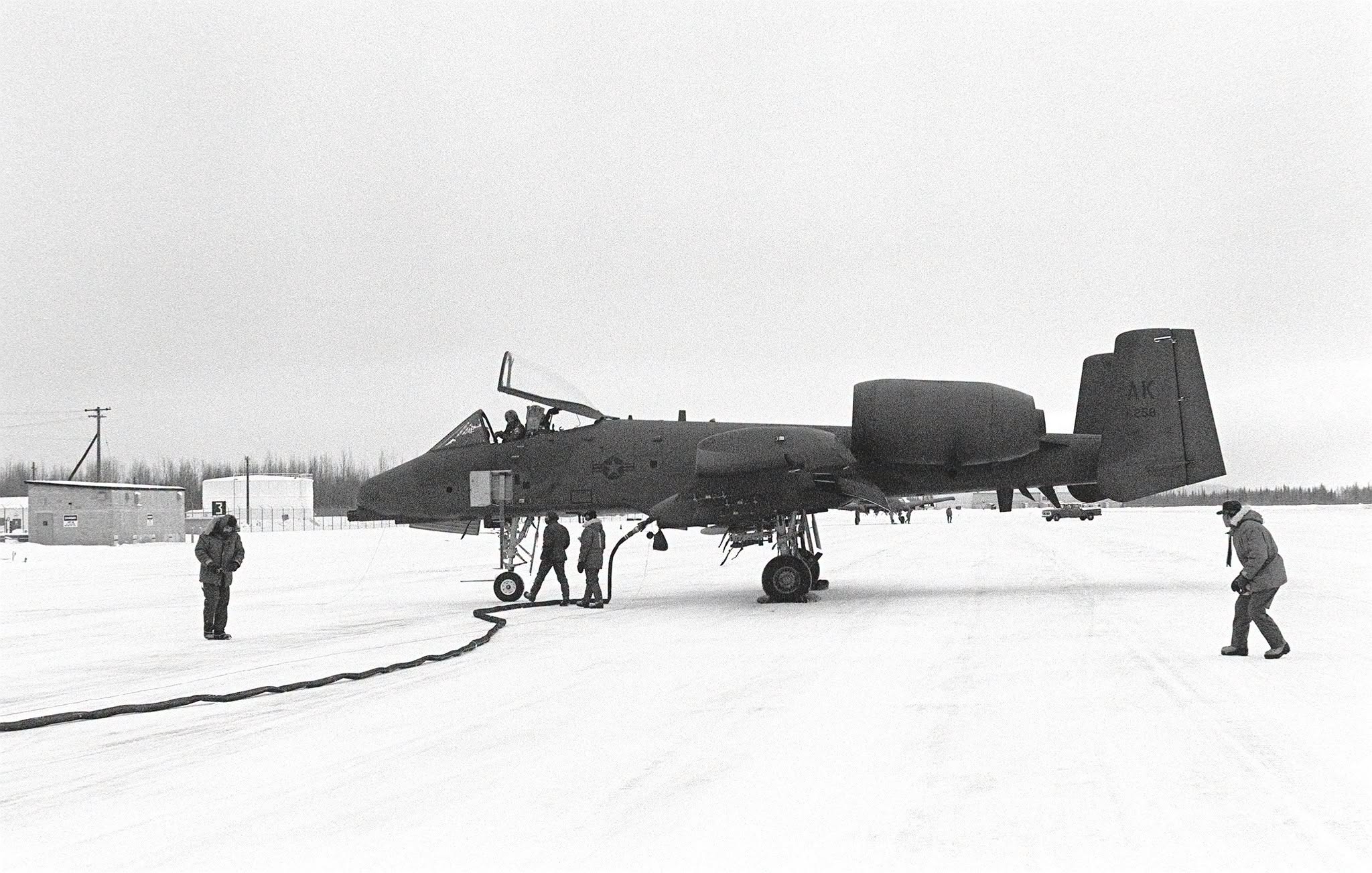
The A-10 Thunderbolt II “Warthog” that has made its way to Kalamazoo started life as an A-10A model, construction number 0608, and was accepted by the U.S. Air Force as serial number 80-0258. During the aircraft’s service life, 80-0258 was flown as an OA-10A for use not only as an attack aircraft but also for airborne forward air control (FAC). Much of 80-0258’s operational service was spent with the 110th Wing of the Michigan Air National Guard, which flew as the 110th Fighter Group, then the 110th Fighter Wing while flying the A-10 Thunderbolt II.
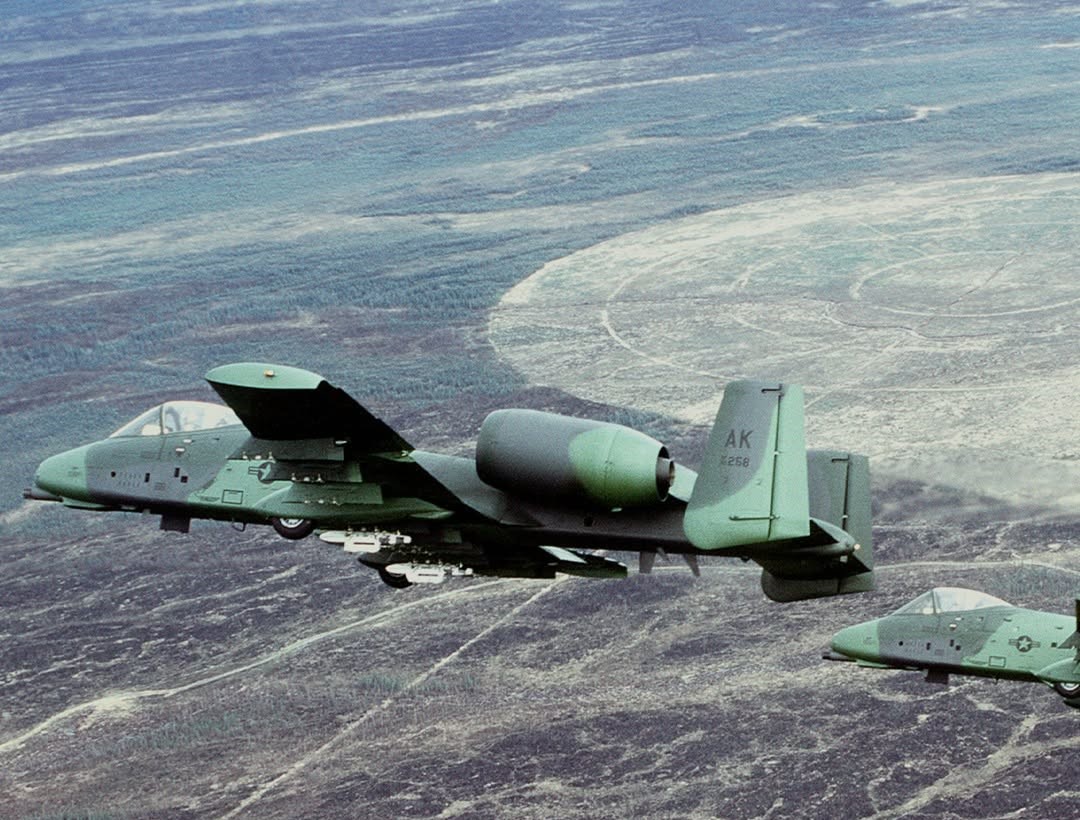
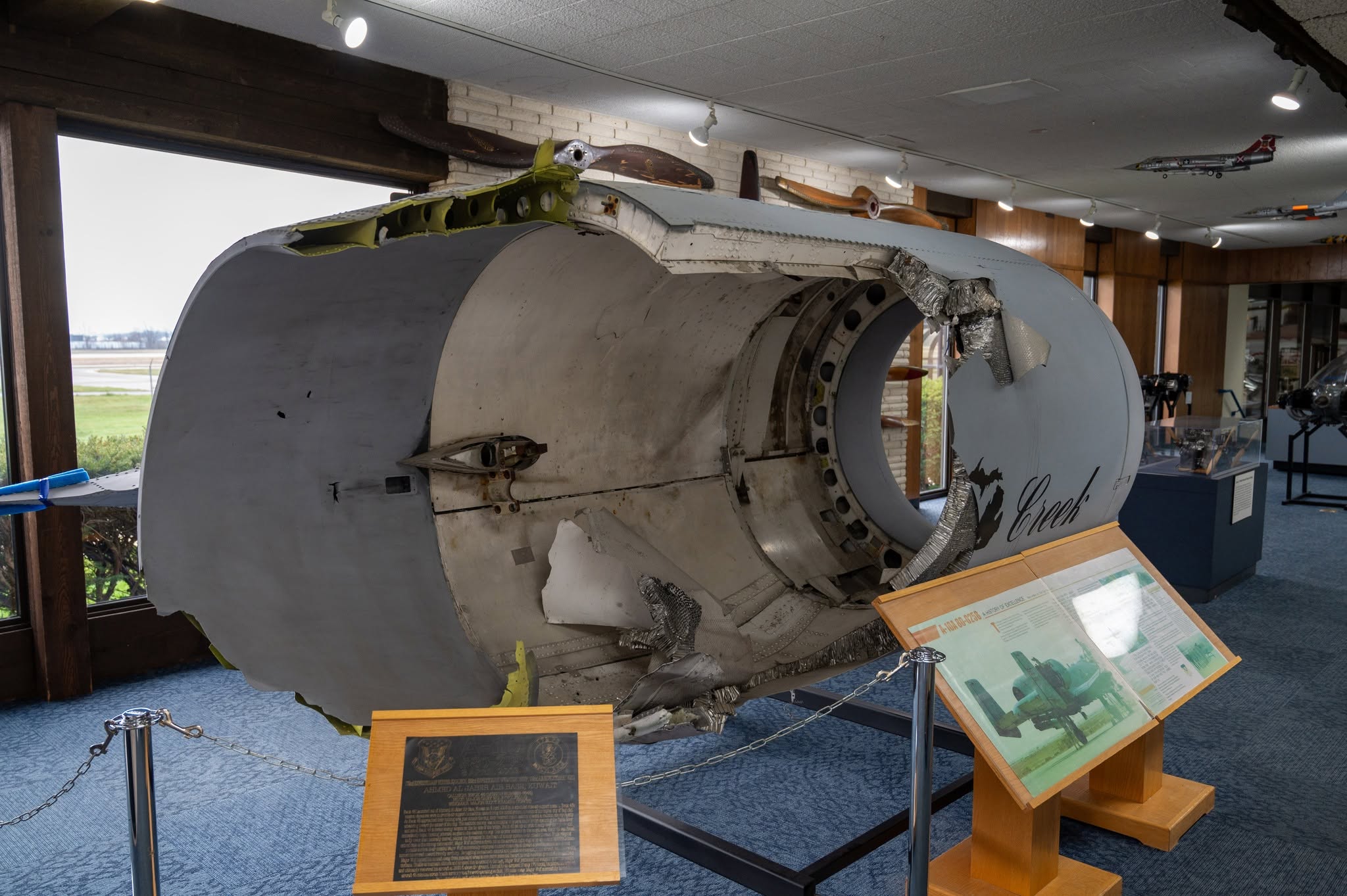
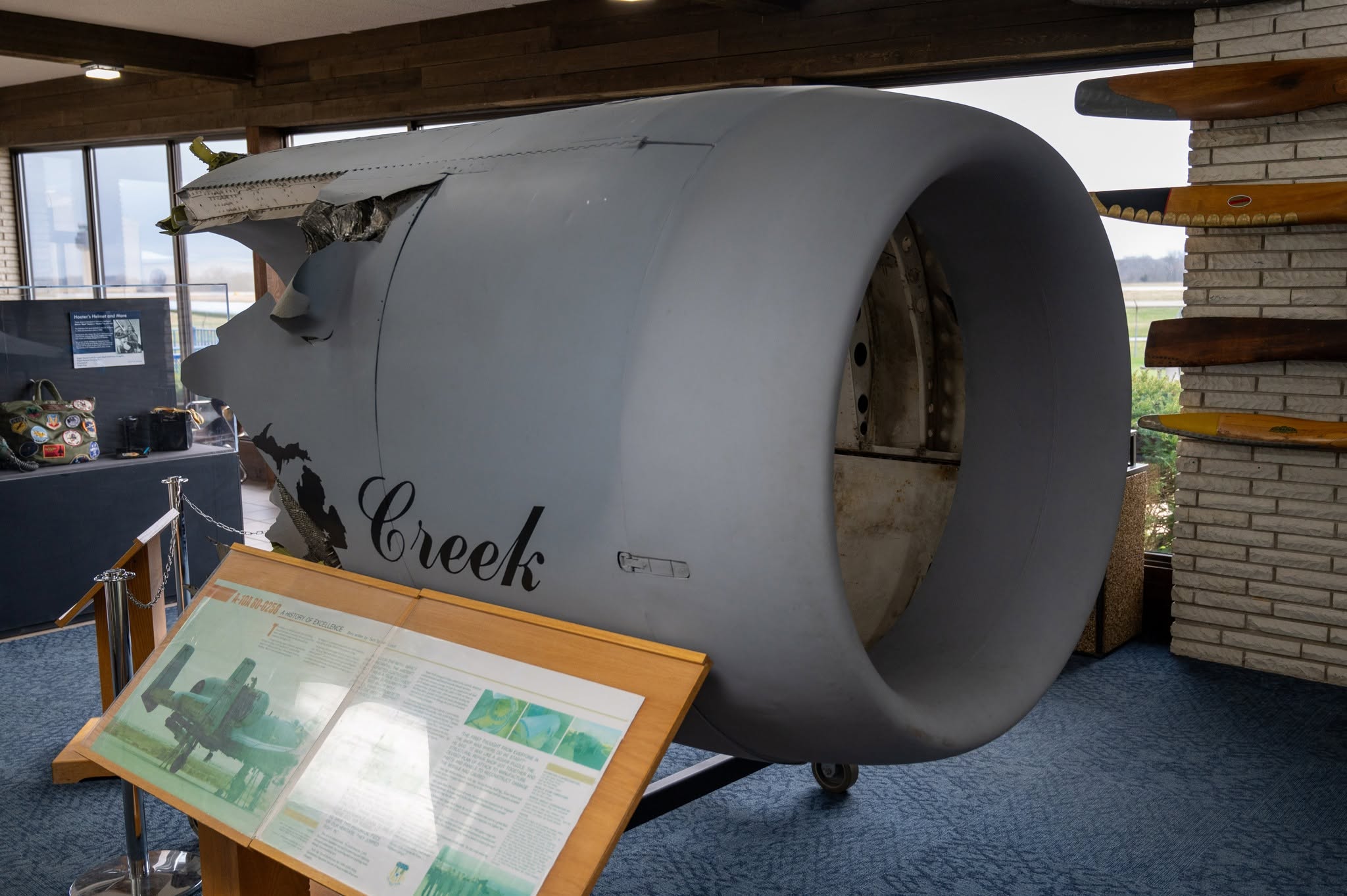
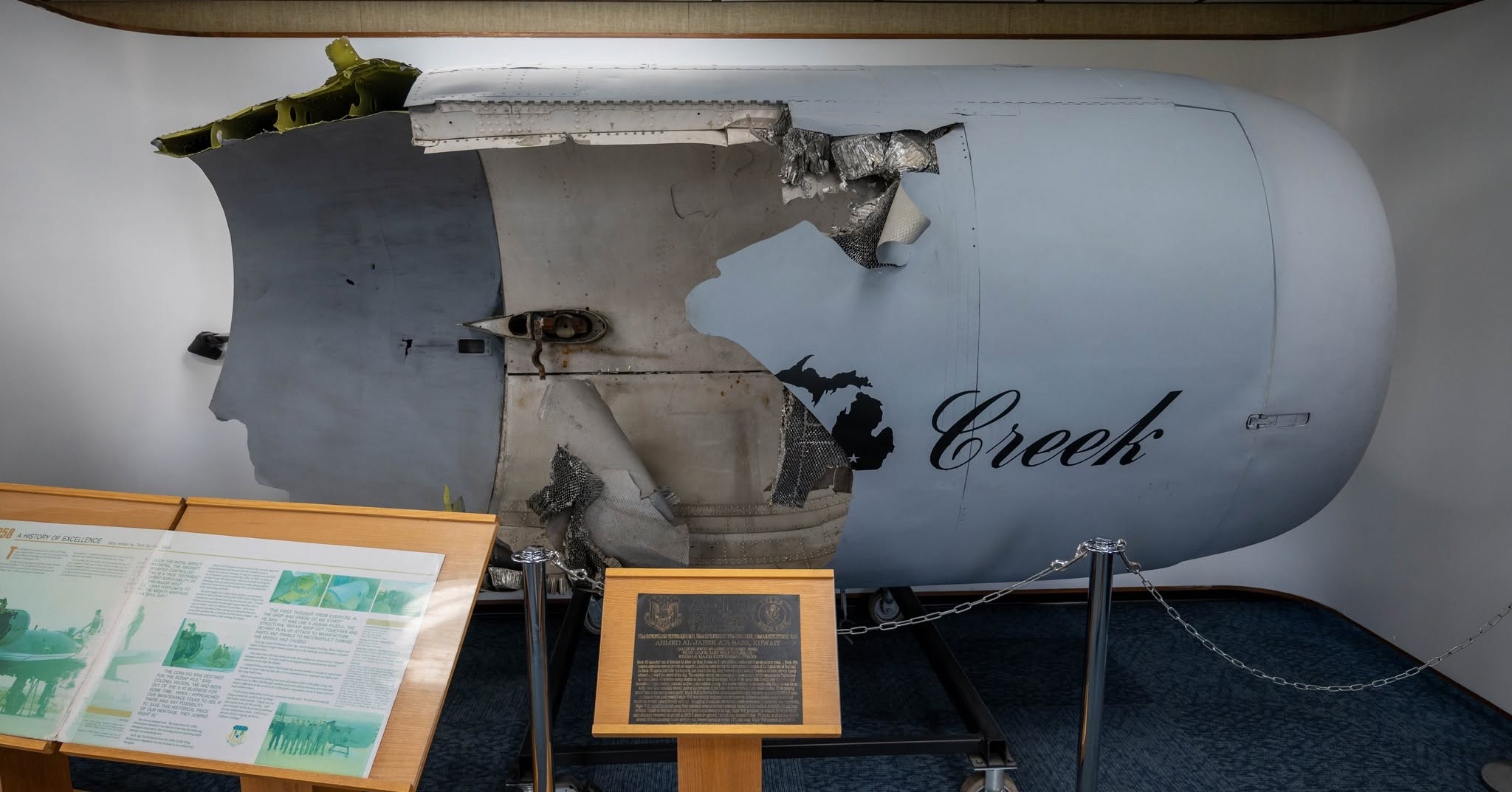
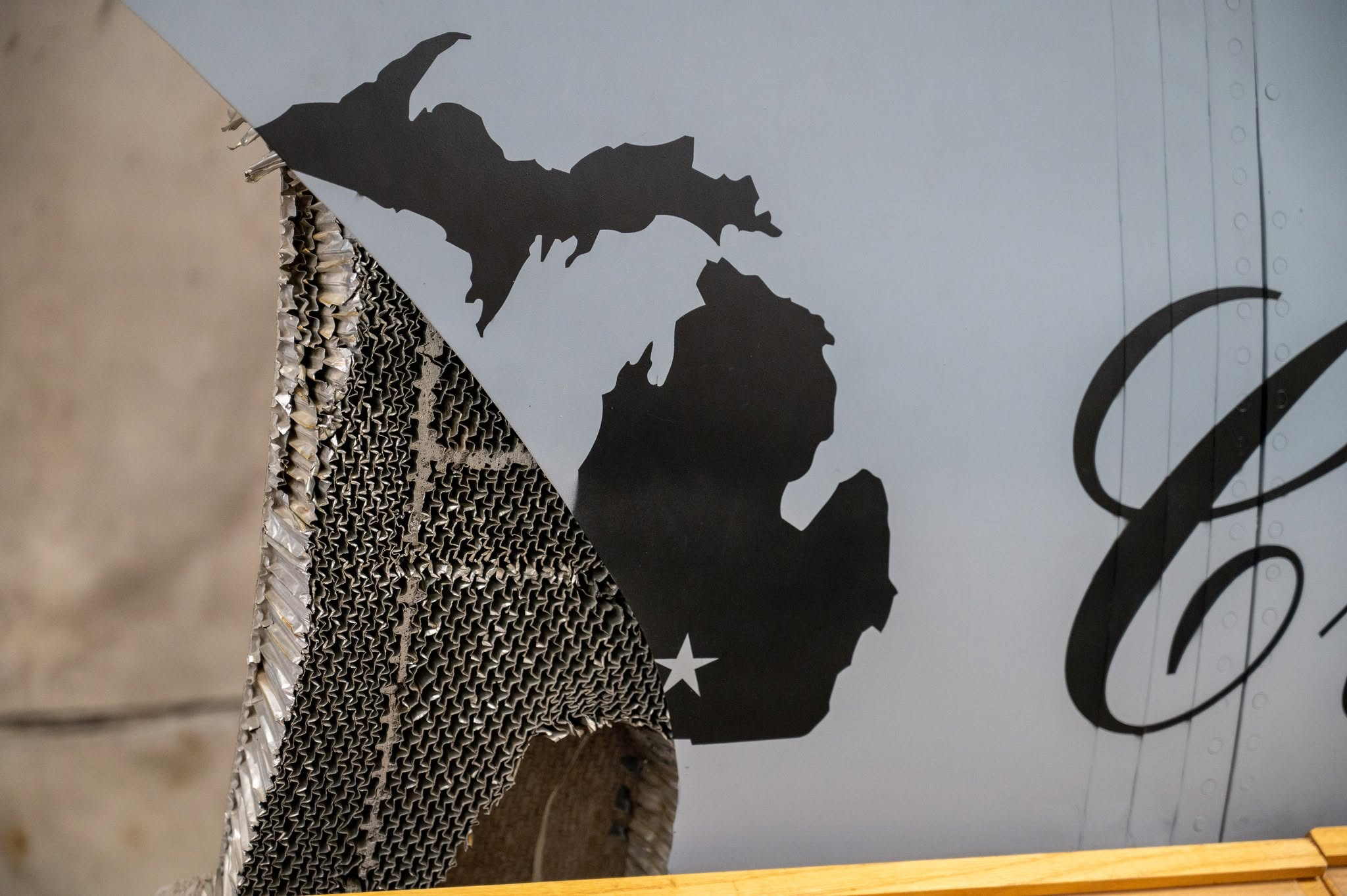
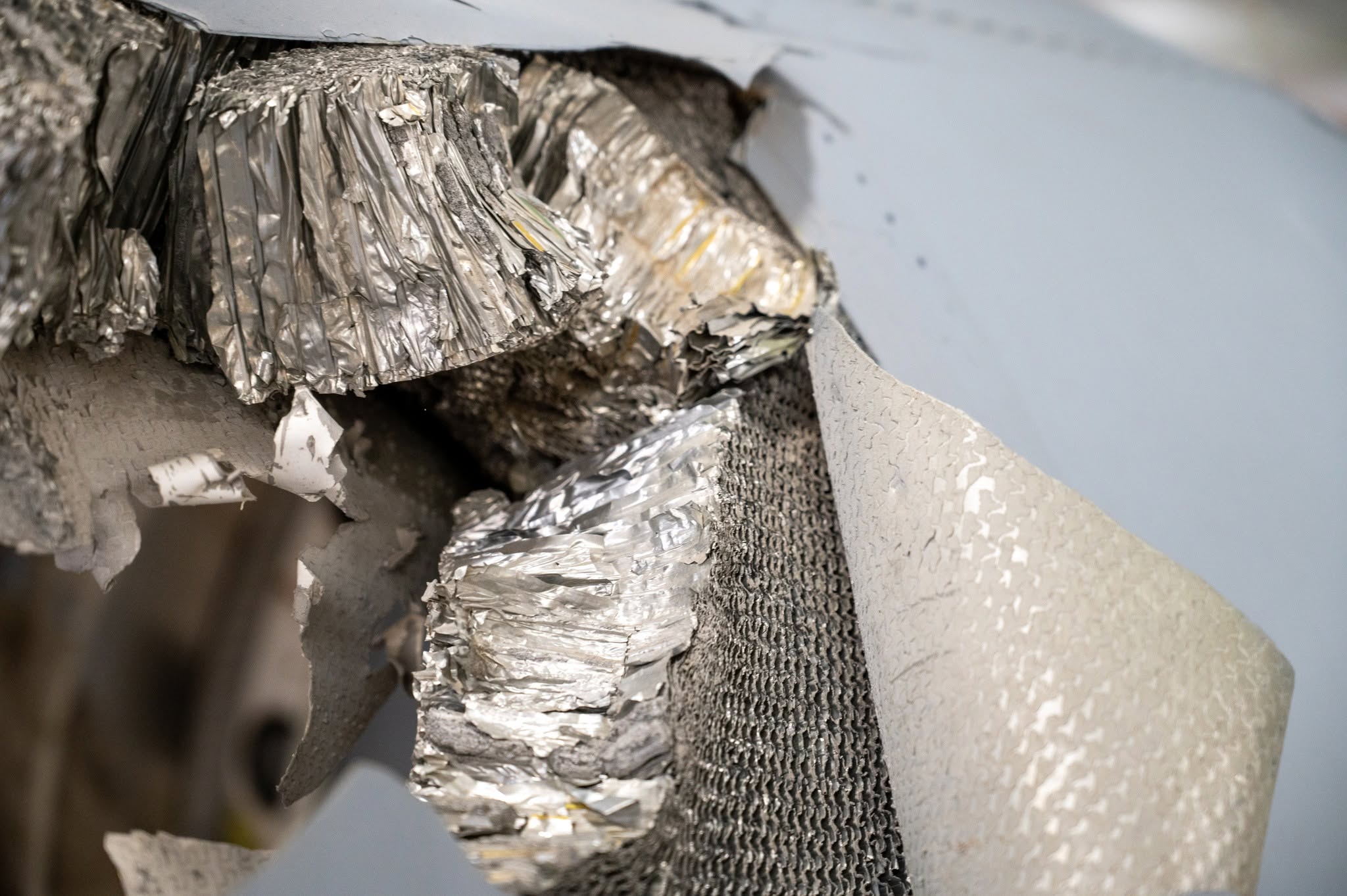
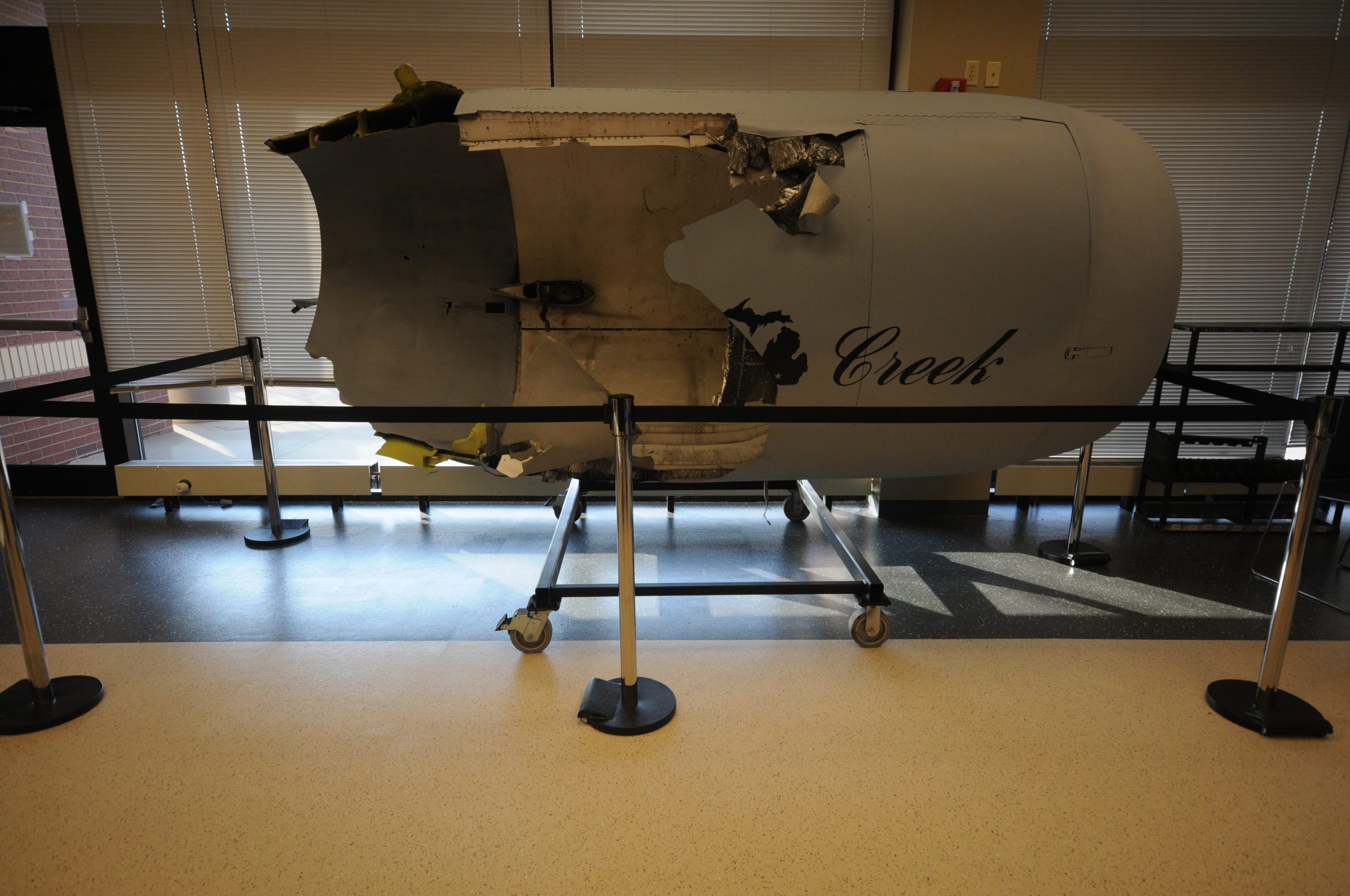
The 110th also flew their A-10s in combat sorties in Afghanistan and Iraq during Operation Enduring Freedom and Operation Iraqi Freedom respectively while attached to the 332nd Air Expeditionary Wing. On April 8, 2003, A-10A 80-0258 took off from Ahmed Al Jaber Air Base, Kuwait, with Major Gary “Wolfman” Wolf at the controls. That day, the 110th was called provide close air support to American ground forces advancing on Baghdad. After making an aerial refueling rendezvous over southern Iraq, Wolf and his flight of A-10s proceeded to Baghdad, where an Allied convoy attempting to cross a bridge over the Tigris River in the middle of Baghdad requested air support and providing reconnaissance on potential targets on the other side of the bridge. Then, Wolf’s A-10 was hit with a shoulder-launched SA-16 Gimlet (Soviet-designed 9K310 Igla-1) Man-portable air-defense systems (MANPADS) that made a direct hit on the right engine of the A-10. Wolf had received no warning from the A-10’s onboard systems, and felt the airplane began to shutter. Major Wolf turned 80-0258 southwards, and Wolf jettisoned his munitions and external fuel tanks to lose weight and stay aloft. For the next 45 minutes, he kept 80-0258 airborne, and Wolf made a safe landing at Tallil Air Base (now Nasiriyah Airport), and taxied to the flight ramp where an audience of Air Force ground crew was waiting for him.


Photos of 80-0258 on the tarmac at Tallil were circulated widely, along with photos of other heavily-damaged A-10s during OEF and OIF that helped reinforce the pre-existing reputation of the A-10’s ruggedness in the face of combat. The aircraft was later repaired and returned to service, while the damaged right engine was flown back to Battle Creek Air National Guard Base at Battle Creek Executive Airport at Kellogg Field, restored by personnel of the 110th Wing, and initially placed on display at the National Guard Memorial Museum in Washington, D.C. before being transferred to the Air Zoo in Kalamazoo.


As for OA-10A 80-0258, the aircraft was the last A-10 operated by the 110th Fighter Wing before the unit was re-designated the 110th Airlift Wing and re-equipped with the C-21A Learjet transport, which was then replaced by the aircraft currently operated by the 110th Wing, the General Atomics MQ-9 Reaper drone. From the 110th Fighter Wing, 80-0258 was reassigned to the 107th Fighter Squadron (nicknamed The Red Devils) of the 127th Wing of the Michigan Air National Guard, stationed at Selfridge Air National Guard Base near Mount Clemens, Michigan. The aircraft was also converted to an A-10C model.

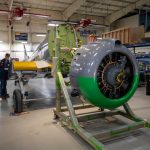
In 2025, it was announced that the 107th Fighter Squadron would begin phasing out their A-10s in favor of the new F-15EX Eagle, developed from the F-15E Strike Eagle. As a result, A-10C 80-0258 was offered to the Air Zoo, which readily accepted the aircraft. The first parts of the aircraft to be sent to the Air Zoo were 80-0258’s vertical stabilizers, which were placed on temporary display at the Flight Innovation Center. Over the summer of 2026, the rest of A-10C 80-0258 was disassembled by personnel of the 107th Fighter Squadron at Selfridge ANG Base, then was driven piece by piece to the Air Zoo to be reassembled on the tarmac of the museum’s Flight Discovery Center, which also serves as the museum’s restoration wing. Around the same time, Air Zoo volunteers were putting the finishing touches on the restoration of Douglas SBD-1 Dauntless BuNo 1612, the oldest surviving Dauntless dive bomber.

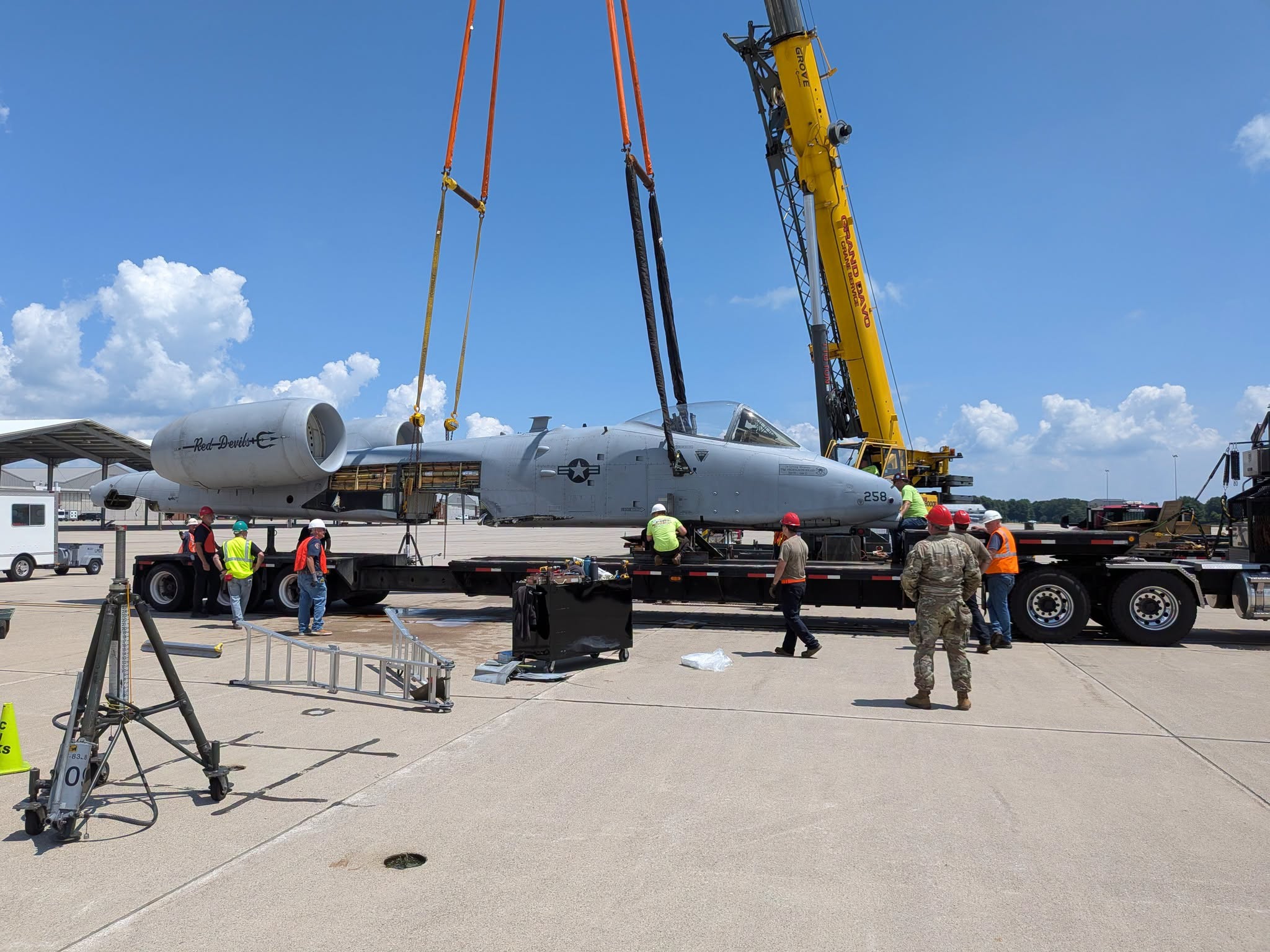
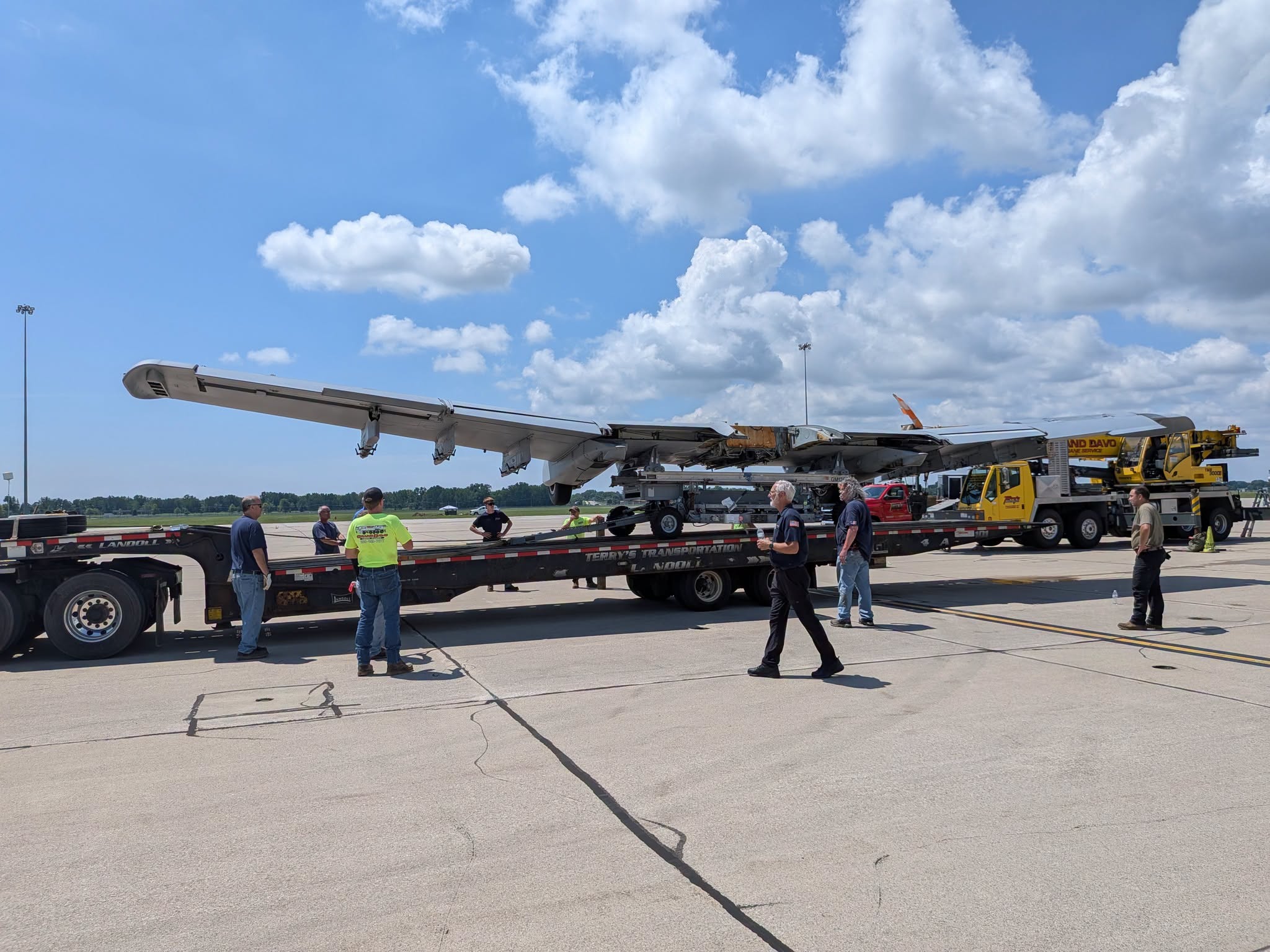
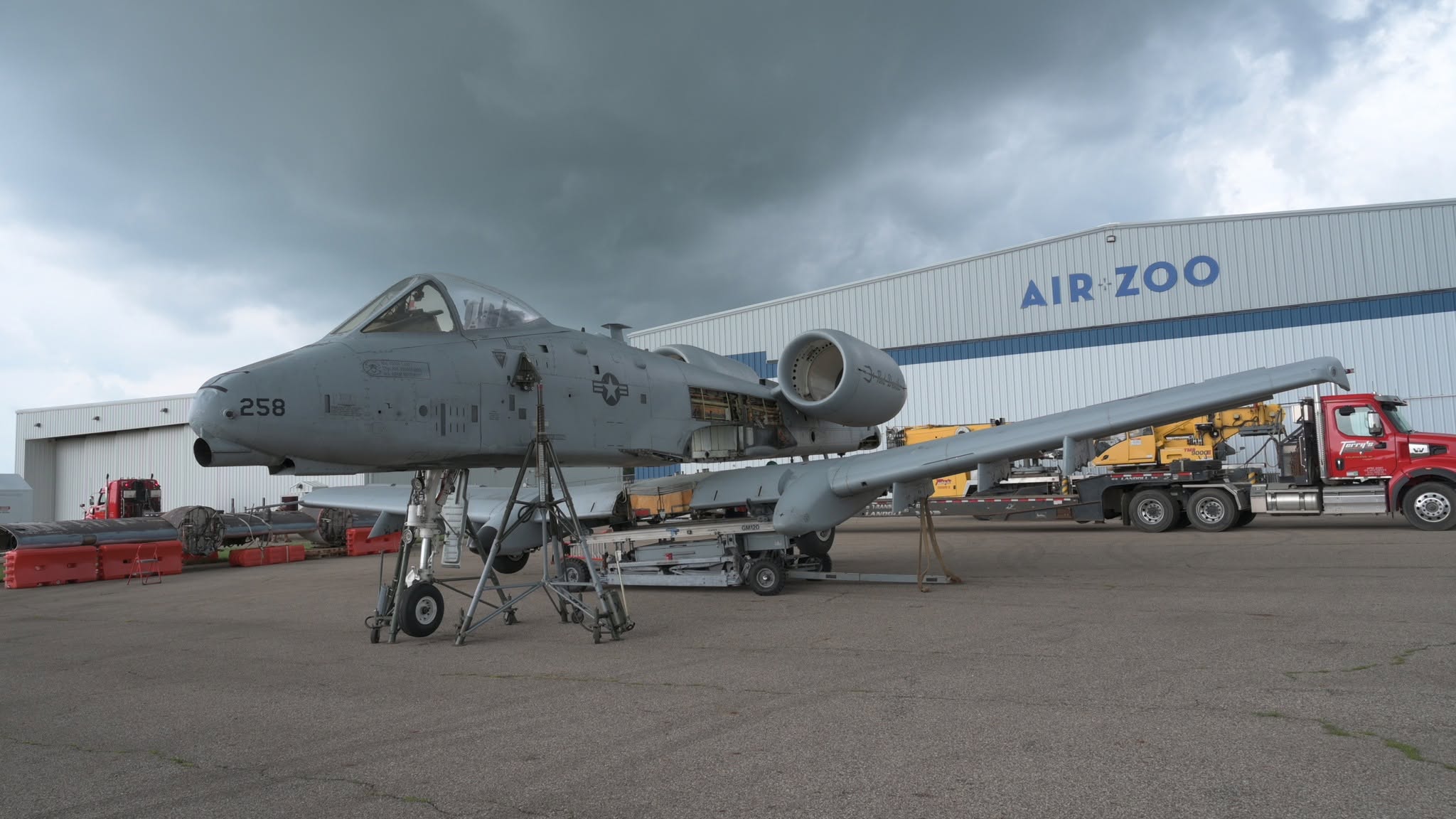
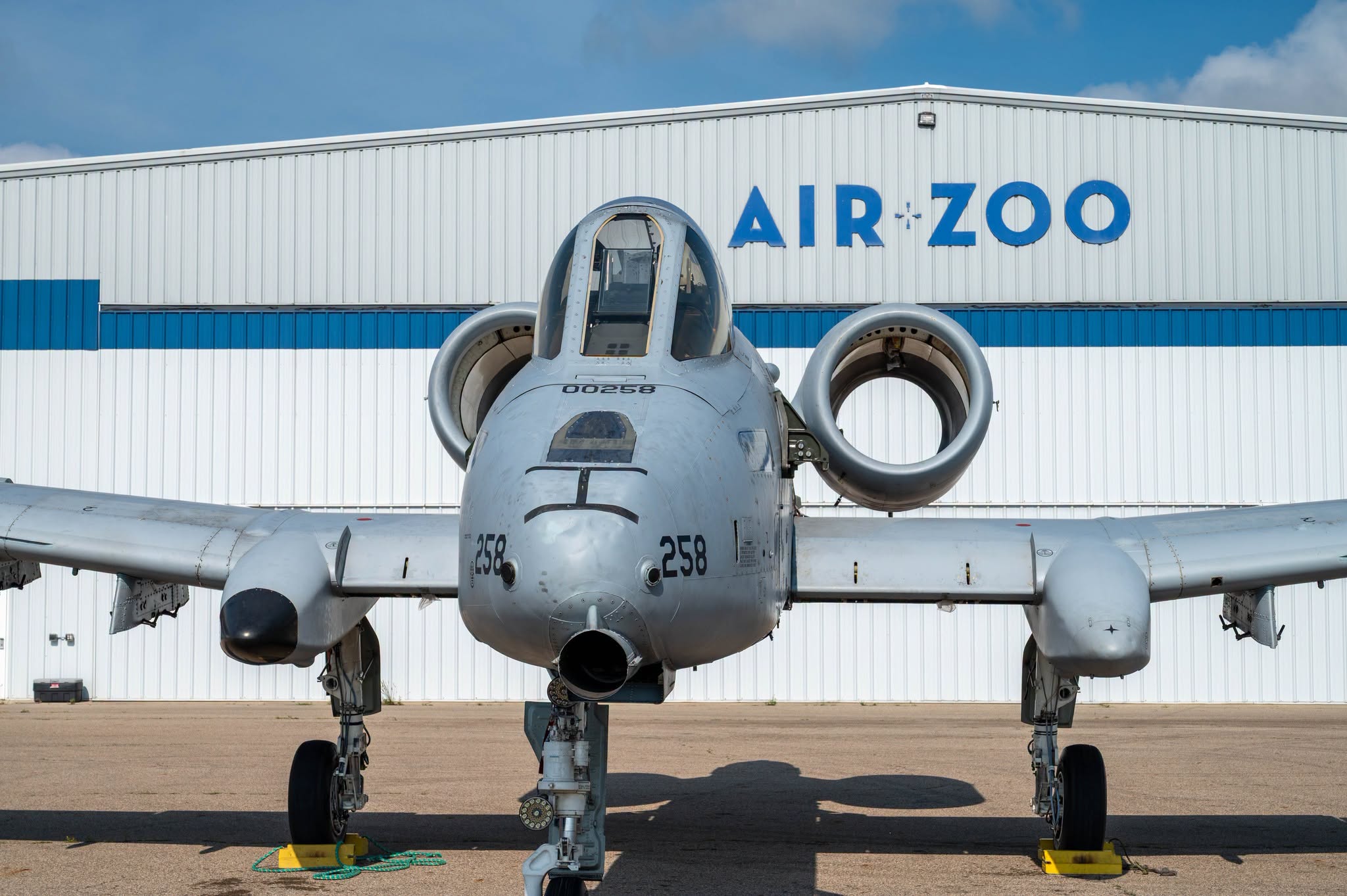
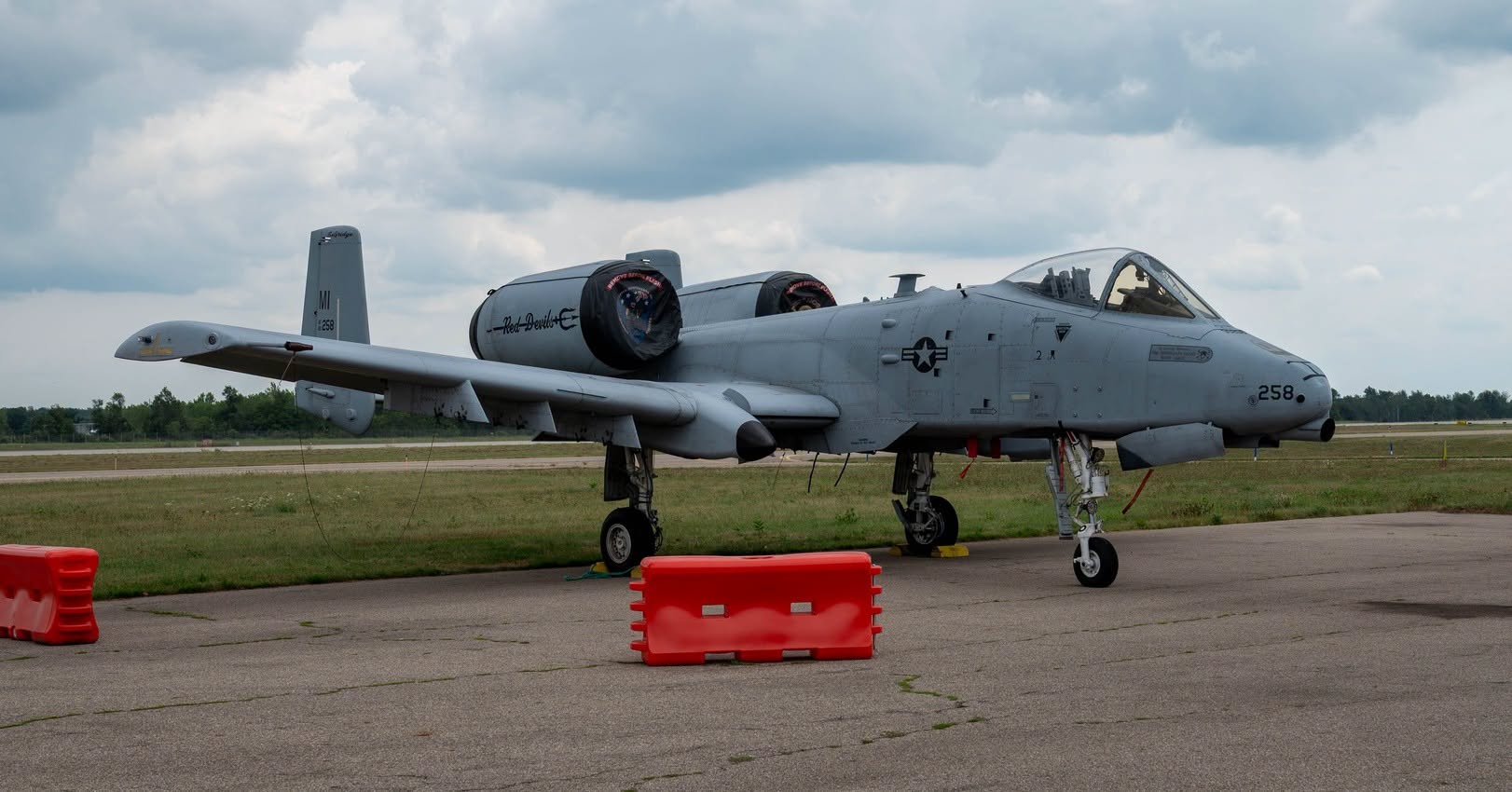
Once SBD-1 BuNo 1612 was finished and placed on display in the WWII Gallery of the Flight Innovation Center, A-10C Thunderbolt II 80-0258 was towed into the Flight Discovery Center to be on static display next to other aircraft, including the museum’s Lockheed Martin F-117A Nighthawk “Shaba”. With the A-10 and SBD-1 finished, the Air Zoo restoration team will now be completely focused on completing the ongoing restoration of Consolidated PBY-5A Catalina BuNo 46602 on behalf of the Pearl Harbor Aviation Museum in Hawaii. For more information, visit the Air Zoo’s website HERE.