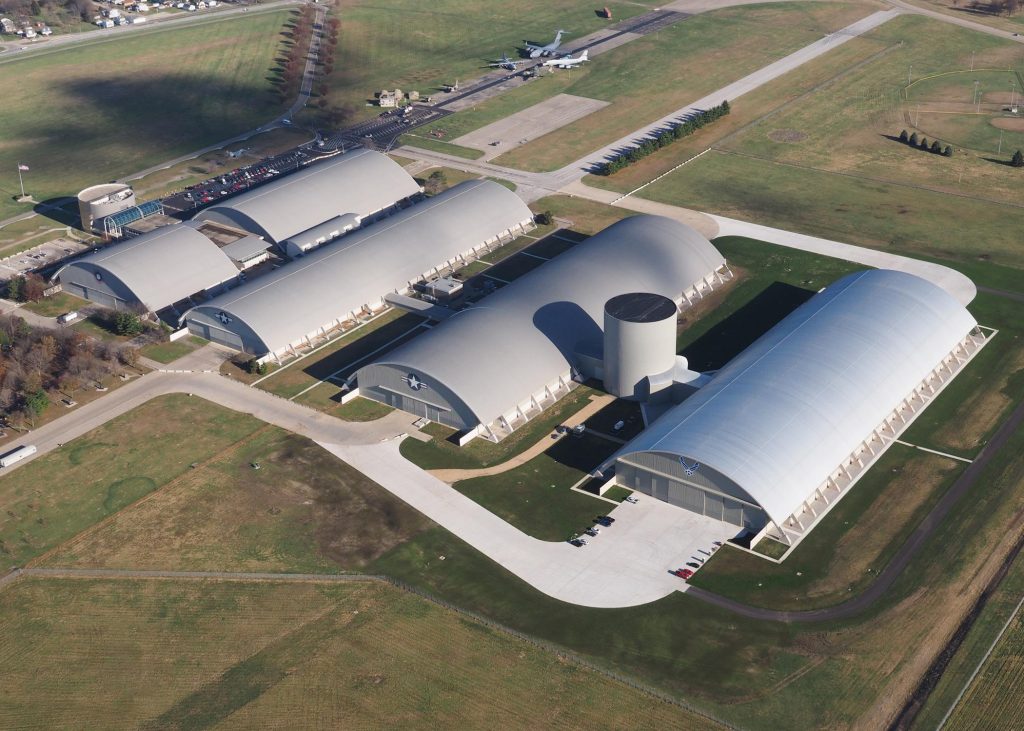
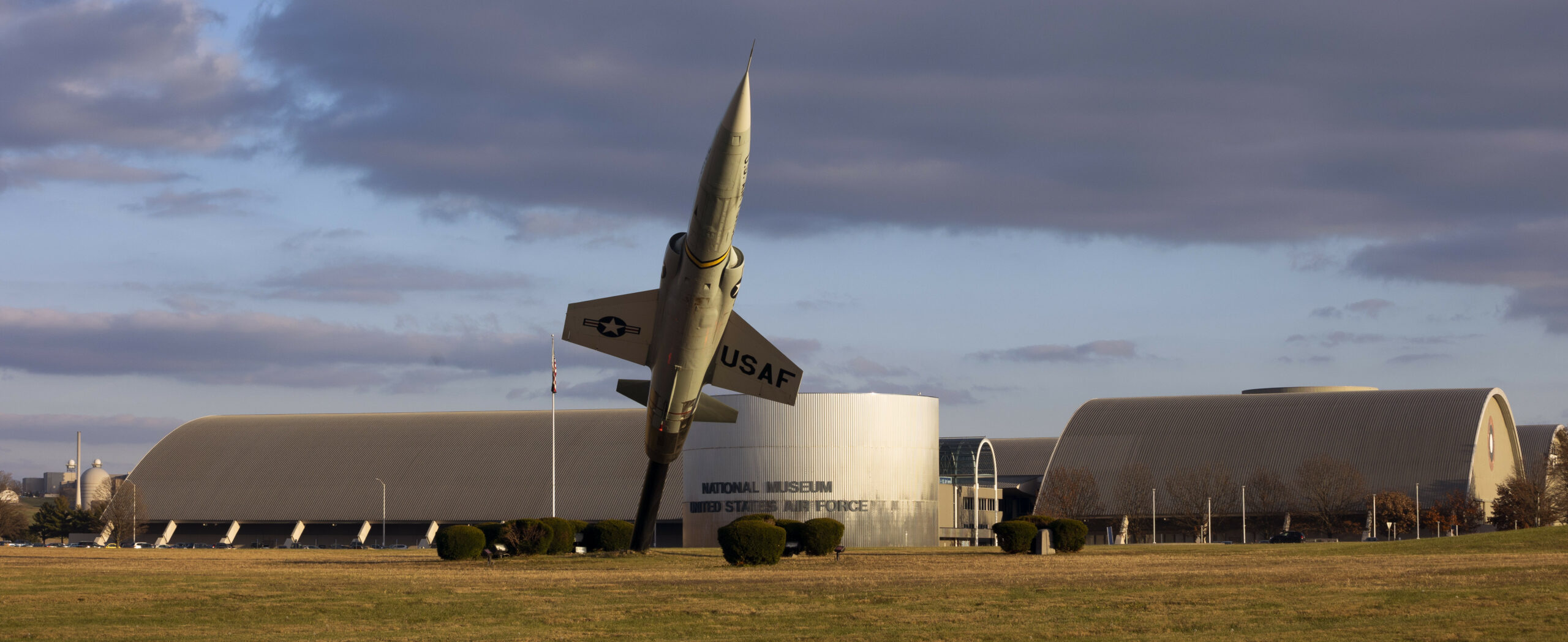

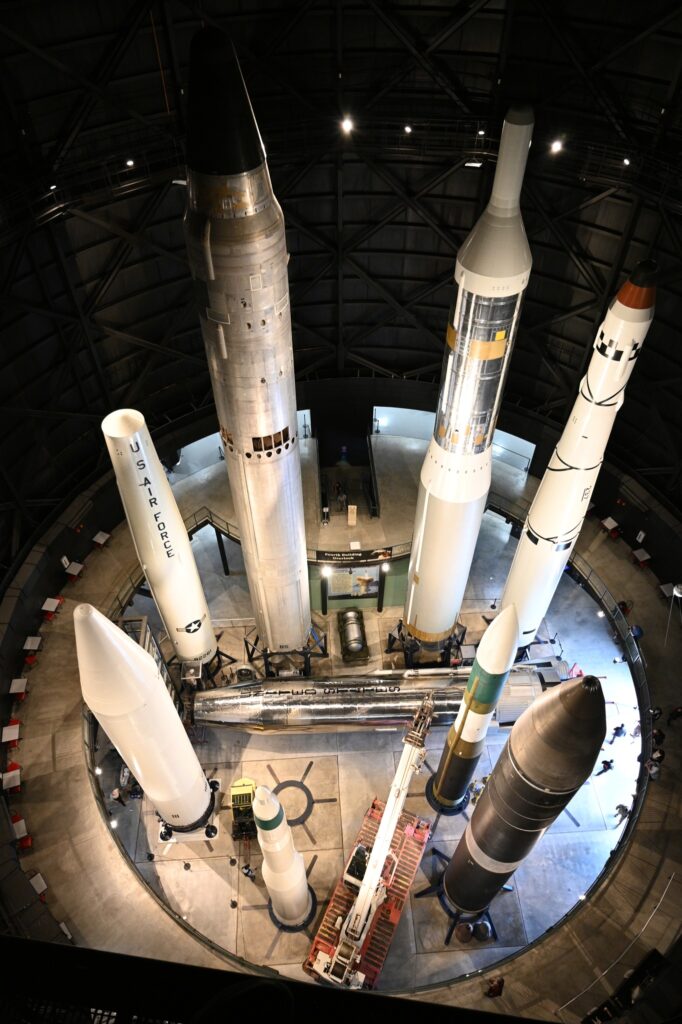
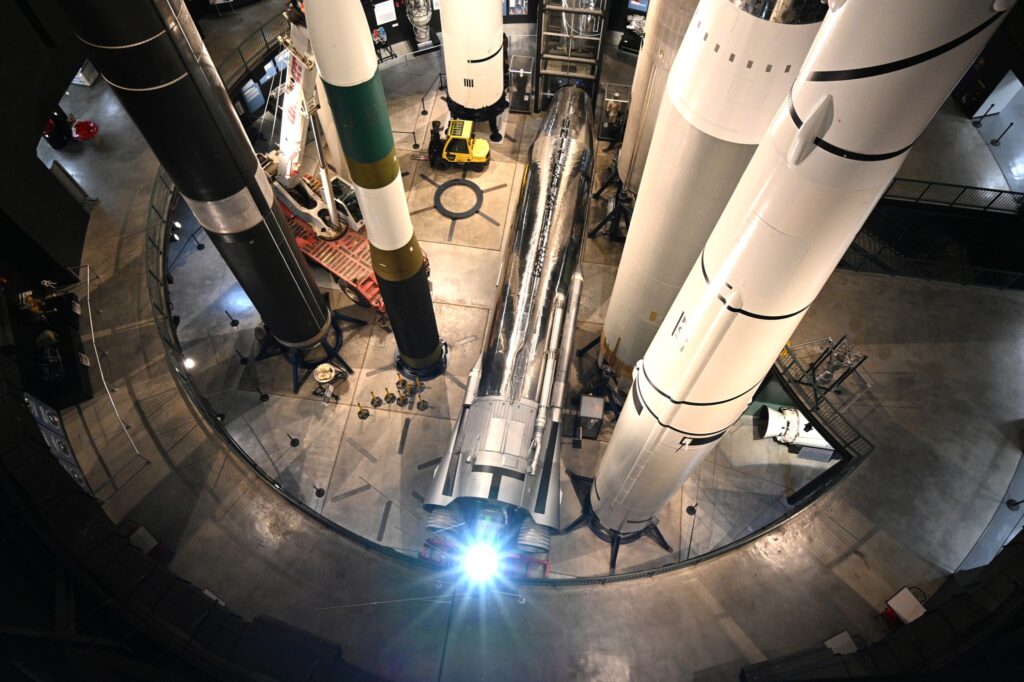
The National Museum of the U.S. Air Force in Dayton, Ohio, is preparing for a major transformation of its missile gallery, with the Air Force Museum Foundation committing up to $7 million to create a new immersive exhibition exploring the technological path that carried the United States from Cold War missile development into the Space Age. Working under the title Pathways to Space, the project will transform the museum’s existing missile gallery into a 10,000-square-foot immersive and interactive experience examining the question: “How do we get to space?” The U.S. Air Force has formally accepted the Foundation’s proffer of up to $7 million for the project, allowing work to move forward on the planned exhibition. The National Museum of the U.S. Air Force is particularly well positioned to tell the interconnected story of military missile development and America’s space program. Many of the technologies developed to carry nuclear warheads during the Cold War also provided the foundation for launch vehicles that ultimately carried satellites, scientific payloads, and astronauts into space.

The new exhibition will use the museum’s extensive missile collection to explore that relationship while placing the technology within the broader history and geopolitics of the Cold War and Space Race. “We have supported many space-related initiatives at the Museum, from engines for Rocket Days to restoration of the Atlas Missile, fostering an interest in the science of Space,” said Air Force Museum Foundation CEO Seth Baron. “Pathways to Space will expand that by creating an immersive experience that helps visitors understand the history, innovation, courage, and consequences of the Cold War/Space Race period.” Rather than presenting the museum’s missiles simply as individual artifacts, Pathways to Space will examine how military requirements, scientific research, engineering, and technological innovation converged during one of the most consequential periods in aerospace history. “Pathways to Space will allow us to use the Museum’s collection in a new way to help visitors understand how military requirements, scientific discovery, and technological innovation became intertwined during the Cold War and the Space Race,” said Museum Director David Tillotson. “Through immersive and interactive experiences, visitors will be able to explore not only how we reached space, but the people, ideas, and technologies that made those achievements possible.”
(Image credit: National Museum of the U.S. Air Force)
Tillotson added that the Foundation’s support will help the museum bring that history to life while encouraging younger visitors to consider the future possibilities of air and space. Education will be a major component of the new gallery. Students will encounter interactive problem-solving and team-building activities involving physics, mathematics, history, geography, art, and cybersecurity. The educational elements are being developed to align with Ohio curriculum requirements as well as Department of the Air Force efforts to encourage interest in STEAM and cybersecurity careers. Patricia Young, chair of the Air Force Museum Foundation Board of Trustees, said private philanthropy allows the organization to expand upon the museum’s federally supported core mission. “Federal appropriations sustain the Museum’s core mission,” Young said. “Private philanthropy through the Foundation expands what is possible. This effort aligns perfectly with our mission to strengthen and expand the impact of the Museum by mobilizing philanthropic support, enhancing transformative experiences, and connecting global audiences to the legacy, service, and future of Air and Space.”
The multi-year project is already underway. Some smaller exhibits have been moved into storage to allow infrastructure upgrades to begin. With the Air Force’s formal acceptance of the Foundation’s proffer, contracts can now be negotiated for work associated with the upgraded exhibition. No completion date has yet been announced. Located at Wright-Patterson Air Force Base near Dayton, Ohio, the National Museum of the U.S. Air Force is the world’s largest military aviation museum. Its collection includes more than 350 aerospace vehicles and missiles, along with thousands of artifacts displayed across more than 19 acres of indoor exhibition space. Admission and parking are free. For more information, visit www.nationalmuseum.af.mil