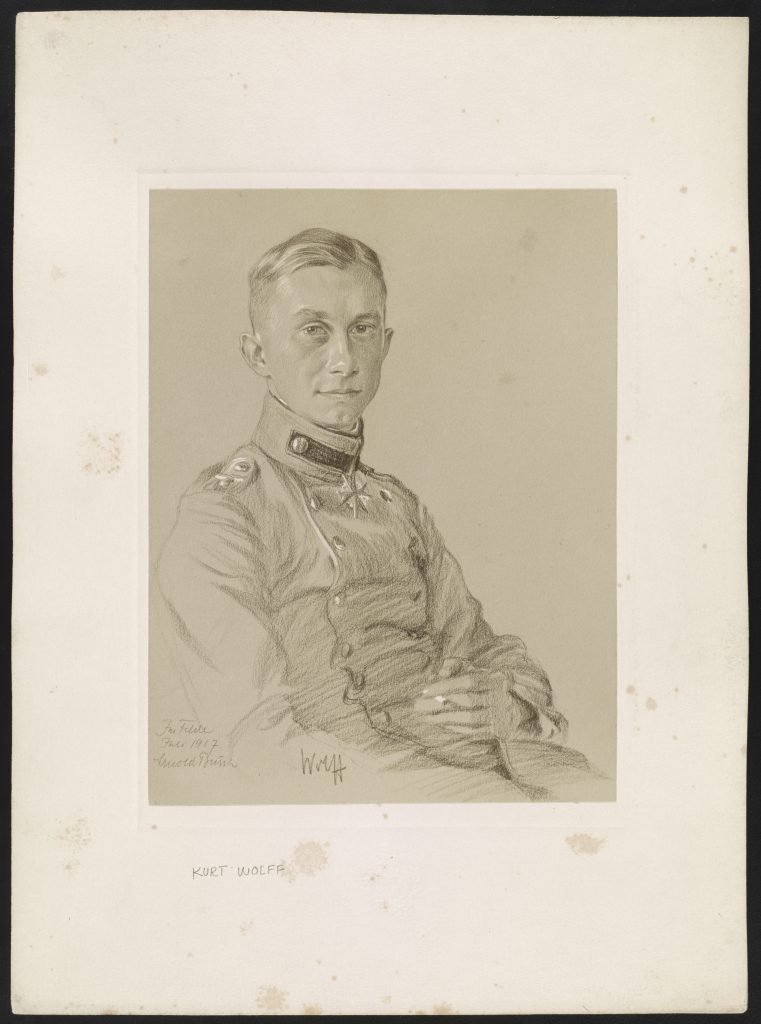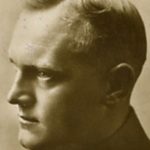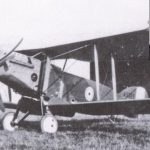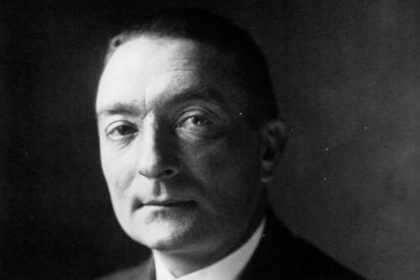
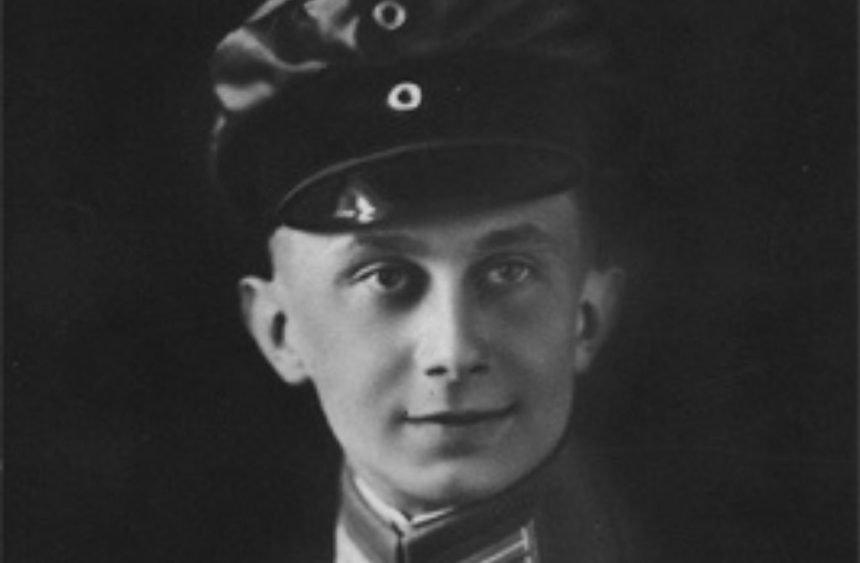

There was a German Ace in WWI who scored very rapidly, so that all 33 of his victories came in just five months, including 22 in just one month. Born on February 6, 1895, in Greifswald, Pomerania, Kurt Wolff was a railway transportation officer before entering the military in 1912 and transferring to the German Air Force in July 1915. Wolff’s first flight could have been his last when his instructor crashed the aircraft, resulting in the instructor’s death and Wolff dislocating his shoulder. Despite this, Wolff earned his pilot’s badge in late 1915 and spent the following year in various two-seater bomber units. On October 12, 1916, he was transferred to La Brayelle Airfield in northern France to join the struggling Royal Prussian Jagdstaffel 11. Initially, Kurt Wolff and his squadron could not win any aerial battles, but it changed when Manfred von Richthofen, popularly known as the Red Baron, took command of the unit. Under his leadership, Jagdstaffel 11 began to achieve victories, and Wolff became a skilled fighter pilot. Wolff’s Albatros D.III aircraft, like all the other planes in Jagdstaffel 11, was painted in red. He made his plane unique by painting the elevators and tailplane green for easier identification in the air.
Ace Journey of Kurt Wolff
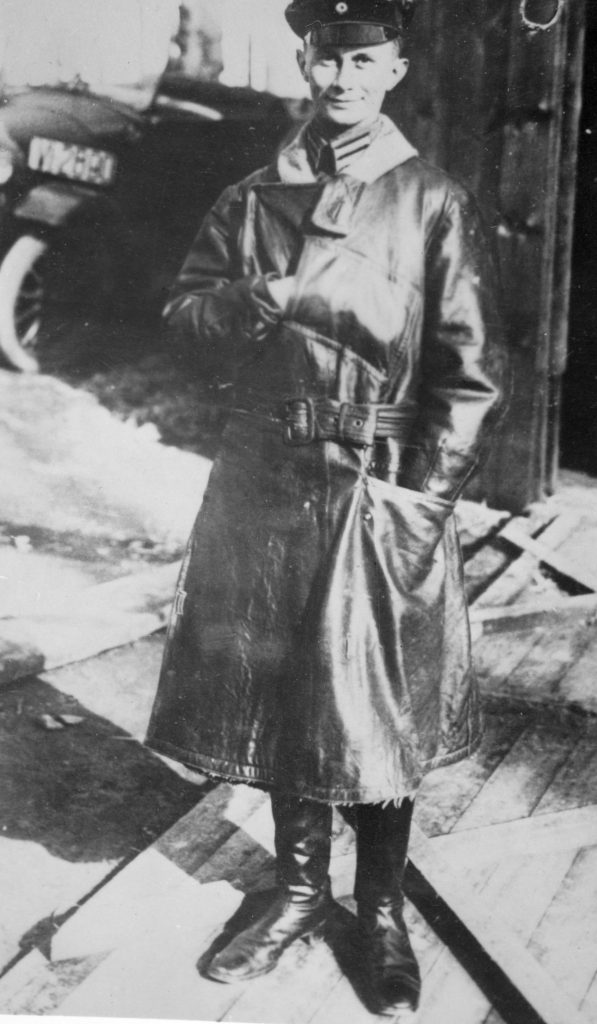
On March 6, 1917, Kurt Wolff scored his first aerial victory by shooting down a Royal Aircraft Factory B.E.2d from No. 16 Squadron RFC. After shooting down three more aircraft in the month, he became an ace on March 31, when he shot down an F.E.2b aircraft. In April 1917, the British intensified their air attacks over the German lines to maintain air superiority, a period that became known as Bloody April. Kurt Wolff shot down 22 enemy aircraft in April, one more than his superior, Richthofen. Throughout the month, Kurt Wolff achieved multiple victories on five different days. Scoring his 9th victory on April 11, 1917, Wolff downed a Bristol Fighter flown by Irish ace David Tidmarsh. The most impressive was on Friday, April 13, when he downed four British planes from four different squadrons on four separate missions. He also scored three victories on April 29, including Major H.D. Harvey-Kelly, who was the commander of No. 19 Squadron RFC. By the end of April, Kurt Wolff had a total of 29 victories. By then, he had already received both classes of the Prussian Iron Cross, and on April 26, he was awarded the Knight’s Cross with Swords of the Royal House Order of Hohenzollern.
Legacy and Death
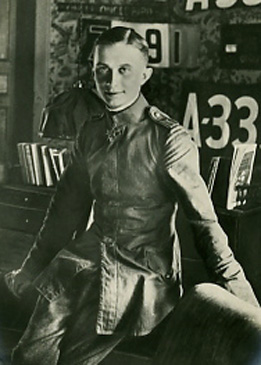
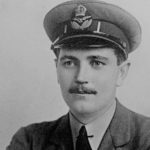
Kurt Wolff won battles so quickly that he surpassed the Prussian awards system. Normally, the Pour le Mérite medal was awarded after a fighter ace’s 20th victory, but Wolff did not receive his until after his 29th win. After two more victories in May, on May 6, Kurt Wolff was given command of Jasta 29. He scored two more victories with this unit before returning to command Jasta 11 on July 2, 1917. Nine days later, he was wounded in a dogfight with the 10th Naval Squadron, injuring his left hand. He returned to duty on September 11, 1917, and began flying one of the new Fokker Triplanes. Four days later, Wolff encountered the No. 10 Naval Squadron again and was shot down by Norman McGregor, who was flying a Sopwith Camel. Kurt Wolff spun out of control and crashed. Wolff likely died from bullets fired by McGregor while in the air. He was already dead when his Triplane crashed and caught fire north of Wervik, near Moorslede, at 5:30 pm (German time). Wolff’s remains were returned to Memel for burial. His military funeral included a display of his Bavarian Military Merit Order, 4th Class with Swords, alongside his Prussian awards. In the Aces series, Kurt Wolff was a brave ace who performed even better than Richthofen during Bloody April. The rate at which he scored victories made him one of the highest-scoring German aces of WWI. Read stories about more Aces HERE.