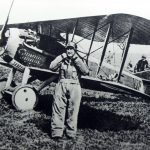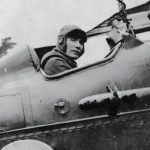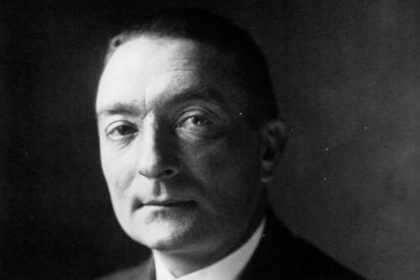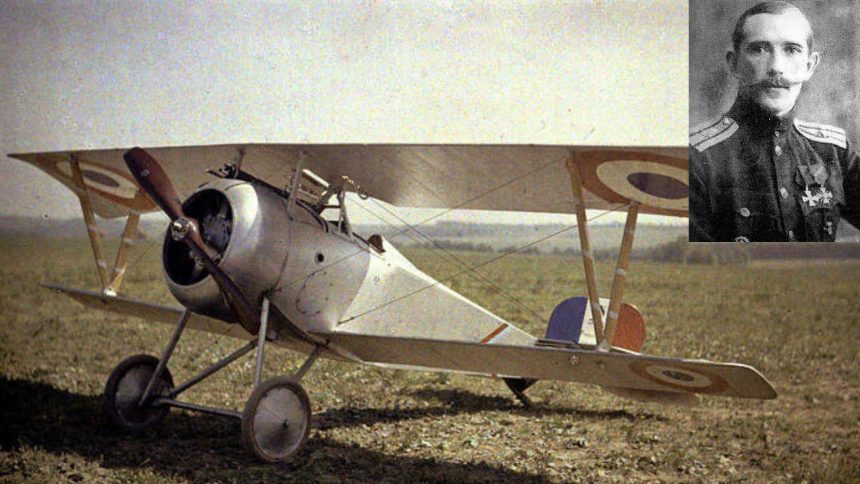

In the spring of 1915, when air combat was still uncertain and improvised, a young Russian cavalry officer turned pilot did something few men would attempt. He flew his aircraft directly into an enemy machine in the sky. Unlike another famous Russian pilot, Pyotr Nesterov, who had died attempting the same act months earlier, Alexander Alexandrovich Kazakov survived. Kazakov was born on 2 January 1889 into a noble family in the Kherson Governorate. He followed a familiar path for a young officer of his background. He graduated from the Voronezh Cadet Corps in 1906, then from the Yelizavetgrad Cavalry School in 1908, and joined the 12th Belgorod Uhlan Regiment. By 1911, he was a lieutenant in the Imperial Russian Army. But horses were giving way to engines, and in January 1914, he began flight training at the Officer Aeronautics School in Gatchina. By September, he had qualified as a military pilot.
The First Victory of Alexander Kazakov
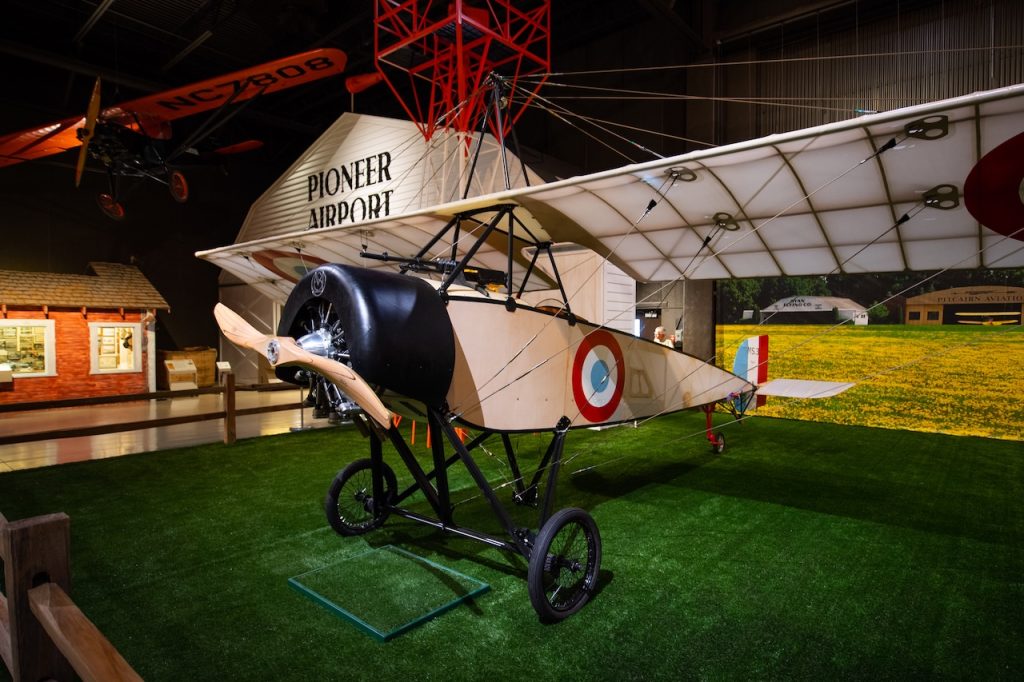
When the First World War began, Kazakov was posted to the 4th Corps Aviation Detachment. Russian aviation in 1914 and early 1915 was still learning how to fight in the air. Aircraft were fragile, lightly armed, and often used more for observation than combat. On 18 March 1915, Kazakov encountered a German Albatros. Instead of relying only on gunfire, he maneuvered his Morane-Saulnier into position and rammed the enemy aircraft. The impact destroyed the German machine, but Kazakov managed to land safely. He became the second pilot in history to carry out an aerial ramming, and the first to survive it. For this action, he was awarded the St. George Cross in July 1915. It was a moment that defined him. He was aggressive, direct, and willing to close the distance.
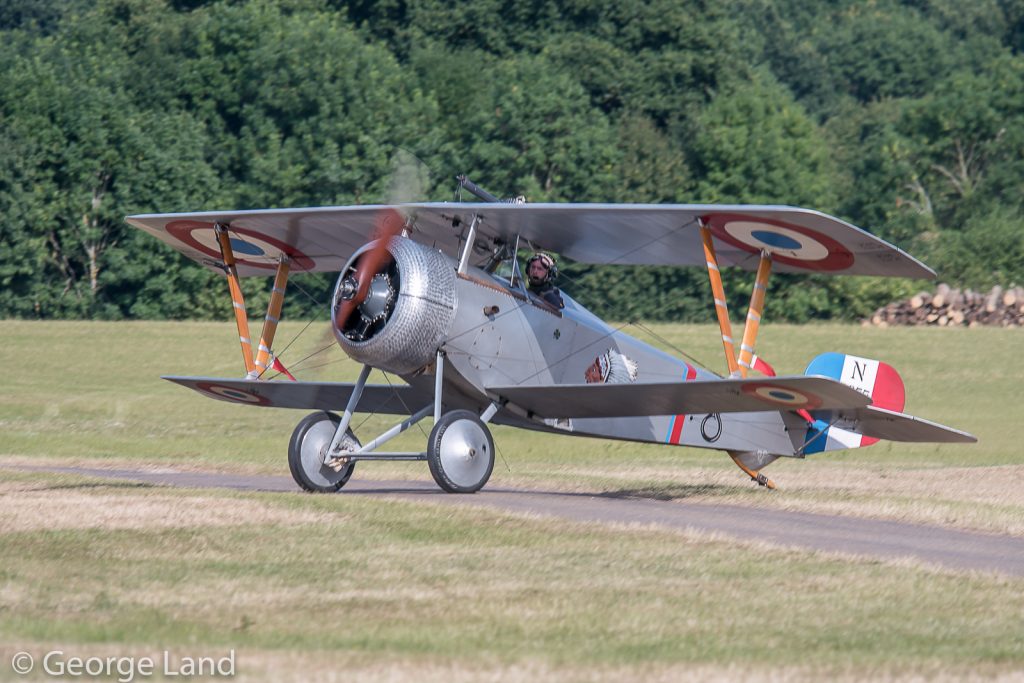
By August 1915, Kazakov was commanding the 19th Corps Aviation Detachment as a staff captain. On 8 December 1916, near Lutsk, he achieved one of his most cherished victories. Attacking two Brandenburg C.I aircraft alone, he shot one down. The Austrian pilot, Johann Kolby, was killed in the air. The observer, Oberleutnant Franz Weigel, tried to land the damaged aircraft and was seriously injured. For this action, Kazakov received the Order of St. George, 4th Class. In February 1917, he became acting commander of the 1st Combat Aviation Group on the Southwestern Front, the first dedicated fighter unit in Russian aviation. He was confirmed in the role in March and promoted to captain in April, and later to lieutenant colonel in September 1917. Even as a commander, he continued to fly combat missions. In June 1917, he was wounded in the arm by four bullets during an aerial battle, but he returned to duty.
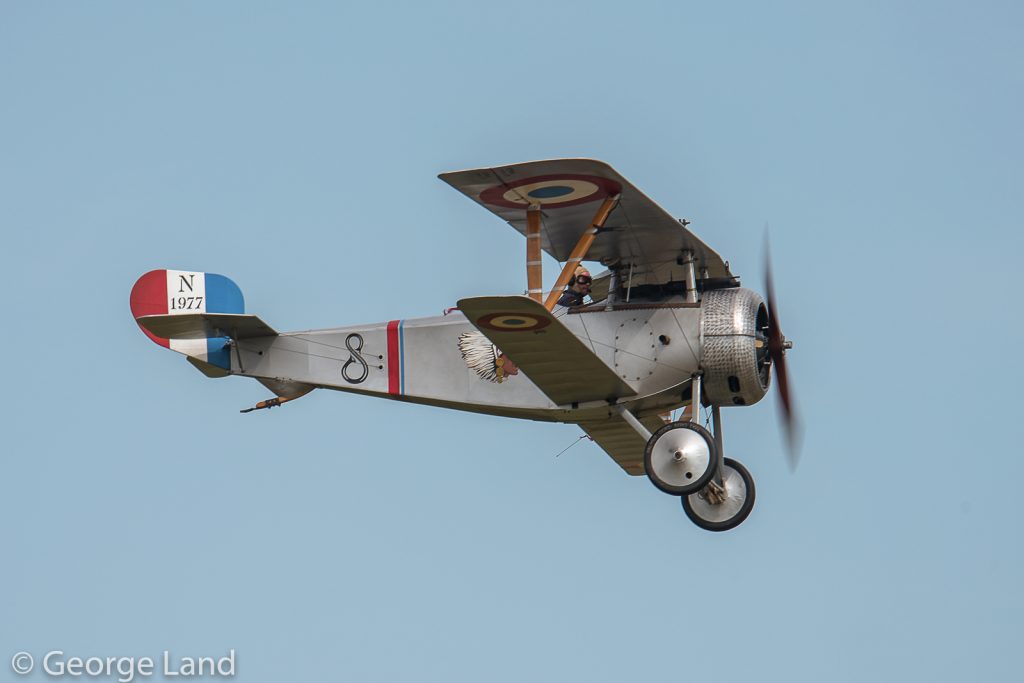
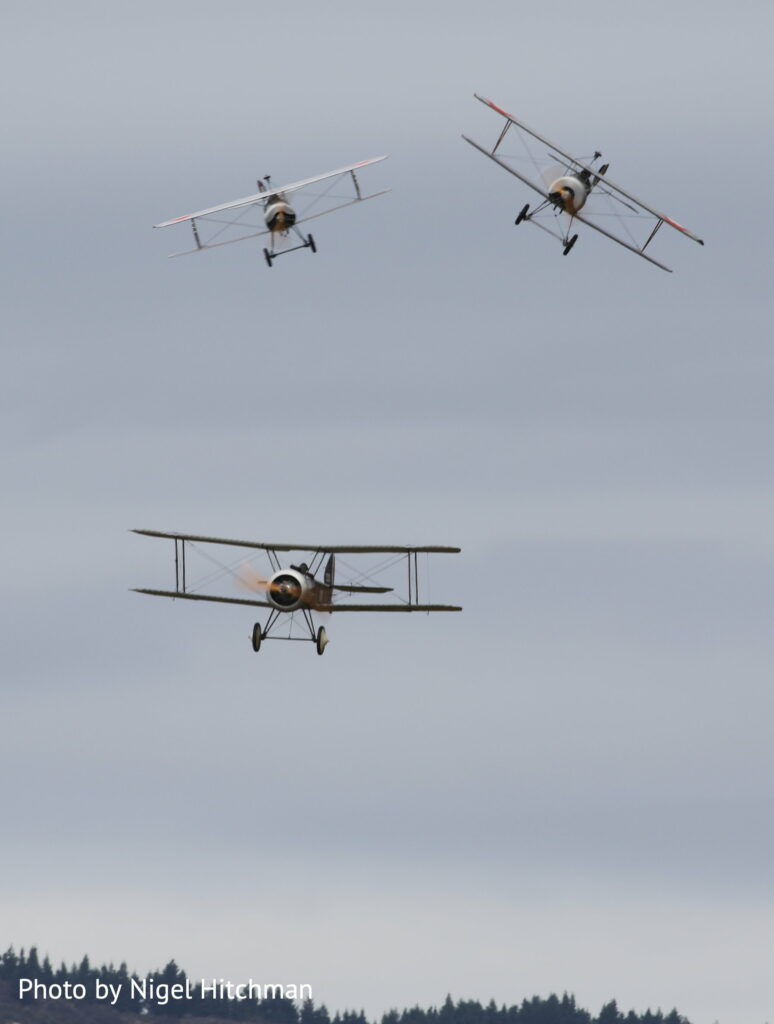
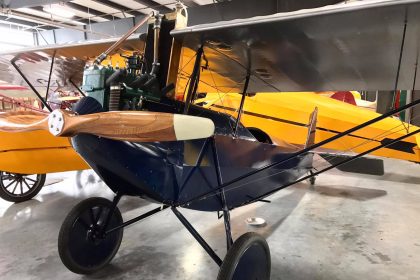
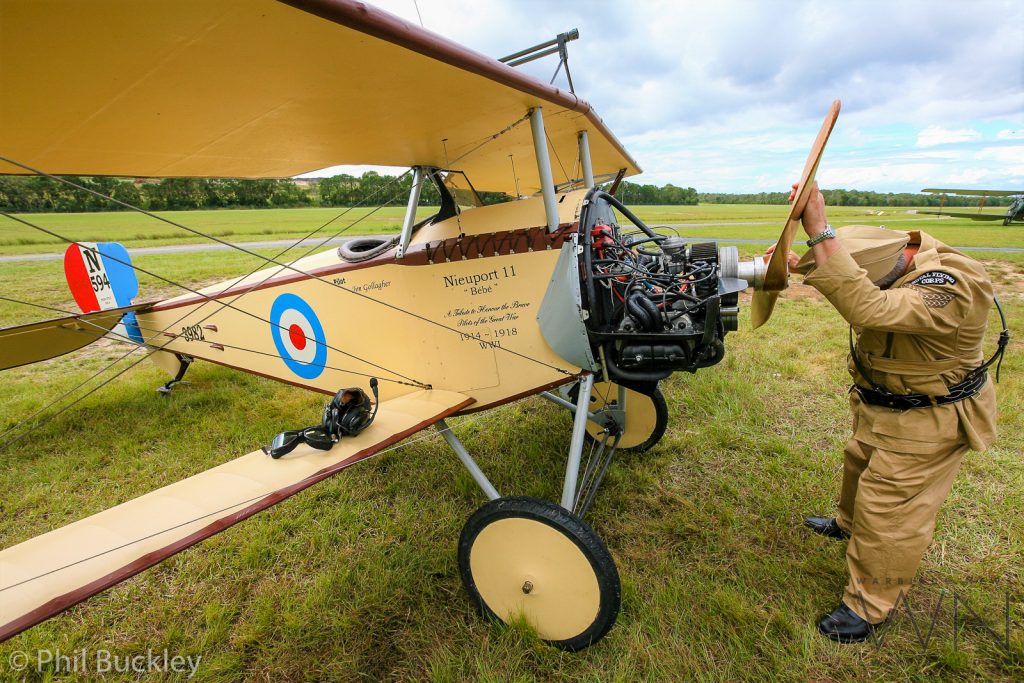
In three years of war he participated in, Kazakov shot down 17 enemy aircraft personally and another 15 in group battles, and was recognized as the most successful Russian fighter pilot of World War I. Russian rules counted only aircraft that fell in Russian-held territory, and individual tallies were considered less important than collective effort. Some later accounts claim 32 personal victories, but this likely combines his solo and shared claims. He flew Morane-Saulnier aircraft early in the war, then Spad-SА2, and later Nieuports 11 and Nieuport 17, as they became available. Between 1915 and 1917, he fought on the Russian front as well as in Romania and participated in the Brusilov Offensive as a commander of the 1st Combat Air Group. In a service still developing its doctrine, he helped define what a Russian fighter leader looked like.
Russian Revolution and the Last Flight
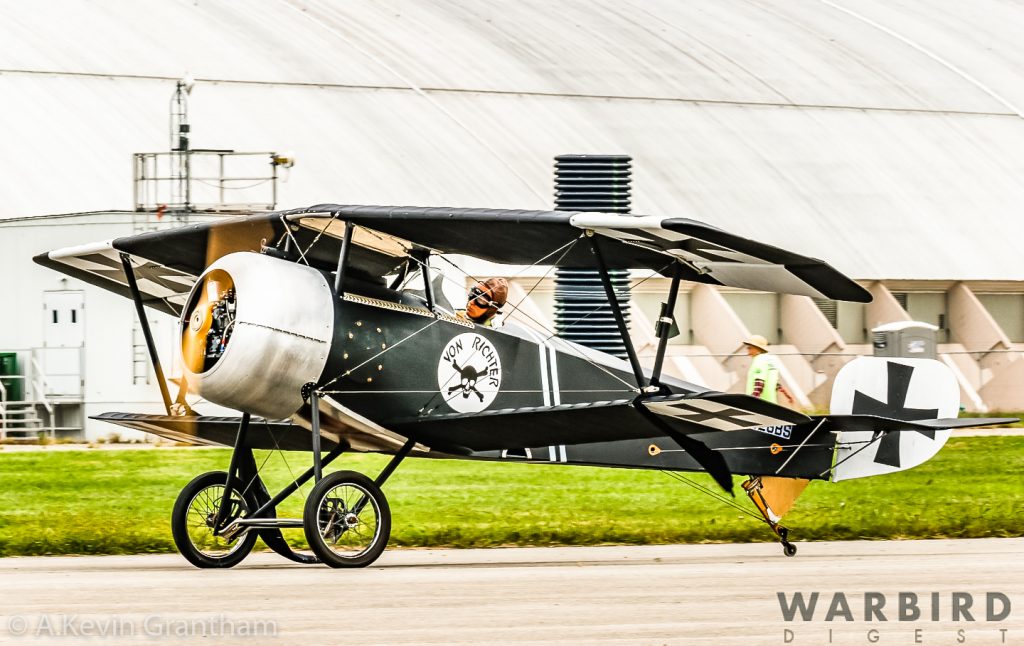
The October Revolution of 1917 changed the country he had served. Kazakov rejected the new Bolshevik government and resigned his Russian commission. In 1918, he was listed as a military specialist and warned that he might be called into the Red Army. But he chose another path. In June 1918, he secretly left for Murmansk. When the Slavo-British Aviation Detachment was formed in Arkhangelsk in August 1918, he was appointed its commander. He joined the fight against the Bolsheviks in the Russian Civil War, serving alongside British forces of the Royal Air Force. He was the only Russian pilot in the detachment to be granted a commissioned rank in the British Royal Air Force. The others were enlisted as privates. Kazakov was promoted first to lieutenant, and later to major in the Royal Air Force. He received the Distinguished Service Order, the Military Cross, and the Distinguished Flying Cross from Britain, as well as the French Légion d’honneur and Croix de Guerre.
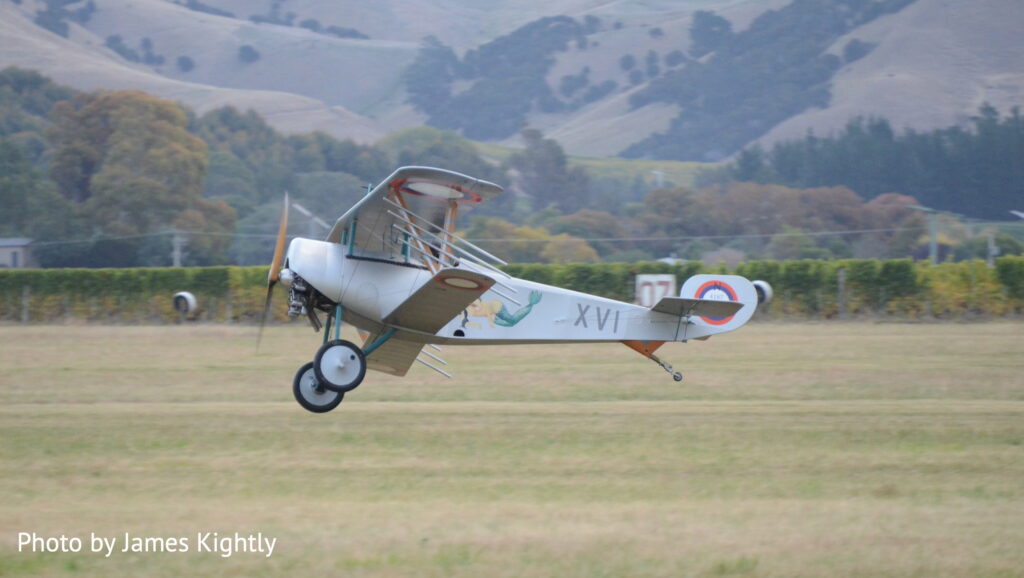
In January 1919, he was wounded again, this time by a bullet to the chest, but continued to fly reconnaissance and bombing missions in the North. By the summer of 1919, the situation had changed. British forces were preparing to withdraw from northern Russia, and Kazakov was offered evacuation to the United Kingdom. He refused and declined a further command appointment. On 1 August 1919, at his airfield near Dvinskoy Bereznik, he took off and crashed. Many witnesses, including British ace James Ira Jones, believed that he had deliberately flown to his death. The evacuation of British troops had begun two days earlier, and the anti-Bolshevik forces were collapsing. For a man who had remained loyal to his oath and rejected the revolution, the future had narrowed. He was buried near the local church, and a monument of crossed propellers was placed at his grave, which reads, “Pilot Kozakov. Shot down 17 German aircraft. May your ashes rest in peace, Hero of Russia.”
Alexander Kazakov is less well known than French, British, or German aces because he did not fight on the World War I primary Western Front. But in the skies over Eastern Europe, he became a symbol of Russia’s early air arm. He survived a ramming attack, built one of the first Russian fighter groups, led from the front, and remained committed to his oath even when his country changed around him. Alexander Kazakov’s life showcased the real impact of the rise and fall of the Imperial Russian Air Service. He was not only an ace but also the Eagle of the Eastern Front.