






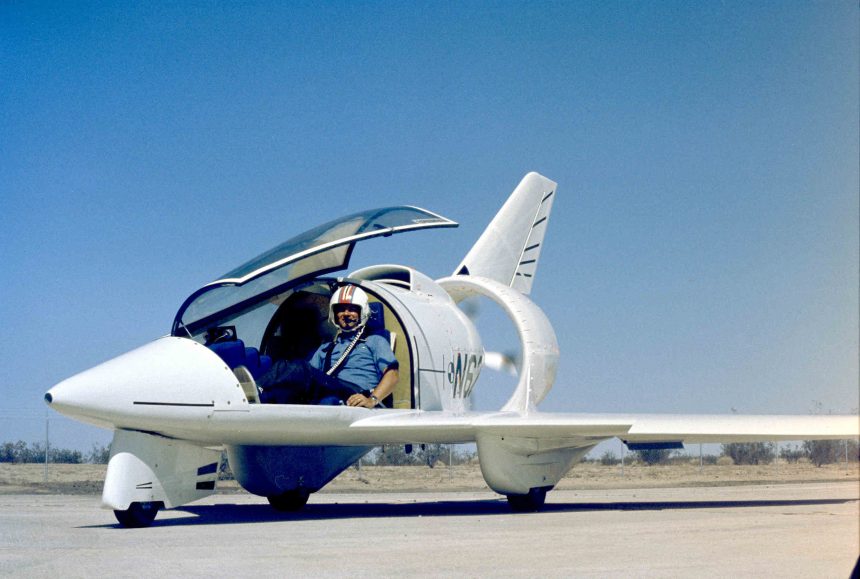


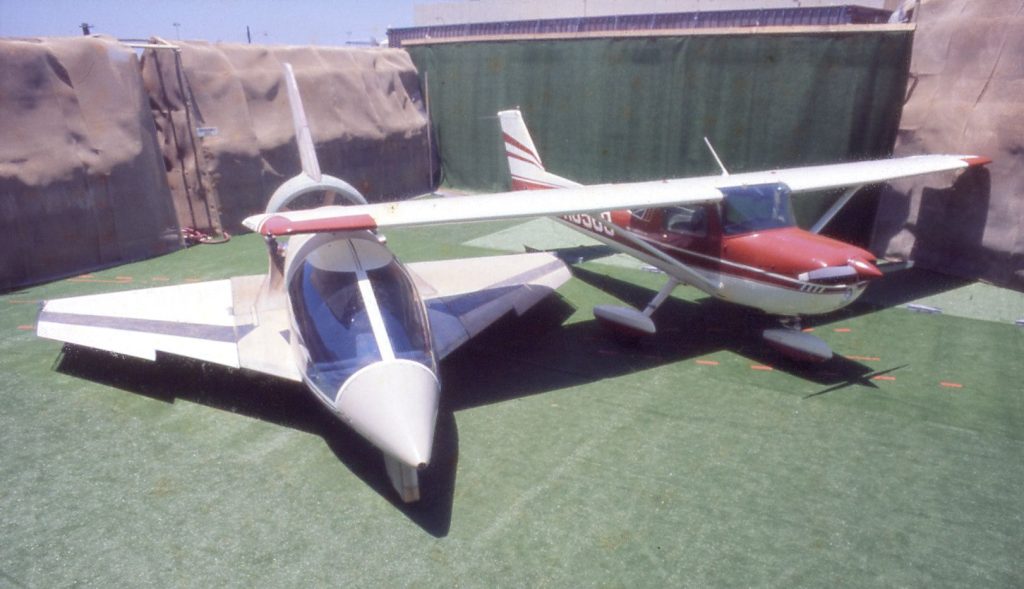
In 1974, at a moment when the American light aircraft market appeared both mature and immovable, Burt Raynes, chairman of Rohr Industries, made an unusual decision for a company known for aerospace components, not personal airplanes. Raynes believed that the company’s entry into the aircraft market was possible, but the product must be different, technologically advanced, economically efficient, and superior in performance and safety so buyers would look beyond brand loyalty. To do that, he turned to Walter E. Mooney, a renowned pilot, prolific model aircraft designer, and aviation enthusiast. Mooney was not asked to refine an existing formula; he was asked to overturn it. The new aircraft, internally designated 71X and later renamed 2-175, would have to offer greater speed, greater safety, greater comfort, lower operating costs, and reduced production complexity. It would also have to fit inside a standard single-car garage, a constraint that shaped nearly every line drawn on the drafting table. The result first flew on October 14, 1974, and it was unlike anything on the light aircraft ramp.
Design of Rohr 2-175
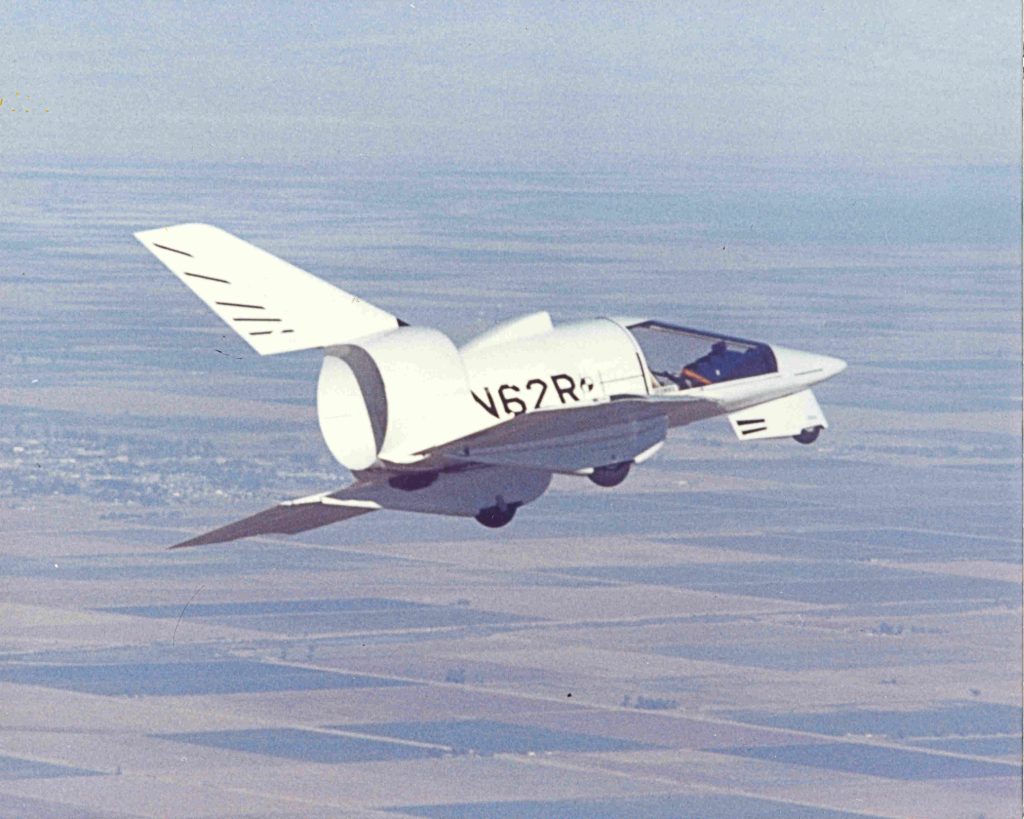
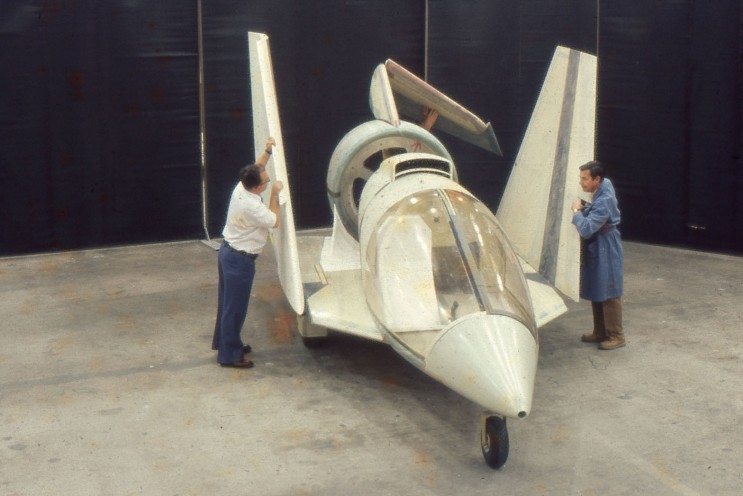
At first glance, the Rohr 2-175 seemed almost deliberately unconventional. It was a low-wing delta, built largely from fiberglass-reinforced plastic at a time when composites were still regarded as experimental in production aviation. It had fixed landing gear with no springs. The engine, a specially adapted 150-horsepower Lycoming, was buried in the fuselage and drove a four-bladed propeller inside a shroud. The vertical tail rose from the top of that shroud. The wing and vertical fin folded for storage. Entry to the cockpit was through large polycarbonate gullwing panels. A single central control stick served both occupants. Nothing about it resembled a Cessna or a Piper, yet none of these choices was made for novelty. They were responses to constraints. The wingspan could not stretch much beyond 20 feet to fit the airplane inside a standard single-car garage. With that constraint in place, the designers had to think carefully about how to keep the airplane aerodynamically efficient and structurally sound. The solution was to give the wing a deep root and a sharp taper toward the tips, naturally shaping it into a compact delta. The outer panels folded, not with heavy metal joints, but with bonded composite piano hinges. At the time, engineers were still cautious about bonding metal parts together, so they avoided the issue entirely by designing hinges made from the same composite material as the wing itself. The vertical tail followed the same logic. Placing it on the fuselage would have meant making it much larger to achieve the same stability.
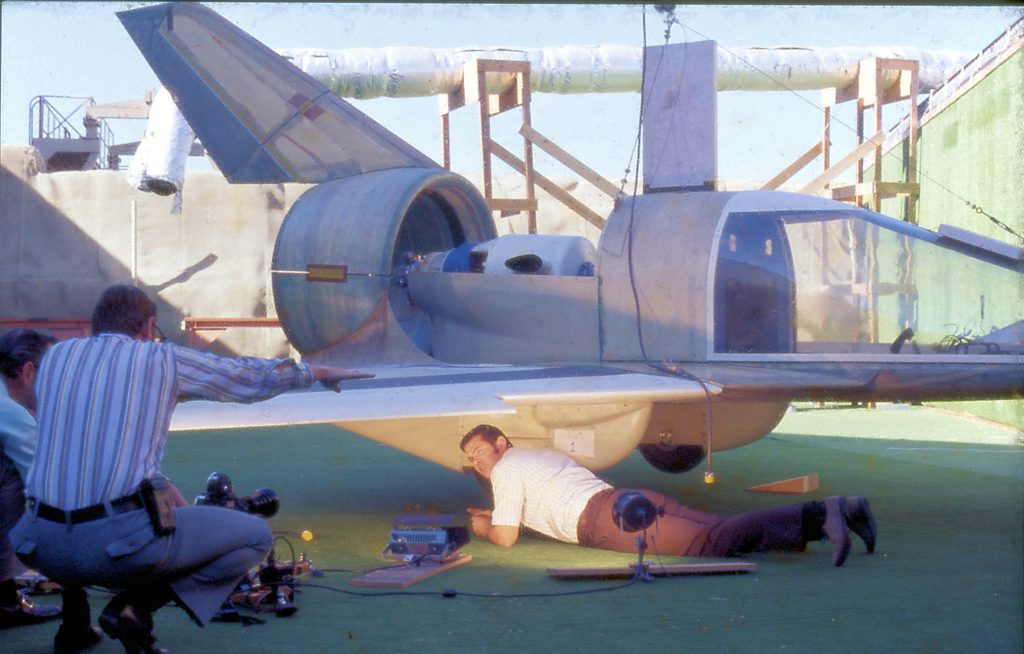
Instead, it was mounted on top of the propeller shroud, where a smaller, more efficient fin could do the job with less drag and less weight. Even that fin was hinged, so when folded, the entire airplane could slide neatly into a low garage, exactly as intended. Instead of building the airplane from sheet aluminum, ribs, and thousands of rivets, the team molded large sections in clamshell forms and bonded them together. Adhesives replaced rows of fasteners, which significantly reduced the number of individual parts, and so did the number of assembly steps. The manufacturing method was carefully thought through. Foam cores were placed inside molds and expanded with live steam until they filled the cavity precisely. Fiberglass prepreg was then laid into the mold surfaces. The core was reinserted, the mold was closed, and heat was applied to cure the structure evenly. Using prepreg avoided the excess resin weight and resulted in a lighter and simpler airframe. Even the cockpit panels reflected that mindset. The team chose polycarbonate instead of traditional acrylic because it was stronger and more impact-resistant. At the time, many believed panels of that size could not be molded reliably. However, the team proved that it could be done. The landing gear followed the same logic. It was fixed and rigid, with no complex retraction system. Because the propeller sat inside a shroud, ground clearance was less of a concern. The gear only needed to provide enough rotation angle for takeoff without risking a tail strike.
Budget Constraints
Many predicted the rigid setup would result in harsh landings. Flight testing showed that the loads remained within acceptable limits. The delta wing solved structural and packaging problems, but it created its own aerodynamic demands. At low speeds, a delta produces high induced drag. That meant the airplane needed strong static thrust for takeoff, even though it carried only 150 horsepower. Simply fitting a larger propeller was not an option, and increasing horsepower would have added weight and cost. Mooney’s answer was a shrouded propeller turning at 4,400 rpm, which was faster than most piston engines of the time were designed to run. By coincidence rather than planning, Lycoming had two experimental high-speed engines available from a canceled program. Rohr acquired them. Each delivered 150 horsepower at the required rotational speed and fit the concept almost perfectly. With one pilot aboard, climb performance reached about 1,280 feet per minute, a strong figure for a compact two-seat aircraft. Cooling the buried, air-cooled engine was another concern. Aided by a dorsal scoop and exhaust-driven ejector system, in testing, even in 108°F heat, temperatures stayed within limits. In fact, the system worked so well that engineers later considered reducing the inlet size. Cooling was not the weakness many had expected. Test pilot Don Westergren later said that, once airborne, the airplane did not feel radical at all. Despite its unusual layout, it behaved in a calm and familiar way. The delta wing could not be seen from the cockpit, so there were no visual references along the leading edge as in a conventional low-wing airplane.
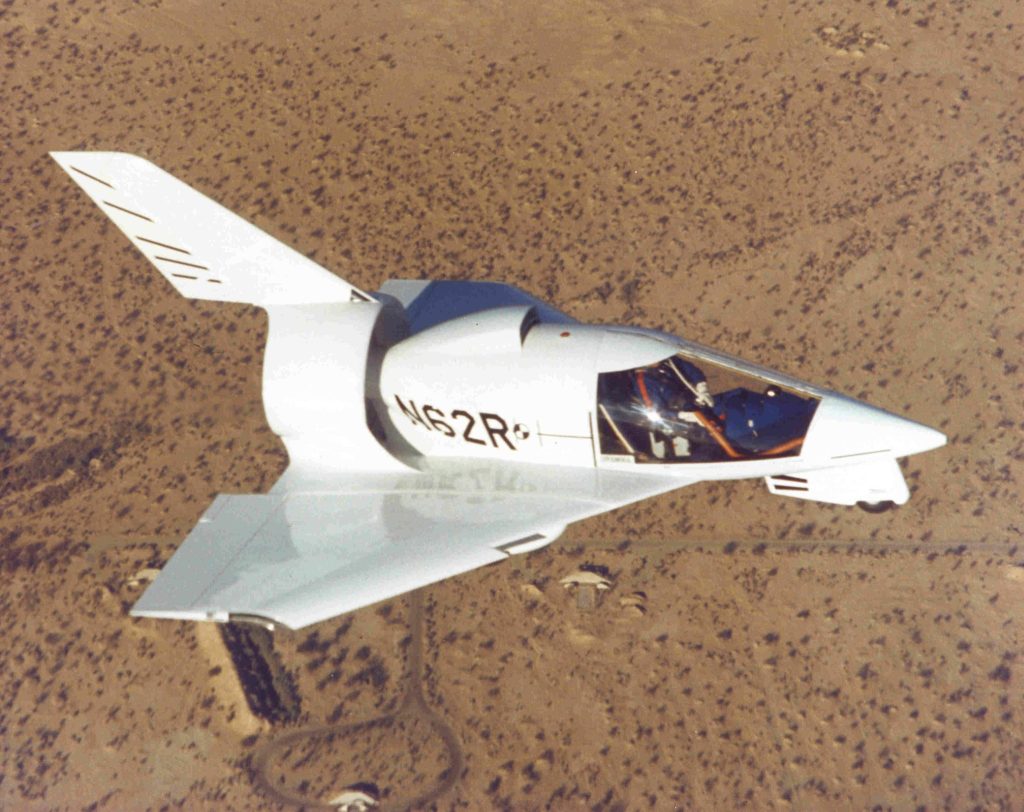
Attitude cues came mostly from the instrument panel. Still, the handling was steady and predictable. However, landing the aircraft was unusual. The delta wing preferred a constant-attitude approach. Instead of pulling hard into a pronounced flare, the pilot held the attitude and allowed the aircraft to settle naturally in ground effect, which was unusual in comparison to conventional aircraft. The design was tested unexpectedly when a driveshaft coupling failed shortly after takeoff on one flight. Westergren turned back immediately and landed without damage. Then came a surprise. Scale tests showed that the sealed, foam-filled wing provided enough buoyancy for flotation. With the addition of hydro-skis, the 2-175 might have operated from water or snow. What had begun as a compact garage aircraft hinted at amphibious possibilities. By the time the program concluded, three airframes, two flying prototypes, and one static test article had been constructed. One prototype accumulated 23 flight hours. Two scale models had even been tested for water operations, and the aircraft performed as intended. Its end came not from aerodynamic failure or design flaw but from financial pressure within Rohr Industries. As corporate priorities shifted and cost containment tightened, the 2-175 became expendable, and the prototypes were destroyed. Like many other aircraft in the Grounded Dreams series, the aircraft never entered production. It was a moment in aviation history when cost overruled a machine that might have become a masterpiece, in the air, on land, or even in water. Check out more Grounded Dreams articles HERE.







The design did make a pop culture appearance in the first episode of the anime Macross. Sure it had small rocket boosters attached, but mostly it just loafed around. I didn’t realize they had based the design on a real aircraft. Not surprised.
The show also featured the Valkyrie variable fighter jet. People have made fully flyable models of that plane and found it is actually a very capable design with superb handling. So clearly the show’s mechanical designers knew their subject very well.
They worked on this plane behind a large stack of hay bales outside bldg 3. I had heard about the project but was unable to ever get a glimpse of it, muss-less work on it. Even though I had that desire in my dreams and to this day still feel I could have been an asset to its completion. It is a dream I will pass on to my grandkids.