






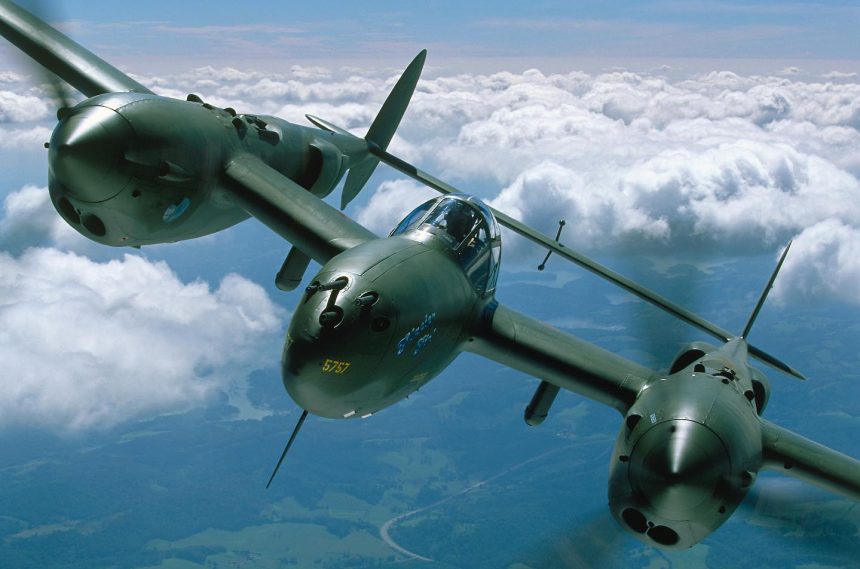

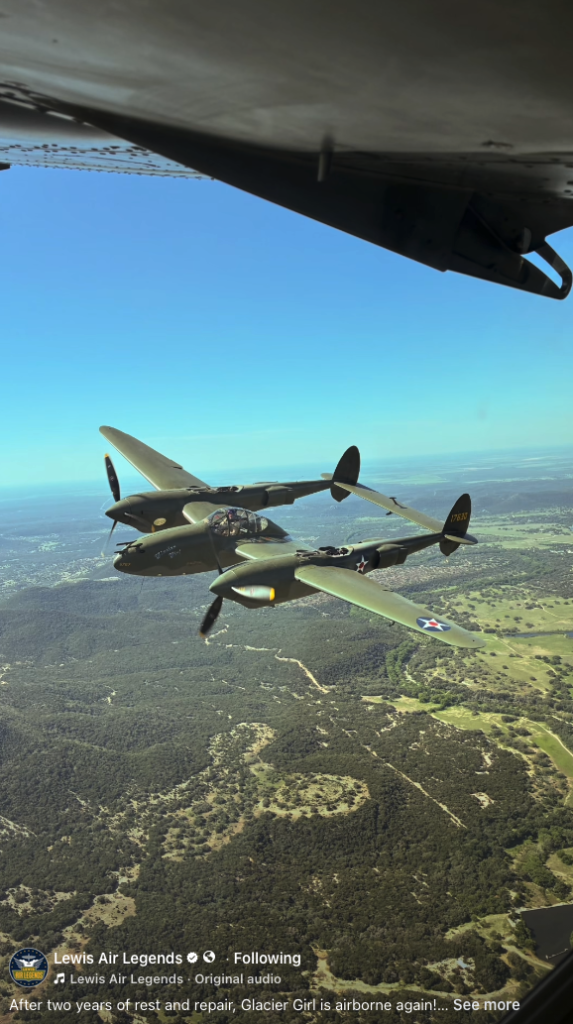
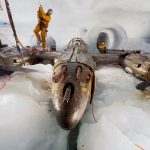
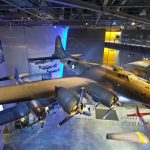
After a two-year hiatus, one of the most iconic warbirds in the aviation community—the Lockheed P-38 Lightning Glacier Girl (s/n 41-7630), operated by the Air Legends Foundation —returned to the skies over the weekend of May 2–3, piloted by veteran aviator Steve Hinton Sr. Among the most remarkable survivor stories of WWII aviation, this twin-boom fighter lay buried beneath the Greenland ice cap for nearly 50 years. Glacier Girl was part of a group of P-38s and B-17s forced to land on the ice in 1942 during a transatlantic ferry mission. While all crew members were safely rescued, the aircraft were left behind and gradually entombed under hundreds of feet of ice.
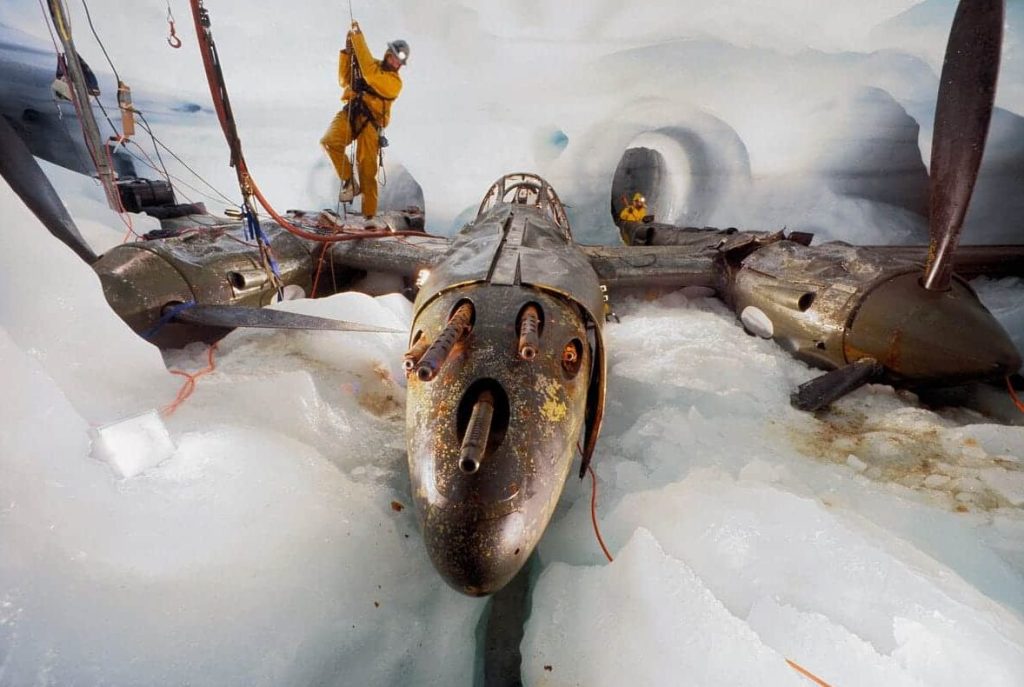
Recovery attempts spanned decades and more than a dozen expeditions before success was finally achieved. The breakthrough came when Patt Epps and Richard Taylor funded the Greenland Expedition Society, and along with Kentucky businessman Roy Shoffner, with Bob Cardin serving as expedition leader. The team developed an innovative recovery system known as the “Super Gopher,” which used heated water to melt vertical shafts more than 260 feet deep through the ice. Workers were lowered into narrow, claustrophobic tunnels to access and extract the aircraft piece by piece—a painstaking and hazardous process. Larger components, including the 17-foot-long fuselage, required days of effort to bring to the surface. The final section was recovered on August 1, 1992. Despite concerns that glacial pressure might have destroyed the aircraft, the remains were found to be in surprisingly good condition. Initially estimated as a two-year project, the restoration ultimately took nearly a decade. Using approximately 80 percent of the original components, the team painstakingly returned the aircraft to factory condition.

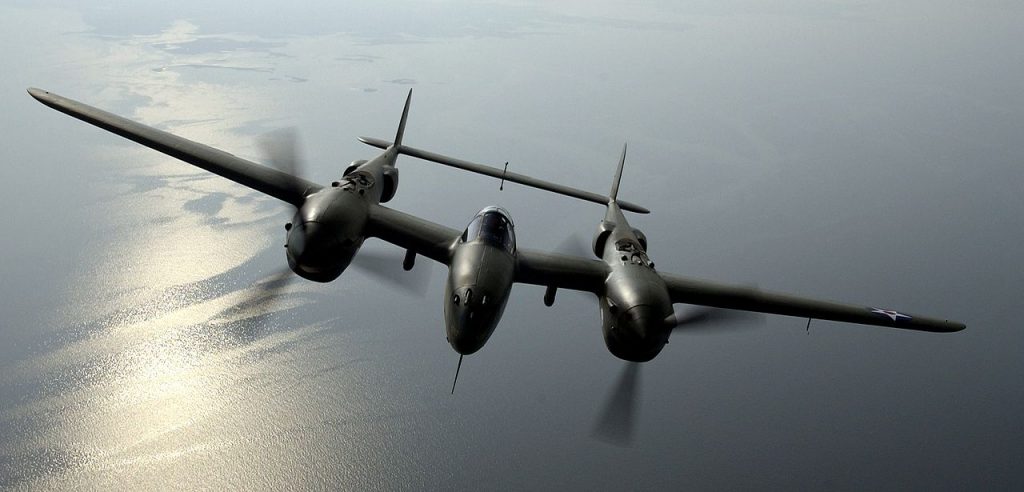
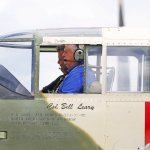
On October 26, 2002, Glacier Girl made its first public flight since 1942 before a crowd of 20,000 spectators. The sight of the fully restored fighter returning to the air moved many veterans and enthusiasts alike. Today, Glacier Girl is widely regarded as one of the finest warbird restorations in existence. It also retains the only complete set of operational P-38 machine guns known to survive. In 2006, the aircraft was acquired by Rod Lewis and became the centerpiece of the Air Legends Foundation collection. For more information about the Air Legends Foundation, visit www.lewisairlegends.com.








Would have been a lot easier before they were encapsulated in ice! Why weren’t they recovered immediately??
Technology to do it didn’t exist in 1942. Plus the emphasis was crew recovery, and they succeeded in that.
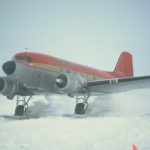
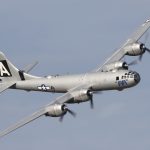
for an example of the difficulty, do a search for Kee Bird” B-29, which crashed in Greenland and was nearly recovered in the 1990s.