
By Randy Malmstrom
Since his childhood, Randy Malmstrom has had a passion for aviation history and historic military aircraft in particular. He has a particular penchant for documenting specific airframes with a highly detailed series of walk-around images and an in-depth exploration of their history, which have proved to be popular with many of those who have seen them, and we thought our readers would be equally fascinated too. This installment of Randy’s Warbird Profiles takes a look at the Sopwith Snipe reproduction on display at the Museum of Flight in Seattle, Washington.
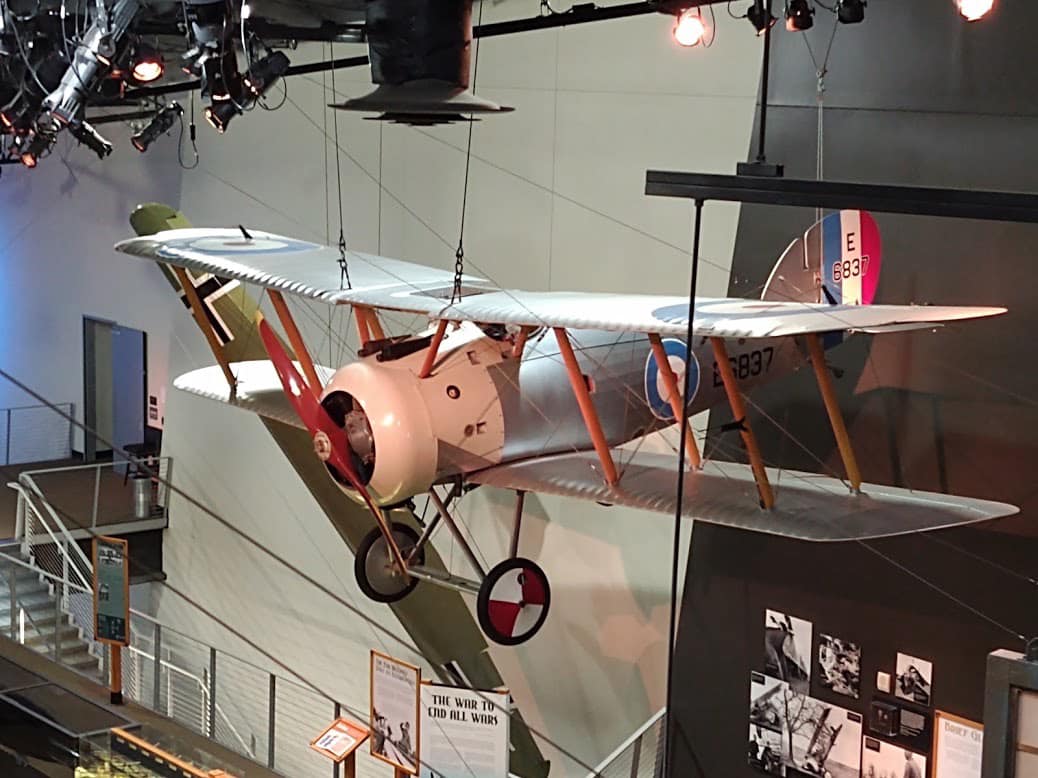
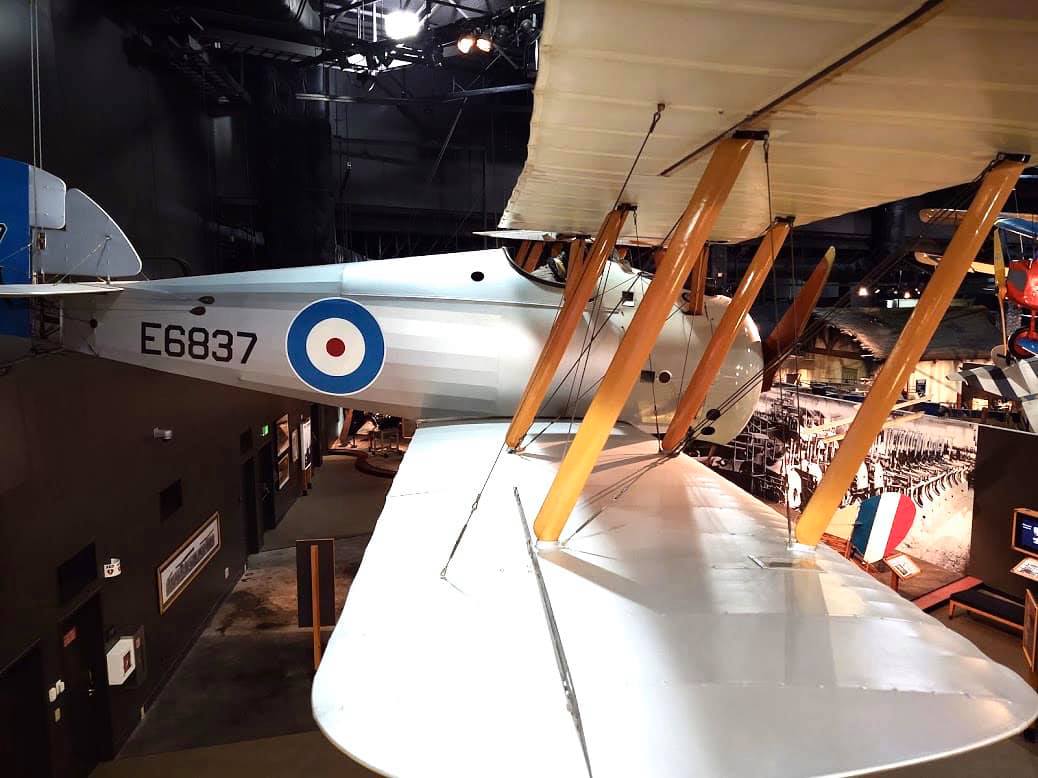
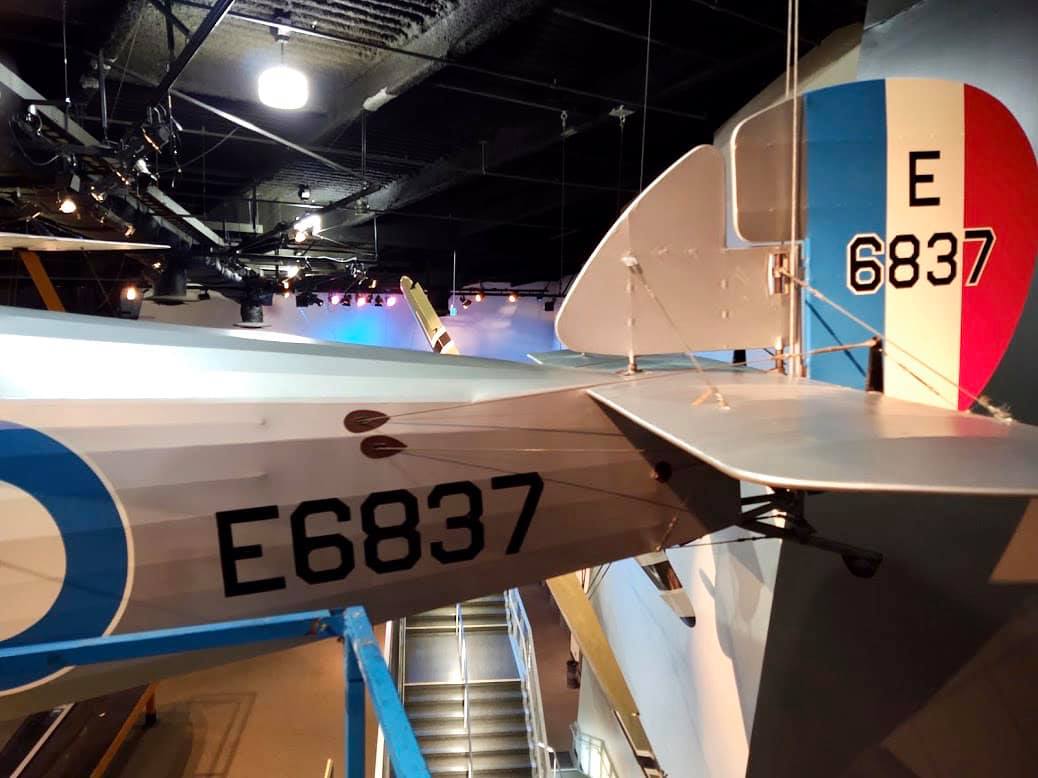
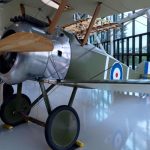
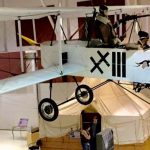
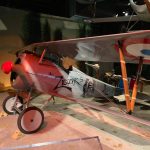
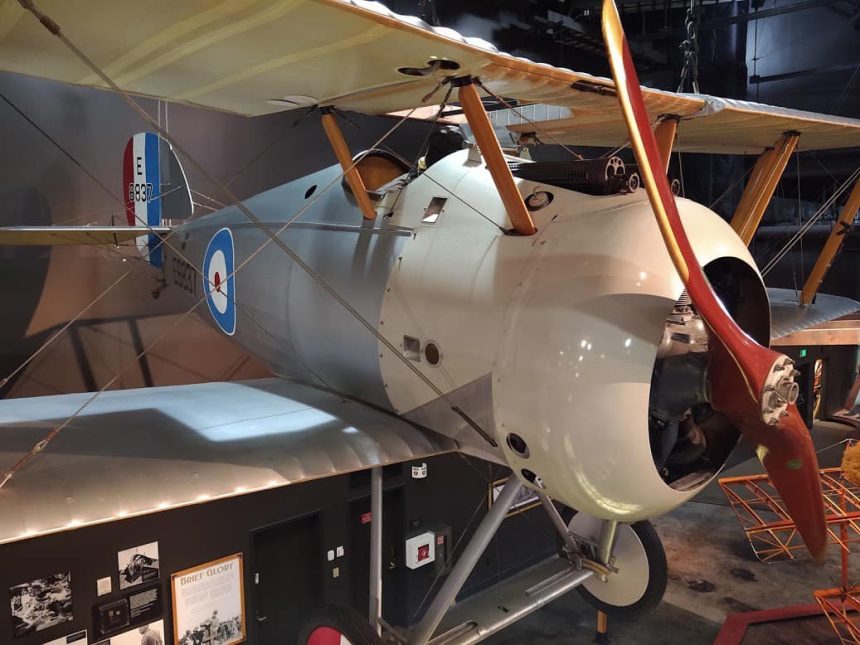
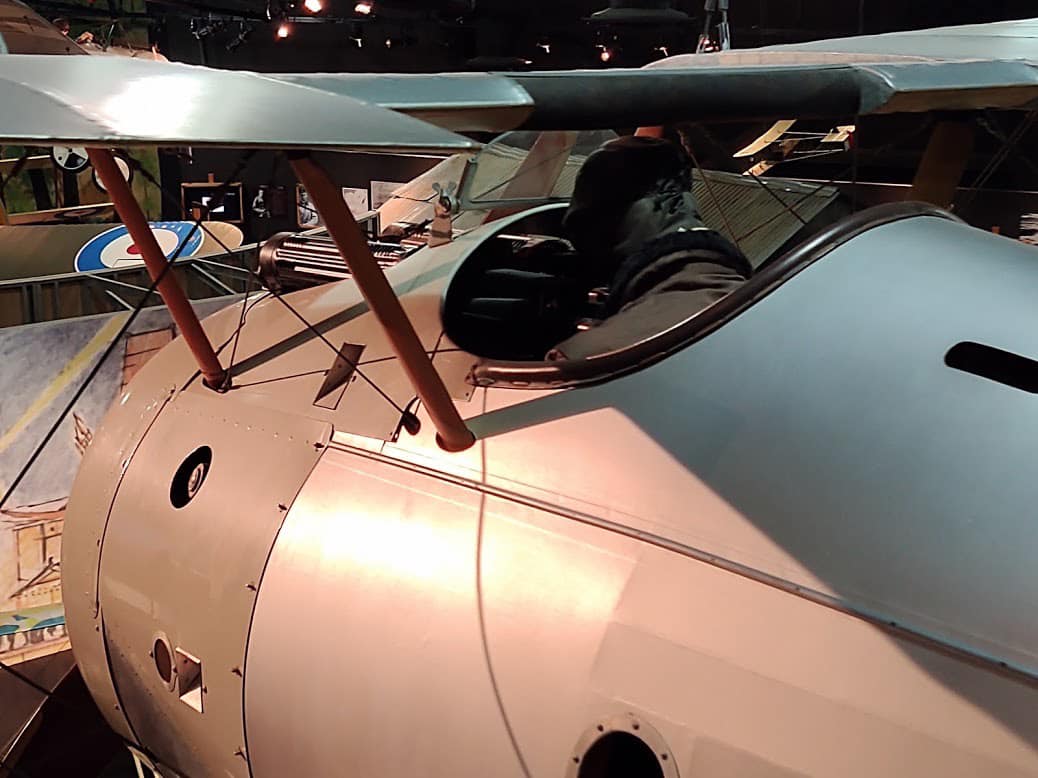
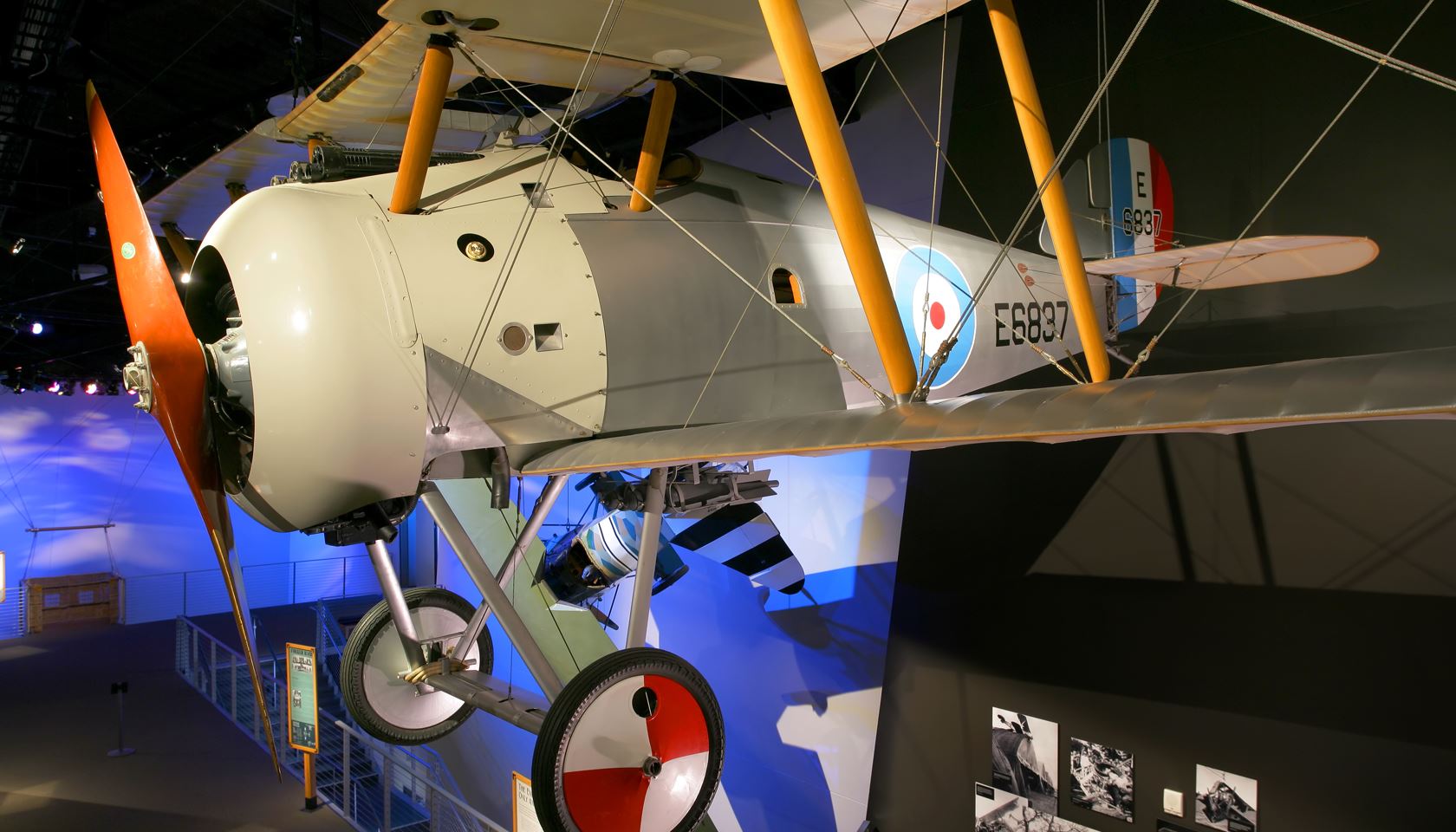
Sopwith Snipe (7F.1). Reproduction at Museum of Flight (MOF) in Seattle. Photos courtesy of Don England at MOF, thanks. This reproduction was built by Richard Day of Colonia, New Jersey. Completed in 1982 and powered by a Continental 220-horsepower radial engine and armed with two .303-inch Vickers machine guns represent a Snipe in postwar Royal Air Force service.
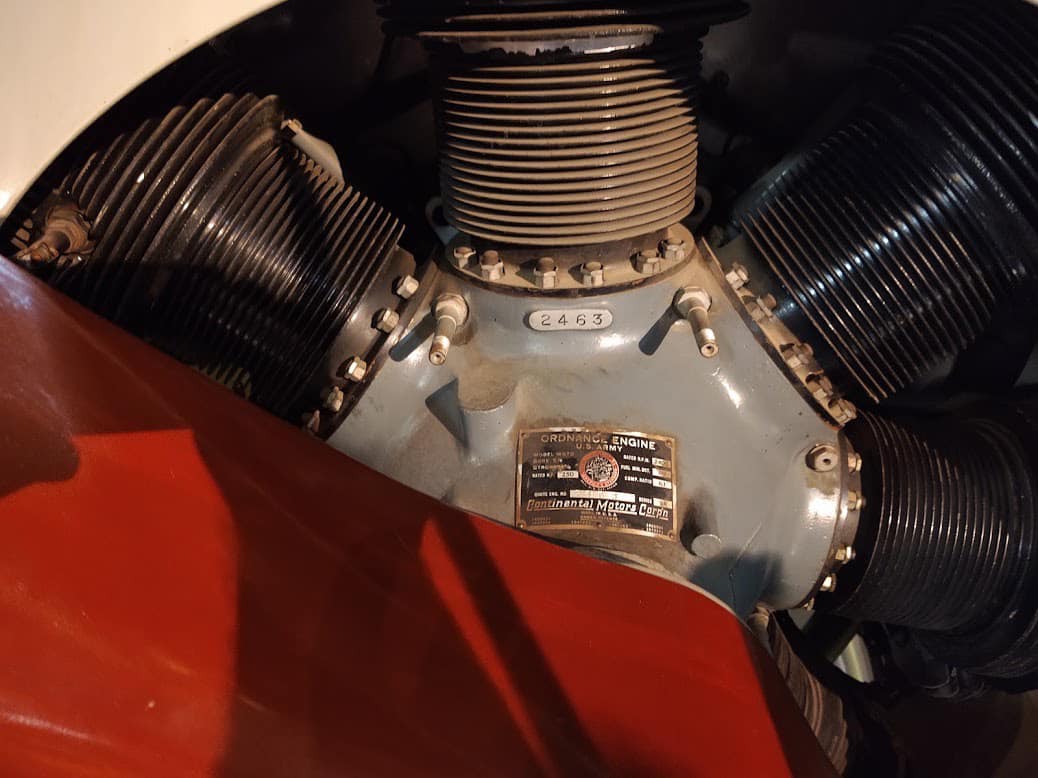
Editor’s note: This aircraft was issued the FAA N-number N3765D and displayed at the Champlin Fighter Museum at Falcon Field in Mesa, Arizona until it was transferred to the Museum of Flight.
The Sopwith Snipe was developed in 1917 as a replacement for the famous Sopwith Camel. Armed with two 0.303 in (7.7 mm) Vickers machine guns and powered by a single 230 hp Bentley BR2 nine-cylinder rotary engine, the Snipe did not enter widespread operational service until August 1918, and the most notable action involving a Sopwith Snipe during WWI was when Canadian ace Major William George “Billy” Barker single-handedly attacked a German Rumpler two-seat observation aircraft near the French-Belgian border over Forêt de Mormal on October 27, 1918. After downing the Rumpler, he was set upon by a formation of up 15 Fokker D.VII fighters of Jadgruppe 12. Upon engaging the German over Canadian lines, he downed at least three Fokker D.VIIs, despite sustaining multiple wounds that rendered him temporarily unconscious twice during the dogfight. Afterwards, Barker managed to break off from the remaining Germans and force landed behind Allied lines. For this action, Barker was awarded the British Empire’s most prestigious medal for gallantry, the Victoria Cross.
After the Armistice was signed on November 11, 1918, Sopwith Snipes were flown in Germany by British pilots as part of the Allied Occupation of the Rhineland, were flown in the Allied Intervention to the Russian Civil War, flown over Constantinople (now Istanbul) during the 1922 Chanak crisis, and remained a mainstay fighter of the Royal Air Force until 1926. In all, the Sopwith Snipe was operated by the Australian Flying Corps, Brazilian Naval Aviation, Royal Canadian Air Force, the Royal Air Force, and at least one was impressed into the Soviet Air Force.
 About the author: Randy Malmstrom grew up in a family steeped in aviation culture. His father, Bob, was still a cadet in training with the USAAF at the end of WWII but did serve in Germany during the U.S. occupation in the immediate post-war period, where he had the opportunity to fly in a wide variety of types which flew in WWII. After returning to the States, Bob became a multi-engine aircraft sales manager and as such flew a wide variety of aircraft; Randy frequently accompanied him on these flights. Furthermore, Randy’s cousin, Einar Axel Malmstrom flew P-47 Thunderbolts with the 356th FG from RAF Martlesham Heath. He was commanding this unit at the time he was shot down over France on April 24th, 1944, spending the rest of the war as a prisoner of war. Following his repatriation at war’s end, Einar continued his military service, attaining the rank of Colonel. He was serving as Deputy Wing Commander of the 407th Strategic Fighter Wing at Great Falls AFB, MT at the time of his death in a T-33 training accident on August 21, 1954. The base was renamed in his honor in October 1955 and continues to serve in the present USAF as home to the 341st Missile Wing. Randy’s innate interest in history in general, and aviation history in particular, plus his educational background and passion for WWII warbirds, led him down his current path of capturing detailed aircraft walk-around photos and in-depth airframe histories, recording a precise description of a particular aircraft in all aspects.