
By Randy Malmstrom
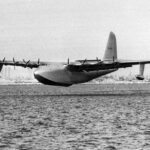
Since his childhood, Randy Malmstrom has had a passion for aviation history and historic military aircraft in particular. He has a particular penchant for documenting specific airframes with a highly detailed series of walk-around images and an in-depth exploration of their history, which have proved to be popular with many of those who have seen them, and we thought our readers would be equally fascinated too. This installment of Randy’s Warbird Profiles takes a look at the legendary Hughes H-4 Hercules — better known as the “Spruce Goose” — on the 77th anniversary of the giant airplane’s first and only flight.
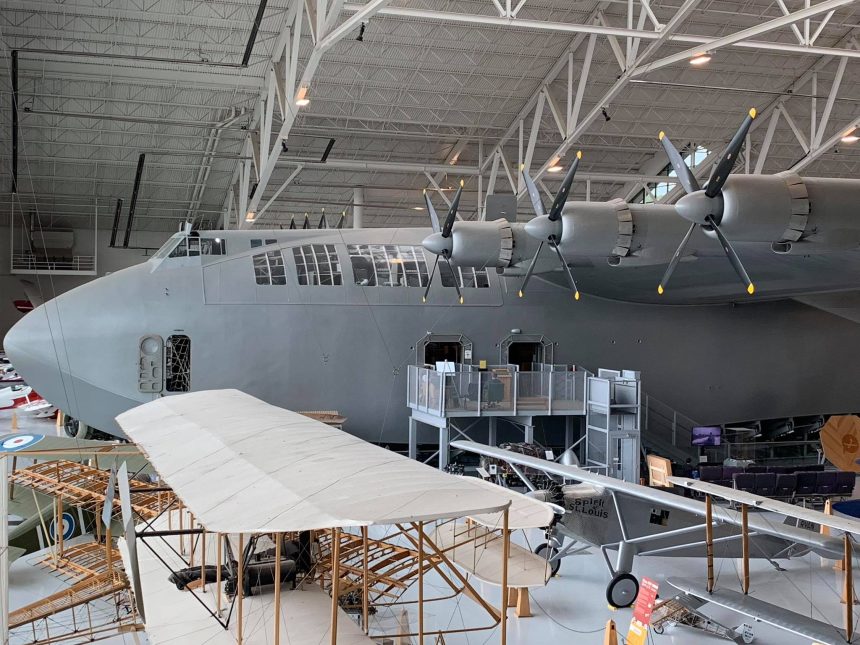
In 1942, an order was issued by the U.S. War Department for a large troop/equipment transport as a result of German U-boat wolf packs marauding the open seas and sinking large numbers of transport ships with great loss of life and shipping tonnage. The aircraft was originally conceived by shipbuilder Henry J. Kaiser and it was designed and built by billionaire Howard Hughes and his Hughes Aircraft Company. Because of Kaiser’s initial involvement, it originally had the designation HK-1 but he withdrew from the project in 1944 to pursue bomber construction and it was re-designated H-4.


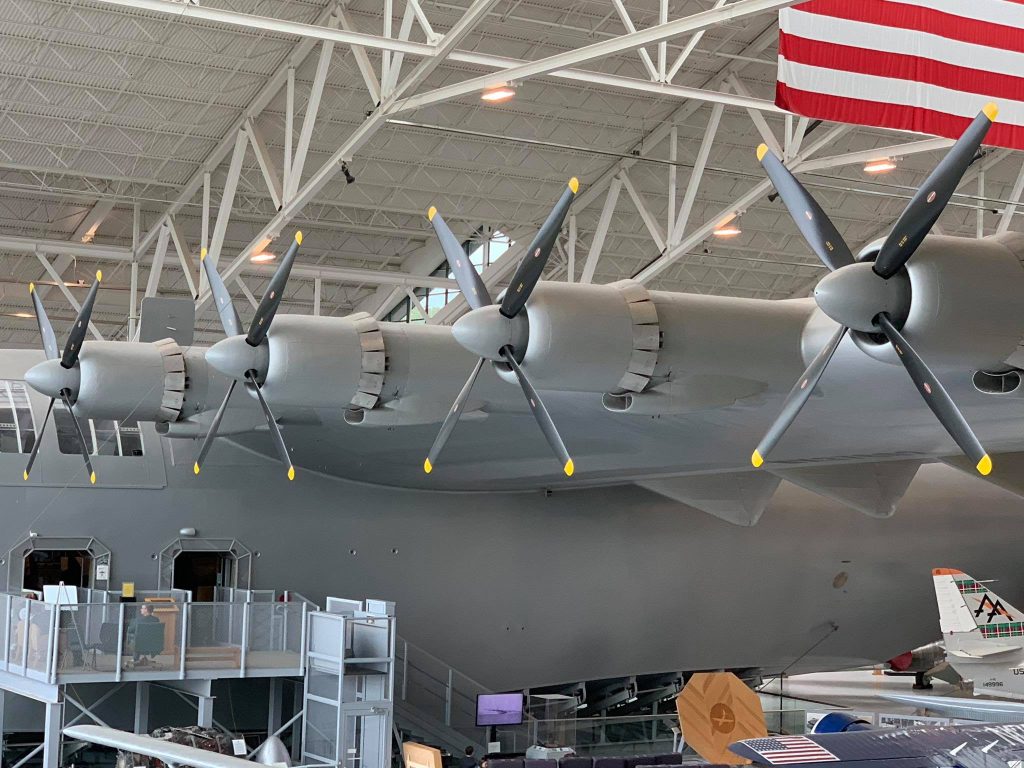
Its empty weight was 400,000 pounds and was fitted with eight Pratt & Whitney R-4360 Wasp Major radial engines (powering Hamilton propellers; the fuel tanks held 200 gallons each. Written specifications indicate it was designed to be flown by a crew of three, but the only flight had a crew of more like 17.
The hull consisted of a flight deck, cargo deck, and below that, fuel tank compartments or bays separated by watertight bulkheads. The nose or bow was designed for clam-shell doors to admit cargo, but Mr. Hughes (or someone) determined to install a solid nose apparently out of concern for the integrity of the hull. Mr. Hughes had a joy stick installed to the left of the pilot’s seat so he could control the pitch and bank of the aircraft.
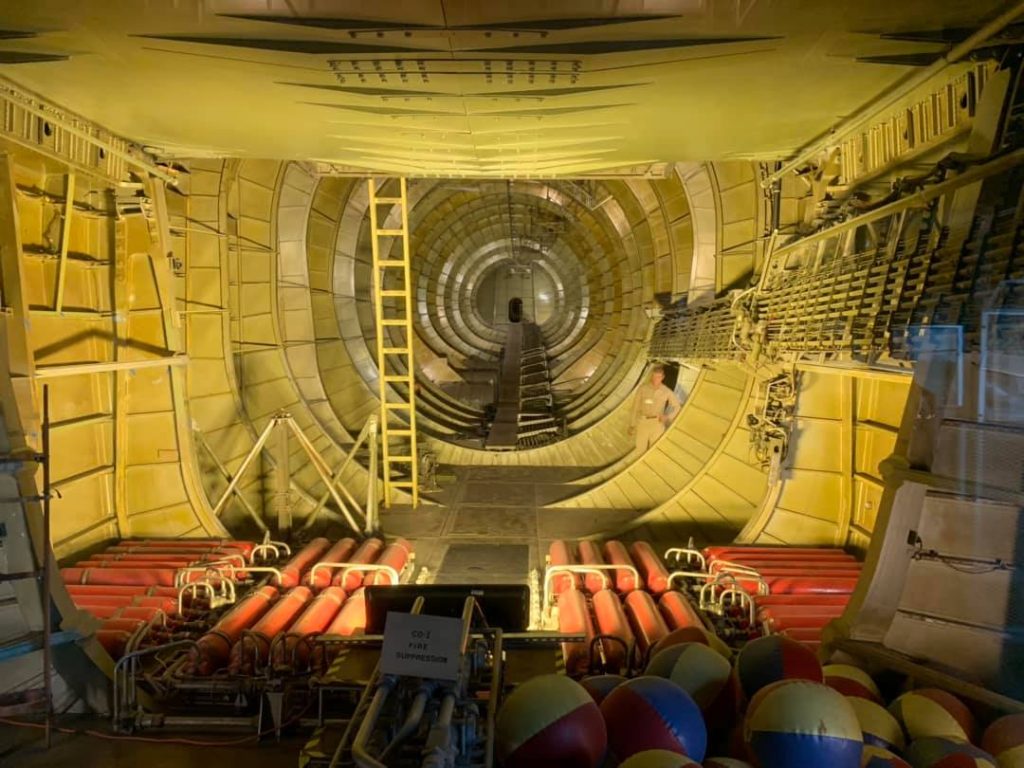
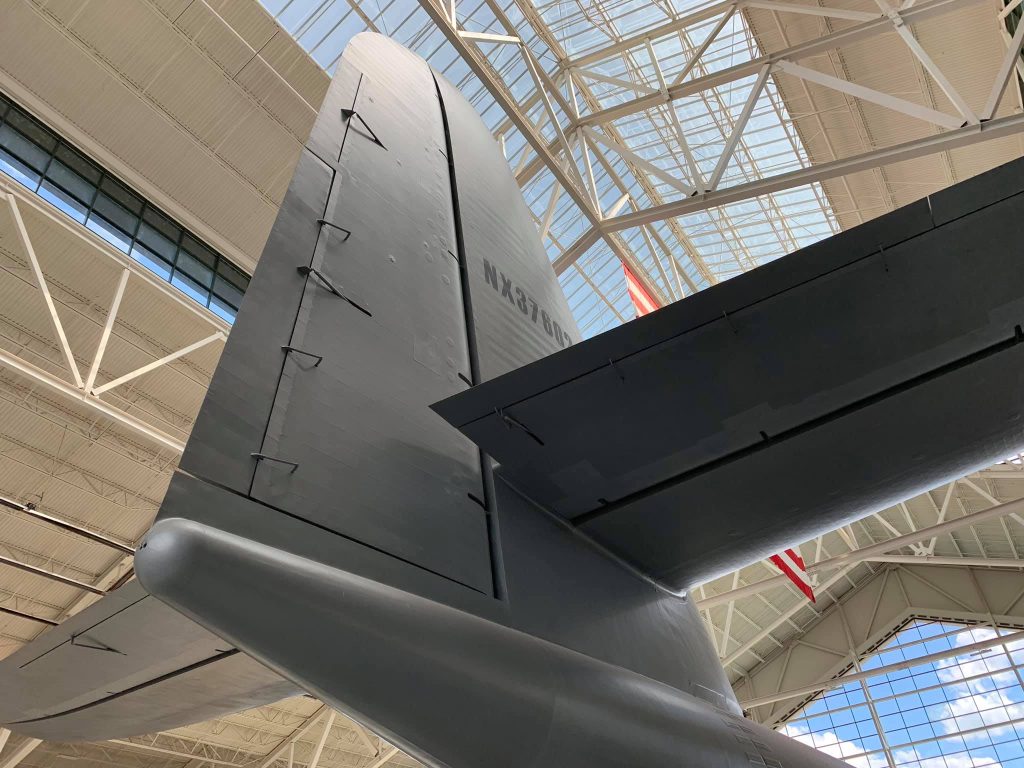
Due to weight concerns and military prohibitions on the use of aluminum for non-combat materiel during World War II, the aircraft was built largely of laminated Whitebarked Himalayan birch hauled by train from Wisconsin and Minnesota to the Hughes plant at Hughes Airport near Culver City, California. Its specifications were that it be capable of carrying 750 fully-equipped troops or two Sherman M-4 tanks (or the equivalent). I am not aware that was ever intended to carry any defensive armament. It was the first aircraft to require entirely hydraulically-powered control surfaces due to their sheer weight even though fabric-covered (with the exception of the flaps).
The war ended before it was completed. As is well known, a scandal erupted over the costs of the aircraft and in 1947 a full Senate War Investigating Committee called Howard Hughes in to testify as to the $27 million the War Department put up for the project. During those hearings, Republican Sen. Owen Brewster of Maine nicknamed it the “Spruce Goose,” saying “The Spruce Goose is a flying lumberyard and will never fly.” Hughes loathed the name, saying “I have my money and my reputation wrapped up in this airplane, and if it doesn’t fly, I’ll leave the country and I won’t come back.”
Hughes had been under an $18 million government contract handled by the Reconstruction Finance Corp., and when challenged by the Committee about the cost overruns, Hughes plunked $9 million of his own money down to finish the project. The H-4 was then completed by Hughes Aircraft Company.
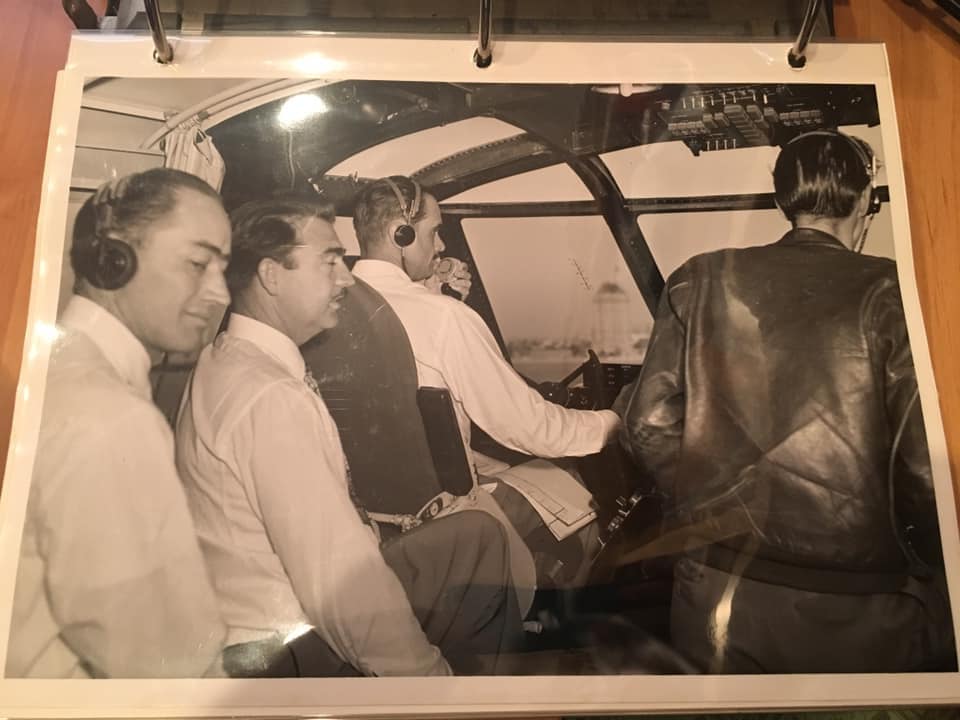
Following its only flight, Hughes employed a full ground crew to keep it maintained in a climate-controlled hangar at Long Beach; Hughes was known to visit it, making sure it was thoroughly maintained. The ground crew referred to it as “Jesus Christ” in reference to the comment Hughes made in response to its size every time he went into the hangar to see it (no one else was supposed to be there when he was in there but the ground crew overheard him!).
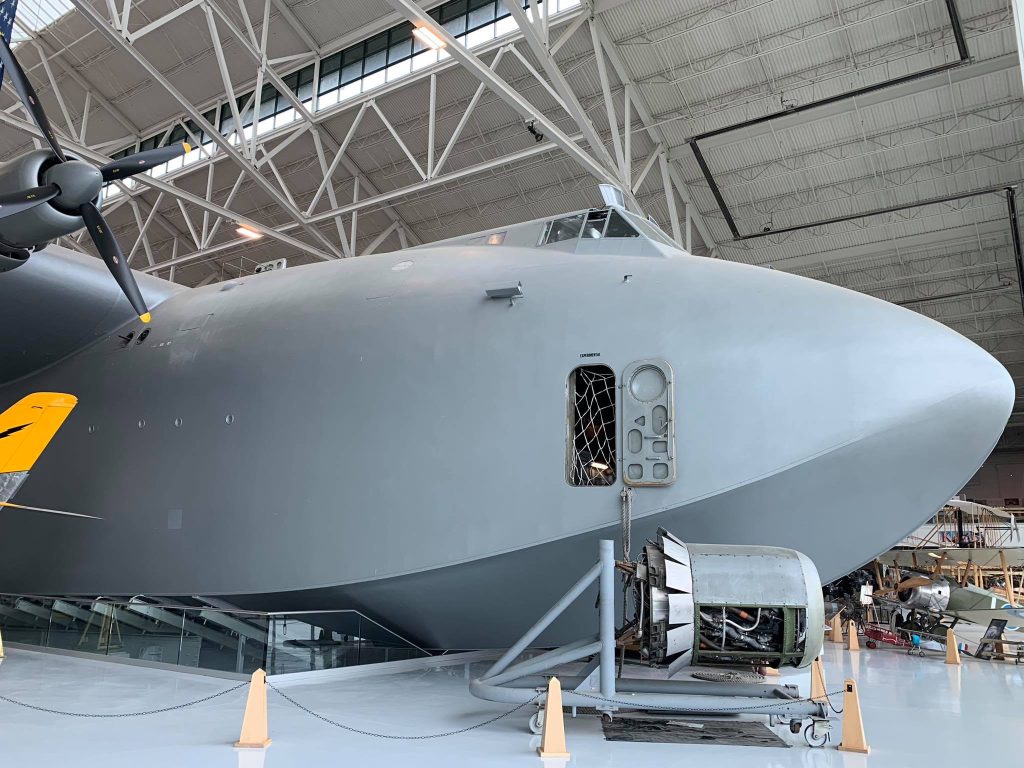
Following his death in 1976, it was gifted by his Summa Corporation to the Aero Club of Southern California which then leased it to the Wrather Corporation which moved it into a domed hangar in Long Beach. The Disney Company acquired Wrather and thus took over the lease in 1988, but its plans did not provide for ongoing space next to the ocean liner RMS Queen Mary.
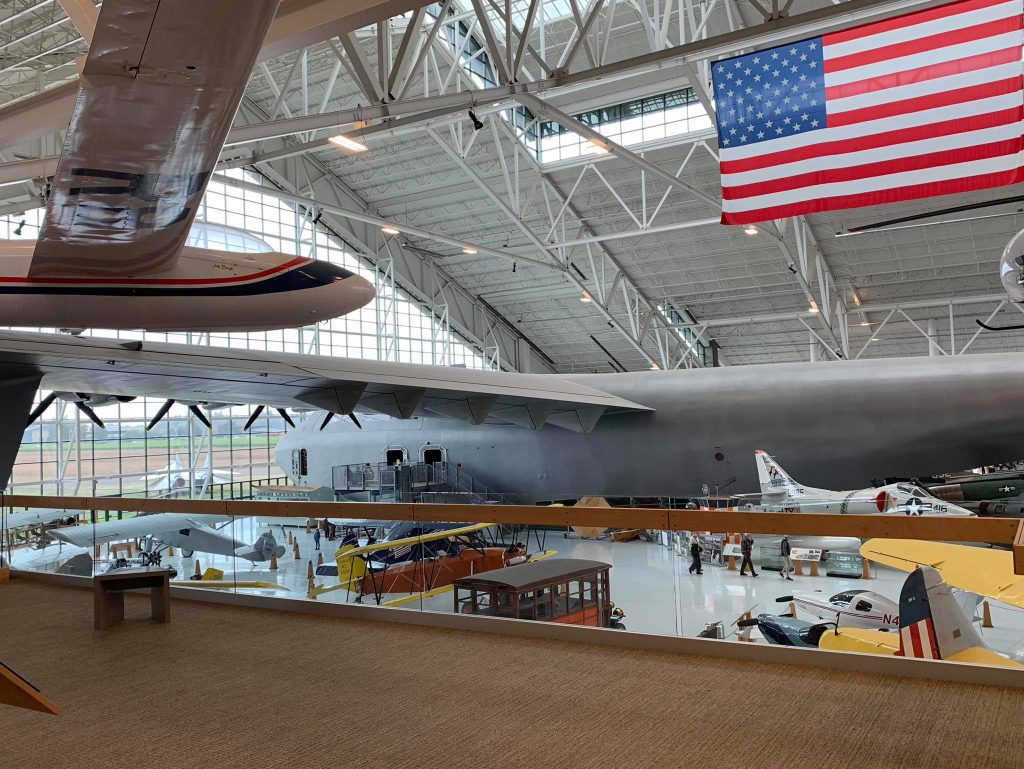
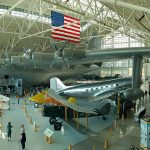
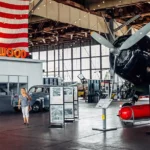
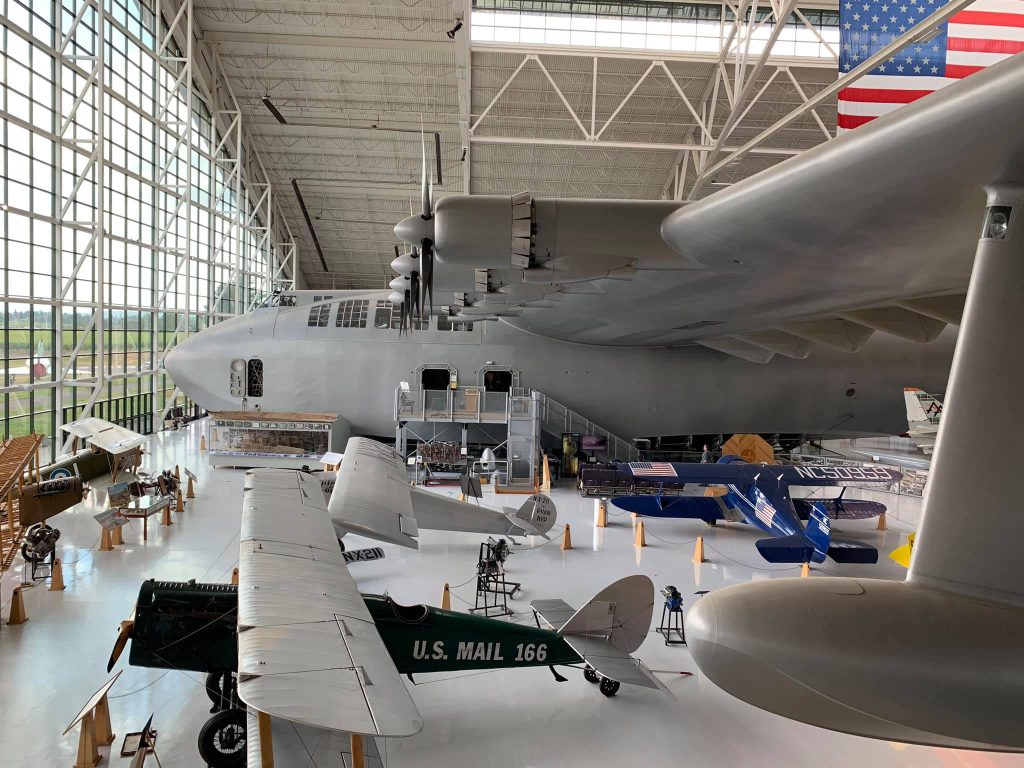
So in 1992, Evergreen Aviation & Space Museum co-founders Del M. Smith and son Michael King Smith submitted the winning proposal and had a new hangar built for it at Evergreen’s headquarters at McMinnville Municipal Airport, McMinnville, Oregon, and the aircraft was shipped by barge up the Columbia River in 1993. The original wooden ladder to the flight deck has been replaced by the steel spiral stairs as can be seen, and some windows and entry hatches were added. Final reconstruction was completed in 2001, and it still resides in McMinnville.
About the author
 Randy Malmstrom grew up in a family steeped in aviation culture. His father, Bob, was still a cadet in training with the USAAF at the end of WWII, but did serve in Germany during the U.S. occupation in the immediate post-war period, where he had the opportunity to fly in a wide variety of types which flew in WWII. After returning to the States, Bob became a multi-engine aircraft sales manager and as such flew a wide variety of aircraft; Randy frequently accompanied him on these flights. Furthermore, Randy’s cousin, Einar Axel Malmstrom flew P-47 Thunderbolts with the 356th FG from RAF Martlesham Heath. He was commanding this unit at the time he was shot down over France on April 24th, 1944, spending the rest of the war as a prisoner of war. Following his repatriation at war’s end, Einar continued his military service, attaining the rank of Colonel. He was serving as Deputy Wing Commander of the 407th Strategic Fighter Wing at Great Falls AFB, MT at the time of his death in a T-33 training accident on August 21, 1954. The base was renamed in his honor in October 1955 and continues to serve in the present USAF as home to the 341st Missile Wing. Randy’s innate interest in history in general, and aviation history in particular, plus his educational background and passion for WWII warbirds, led him down his current path of capturing detailed aircraft walk-around photos and in-depth airframe histories, recording a precise description of a particular aircraft in all aspects.