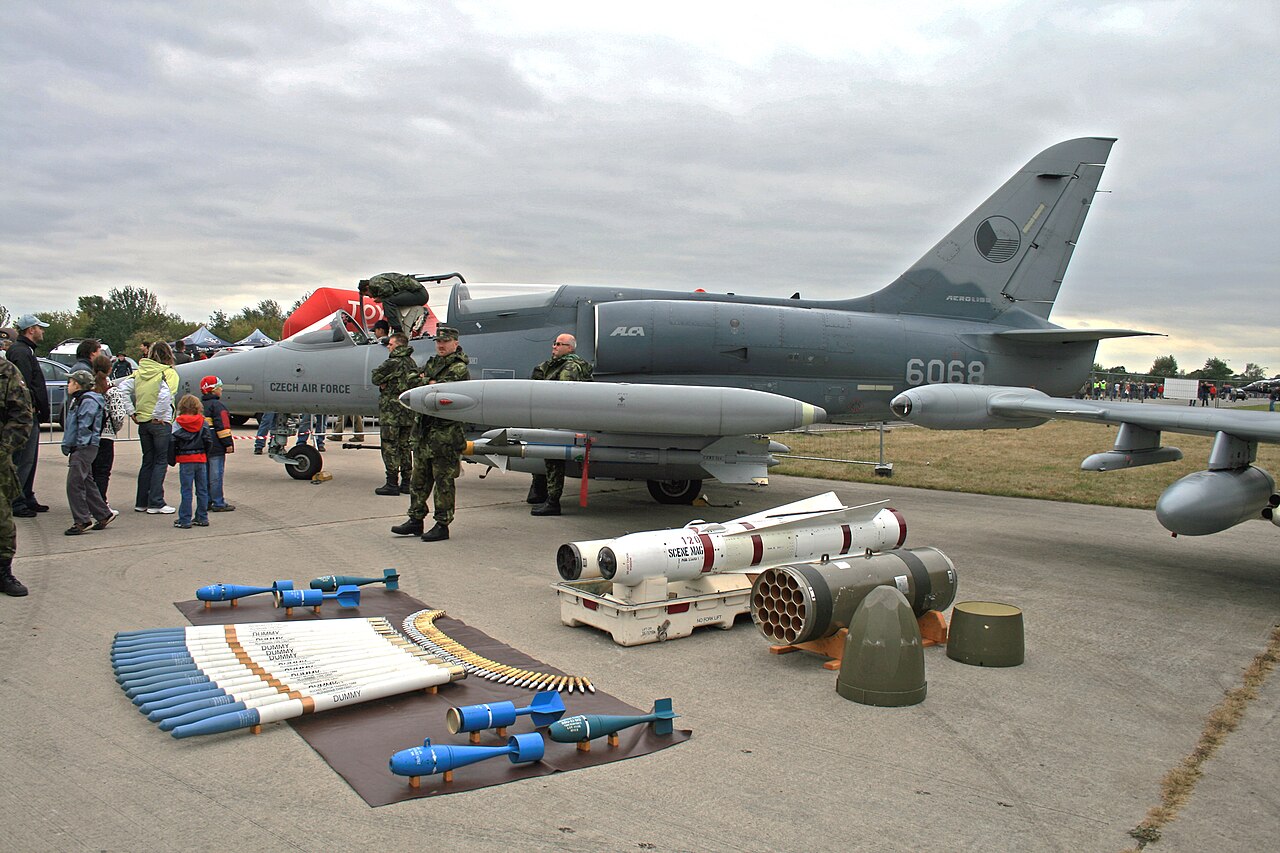
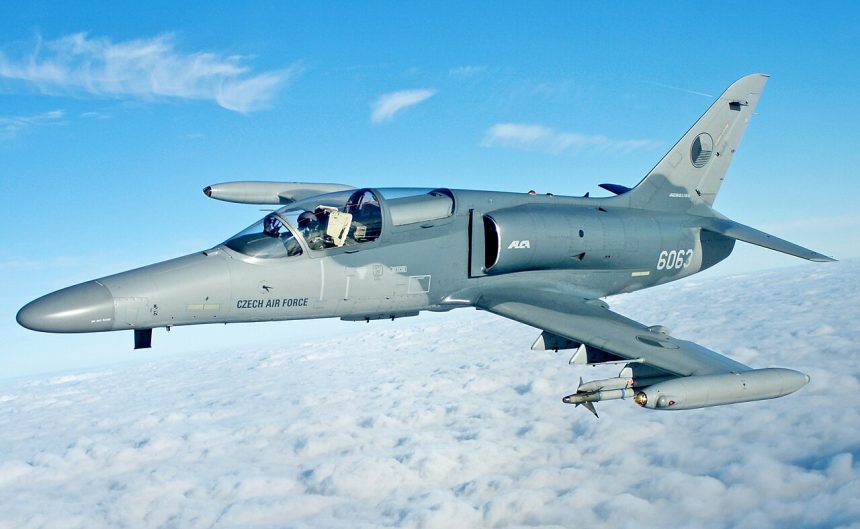

On this day in aviation history, 28 years ago (August 17, 1998), the first flight of the Aero Vodochody L-159 ALCA (Advanced Light Trainer Aircraft) took place. Developed by Aero Vodochody in the Czech Republic, the L-159 was a light combat aircraft derived from the successful L-59 Super Albatros trainer. The L-159A prototype was completed to Czech Air Force specifications, following the flight of an earlier two-seat prototype in August 1997.
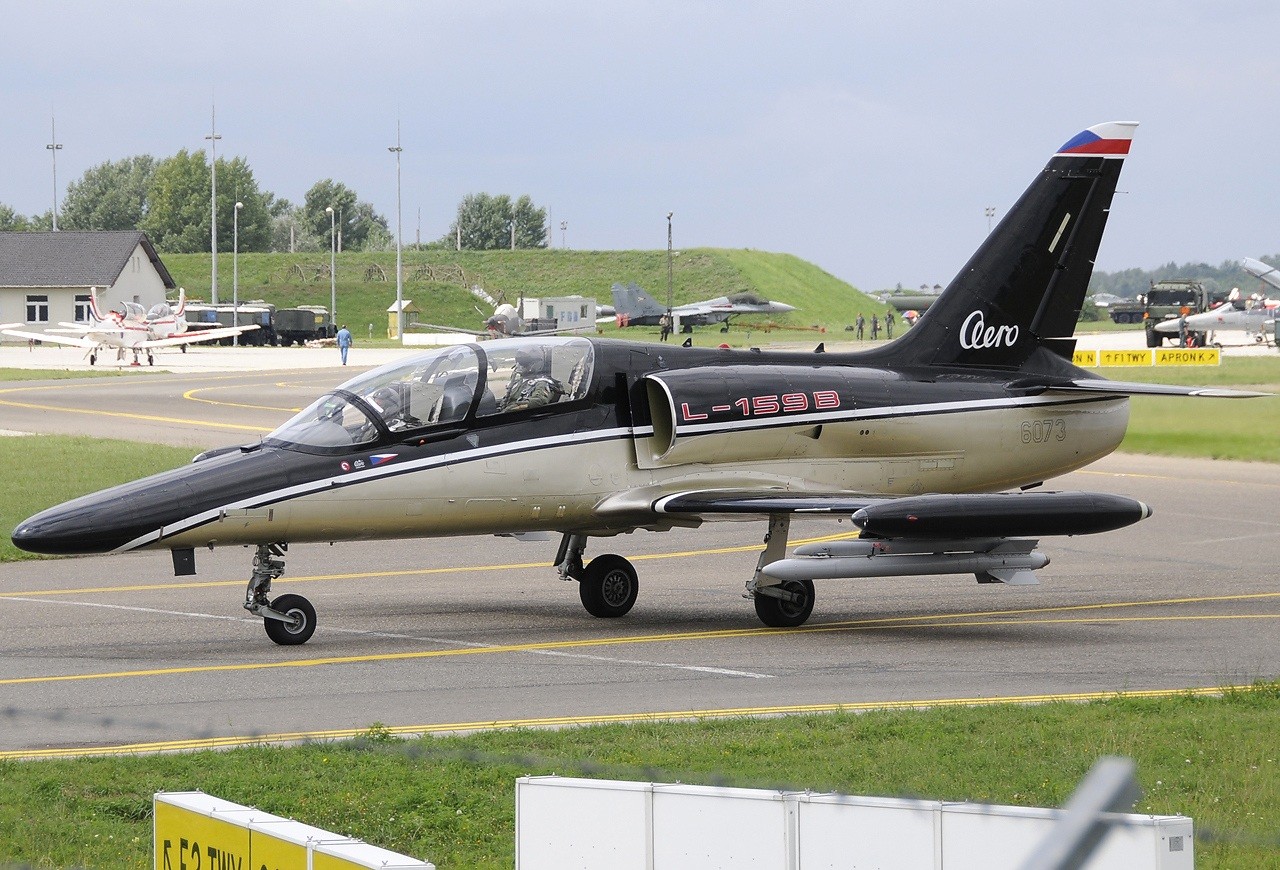
Development of the L-159 began during the 1990s as the Czech Republic sought a modern replacement for several Soviet-era combat aircraft, including the MiG-23BN, Su-22, and Su-25. Rather than develop an entirely new aircraft, Aero Vodochody based the L-159 on the existing L-59, incorporating a Western engine, avionics, and weapons systems. The Czech government ultimately ordered 72 single-seat L-159As, with the first production aircraft delivered to the Czech Air Force in April 2000.
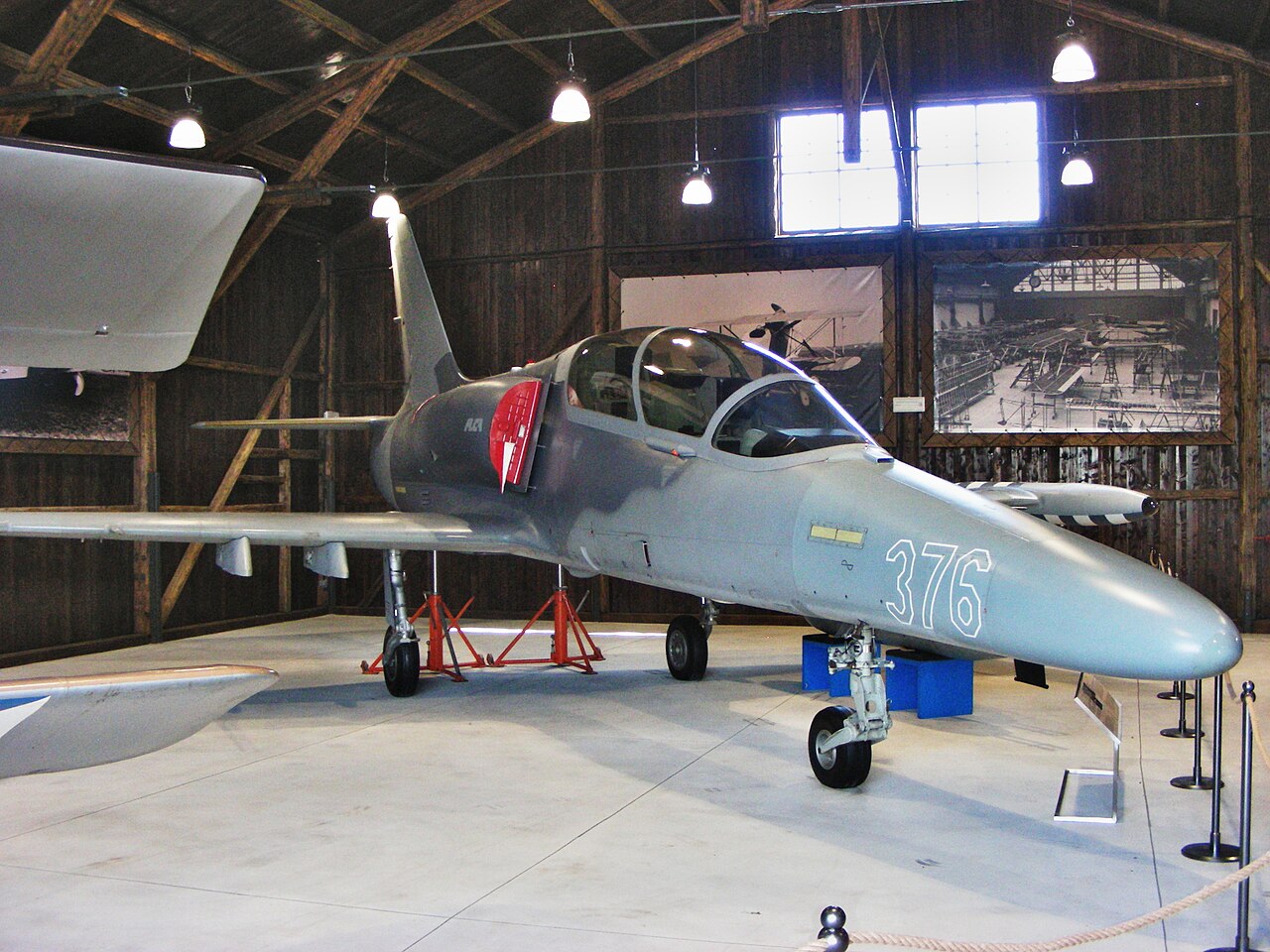
Budget constraints later reduced the Czech Air Force’s active L-159A fleet, allowing surplus aircraft to find new operators. The Iraqi Air Force acquired L-159s and subsequently flew the type in combat against ISIS, while aircraft sold to civilian contractors have been used as aggressors for military flight training. The design also spawned several two-seat training variants and remains in operational use.
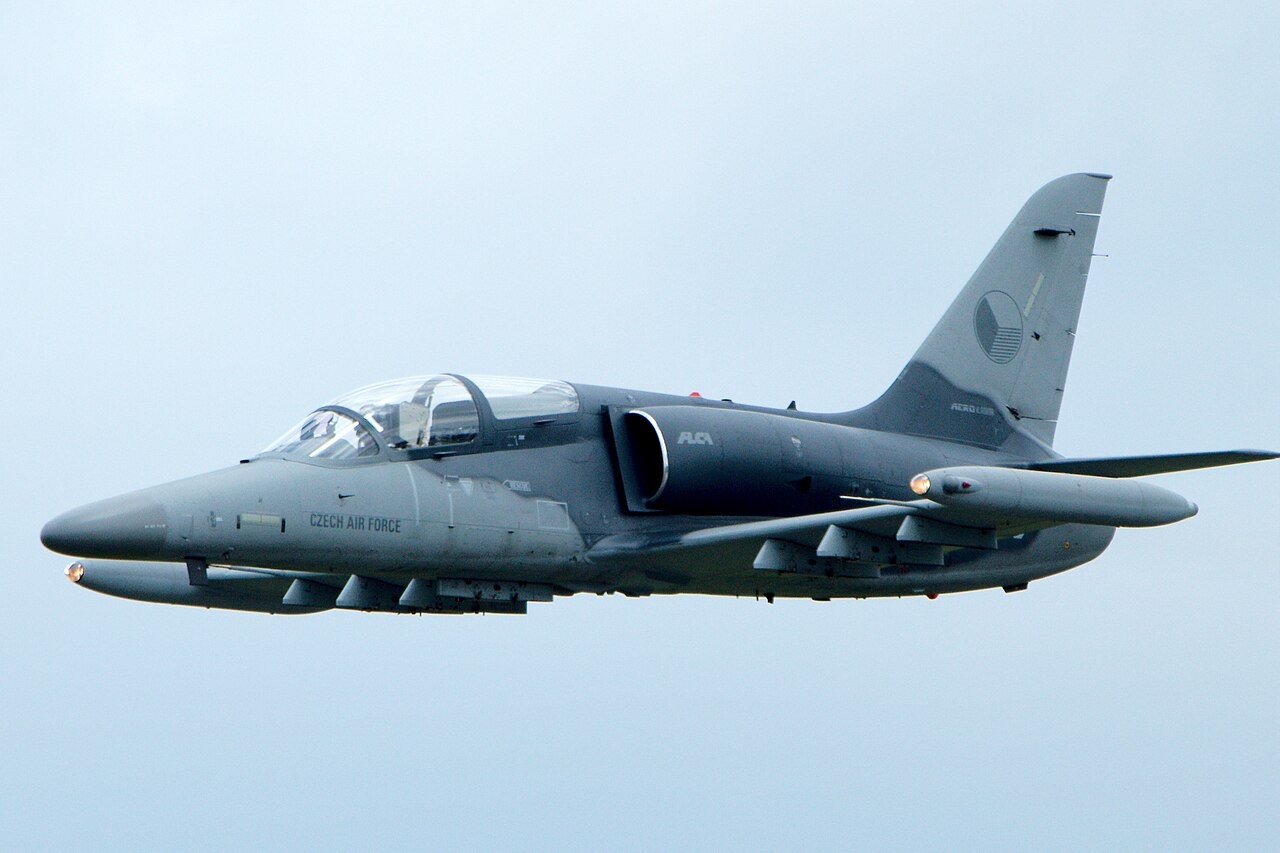
The L-159A measures 41 feet 9 inches in length with a wingspan of 31 feet 4 inches. Power comes from a single Honeywell/ITEC F124-GA-100 turbofan producing 6,300 pounds of thrust. The aircraft can reach 582 mph, has a range of approximately 980 miles, and a service ceiling of 43,300 feet. Seven hardpoints can carry up to 5,159 pounds of weapons and external stores, including gun pods, rockets, bombs, and air-to-air missiles.