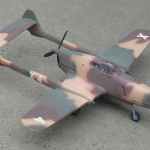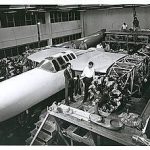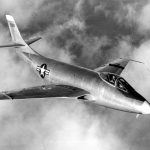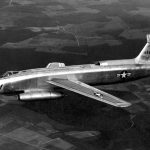
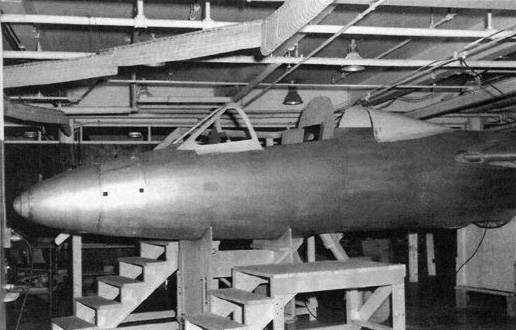


In the early 1950s, the US Air Force needed a new spy plane. Although the service eventually chose to develop Lockheed’s famous U-2, it initially considered other designs. One among them was Bell X-16. The aircraft was named X-16 to conceal its real purpose from the Soviet Union during the Cold War. In the second half of 1953, Fairchild, Bell, and Martin Aircraft worked on designs for high-altitude reconnaissance aircraft for the United States Air Force under project MX-2147. All three designs used Pratt & Whitney J57-19 turbojet engines. The Air Force chose the designs from Bell and Martin (B-57D) for further development. The Bell Model 67 design became known as the Bell X-16. A full-scale mock-up was built, and one aircraft was partly completed. It was designed to be a high-altitude, long-range reconnaissance aircraft.
Design of Bell X-16
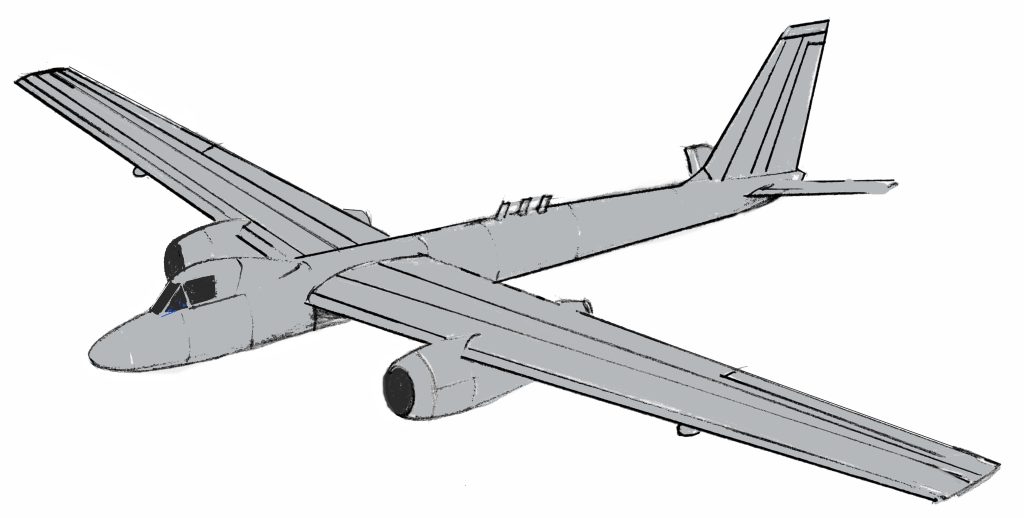
The single-seat Bell X-16 was 60.1 feet long, 17.1 feet high, with a wingspan of 114.1 feet and a wing area of 1,099 square feet. The empty weight was 23,280 pounds, and the gross weight was 36,124 pounds. Its maximum speed was envisioned at 553 mph, with a range of 3,319 miles. The wings of this Bell X-16 were much lighter and more flexible than typical jet wings. The entire aircraft was designed to be as light as possible to achieve a 3,000-mile range without refueling at an altitude of 69,500 feet. The Air Force ordered 28 Bell X-16 aircraft, but none were finished. The first one was about 80 percent complete when the Air Force canceled the program in 1956 to support the Martin RB-57 instead. Although no Bell X-16 was completed, its lightweight design influenced future aircraft design. It also helped develop high-altitude versions of the J57 engine, which later powered the Lockheed U-2, which is still in service with the US military.
The Cancellation
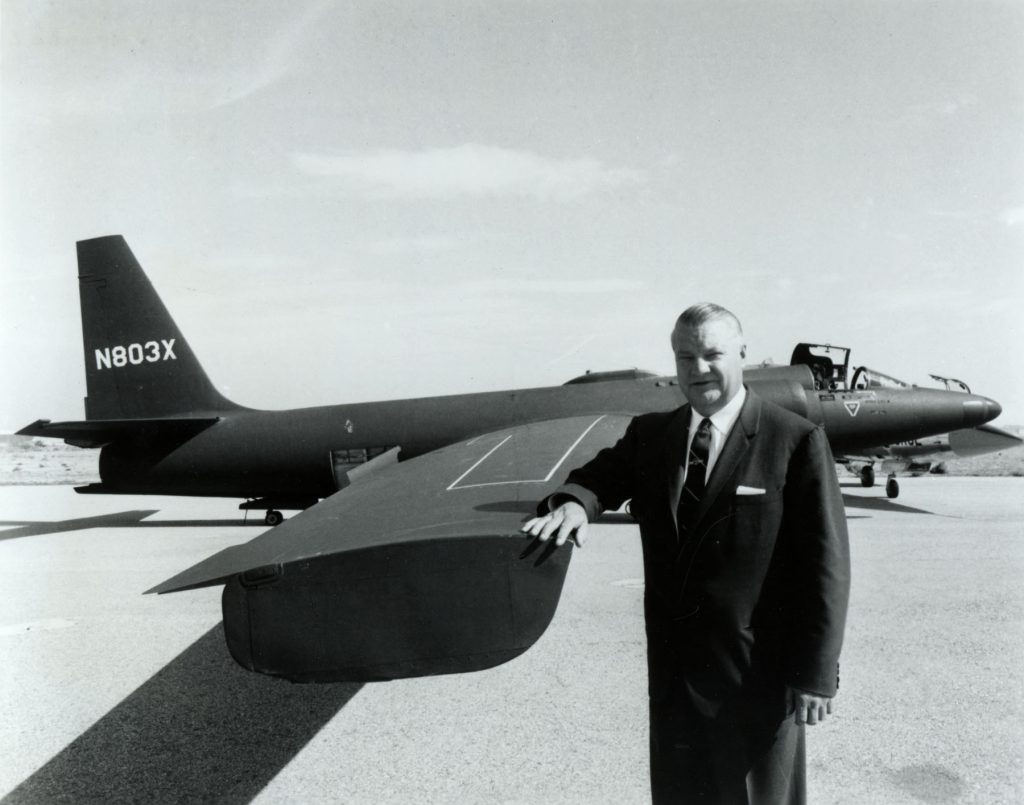
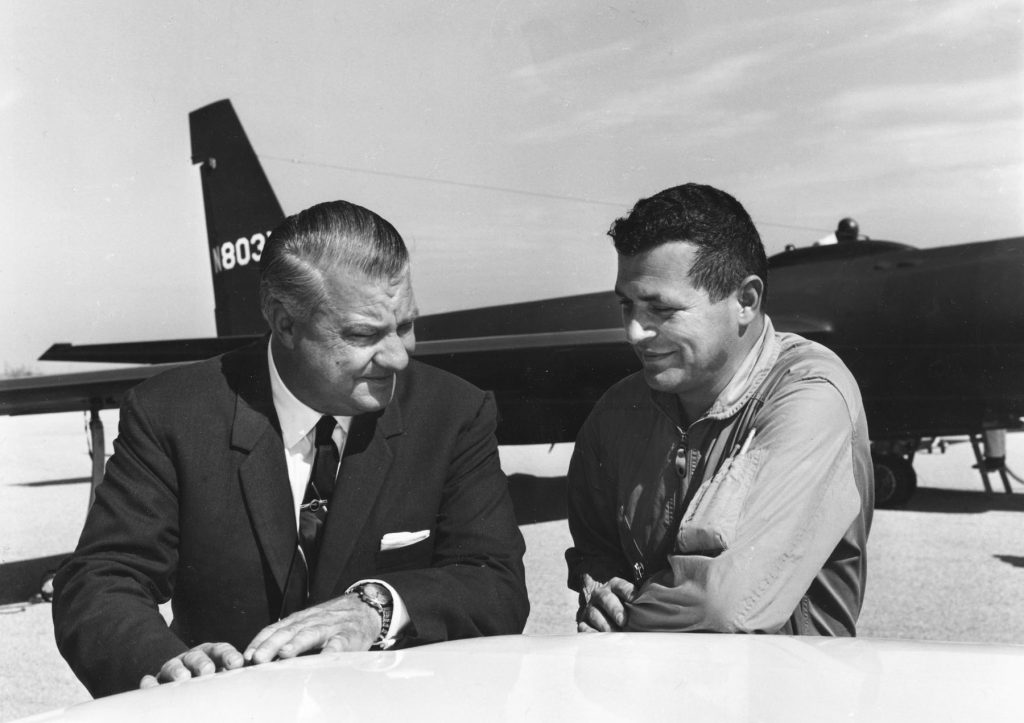
The U-2A was developed in secret by Kelly Johnson and the Lockheed Skunk Works, with its first flight in August 1955. In the late 1950s, early missions over the Soviet Union gave US leaders important information about Soviet military strength. In October 1962, the U-2 captured images of Soviet nuclear missiles being placed in Cuba, which led to the Cuban Missile Crisis. More recently, the U-2 has gathered intelligence during operations in Korea, the Balkans, Afghanistan, and Iraq. When needed, the U-2 also conducts peacetime reconnaissance to support disaster relief for floods, earthquakes, and wildfires, as well as search-and-rescue missions. U-2 aircraft are based at Beale Air Force Base in California, which is part of the 9th Reconnaissance Wing. Before they go on operational missions, U-2 pilots train at Beale using five two-seat aircraft known as TU-2S. In the Grounded Dreams series, the Bell X-16 couldn’t prove itself but helped shape the future of US reconnaissance. Read more Grounded Dreams articles HERE.