






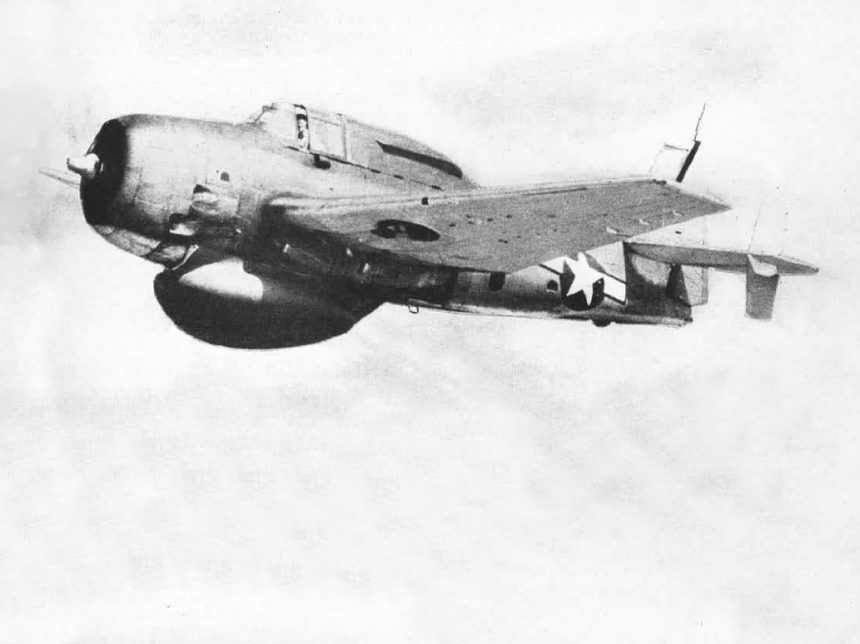

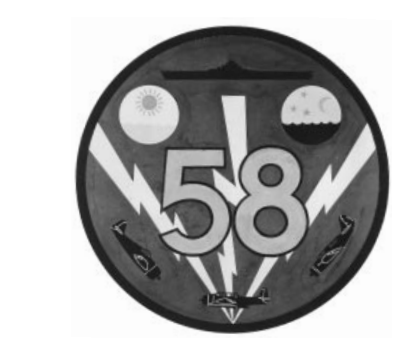
On March 19, 1946, the US Navy established its only unit at the time to test and evaluate naval weapons and tactics. Known as the Torpedo Squadron 58 (VT-58), the unit was based at Naval Auxiliary Air Station Fentress in Virginia. The Torpedo Squadron 58 was created to work with the Navy’s Operational Development Force (COMOPDEVFOR) to test and evaluate new weapons, equipment, and methods for the fleet, and to report on the results and recommend necessary training, operating procedures, and tactics. To achieve this mission, the squadron used three types of aircraft, including the F6F-5N Hellcat fighter, the SB2C-5 Helldiver dive bomber, and the TBM-3 Avenger torpedo bomber. These planes helped them operate both day and night. However, by the end of the year, the fighter aircraft were transferred to Fighter Squadron ONE L (VF-1L). The Torpedo Squadron 58, now focused on attack aircraft, continued its mission with this new direction. The squadron moved to Naval Air Station Atlantic City in New Jersey on June 19, 1946. It was renamed Attack Squadron ONE L (VA-1L) on November 15, 1946.
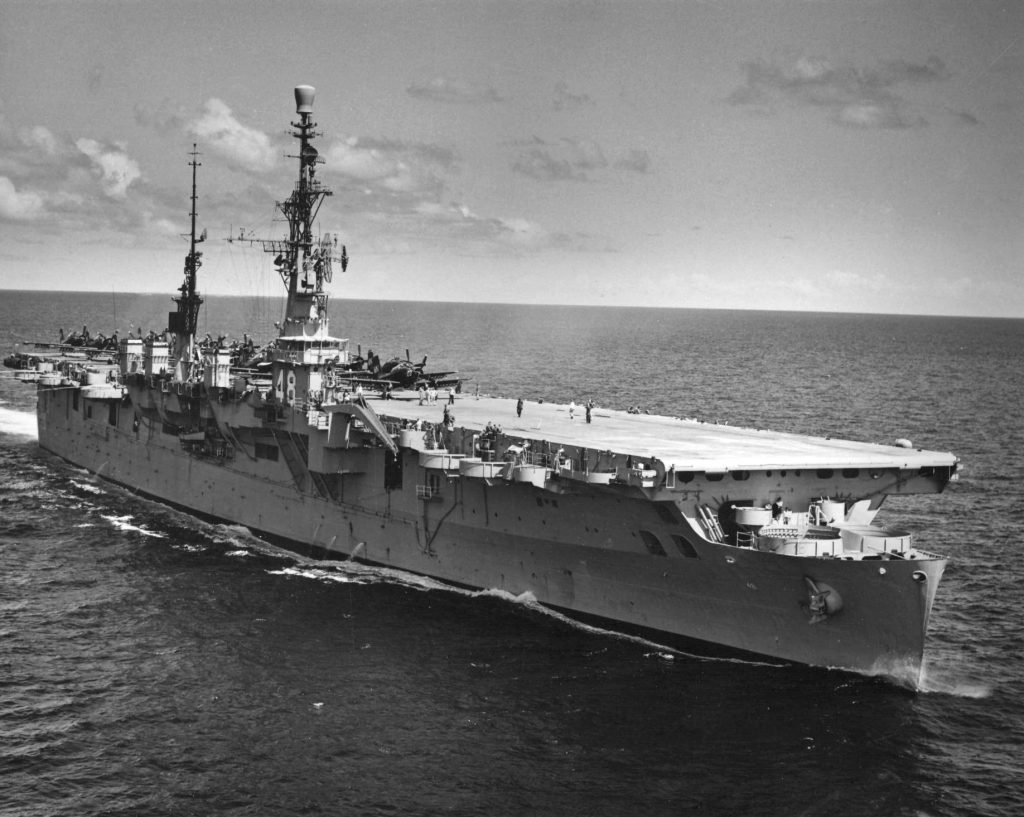
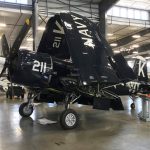
In March 1947, the squadron received TBM-3W aircraft designed for airborne early warning and also gained qualified personnel to operate them. In April and May of that year, the squadron was active on the USS Saipan (CVL-48) during its shakedown cruise in the Caribbean. The next February, the squadron deployed TBM-3N and TBM-3E aircraft in the Caribbean again from the Saipan. During this time, squadron aircraft flew over the inauguration ceremony in Caracas, Venezuela, for President-elect Rómulo Gallegos. As part of the CVLG-1, these aircraft carried the tail code ‘SA’. VA-1L was one of the first squadrons to receive the XBT2D-1, the prototype for what would later be known as the Douglas A-1 Skyraider. The first aircraft arrived in January 1948, and on October 19, production versions arrived. Later, the plane proved to be very adaptable and durable, handling a record load of 14,491 pounds of weapons and fuel. During the Korean War, Skyraiders in Navy and Marine squadrons played an important role in supporting ground troops and disrupting North Korean supply lines.
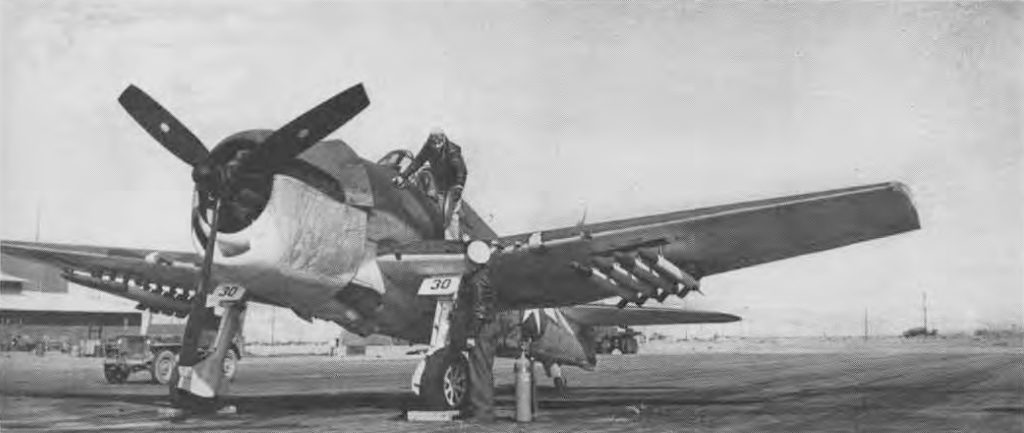
One of the most famous Skyraider variants was the AD-6, also known as the A-1H, which was the primary single-seat attack version used by the Navy and Marines in Vietnam. It had strengthened armor and improved systems for close air support and was known by pilots as the “Spad”. The squadron could not use it in the wars because it was disestablished on November 20, 1948. However, elements of the squadron then joined VF-1L to form Aircraft Development Squadron 3 (VX-3), which continued in a similar role for twelve years before it was disestablished on March 1, 1960. Though disestablished, the unit helped the US Navy transition from torpedo tactics to attack tactics. It also helped evolve air tactics for the Cold War through day and night operations and early electronic warfare. Finally, the unit helped test next-generation aircraft for carrier operations.






First things first, the TBM Avenger was built by Eastern Aircraft, not Grumman, the first examples of the Spad to reach the fleet were not XBT-2D-1s, instead, by production began, the designation changed to AD-1, next, when Naval aviation squadron designations are spelled out, it goes like this: Torpedo Squadron FIVE-EIGHT, not “Torpedo Squadron VT-58”, and finally, CVLG-; Aircraft Carrier Small Air Group-ONE is not an Air Wing, that designation DID NOT exist in the late 40’s, instead, that designation was created in the mid 60’s, to replace the Air Group designation.
Hi John,
Thanks for pointing these out. I have reviewed the suggestions and made the changes I found necessary. Appreciate you taking the time to read and flag them.