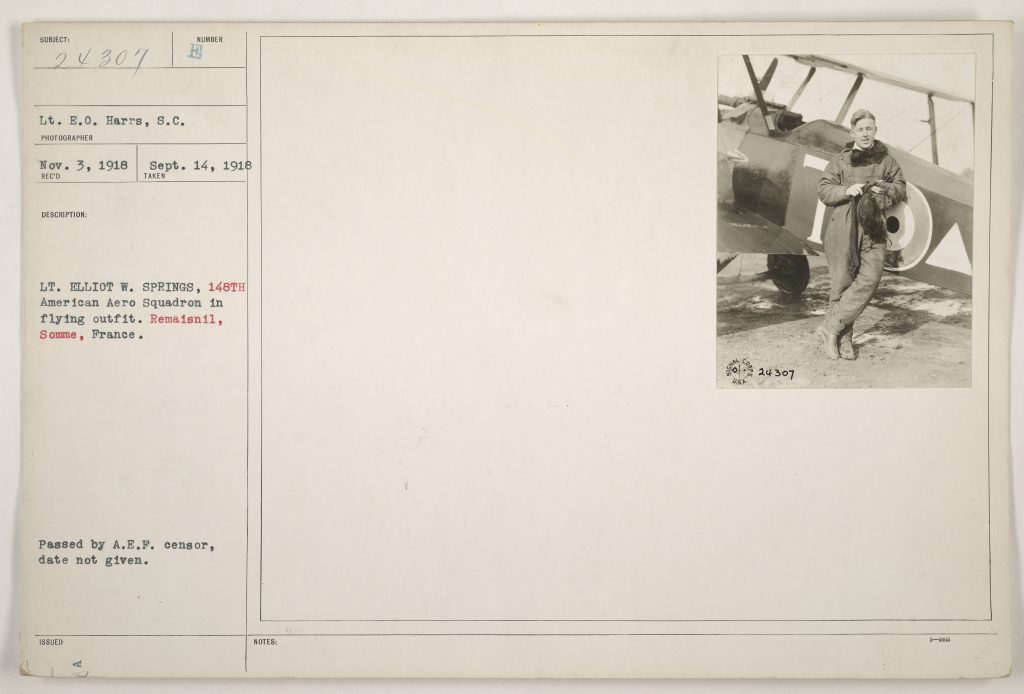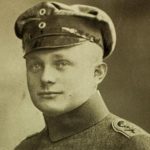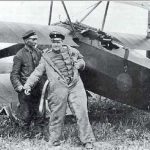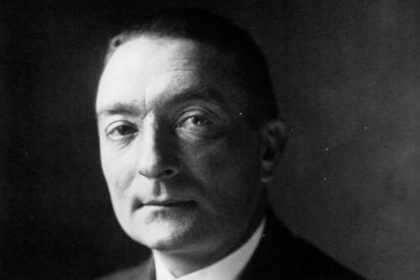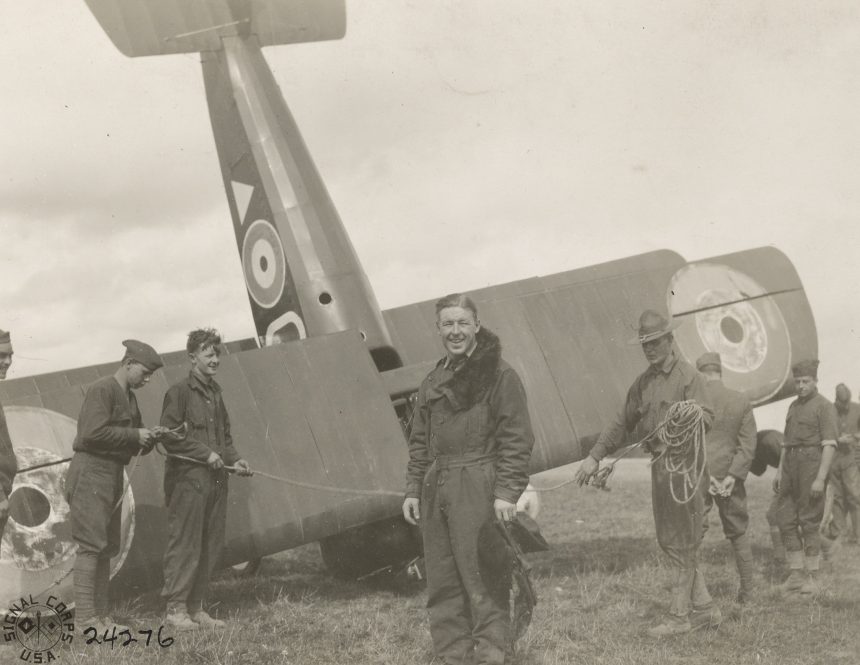

There was a pilot from the USA who spent nearly six months flying in WWI and still became an ace. But those six months gave him enough knowledge to write a book after WWI that became a bestseller. Elliott White Springs was born on July 31, 1896, in South Carolina. The son of Colonel Leroy Springs, he was born into a wealthy family involved in textile manufacturing. He attended Culver Military Academy and Princeton University. In 1917, he joined the army and went to England for training with the Royal Flying Corps. In 1918, Elliott White Springs became one of several pilots chosen by William Bishop to fly the S.E.5a aircraft with 85 Squadron in France.
Ace Journey of Elliott White Springs
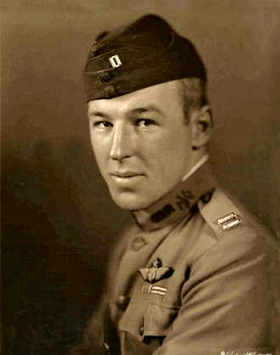
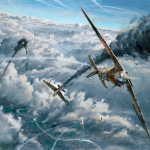
Elliott White Springs scored his first victory on June 1, 1918, when he shot down a Pfalz D.III, followed by three more victories in the month. On June 27, 1918, Springs was shot down by Lt. Josef Raesch of Jasta 43. After he recovered from his injuries, he was given a new assignment with the US Air Service’s 148th Aero Squadron, where he flew the Sopwith Camel. He became an ace on August 3, when he shot down a Fokker D.VII. After scoring another victory on August 13, on the morning of August 22, Lieutenant Elliott White Springs attacked five Fokker biplanes. He shot down one of them, which crashed in a wood south of Velu. He attacked another enemy aircraft and sent it down out of control before turning to attack another, which he drove east. After using all his ammunition, Lieutenant Springs withdrew from the fight. In the afternoon of August 22, 1918, Elliott White Springs engaged three Fokker biplanes that were diving towards a lower flight. One of the three pulled out of its dive, another turned east, and Lieutenant Springs shot down the third aircraft out of control. For this, Elliott White Springs was awarded the British Distinguished Flying Cross (DFC), which said, “This officer has at all times shown the greatest determination and courage, and his work as Flight Commander in this squadron has been marked by a rare combination of cool judgment and most aggressive fighting tactics.” He shot down another Fokker D.VII on August 27. Further, he claimed six more victories in September, bringing his total in WWI to 16.
Legacy and Death
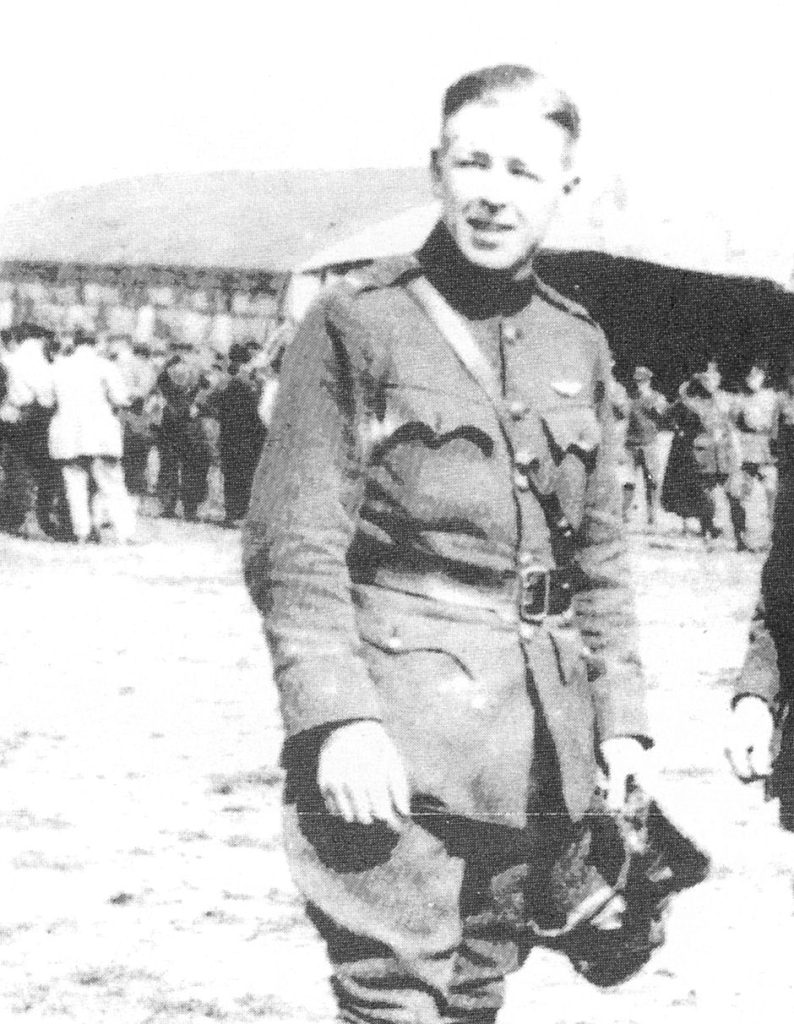
After the war ended, Elliott White Springs returned to the United States. He traveled the country while writing “Warbirds: The Diary of an Unknown Aviator.” This book mainly uses letters from his friend, John McGavock Grider, who died in action with 85 Squadron. “Warbirds” became a bestseller, and Springs continued to write books about his experiences in WWI. In 1931, at his father’s request, he went back to work in the family textile business. Even though the company was heavily in debt, Elliott White Springs saved it by cutting his own salary and trying out new ideas. He even set up a loom in his basement. Because of his efforts, the family firm survived the Great Depression, while many competitors went out of business. In 1941, he was called back to serve in the United States Army Air Corps during WWII. On November 11, 1953, he was a guest on the show I’ve Got a Secret. Elliott White Springs ran Springs Cotton Mills until shortly before he died. He died at age 63 in Memorial Hospital in New York. His home, the William Elliott White House, was added to the National Register of Historic Places in 1987. In the Aces series, Elliott White Springs was a courageous pilot and a thoughtful leader. His postwar activities, including writing and growing his family business, showcase that he proved to be a valuable person wherever he went. Read stories about more Aces HERE.